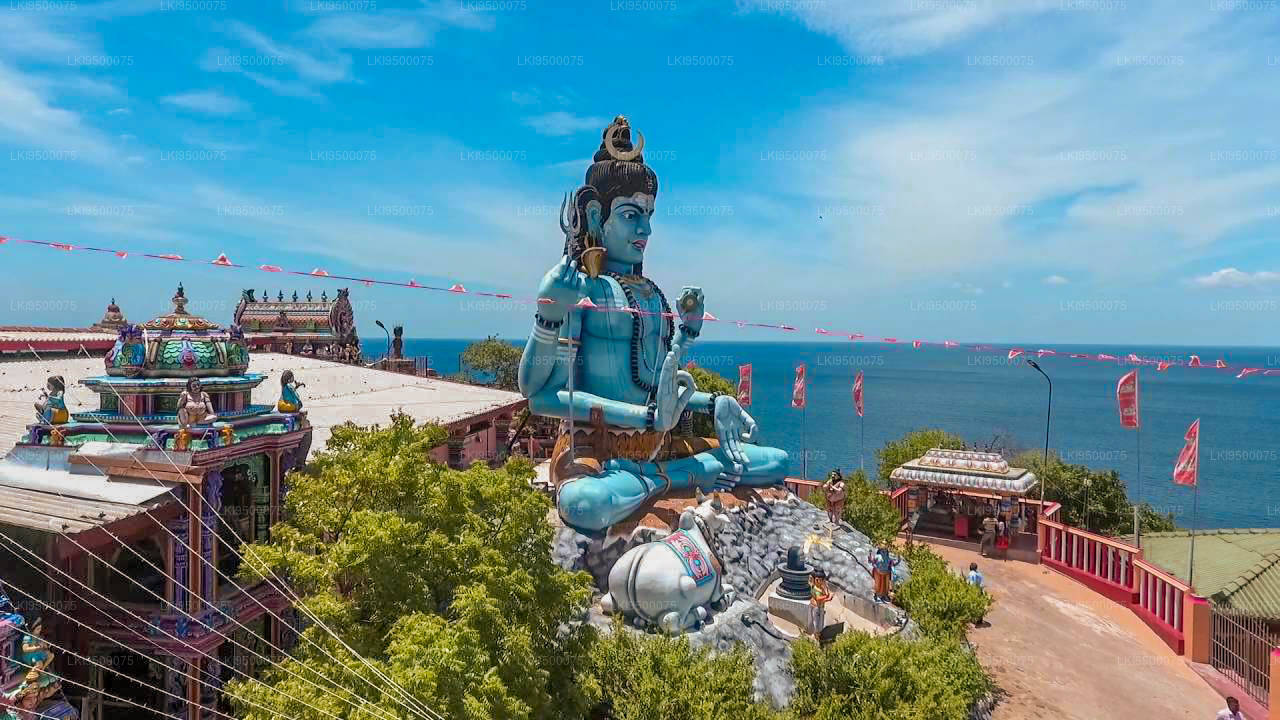
Trincomalee, located on the northeast coast of Sri Lanka, boasts a natural deep-water harbor and pristine beaches. Rich in history, it features landmarks like the ancient Koneswaram Temple. The city's diverse marine life and vibrant culture make it a captivating destination for tourists and historians alike.
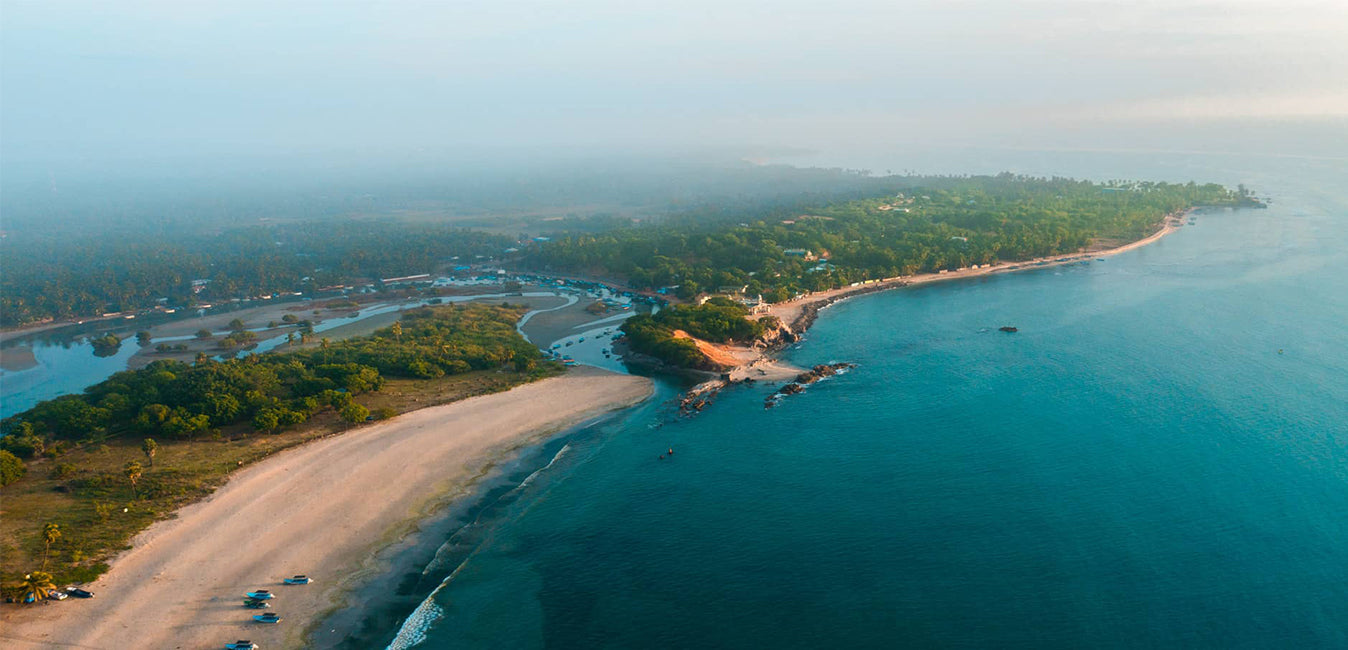
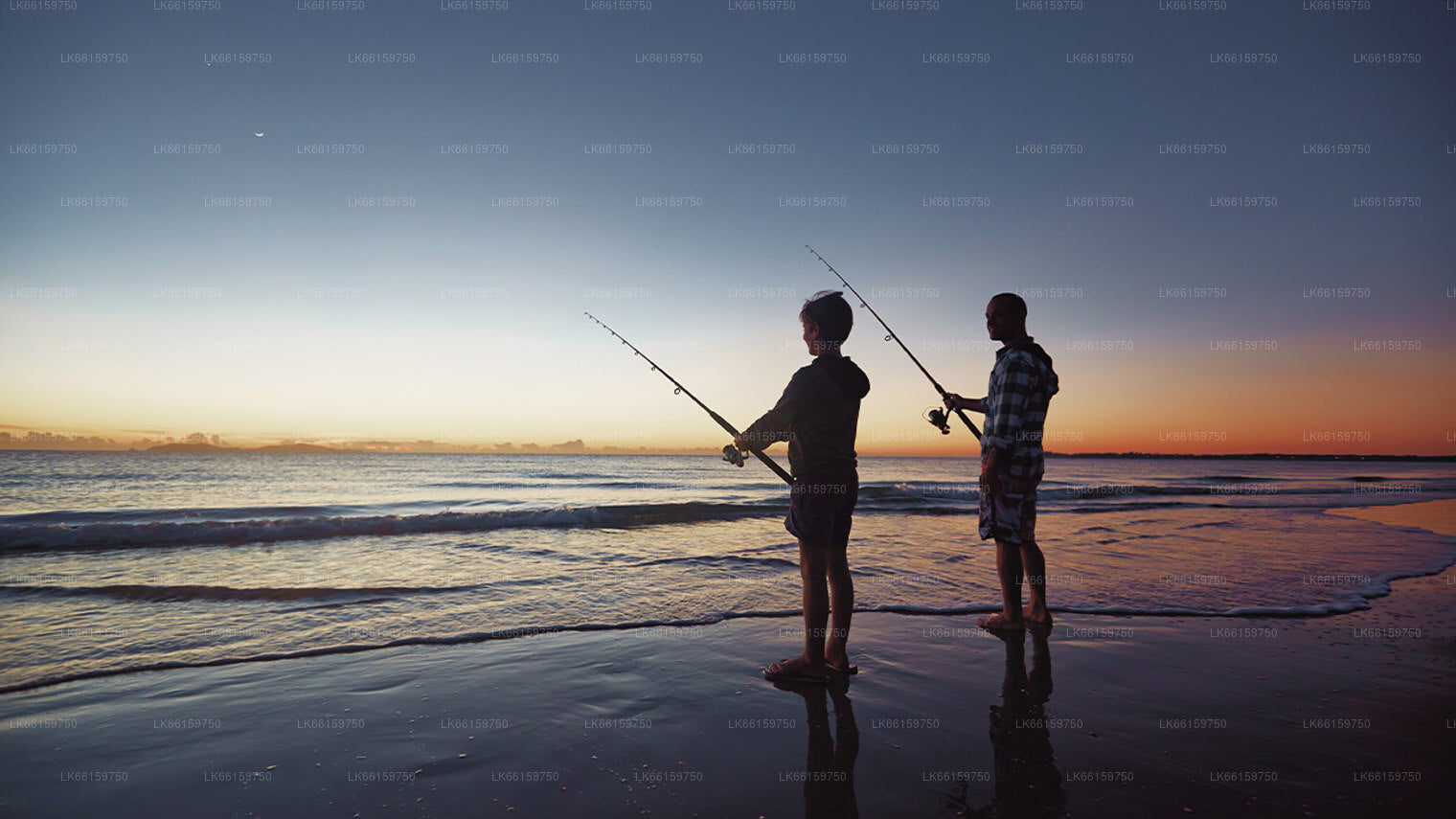
n the fascinating town of Trincomalee lies a little coastal village – Kuchchaveli. A breath-taking beach destination, Kuchchaveli is a vision of a paradise; its secluded beach affording captivating sunsets and wonderful strolls along the clear, soft sand. Dip your toes in the cool water as you gaze upon the vast expanse of turquoise waters – offering an air of serenity and tranquility for a relaxing holiday.
Stunningly set in a harmonious blend of Sri Lanka’s most celebrated features – its wondrous beaches and teeming jungles – Kuchchaveli gives easy access to all the significant places to visit in Trincomalee. A few minutes away lies the hot springs of Kannya, offering travelers a look into the legends that inhabit the town of Trincomalee. This place of interest brings countless of tourists, owing to a longstanding tale that goes back pre-Vijayan times, when Ravana was Lord of Lanka.
About Trincomalee District
Trincomalee District is one of the 25 districts of Sri Lanka, the second-level administrative division of the country. The district is administered by a District Secretariat headed by a District Secretary (previously known as a Government Agent) appointed by the central government of Sri Lanka. The capital of the district is the city of Trincomalee.
About Eastern Province
Another province of Sri Lanka mostly known for its golden beaches and the natural harbour, the Eastern Province which is 9,996 km2 in extent consists of three administrative districts namely Trincomalee, Batticaloa and Ampara. Between 1988 and 2006 the province was temporarily merged with the Northern Province to form the North-East Province. However, the North-East Province North-East Province was formally de-merged into the Northern and Eastern provinces on 1? January 2007 according to a ruling of the Supreme Court.
Most of the Tamils and Sinhalese believe that this place is sacred to them and they are the indigenous people of the area. Trincomalee and its environs have both Hindu and Buddhist sites of historical importance. These sites are sacred to the Hindus and Buddhists.
Eastern Province
The Eastern Province is one of the 9 provinces of Sri Lanka. The provinces have existed since the 19th century but they didn't have any legal status until 1987 when the 13th Amendment to the 1978 Constitution of Sri Lanka established provincial councils. Between 1988 and 2006 the province was temporarily merged with the Northern Province to form the North-East Province. The capital of the province is Trincomalee. The Eastern province's population was 1,460,939 in 2007. The province is the most diverse in Sri Lanka, both ethnically and religiously.
Eastern province has an area of 9,996 square kilometers (3,859.5 sq mi).The province is surrounded by the Northern Province to the north, the Bay of Bengal to the east, the Southern Province to the south, and the Uva, Central and North Central provinces to the west. The province's coast is dominated by lagoons, the largest being Batticaloa lagoon, Kokkilai lagoon, Upaar Lagoon and Ullackalie Lagoon.