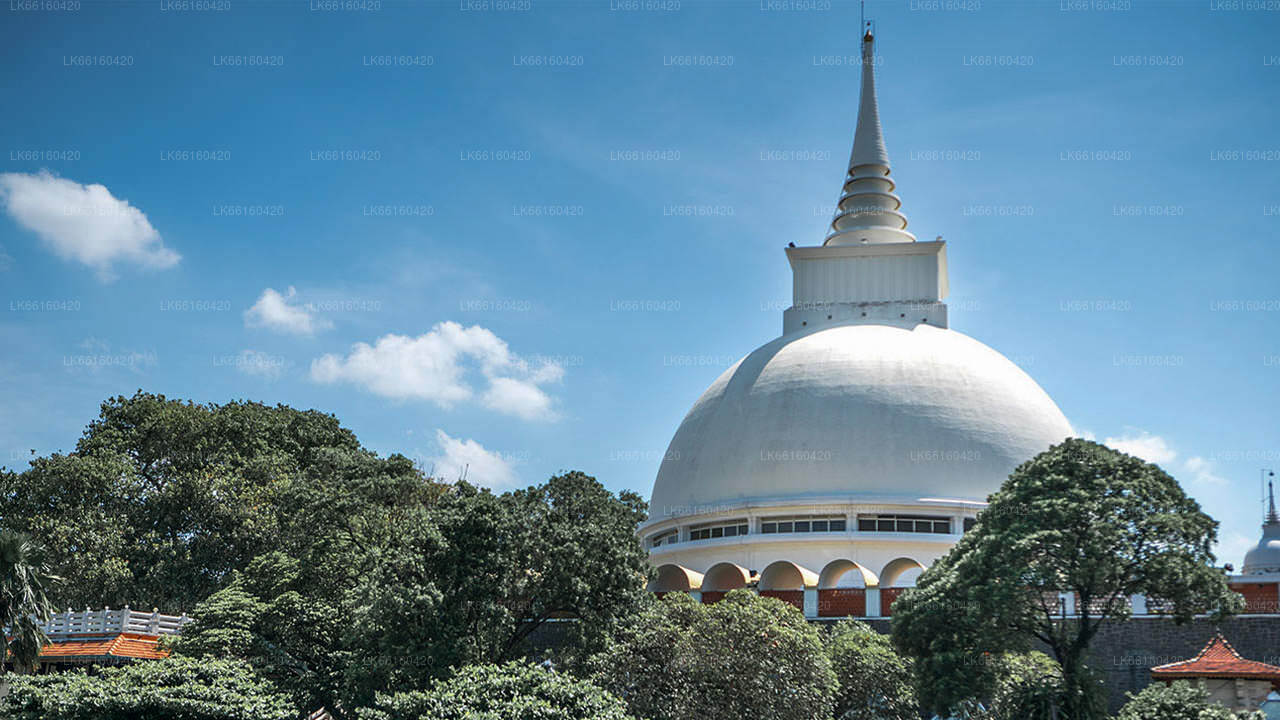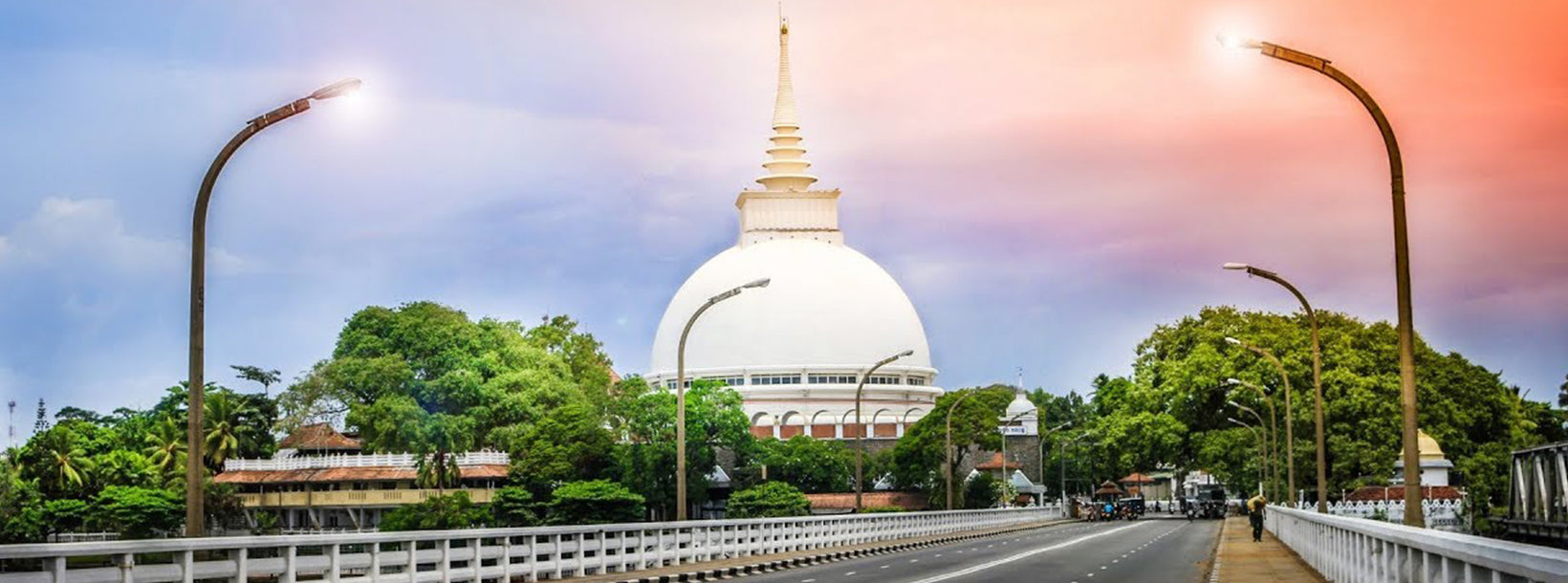
Kalutara Bodhiya


The Kalutara Bodhiya is an ancient Bo tree which was identified as one of the 32 saplings of the original Jaya Sri Maha Bodhi planted during the reign of king Devanampiyatissa in Anuradhapura during the 2nd century BC. It remains as a very important historical site to this day.
History
According to history that the Bo tree at Kalutara sprouted from a sapling of the Jaya Sri Maha Bodhi (The Great Resplendent Fig Tree Symbolising Victory) in Anuradhapura; which itself is a sapling of the very Bo Tree (Ficus religiosa) in Bihar, Madhya Pradesh, India underneath which Buddha attained enlightenment.
The First Tree
The story of how this tree came to Kalutara is quite interesting. The Bo Tree at Buddha Gaya became a subject of veneration after Prince Siddhartha Gautama attained enlightenment while seated under its spreading branches. Centuries later the tree became a symbol of the Buddha’s presence and therefore became worshipped. A sapling of the original tree was brought to Sri Lanka by the bhikkhuni Sanghamitta, daughter of the King Asoka and twin sister of the Venerable monk Mahinda who brought Buddhism to Sri Lanka. The sapling was planted in the Mahamehavana Park of Anuradhapura in 288 AD. This became the Sri Maha Bodhi. As the original tree in Bihar was destroyed later on, it is a historical fact that the Sri Maha Bodhi is the world’s oldest tree with a documented history.
The Sapling
The history of the Sri Maha Bodhi tree is recorded in the Sinhalese literary Bo Tree classic, Bodhivamsa. According to this book the tree bore eight fruits. There were four saplings grew from the seeds of each fruit, making up a total of 32 saplings. Apparently the places that they were to be planted were specified by Mahinda himself and Kalutara was one of these places. However, the tree only survived until the 15th century AD.
The Buddhist public started to consider the location place sacred after a Pandyan prince named Wickrama Pandyan also planted a Bo tree on the current Lower Terrace of the Kalutara Bodhi premises in 1042 AD. The prince served as a viceroy in the Kalutara area during that period, and wished to get the support of the locals though he was a Hindu himself. During the 15th century invasion by the Portuguese, care for the tree decreased and the tree died. However, it regrew a few decades later. After the Portuguese took control of the coastal provinces of Sri Lanka in the 16th century, they noticed that the site was popular with the locals, and possibly decided that it could be used strategically to control the religious activities of the people there. The site of the Kalutara Bodhiya was converted into a fort during this time.
After the Portuguese, the Dutch and the English who made Sri