Duruthu Perahera


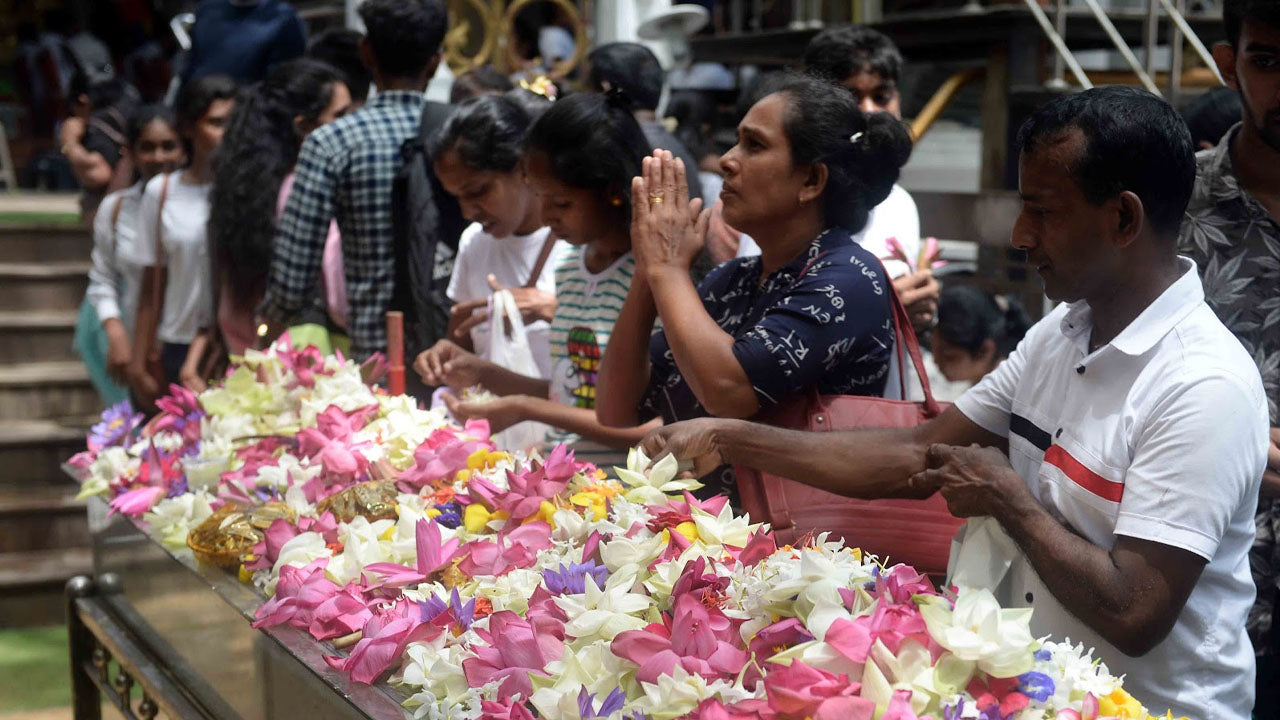
Marking the beginning of Sri Lanka's Buddhist Calendar, the Duruthu Perahera is one of the most culturally glorious processions celebrated by devotees annually during the month of January (Duruthu). The main festivities are organized at the historic Kelaniya Rajamaha Viharaya (Temple) annually during the pre-full moon poya day in January to mark the first visit of Lord Buddha to Sri Lanka. Dating back to 1927, this grand assemblage is witnessed and celebrated by devotees who arrive in Kelaniya from all parts of the country, attracting tourists who are left in awe of the festivities. The traditions and culture of Sri Lanka's grand heritage are depicted throughout the procession, considered the highlight of many rituals and ceremonies preceding the event. The entire festival consists of three stages: it commences with a series of religious sermons each night, leading up to a week of Pirith Ceremonies, and finally ends with the Perahera held over three consecutive nights.
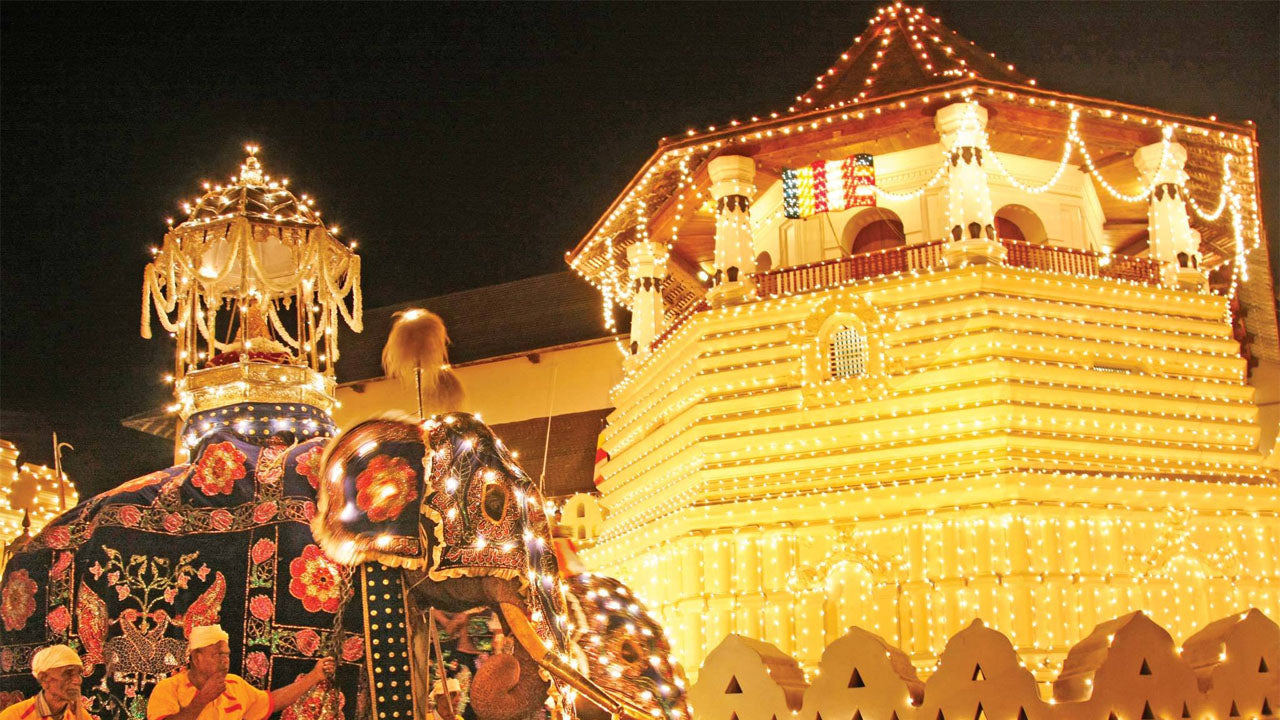
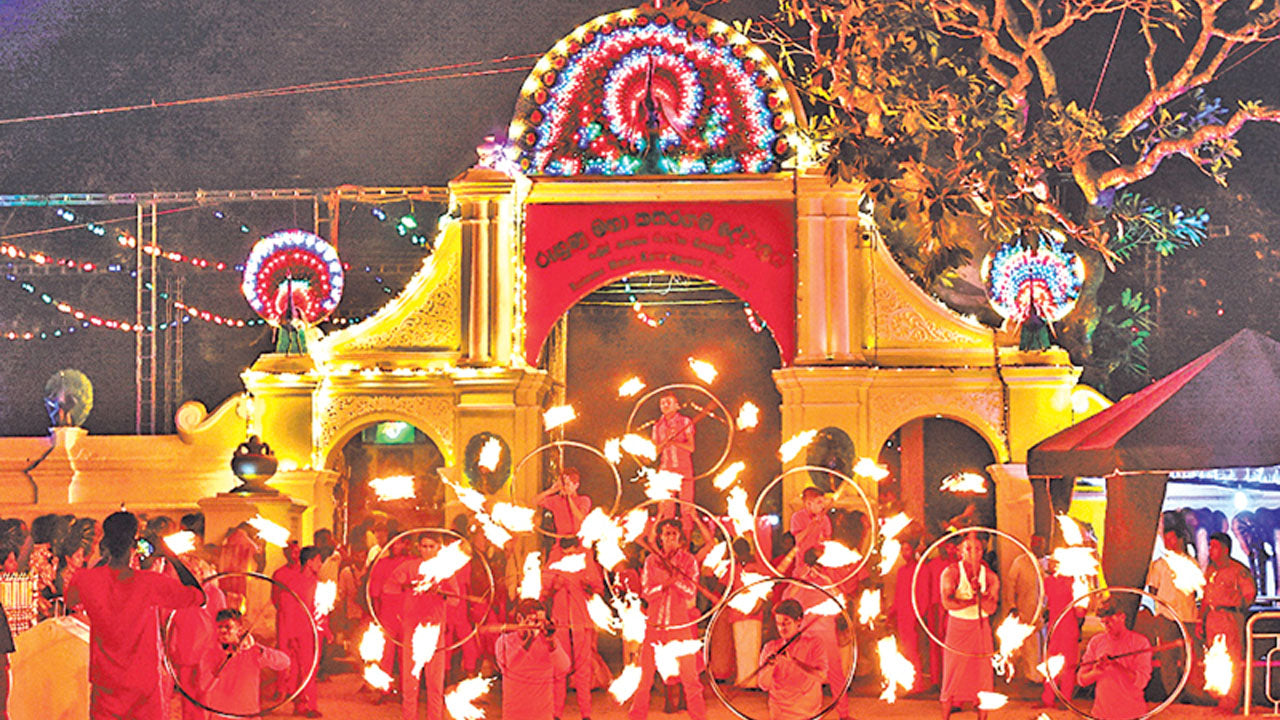
The "Udamaluwa Perahera," the first-day procession, is held in the upper terrace area of the Kelaniya Temple. The Dathu Perahera is conducted on a small scale with only a few elephants, whip-crackers, fire dancers, flag bearers, dancers, and drummers. The "Pahatha Maluwa Perahera," the second-day procession, is more colorful and elaborate than the first, with the Dathu Perahera leading, followed by the three Devala Peraheras. The "Randholi Perahera," the third and final procession, is a magnificent spectacle of color, tradition, grandeur, and religious fervor. Many devotees who gather at the temple join in the celebrations by chanting on the roadsides.
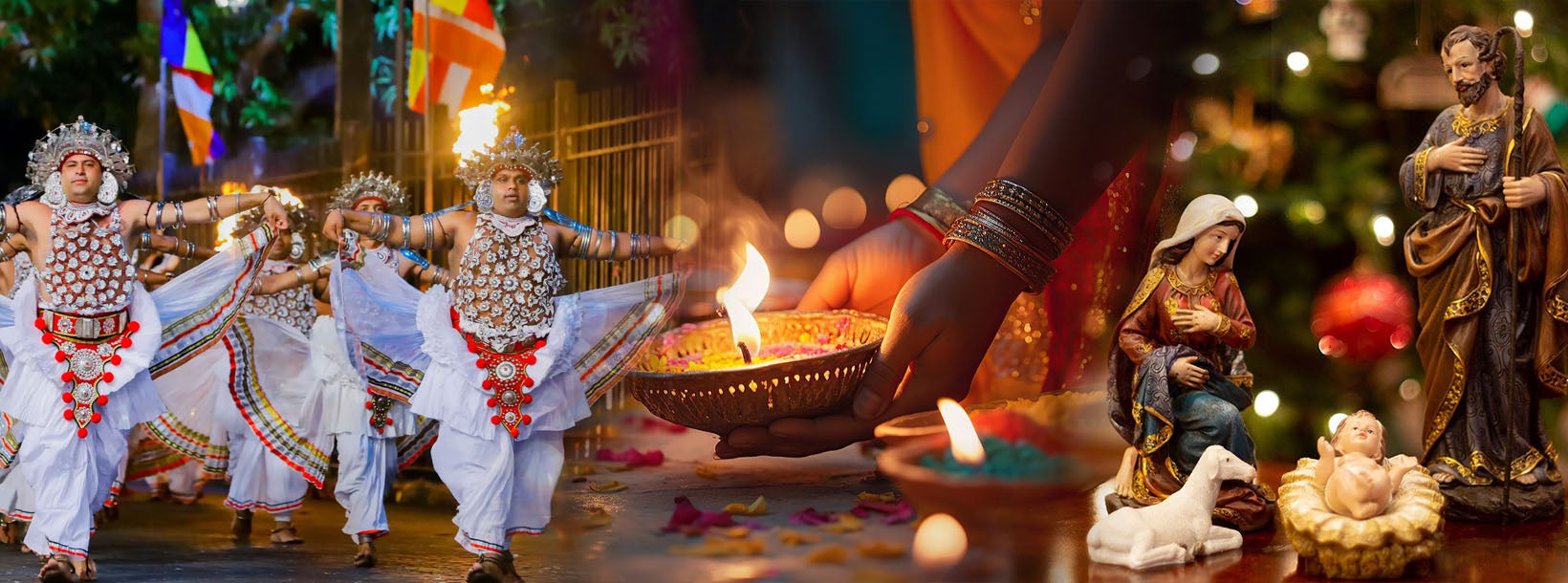
The Perahera is headed by whip-crackers who herald the approach of the procession. Following them are the fire-ball performers, a large number of elephants and tuskers carrying the sacred relic casket and dressed in shiny attire, flag bearers, drummers, dancers, Buddhist monks, chief incumbents of the temple, attendants, and village folk who strive to make the festivities a success. The entire length of the procession is illuminated by torches and decorated with colorful banners and flags, displaying religious insignia relevant to each temple and devalas associated with the Duruthu Perahera. The procession returns to the temple after traveling the entire route, with a cannon booming to mark the closing ceremony of this grand pageant.
The Kelaniya Temple is surrounded by many legends and is a resplendent example of Buddhist architecture and art from ancient Sri Lanka, attracting both local and foreign tourists regularly. The first entrance consists of the Makara Thorana (a mythological creature carved into an archway) symbolizing protection. The carved Makara is an interesting combination of various creatures, which must be witnessed in person. Within the temple premises, you'll find a main shrine area, a dagoba, moonstone, a reclining Buddha statue, the sacred Bo tree, and many statues of Lord Buddha in various positions. Due to its location adjoining the Kelaniya River and its close proximity to Colombo, visitors are drawn to explore this magnificent structure with its carvings, frescoes, statues, and the grandeur of a proud heritage.