
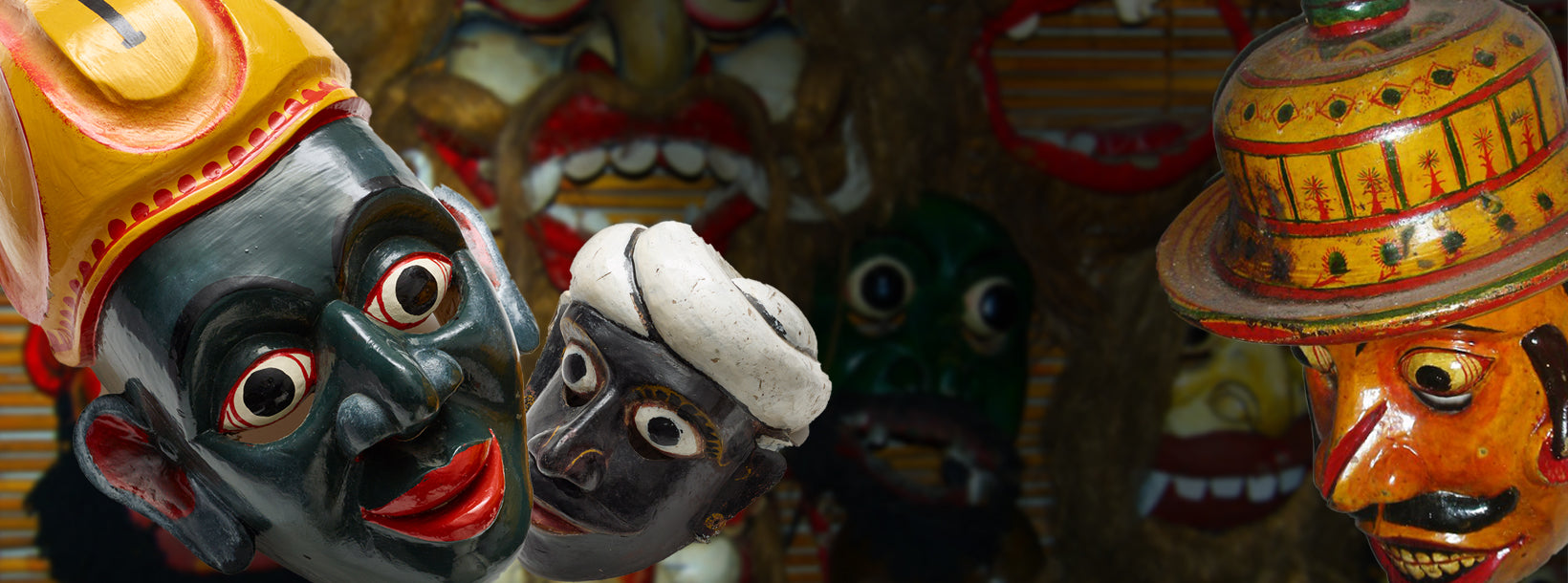
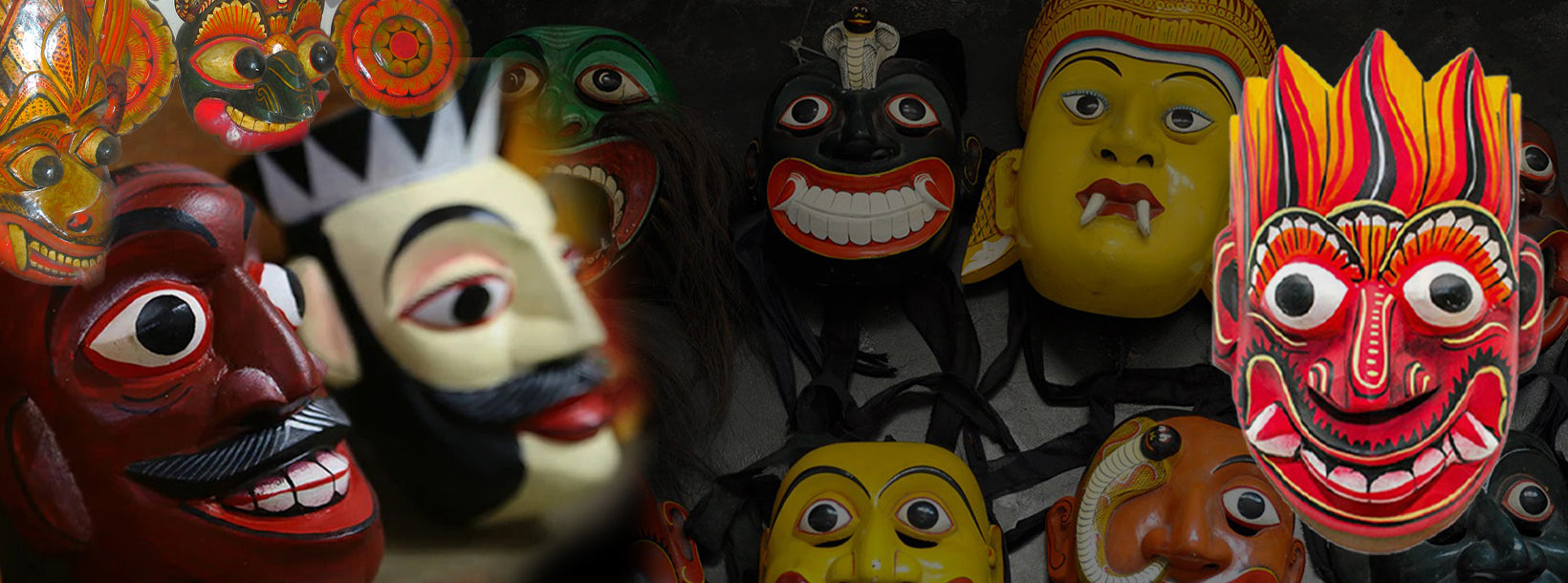
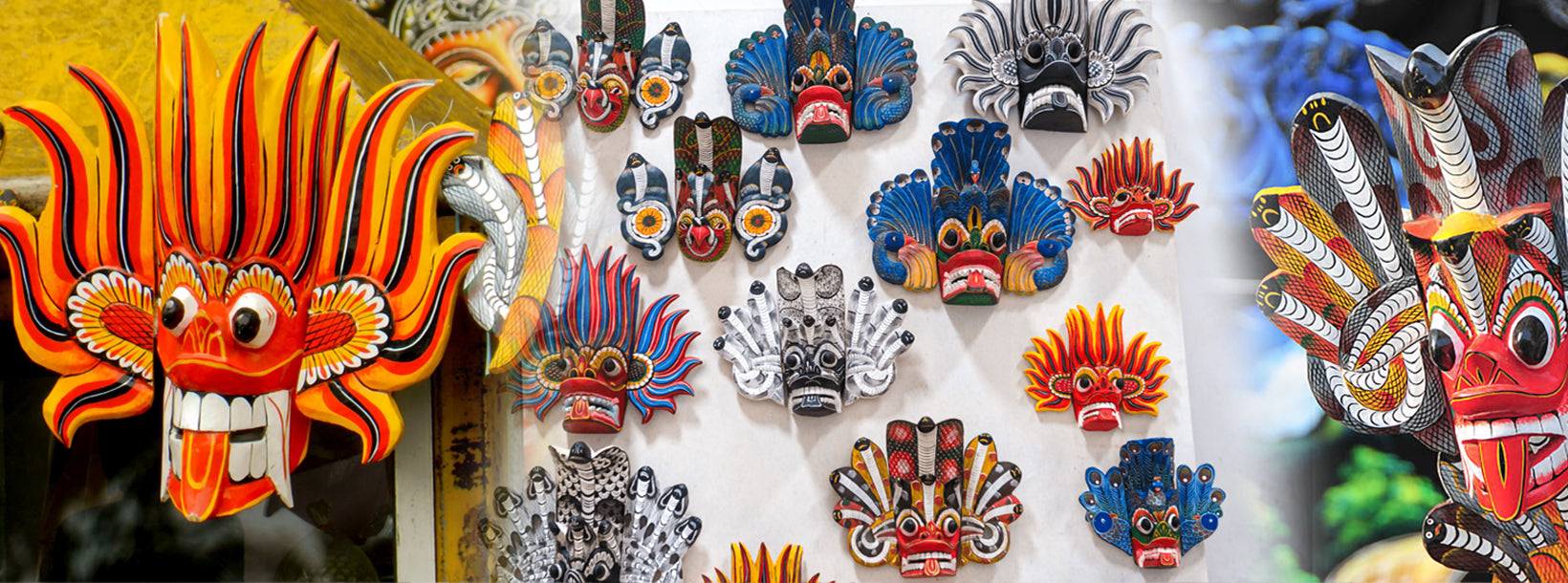
Ananga Bahirava Mask (mask of cupid)


The Ananga Bahirava Mask is a striking symbol of Sri Lanka's traditional arts and crafts and cultural heritage, especially celebrated in regions such as Ambalangoda and the Southern Province. Known for its fierce expression and intricate craftsmanship, the mask represents protective spiritual energy rooted in ancient Sinhala traditions. Crafted from natural materials and shaped by generations of skilled artisans, it reflects the deep connection between Sri Lankan culture, mythology, and ritual performances. The vivid colors, bold features, and symbolic patterns make the Ananga Bahirava Mask an iconic piece within the island's heritage.
The mask's design draws inspiration from Sri Lanka's biodiversity and natural surroundings, often featuring motifs influenced by forests, birds, animals, and endemic species that thrive across the island. Regions like Ratnapura District, Kegalle District, and Matara District contribute to the cultural landscapes that inspire such creations. The mask embodies spiritual strength, closely tied to folk beliefs and historic practices passed down over centuries. Its detailed carvings highlight Sri Lanka's artistic traditions and its long-standing relationship with nature, mythology, and ritual expression.
Visitors exploring the Ananga Bahirava Mask experience a glimpse into Sri Lanka's vibrant cultural performances, rituals, and storytelling traditions. These masks are often featured in traditional dances, festivals, and ceremonial events that celebrate mythology, healing rituals, and community heritage. Travelers visiting places like Galle Dutch Fort, Kandy, or Colombo can discover these masks in museums, Arts and Crafts centers, or cultural showcases that highlight Sri Lanka's artistic identity. The experience offers insight into the island's craftsmanship and cultural depth.
The Ananga Bahirava Mask can be appreciated year-round, with cultural centers, traditional mask workshops, and heritage villages offering demonstrations of how these masks are carved and painted. Travelers visiting the Southern Coast, Galle District, and Ambalangoda will find numerous artisans maintaining this ancient craft across generations. Seasonal festivals, Poya Days, and cultural celebrations in regions such as Kandy and Colombo enhance the opportunity to witness the mask in use. With easy access from major cities and cultural hubs, the Ananga Bahirava Mask remains a timeless symbol of Sri Lanka's artistic heritage, mythology, and traditional craftsmanship.


-
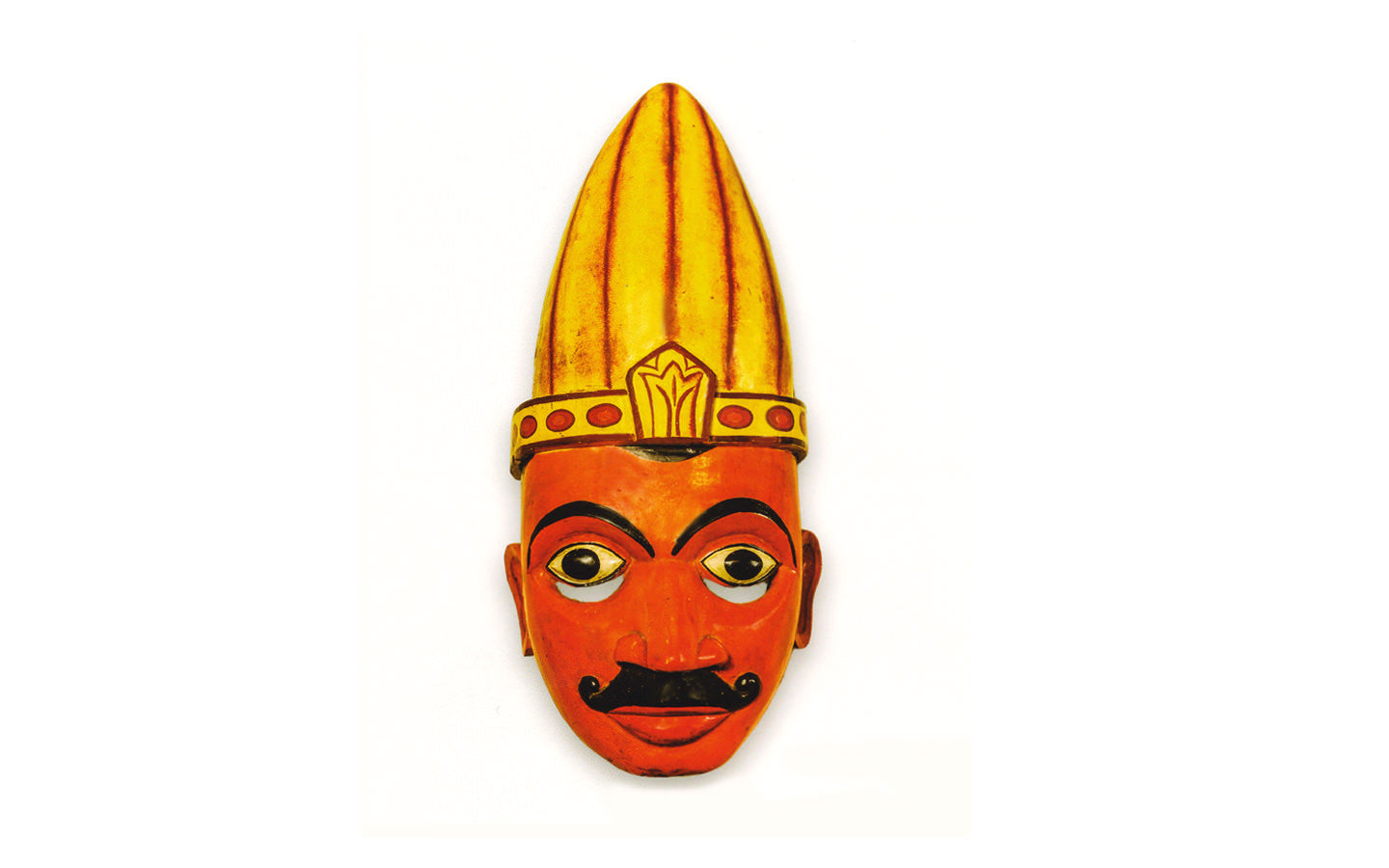 Anabera kolama
This character is known as the panikkalaya or panikkirala.
-
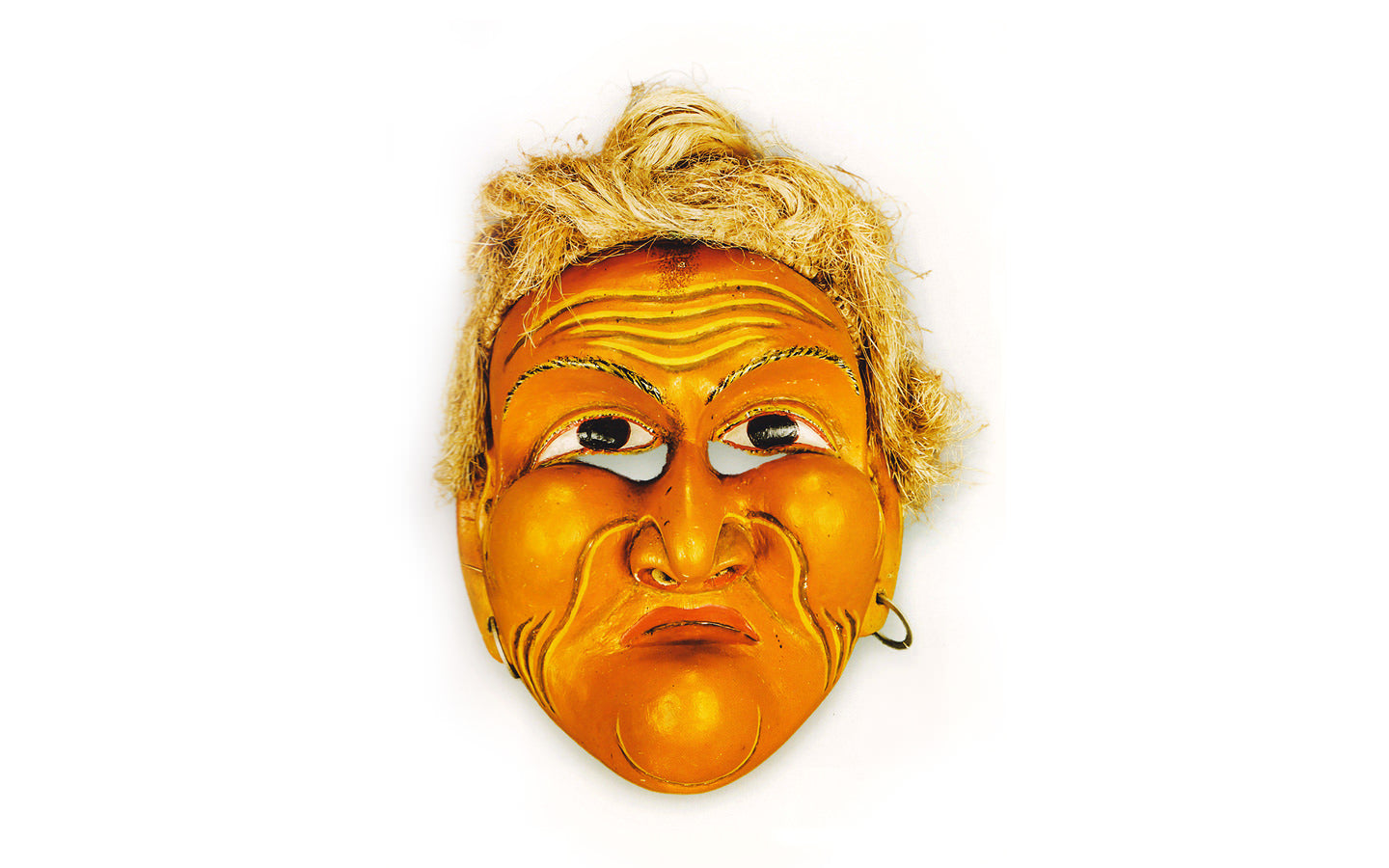 Nonchi Akka Kolama
She is the wife of official drummer announcer.
-
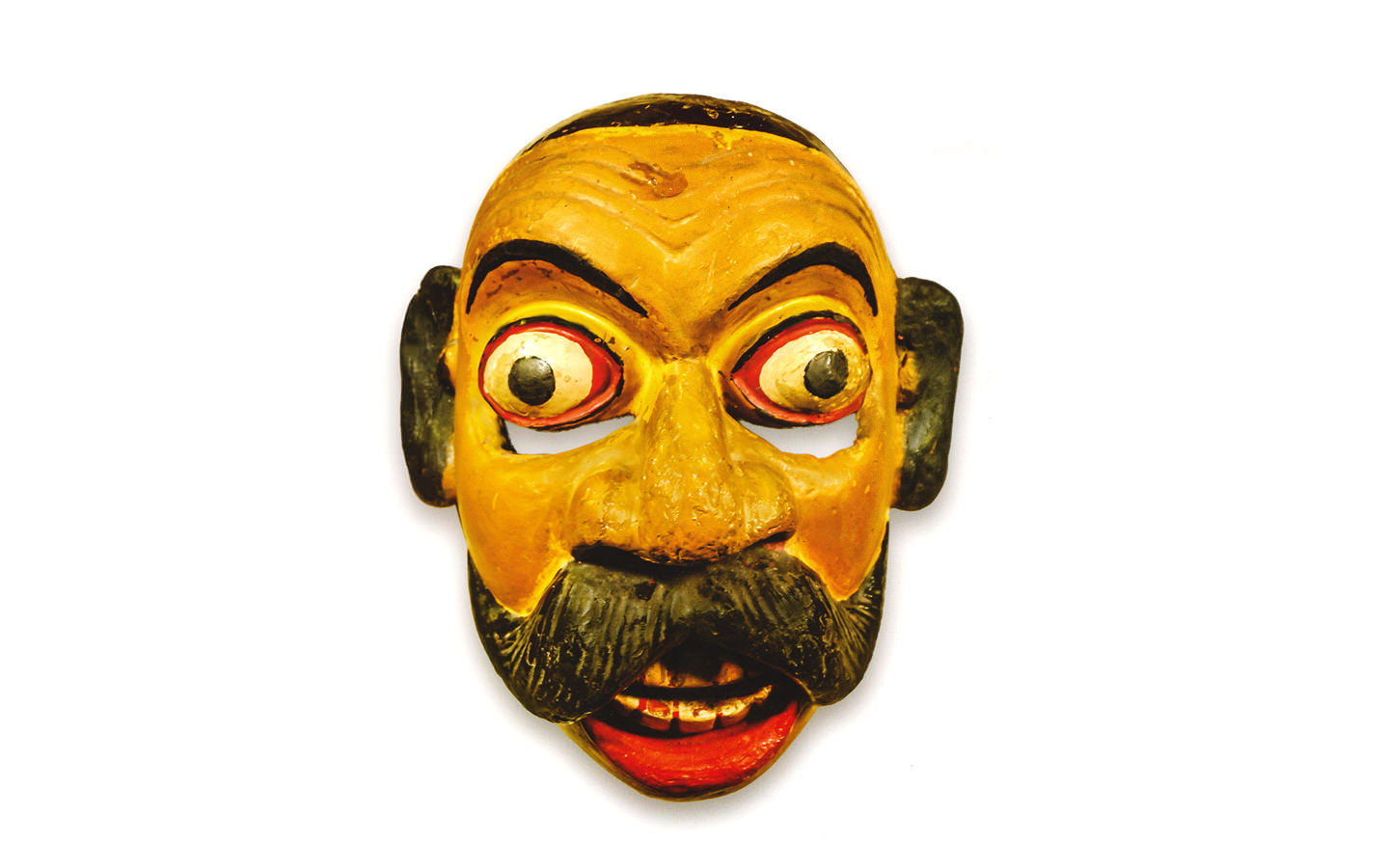 Jasa Kolama
This character has become well known as Jeydi Vidane or Rada Kolama.
-
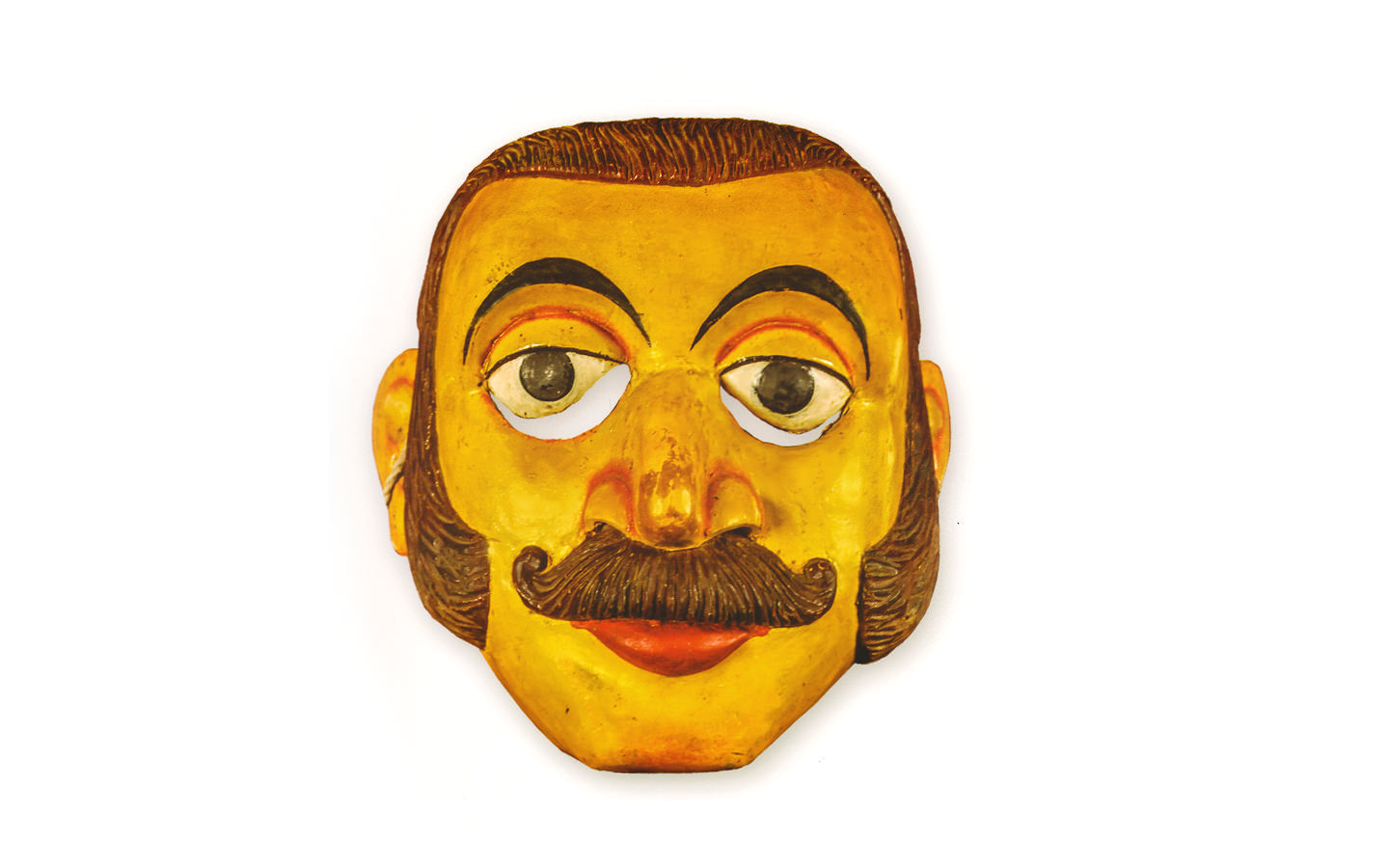 Arachchi Kolama
Comedy of village chief
-
Hewa Kolama
Comedy about a soldire
-
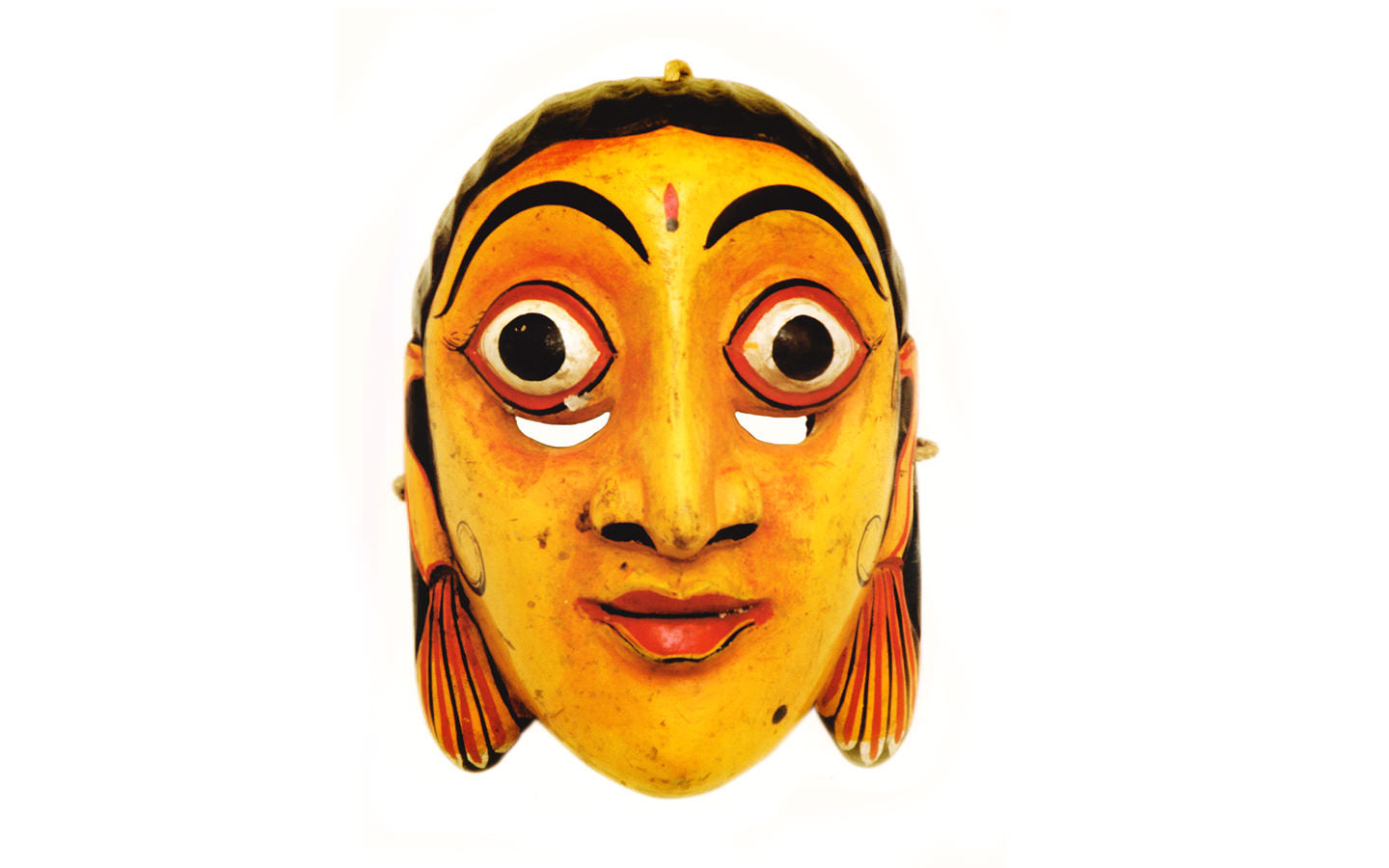 Lenchina kolama
The wife of Jasaya.
-
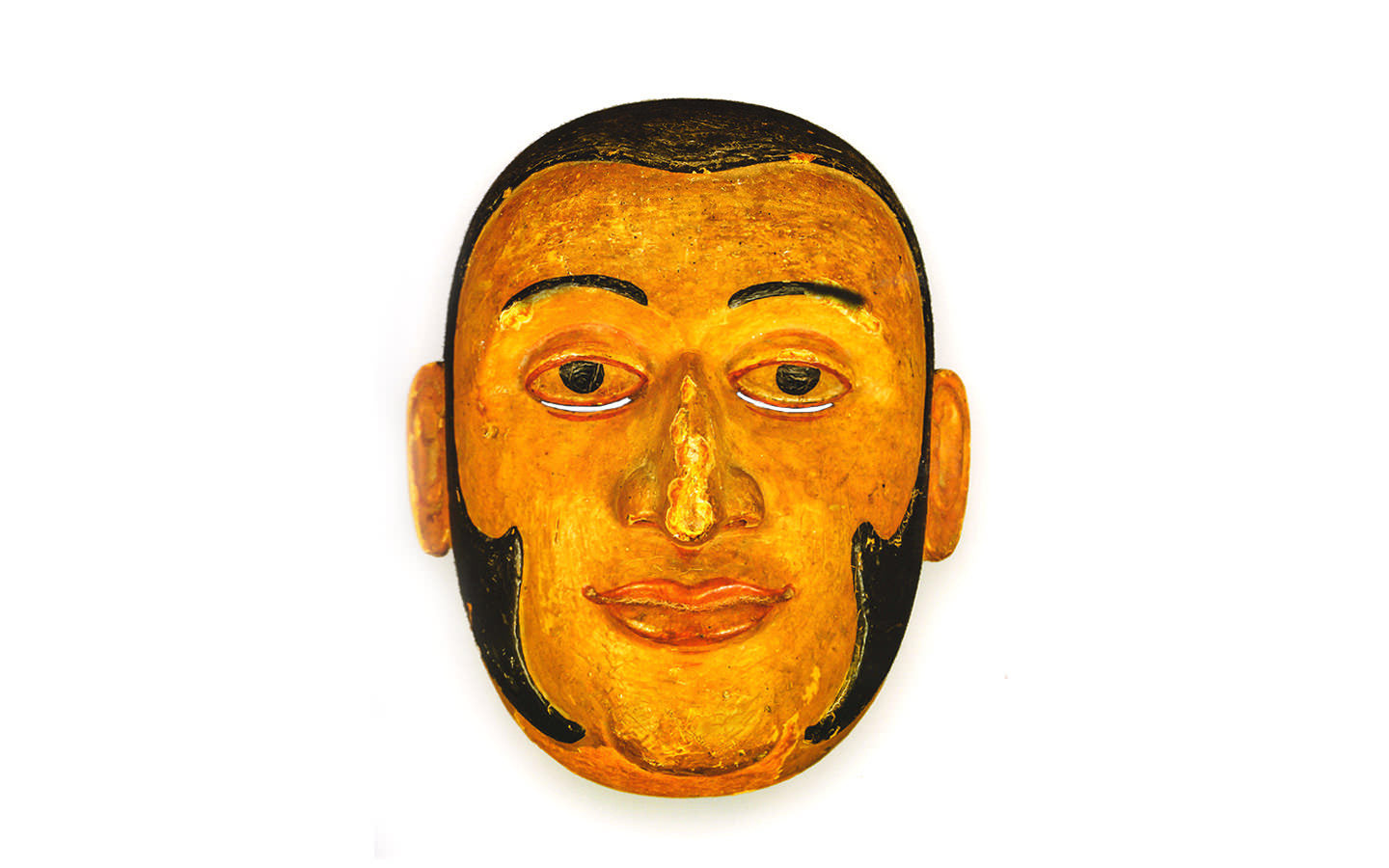 Mudali Kolama
High official comedy
-
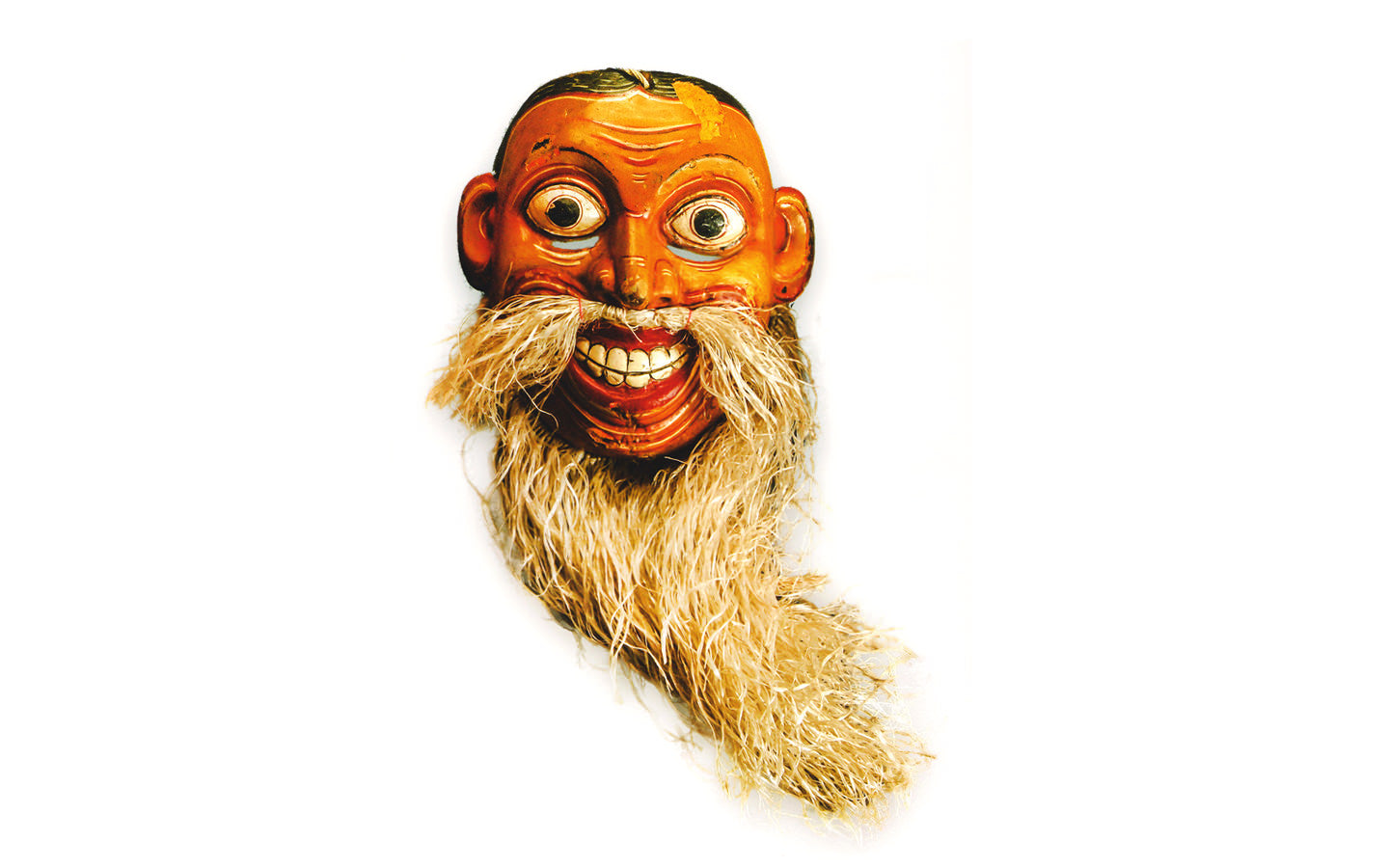 Aththa Muththa Kolama
comedy of grandmother and grandfather
-
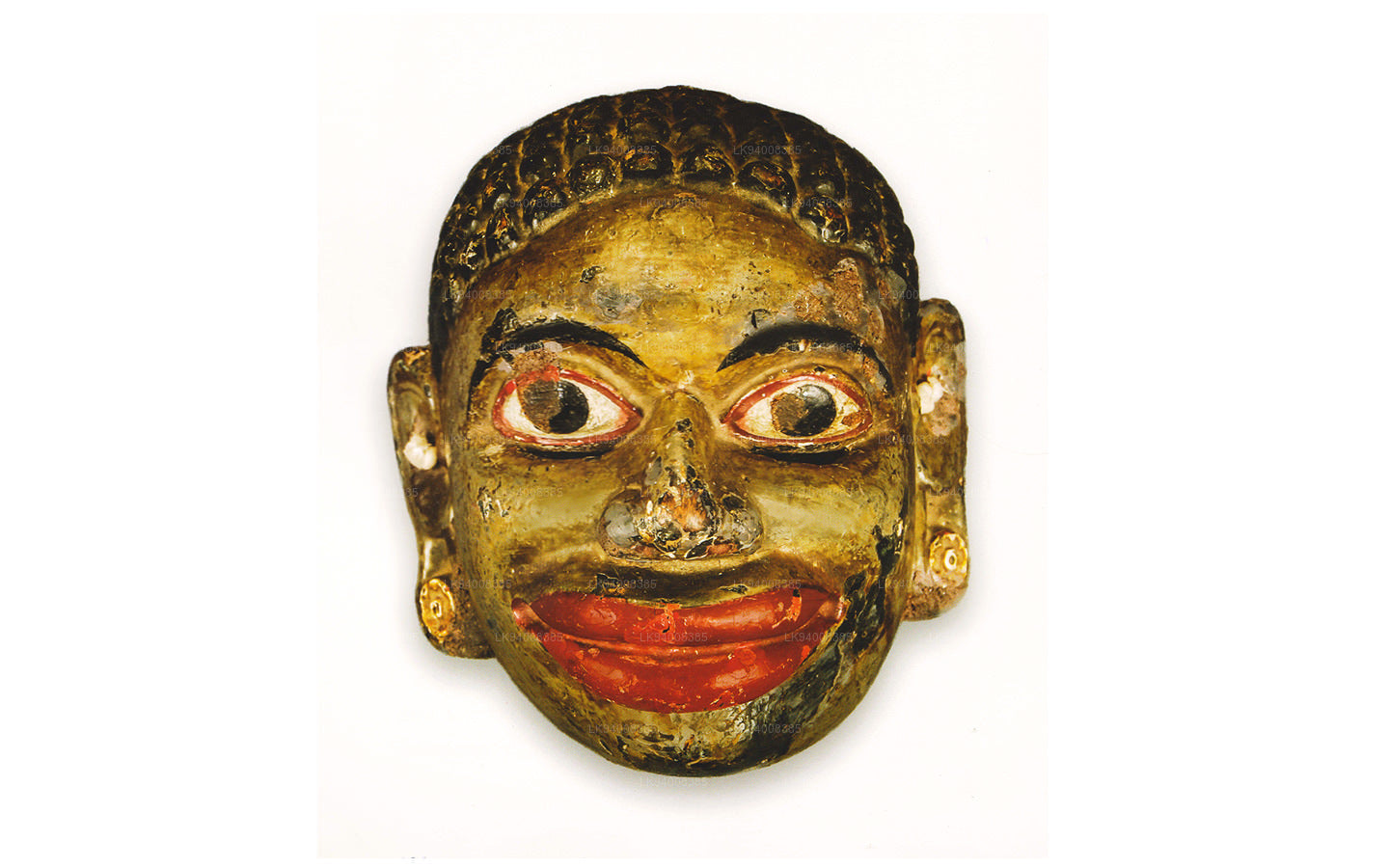 Kapiri Kolama
Negro comedy
-
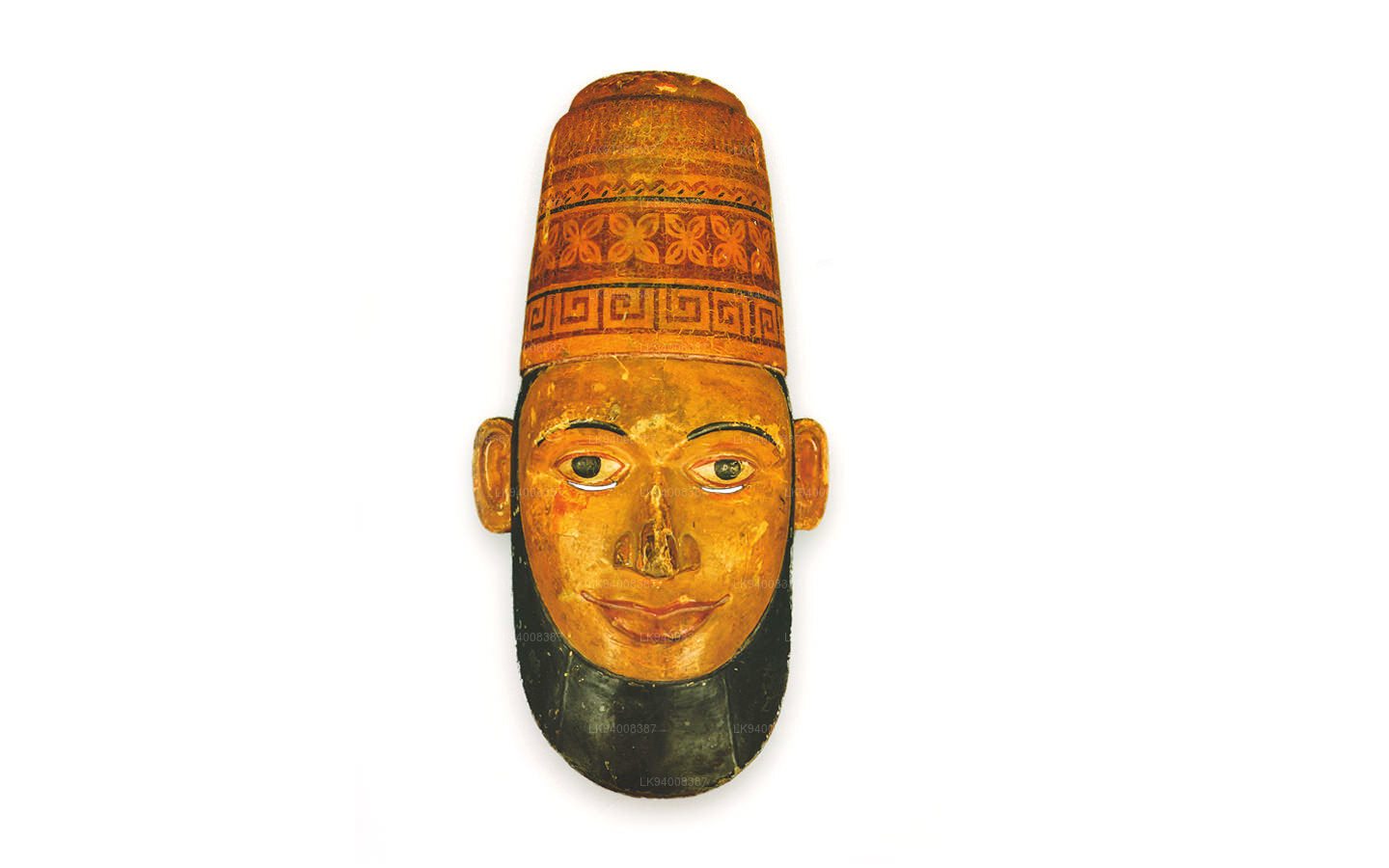 Marakkala Kolama
Muslim comedy
-
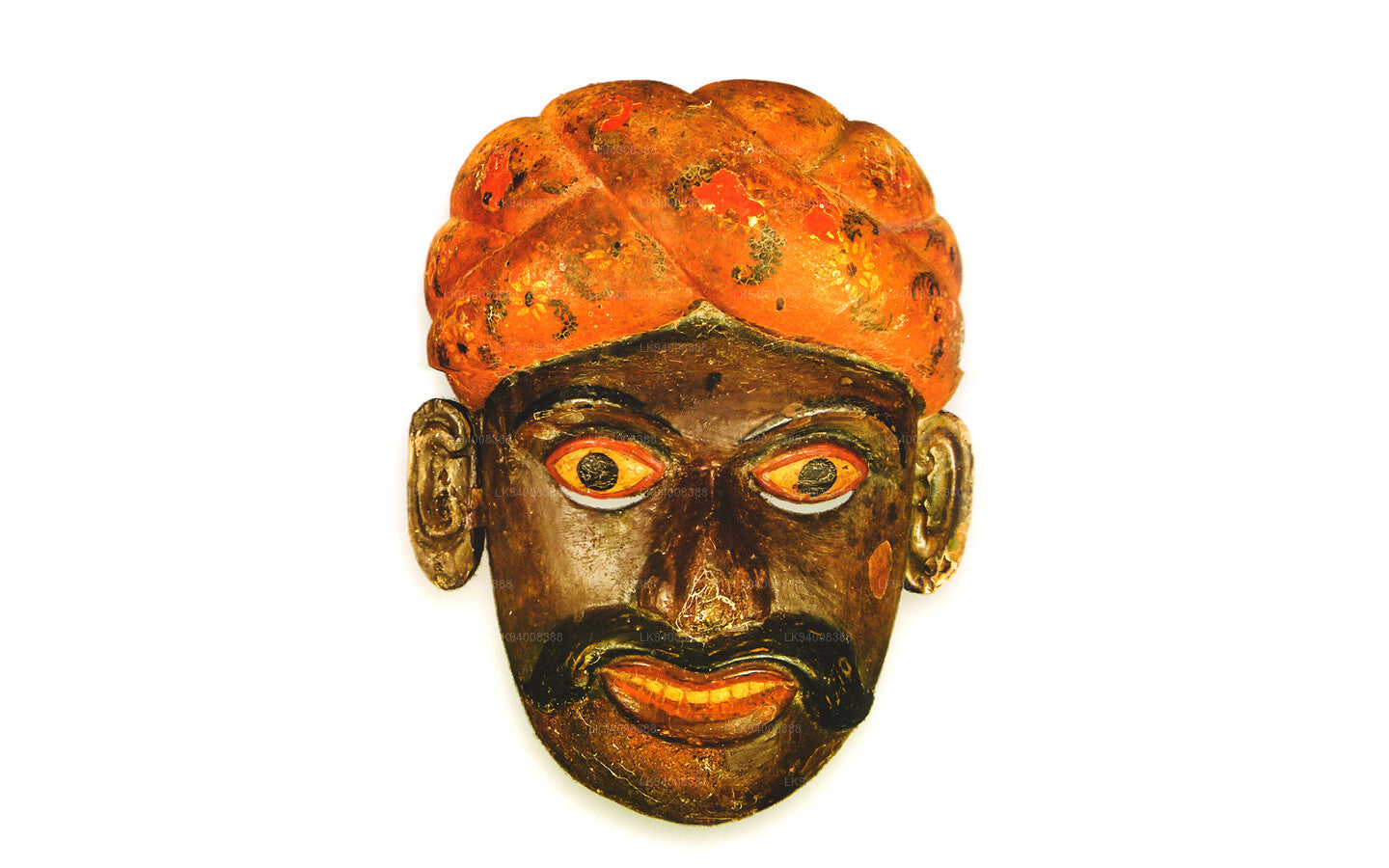 Demala Kolama
Tamil comedy
-
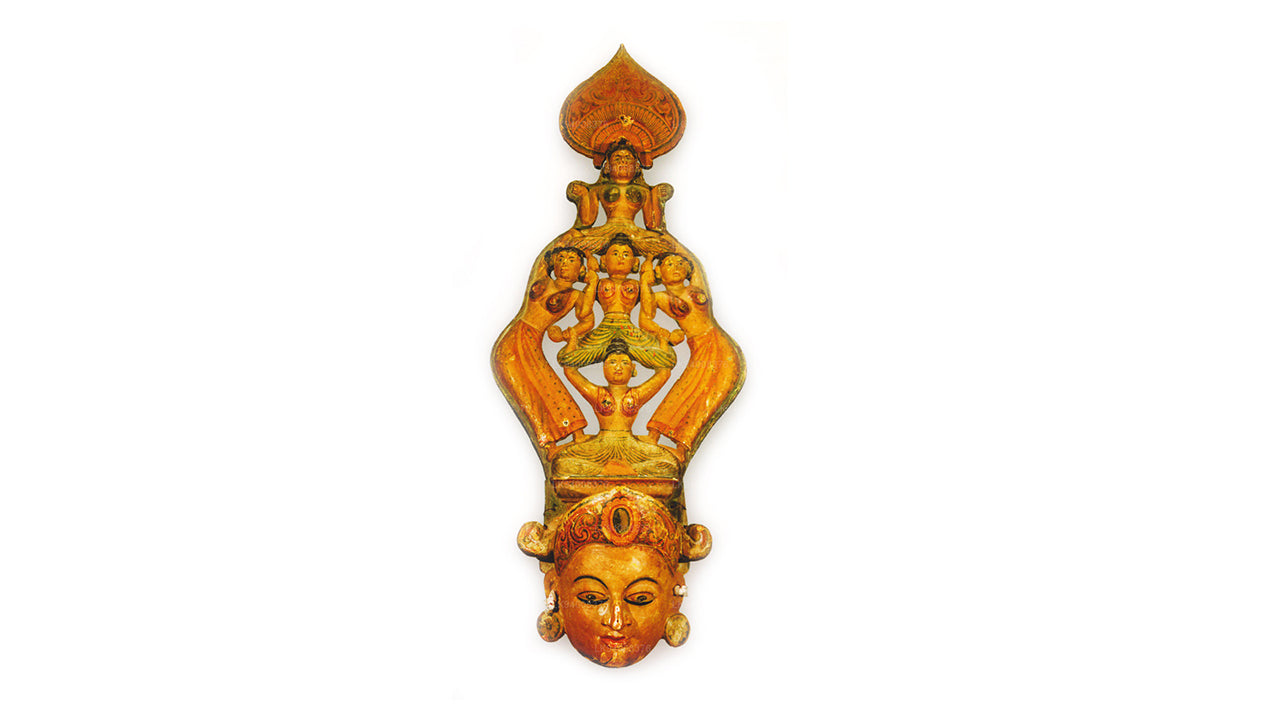 Panchanarigathya Kolama
This mask is like the face of a beautiful woman. The upper portion resembles a crown.
-
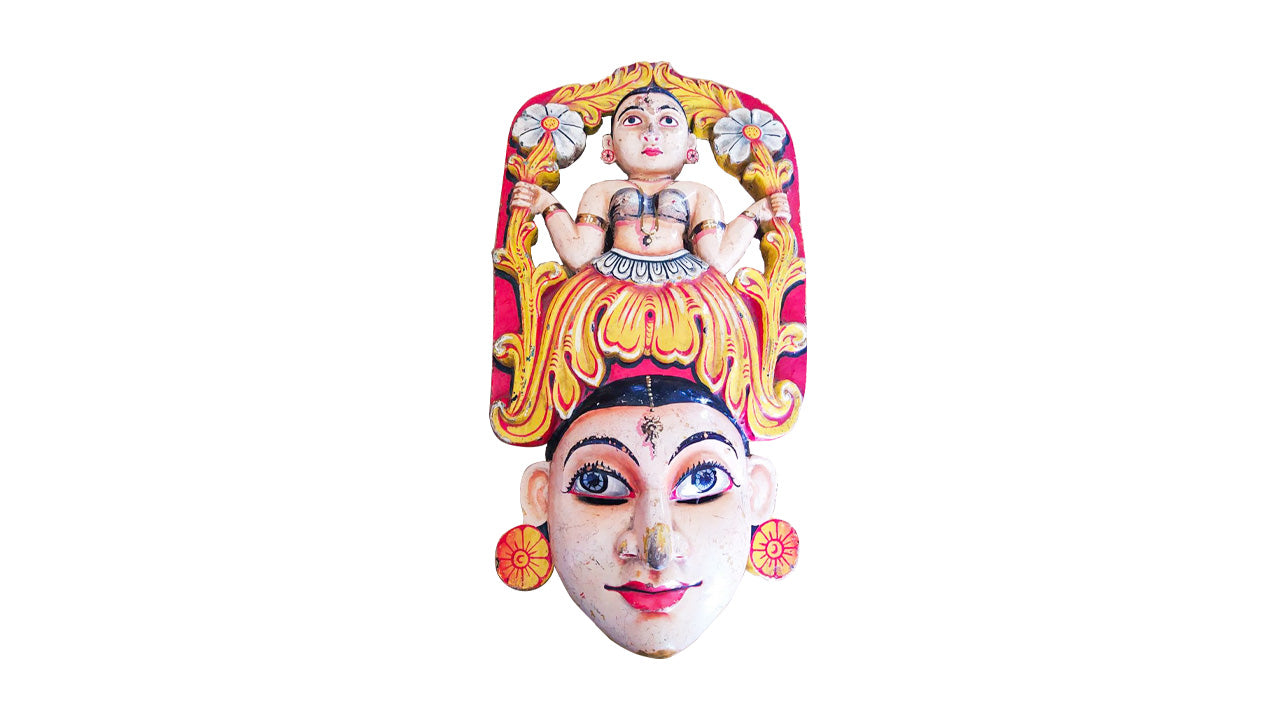 Deva Giri Kolama
It is stated that this face resembles the full moon.
-
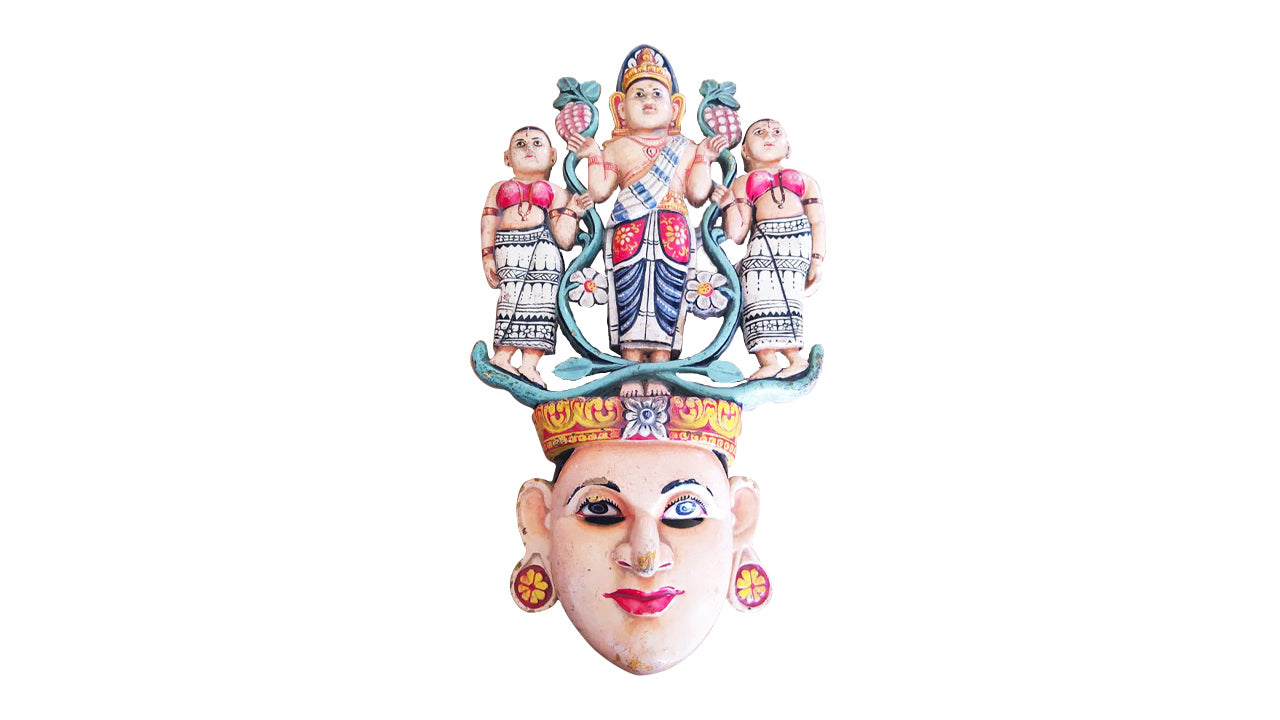 Ananga Bahirava Kolama
Bahirawa mask is the handsome face of a prince and on either side are faces of women.
-
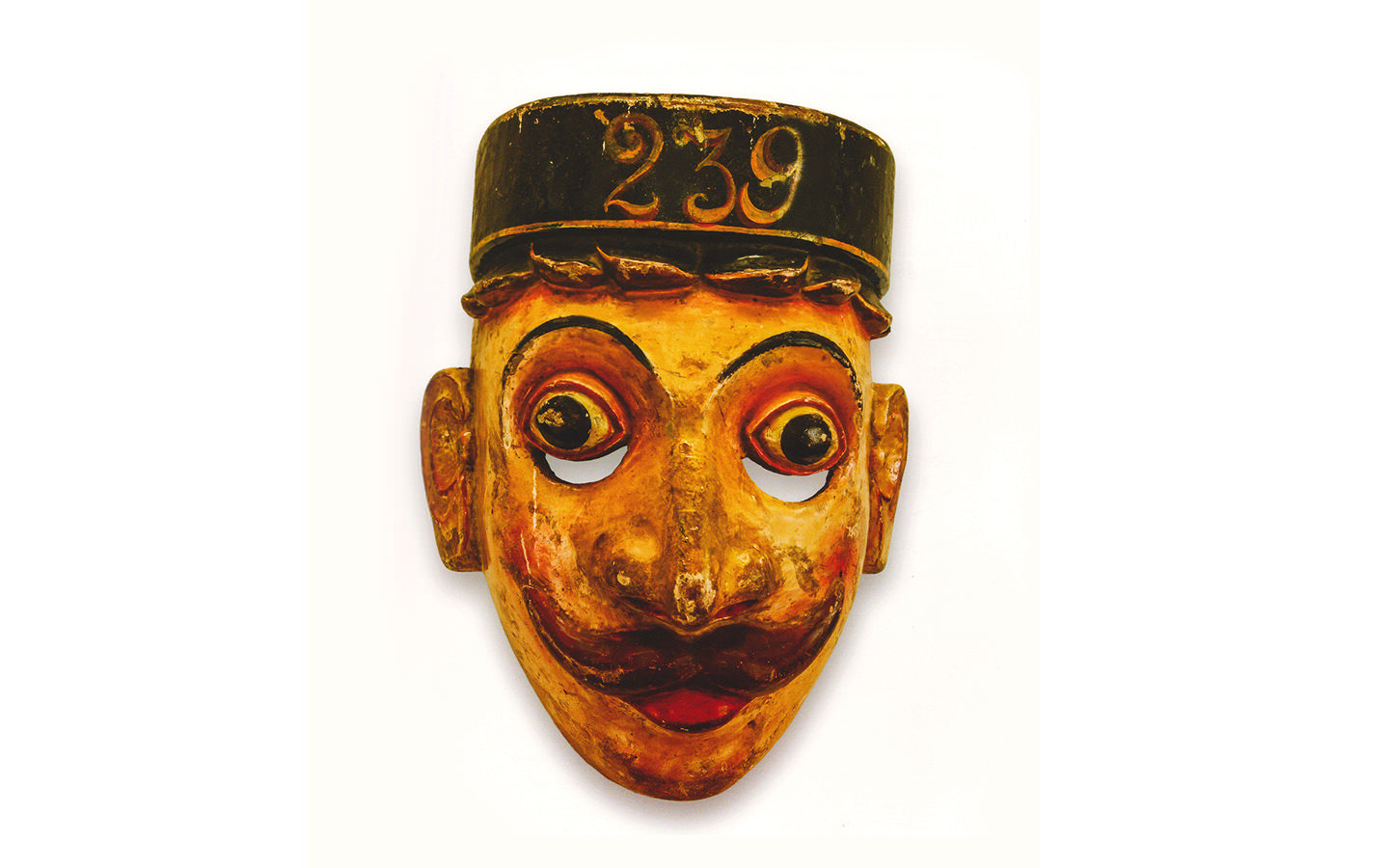 Police Kolama
Police comedy
