Kataragama
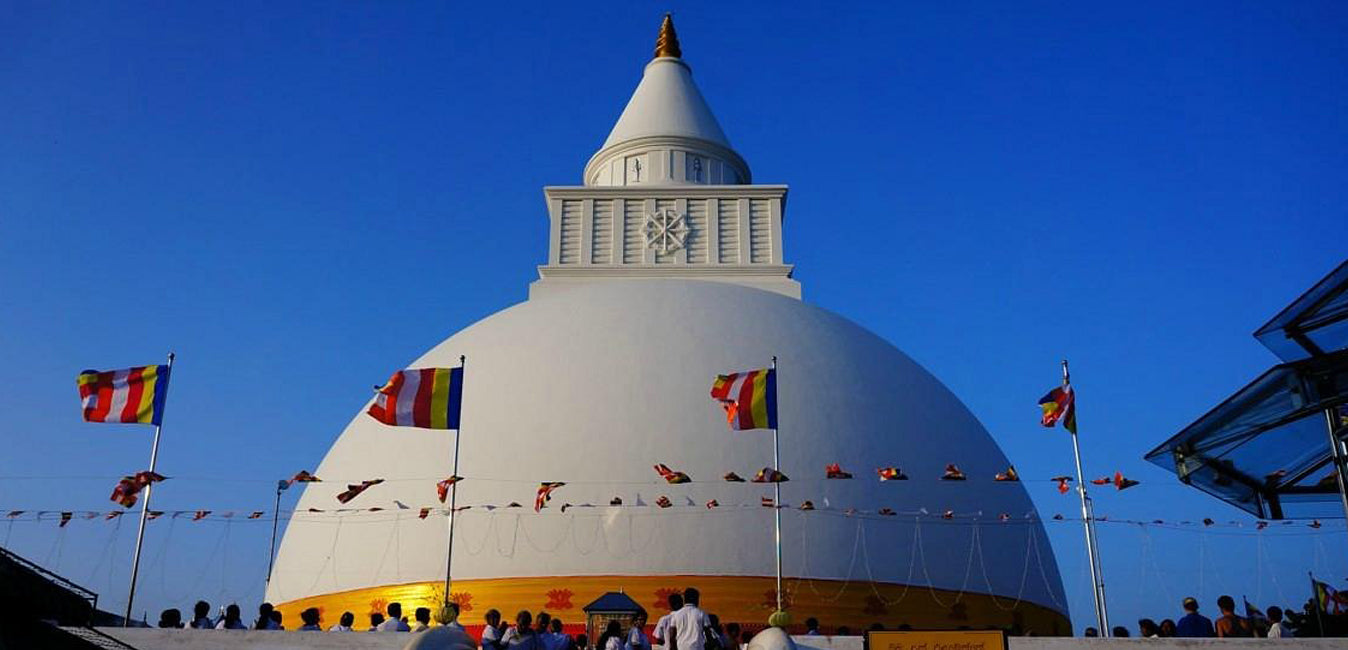
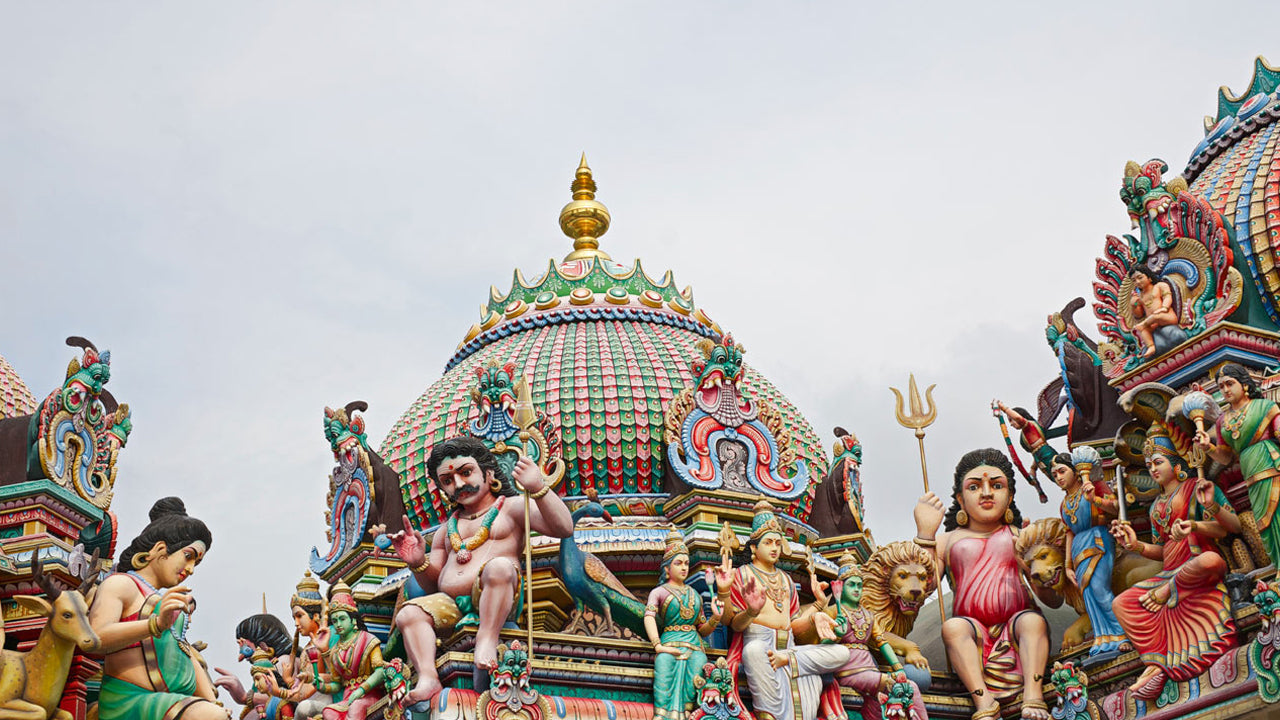
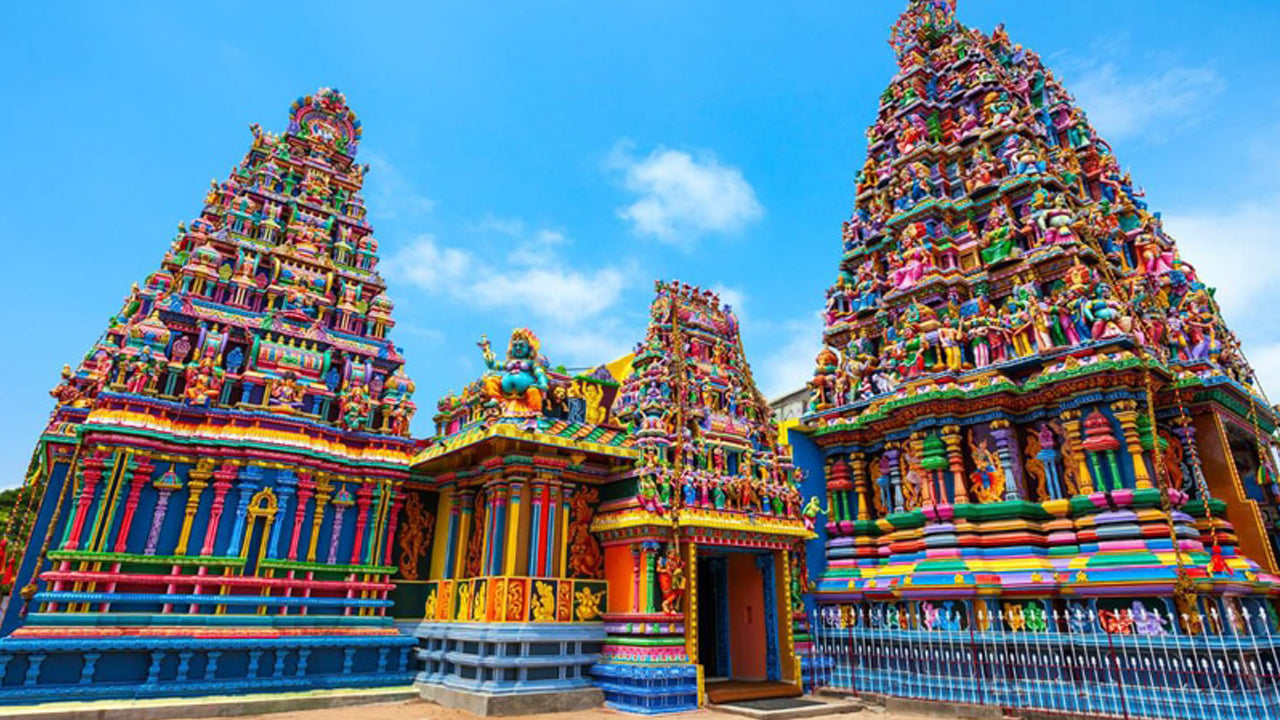
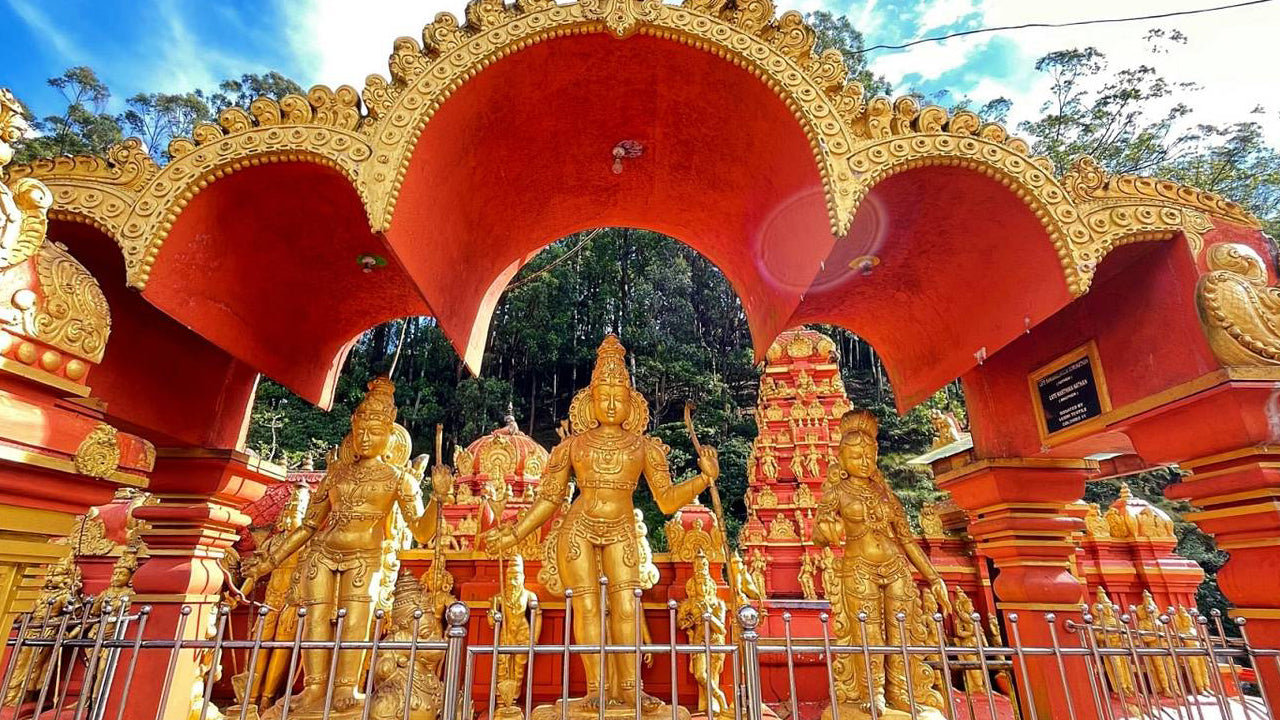
Kataragama is one of Sri Lanka's most sacred and culturally diverse pilgrimage towns, located on the edge of the island's southeastern dry zone. Revered by Buddhists, Hindus, Muslims, and indigenous Vedda communities alike, Kataragama stands as a rare symbol of spiritual unity in a multi-religious society. The town is best known for the Kataragama Devalaya, dedicated to God Kataragama—identified by Hindus as Skanda or Murugan—who is worshipped as a powerful guardian deity and divine warrior.
For Sri Lankan Buddhists, Kataragama holds deep historical and devotional significance. It is believed that King Dutugemunu sought the blessings of the deity before his legendary battle to unify the island. The temple complex reflects a blend of architectural traditions, with simple yet spiritually significant shrines that attract thousands of devotees daily. Pilgrims often undertake long journeys on foot, especially during the annual Esala season, as acts of faith and penance. Many walk from northern regions such as Jaffna, demonstrating the shrine's national importance that transcends ethnic and regional divisions.
The annual Esala Festival is Kataragama's most vibrant and dramatic event. Lasting several weeks, the festival features colorful processions, traditional drumming, fire-walking rituals, and acts of deep devotion. Devotees fulfill vows through body piercings and ceremonial offerings, reflecting intense spiritual commitment. The final water-cutting ceremony at the Menik Ganga marks the festival's climax, symbolizing purification and renewal. During this time, the otherwise quiet town transforms into a bustling spiritual hub filled with music, chanting, and sacred pageantry.
Beyond its religious prominence, Kataragama is also surrounded by rich natural beauty. The nearby Menik Ganga flows gently past the temple, providing a place for ritual bathing and reflection. The region borders the vast wilderness of Yala National Park, linking spiritual pilgrimage with encounters in nature. This unique blend of devotion, culture, and environment gives Kataragama a distinctive character unlike any other sacred site in Sri Lanka.
In essence, Kataragama is more than a temple town; it is a living testament to Sri Lanka's layered history and pluralistic faith traditions. It embodies reconciliation, endurance, and spiritual intensity, making it one of the island's most powerful sacred landscapes.