Somawathiya Stupa

Somawathiya Stupa Somawathiya Stupa Somawathiya Stupa

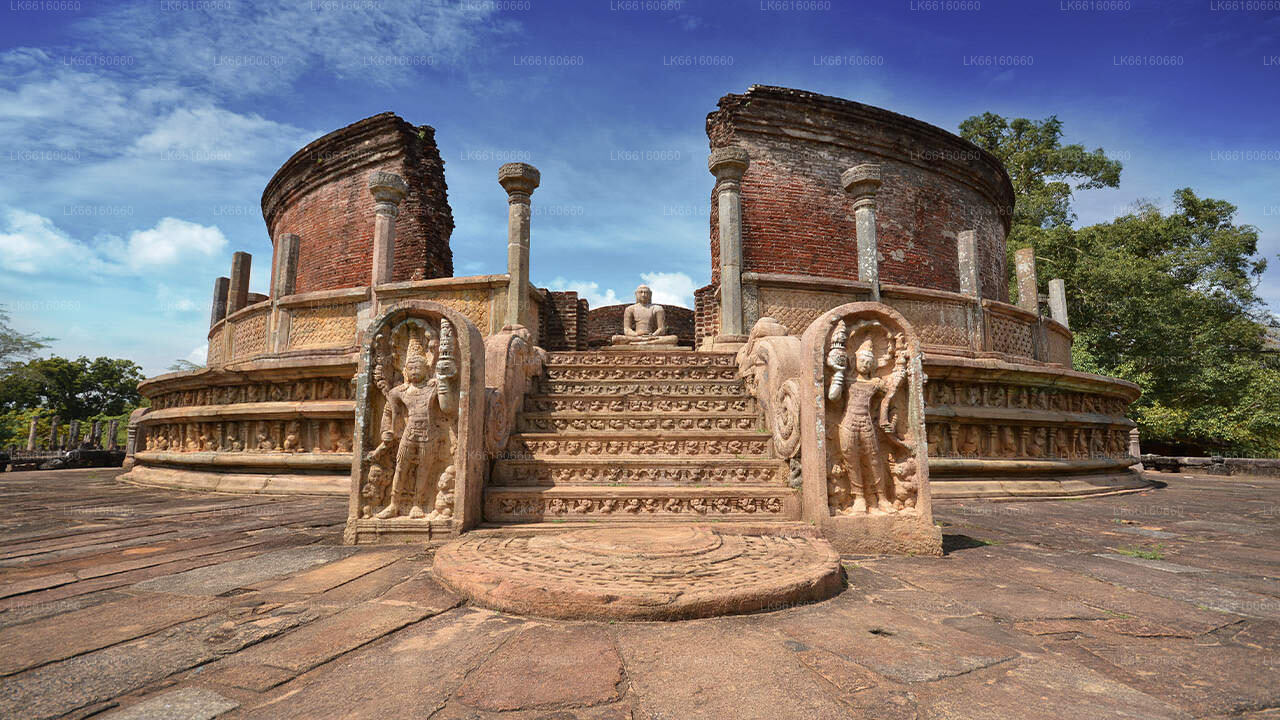
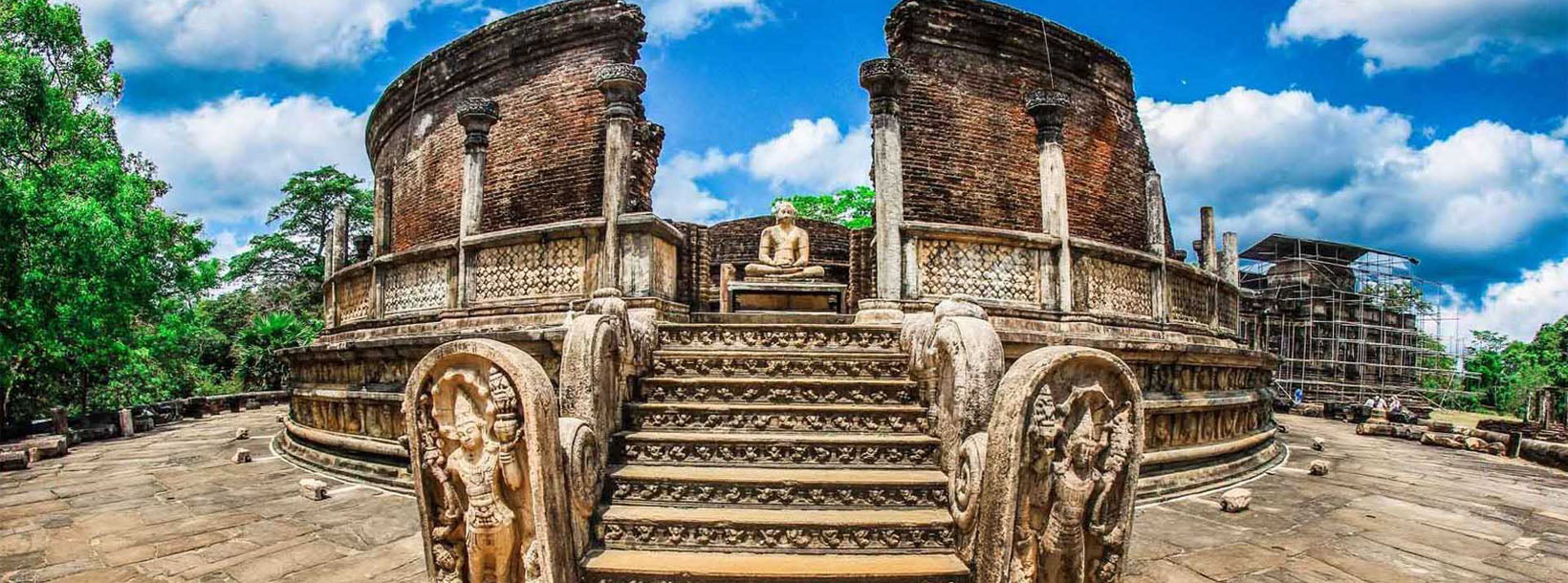
De Somawathiya Stupa is een belangrijke boeddhistische stupa gelegen in de Oostelijke Provincie van Sri Lanka, nabij de stad Polonnaruwa. Het is een van de meest vereerde heilige plaatsen op het eiland, en wordt verondersteld een relikwie van Boeddha te herbergen, specifiek zijn rechter tand. De stupa is een iconisch symbool van Sri Lankas boeddhistische erfgoed en een belangrijk punt voor pelgrimage en aanbidding.

De Somawathiya Stupa werd gebouwd tijdens het bewind van koning Mahasena in de 3e eeuw v.Chr., en is ontworpen in de traditionele koepelvorm, met een centrale kamer voor relikwieën en omliggende stenen paden. De naam "Somawathiya" is afgeleid van de maan, omdat het verbonden is met de maancyclus en historisch geassocieerd wordt met de volle maan van de maand. De rustige ligging omgeven door weelderig groen verhoogt de spirituele betekenis.

Bezoekers van de Somawathiya Stupa kunnen de rustige omgeving verkennen, inclusief oude steeninscripties, inscripties en overblijfselen van boeddhistische monastieke complexen. Het is een belangrijke plek voor degenen die zich willen verbinden met Sri Lankas boeddhistische geschiedenis en spiritualiteit. De stupa is ook een plek van cultureel belang, met regelmatige religieuze ceremonies en rituelen die het hele jaar door plaatsvinden.

De beste tijd om de Somawathiya Stupa te bezoeken is tijdens het droge seizoen, van december tot april, wanneer de weersomstandigheden het meest gunstig zijn voor buitenverkenning. De stupa is gemakkelijk bereikbaar en biedt een betekenisvolle reis naar Sri Lankas rijke boeddhistische tradities en archeologisch erfgoed.

Somawathiya Stupa Somawathiya Stupa Somawathiya Stupa

About Polonnaruwa District

Polonnaruwa is the 2nd largest city in north central province in Sri Lanka. The ancient city of Polonnaruwa has been declared a World Heritage site by UNESCO Polonnaruwa has a great history of conquest and struggle behind it and rightfully forms the third element in the Cultural Triangle. Located about 140 kms north east from Kandy,Polonnaruwa offers hours of endless pleasure for history and culture lovers, as there are numerous sights of significance.

Much of the physical ruins standing today are credited to King Parakrama Bahu I who spent many royal resources on town planning, including parks, edifices, irrigation systems and so on. The period of his rule is considered a golden age where the kingdom thrived and prospered under a visionary ruler. The Parakrama Samudra is a mammoth tank and named after its patron. The popular kings Royal Palace, the Audience Hall encircled by beautifully carved stone elephants and the Bathing Pool reflect the superior engineering capabilities of the time.

About North Central Province

North Central Province which is the largest province in the country covered 16% of total country's land area. North Central Province consist two districts called Polonnaruwa and Anuradhapure. Anuradhapura is the largest district in Sri Lanka. Its area is 7,128 km².

North Central Province has numerous potentials for Investors to start their Businesses, especially Agriculture, agro based industries and Livestock sectors. More than 65% of North Central Province's people depend on basic Agriculture and agro base industries. NCP also called "Wew Bendi Rajje" because there are more than 3,000 medium and large scale tanks situated in the province. Sri maha bodiya, Ruwanweli seya, Thuparama dageba, Abayagiri Monastry, Polonnaruwa Rankot wehera, Lankathilake are scared