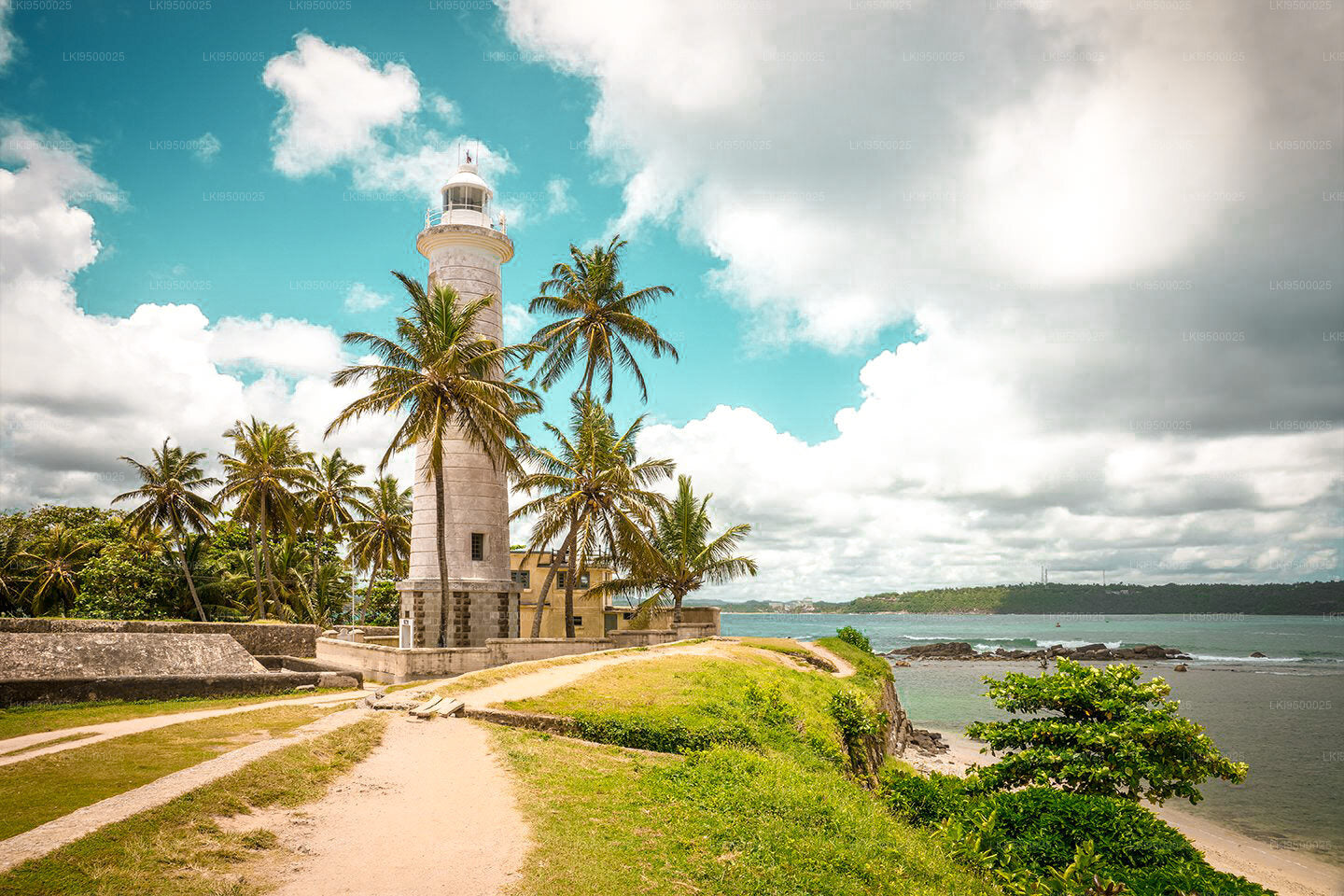
Galle Beach
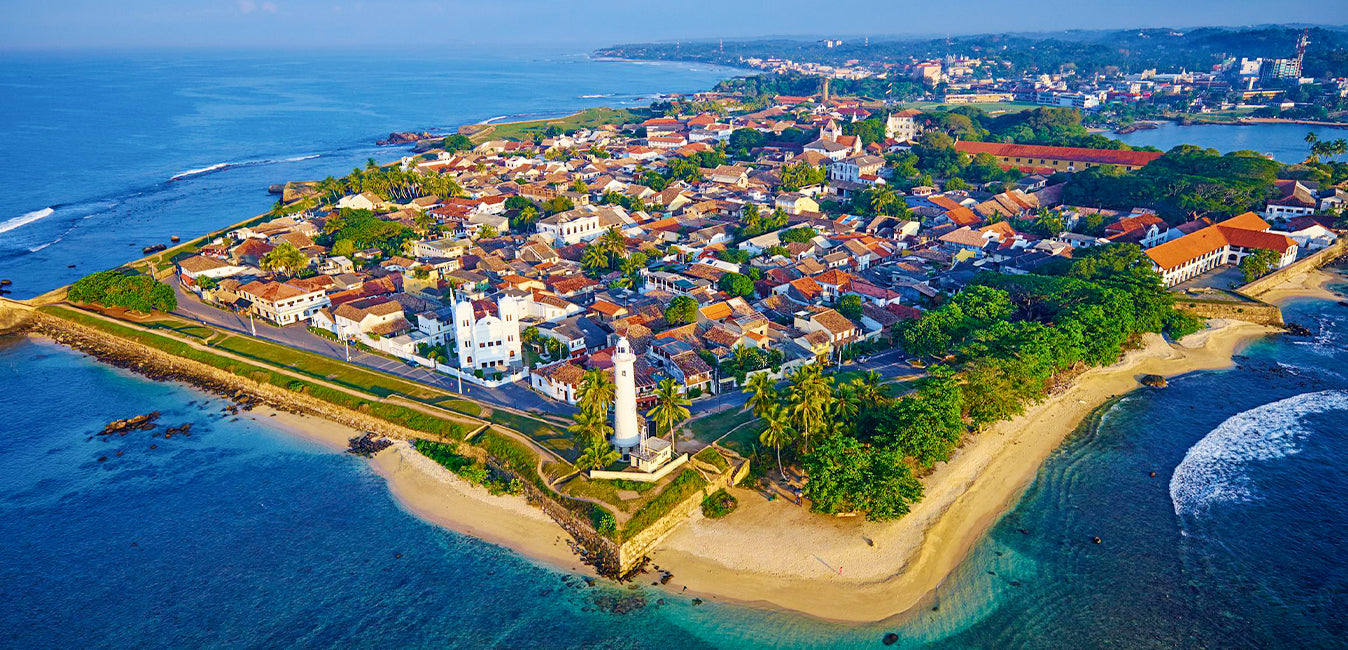
Galle Beach, gelegen aan de zuidwestkust van Sri Lanka, is een charmante en historische bestemming die bekend staat om zijn pittoreske schoonheid en koloniale erfgoed. Gelegen nabij de historische Galle Fort, biedt dit strand een mix van culturele attracties, ontspannende strandervaringen en levendig lokaal leven.
Schilderachtige kustlandschappen
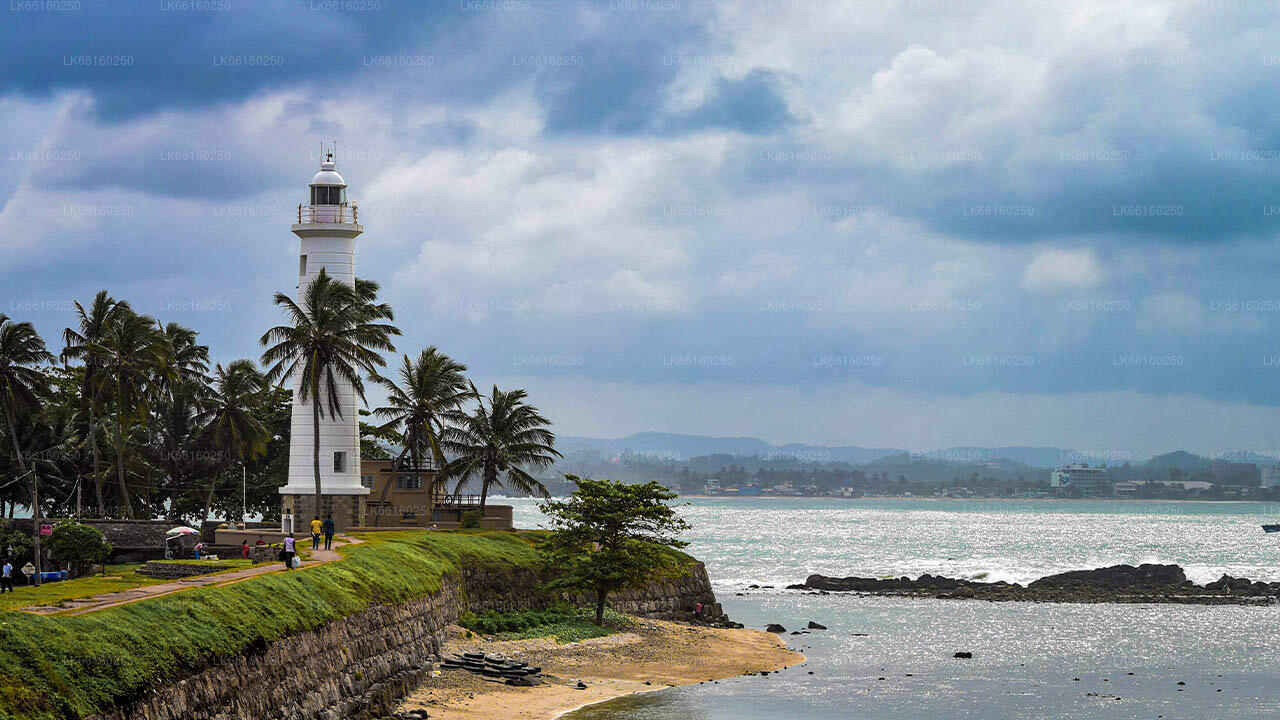
Galle Beach heeft een prachtig stuk gouden zand en helderblauw water, ideaal voor zonnebaden, zwemmen en strandwandelingen. De natuurlijke schoonheid van het strand, gecombineerd met het historische uitzicht op de Galle Fort, creëert een pittoreske setting voor ontspanning en recreatie.
Galle Fort
Op korte afstand van het strand ligt het Galle Fort, een UNESCO Werelderfgoed met een rijke geschiedenis die teruggaat tot de 16e eeuw. Oorspronkelijk gebouwd door de Portugezen en later uitgebreid door de Nederlanders, is het fort een fascinerende plek om te verkennen, met goed bewaarde koloniale architectuur, smalle straatjes en charmante cafés en boetieks.
Maritieme activiteiten
Galle Beach biedt mogelijkheden voor verschillende watersporten, waaronder snorkelen, surfen en duiken. De nabije koraalriffen bieden uitstekende snorkelervaringen met kleurrijk zeeleven, terwijl de zachte golven het een goede plek maken voor beginnende surfers.
Lokale markten en keuken
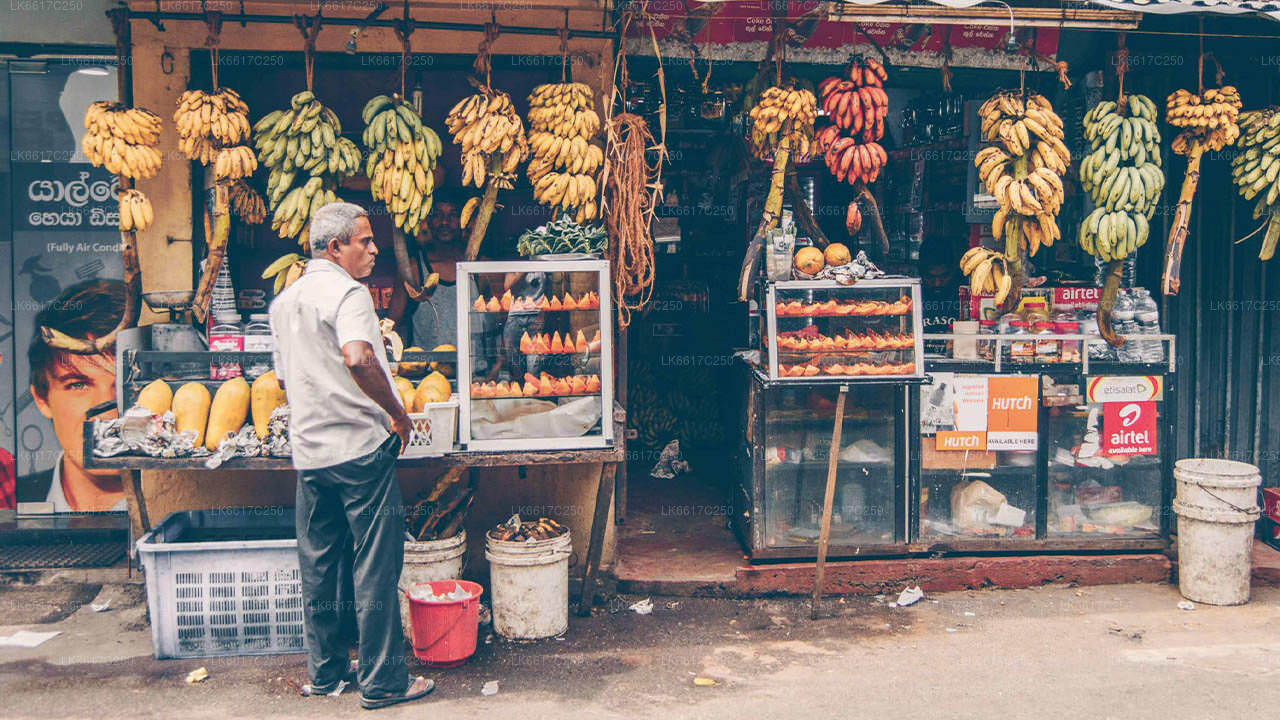
Het gebied rond Galle Beach is levendig met lokale markten en eetgelegenheden. Je kunt het Galle Dutch Hospital bezoeken, een historisch gebouw dat nu verschillende restaurants en winkels herbergt, waar je kunt genieten van een verscheidenheid aan Sri Lankaanse en internationale keukens. De lokale markten bieden verse zeevruchten, tropisch fruit en traditionele zoetigheden.
Culturele ervaringen
Galle is bekend om zijn rijke culturele erfgoed en bezoekers kunnen traditionele ambachten, kunstgalerijen en culturele evenementen in de stad verkennen. Het Galle National Museum biedt inzicht in de geschiedenis en cultuur van de regio, met artefacten en tentoonstellingen uit de koloniale periode.
Walvisobservatie
Galle is ook een toegangspoort voor walvisobservatietours, vooral tijdens het seizoen van november tot april. Deze tours bieden de kans om blauwe walvissen, spermwhales en andere zeereuzen in hun natuurlijke habitat te zien.
Beste tijd om te bezoeken:
De beste tijd om Galle Beach te bezoeken is van november tot april, wanneer het weer droog is en de zee rustig is. Deze periode is ideaal om van het strand te genieten, maritieme activiteiten te ondernemen en de culturele en historische attracties in en rond Galle te verkennen.