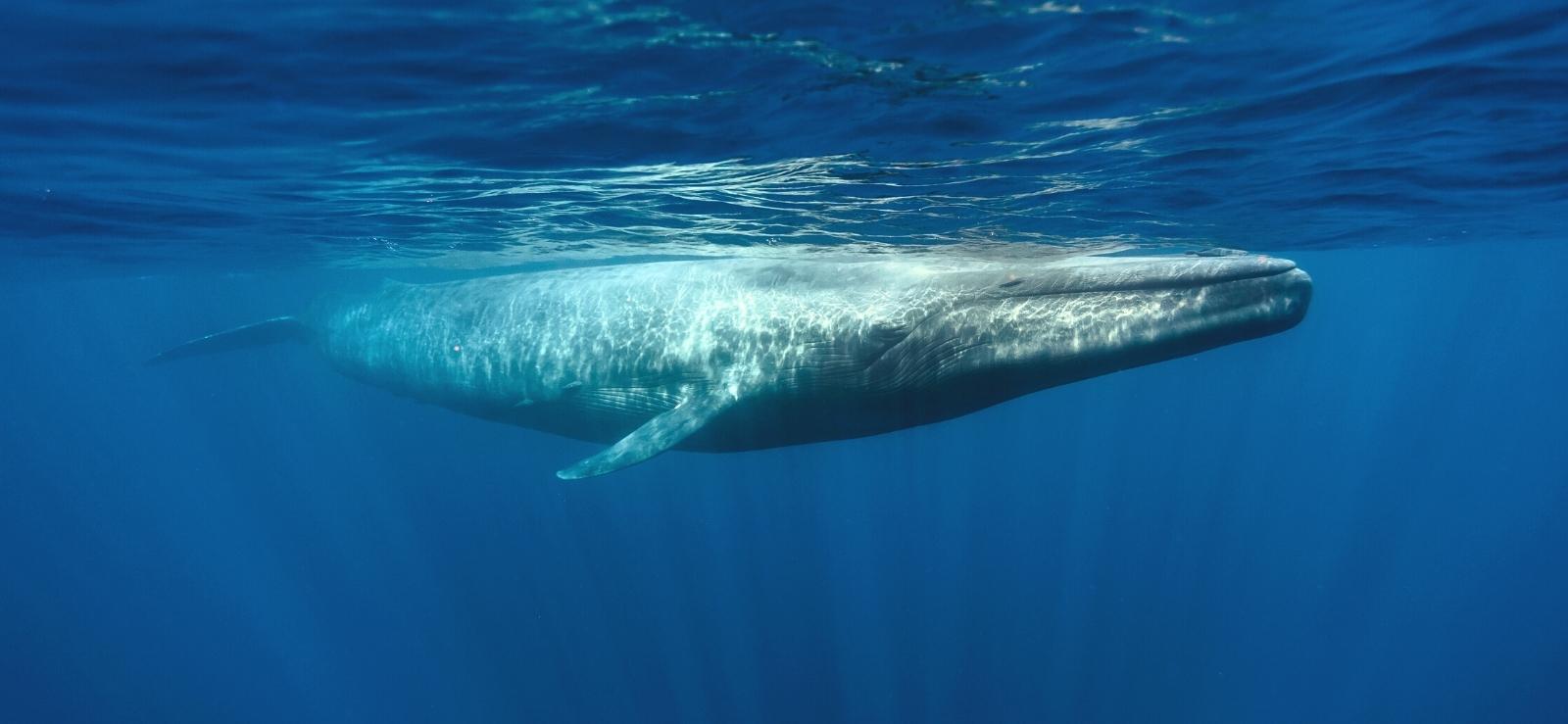
The sperm whale (Physeter macrocephalus) is one of the most extraordinary animals on the planet. The largest of all toothed whales and the largest toothed predator in the animal kingdom, it is also a surprisingly accessible sighting for visitors to Sri Lanka — particularly off the southern and eastern coasts, where deep offshore waters bring these deep-diving giants close to land.
What makes the sperm whale so distinctive?
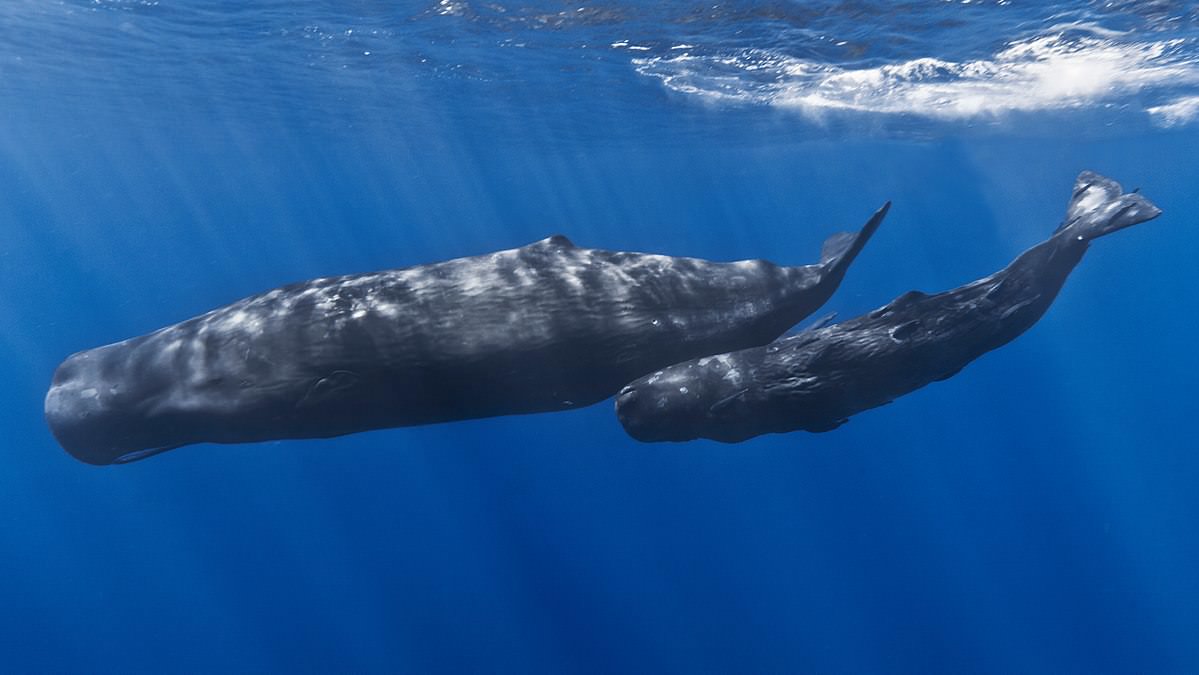
The sperm whale is immediately recognisable by its enormous, block-shaped head, which can account for up to one-third of its total body length. Inside that head lies the largest brain of any animal known to science — and a remarkable organ called the spermaceti organ, filled with a waxy, semi-liquid substance called spermaceti. Early whalers gave the species its common name because they mistook spermaceti for reproductive fluid; its precise biological function remains a subject of active scientific debate, though leading hypotheses involve echolocation and buoyancy control.
Unlike baleen whales, sperm whales are equipped with teeth — typically 18 to 26 conical teeth on each side of the lower jaw, which slot into corresponding sockets in the upper jaw. Males can reach lengths of around 16–18 metres and weigh up to 57 tonnes, while females are considerably smaller. Their deeply wrinkled, dark grey skin and distinctive low, angled blow (pointing forward and to the left) are field identification markers even experienced naturalists find satisfying to spot.
How deep do sperm whales dive?
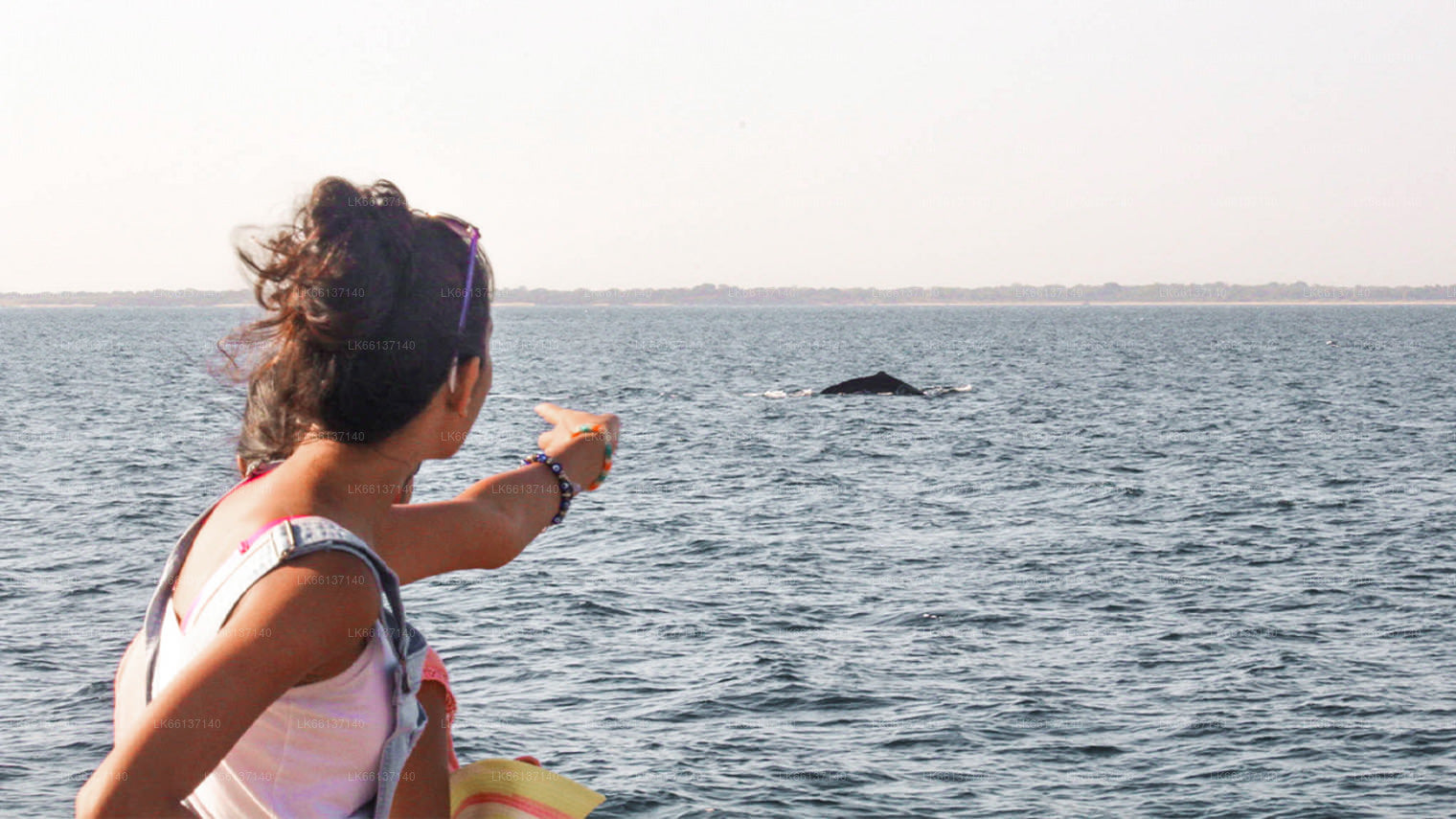
Sperm whales are record-breaking divers. They routinely descend to depths of 400–1,200 metres in search of their primary prey — squid, including the colossal squid — and have been recorded at depths exceeding 2,000 metres. Dives can last up to 90 minutes. The animals must then spend extended periods at the surface breathing and resting, which is precisely when whale-watching boats have their best opportunities for close, calm encounters.
Their clicks — produced by the spermaceti organ and associated structures — are the loudest biological sounds on Earth, used both for echolocation in total darkness and, researchers believe, for communication within social groups.
Where can you see sperm whales in Sri Lanka?
Sri Lanka sits within one of the most productive sperm whale habitats in the Indian Ocean. The underwater topography off the island's southern and east coasts drops steeply into deep-water channels, creating conditions that concentrate the squid and fish the whales depend on.
- Mirissa (Southern Coast): The most established whale-watching hub in Sri Lanka. The season runs roughly from November through April, with peak sightings between January and March. Blue whales share the waters, making Mirissa trips particularly rewarding.
- Trincomalee (East Coast): The eastern season runs approximately from March through August, offering an alternative when southern waters are rougher. Sperm whales are regularly encountered here, and the calmer sea conditions in late spring can make for very comfortable outings.
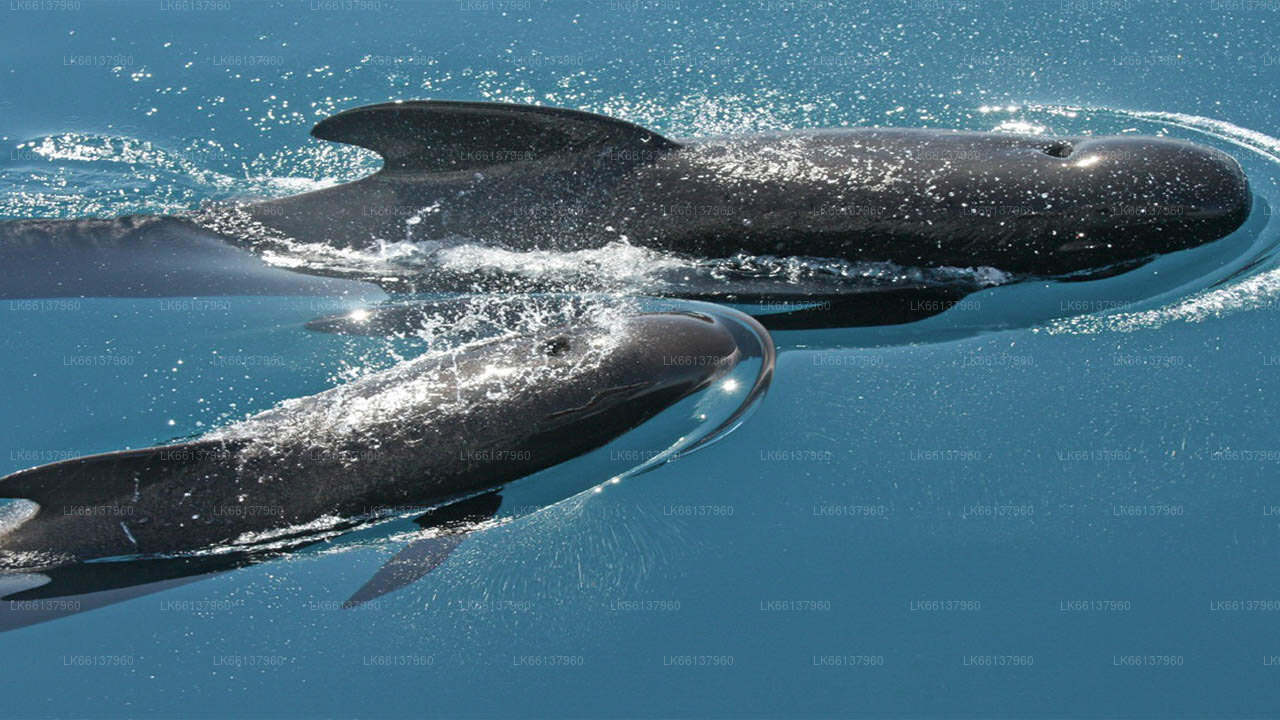
- Weligama, Galle, Hikkaduwa, and Kalpitiya: Additional departure points along the southern and northwestern coasts, with sperm whale sightings possible alongside blue, fin, and pilot whales depending on season.
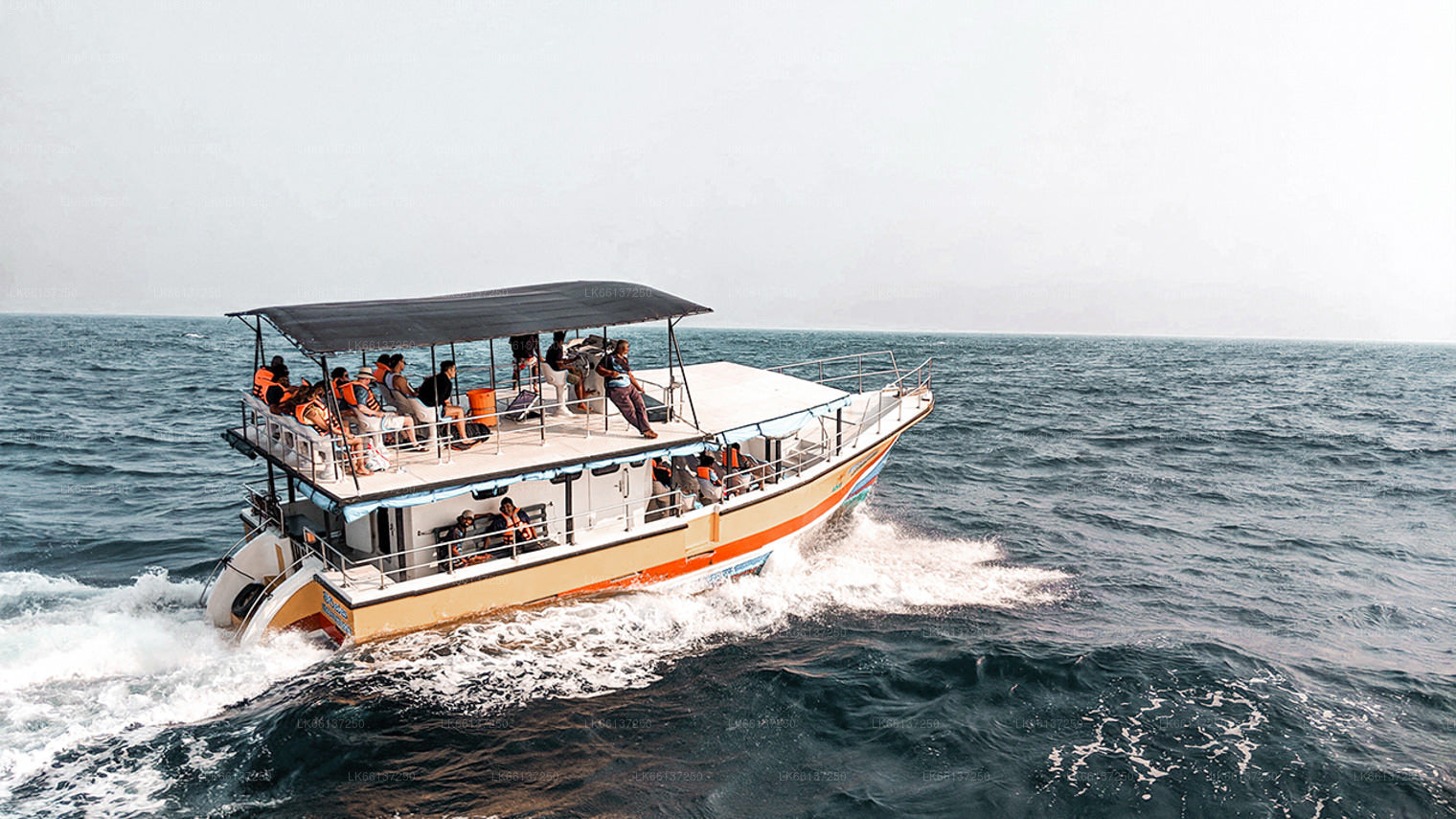
Sri Lanka's whale-watching operators typically run trips in the early morning when seas are calmest. Sperm whales — being resident year-round in Indian Ocean deep waters rather than migratory — can appear at any point in the season, though November–April remains the most reliable window off the south coast.
What behaviour can you expect to observe?
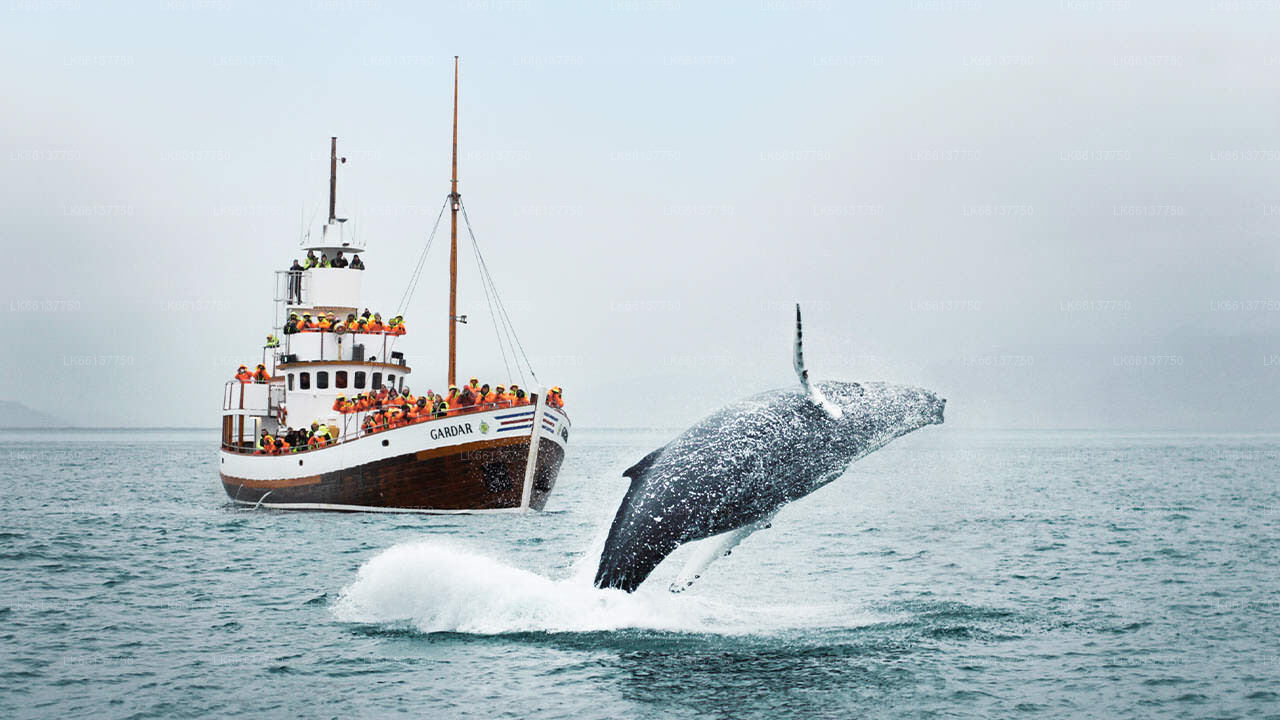
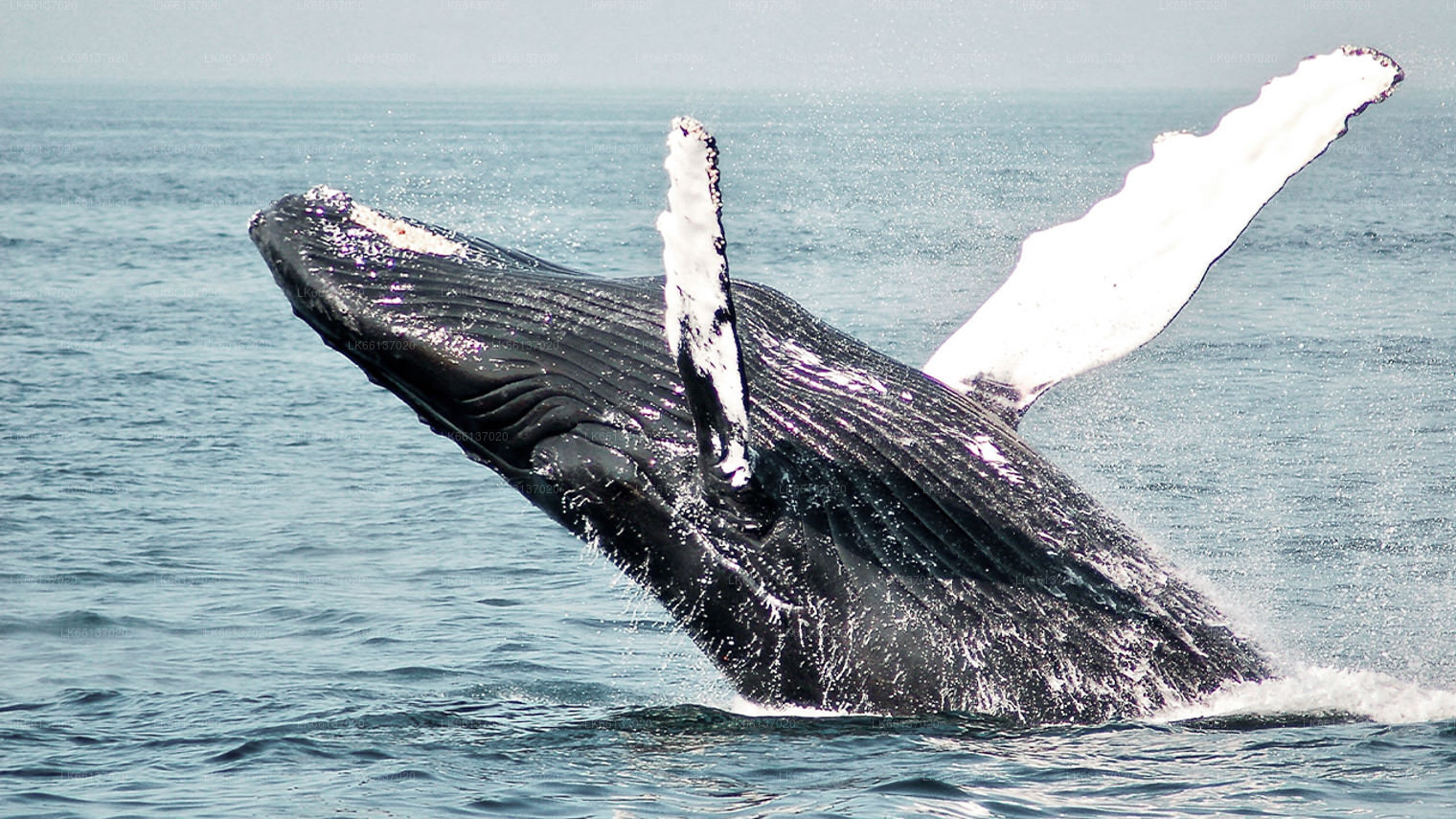
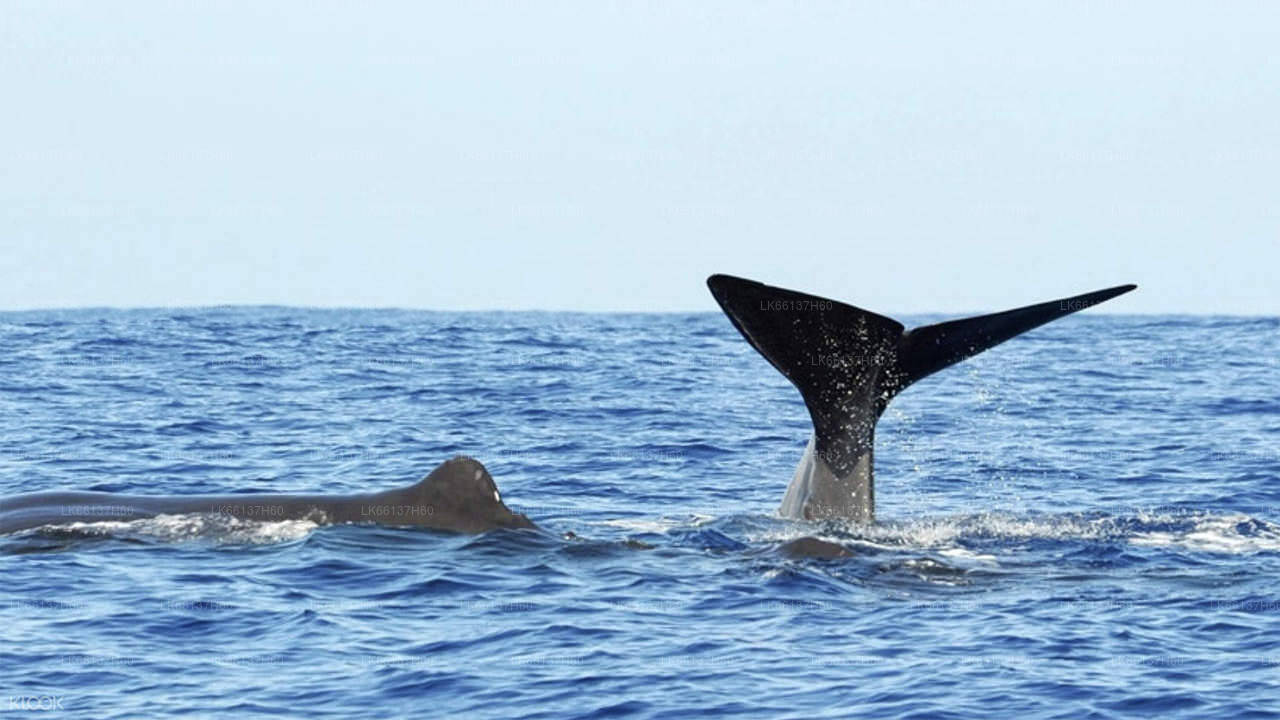
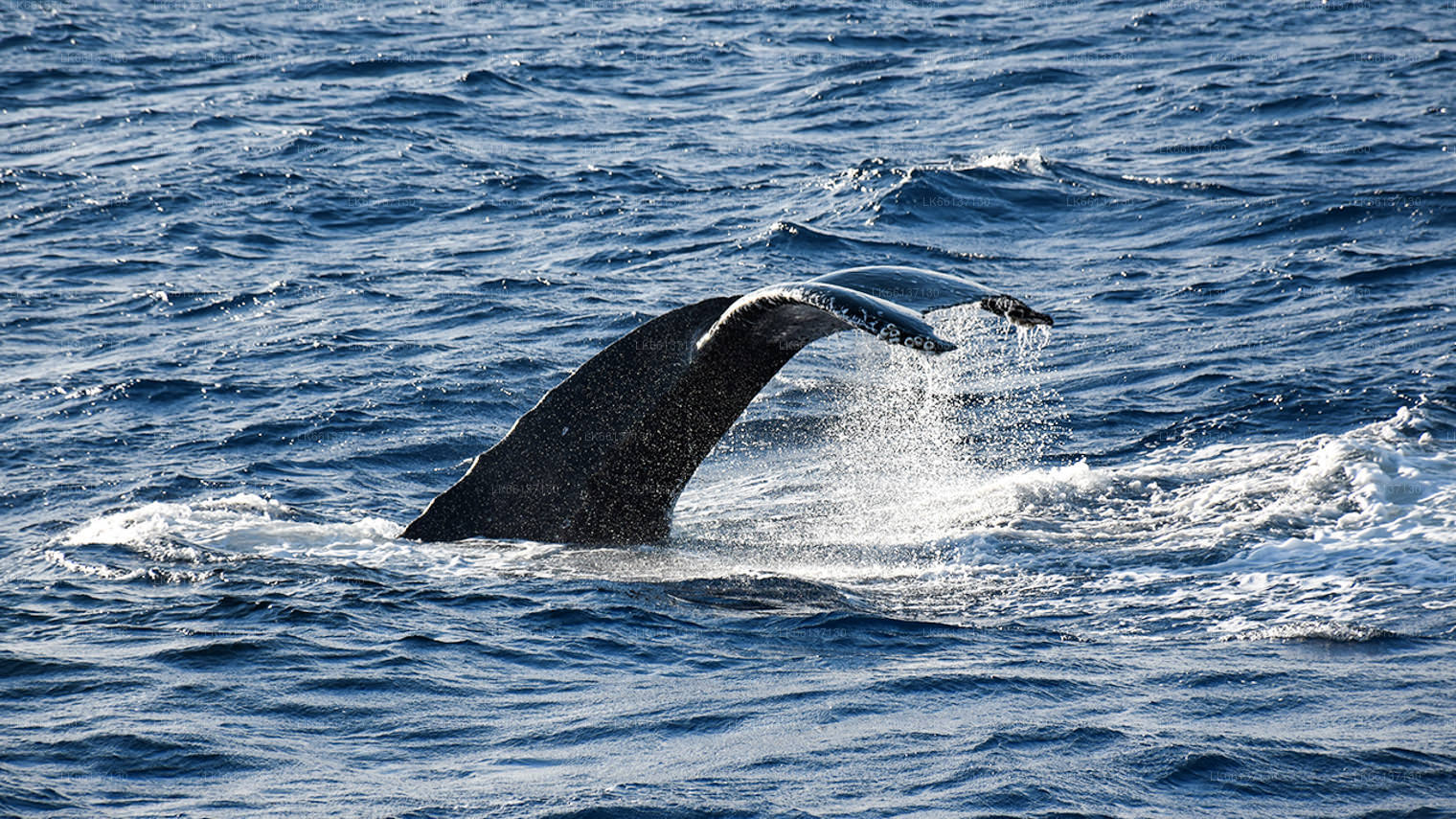
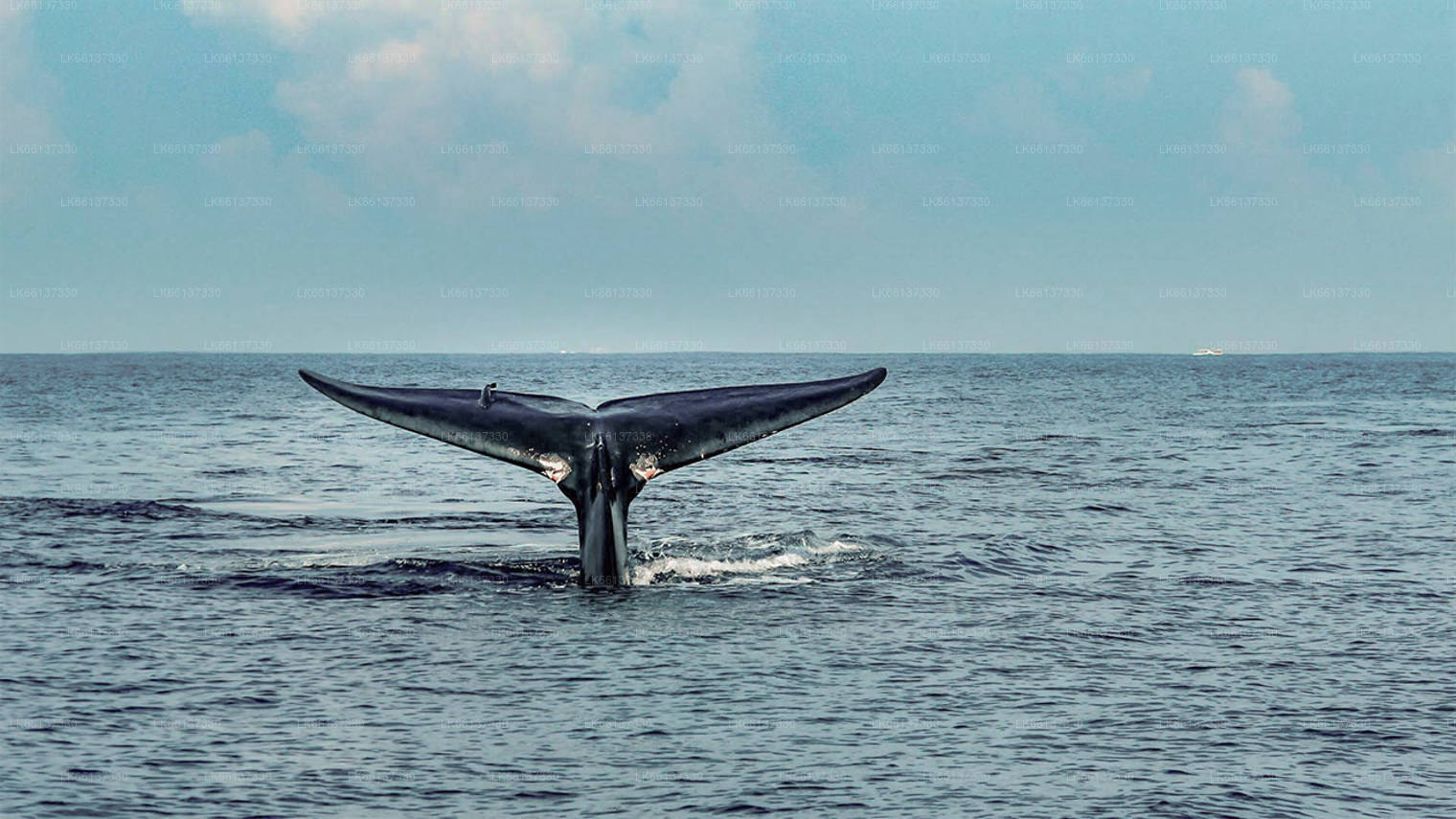
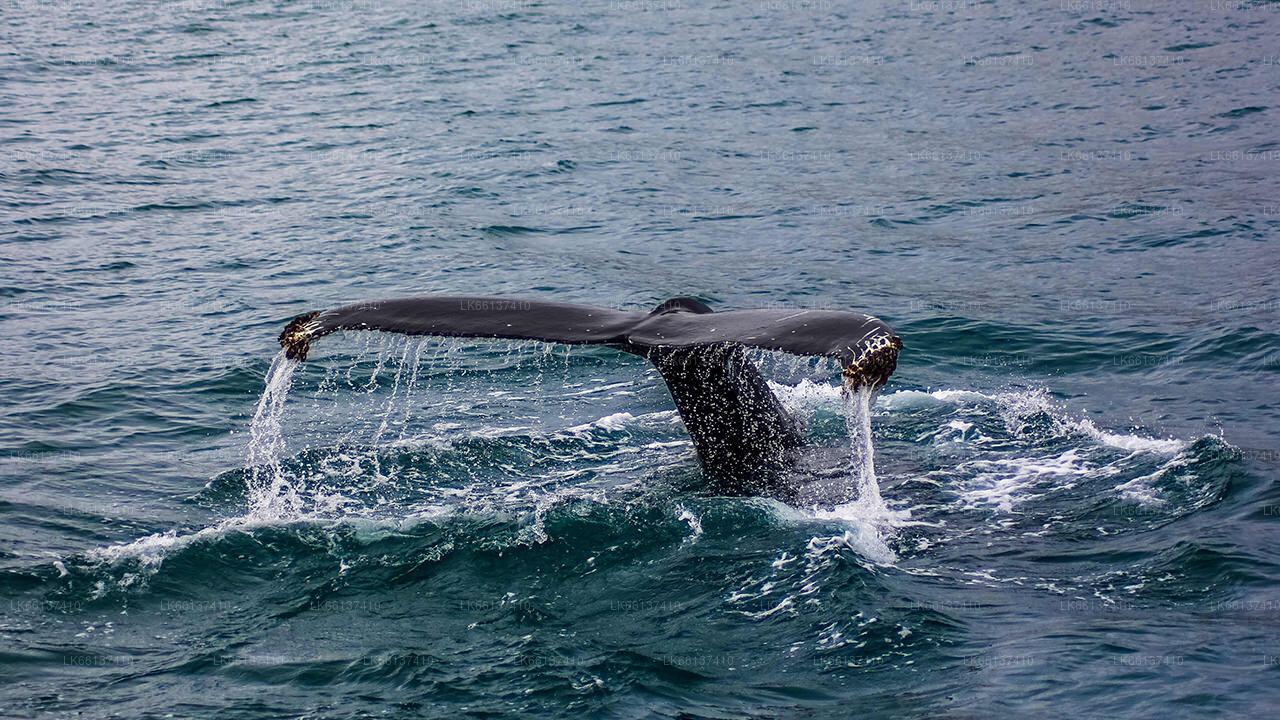
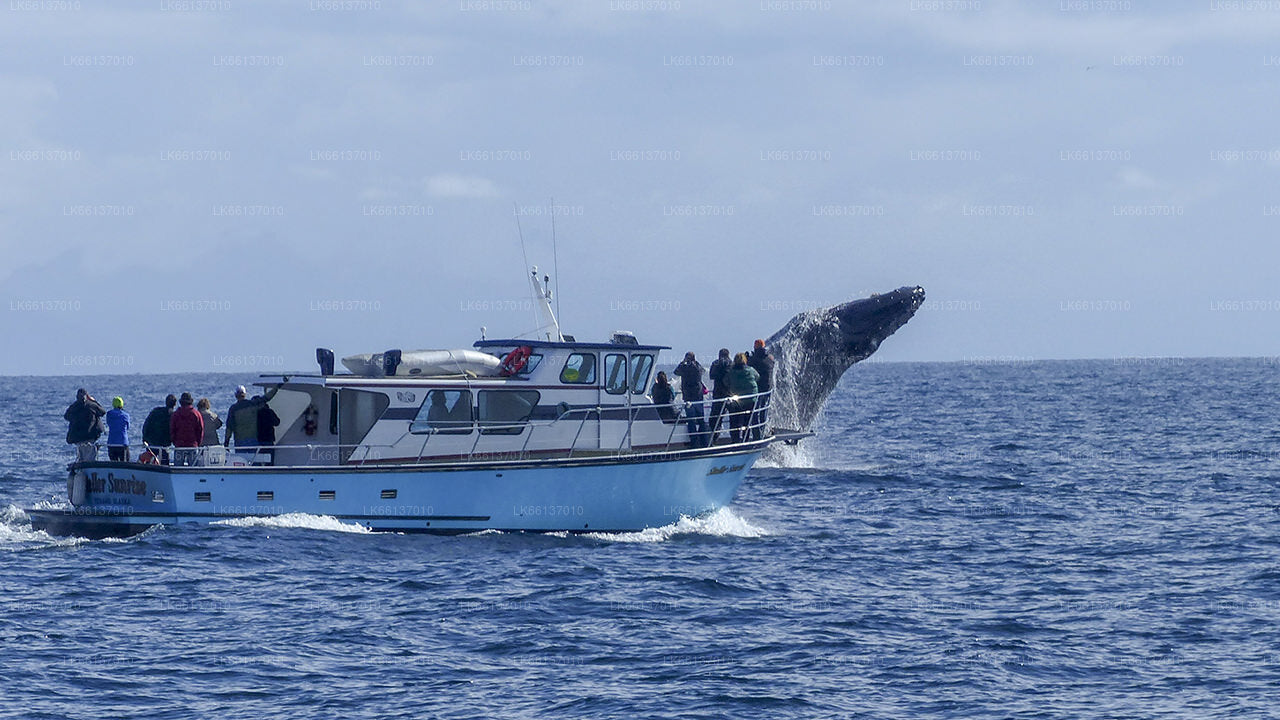
Surface behaviour varies but commonly includes logging (resting motionless at the surface), spy-hopping (raising the head vertically above water), breaching (launching the full body clear of the water), and fluking — raising the broad, triangular tail flukes high before a deep dive. Fluking moments are among the most photographed wildlife spectacles in Sri Lanka. Social groups of females and calves, known as nursery schools, occasionally aggregate in inshore waters, while large solitary males are the more typical encounter off Sri Lanka's south coast.
Is Sri Lanka a good destination for whale watching overall?
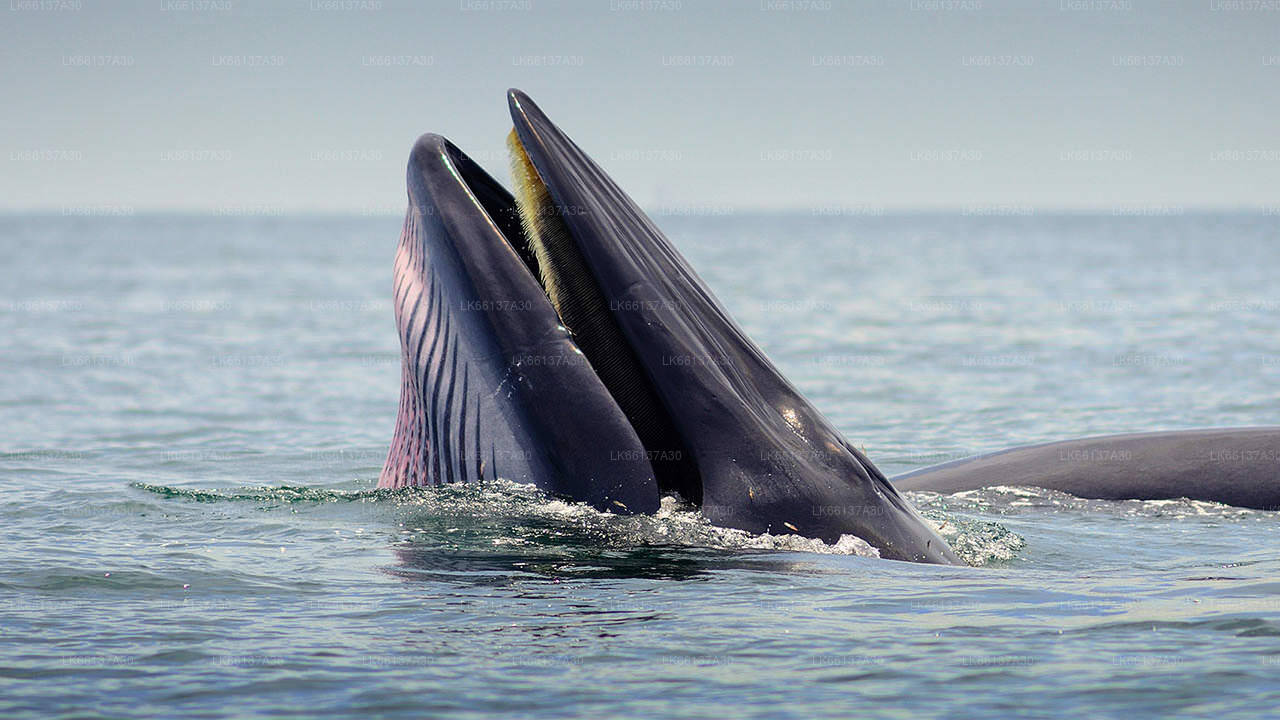
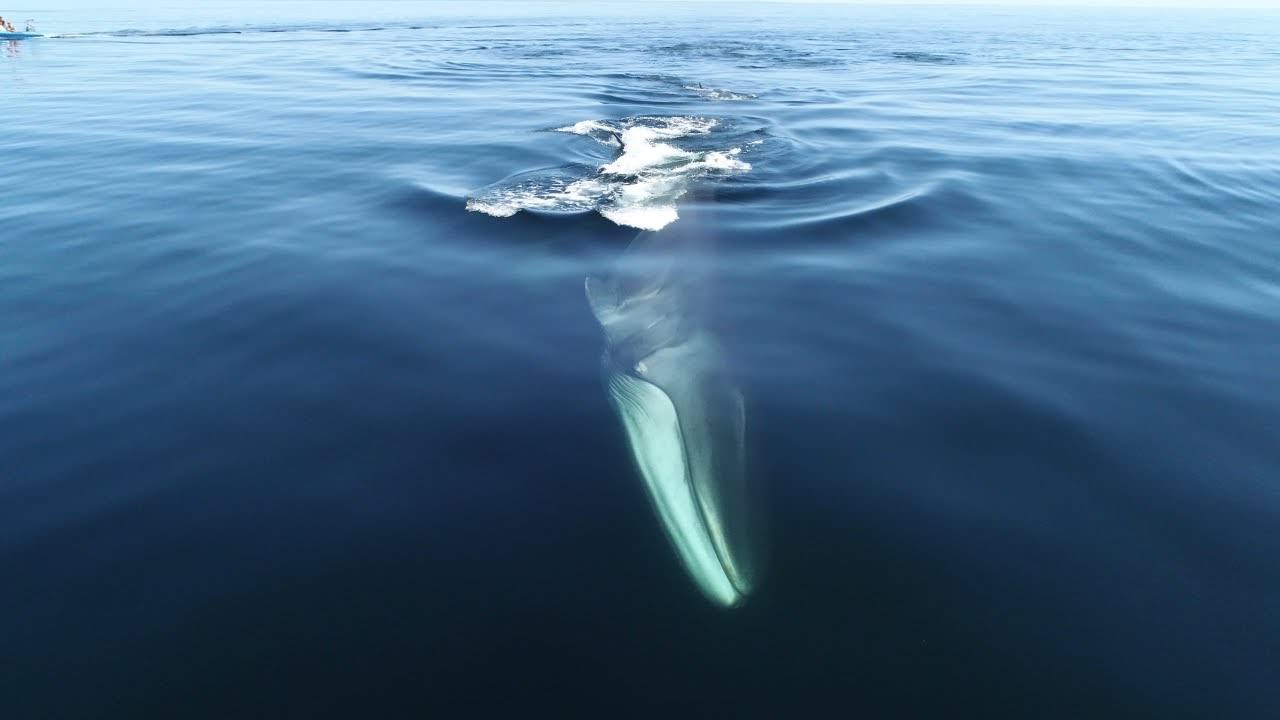
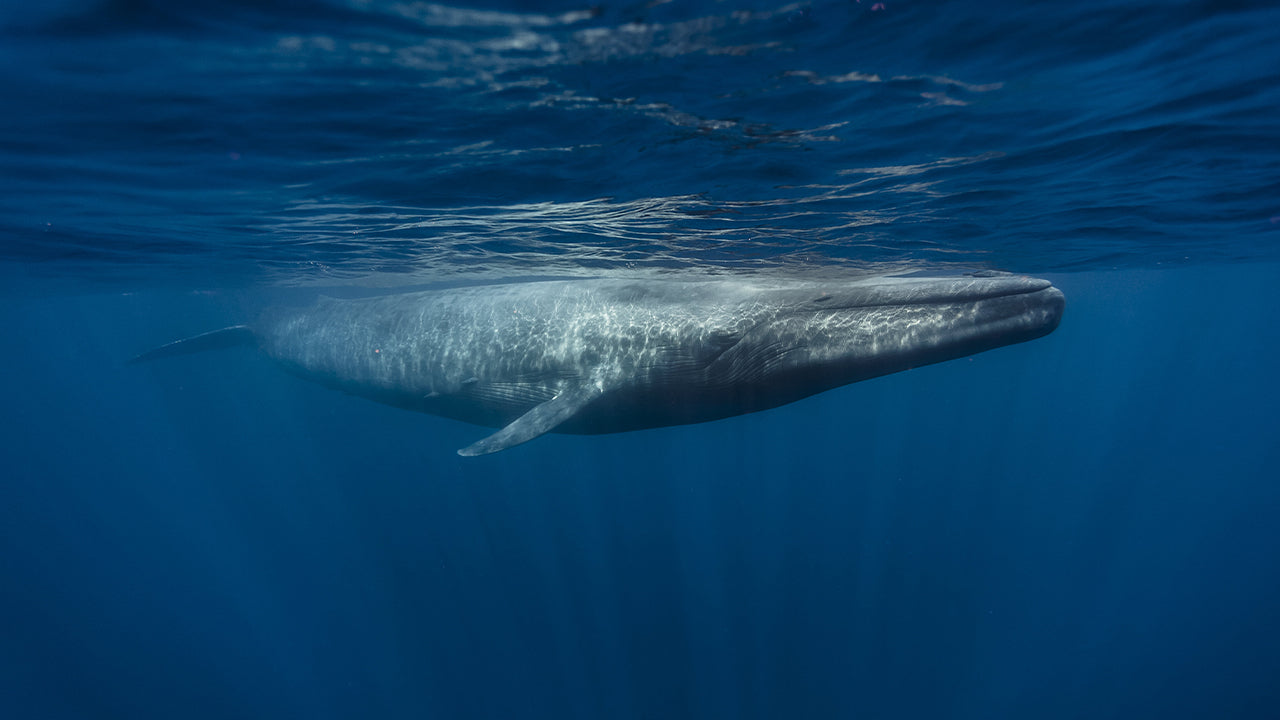
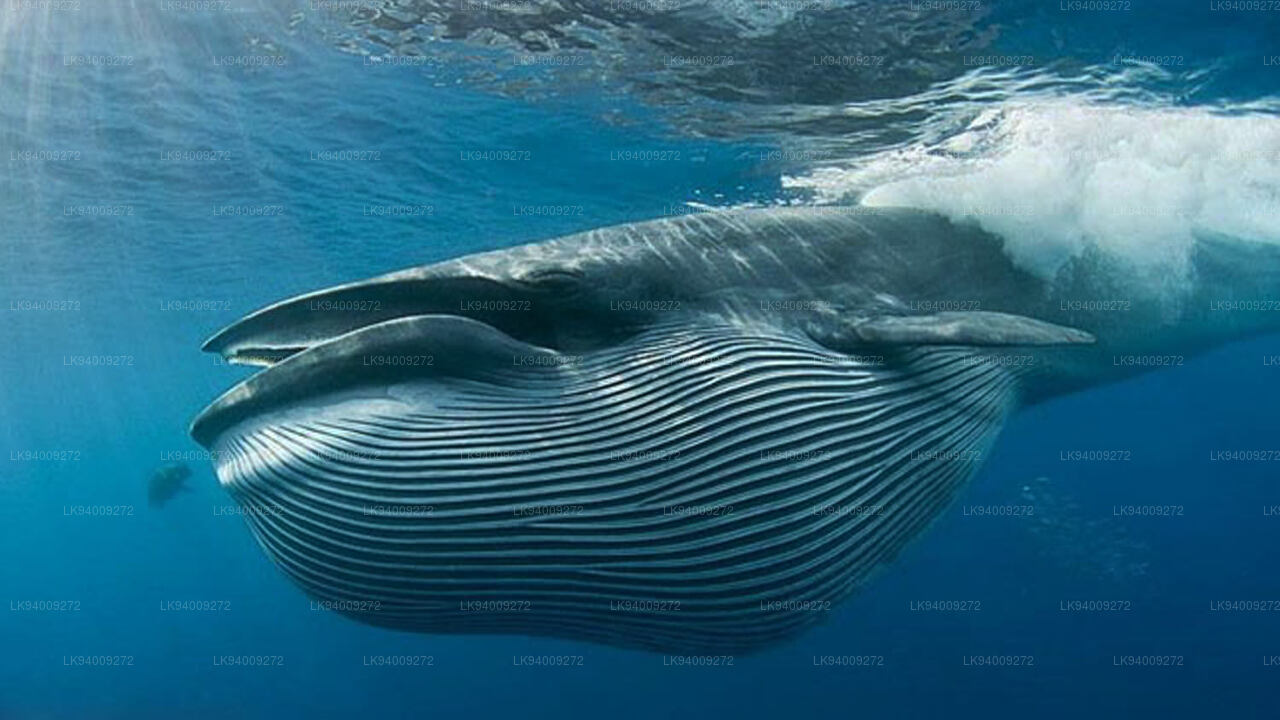
Sri Lanka is consistently rated among the top five whale-watching destinations in the world by marine wildlife organisations. The proximity of deep water to the coast means encounters happen relatively close to shore — often within a one-to-two-hour boat ride — without the long ocean crossings required in some other destinations. Beyond sperm whales, the same waters host blue whales (the largest animal on Earth), bryde's whales, sei whales, and occasionally orcas, as well as large pods of spinner and bottlenose dolphins. A single trip can produce multiple cetacean species in a morning.
For travellers interested in broader marine and terrestrial wildlife, a dedicated multi-day itinerary combining whale watching with visits to Sinharaja Forest Reserve or the southern national parks offers an exceptionally complete natural history experience.
How to be a responsible whale watcher in Sri Lanka
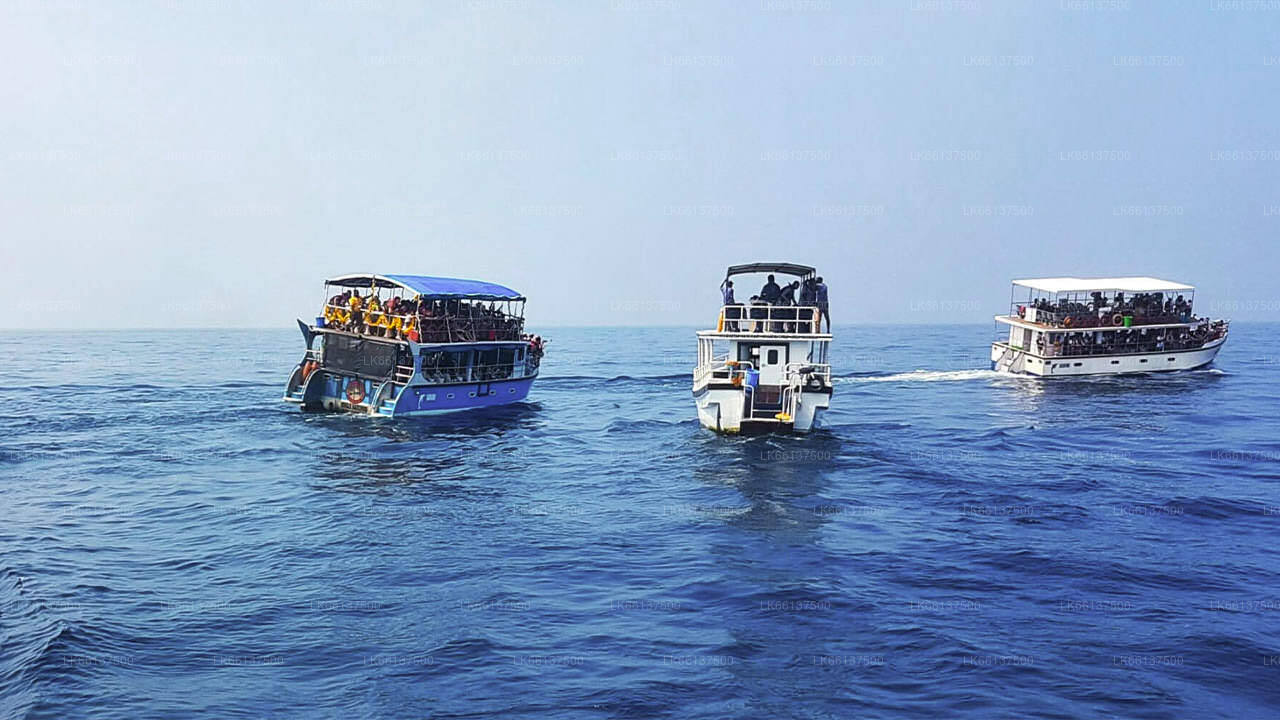
Responsible operators maintain recommended distances from the animals, avoid approaching directly from the front or rear, and do not pursue diving whales. When booking, look for operators who follow guidelines issued by the Sri Lanka Tourism Development Authority. Minimising engine noise and limiting the number of boats in proximity significantly reduces stress to the animals. Lakpura's curated whale-watching excursions are selected with both guest experience and cetacean welfare in mind.
Conservation status of the sperm whale
The sperm whale is listed as Vulnerable on the IUCN Red List of Threatened Species. Commercial whaling decimated global populations during the 18th, 19th, and 20th centuries — spermaceti oil was highly prized as a lubricant and lamp fuel before petroleum became dominant. Although commercial whaling has largely ceased, sperm whales continue to face threats from ship strikes, plastic ingestion, entanglement in fishing gear, and underwater noise pollution. Sri Lanka's waters are part of a proposed Indian Ocean Whale Sanctuary, and ongoing research by local and international teams continues to expand knowledge of population size, structure, and behaviour in this region.