Lakpura
Lakpura®

Diving

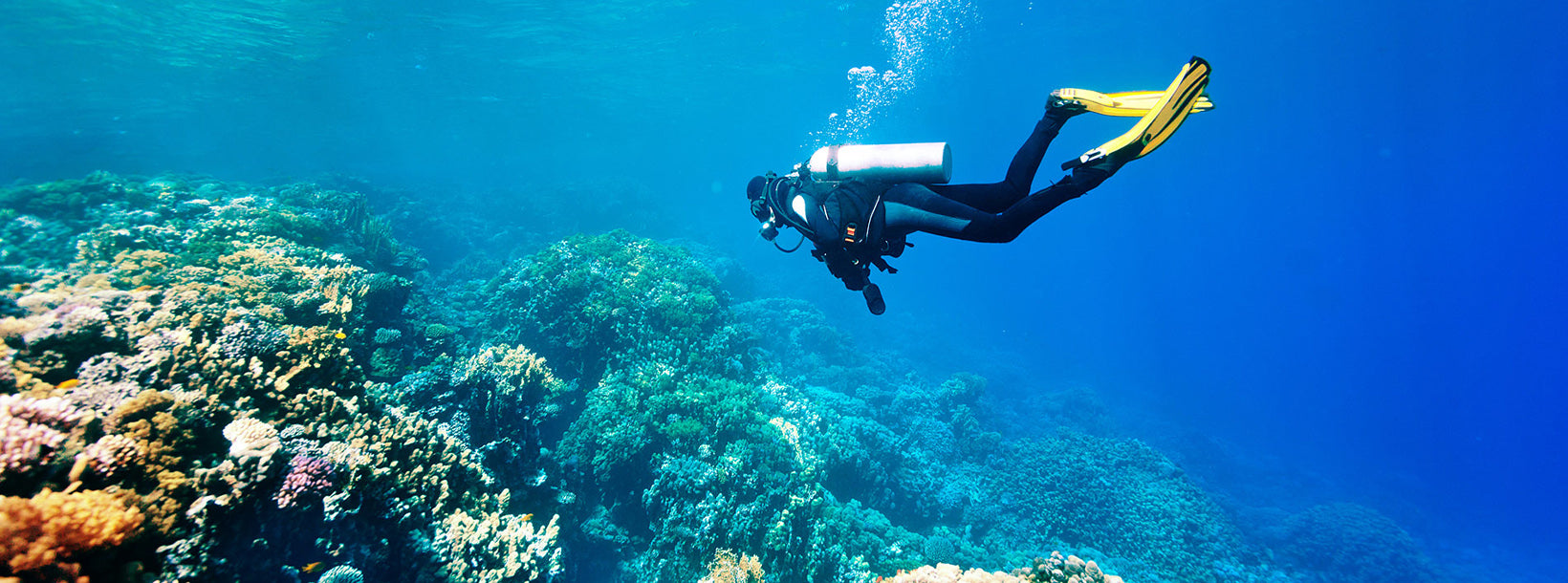
Sri Lanka sits at the confluence of warm Indian Ocean currents, and its 1,600 km of coastline conceals a surprisingly varied underwater world. Coral gardens, colonial-era wrecks, dramatic drop-offs, and a pelagic cast that includes blue whales and whale sharks make this one of South Asia's most rewarding dive destinations — yet it remains far less crowded than the Maldives or Thailand. Whether you are a first-timer looking to earn your certification or an experienced diver hunting for rare macro life, Sri Lanka has a dive site to match.

What marine life can divers expect to see in Sri Lanka?

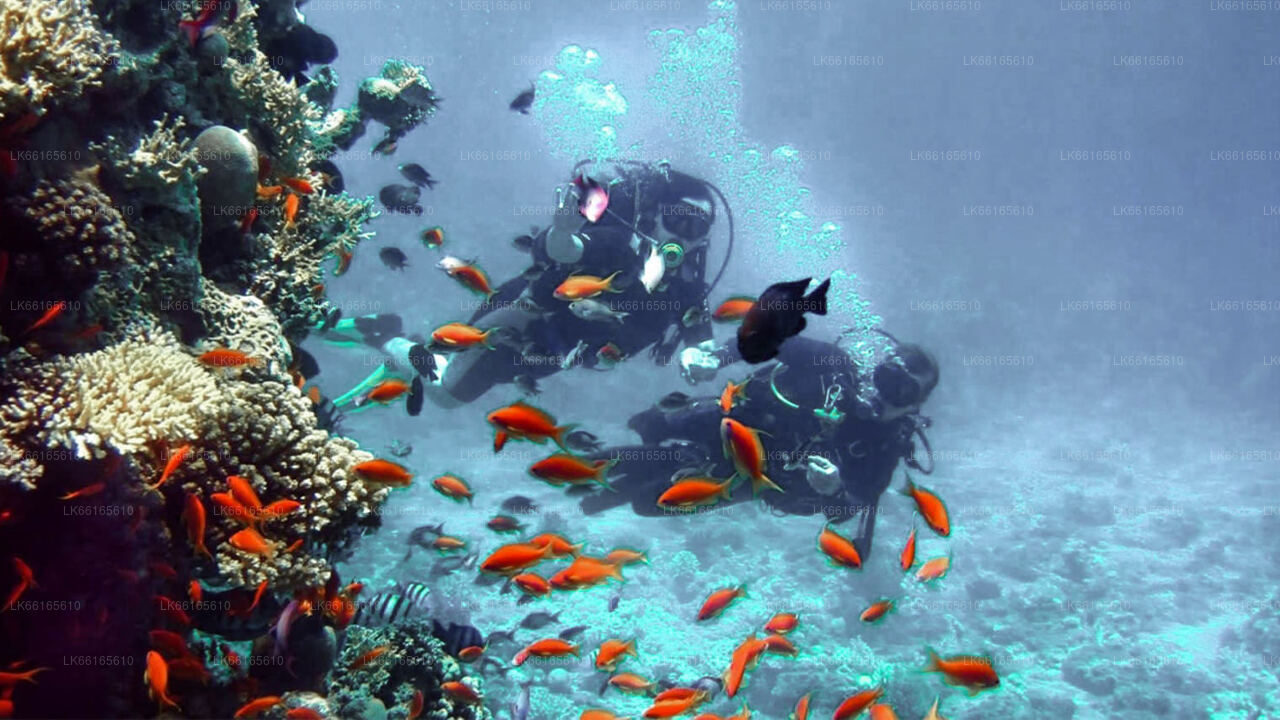
The diversity here is exceptional. On a single trip you could encounter spinner dolphins on the surface, nurse sharks resting on sandy ledges, and an entire spectrum of reef fish — from giant trevally to tiny, jewel-coloured nudibranchs that delight macro photographers. Sea turtles are common at several sites along the south and west coasts, and dugongs have been recorded in the north. The deeper blue-water sites off the north-west coast are visited by whale sharks, and blue whales pass within a few nautical miles of the southern shore between December and April — a rare opportunity for snorkellers as well as divers.

Hard and soft corals are widespread, though bleaching events have affected some shallower reefs. The wrecks — particularly around Trincomalee and along the south-west — are heavily encrusted with sea fans, tube corals, and sponges, creating artificial reefs of remarkable density.

Where are the best dive sites in Sri Lanka?

Sri Lanka's dive sites cluster into four main coastal zones, each with a distinct character.

  • Trincomalee (East Coast): Often considered the country's premier dive destination, Trincomalee offers exceptional visibility — frequently exceeding 25 metres — and warm, calm waters from April to September. Pigeon Island, protected as a marine national park, hosts one of the healthiest hard-coral reefs on the island, along with blacktip reef sharks and schools of snapper. Nearby, the wrecks of several World War II vessels lie in accessible depths, blanketed in marine growth.
  • Hikkaduwa (South-West Coast): One of Sri Lanka's longest-established dive hubs, Hikkaduwa suits beginners and intermediate divers. Depths are moderate, the coral sanctuary is easily reached from the beach, and the resident turtle population is reliable year-round (the west-coast season runs roughly October to April). The Hikkaduwa Turtle Hatchery nearby gives broader context to the conservation effort.
  • Unawatuna & Mirissa (South Coast): These sister towns offer reef dives and wreck dives in close proximity. Mirissa doubles as Sri Lanka's whale-watching capital, meaning a dive day can start underwater and end watching blue whales on the surface. Depths vary from around 8 m on the coral slopes to over 30 m at the outer wall sites.
  • Kalpitiya & Bentota (West Coast): Kalpitiya is gaining recognition for its encounters with large pods of spinner dolphins and, seasonally, whale sharks. Bentota is popular for dive training — the sheltered bay and calm lagoon provide ideal conditions for open-water courses. Mount Lavinia, just south of Colombo, offers convenient reef dives for visitors staying in the capital.

When is the best time to dive in Sri Lanka?

Sri Lanka's two monsoons create a split season, which is good news for divers: when one coast is rough, the other is usually calm.

Coast Best diving months Notes
West & South October – April Calm seas; best whale-watching Nov–Apr
East (Trincomalee) April – September Peak visibility; Pigeon Island fully accessible
North-West (Kalpitiya) November – March Whale shark season; spinner dolphin aggregations

Transitions between monsoons — around May and October — can bring unpredictable conditions. Divers planning around specific species should research current seasonal patterns with local operators before booking, as cetacean and shark sightings are never guaranteed.

What wrecks can divers explore in Sri Lanka?

Sri Lanka's maritime history has left a rich legacy of wrecks. The waters off Trincomalee contain several vessels sunk during World War II, some in remarkably intact condition and at recreational diving depths. Along the south-west coast, colonial-era cargo ships and more recent casualties rest at varying depths. Soft corals have colonised many of these hulls over decades, and schooling fish — batfish, fusiliers, and jackfish — aggregate around them in large numbers. Local dive operators are periodically locating previously uncharted wrecks, so the inventory continues to grow. Always dive wrecks with a qualified guide; currents and silt make solo penetration hazardous.

What certification do I need to dive in Sri Lanka?

Most dive sites are accessible with an entry-level open-water certification (PADI, SSI, BSAC, or equivalent). A few deeper wreck sites and wall dives at Trincomalee are better suited to Advanced Open Water or Rescue Diver level. If you are not yet certified, several centres along the west and south coasts offer PADI-accredited open-water courses that can be completed in three to four days. Discover Scuba Diving (DSD) programmes — a single supervised introductory dive — are available at Bentota, Hikkaduwa, Unawatuna, and other resorts, needing no prior experience.

How does diving in Sri Lanka compare to the rest of Asia?

Sri Lanka is not as consistently developed for diving as Thailand or Indonesia, but that is part of its appeal. Infrastructure at the main hubs is competent and improving; dive gear rental is readily available. Prices are generally lower than comparable sites in South-East Asia. Crucially, diver numbers at most sites remain modest, which means you are unlikely to be sharing a reef with dozens of other groups. The chance to combine serious underwater diving with deep-sea fishing, wildlife safaris, and cultural exploration on the same trip adds further value — Sri Lanka's compact size means Trincomalee reefs and the ancient city of Polonnaruwa are within a half-day's drive of each other.

Are there conservation considerations for divers in Sri Lanka?

Several marine protected areas exist around the island, including Pigeon Island National Park and the Hikkaduwa Marine Sanctuary. Within these zones, touching or collecting coral is prohibited, and boat operators are required to follow anchoring rules to protect the reef. Responsible operators will brief divers on buoyancy control and marine-life interaction guidelines before every dive. When choosing a dive centre, look for operators affiliated with recognised training organisations and those who participate in reef clean-up initiatives. The Sri Lanka Wildlife Conservation Society and the Department of Wildlife Conservation jointly oversee marine protected area regulations.

Book this experience with Lakpura

Curated by our local team. Direct booking, instant confirmation.

Ask Lakpura® Agent