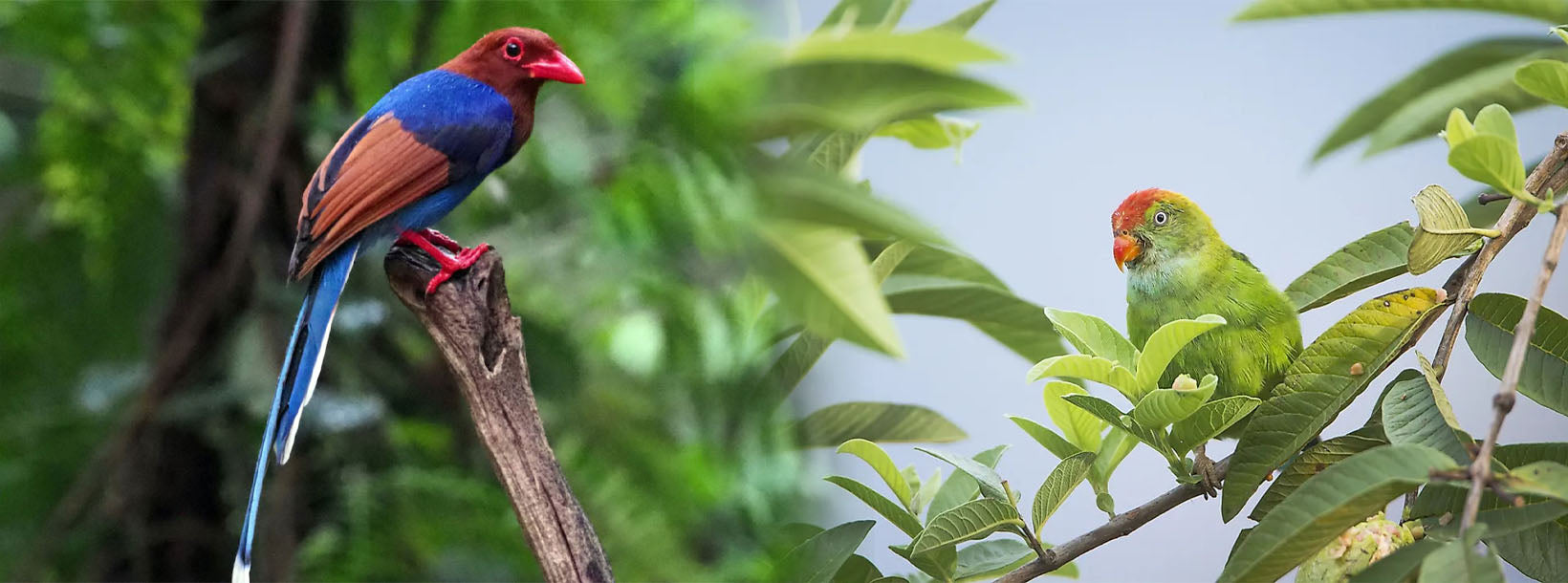
Dusky Blue Flycatcher


The dull-blue flycatcher (Eumyias sordidus) is a small passerine bird in the flycatcher family, Muscicapidae. It was previously included in the genus Muscicapa.
This species is an endemic resident breeder in the hills of central Sri Lanka.
The dull-blue flycatcher breeds in deciduous mountain forest, invariably above 600m, although it is not common below 900m. The main breeding season is in March and April, but a second brood is often reared later in the year.
The cup-shaped nest is a lined compact mass of moss. The site is usually a well-shaded rock ledge. The normal clutch is two or three brown-spotted pink eggs are laid.
This species is 15 cm long. It is similar in shape to the spotted flycatcher and has a loud melodic song.. Adults are ashy blue, with a whitish belly. There is a black patch between the broad black bill and the eye, bordered with brighter blue above and below. Sexes are similar, but females are slightly duller.
Juvenile dull-blue flycatchers are brown, heavily spotted on the head, back, wing-coverts and breast with pale buff; their flight feathers are broadly edged with blue-grey.
This is relatively easy bird to see, despite its forest habitat. It feeds mainly on flying insects, beetles, caterpillars and other insects, but also eats berries.


-
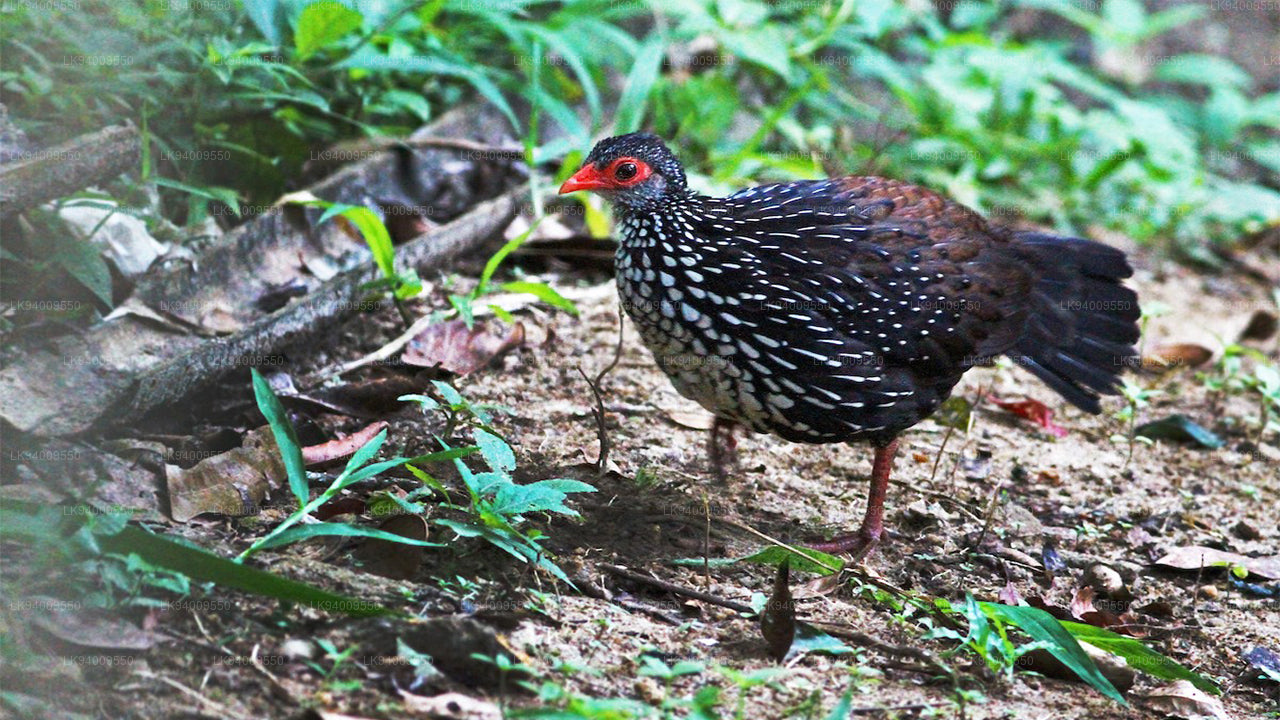 Ceylon Spurfowl
Galloperdix bicalcarata
-
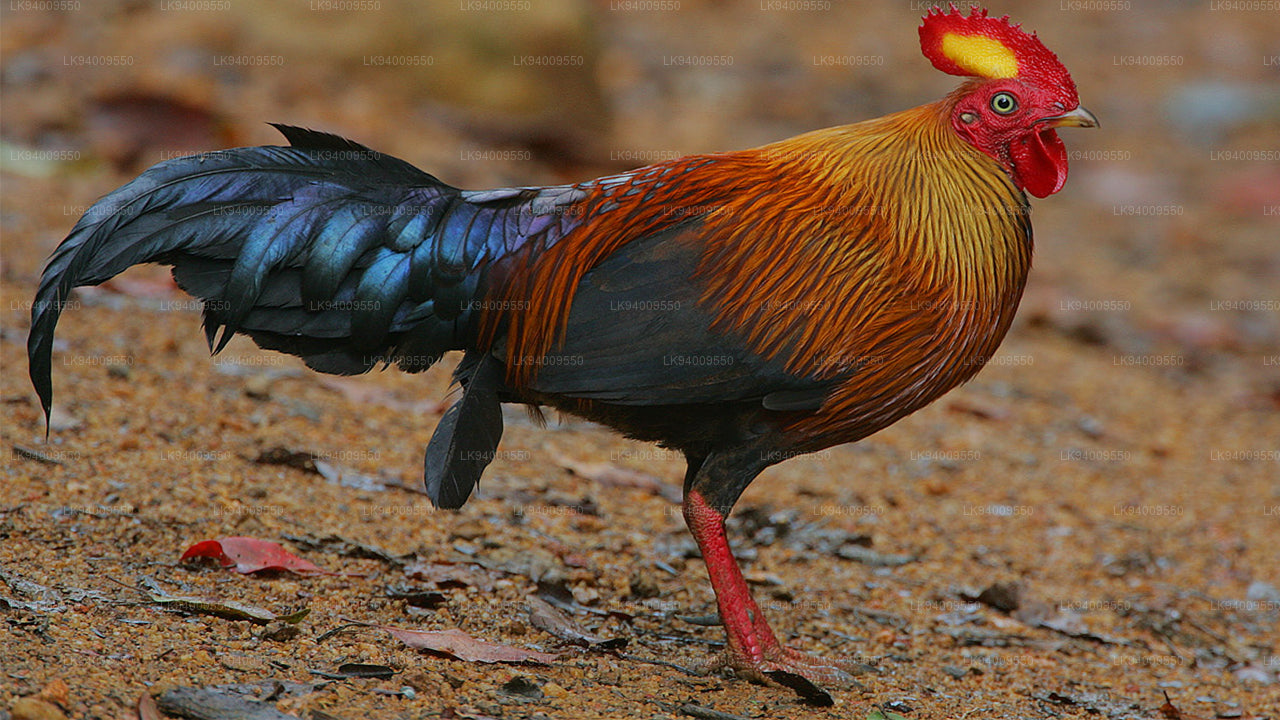 Junglefowl
Gallus lafayetii
-
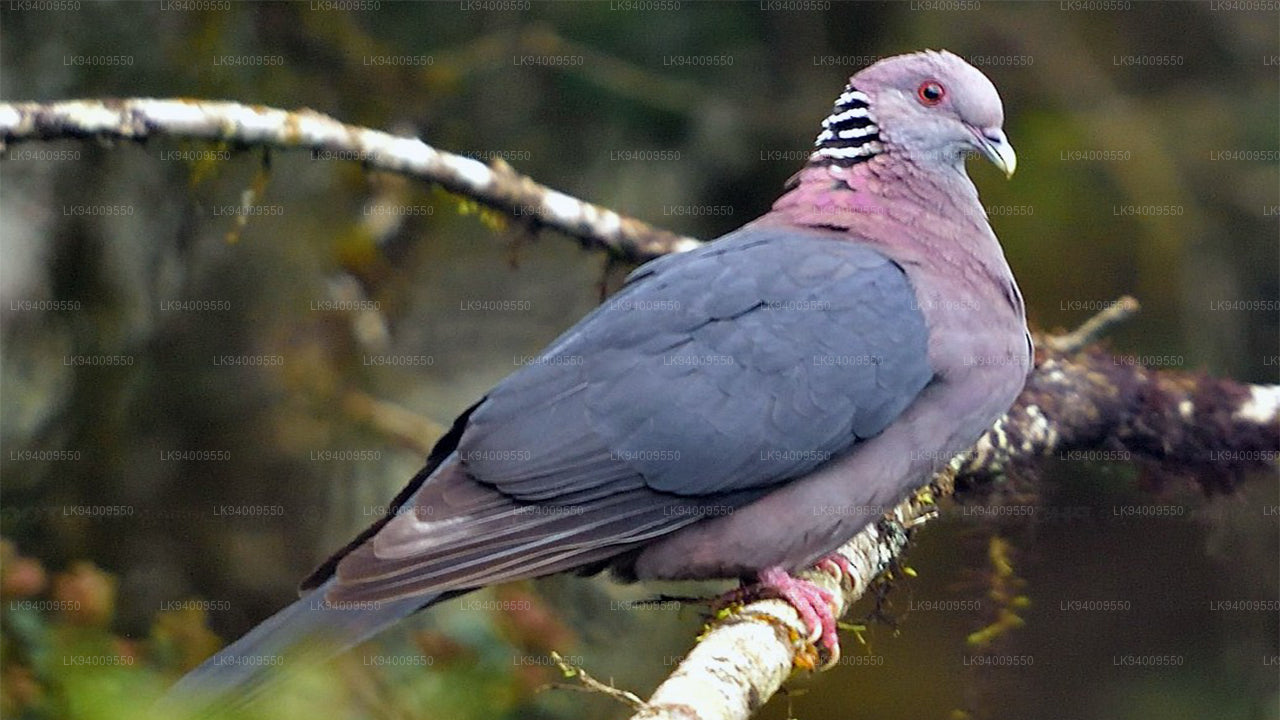 Ceylon Woodpigeon
Columba torringtoniae
-
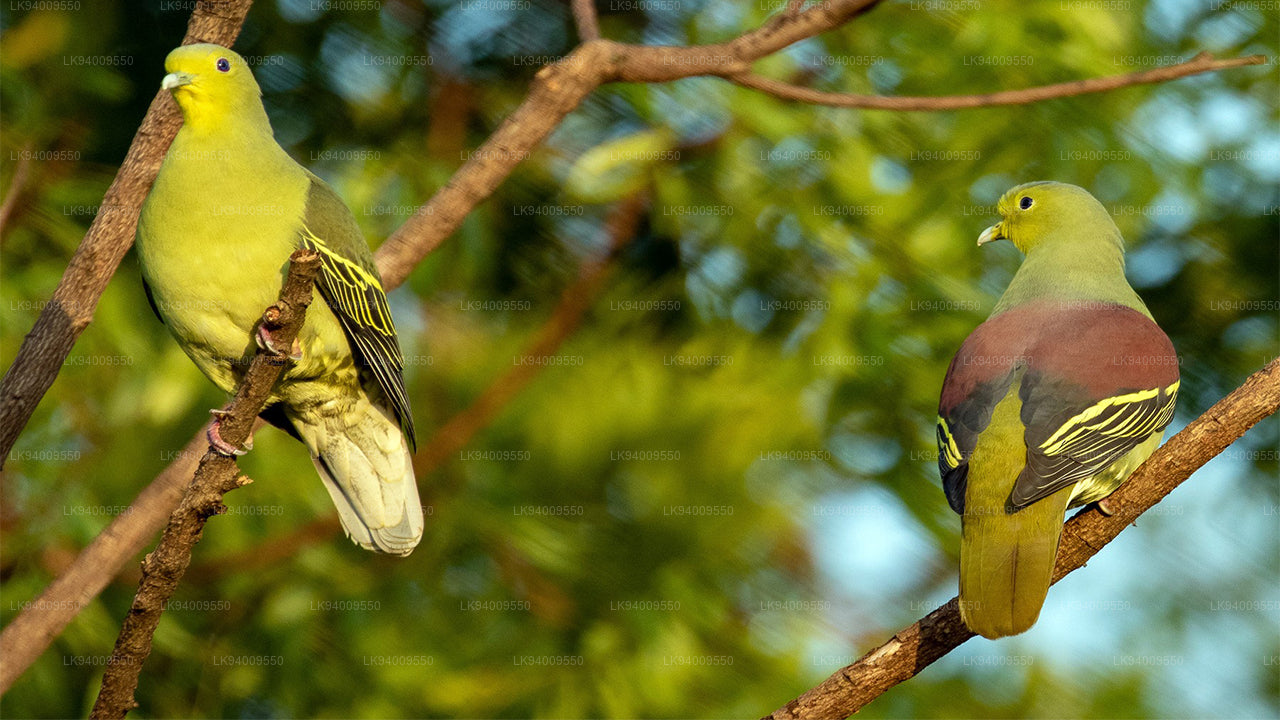 Ceylon Green Pigeon
Treron pompadora
-
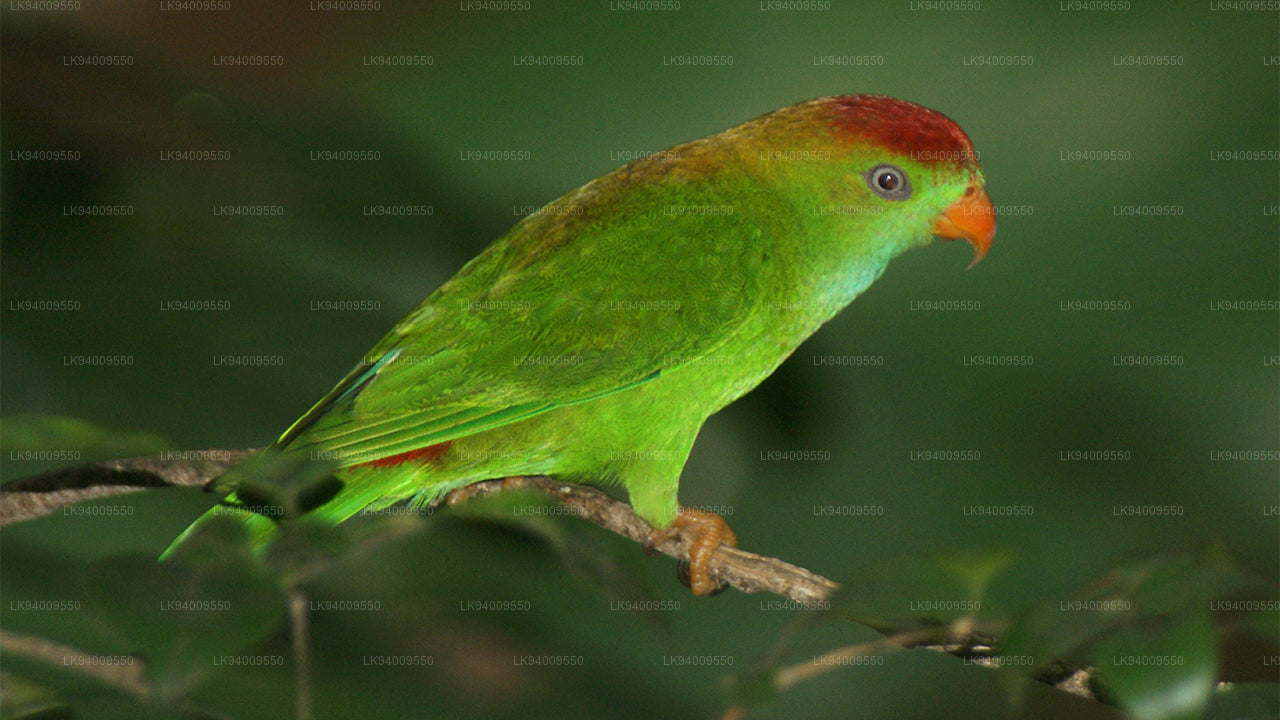 Ceylon Hanging Parrot
Loriculus beryllinus
-
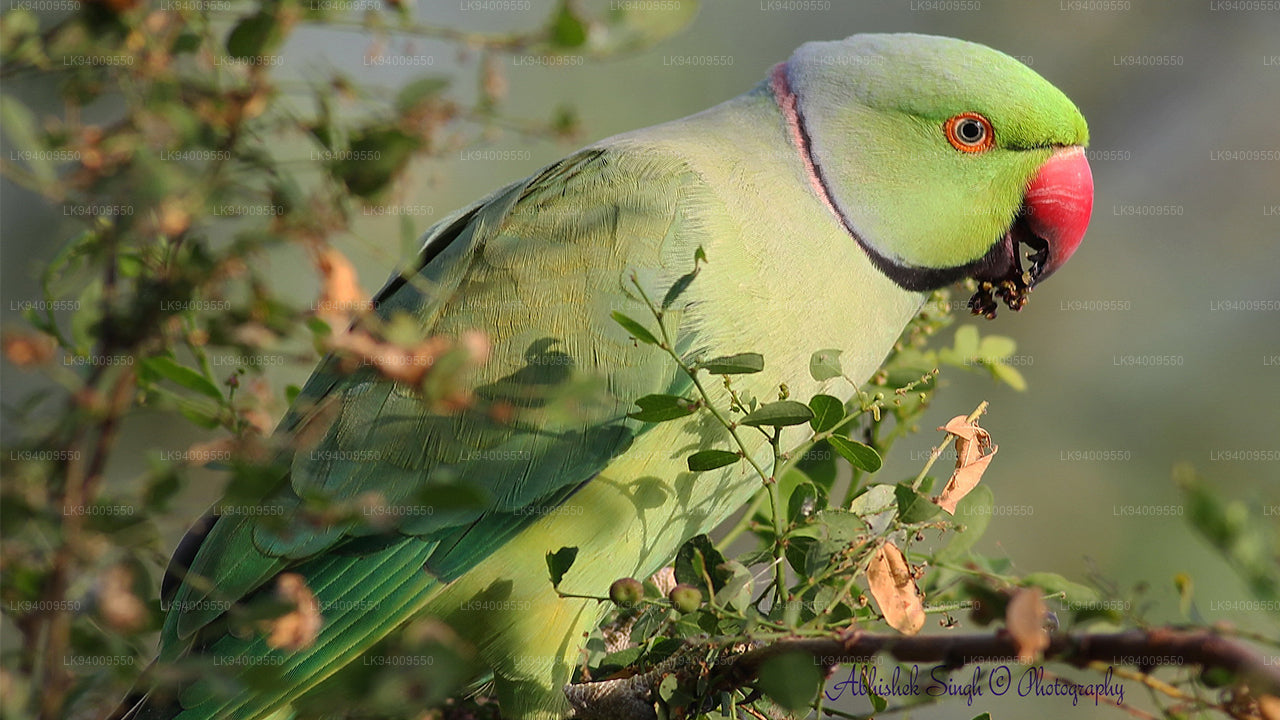 Layard’s Parakeet
Psittacula calthrapae
-
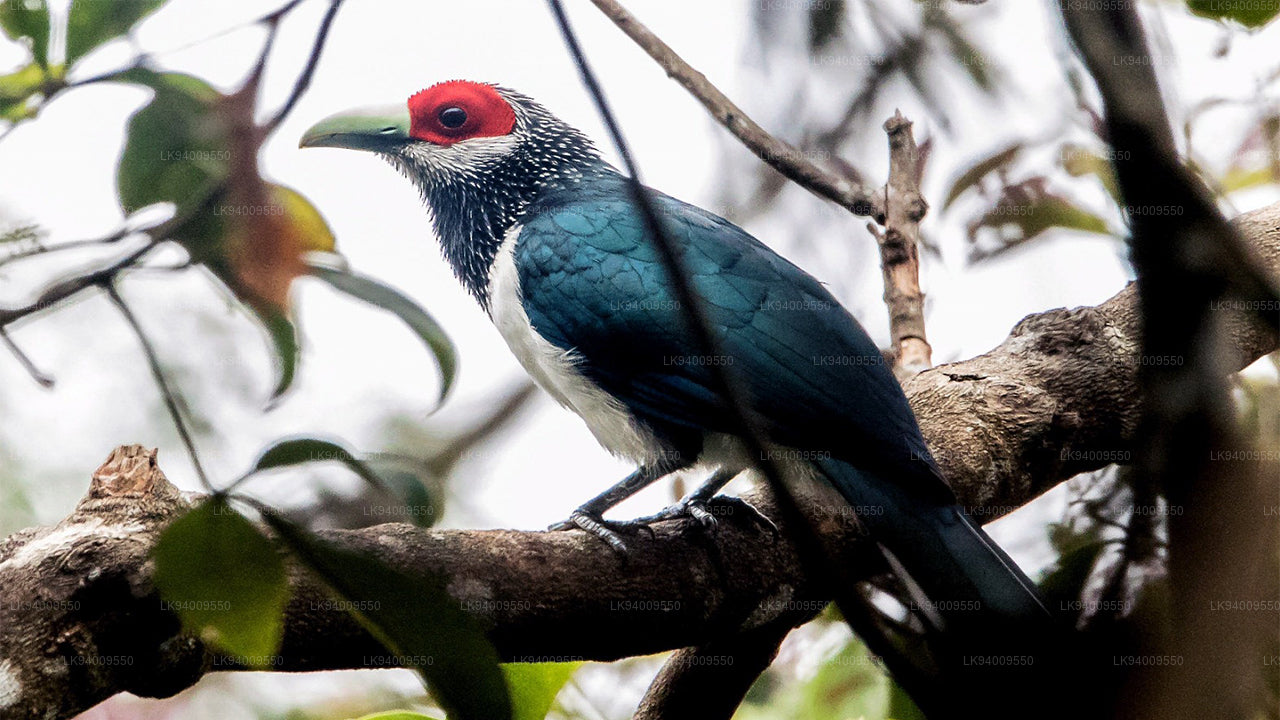 Red Faced Malkoha
Phaenicophaeus pyrrhocephalus
-
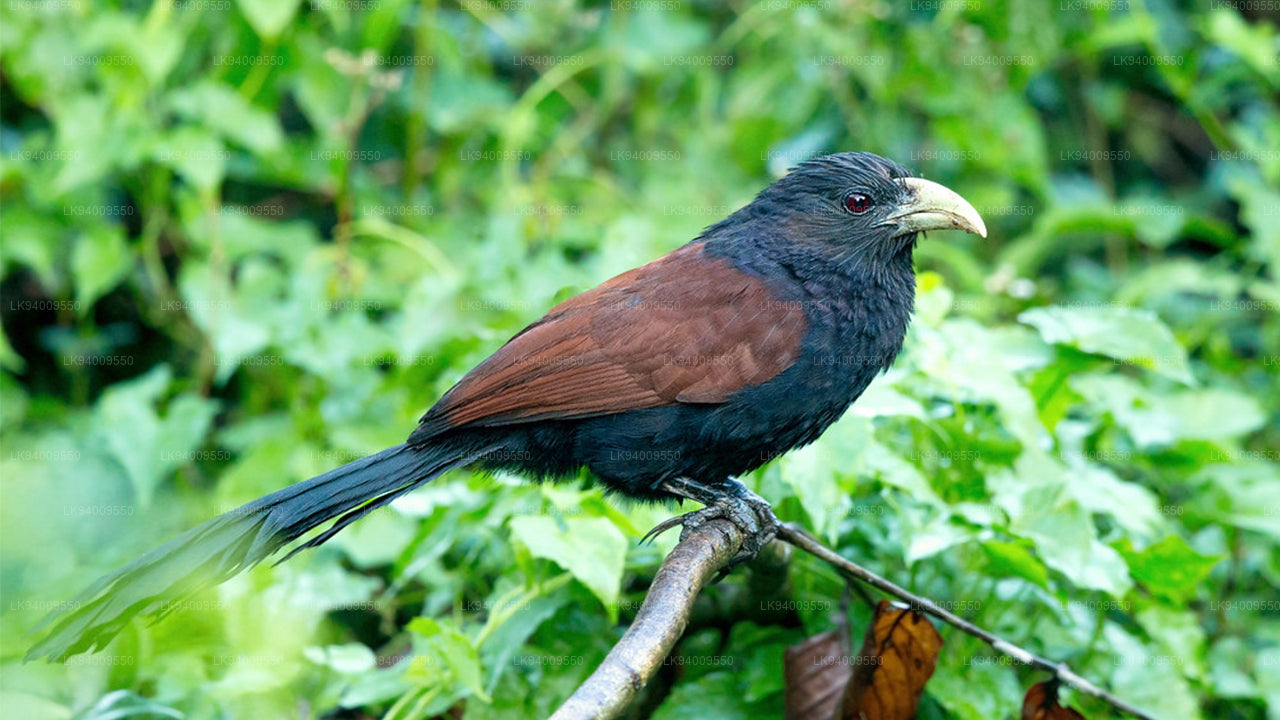 Green Billed Couca
Centropus chlororhynchos
-
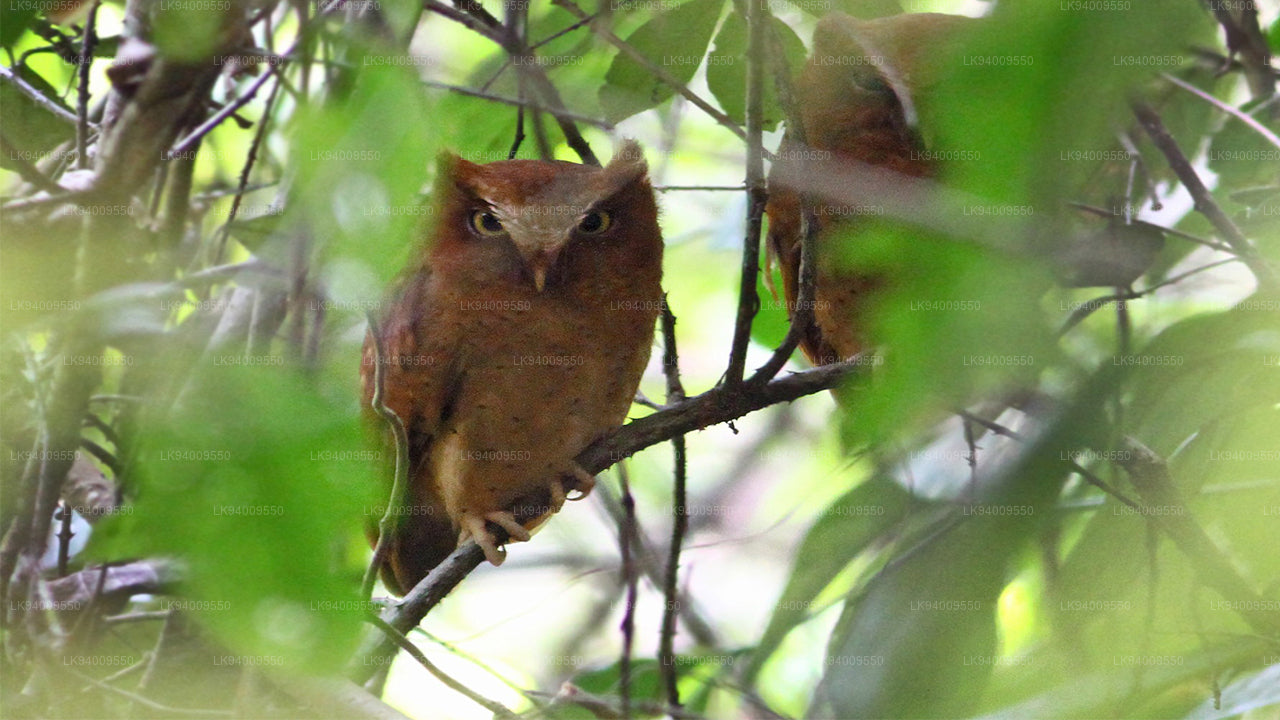 Serendib Scops Owl
Otus thilohoffmanni
-
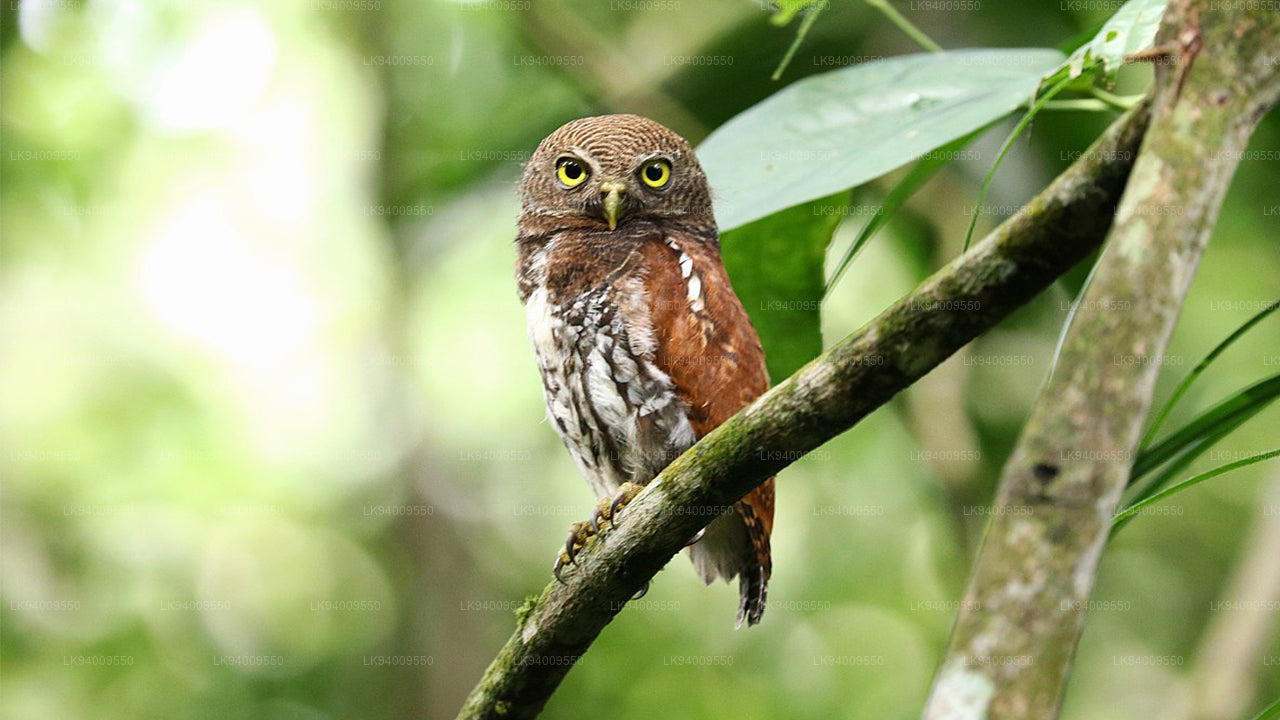 Chestnut Backed Owlet
$Glaucidium castanotum
-
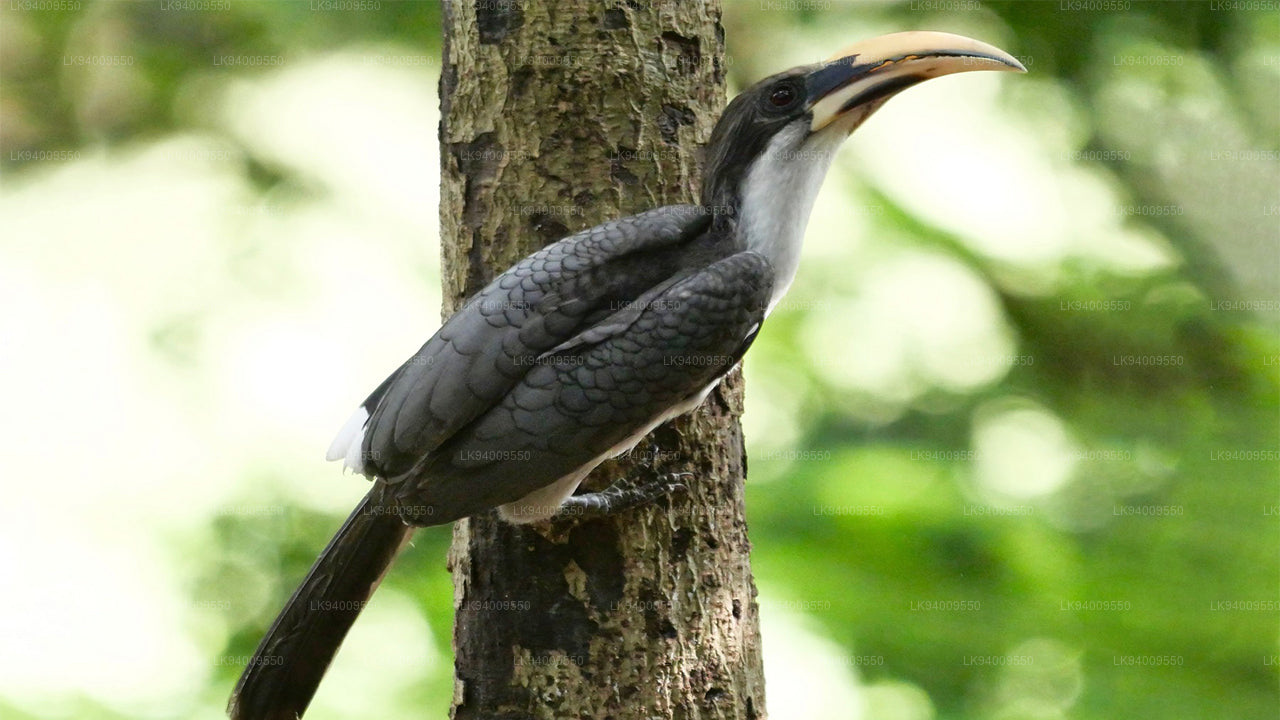 Ceylon Grey Hornbill
Ocyceros gingalensis
-
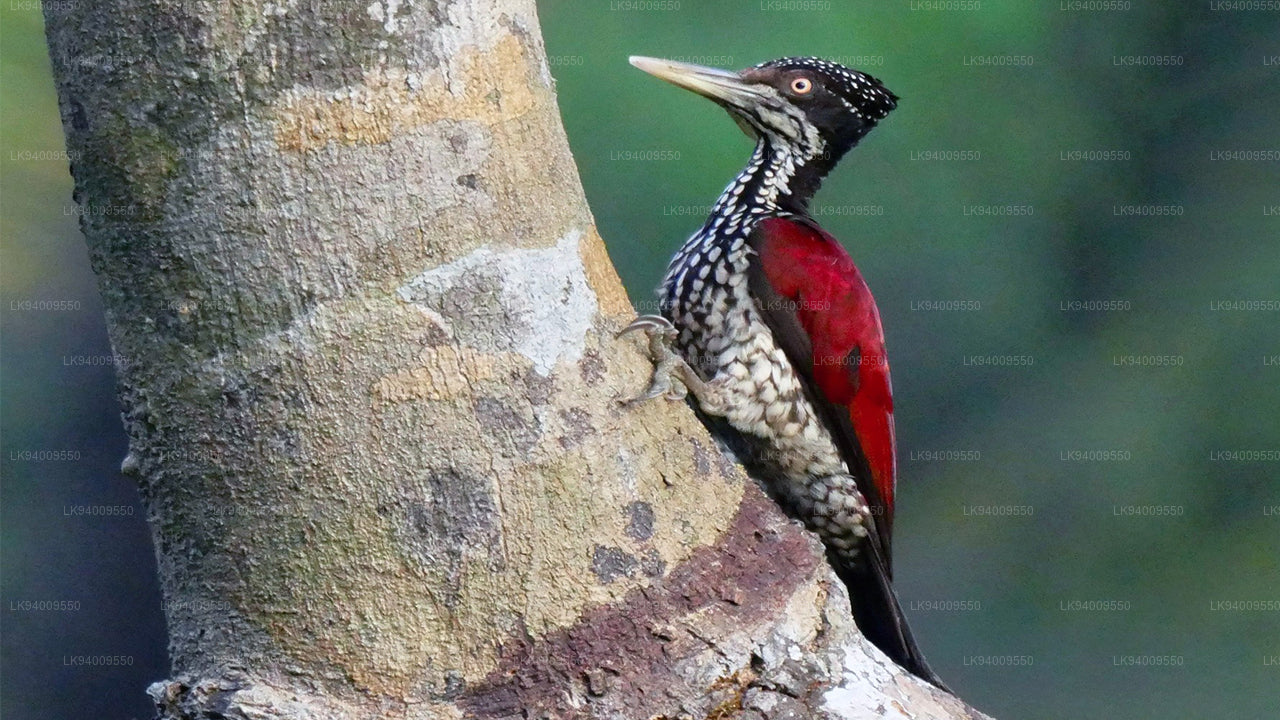 Crimson Backed Flameback
Chrysocolaptes stricklandi
-
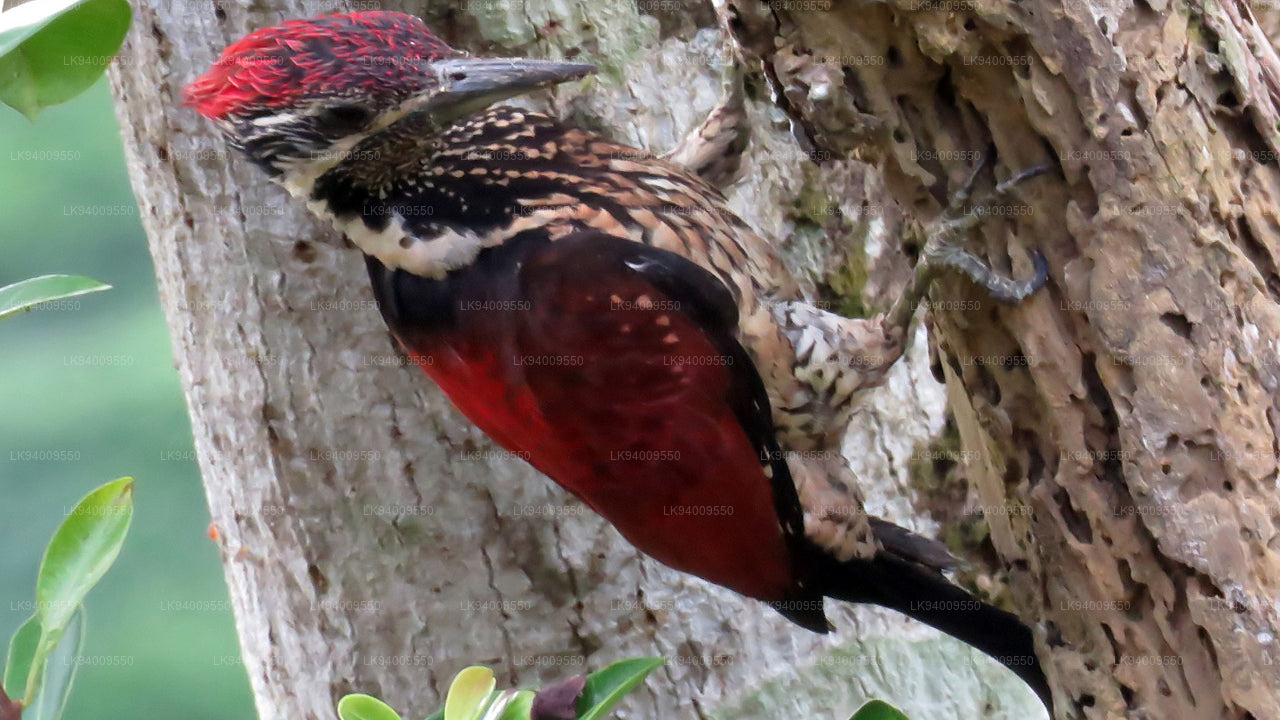 Red backed flameback
Dinopium psarodes
-
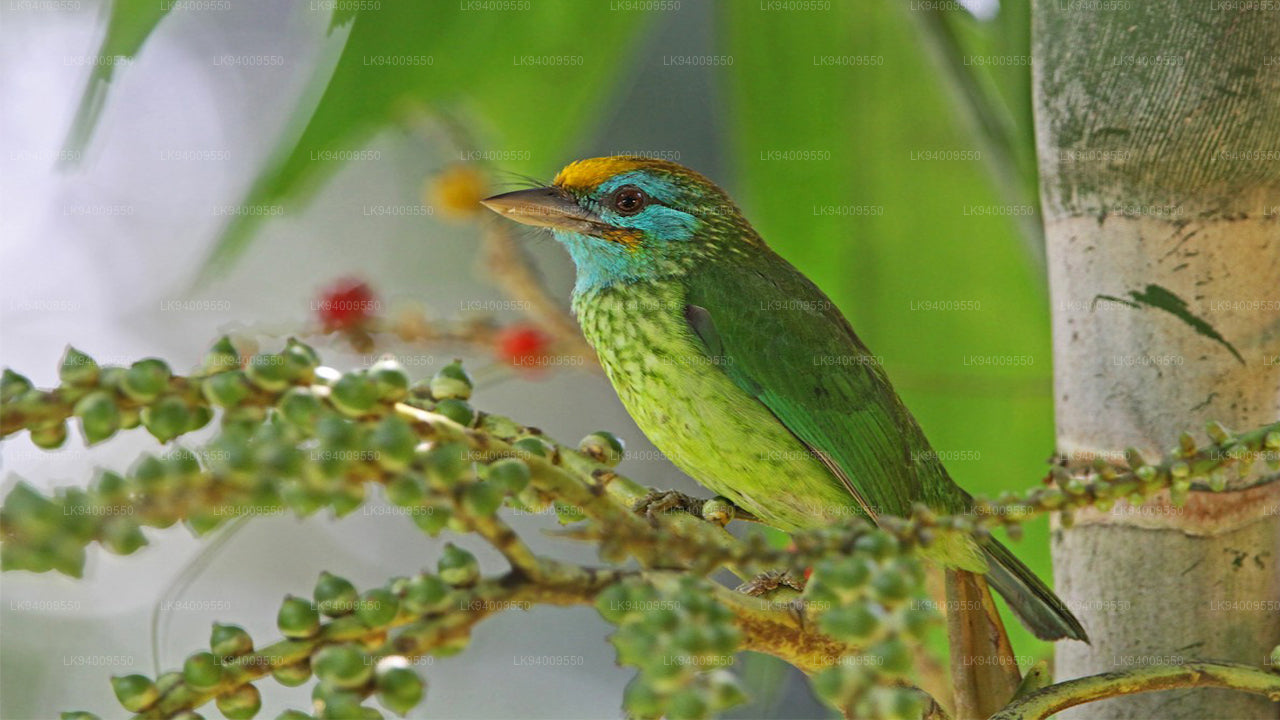 Yellow Fronted Barbet
Psilopogon flavifrons
-
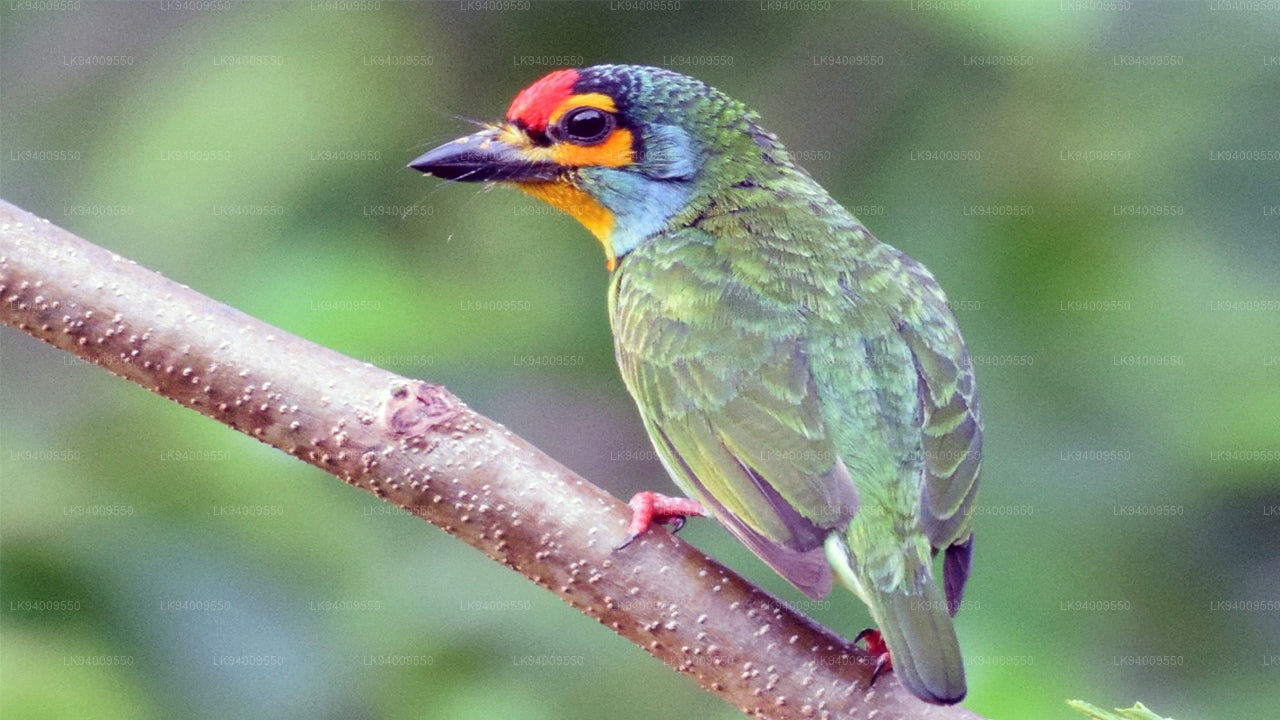 Crimson Fronted Barbet
Psilopogon rubricapillus
-
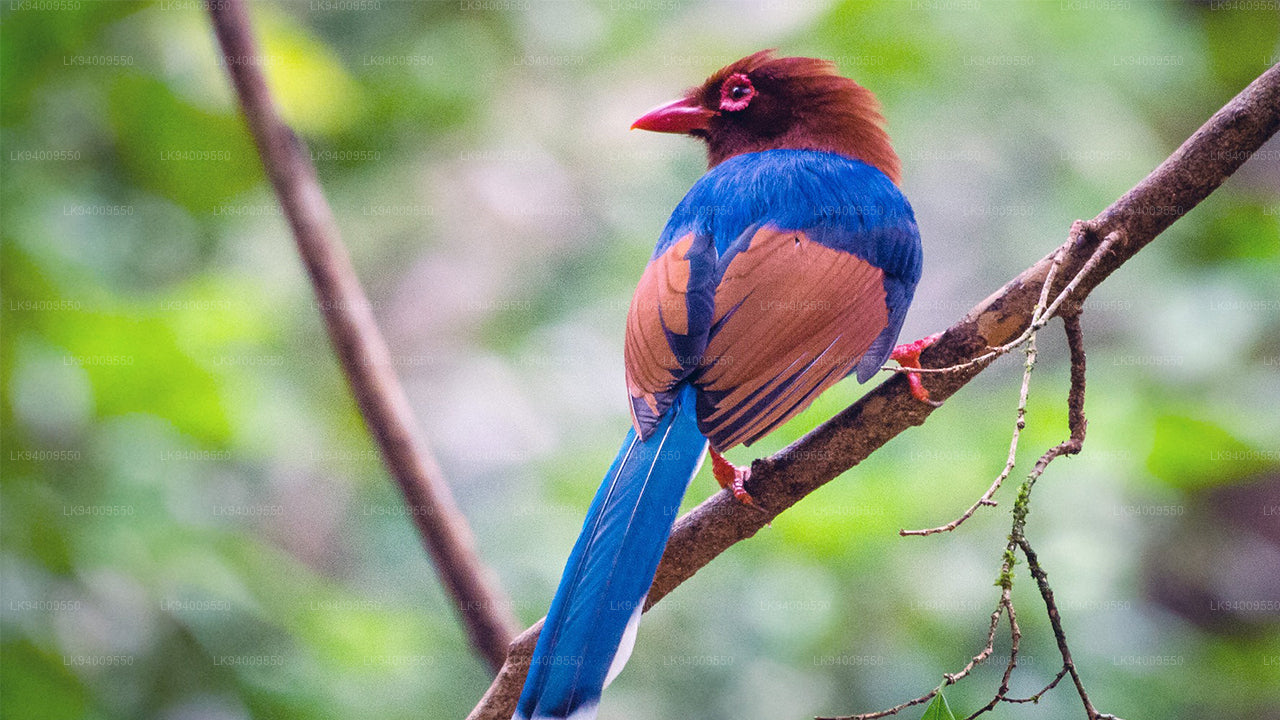 Ceylon Blue Magpie
Urocissa ornata
-
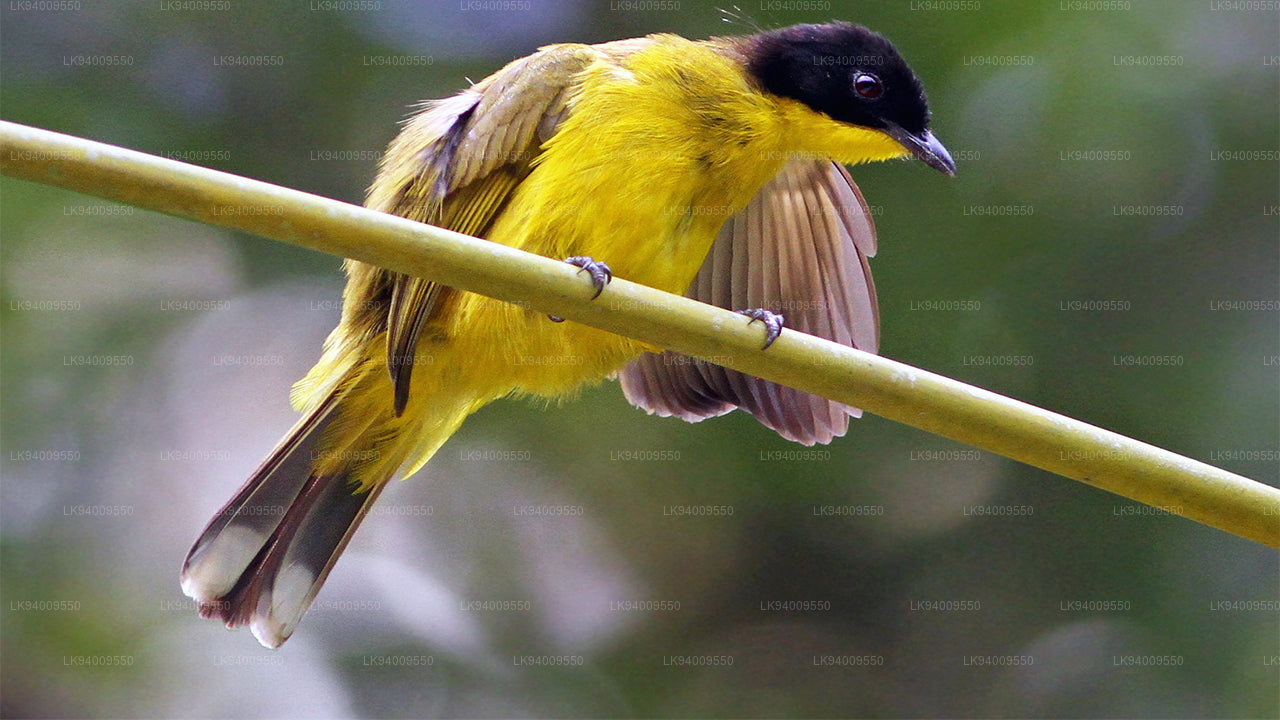 Black Capped Bulbul
Rubigula melanictera
-
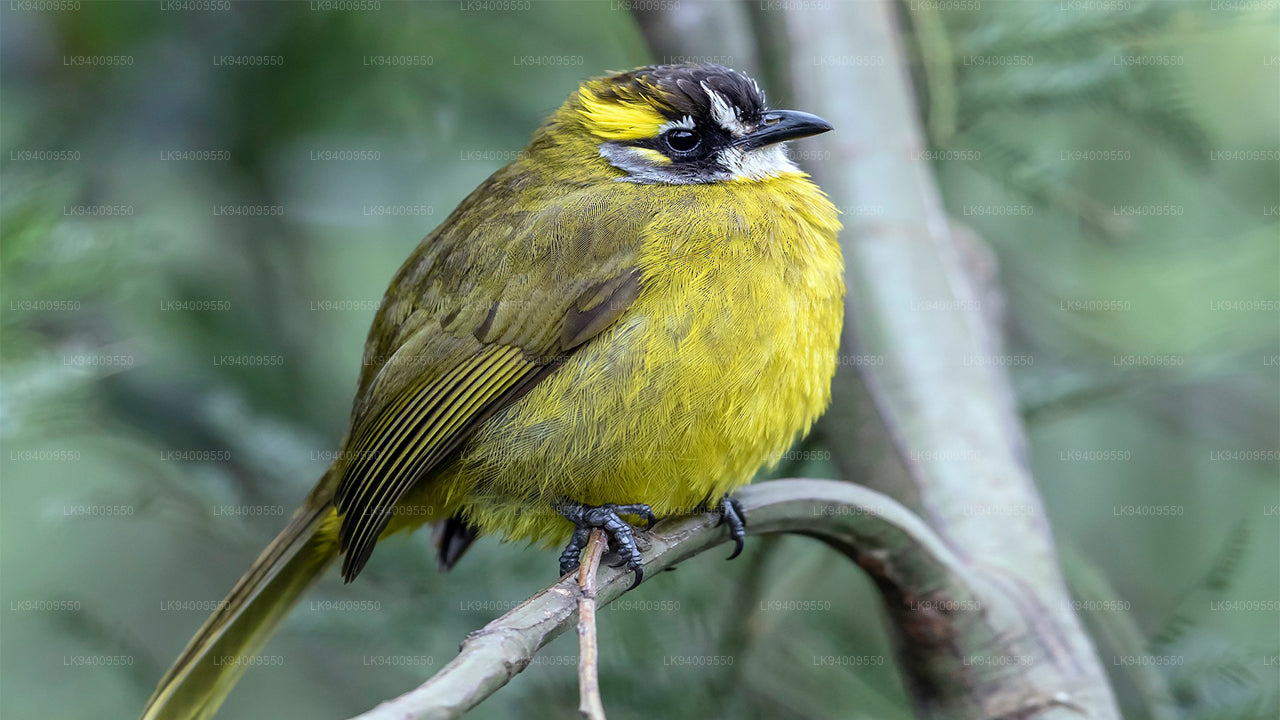 Yellow Eared Bulbul
Pycnonotus penicillatus
-
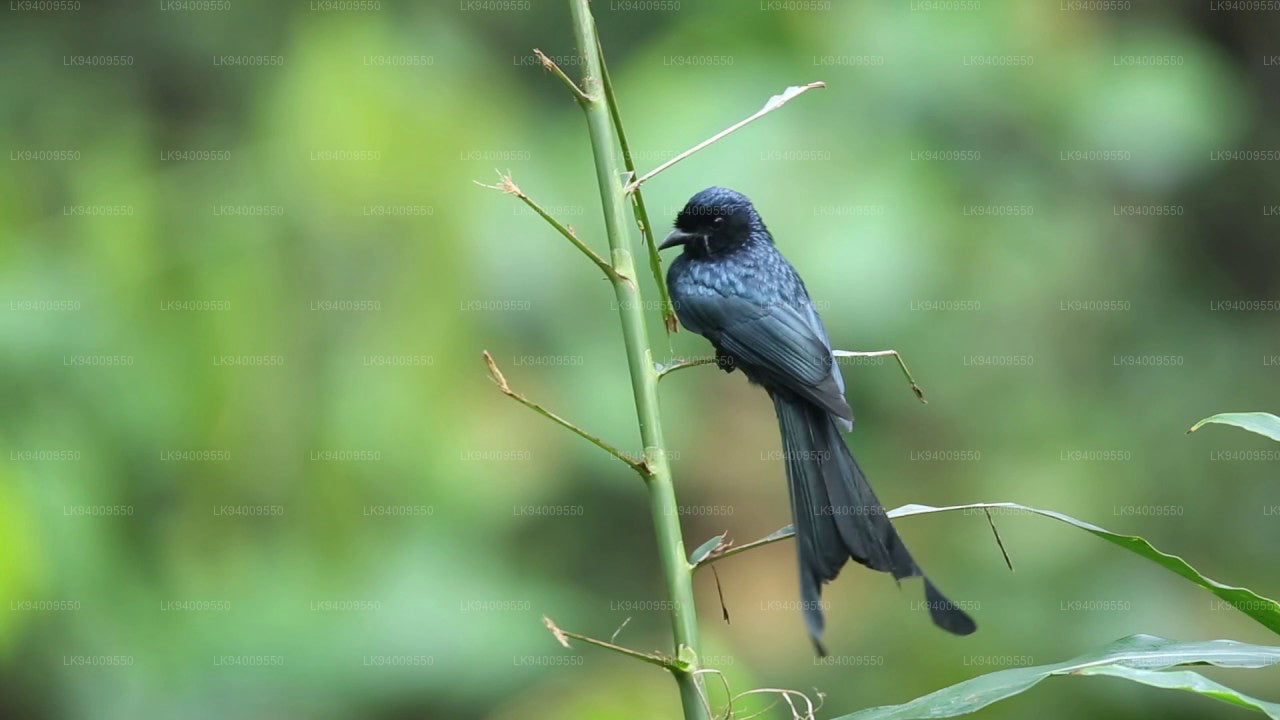 Ceylon Crested Drongo
Dicrurus lophorinus
-
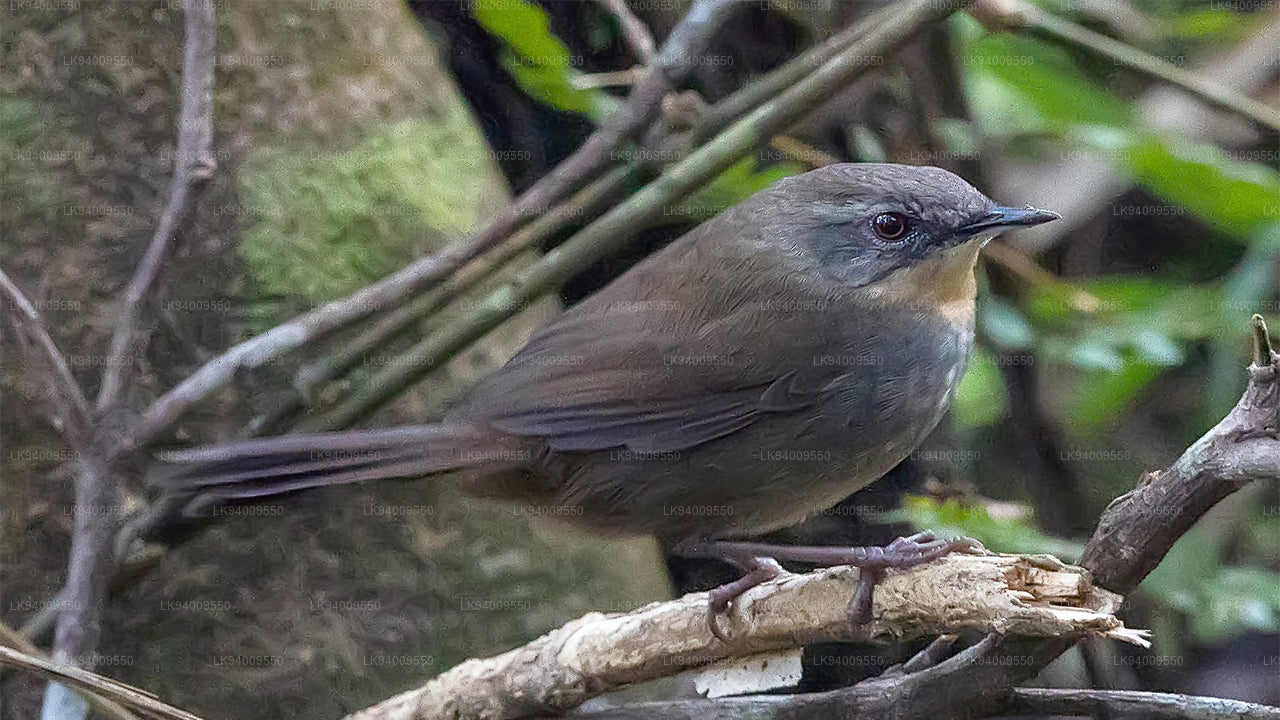 Ceylon Bush Warbler
Elaphrornis palliseri
-
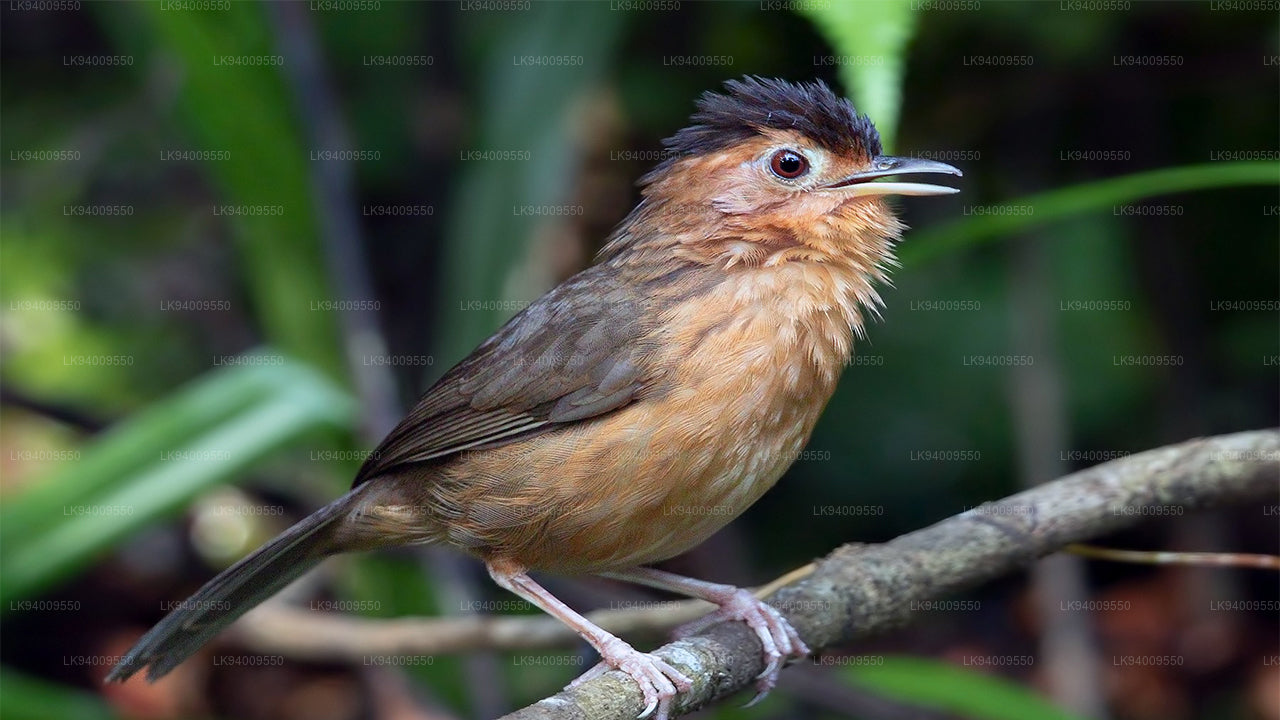 Brown Capped Babbler
Pellorneum fuscocapillus
-
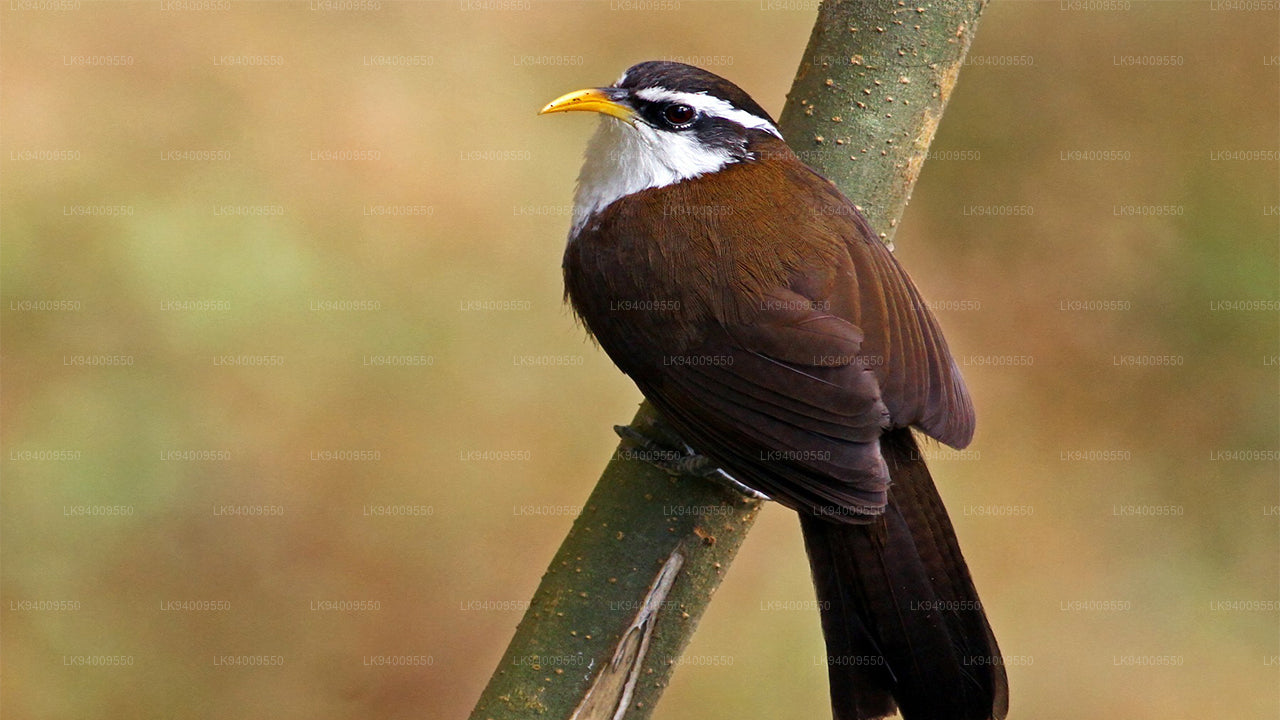 Ceylon Scimitar Babbler
Pomatorhinus melanurus
-
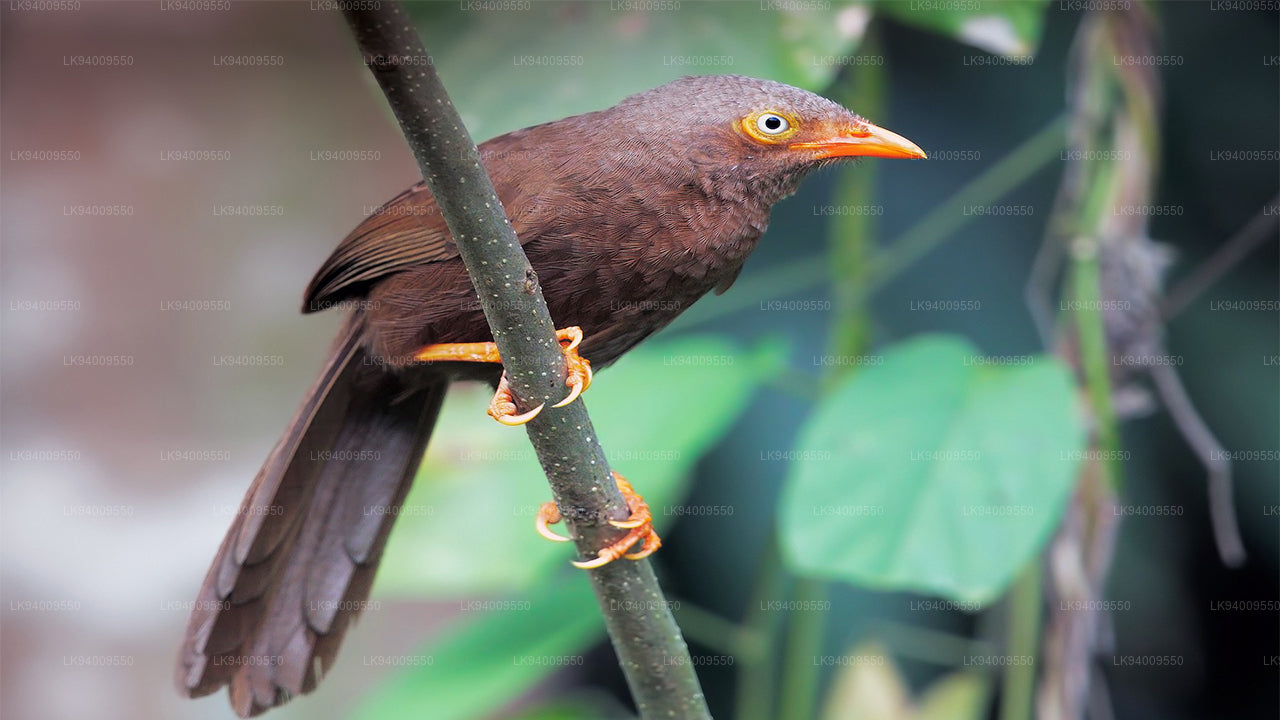 Ceylon Rufous Babbler
Argya rufescens
-
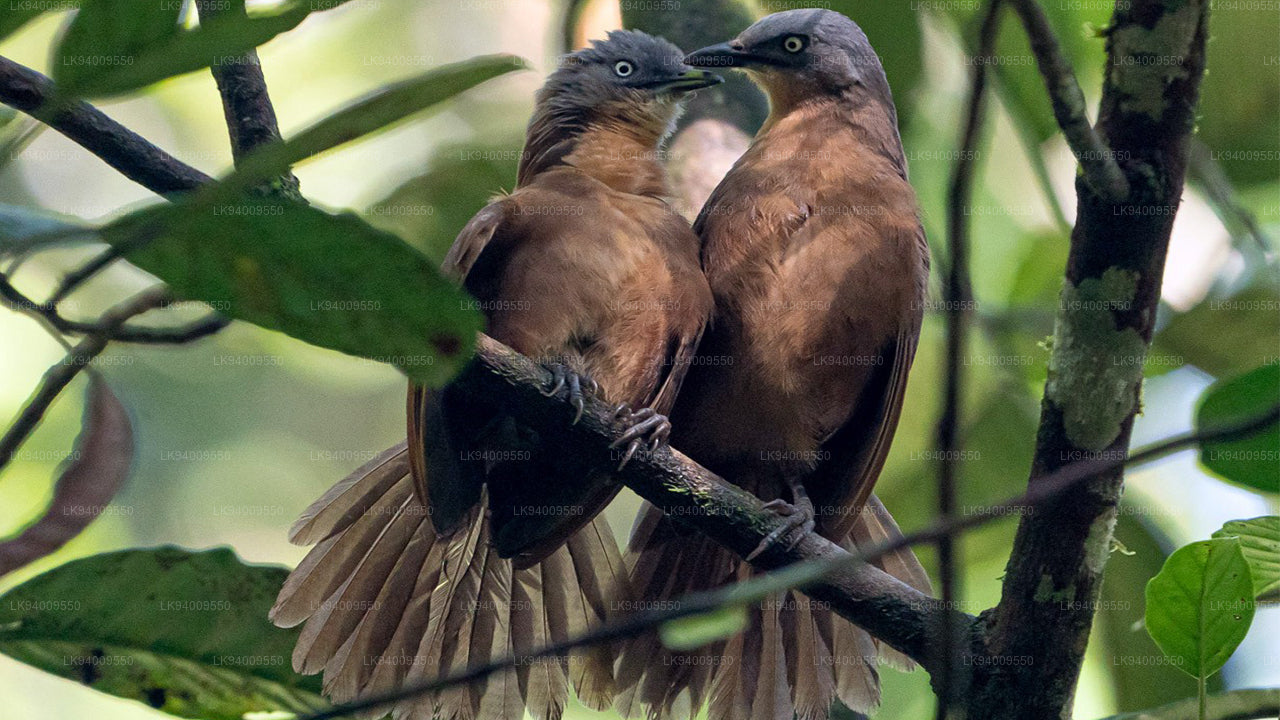 Ashy Headed Laughingthrush
Argya cinereifrons
-
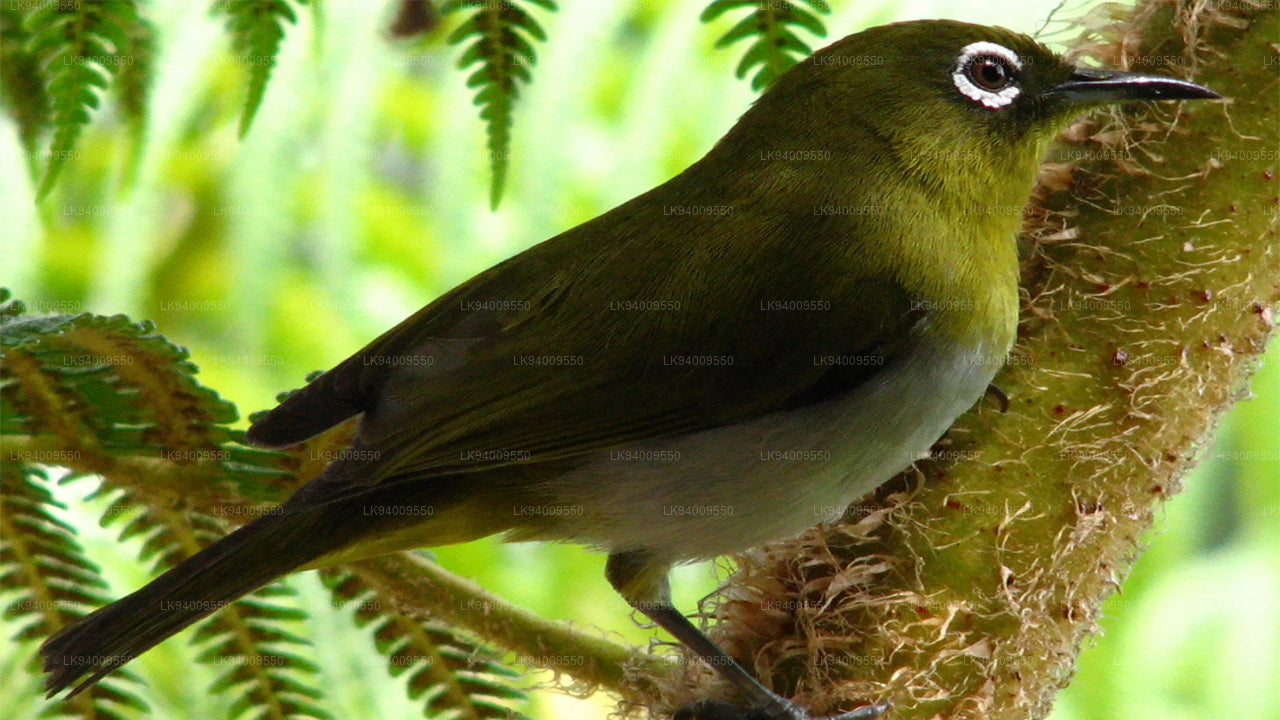 Ceylon White Eye
Zosterops ceylonensis
-
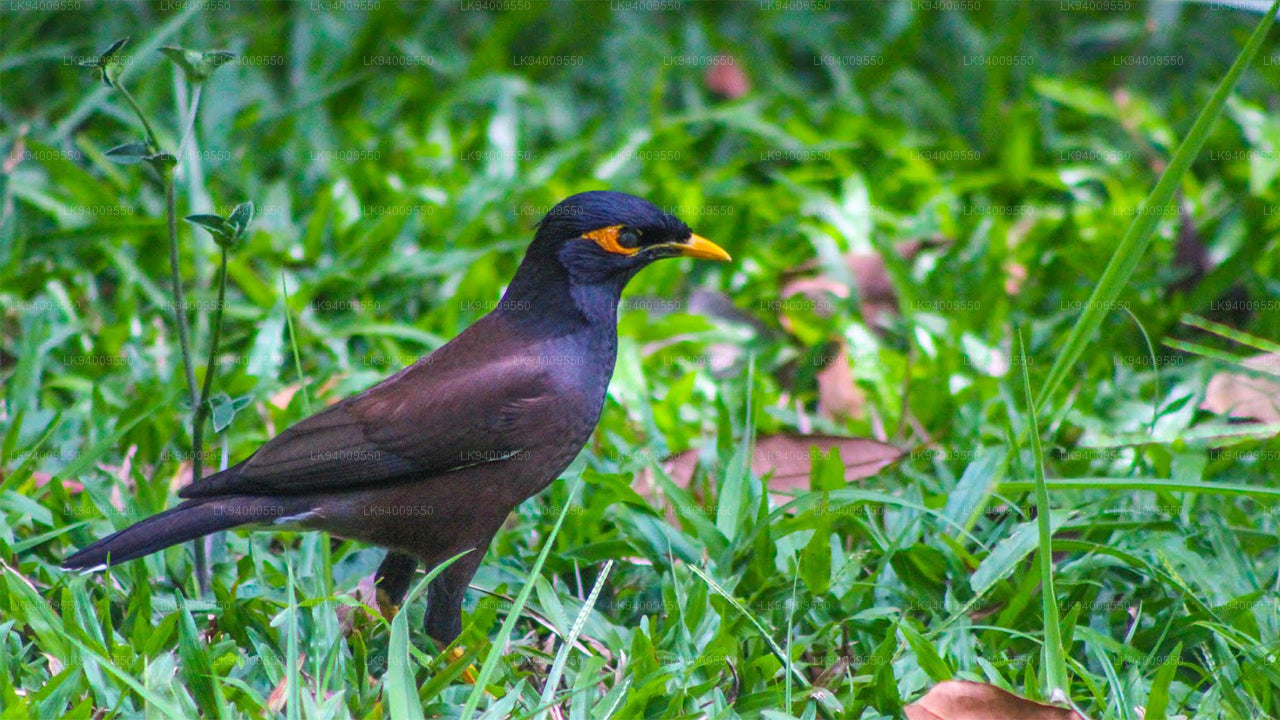 Ceylon Hill Myna
Gracula ptilogenys
-
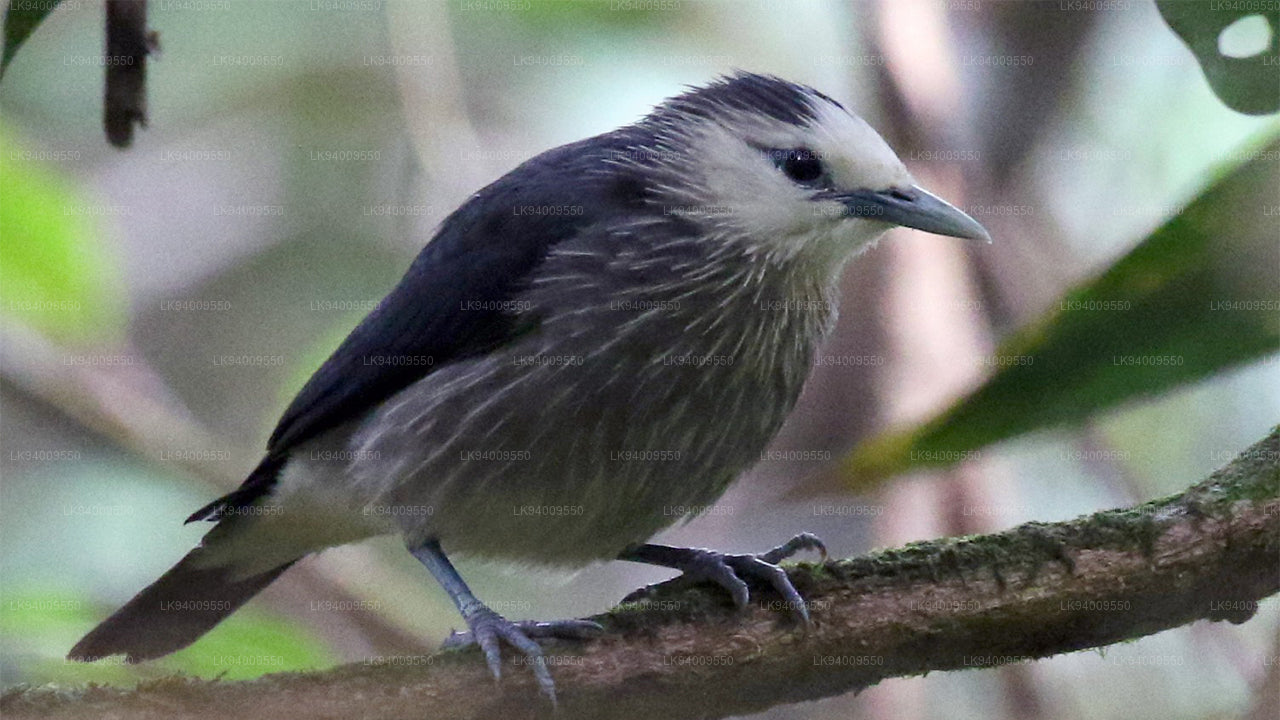 White Faced Starling
$Sturnornis albofrontatus
-
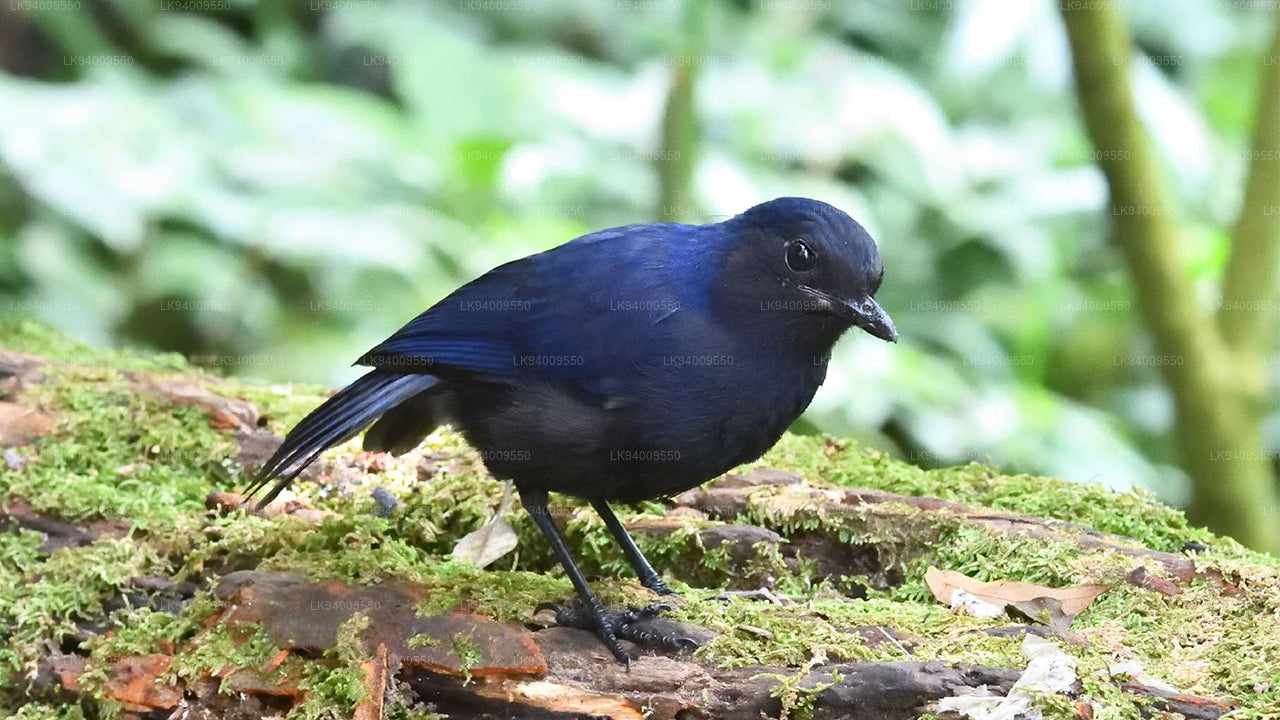 Ceylon Whistling Thrush
Myophonus blighi
-
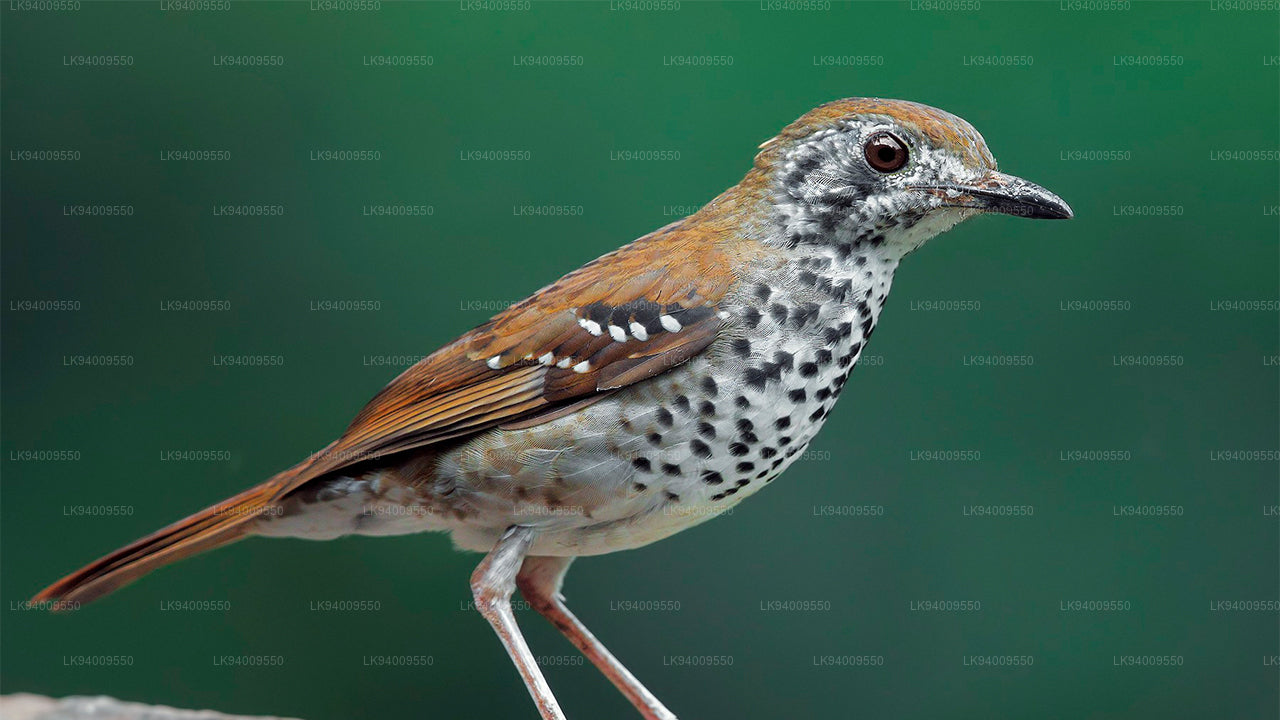 Spot Winged Ground Thrush
Geokichla spiloptera
-
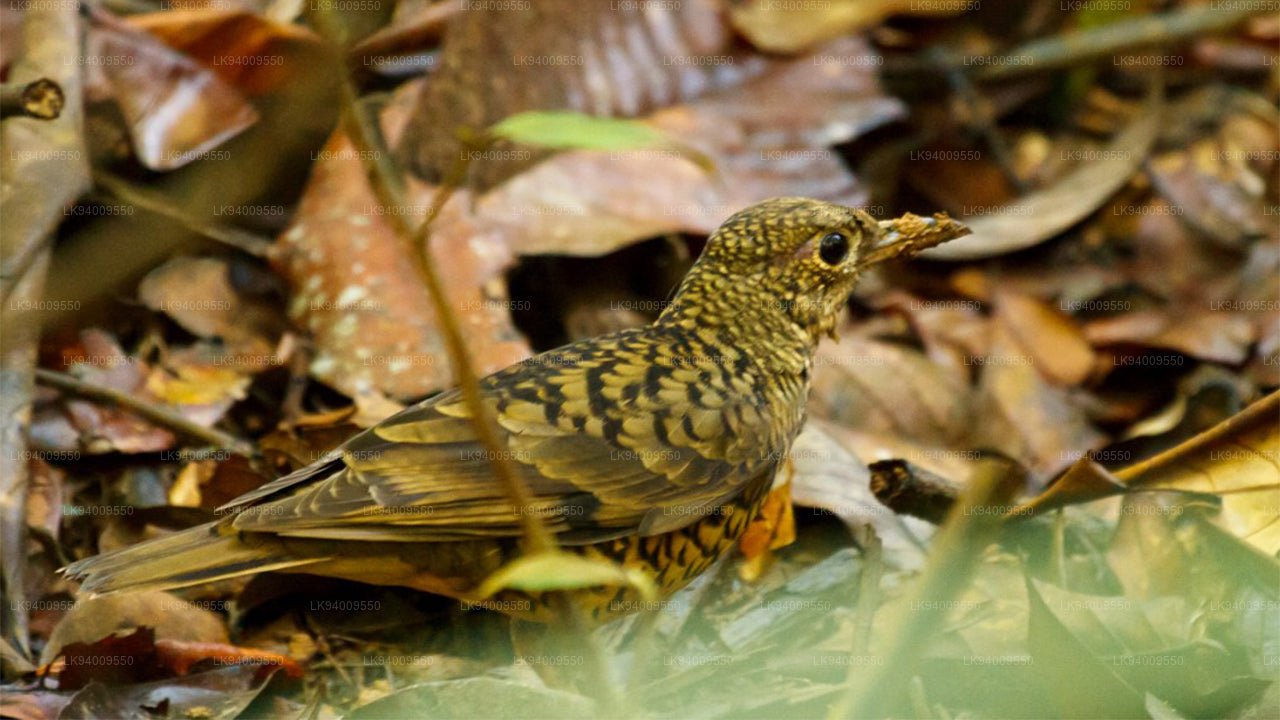 Ceylon Scaly Thrush
Zoothera imbricata
-
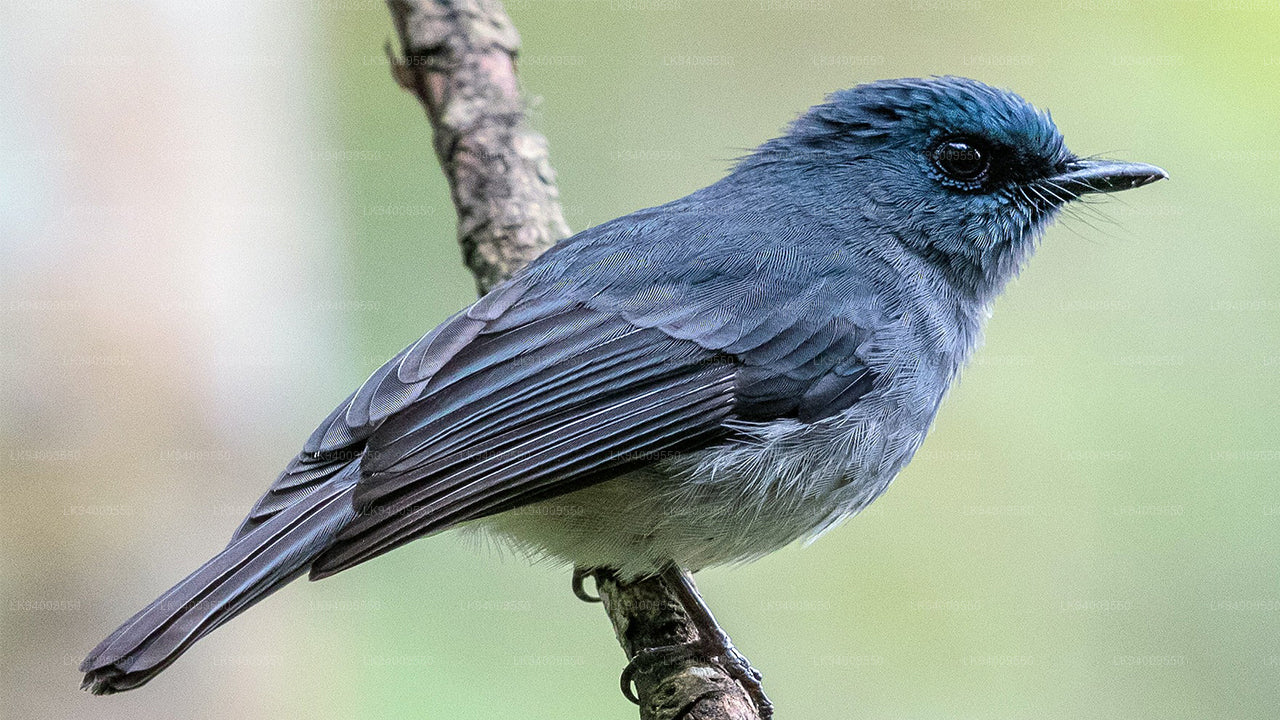 Dusky Blue Flycatcher
Eumyias sordidus
-
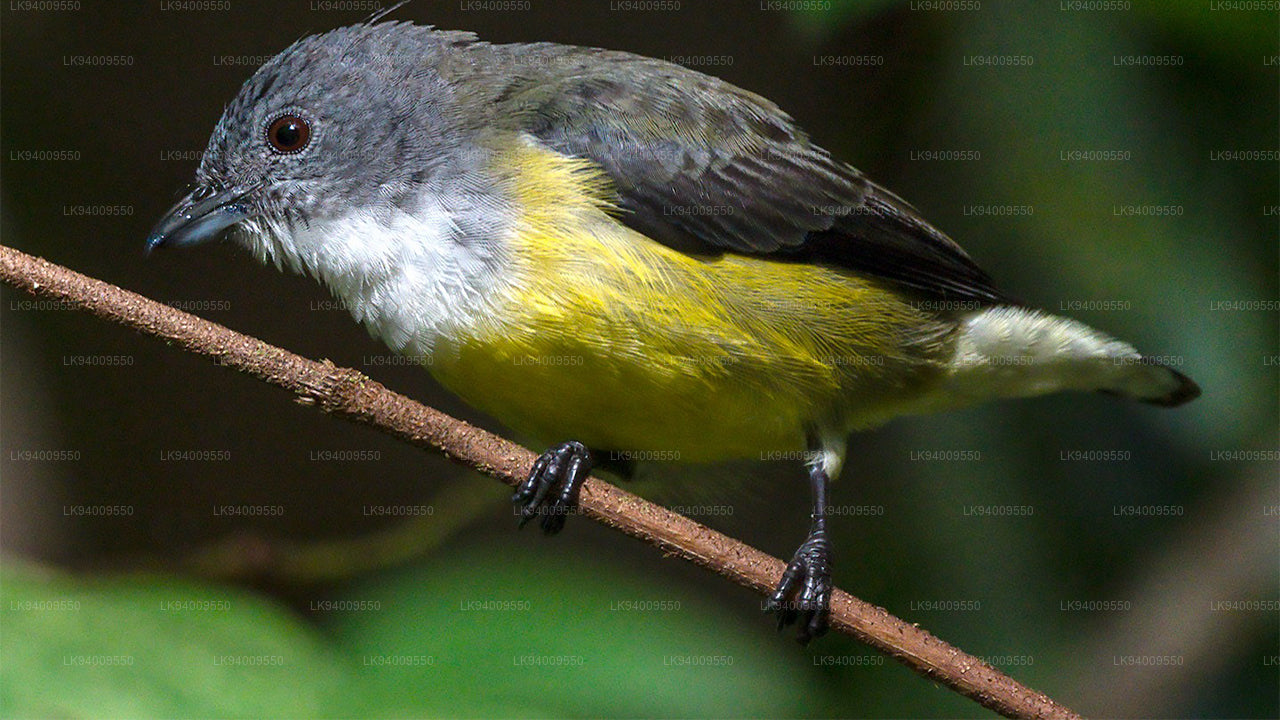 Legge's Flowerpecker
Dicaeum vincens
-
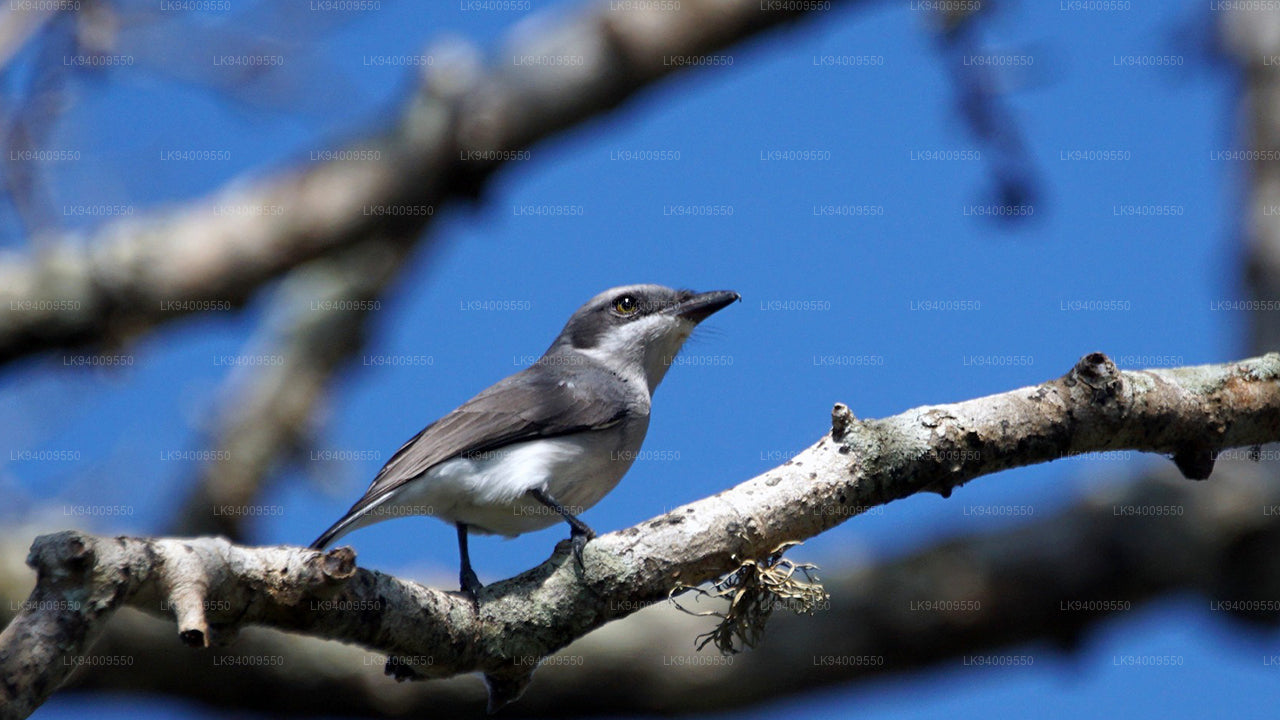 Ceylon Woodshrike
Tephrodornis affinis
-
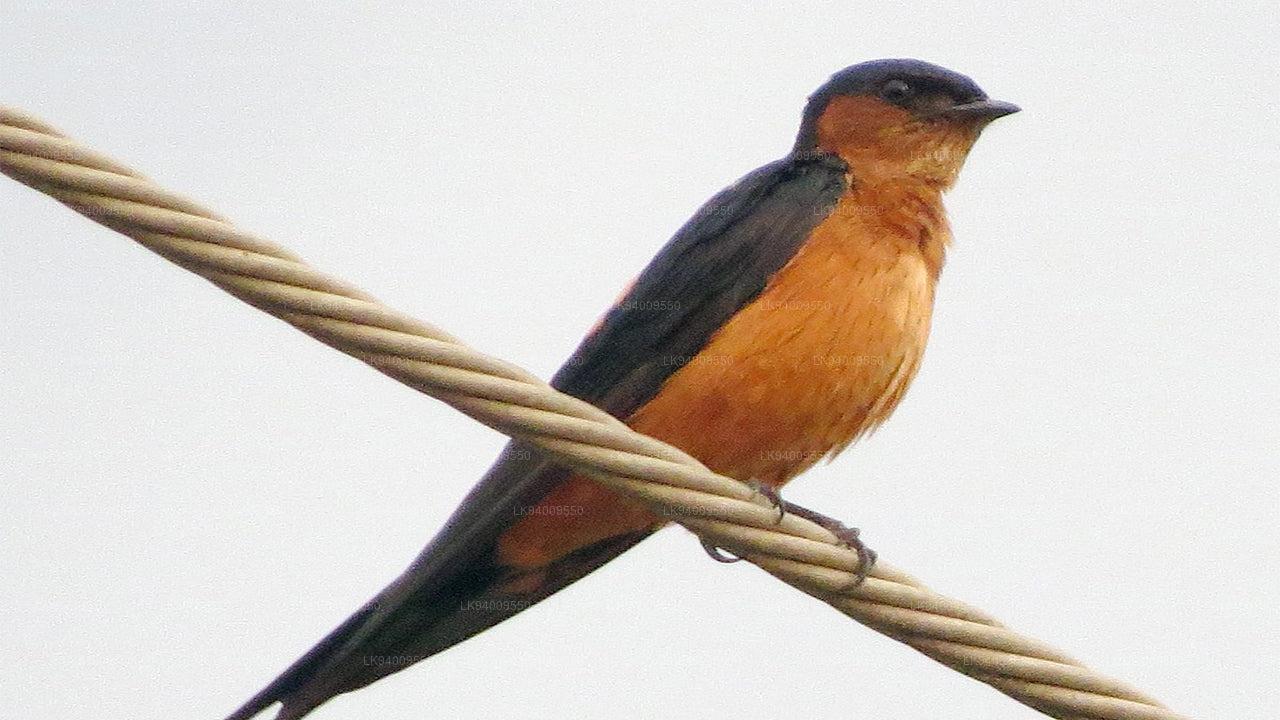 Ceylon Swallow
Cecropis hyperythra