Tucked into the folds of the Ratnapura District, roughly 160 kilometres from Colombo, Belihuloya is one of Sri Lanka's least-crowded highland escapes. The village sits at the confluence of dense forest cover, tumbling rivers and an extraordinary concentration of waterfalls – making it a natural base for hikers, birders and anyone who prefers their landscapes unhurried.
What makes Belihuloya special?
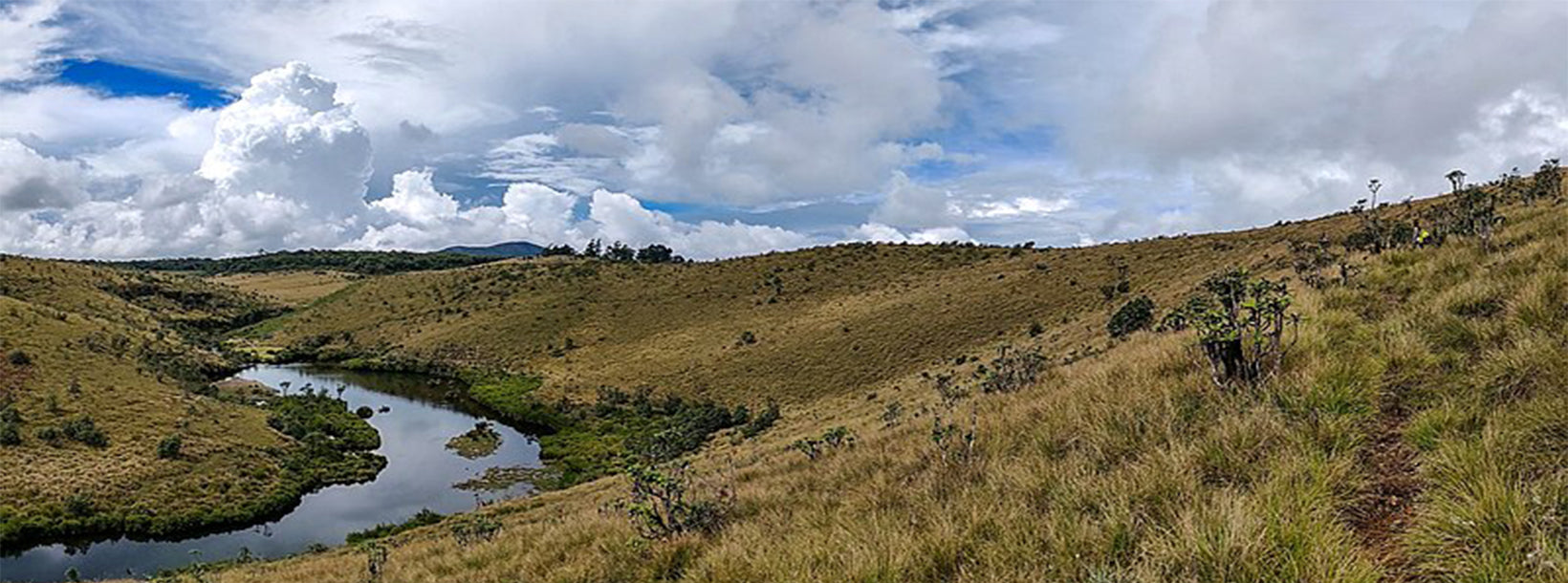
Belihuloya's appeal lies in its ecological variety packed into a relatively small area. The surrounding terrain transitions across semi-evergreen forest, tropical savannah woodland, dry montane grassland and montane temperate forest – a range that supports a rich array of endemic birds, butterflies and flora. The Belihuloya River begins its journey from Horton Plains National Park, descending steadily before feeding into the Samanalawewa Reservoir. Along the way it carves out a series of pools and cascades that give the village its character.
Which waterfalls can I visit near Belihuloya?
Belihuloya sits within reach of more significant waterfalls than almost anywhere else in Sri Lanka. The most celebrated is Bambarakanda Falls, which drops approximately 263 metres – making it the tallest waterfall in the country and one of the highest in Asia. It is a relatively straightforward walk from the main road, though the path can be slippery after rain.
Standing around 220 metres tall, Diyaluma Falls is the second highest in Sri Lanka. The main plunge is visible from the road below, but the upper pools reached by a longer hike reward with swimming spots and panoramic views of the lowlands. Other falls within the area include:
- Surathali Falls – a three-tiered cascade around 60 metres high, named after a Sinhala film shot here
- Pahanthuda Falls – an unusually shaped fall said to resemble a traditional oil lamp
- Brampton Falls – set deep within tropical jungle, draining toward the Walawe River
- Galagama Falls – accessible but caution is advised; the rocks around the base are notably slippery
Most falls are best visited during or just after the southwest monsoon (May to August) when flows are at their highest, though the paths become muddier. The dry-season months of January to April offer easier walking with still-impressive cascades.
What hiking trails are there around Belihuloya?
The trails around Belihuloya range from half-day walks to more demanding full-day routes through mixed forest and open grassland.
| Trail | Duration | Character |
|---|---|---|
| Haggala Trail | Around 2.5 hours one way | Forest walk with elevation gain; good for flora |
| Appalagala Trail | Around 2.5 hours | Mixed forest and grassland; rewarding for birdwatchers |
| Samanalawewa Trail | Half day | Leads to the Samanalawewa Reservoir; relatively gentle |
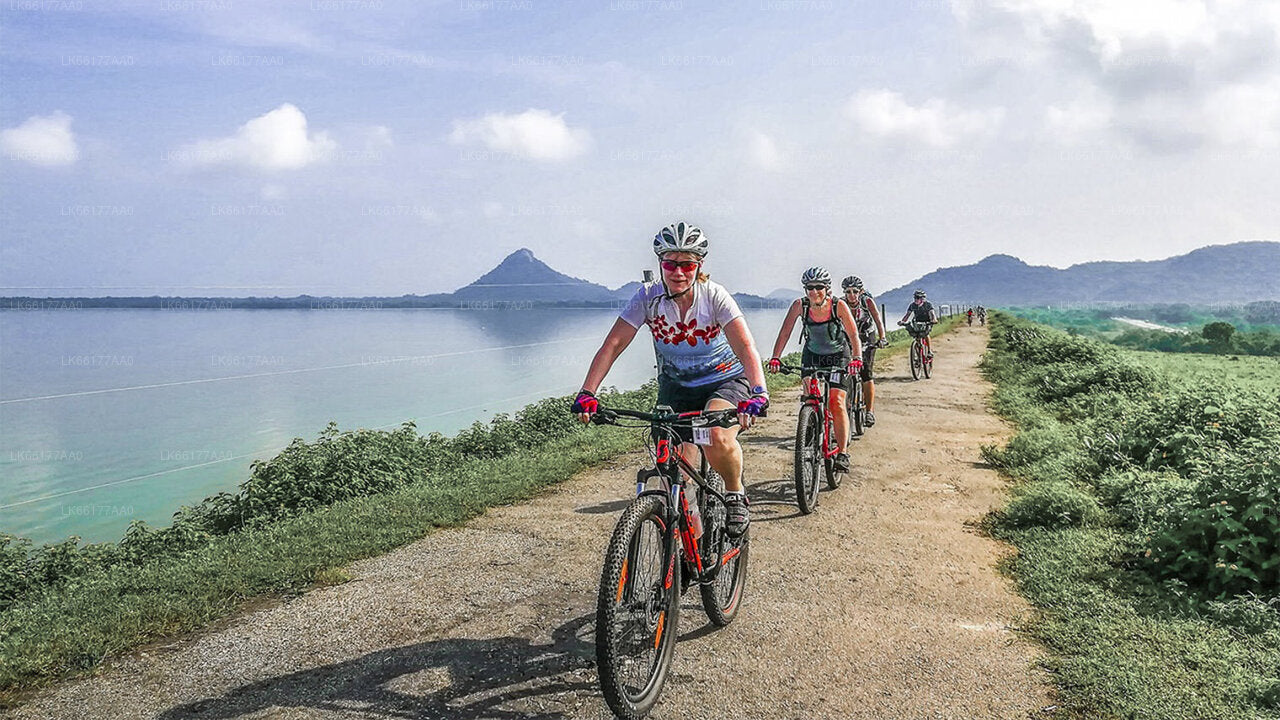
A local guide is advisable for the Haggala and Appalagala routes, as trails are not always clearly marked. The Kalthota–Hambegamuwa Pass offers a rewarding cycling route for those who prefer two wheels – it passes through small farming communities and opens out to long views across the southern highlands.
What wildlife and birdwatching opportunities exist here?
Belihuloya's ecological diversity translates directly into good wildlife sightings. The forest edges and grasslands along the Appalagala Trail are particularly productive for endemic bird species, including several that are largely absent from the lowland parks. Early mornings before 8 am give the best results. The river itself hosts species associated with fast-flowing hill streams, and the montane forest patches hold a number of highland endemics found nowhere else in the world.
Mammals are less reliably spotted but include sambar deer, purple-faced langurs and – less commonly – leopard in the deeper forest zones. The area is not a formal protected reserve, which means access is flexible, though it also means habitat quality depends on continued responsible tourism.
What is the Kuragala rock cave, and is it worth visiting?
Kuragala is an ancient rock cave complex believed to date to around the 2nd century BCE. Archaeological excavations at the site have uncovered pre-historic skeletal remains and artefacts, giving it genuine historical significance beyond its dramatic cliff-face setting. The site is notable for being revered by both Buddhists and Muslims: a Buddhist temple and a mosque both occupy the site, making it a rare example of shared sacred space in Sri Lanka. The walk up to the main cave requires some effort but is manageable for most visitors. Dress modestly and be respectful of both communities using the site.
When is the best time to visit Belihuloya?
The most comfortable window for visiting is typically January through April, when the inter-monsoon period brings relatively dry, clear days and cool temperatures at altitude. Waterfalls are at their most impressive immediately after the southwest monsoon (typically October–November), but trail conditions can be wet and the roads occasionally affected by landslips. Avoid planning fixed itineraries around waterfall visits in the peak of the monsoon without local guidance.
How do I get to Belihuloya from Colombo?
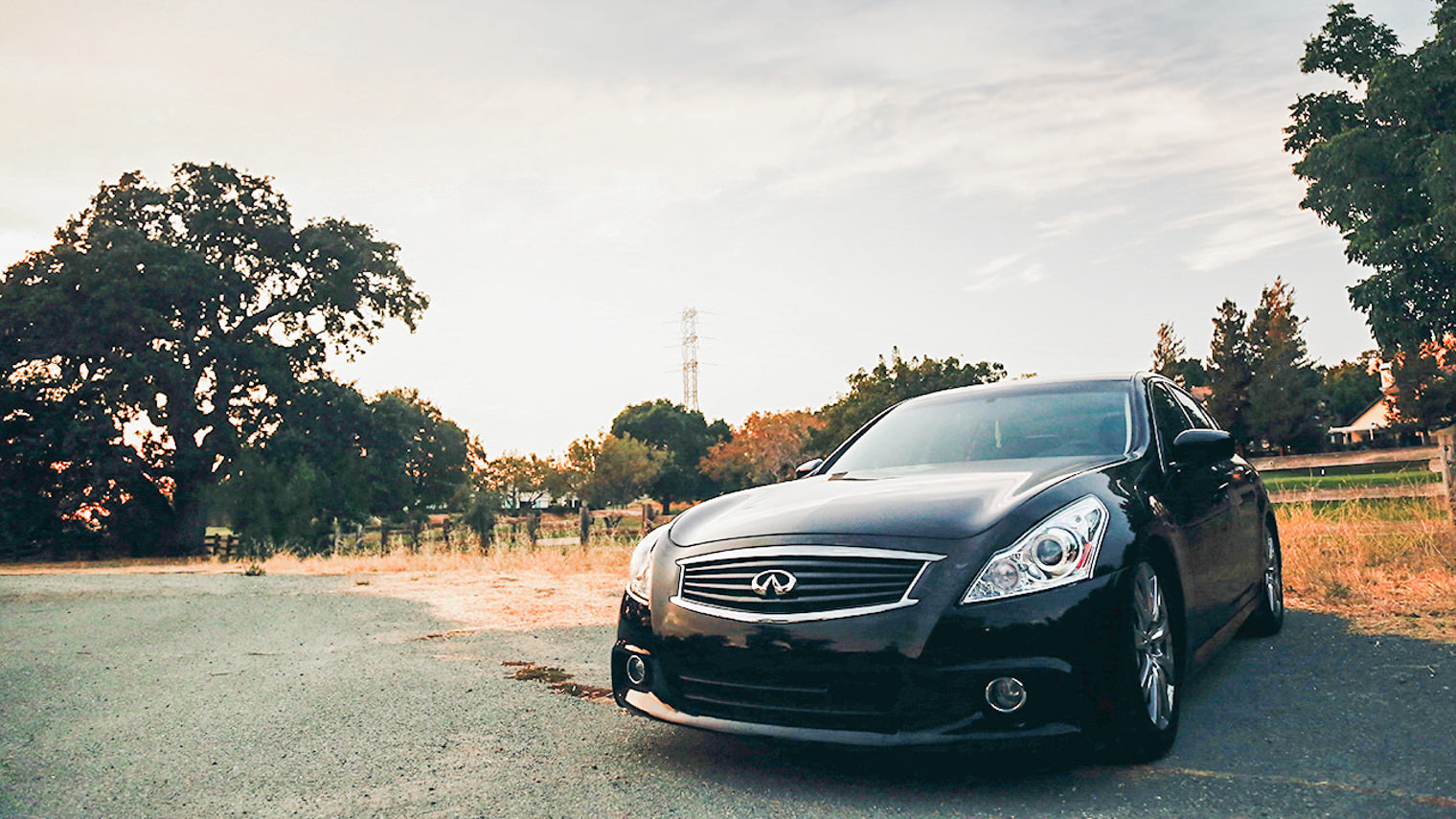
Belihuloya lies approximately 160 kilometres from Colombo, with the most direct route following the A4 highway through Ratnapura. The drive typically takes around three and a half to four hours depending on traffic through Ratnapura town. A private transfer is the most practical option, as public bus connections require changes and significantly extend travel time. The nearest railway station is at Balangoda, around 18 kilometres away, from where a three-wheeler can cover the remaining distance.
Belihuloya pairs naturally with Ella on a highland itinerary – the two destinations are connected by mountain roads through Haputale, making a scenic one-way drive rather than a backtrack.
Where should I stay in Belihuloya?
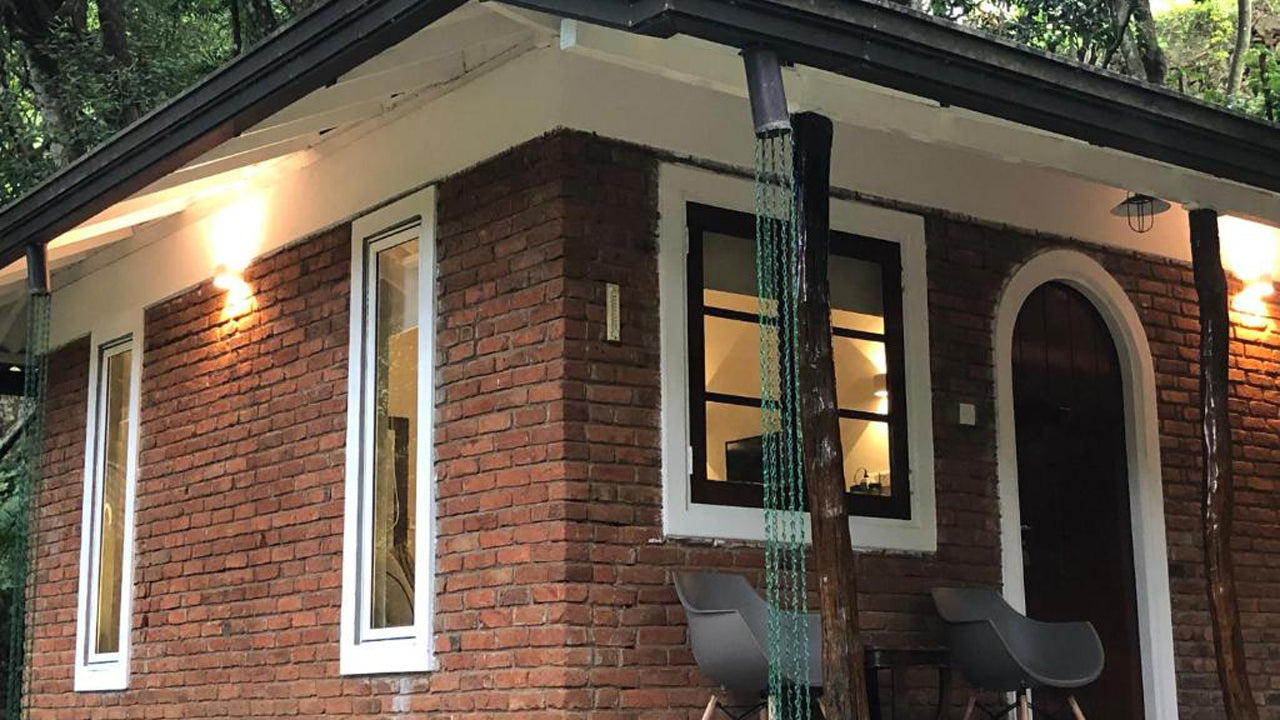
Accommodation is intimate by design. The village has a small collection of eco-lodges, guesthouses and riverside properties rather than large hotels. Several properties sit directly on the Belihuloya River, offering immediate access to swimming spots and the sound of running water around the clock. Advance booking is recommended during Sri Lankan school holidays and the December–January peak season, when availability tightens quickly despite the small scale of the destination.