Amaranthus spinosus
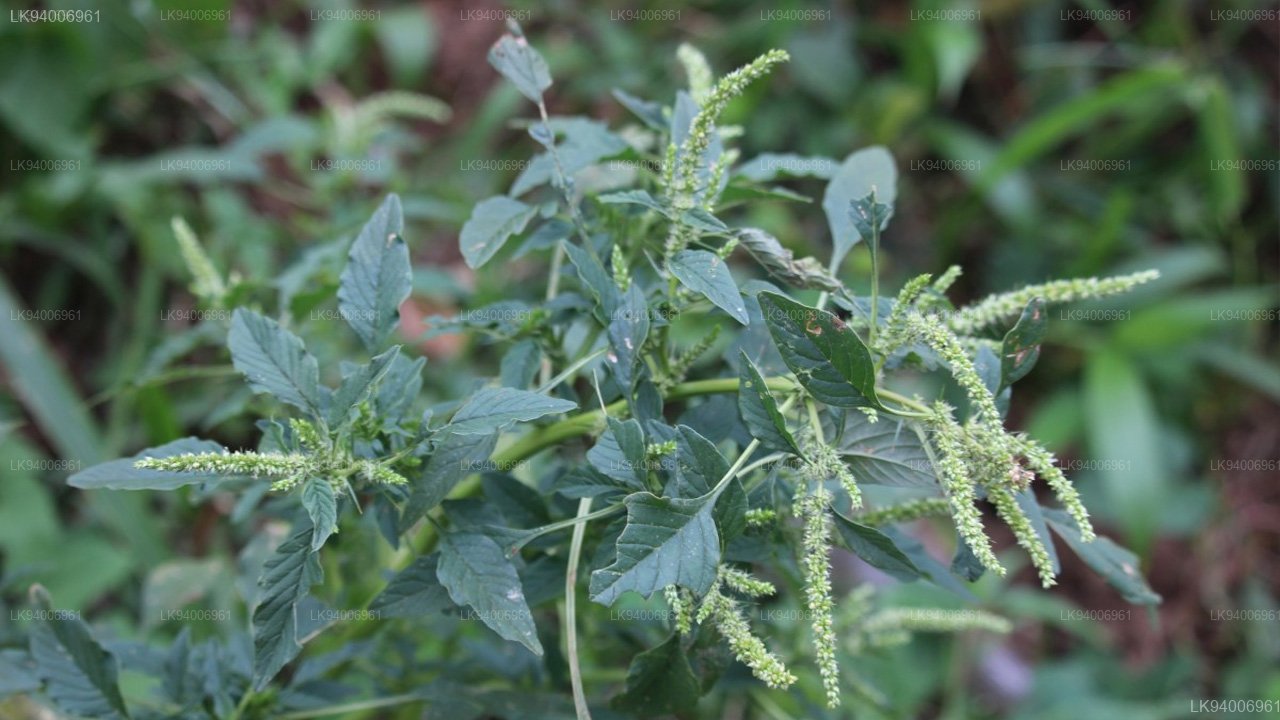
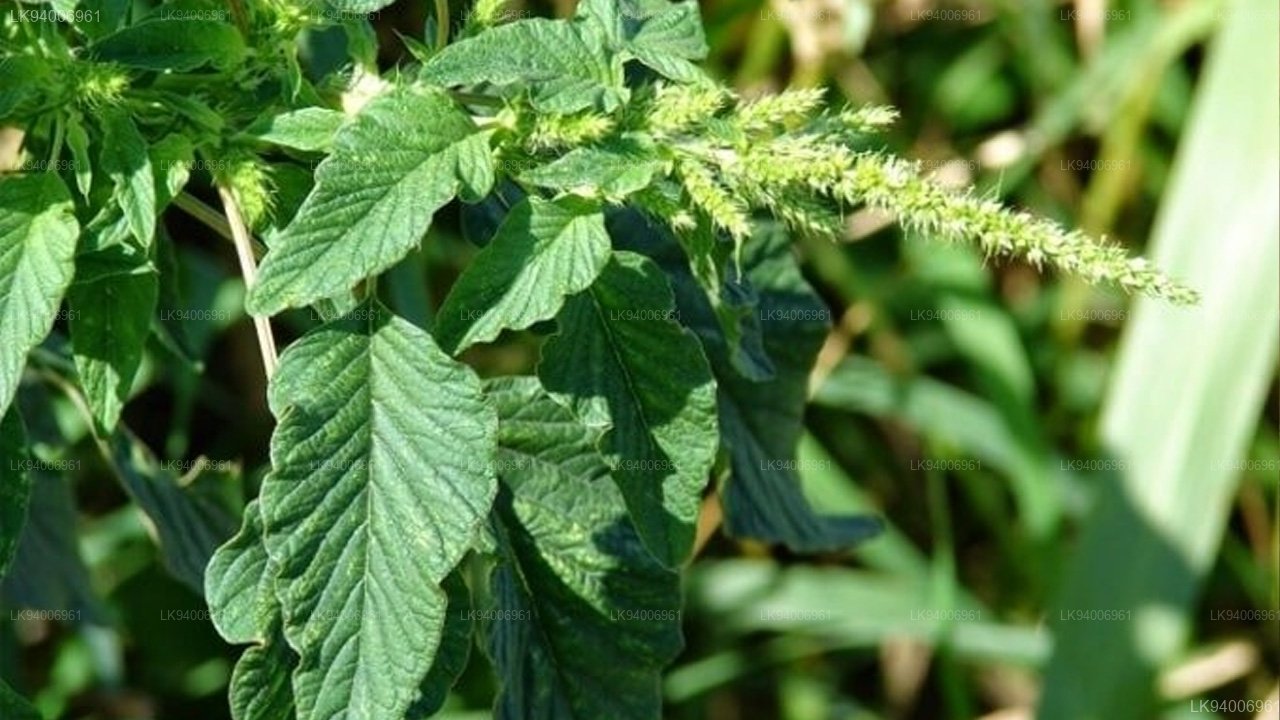
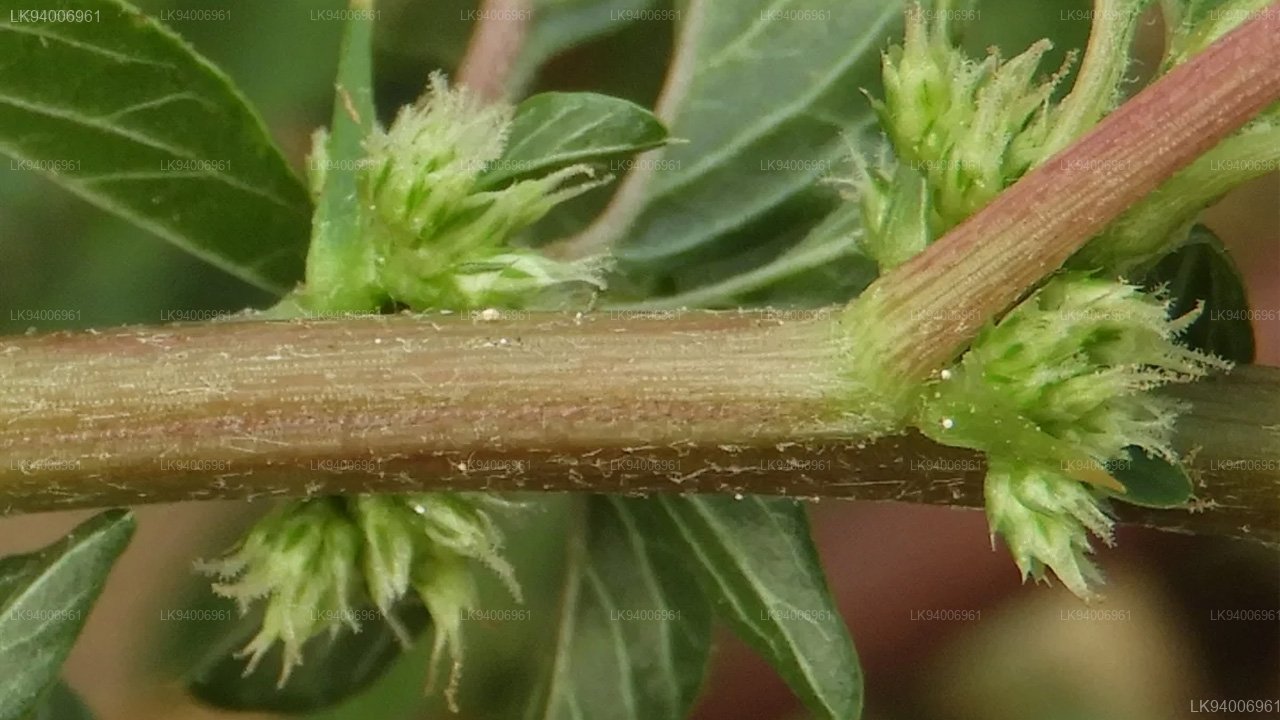
Amaranthus spinosus, commonly known as spiny amaranth, prickly amaranth, or thorny amaranth, is a species of flowering plant in the family Amaranthaceae. It is native to tropical and subtropical regions of America, but has spread widely around the world due to its adaptability. The plant is often considered a weed in agricultural areas, but it also has various uses in traditional medicine and food.
Key Characteristics:
Appearance:
Height: Amaranthus spinosus is an herbaceous plant that typically grows to a height of 30–90 cm (about 1–3 feet), but in favorable conditions, it can grow taller.
Leaves: The plant has elongated, narrow leaves that are green to purple in color. The leaves have a smooth or slightly wavy margin.
Flowers: The plant produces small, inconspicuous greenish or reddish flowers that are arranged in clusters at the tips of the branches. These flowers are typically not very showy, but they appear in dense, spiky inflorescences.
Thorns: The plant is named for its spiny characteristics. It has spiny, thorn-like structures along the stems, which can make handling the plant difficult.
Seeds: Amaranthus spinosus produces small, dark-colored seeds that are spread by wind and animals.
Habitat:
It thrives in a variety of environments, including roadsides, disturbed soils, agricultural fields, and open areas. Amaranthus spinosus is particularly hardy and can grow in poor soils, often found in tropical, subtropical, and temperate regions.
Uses:
Culinary Use:
Edible leaves: In many parts of the world, the young leaves and shoots of Amaranthus spinosus are consumed as a leafy vegetable. These are cooked and used in soups, stews, and stir-fries. The leaves are high in nutrients such as vitamins, minerals, and antioxidants.
Seeds: Like other species of Amaranthus, the seeds of Amaranthus spinosus can be eaten. They are tiny but nutritious, providing a good source of protein, fiber, and essential amino acids. The seeds are sometimes ground into flour and used in baking or as a thickener in dishes.
Traditional Medicinal Uses:
Anti-inflammatory properties: Amaranthus spinosus has been used in traditional medicine in various cultures for its anti-inflammatory and pain-relieving properties. It is sometimes applied topically in the form of a poultice for treating wounds or skin infections.
Digestive aid: The plant is sometimes used as a remedy for digestive issues, including constipation and indigestion, due to its mild laxative effect.
Antimicrobial: The plant has been used in some traditional practices to treat infections, as it is believed to have antibacterial and antifungal properties.
Blood sugar regulation: Some studies have suggested that extracts of Amaranthus spinosus may help regulate blood sugar levels, making it of interest in the treatment of diabetes in traditional systems.
Agricultural and Ecological Role:
Weed: Due to its hardiness and rapid
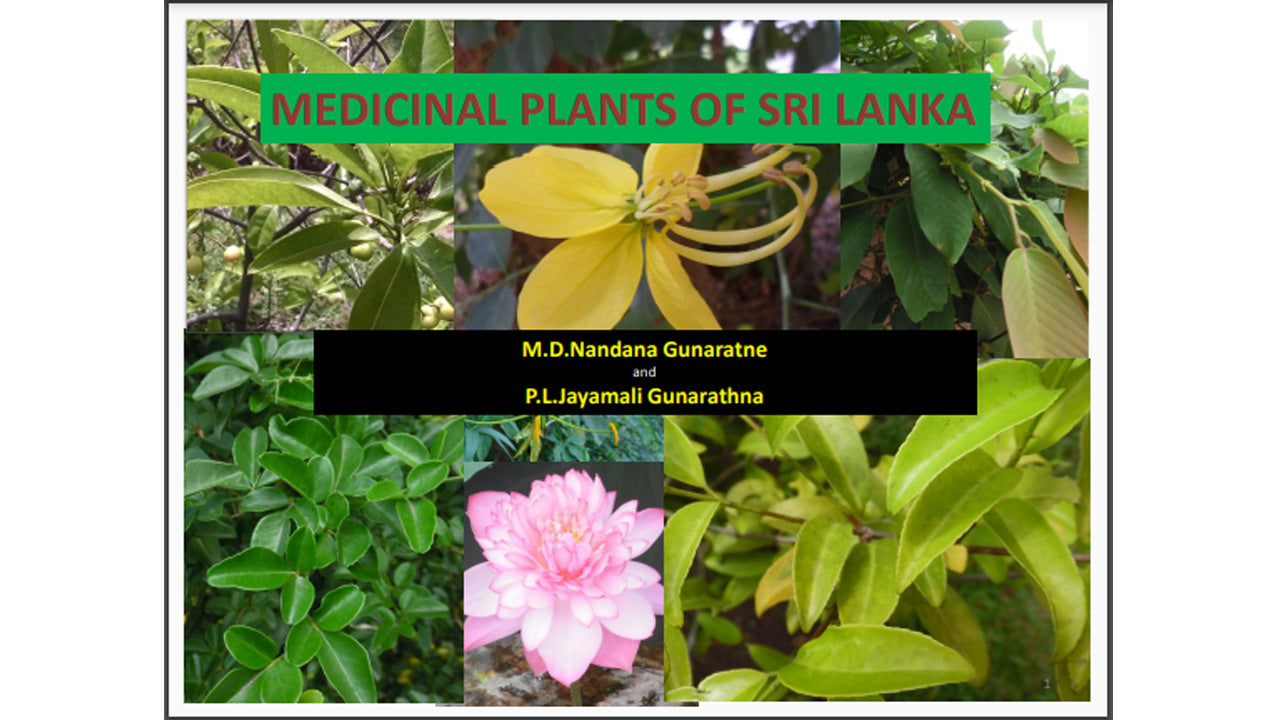
-
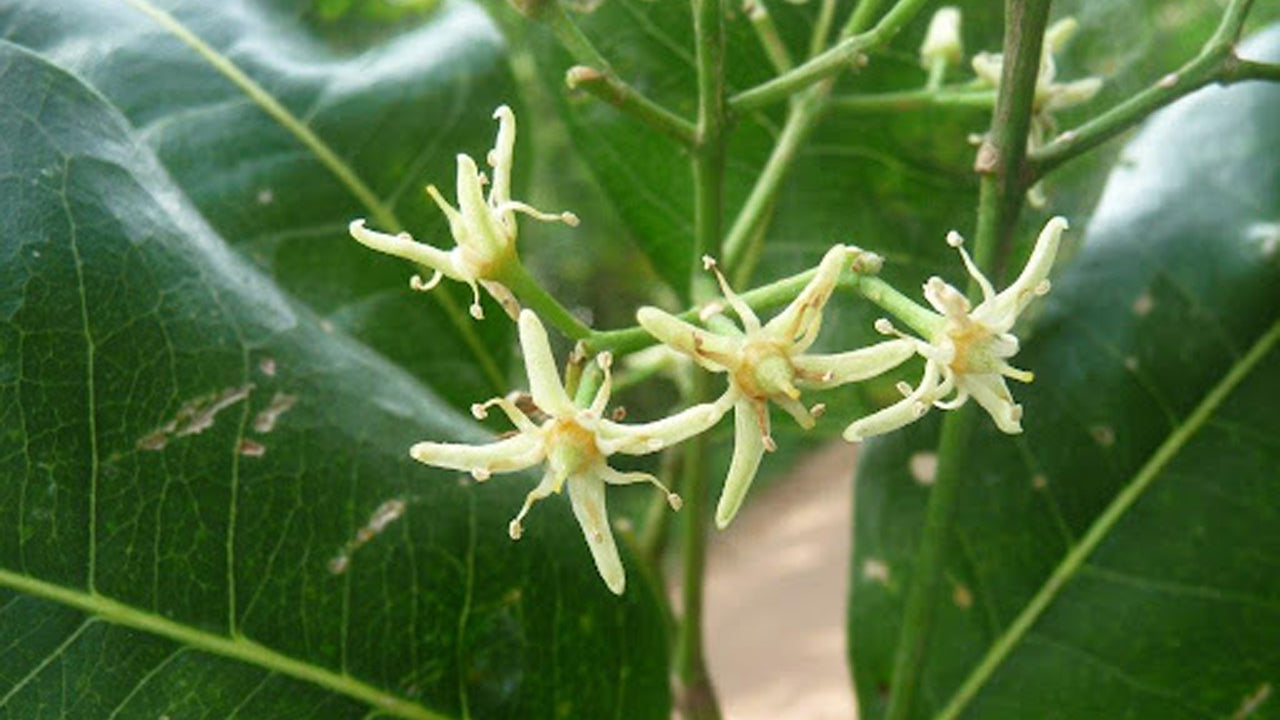
Claw-flowered laurel
Acronychia pedunculata -
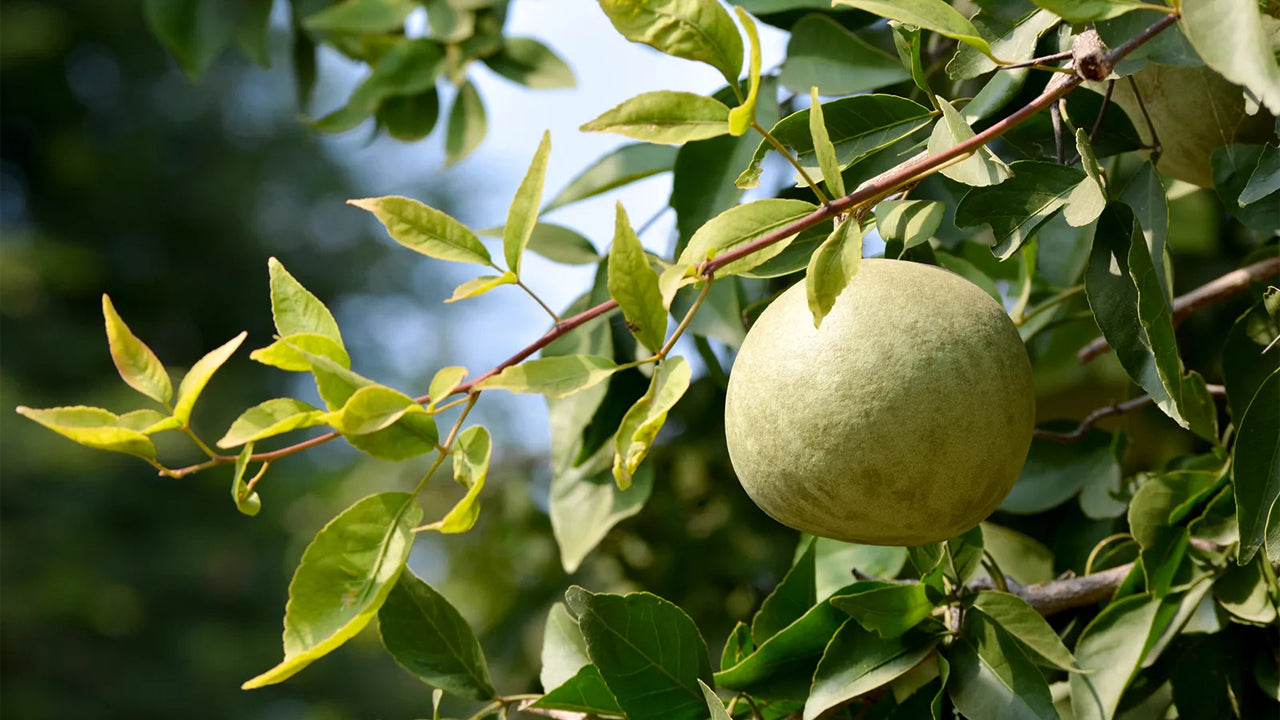
Bael
Aegle marmelos -
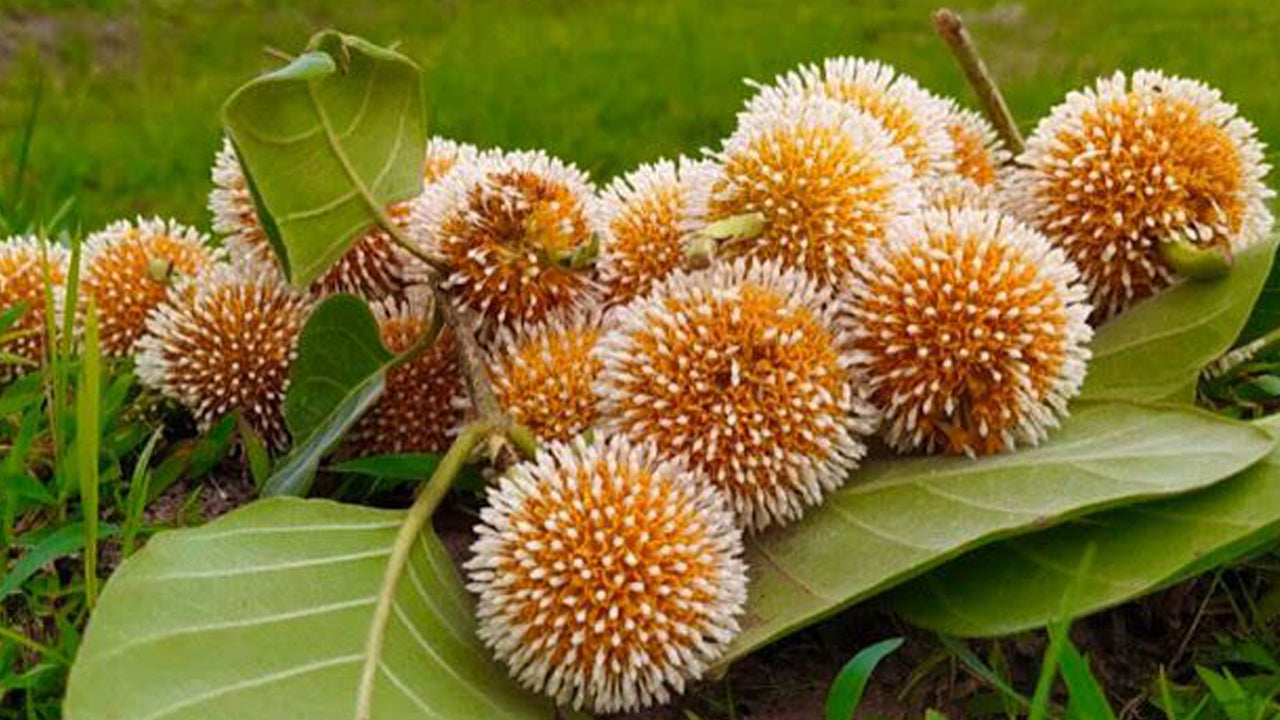
Leichhardt tree
Nauclea orientalis -
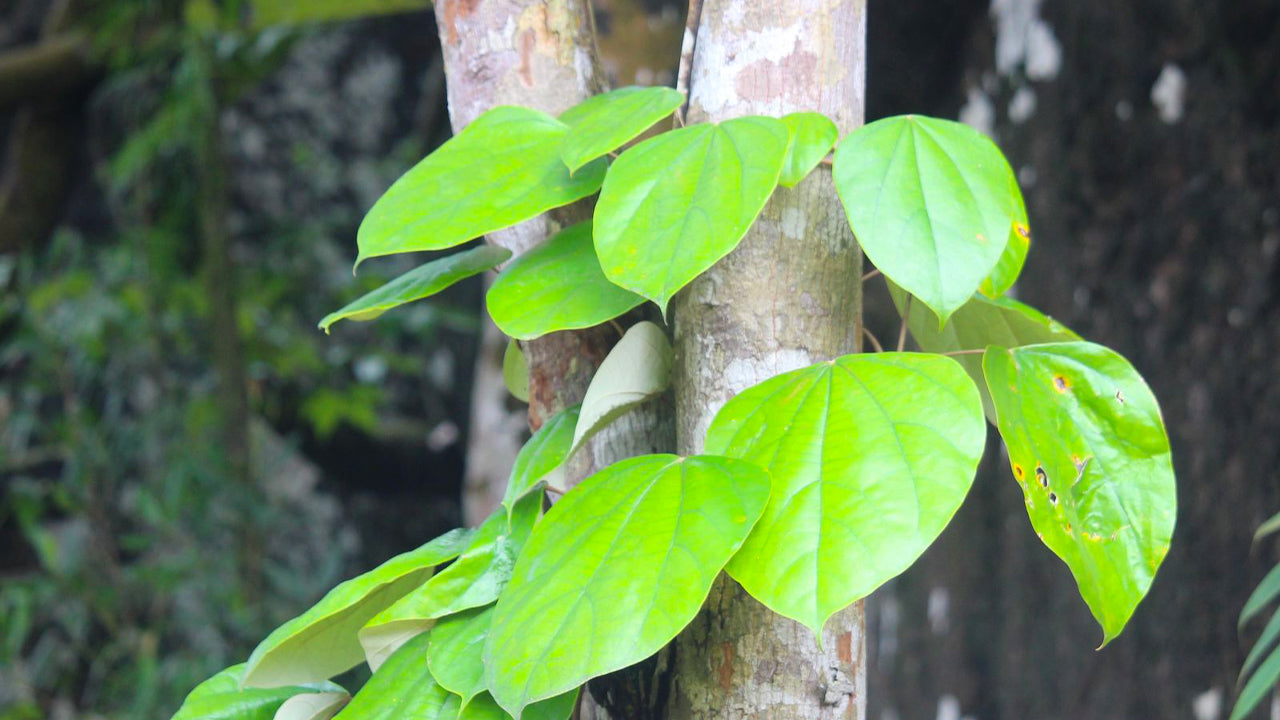
False Calumba
Coscinium fenestratum -

Malabar Gulbel
Tinospora malabarica -
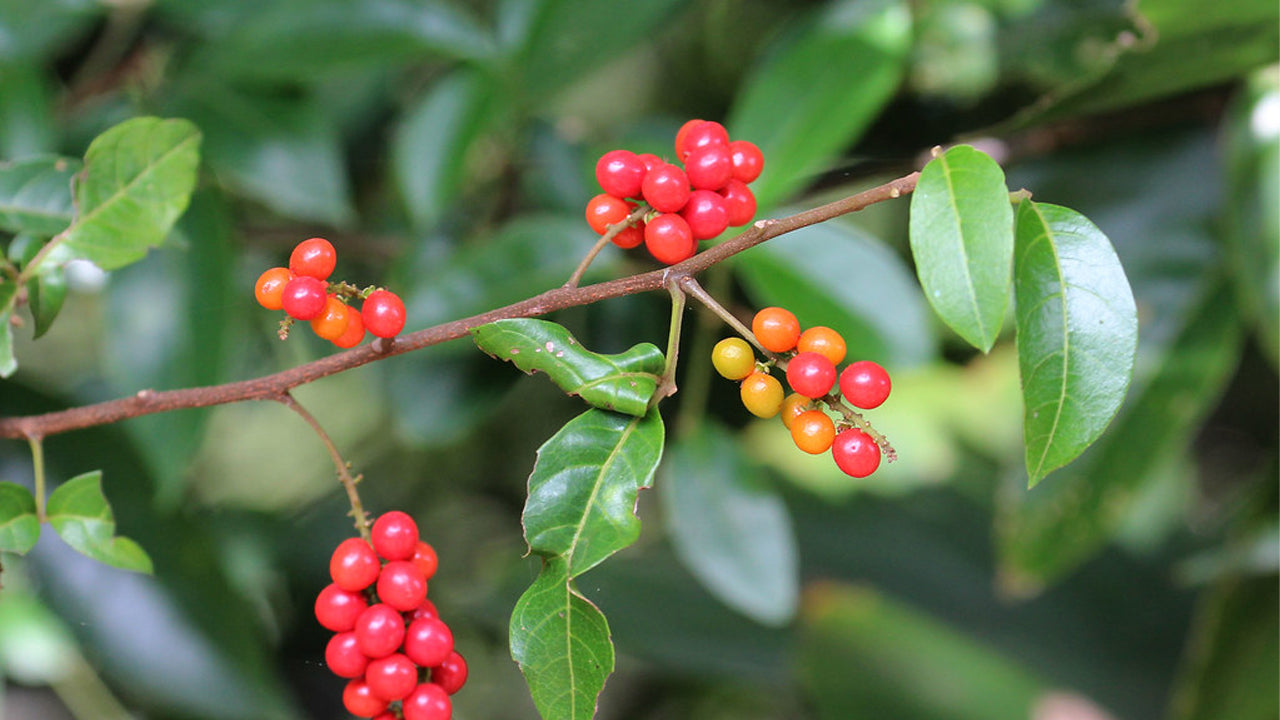
Titberry
Allophylus cobbe -
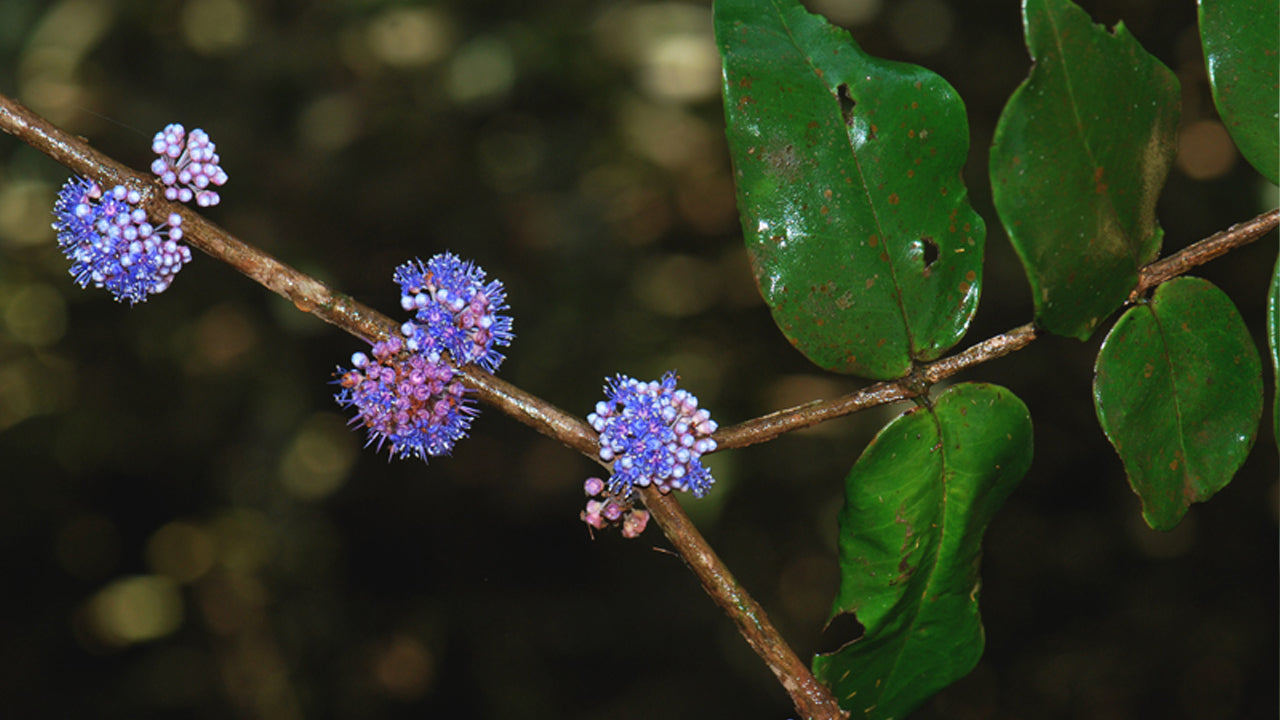
Ironwood Tree
Memecylon capitellatum -
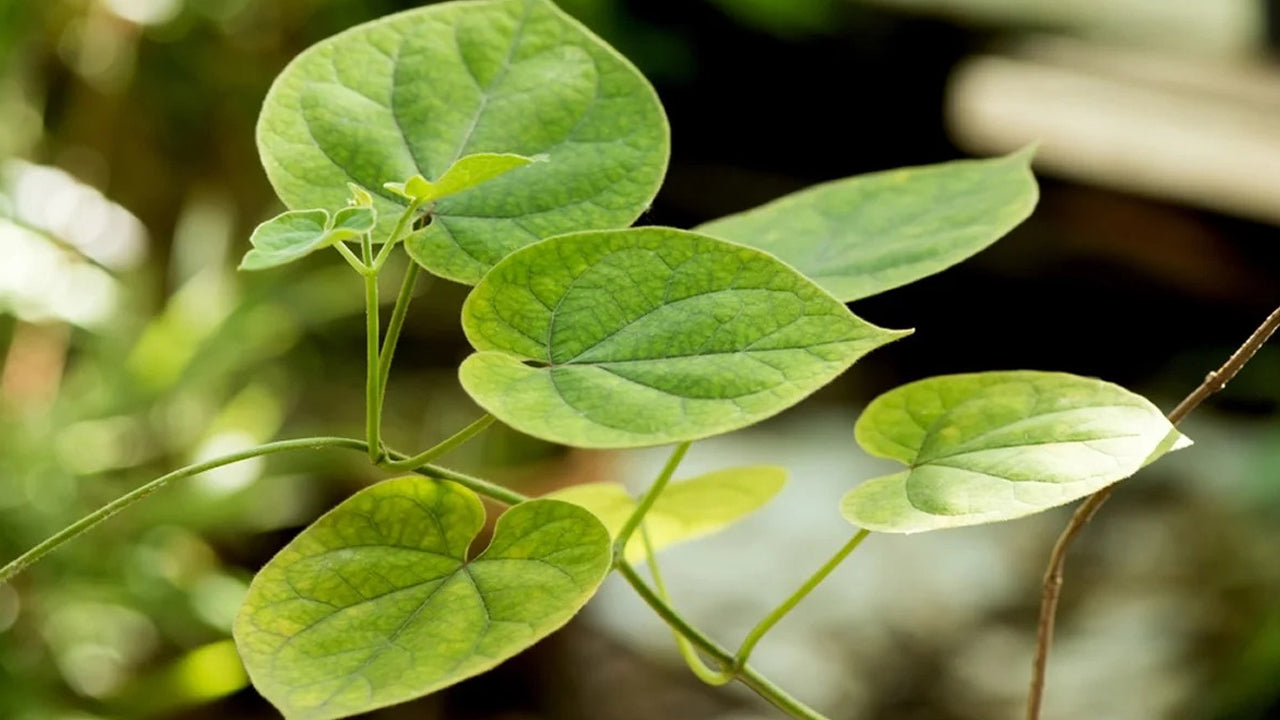
Velvet Leaf
Cissampelos pareira -
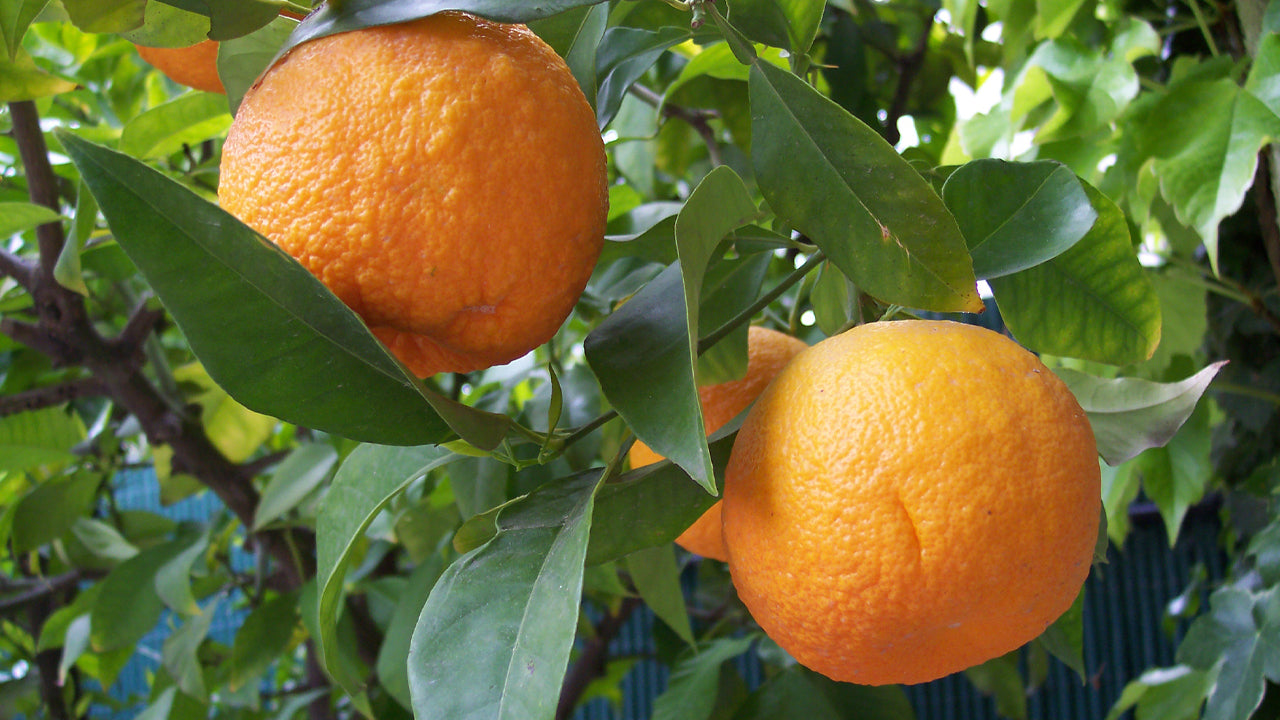
Bitter orange
Citrus aurantium -

Reinwardt's Tree Plant
Biophytun reinward -
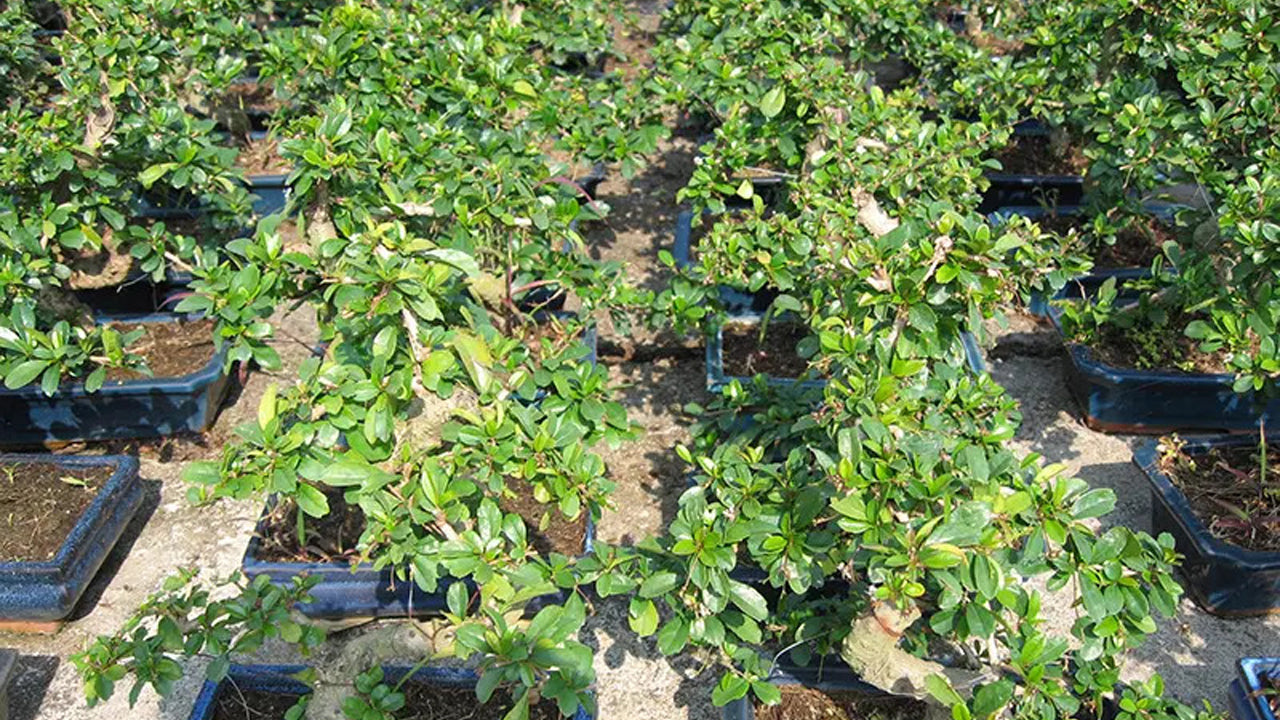
Fukien tea
Carmona microphylla -
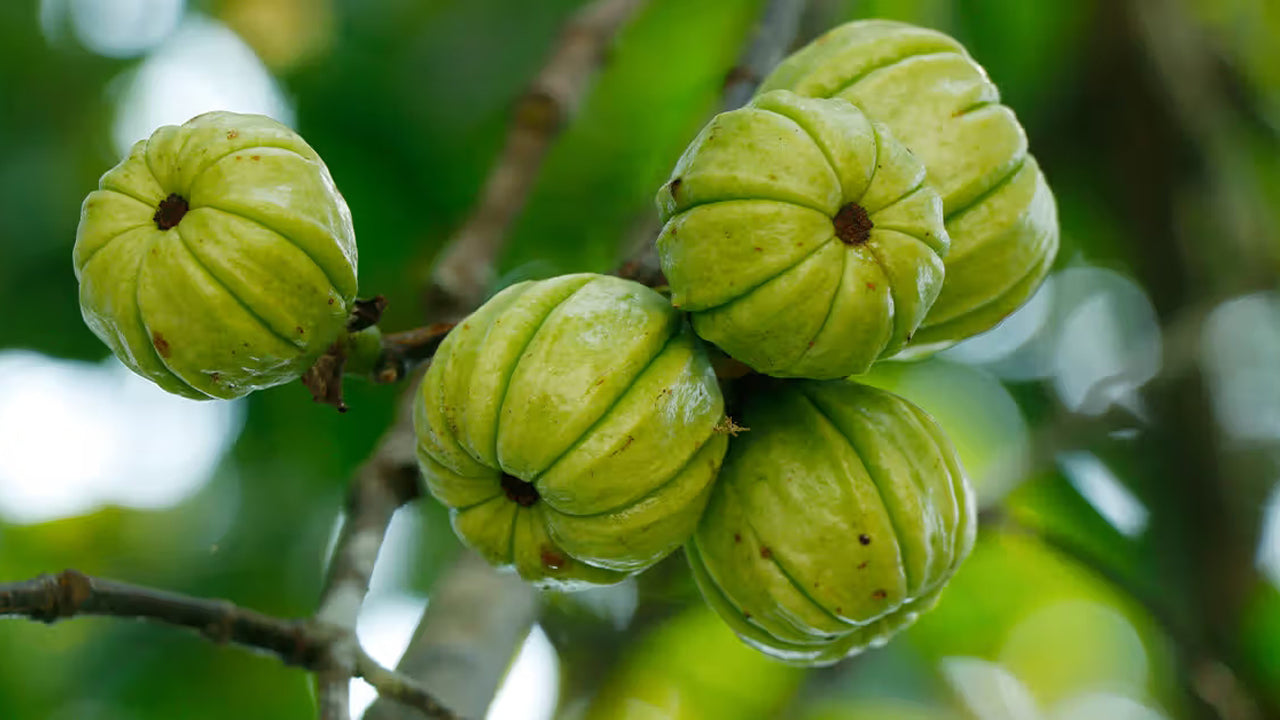
Malabar tamarind
Garcinia cambogia -
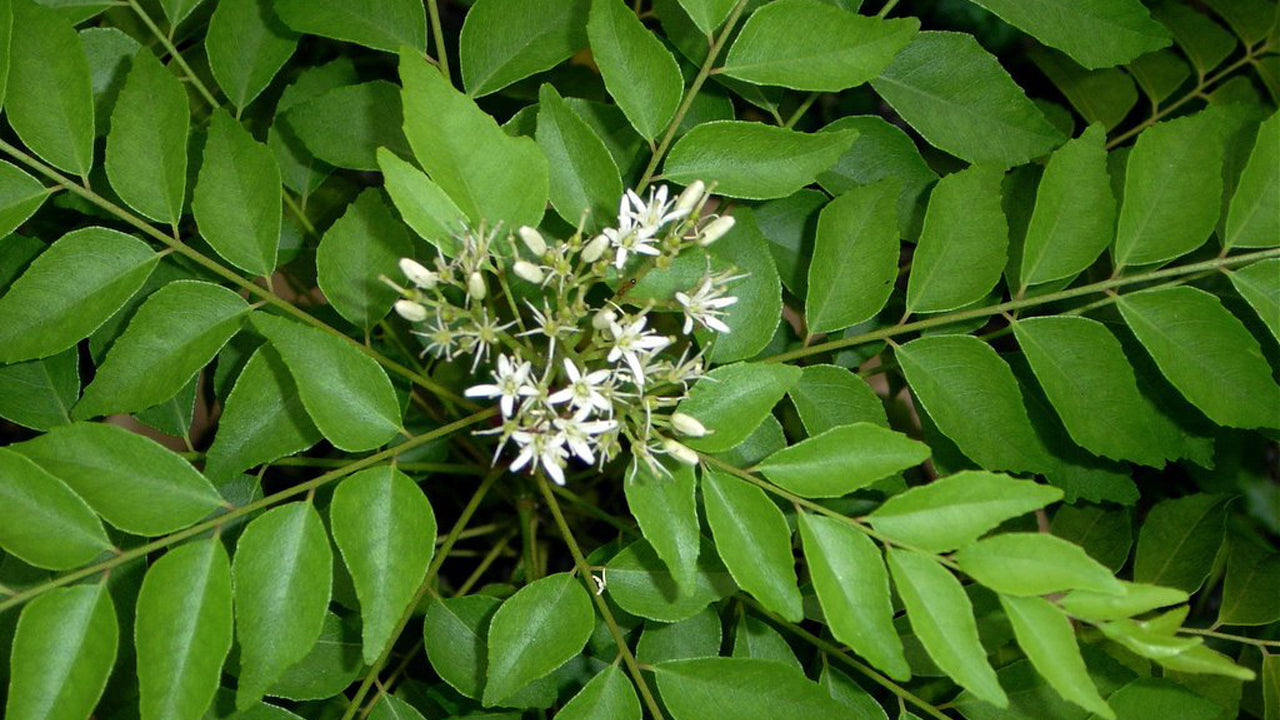
Curry leaf tree
Murraya koenigii -
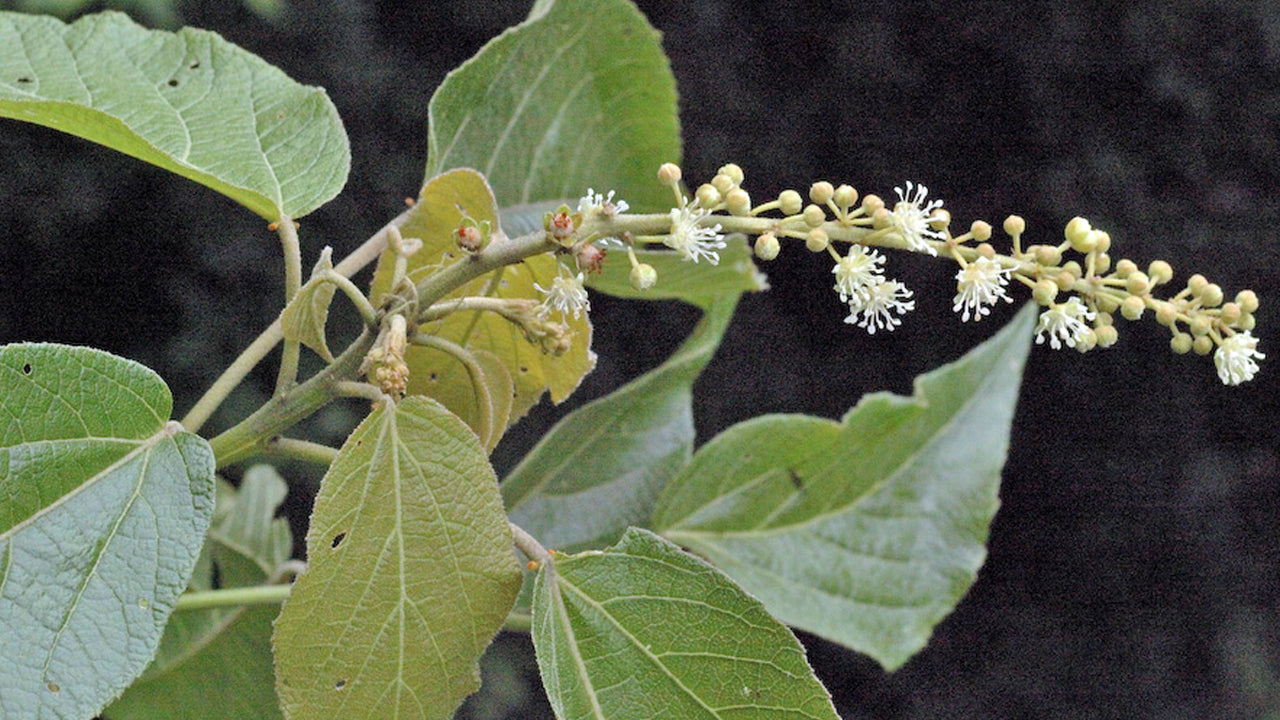
Kappetiya
Croton laccifer -
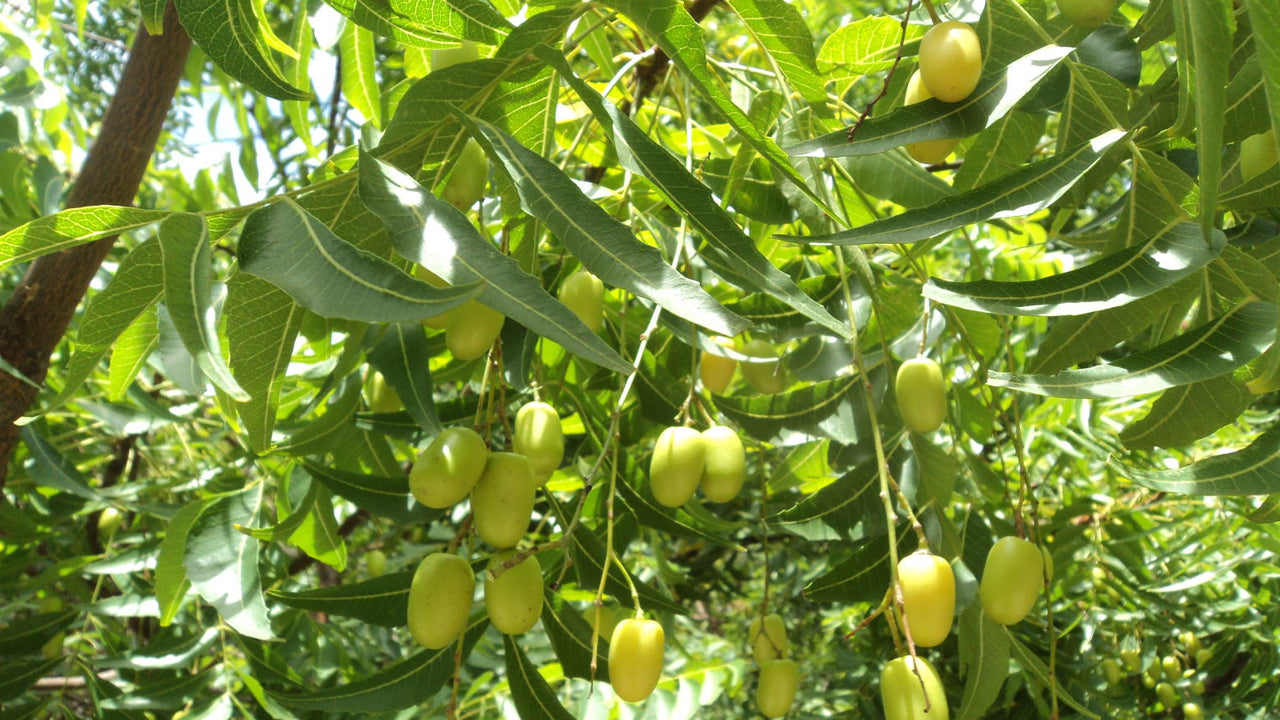
Indian lilac
Azadirachta indica -
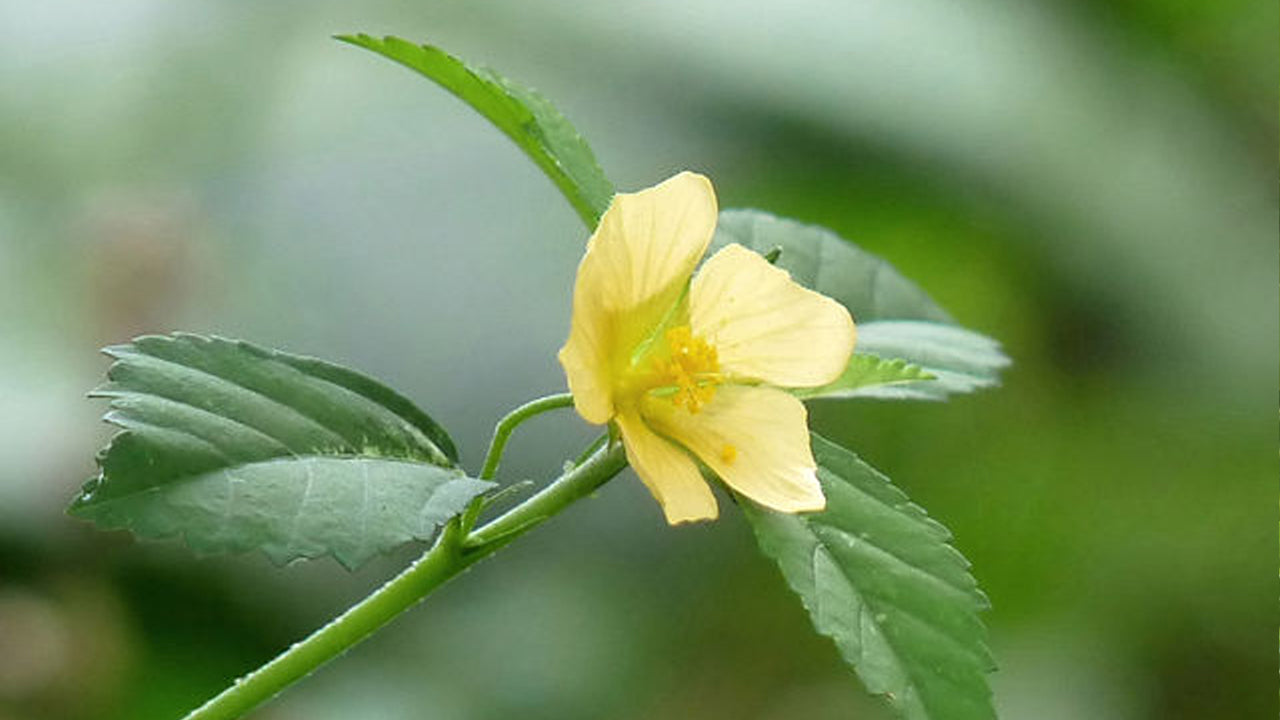
Spiny sida
Sida alba -
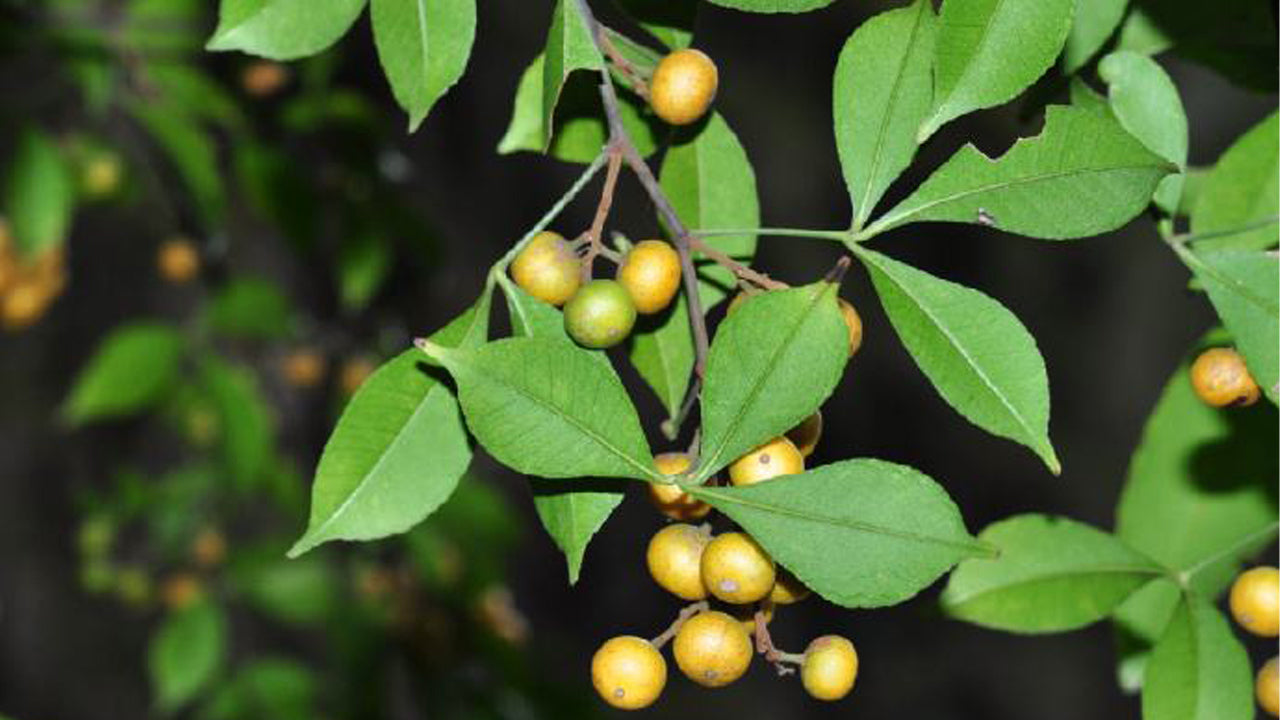
Orange climber
Toddlia asiatica -
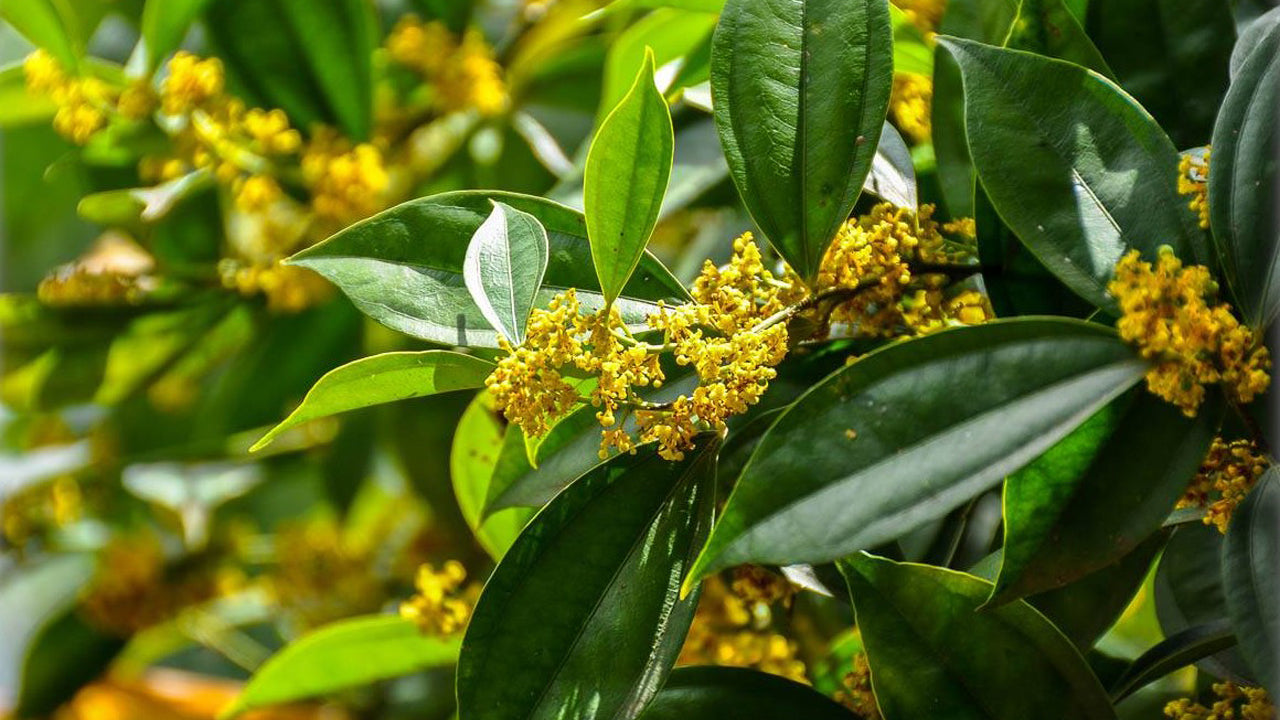
Ceylon cinnamon
Cinnamomum zeylanicum -
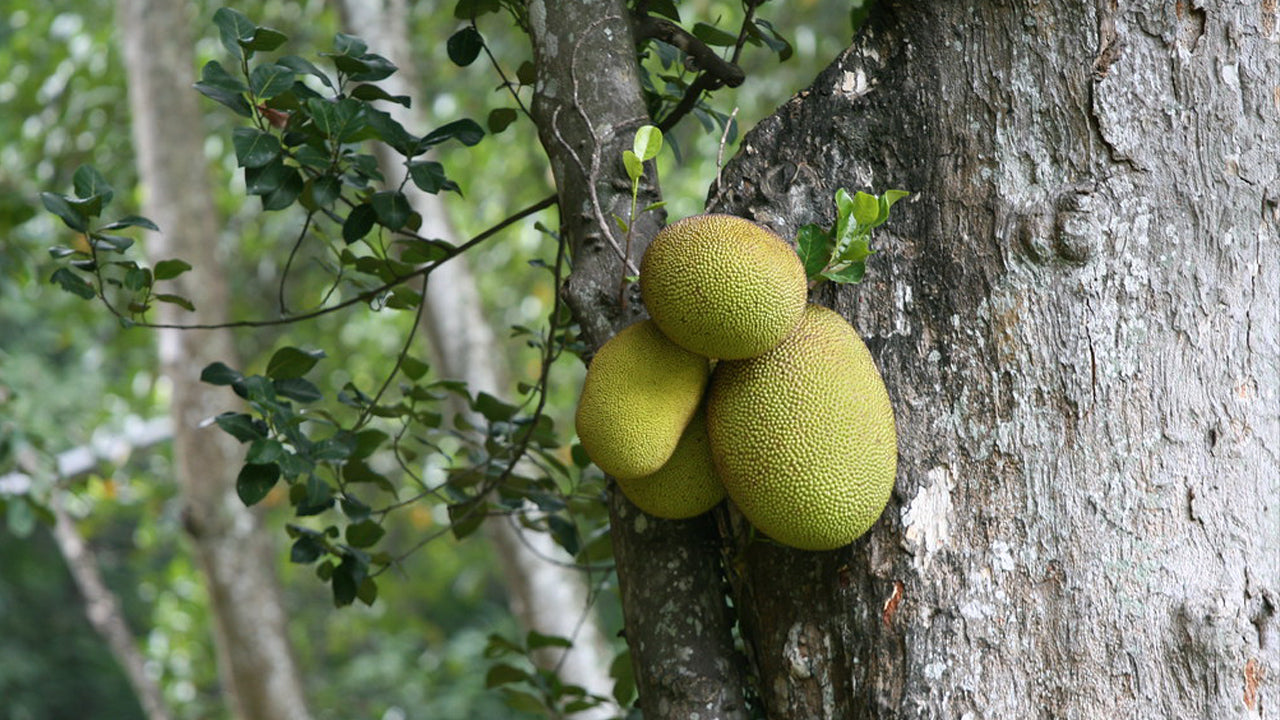
Jackfruit
Artocarpus heterophyllus -
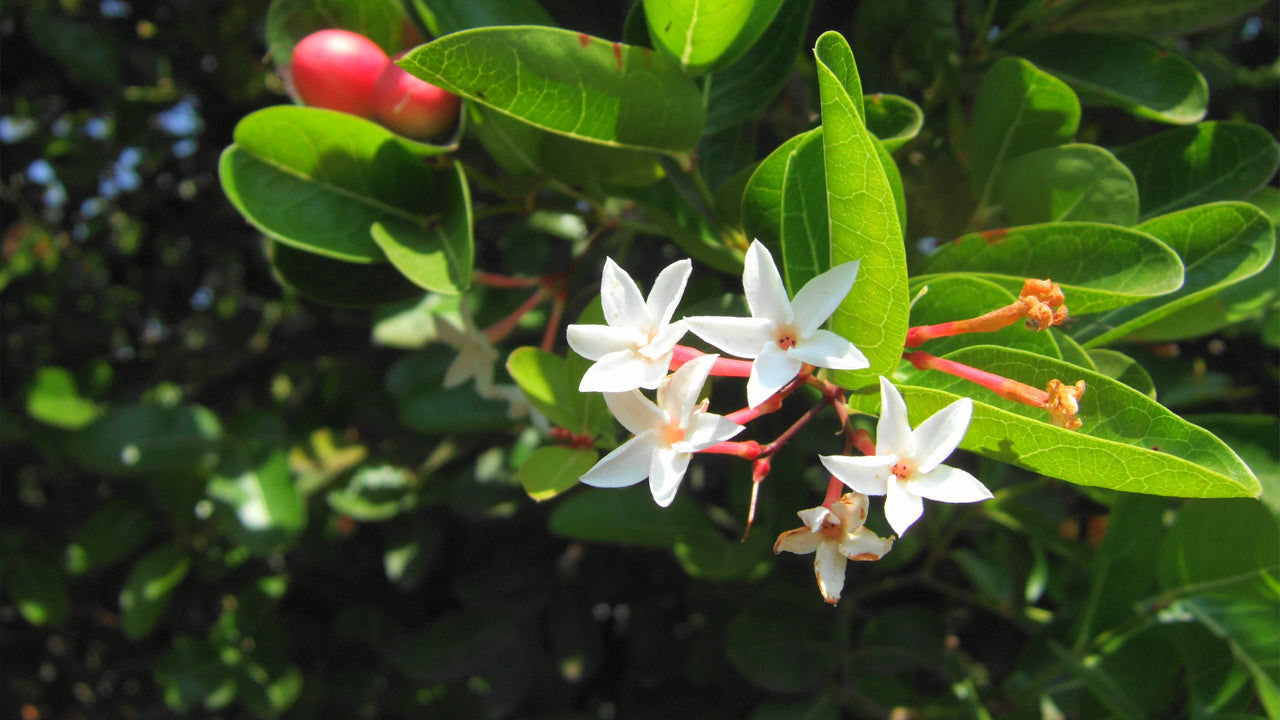
Karonda
Carissa carandas -
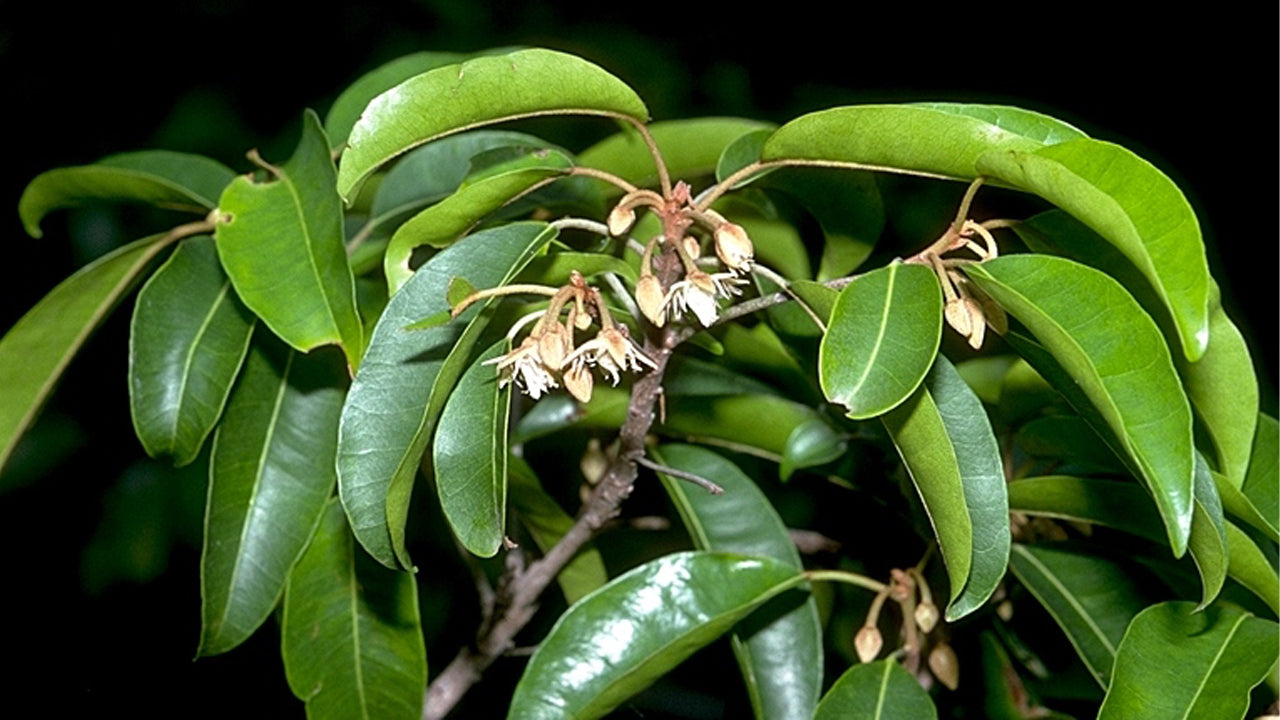
Spanish cherry
Mimusops elengi -
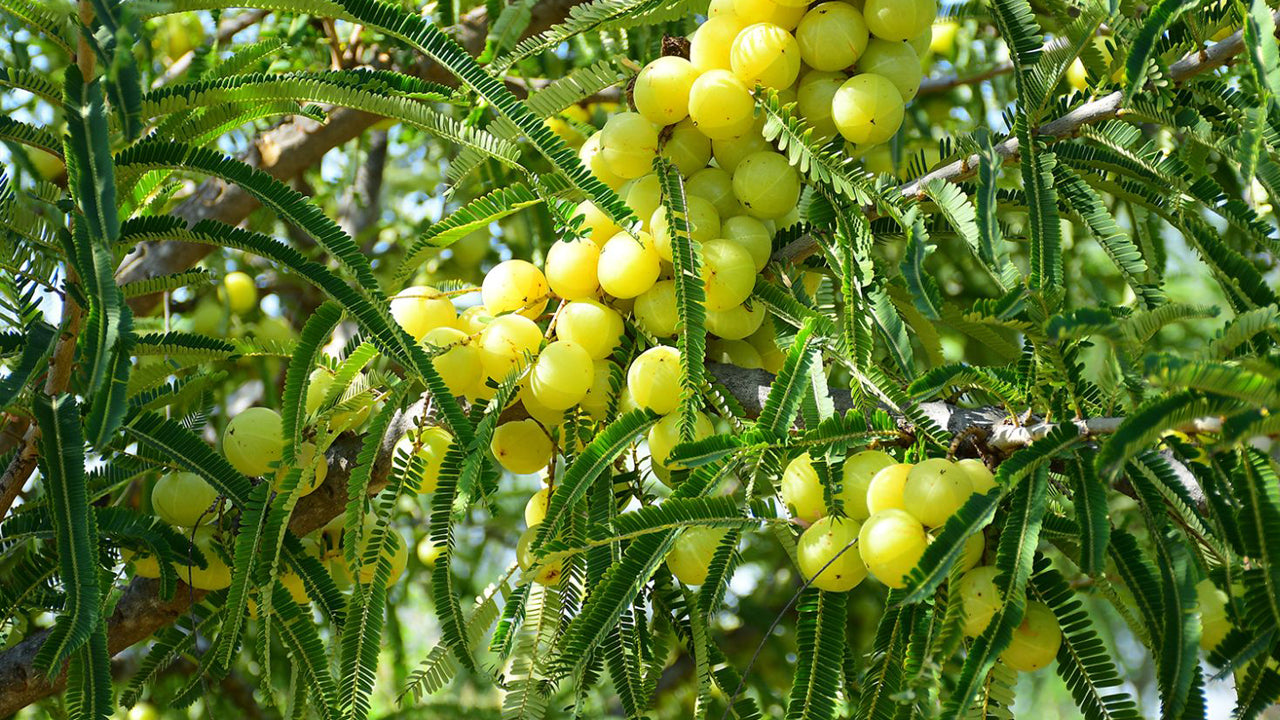
Indian gooseberry
Phyltanthus emblica -
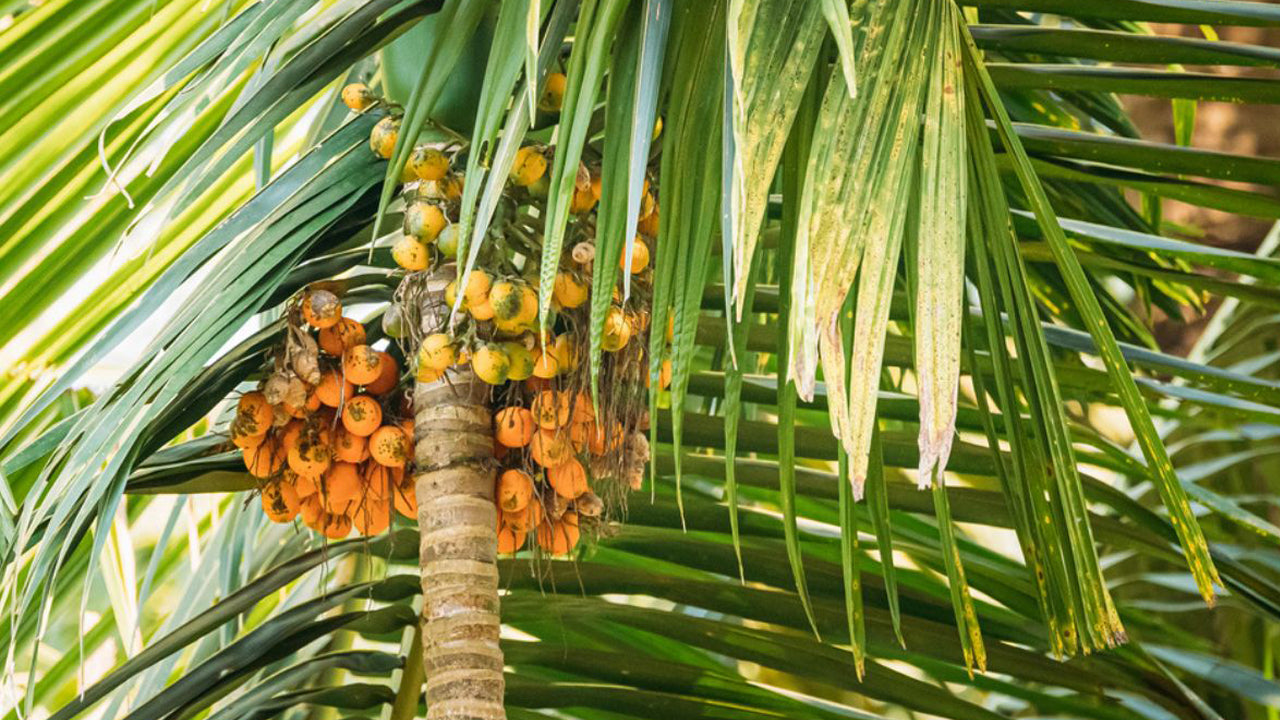
Betel palm
Areca catechu -
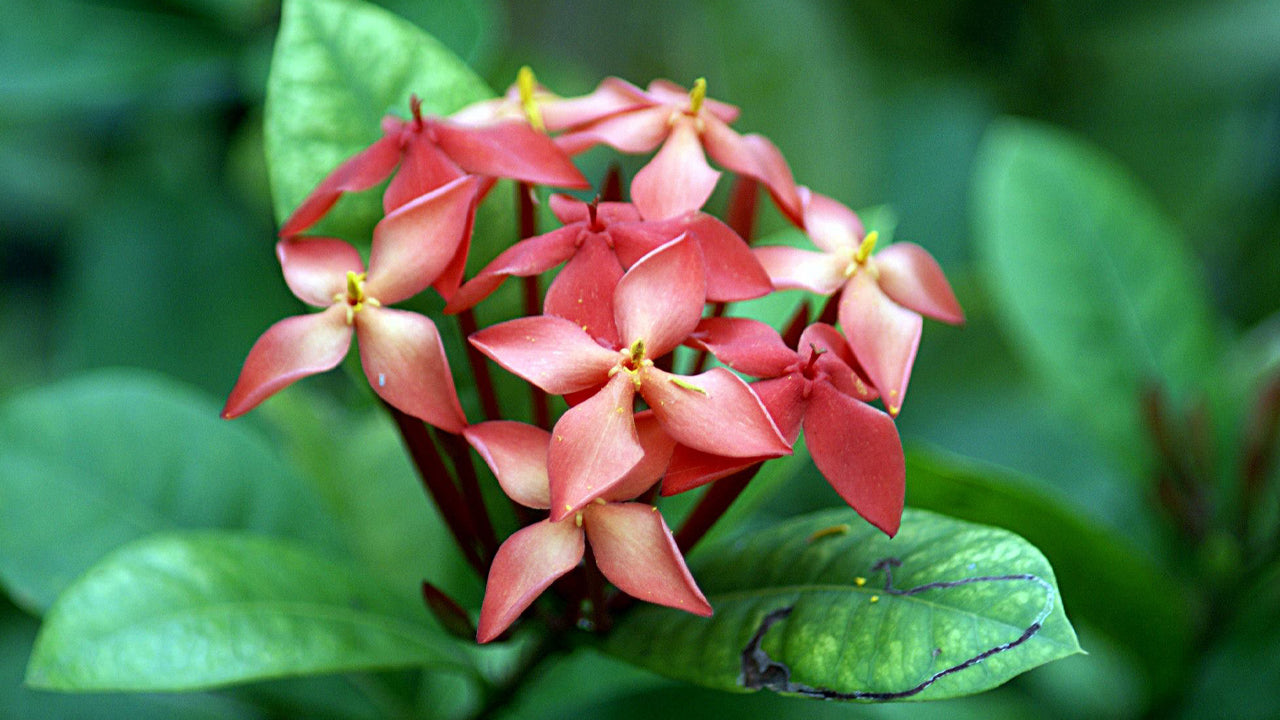
Jungle geranium
Ixora coccinea -
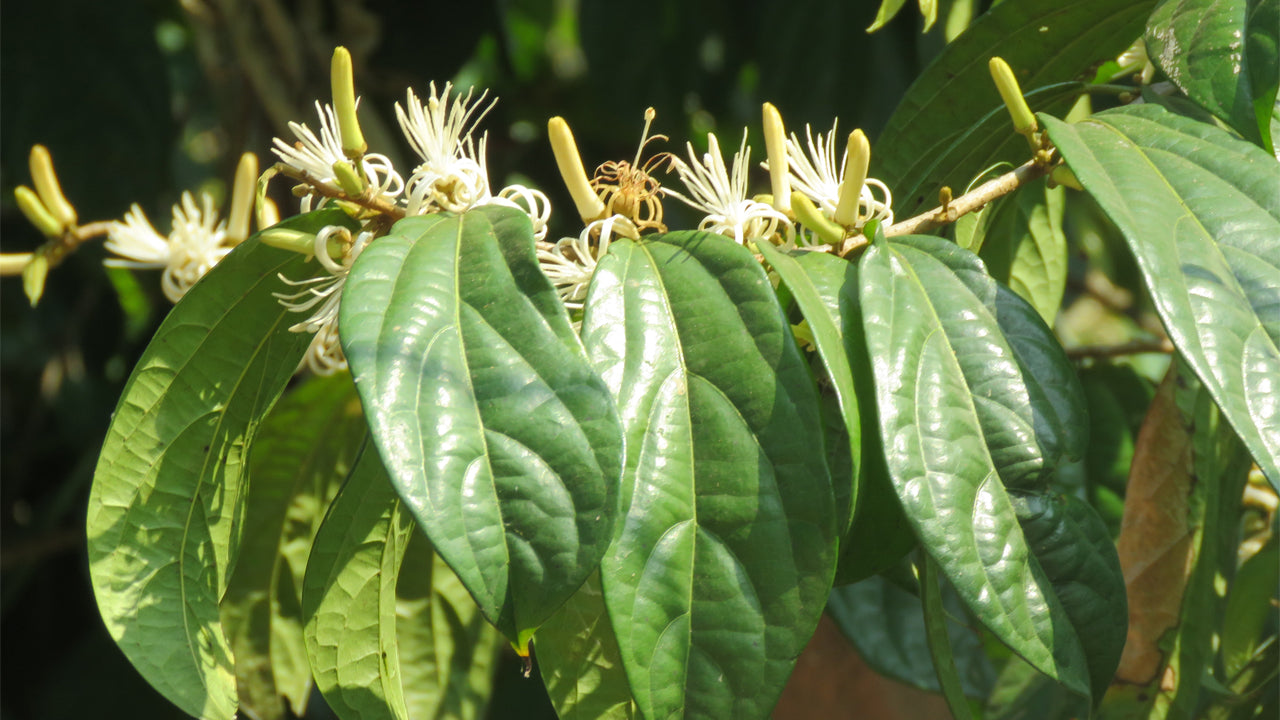
Sage-leaved alangium
Alangium salviifolium -
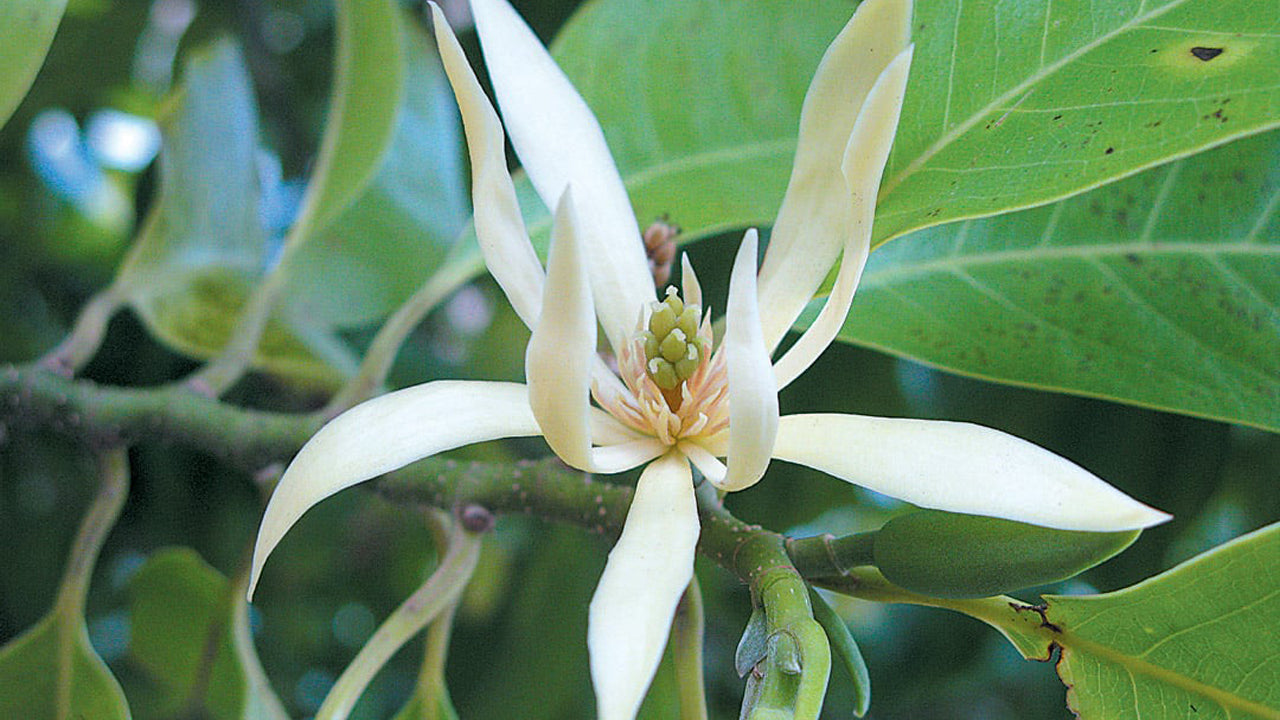
Champak
Michelia champaca -
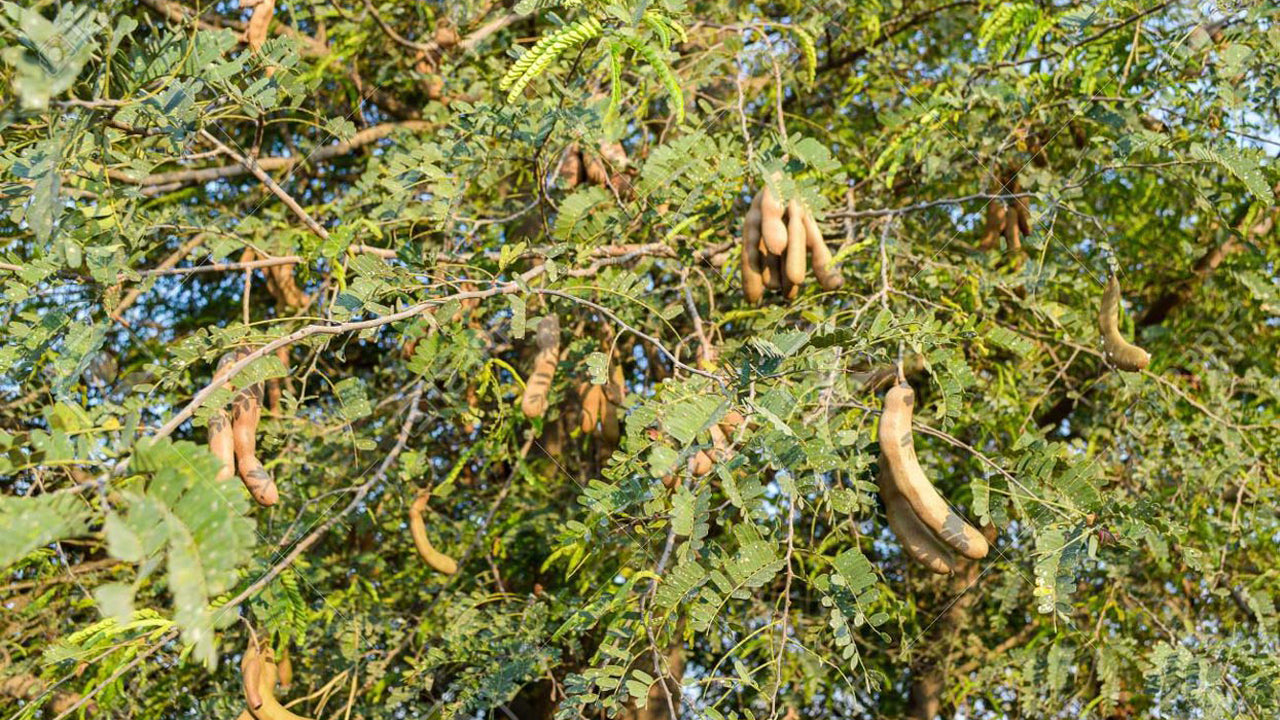
Tamarind
Tamarindus indica -
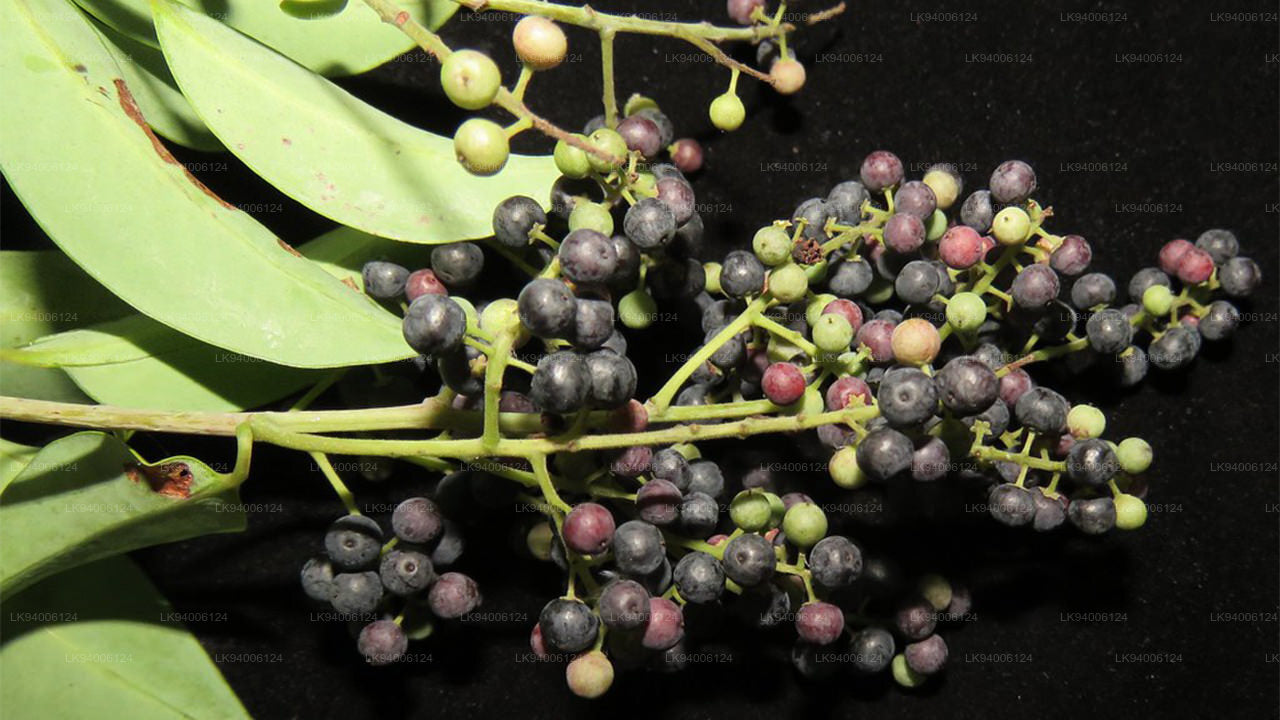
False Black Pepper
Embelia ribes -
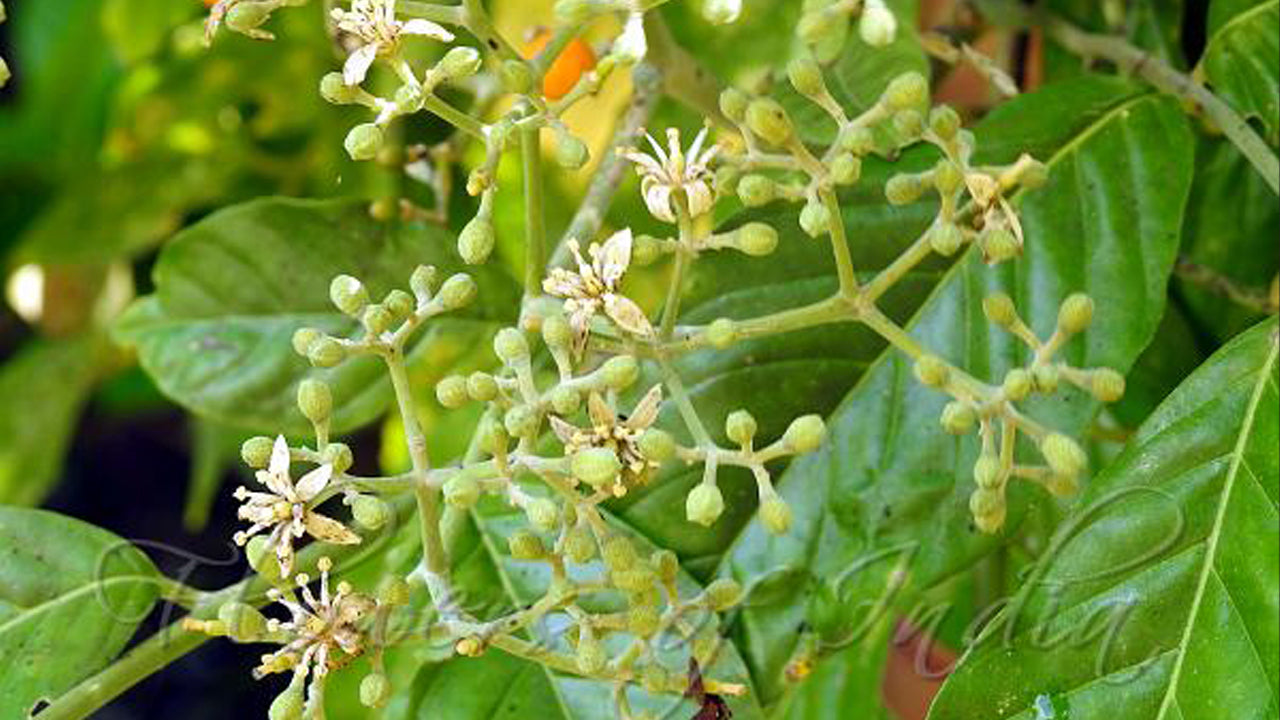
Limeberry
Micromelum ceylanicum -
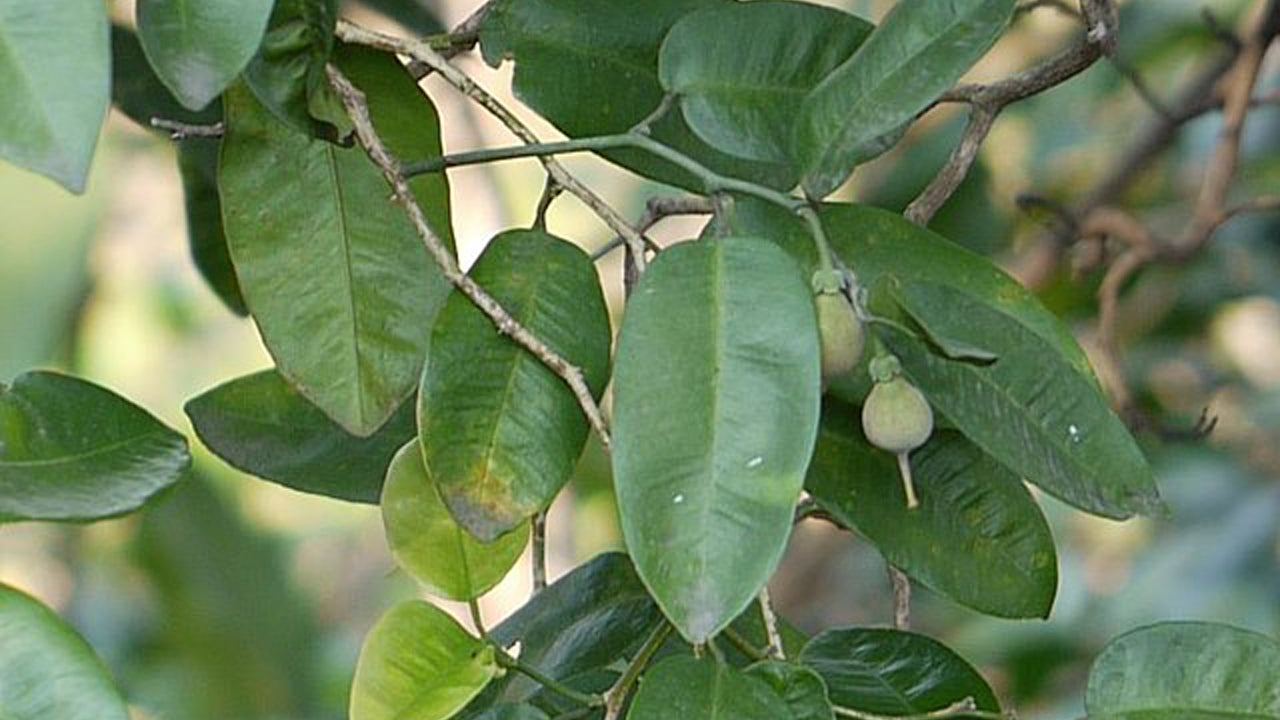
Climbing Atalantia
Paramignya monophylla





Ayurvedic and Herbal
-
 Aanbieding
Siddhalepa Ayurveda kruidenbalsem
Normale prijs Vanaf $0.48 USDNormale prijs$0.54 USDAanbiedingsprijs Vanaf $0.48 USDAanbieding -
 Aanbieding
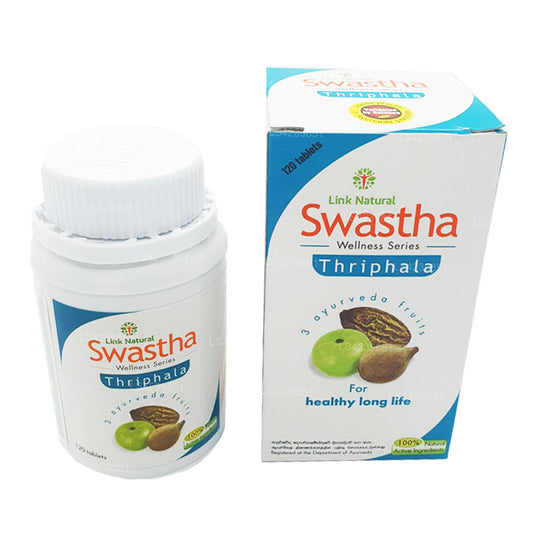
Link Swastha Thriphala (30 tabletten)
Normale prijs Vanaf $1.74 USDNormale prijs$1.93 USDAanbiedingsprijs Vanaf $1.74 USDAanbieding -
Lakpura® Wildcrafted Soursop (Guanabana, Graviola, Guyabano) Gedroogde Bladeren Heel
Normale prijs Vanaf $0.72 USDNormale prijs$0.81 USDAanbiedingsprijs Vanaf $0.72 USDAanbieding -
 Aanbieding
Setsuwa Pranajeeva Olie
Normale prijs Vanaf $3.85 USDNormale prijs$4.28 USDAanbiedingsprijs Vanaf $3.85 USDAanbieding