Lakpura
Lakpura®

Alpinia calcarata ෴ අරත්ත

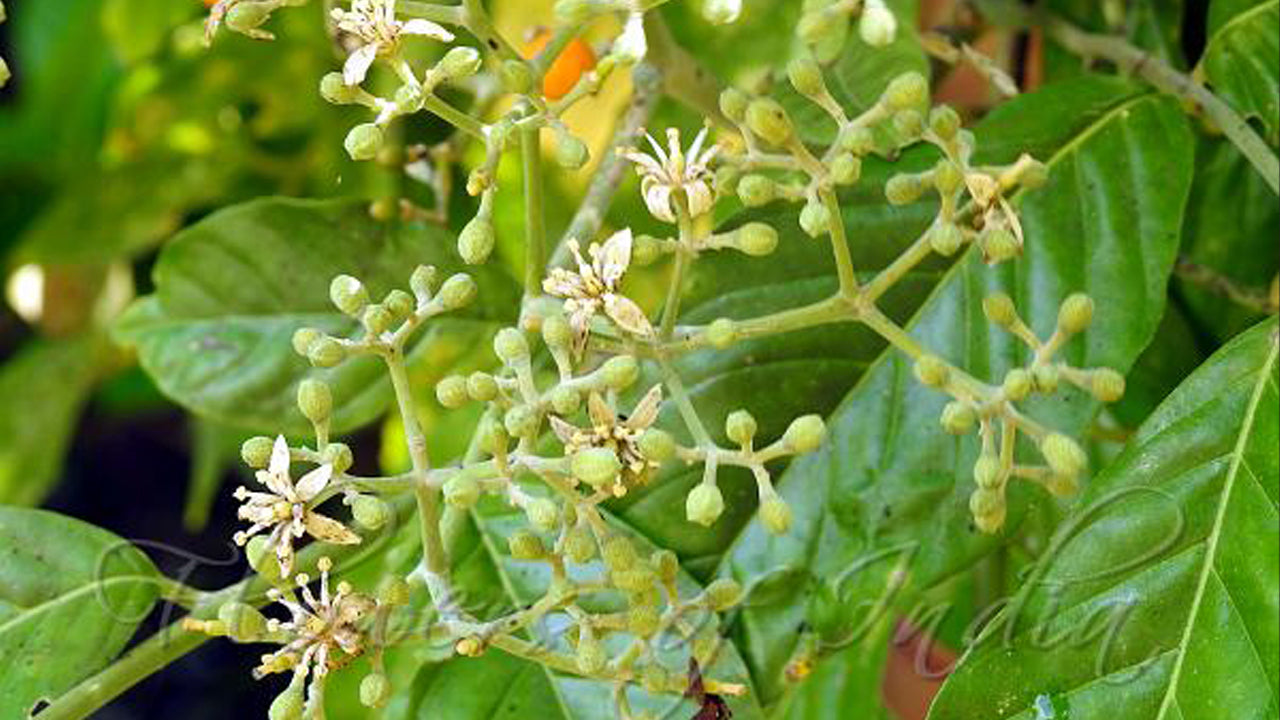
Alpinia calcarata, known locally as Arathna (අරත්ත), is a rhizomatous perennial herb native to South Asia and widely cultivated across Sri Lanka. It belongs to the ginger family (Zingiberaceae) and holds a prominent place in Sri Lankan traditional medicine, particularly within the Ayurvedic system. The plant is recognisable by its upright cane-like stems, lance-shaped leaves, and delicate white flowers marked with red and yellow streaks. Mature plants typically reach up to 3.5 metres in height.

What is Alpinia calcarata used for in traditional medicine?

In Sri Lankan Ayurveda, Arathna is one of the most consistently prescribed medicinal plants for ailments affecting the respiratory tract. Practitioners use preparations derived from the rhizome — the thick underground stem — as remedies for bronchitis, cough, and asthma. The plant also features in formulations aimed at managing arthritis, reducing inflammation in the joints, and supporting blood-sugar regulation in diabetic patients.

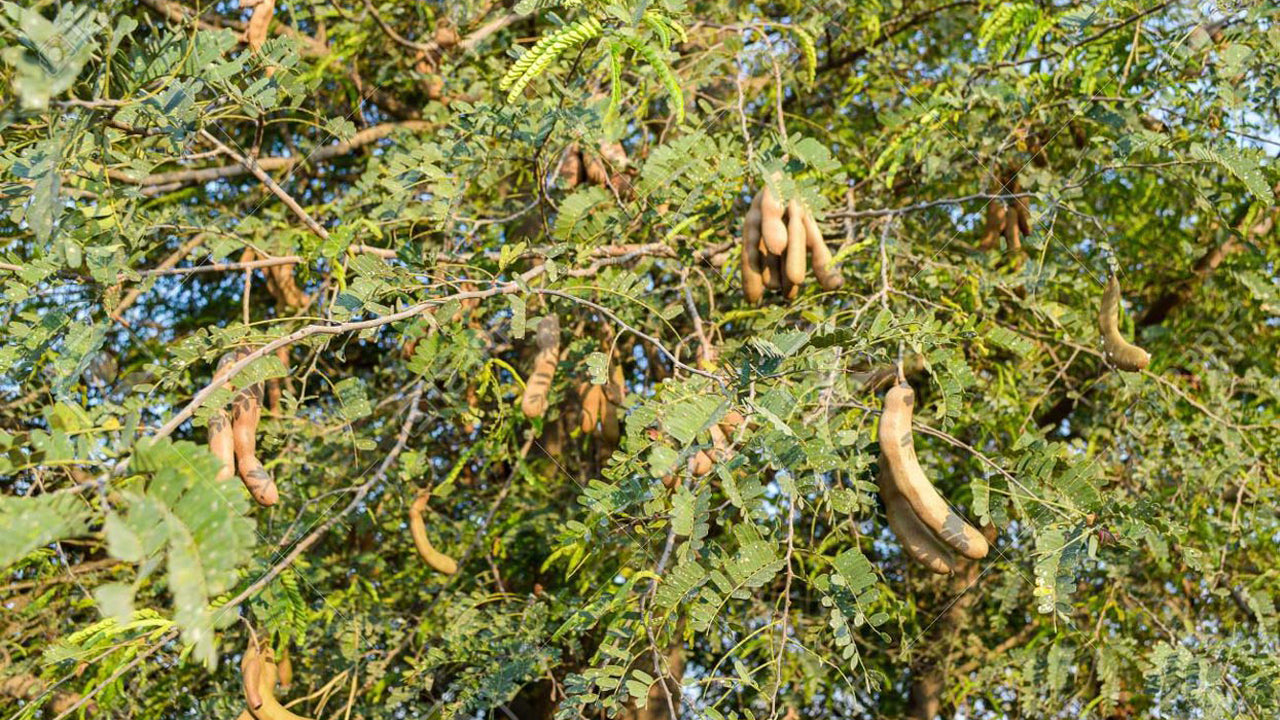
The rhizome is the medicinally active part of the plant. It is used fresh, dried, or ground into powder, depending on the preparation. Decoctions of the dried rhizome are a common home remedy for common colds and chest congestion throughout rural Sri Lanka. Alongside Acacia chundra, it appears as a constituent ingredient in several classical compound formulations documented in Sinhala medical texts.

  • Respiratory conditions: bronchitis, cough, asthma, congestion
  • Metabolic conditions: support in diabetes management
  • Musculoskeletal conditions: arthritis, joint pain
  • General use: digestive complaints, loss of appetite

What are the key chemical constituents of Alpinia calcarata?

Research on Sri Lankan-origin Alpinia calcarata has identified a range of bioactive compounds concentrated in the rhizome. Essential oils make up a significant portion of the extractable material and include compounds such as 1,8-cineole (eucalyptol), which is associated with the plant's expectorant and anti-inflammatory properties. Flavonoids, phenolic compounds, and diterpenoids have also been documented in phytochemical studies.

Pharmacological investigations have reported antioxidant, antimicrobial, anti-inflammatory, and hypoglycaemic activity in laboratory settings. Toxicological studies indicate that the rhizome is considered safe within traditional dosage ranges, though concentrated extracts warrant careful handling. It is worth noting that most studies to date have been conducted in vitro or in animal models, and clinical data specific to human subjects remain limited.

Where does Alpinia calcarata grow in Sri Lanka?

Arathna is widely cultivated in home gardens and smallholdings throughout the wet and intermediate zones of Sri Lanka. It is also found naturalised at roadsides and forest margins, particularly in the lowland and mid-elevation regions. The plant favours moist, well-drained soils and partial shade, conditions common across much of the island's inland terrain.

In the wild or semi-wild state, Alpinia calcarata often grows in clusters alongside other useful plants such as Pongamia pinnata. Because it spreads readily via rhizome division, cultivated specimens frequently escape into adjacent vegetation and naturalise over time. Commercial cultivation for the herbal and Ayurvedic supply chain is centred primarily in the Sabaragamuwa and Western provinces.

How is Arathna harvested and prepared?

Harvesting typically takes place when the plant is two to three years old, at which point the rhizomes have developed sufficient size and potency. The rhizomes are dug up carefully, cleaned of soil, and either used fresh immediately or sun-dried for preservation. Drying concentrates the volatile oils and extends shelf life considerably.

In domestic use, a small piece of fresh or dried rhizome is often bruised and simmered in water to produce a decoction, sometimes combined with ginger, black pepper, or honey. For compound Ayurvedic preparations, the dried rhizome is ground into a fine powder and blended according to prescribed formulae. The powdered form is also used as a spice in certain regional cuisines, adding a warm, peppery note not unlike lesser galangal.

How does Alpinia calcarata differ from related Alpinia species?

Sri Lanka is home to several Alpinia species, and confusion between them is common in both colloquial and commercial contexts. Alpinia calcarata is sometimes used interchangeably with Alpinia hylandi (also called Aratta), though the two are botanically distinct. Both are valued medicinally, but their chemical profiles differ in detail, and Ayurvedic practitioners typically distinguish between them in classical texts.

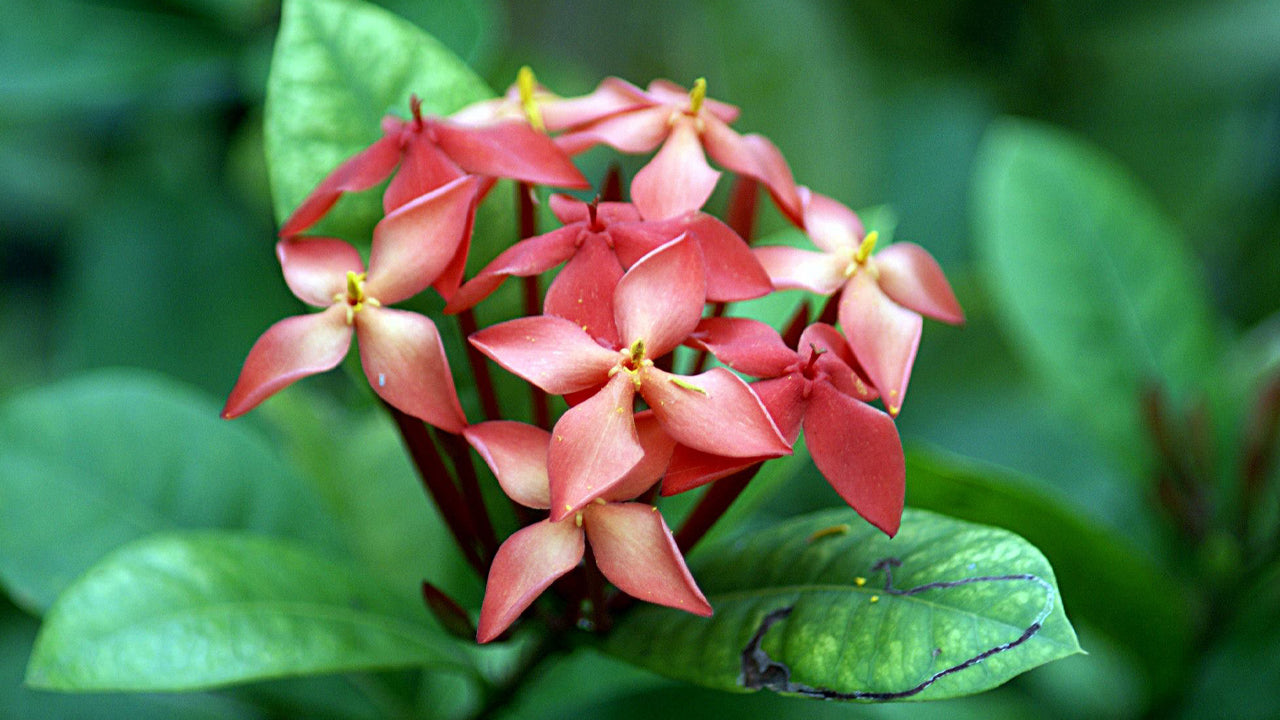
Alpinia purpurata, by contrast, is grown primarily as an ornamental plant for its striking red or pink flower bracts, and has limited documented medicinal use compared to A. calcarata. When purchasing Arathna products for therapeutic use, it is advisable to confirm the correct species identification from the supplier.

Alpinia Species Found in Sri Lanka — Quick Comparison
Species Common Name Primary Use Medicinally Active Part
Alpinia calcarata Arathna Ayurvedic medicine Rhizome
Alpinia hylandi Aratta Ayurvedic medicine Rhizome
Alpinia purpurata Red Ginger Ornamental Flowers (decorative)

What is Alpinia calcarata's place in Sri Lanka's ayurvedic tradition?

Alpinia calcarata is officially listed in the catalogue of ayurvedic medicinal plants recognised by Sri Lanka's Department of Ayurveda, reflecting its long-standing integration into the island's indigenous healing systems. Sri Lankan Ayurveda has evolved over more than two millennia and continues to be practiced formally through government-registered hospitals, pharmacies, and practitioners alongside conventional medicine.

Compound formulations such as Yogaraja Guggulu and Kaishore Guggulu represent the wider tradition of blended herbal preparations in which individual plants like Arathna play a defined role. The preservation and documentation of this knowledge remains an active area of research in Sri Lankan academic and governmental institutions.

Can visitors experience Sri Lanka's herbal medicine culture?

For travellers interested in traditional plant knowledge, Sri Lanka offers a number of genuine ways to engage with its herbal heritage beyond a souvenir purchase. Ayurvedic spice and herb gardens are common in the hill country, particularly around Kandy and the surrounding region. The Sinharaja Forest Reserve in the wet zone supports extraordinary botanical diversity, and guided walks there often touch on medicinal plant use by local communities.

Village-based experiences can provide a more grounded encounter with everyday plant knowledge. Medicinal plant walks, cooking demonstrations featuring spices like Ceylon black pepper, and visits to small Ayurvedic dispensaries are all activities that Lakpura can incorporate into a customised itinerary for curious travellers.

Book this experience with Lakpura

Curated by our local team. Direct booking, instant confirmation.

Ask Lakpura® Agent