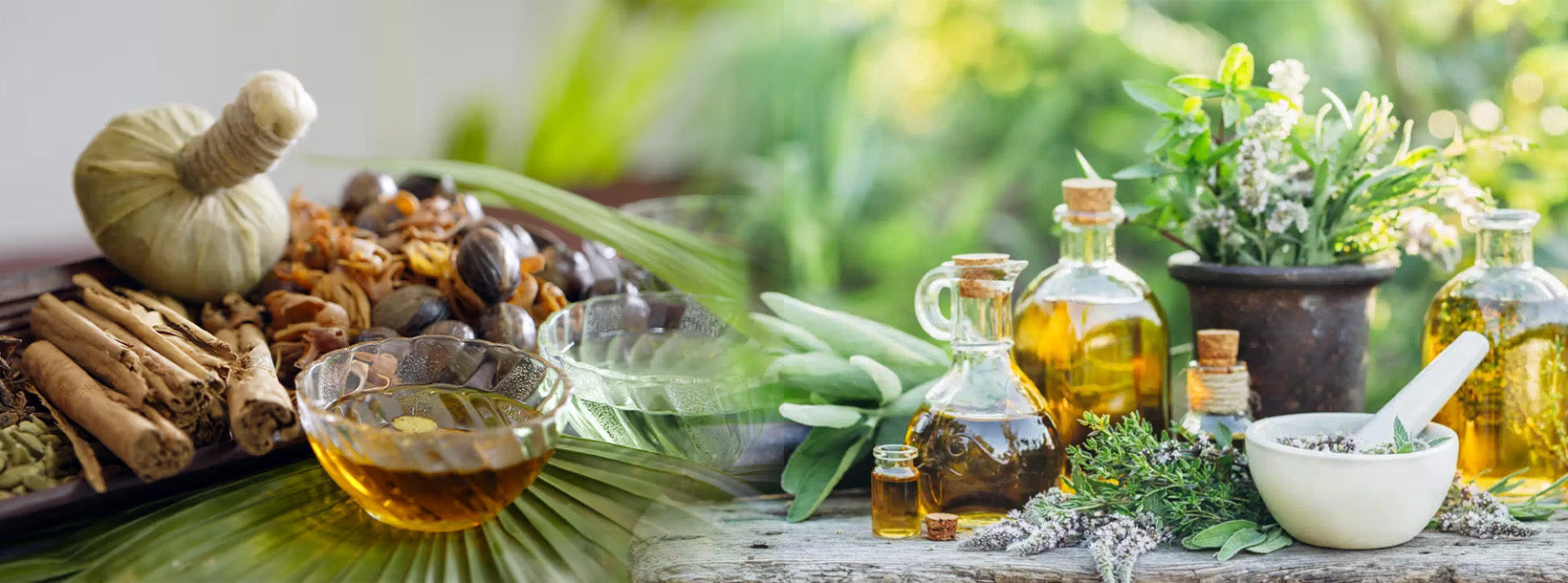
Acorus calamus


prescriptions Acorus calamus. Linn. (Araceae), commonly known as “sweet flag” or “calamus”, is a semiaquatic, perennial, aromatic herb with creeping rhizomes. The plant is found in the northern temperate and subtropical regions of Asia, North America, and Europe. The plant exhibits polyploidy. Many ethnomedicinal and ethnobotanical uses have been ascribed to the rhizomes of the plant. A. calamus. Linn. (AC) has been used as traditional Chinese and Indian prescriptions for its beneficial effects on memory disorder, learning performance, lipid peroxide content, and anti-aging and anticholinergic activity.Acorus Calamus is a medicinal plant that generally grows near lakes, ponds and streams. It is also called as sweet flag. The root of Acorus Calamus has medical properties. It is abundantly found inIndia, where it is a popular home remedy. The very smell of the root of acorus proclaims its therapeutic properties. Acorus Calamus is body coolant that also aids digestion. The dried root of this medicinal herb is widely used in India.
The dried root of Acorus Calamus can be chewed directly. Though it is bitter in taste, it has excellent medicinal properties. No matter how old is the root, it doesn’t lose its properties. In Ayurveda treatment Acorus Calamus is used for treating mental disorders and epilepsy. It is also useful for treating diarrhea. It soothes their stomach and makes them free of gas and intestinal worms. It would relieve them from colic stomach pain due to gas. Vasambu honey mix is given to children early morning. It is believed to be good for body heat and bowel movement. Acorus Calamus is believed to enhance the voice of children. Acorus Calamus is also expected to enhance intelligence in children. Acorus Calamus is a natural coolant that can heal your bowel.
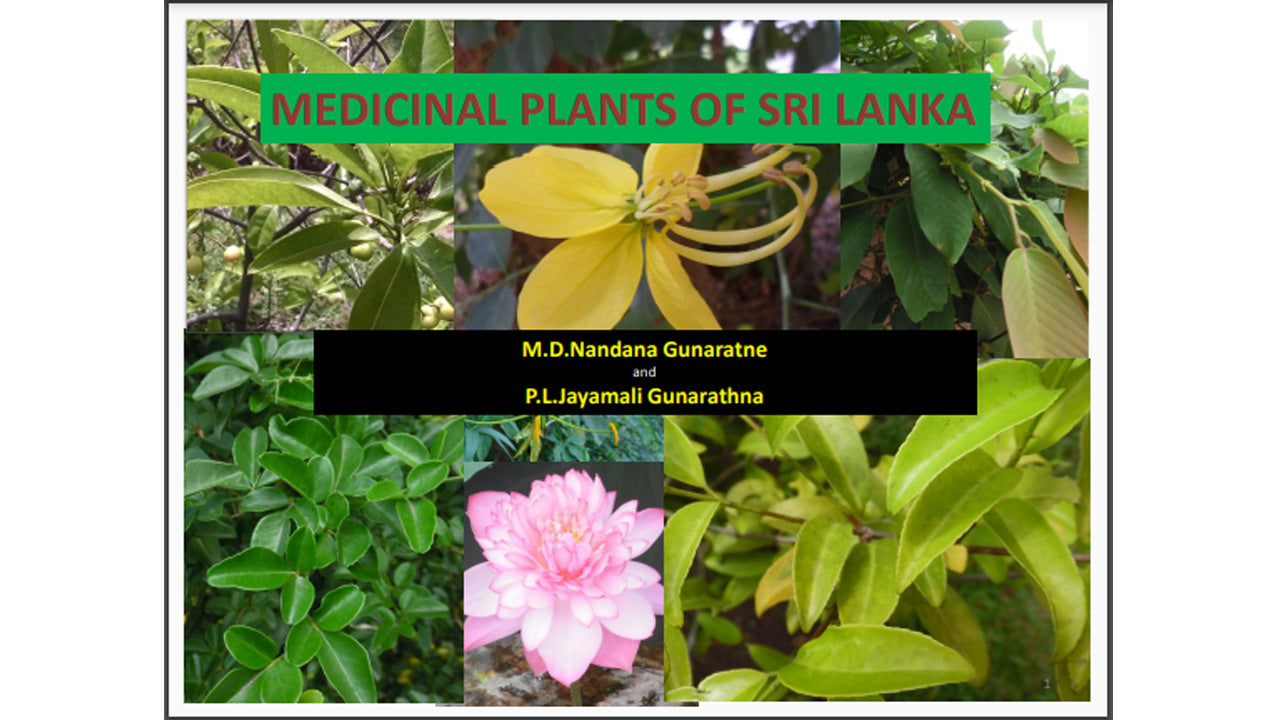
Acorus calamus is part of the catalog of ayurvedic medicinal plants of Sri Lanka.


-
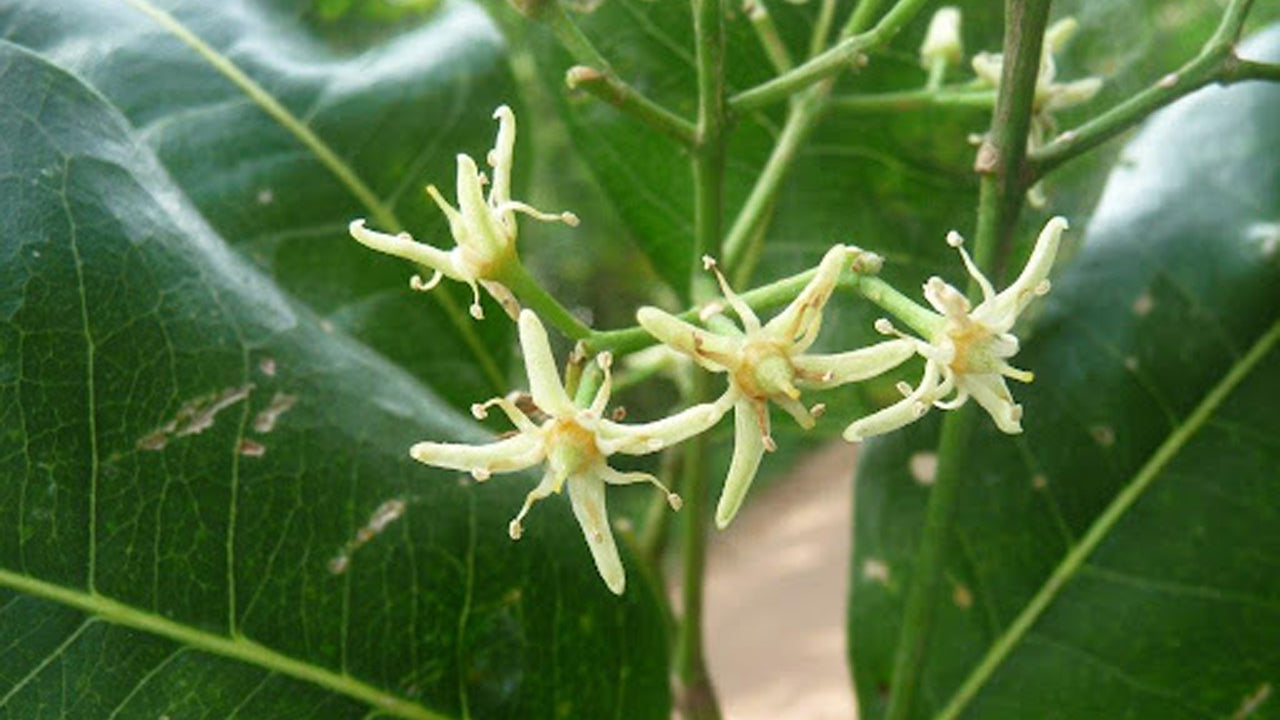
Claw-flowered laurel
Acronychia pedunculata -
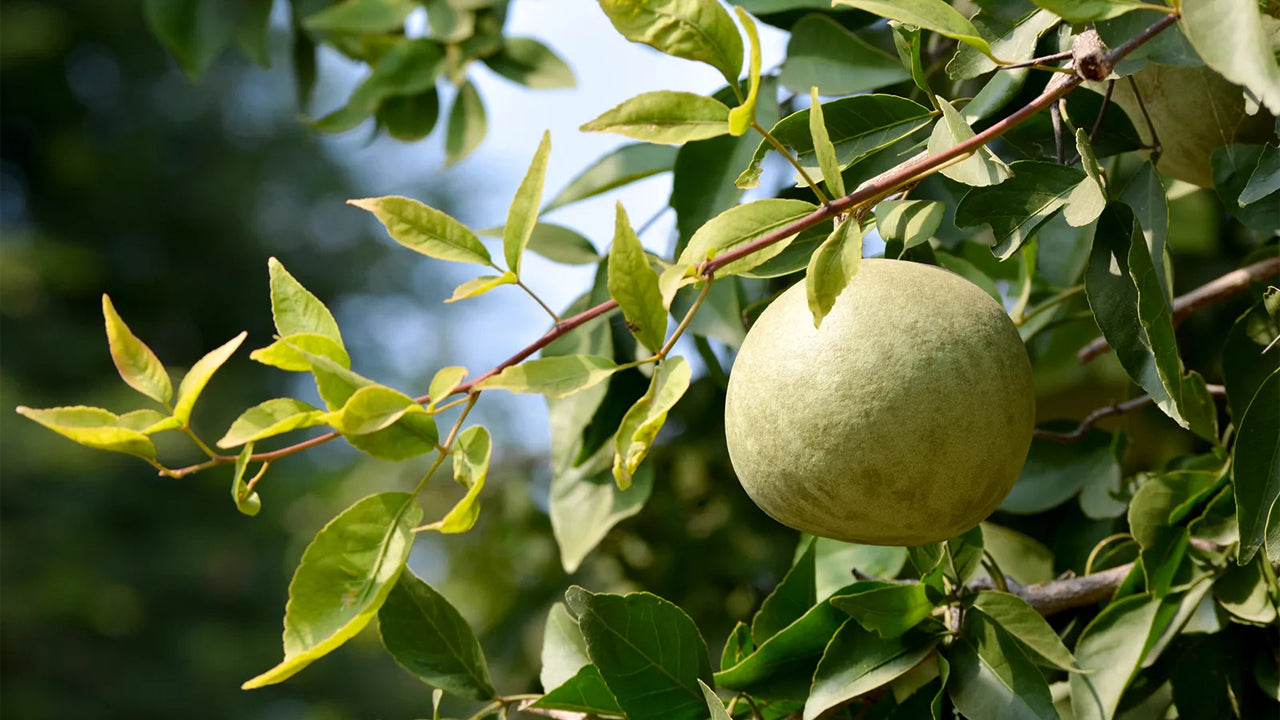
Bael
Aegle marmelos -
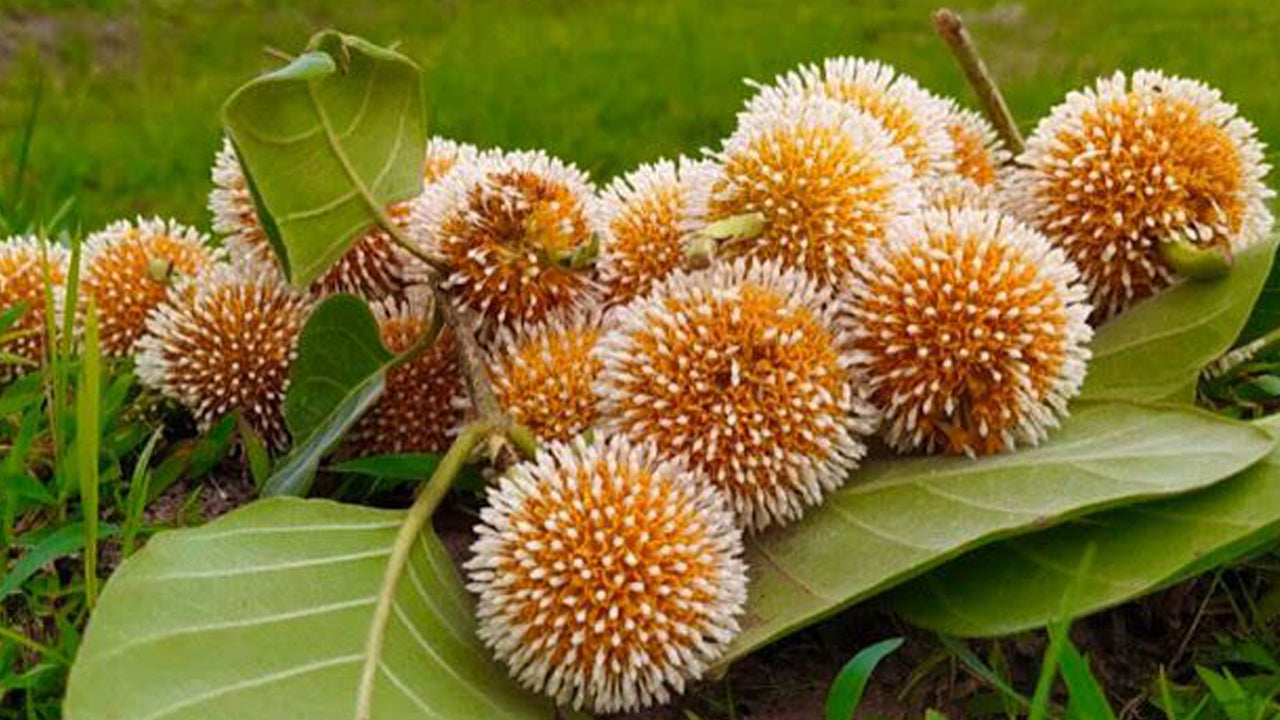
Leichhardt tree
Nauclea orientalis -
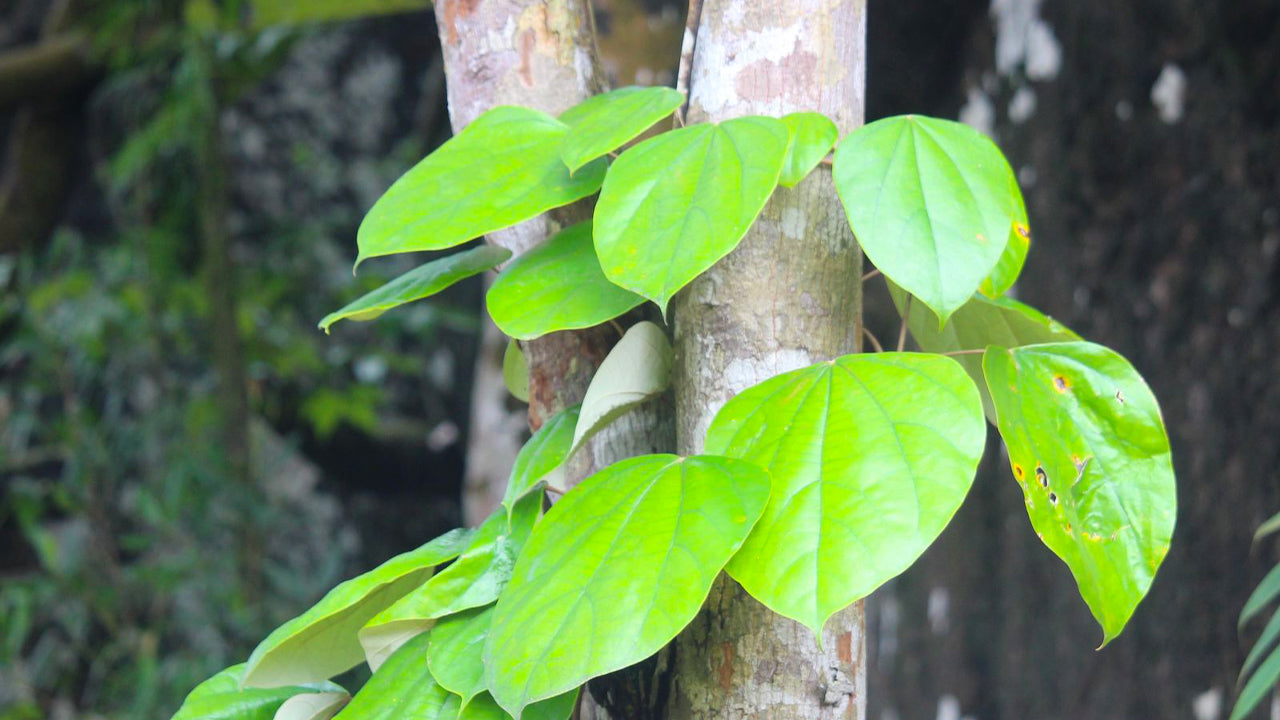
False Calumba
Coscinium fenestratum -

Malabar Gulbel
Tinospora malabarica -
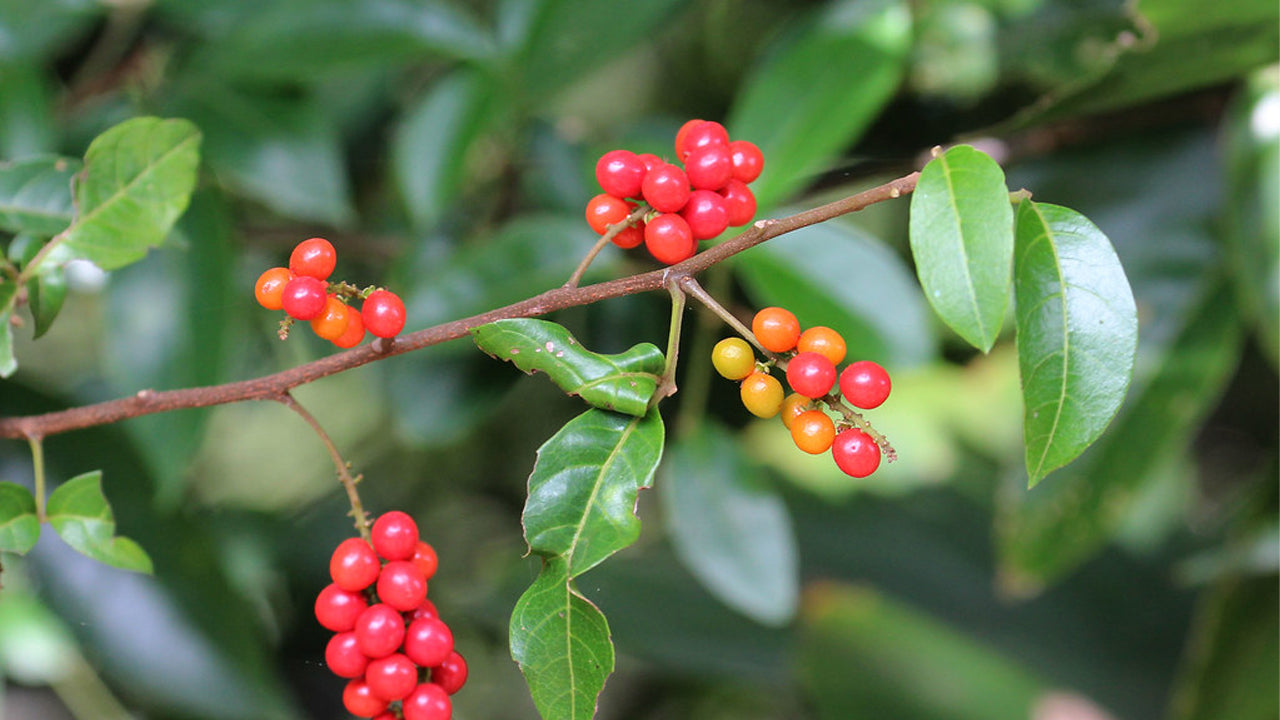
Titberry
Allophylus cobbe -
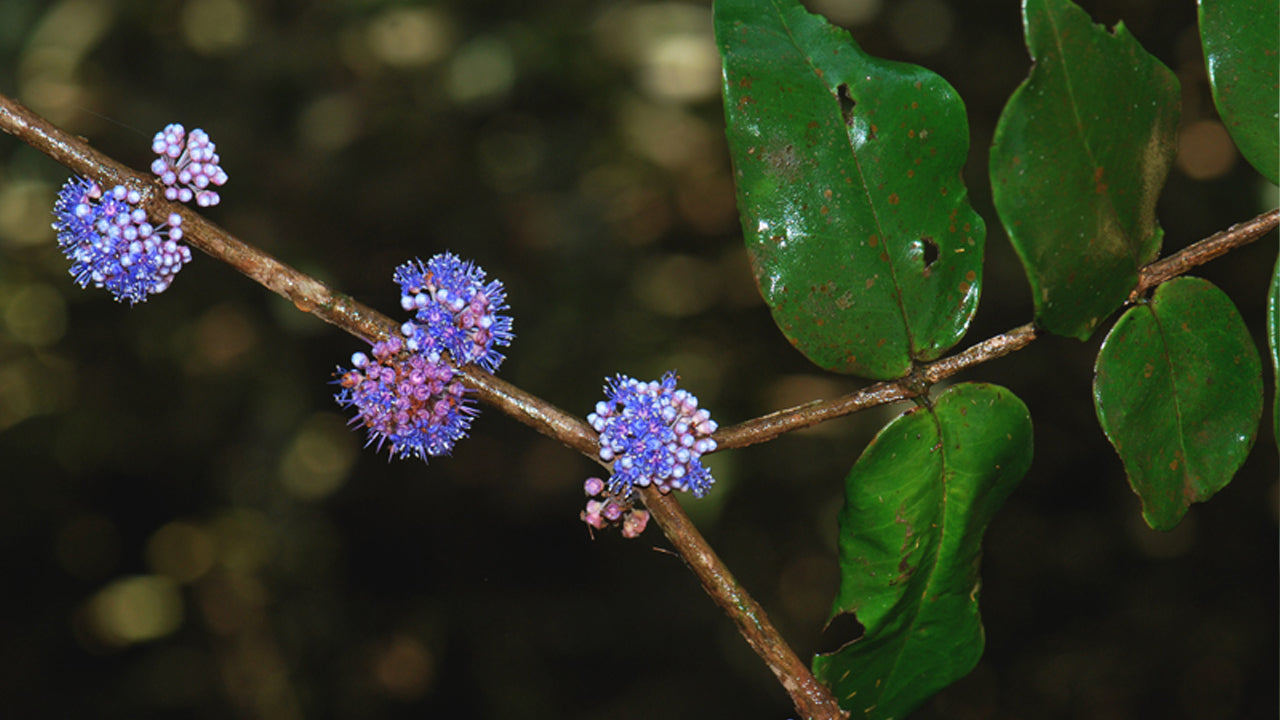
Ironwood Tree
Memecylon capitellatum -
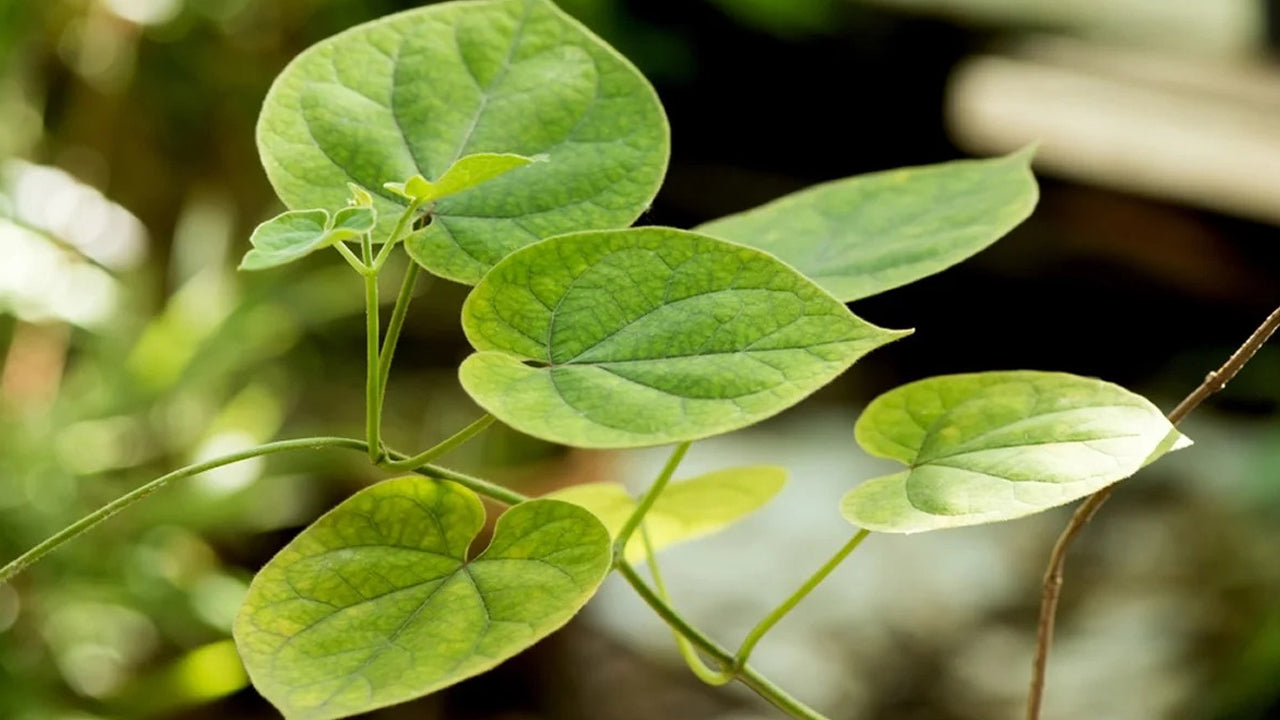
Velvet Leaf
Cissampelos pareira -
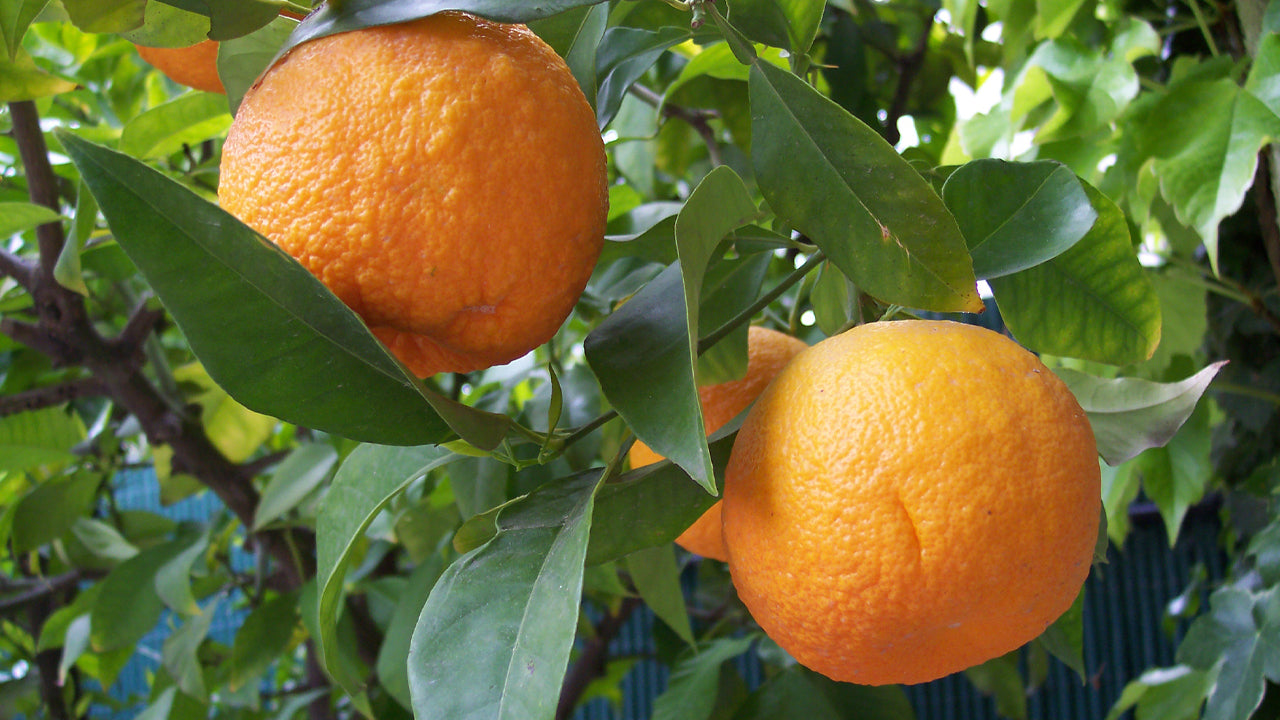
Bitter orange
Citrus aurantium -

Reinwardt's Tree Plant
Biophytun reinward -
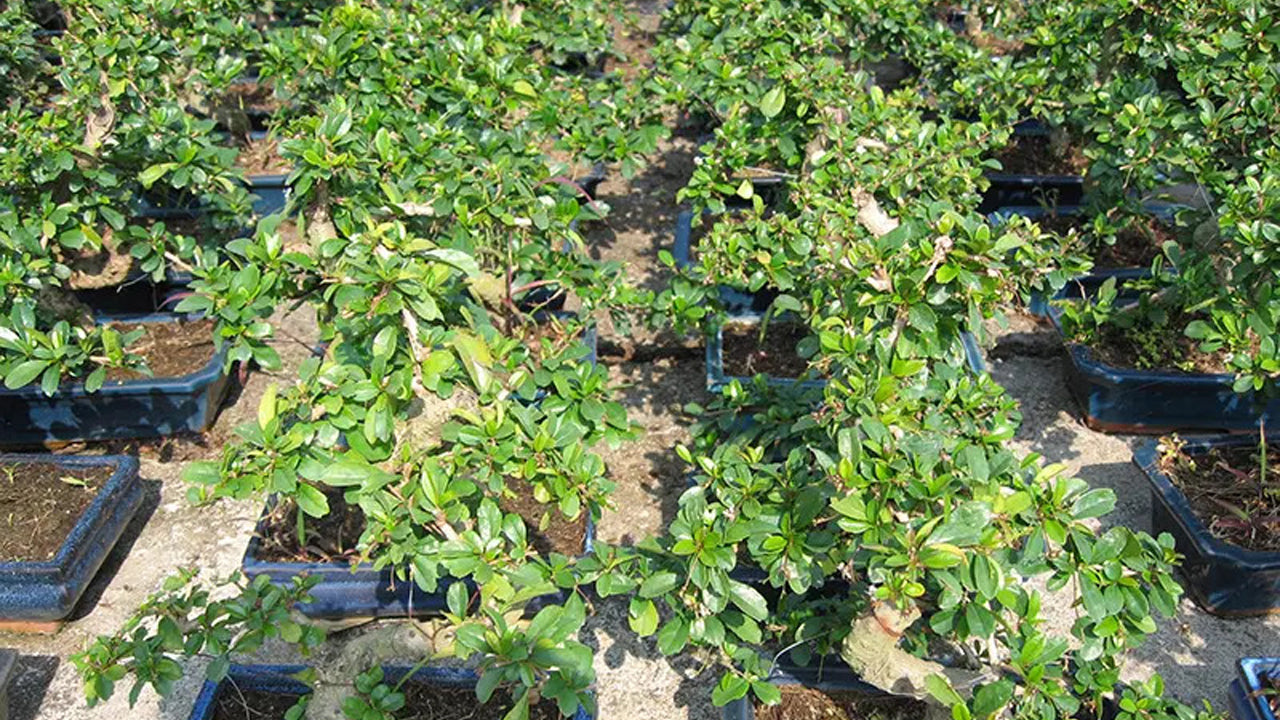
Fukien tea
Carmona microphylla -
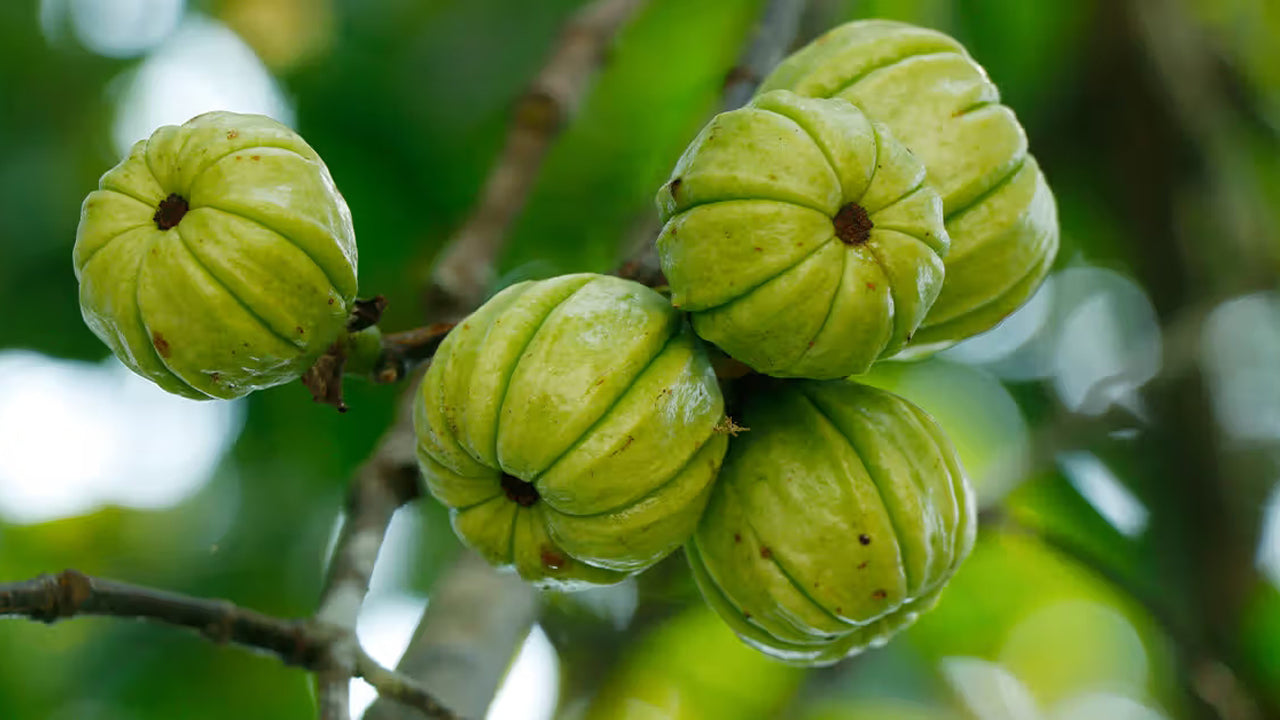
Malabar tamarind
Garcinia cambogia -
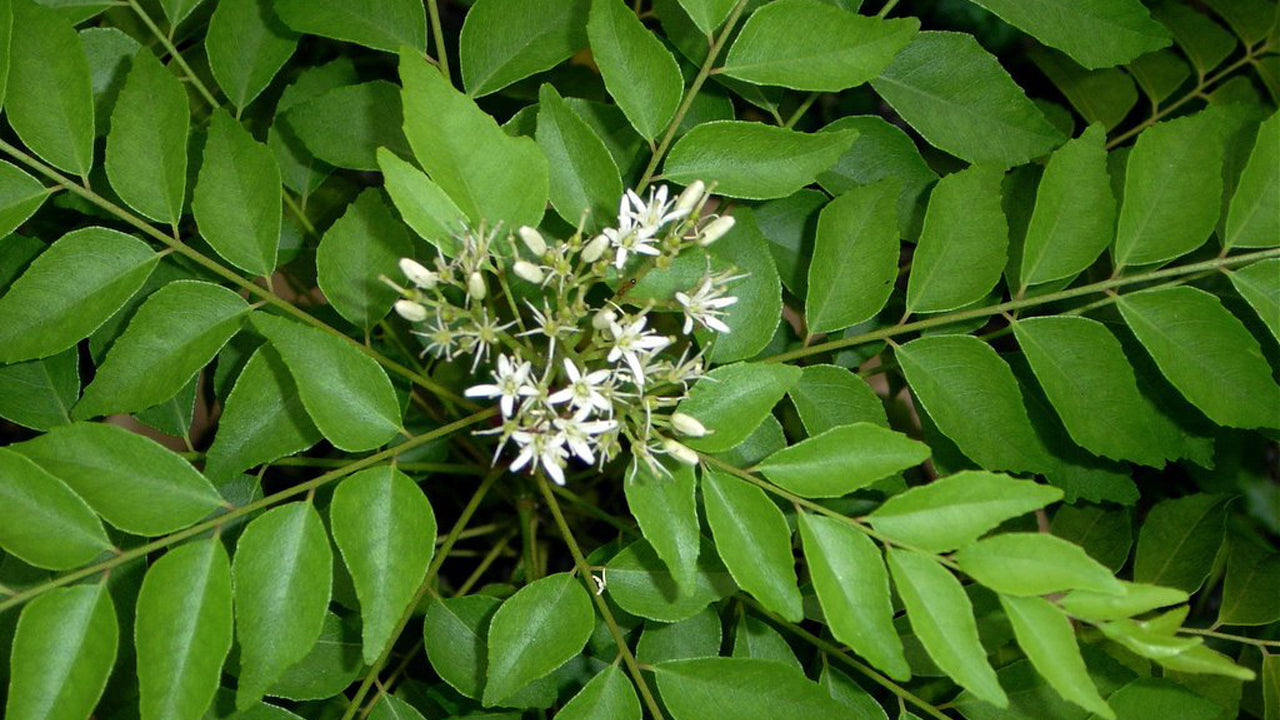
Curry leaf tree
Murraya koenigii -
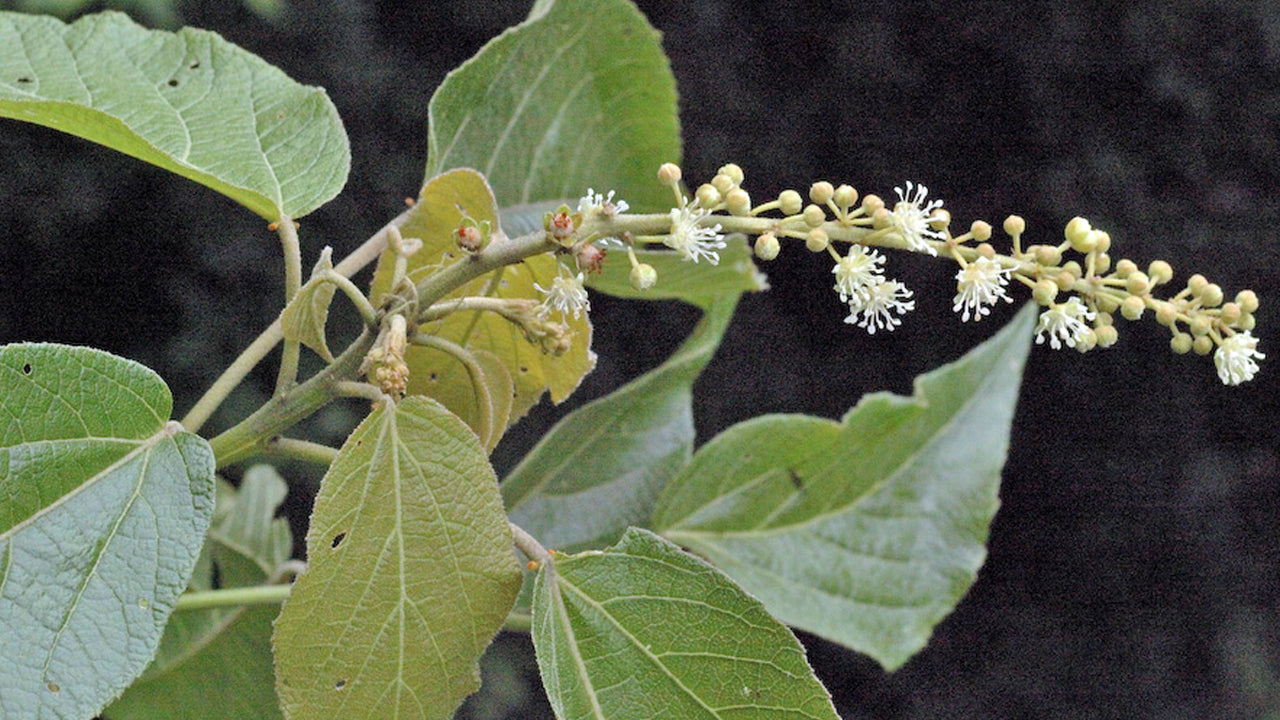
Kappetiya
Croton laccifer -
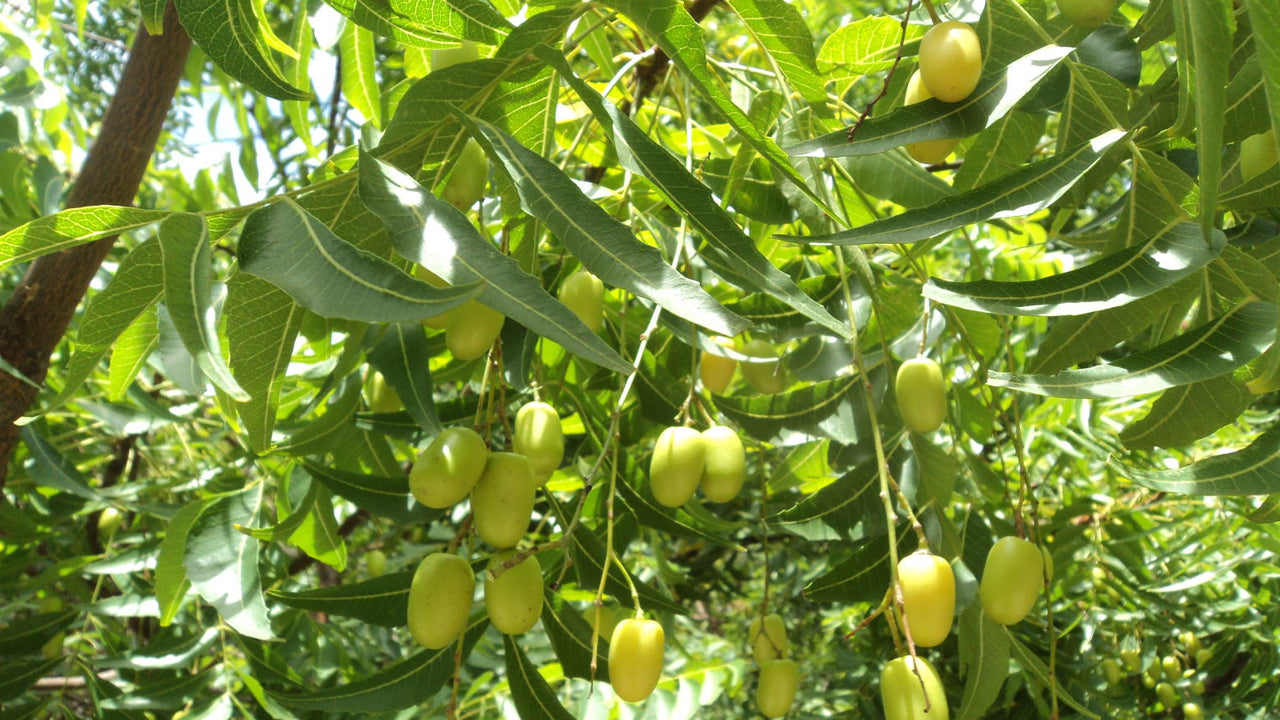
Indian lilac
Azadirachta indica -
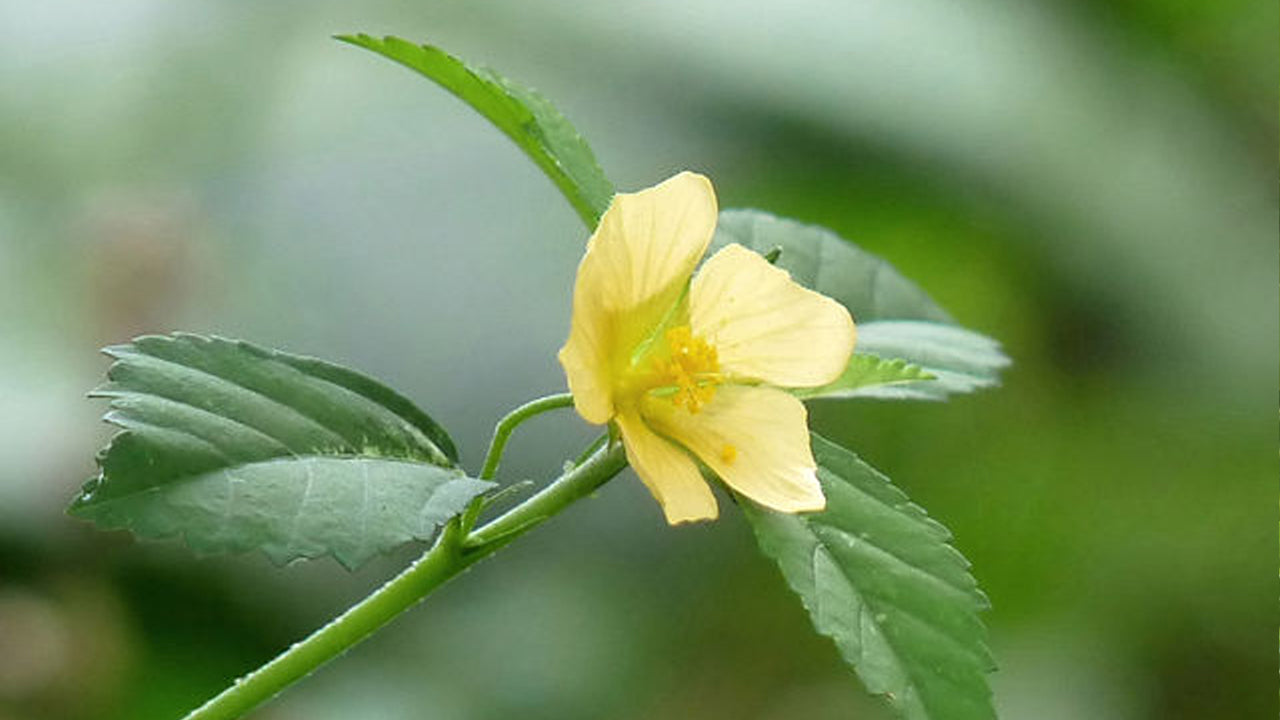
Spiny sida
Sida alba -
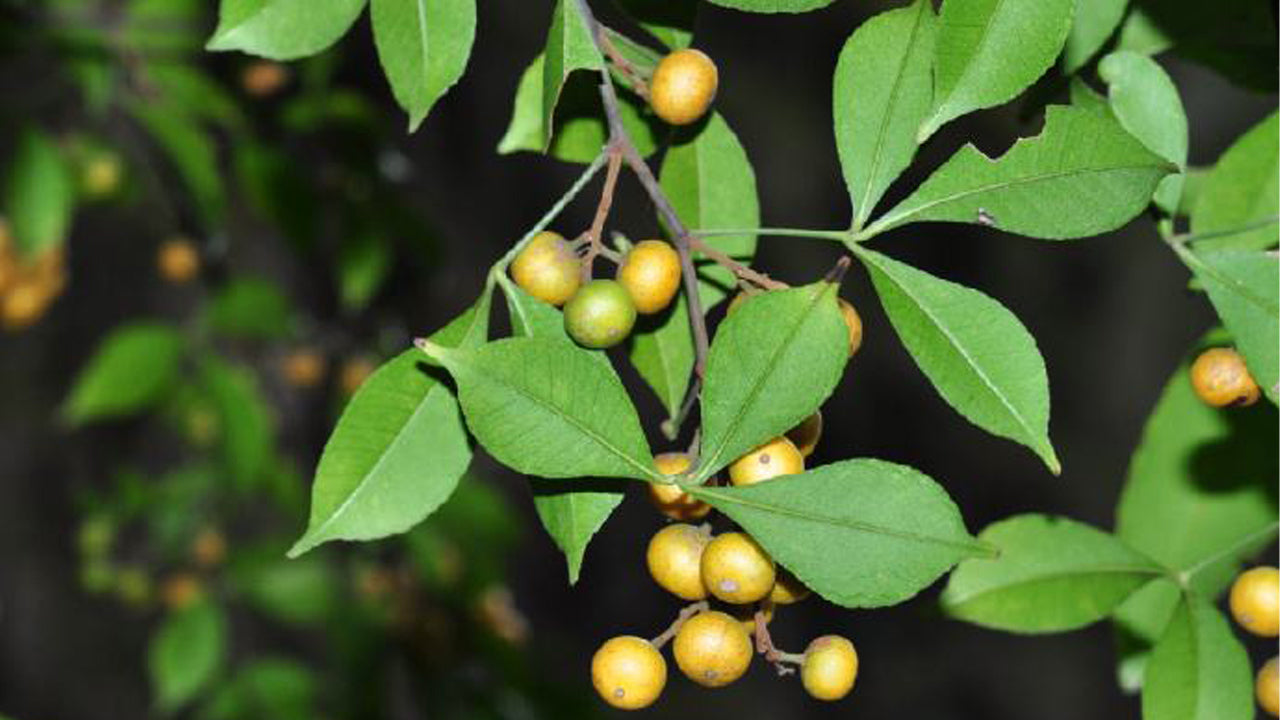
Orange climber
Toddlia asiatica -
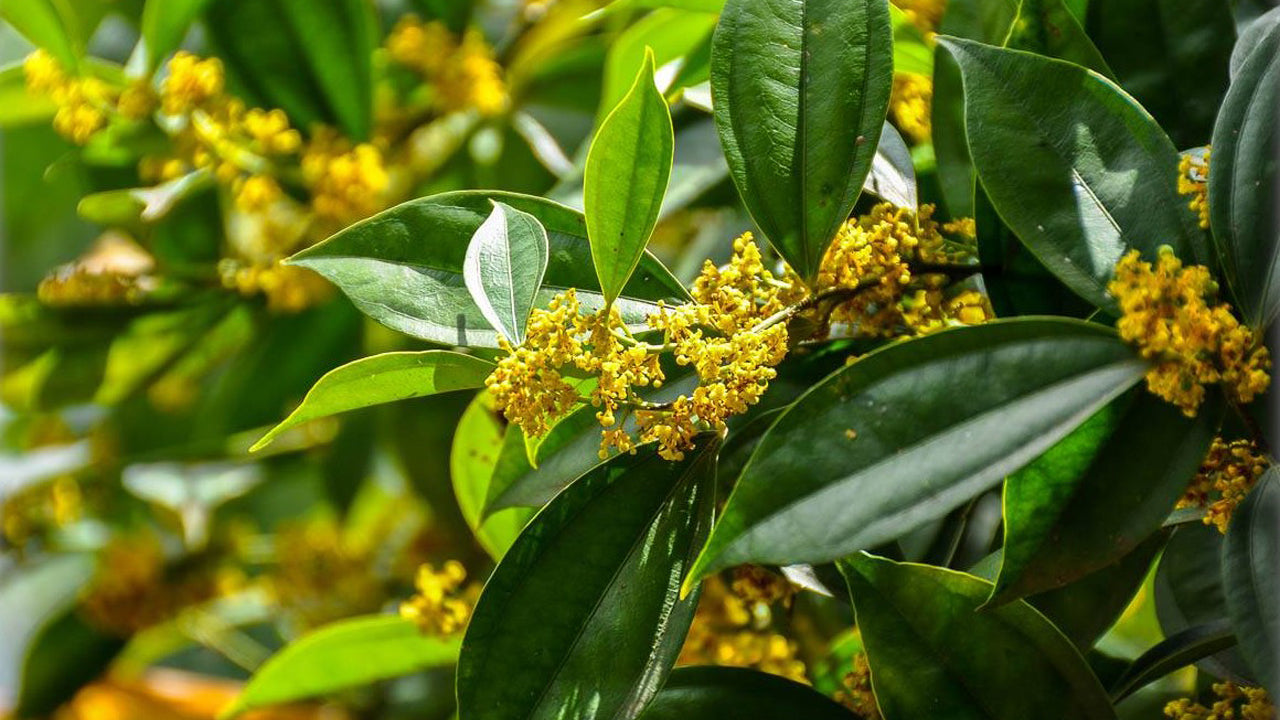
Ceylon cinnamon
Cinnamomum zeylanicum -
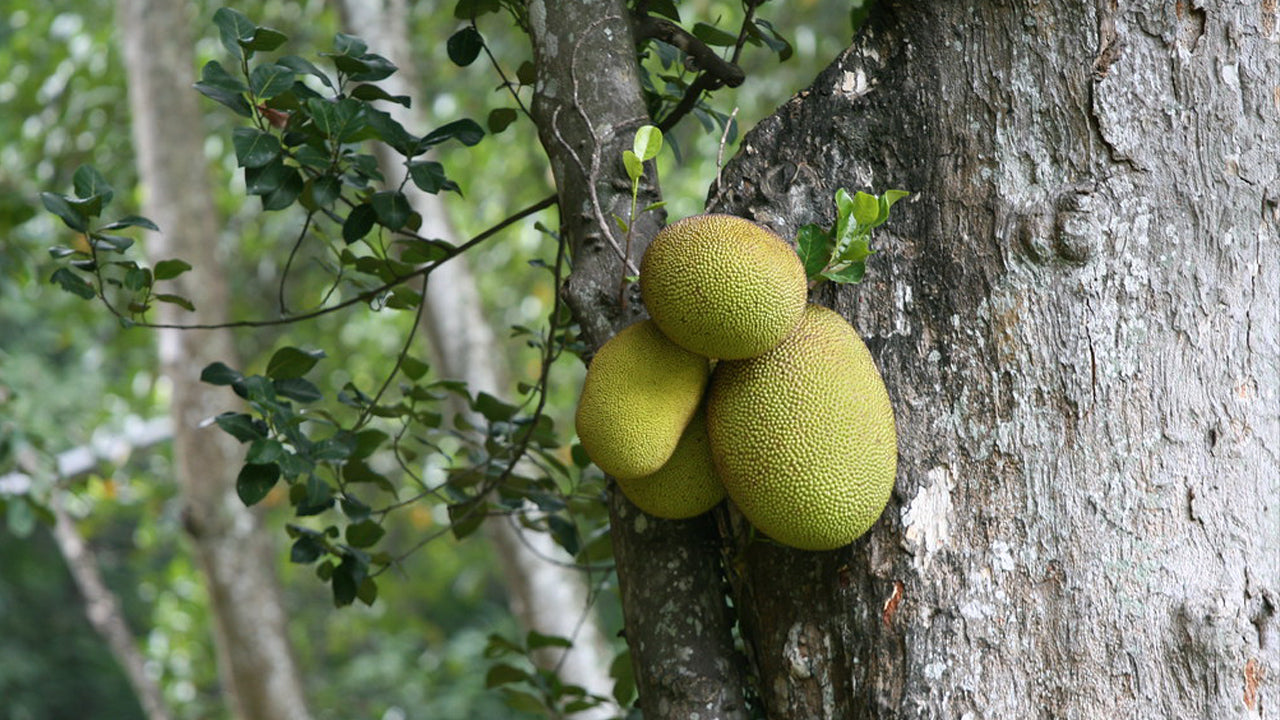
Jackfruit
Artocarpus heterophyllus -
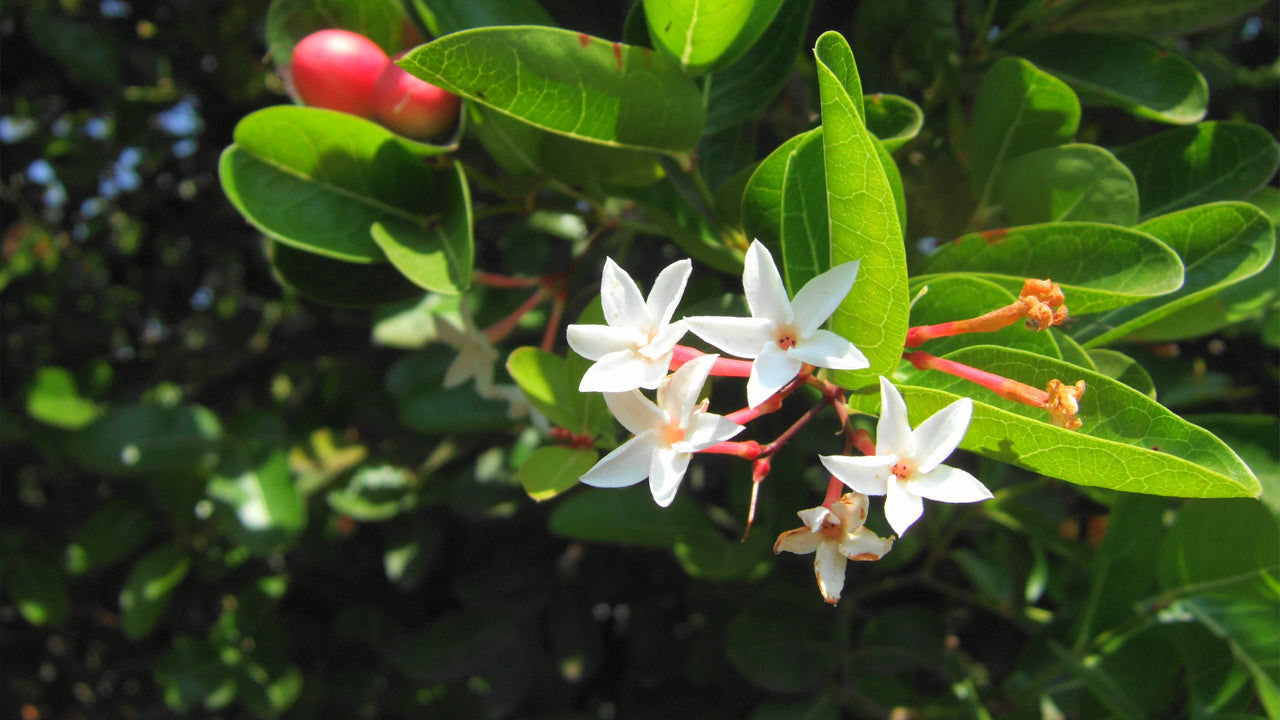
Karonda
Carissa carandas -
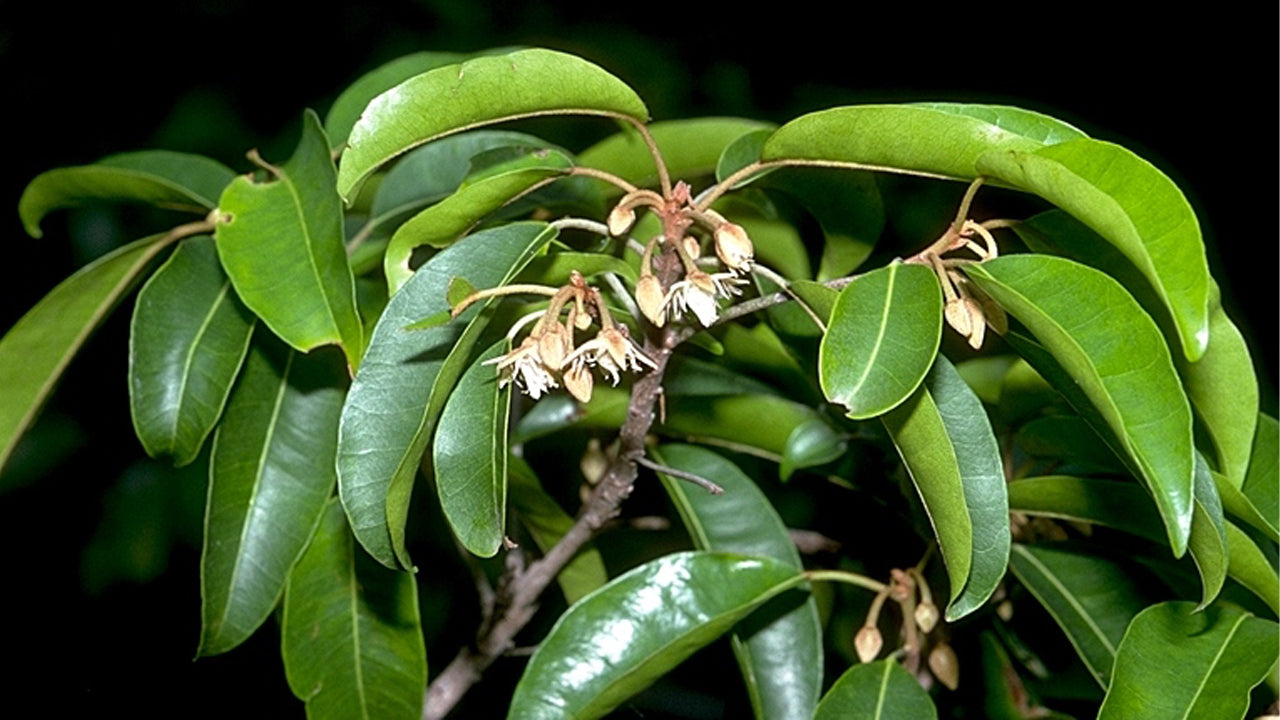
Spanish cherry
Mimusops elengi -
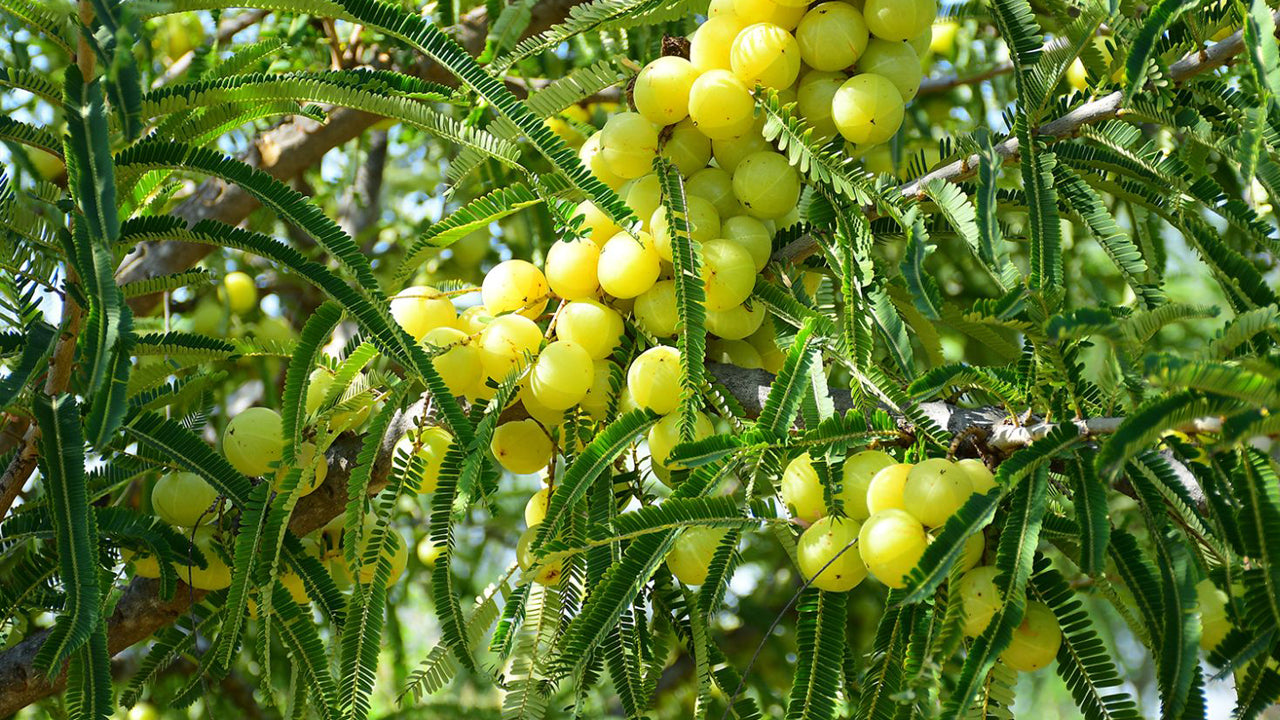
Indian gooseberry
Phyltanthus emblica -
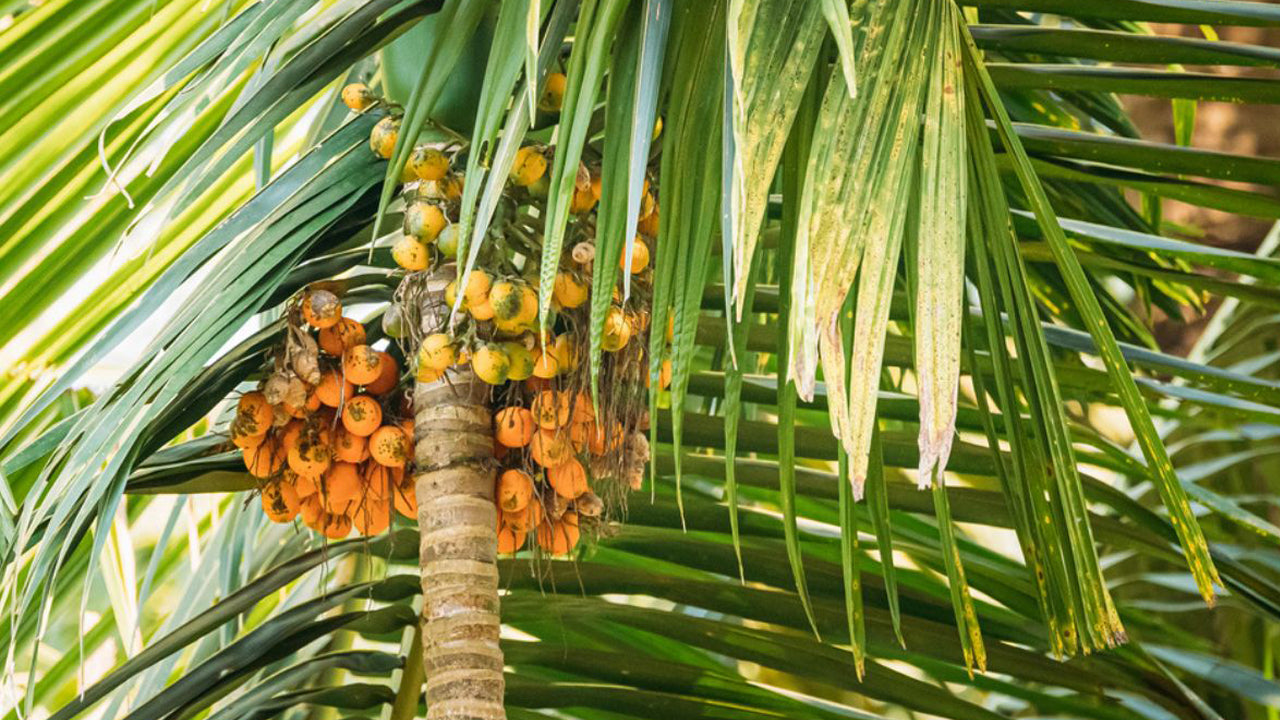
Betel palm
Areca catechu -
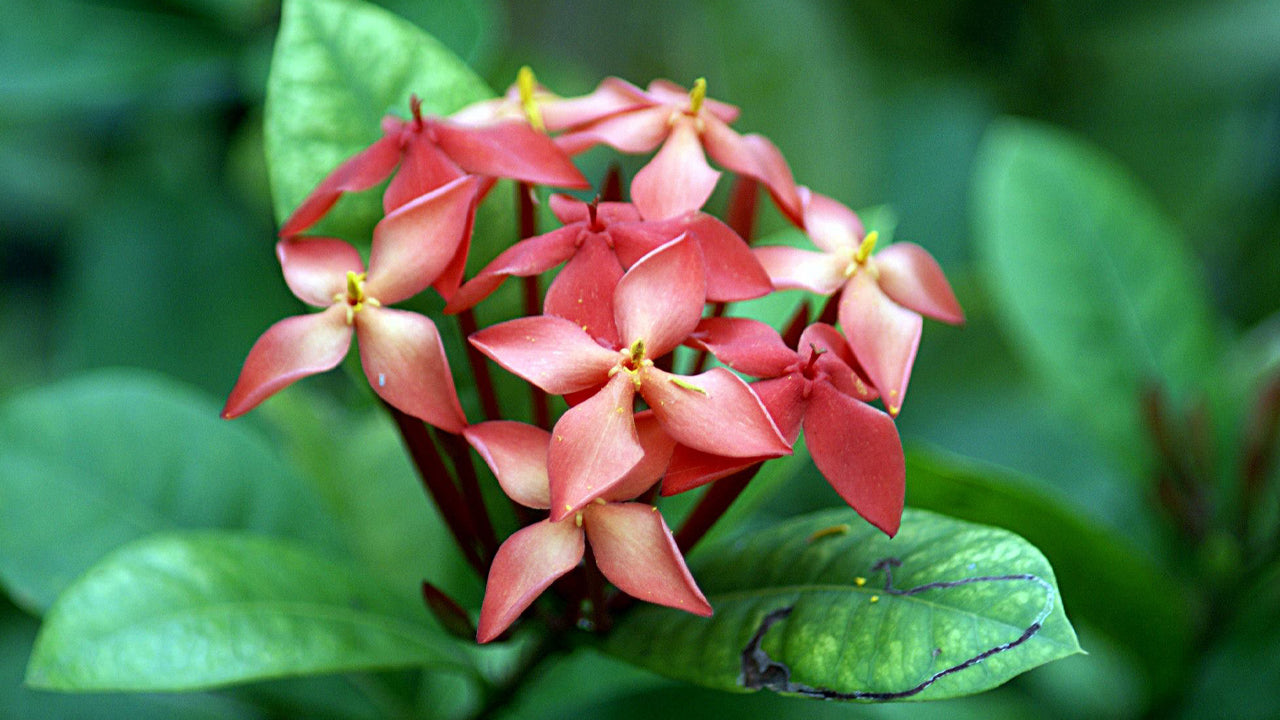
Jungle geranium
Ixora coccinea -
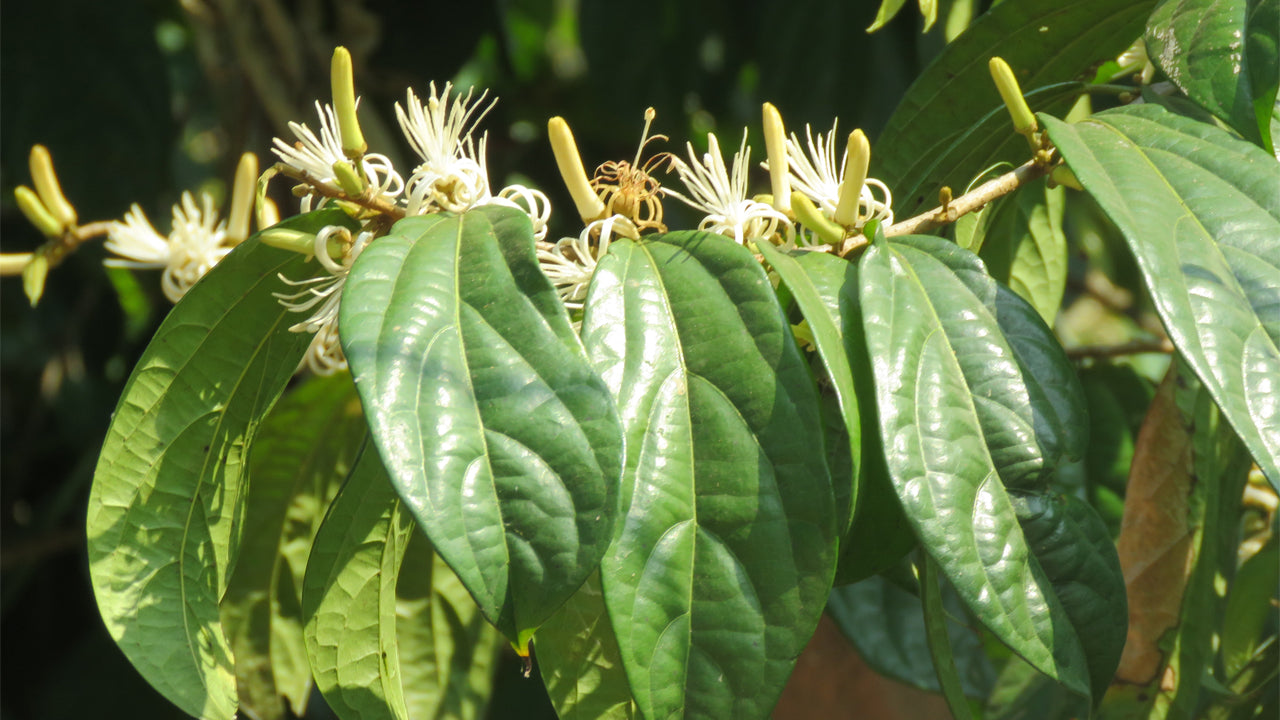
Sage-leaved alangium
Alangium salviifolium -
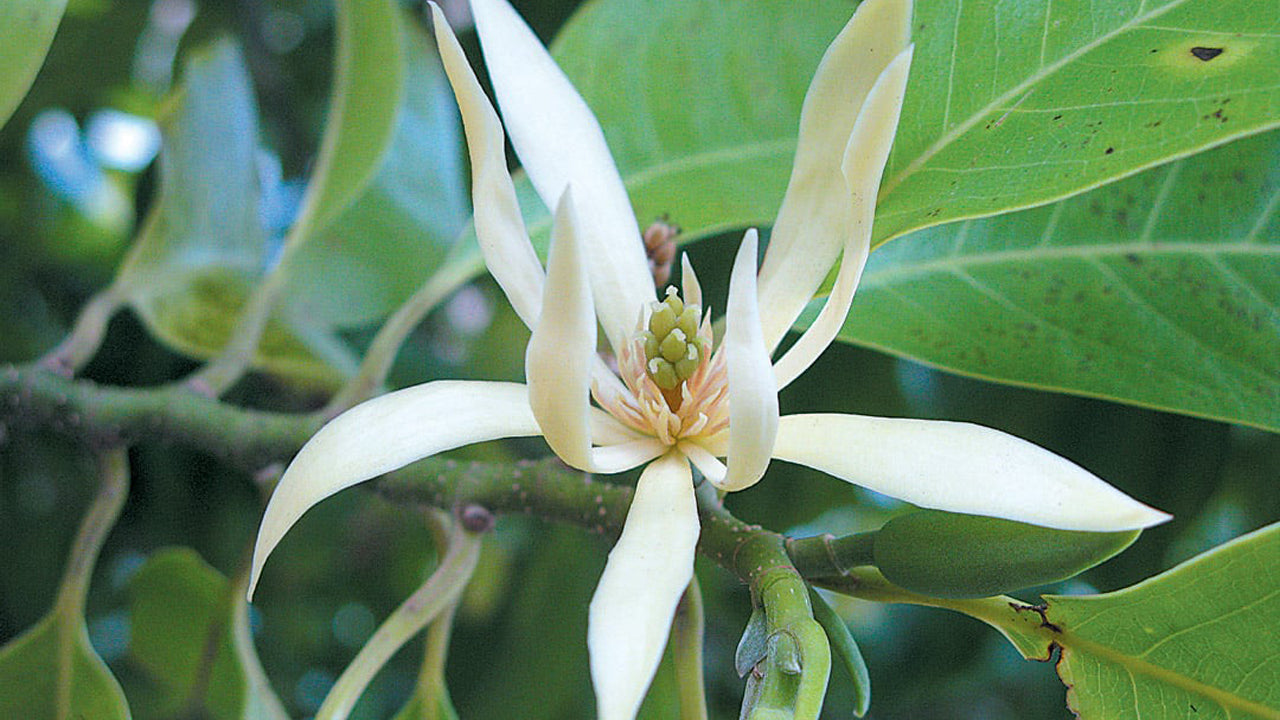
Champak
Michelia champaca -
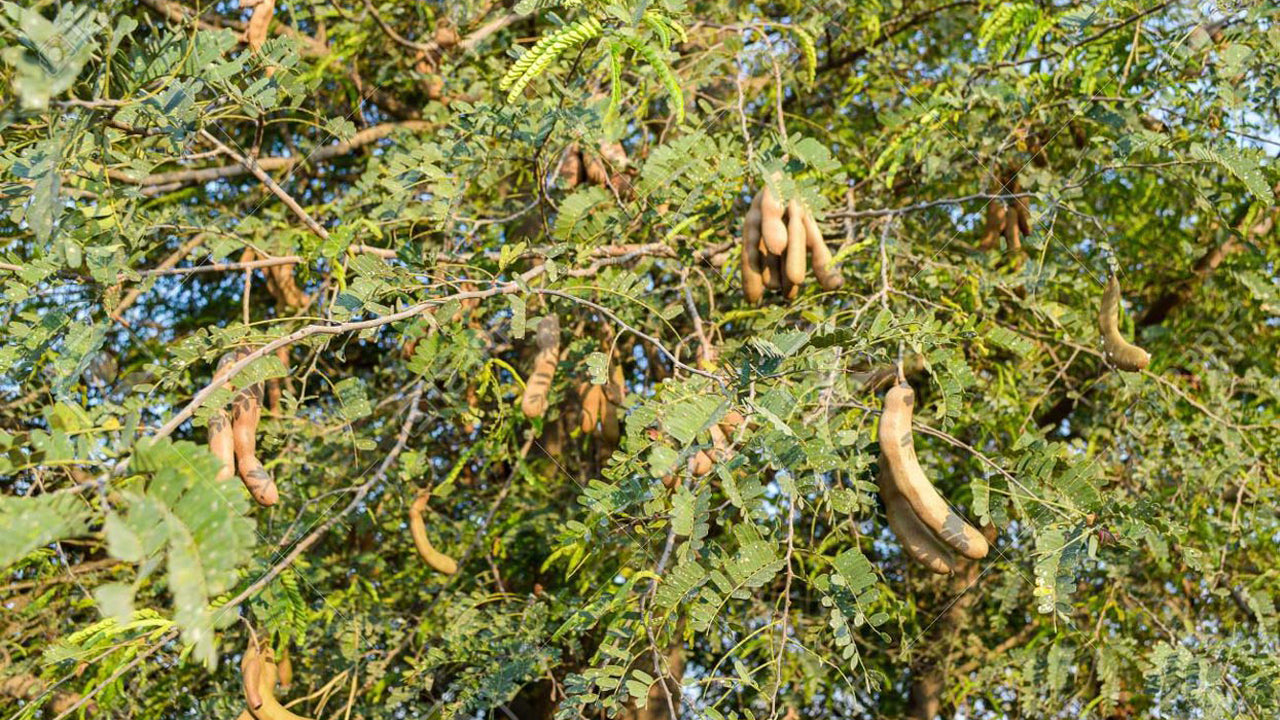
Tamarind
Tamarindus indica -
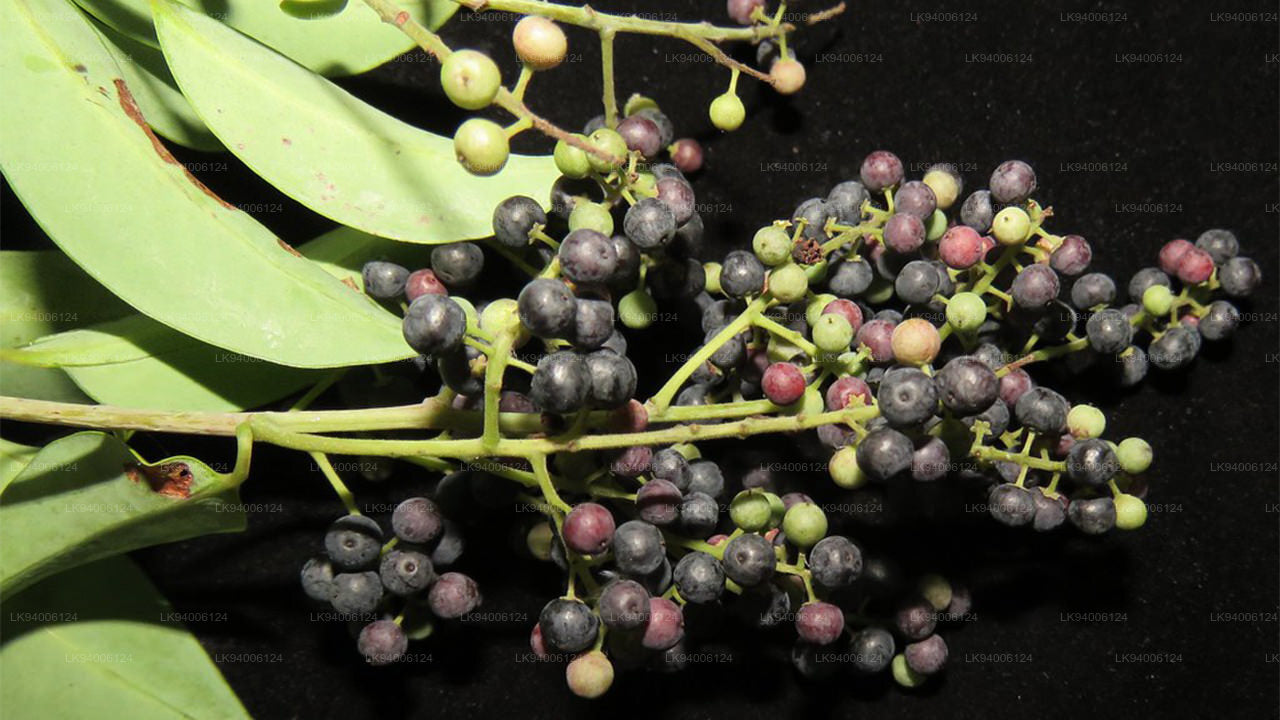
False Black Pepper
Embelia ribes -
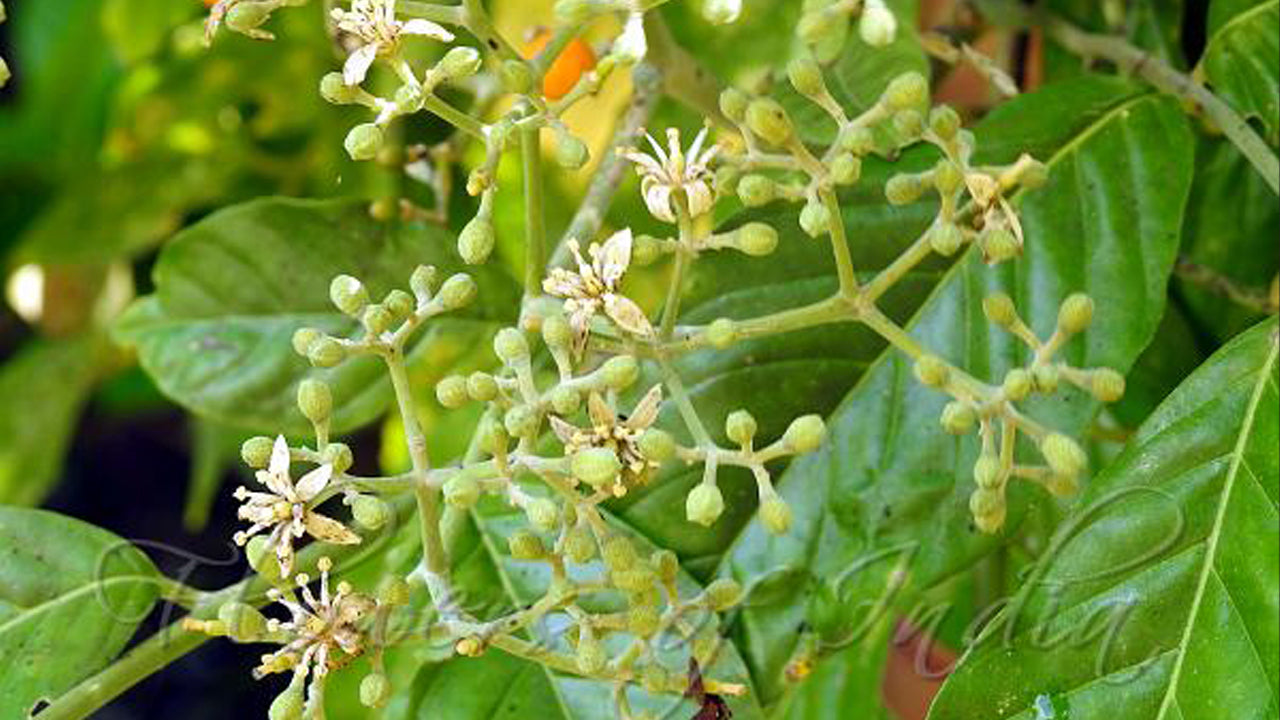
Limeberry
Micromelum ceylanicum -
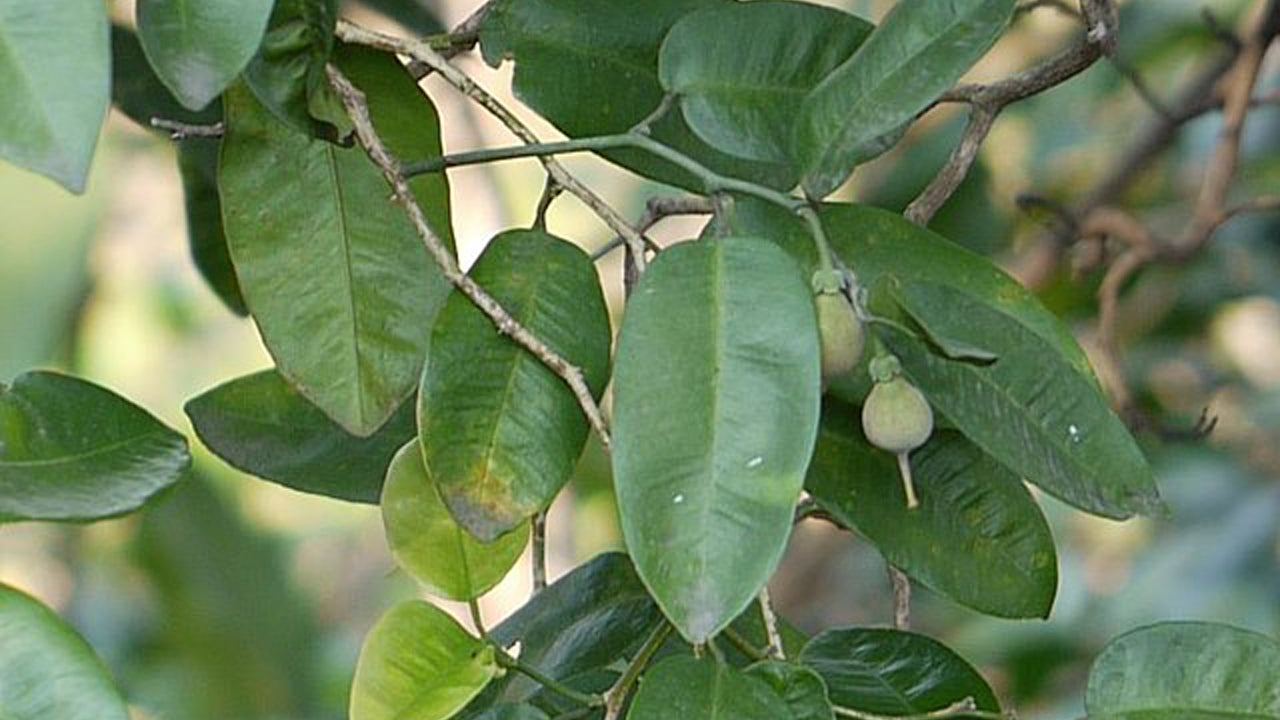
Climbing Atalantia
Paramignya monophylla



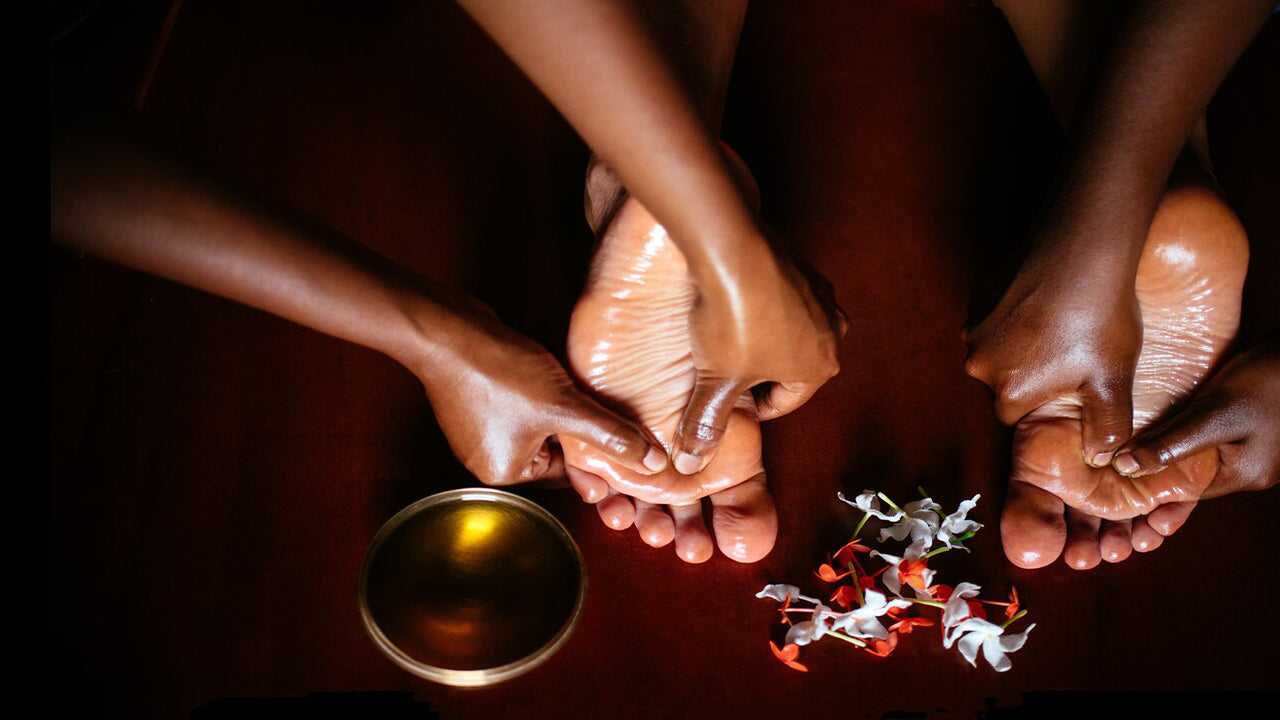

Ayurvedic and Herbal
-
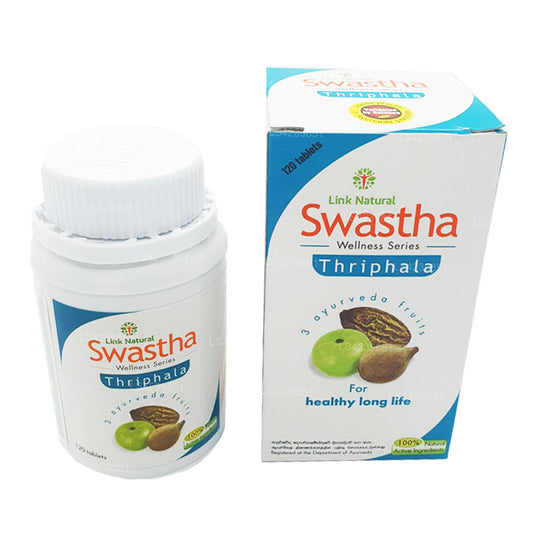 Aanbieding
Link Swastha Thriphala (30 tabletten)
Normale prijs Vanaf $1.74 USDNormale prijs$1.93 USDAanbiedingsprijs Vanaf $1.74 USDAanbieding -
 Aanbieding
Setsuwa Pranajeeva Olie
Normale prijs Vanaf $3.85 USDNormale prijs$4.28 USDAanbiedingsprijs Vanaf $3.85 USDAanbieding -
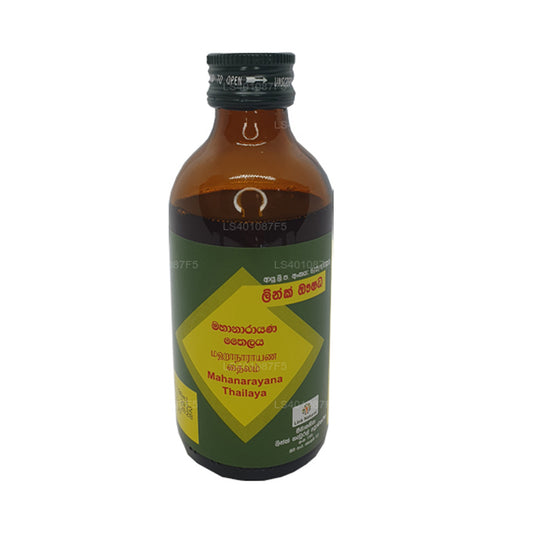 Aanbieding
Link Mahanarayana Olie
Normale prijs Vanaf $0.93 USDNormale prijs$1.11 USDAanbiedingsprijs Vanaf $0.93 USDAanbieding -
 Aanbieding
Link Sudarshana Tabletten
Normale prijs Vanaf $3.70 USDNormale prijs$4.11 USDAanbiedingsprijs Vanaf $3.70 USDAanbieding