Lakpura
Lakpura®

Village Life

Behind Sri Lanka's famous temples, tea estates, and wildlife parks lies a quieter world that many travellers never reach: the village. Life here moves at a different pace. Paths are unpaved, meals are cooked over wood fires, and a stranger arriving at the gate is more likely to be offered tea than ignored. For visitors who take the time to step off the main road, a Sri Lankan village tour can be one of the most genuinely memorable parts of an island trip.

What does village life in Sri Lanka actually look like?

The rhythms of a Sri Lankan village are tied closely to agriculture, religion, and community. Most rural households cultivate a small plot — paddy (rice) is the staple crop across the wet and dry zones, while coconut, vegetables, and spices fill the kitchen garden. The day begins early: farmers head to the fields before the heat builds, women prepare breakfast over clay stoves, and children walk to the local school or dhamma school in their white uniforms.

The Buddhist temple is usually the social centre of the village, and the rhythm of the lunar calendar — poya days, alms-giving, seasonal festivals — shapes the week more than any clock. Visitors who arrive with curiosity rather than a camera held at arm's length tend to find doors open naturally.

Where can I experience authentic village life in Sri Lanka?

Village experiences are scattered across the island, but a few locations are particularly well suited to guided visits.

  • Hiriwadunna, Dambulla area — A dry-zone village about 156 km from Colombo, close to the Kandalama reservoir. The typical visit includes a bullock-cart ride along dirt tracks through rice paddies to Hiriwadunna Lake, followed by a catamaran trip on the water. The lake supports a range of dry-zone birdlife, and the surrounding marshland and vegetable plots give a clear picture of how local farmers organise their land. It is an unhurried, quietly absorbing few hours.
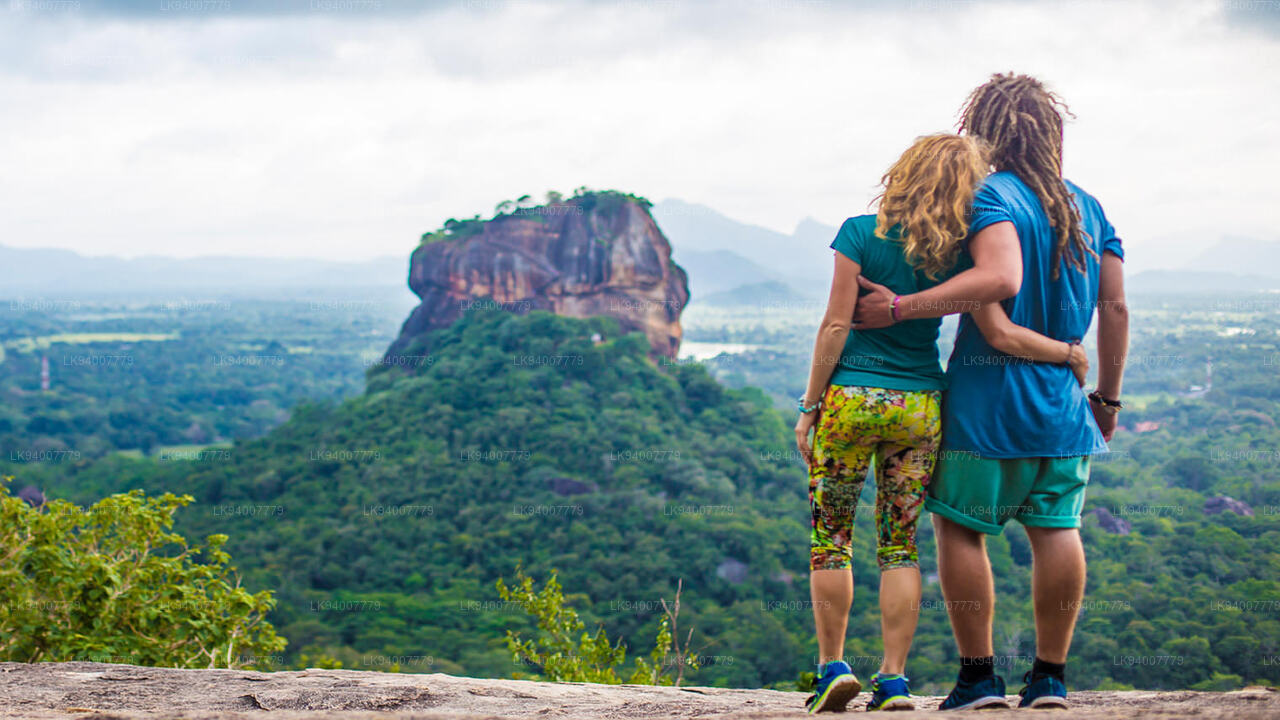
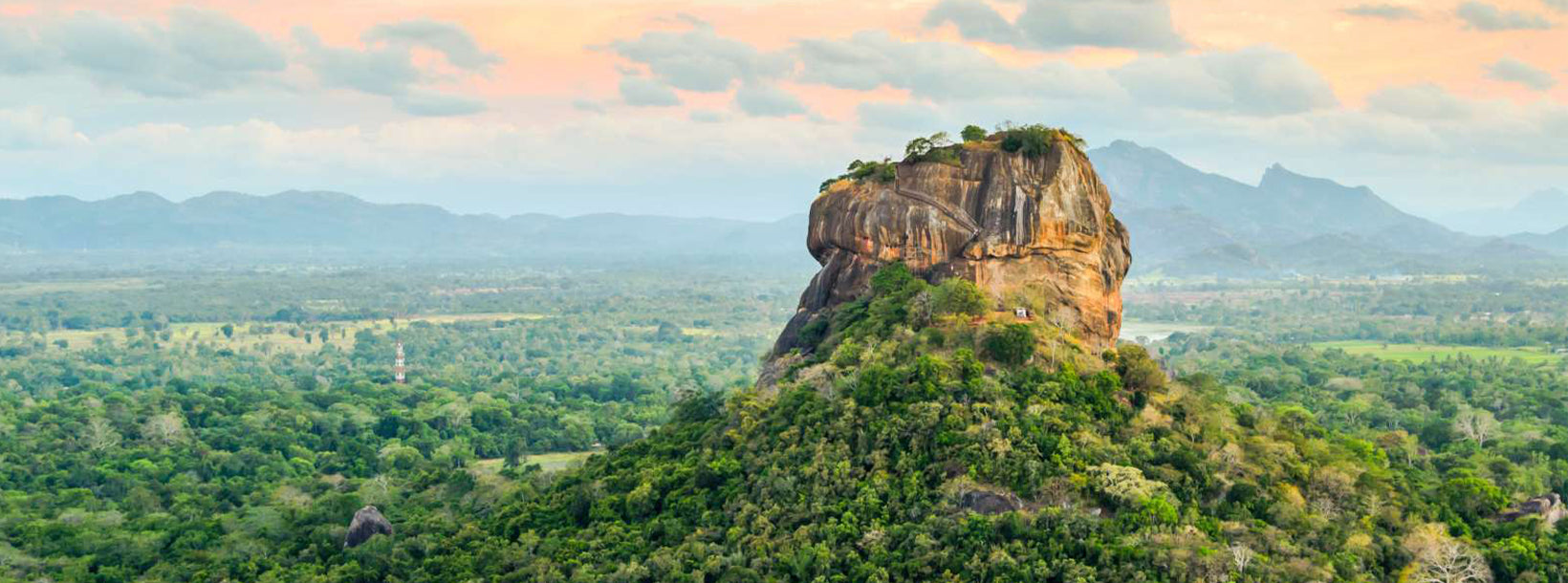
  • Sigiriya Village — Villages around Sigiriya sit within the Cultural Triangle and offer a distinct dry-zone character. Local guides here can walk you through chena (slash-and-burn) cultivation plots, introduce you to traditional beekeeping, and explain how communities have farmed in the shadow of the rock fortress for centuries. The Singhagiri Village Tour is a structured way to experience this area.
  • Hill-country villages near Kandy and Ella — The central highlands produce a different version of village life. Small-holder tea plots climb the hillsides, and many families supplement farming income through cinnamon, pepper, and cardamom cultivation. A home visit in this region often includes a demonstration of how spices are harvested and dried before being sold to cooperative buyers.
  • Coastal and lagoon-side villages — In areas like the Balapitiya estuary near the Madu Ganga wetland, fishing communities live partly on the water. Their income comes from net fishing, cinnamon peeling, and small-scale boat building — a very different set of daily skills from those found inland.

What activities are typically included in a village tour?

The best village experiences are participatory, not performative. Operators who do this well integrate visitors into tasks rather than staging scenes for them. Activities that commonly feature include:

  1. Bullock-cart or tuk-tuk rides through farmland and along irrigation channels — a slower way to cover ground that encourages you to notice things
  2. Paddy field walks — learning to identify rice varieties, understanding the tank-irrigation system (called the wewa) that has sustained dry-zone farming for two millennia
  3. Cooking demonstrations — watching (or helping with) a traditional lunch prepared on a clay hearth, often including a freshly made kokis or a simple curry ground with a stone mortar
  4. Catamarans and coracles on village tanks — particularly at Hiriwadunna, where the lake circuit takes in open water, reed beds, and the farmland edge simultaneously
  5. Visits to local craftspeople — mat weavers, coir rope makers, potters, and kitul palm tappers who produce the raw treacle used in many Sri Lankan sweets
  6. Temple visits — a brief call at the village temple, where monks may be happy to talk about monastic life, is a natural part of most village circuits

How is village food different from restaurant Sri Lankan cuisine?

Village cooking is plainer and more seasonal than anything served in a hotel. A typical home meal in a rural Sri Lankan house is rice with two or three small curries — usually a dhal, a scraped coconut sambol, and whatever vegetable or leaf curry the garden provides that week. Fish is common near the coast and around large tanks; dried fish (umbalakada) is the protein of choice further inland. Spice levels vary by region but tend to be gentler than the versions prepared for export.

Sitting on a mat or low stool in a village courtyard and eating a meal assembled from ingredients grown within walking distance is a straightforwardly good experience that most travellers remember long after the hotel buffets blur together. If your guide has arranged a home lunch in advance, it is polite to eat with your right hand and to accept a second helping when offered.

When is the best time to visit Sri Lankan villages?

Village life is accessible year-round, but the season shapes what you will see. The post-harvest months — roughly January to March in the dry zone and April to May in parts of the hill country — are particularly photogenic, with grain spread on mats to dry and bullock carts loaded with produce moving between farms. The planting season that follows the maha rains (roughly October to December in much of the country) offers the chance to see paddy fields in their most intensely green state. Avoid visiting during afternoon heat in the dry zone; mid-morning starts suit the schedule of village life better anyway.

How do I get to Hiriwadunna from Colombo or Kandy?

Hiriwadunna lies around 156 km from Colombo and roughly 70 km from Kandy. Most visitors reach it as part of a Cultural Triangle itinerary that also takes in Sigiriya or Polonnaruwa. The nearest town is Dambulla, from which Hiriwadunna is a short drive along a gravel road. There is no regular public bus service to the village itself, so arranging private transport in advance is practical rather than optional.

Is a guided village tour worth it, or can I explore independently?

Independent wandering through Sri Lankan villages is possible and can be rewarding, but a local guide adds layers that are difficult to replicate alone. A good guide translates not just language but context — explaining why a particular field is planted in a certain pattern, introducing you to a family by name rather than as a stranger at the gate, and navigating the unspoken protocols around entering a temple or a home. For a first visit especially, a half-day guided tour is a more efficient use of time and a more respectful way to engage with communities that have limited experience of casual tourist traffic.

Several Lakpura village experiences — including tours from Kandy and the Sigiriya area — are led by guides who grew up in or near the villages they show. That local knowledge makes a significant difference to what you actually learn on the day.

Book this experience with Lakpura

Curated by our local team. Direct booking, instant confirmation.

Ask Lakpura® Agent