테르미날리아 체불라(아랄루)


Terminalia chebula는 산스크리트어로 하리타키(Haritaki), 싱할라어로 아랄루(Aralu), 영어로 미로발란(Myrobalan)으로 알려진 콤브레타과(Combretaceae)에 속하는 낙엽교목입니다. 남아시아가 원산지이며 인도, 스리랑카, 네팔 및 동남아시아의 다른 지역에 널리 분포합니다. 이 나무는 아유르베다, 싯다(Siddha), 유나니(Unani)와 같은 전통 의학 시스템에서 수많은 건강상의 이점으로 인해 높이 평가됩니다.
식물학적 설명
- 학명: Terminalia chebula
- 과: Combretaceae
- 일반 이름: 아랄루(싱할라어), 하리타키(산스크리트어), 미로발란(영어)
- 서식지: 이 나무는 열대 및 아열대 지역에서 잘 자라며, 종종 낙엽수림과 강둑을 따라 발견됩니다.
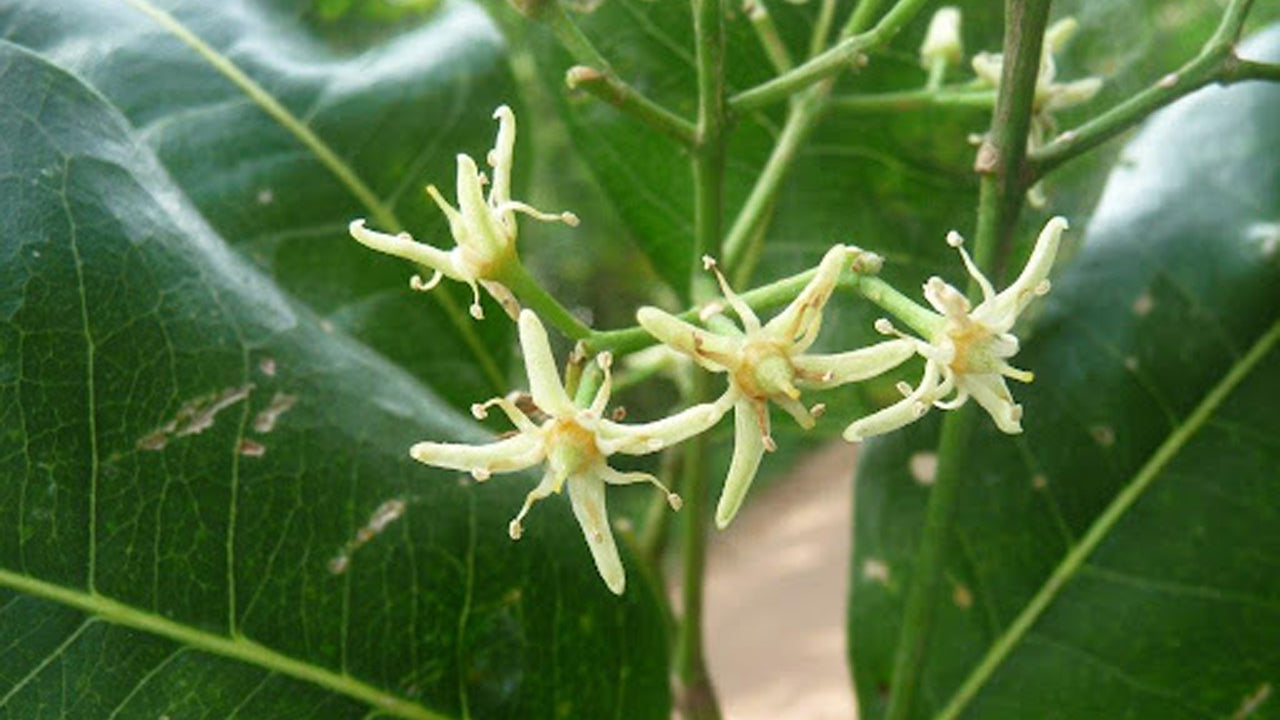
나무는 높이 30미터까지 자랄 수 있으며 특징적인 둥근 수관을 가지고 있습니다. 나무 껍질은 짙은 갈색이고 종종 갈라져 있습니다. 잎은 타원형이고 짙은 녹색이며 마주나기를 합니다. 이 나무는 황백색의 작은 꽃들이 정수리 이삭에 모여 피어납니다. 약용 목적으로 사용되는 주요 부위인 열매는 핵과로, 익으면 노란색에서 주황갈색을 띠며 내부에 하나의 씨앗이 들어 있습니다.
전통적 용도
아유르베다 및 싯다 의학:
- 소화기 건강: 아랄루는 완하제 성질이 있어 변비 치료와 규칙적인 배변 촉진에 유익합니다.
- 해독: 소화 시스템을 정화하고 체내 독소를 제거하는 강력한 해독제로 간주됩니다.
- 호흡기 건강: 기침, 천식, 인후통과 같은 호흡기 질환 치료에 사용됩니다.
- 면역 체계: 정기적인 섭취는 면역 체계를 강화하여 신체가 감염에 저항하도록 돕는 것으로 여겨집니다.
- 항염증: 아랄루에는 항염증 특성이 있어 관절염 및 기타 염증성 장애와 같은 상태를 완화하는 데 도움이 될 수 있습니다.
- 피부 건강: 국소적으로 바르면 상처, 궤양 및 진균 감염과 같은 피부 질환 치료에 도움이 될 수 있습니다.
현대 의학 연구
현대 연구는 Terminalia chebula의 많은 전통적 용도를 뒷받침했습니다. 주요 발견 사항은 다음과 같습니다:
- 항산화 특성: 열매는 탄닌과 기타 페놀 화합물이 풍부하여 강력한 항산화 특성을 가지며 세포를 산화 스트레스로부터 보호합니다.
- 항균 활성: 연구에 따르면 열매 추출물은 다양한 박테리아, 진균 및 바이러스에 대해 상당한 항균 활성을 나타냅니다.
- 항당뇨 효과: 아랄루가 혈당 수치를 조절하는 데 도움이 될 수 있다는 증거가 있어 당뇨병 관리에 잠재적으로 유용합니다.
- 심혈관 건강: 항산화 및 항염증 특성은 콜레스테롤 수치를 낮추고 혈관 기능을 개선하여 심장병으로부터 보호하는 데 도움이 될 수 있습니다.
요리 용도


-
Claw-flowered laurel
Acronychia pedunculata -
Bael
Aegle marmelos -
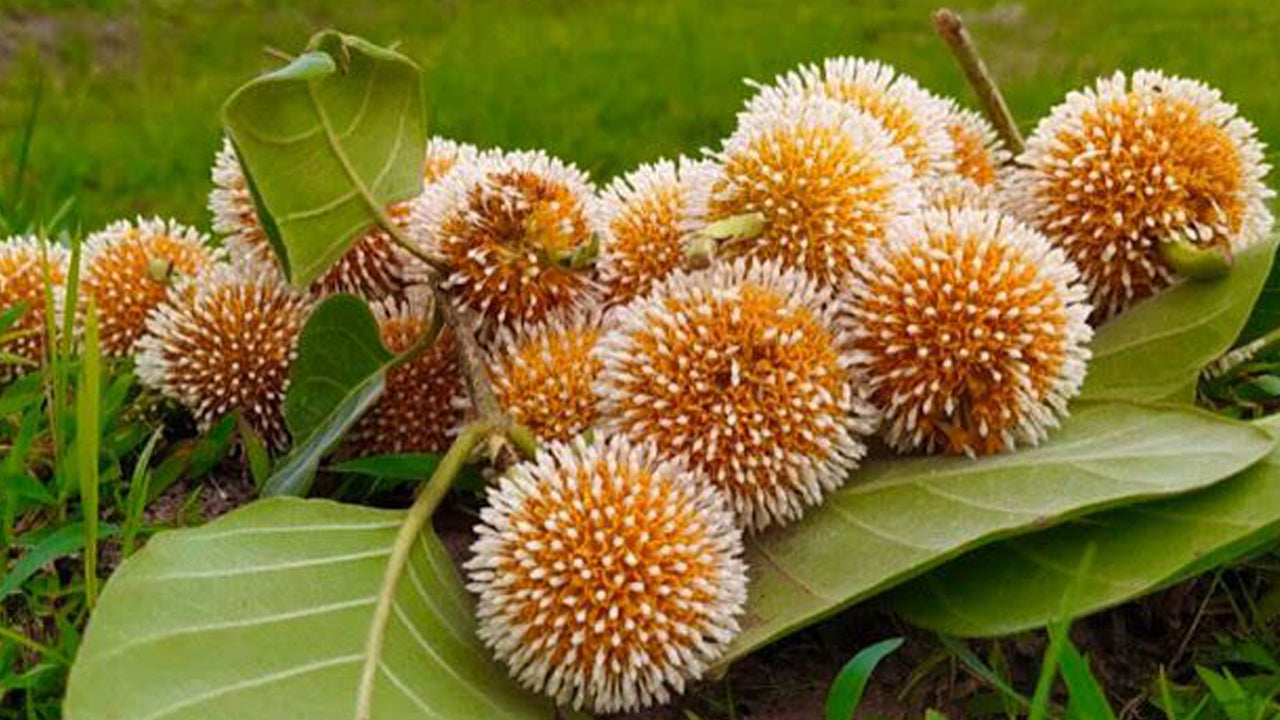
Leichhardt tree
Nauclea orientalis -
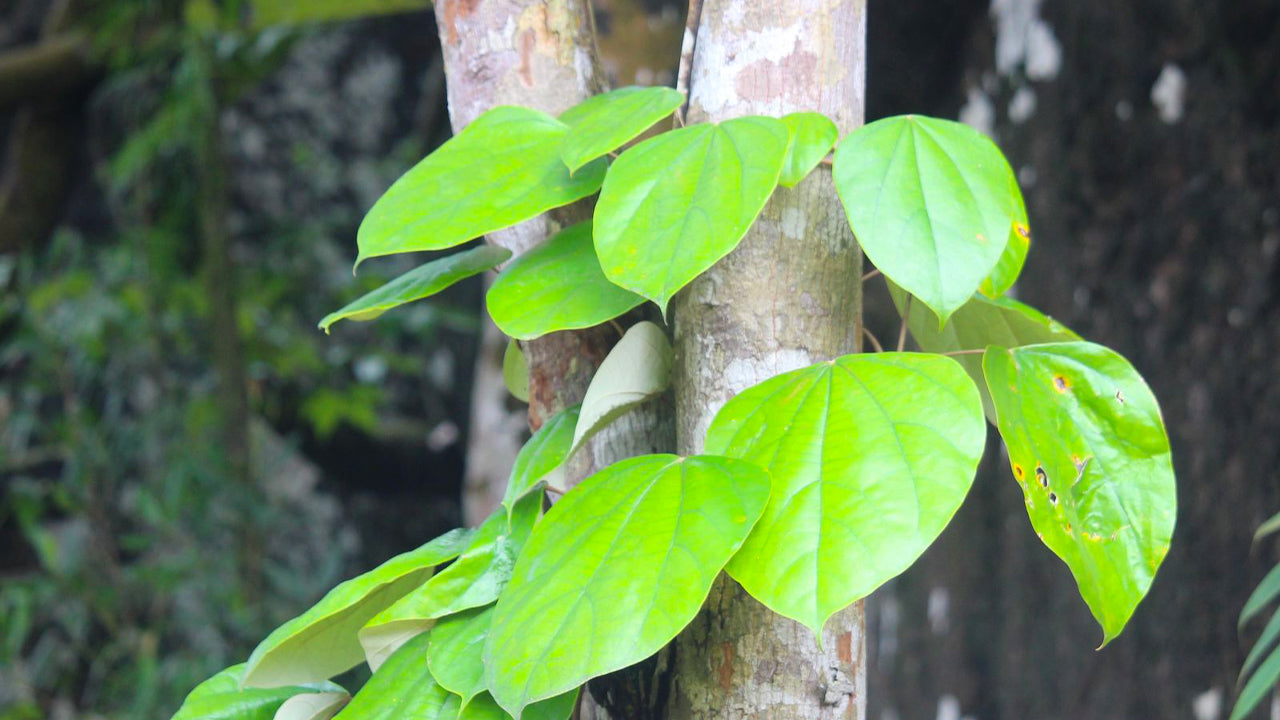
False Calumba
Coscinium fenestratum -

Malabar Gulbel
Tinospora malabarica -
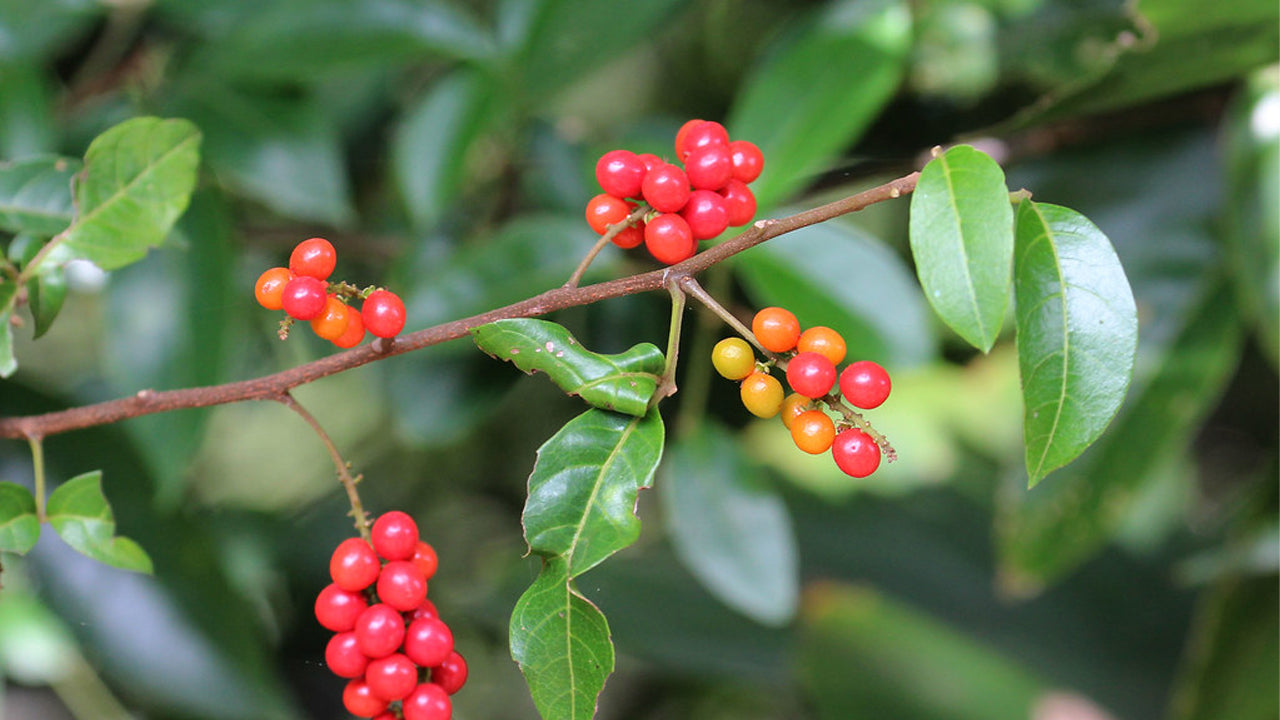
Titberry
Allophylus cobbe -
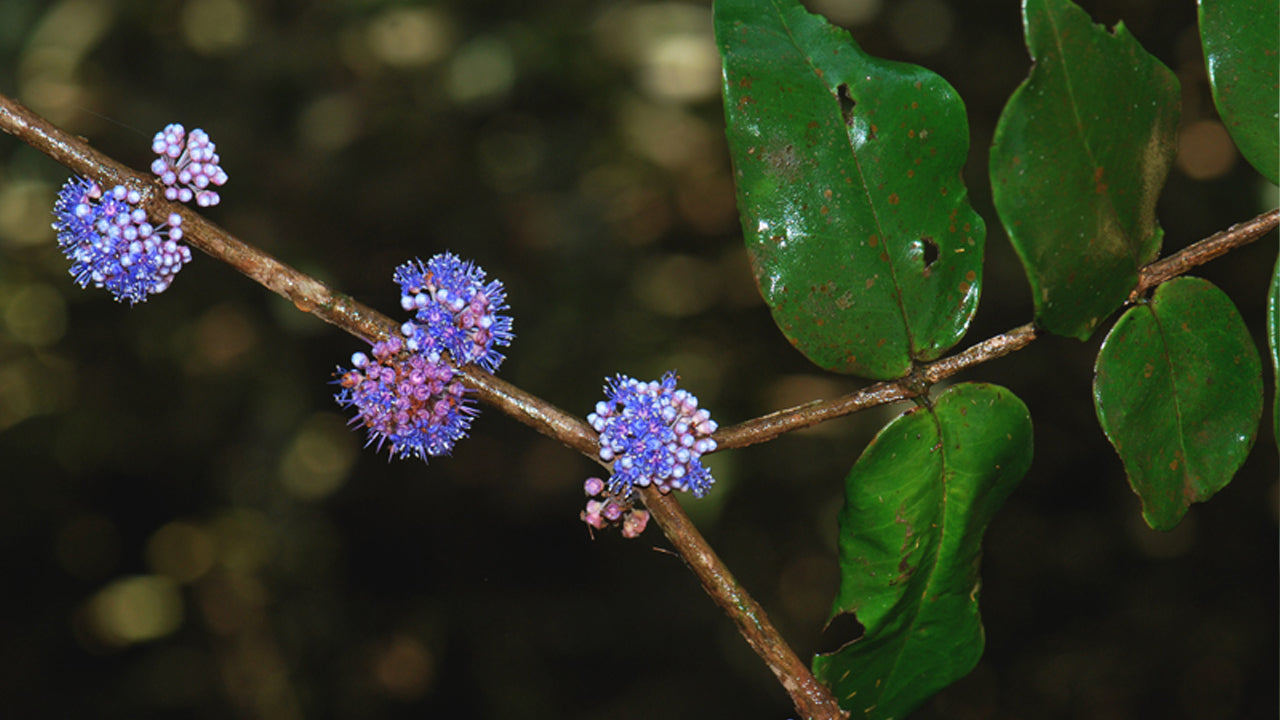
Ironwood Tree
Memecylon capitellatum -
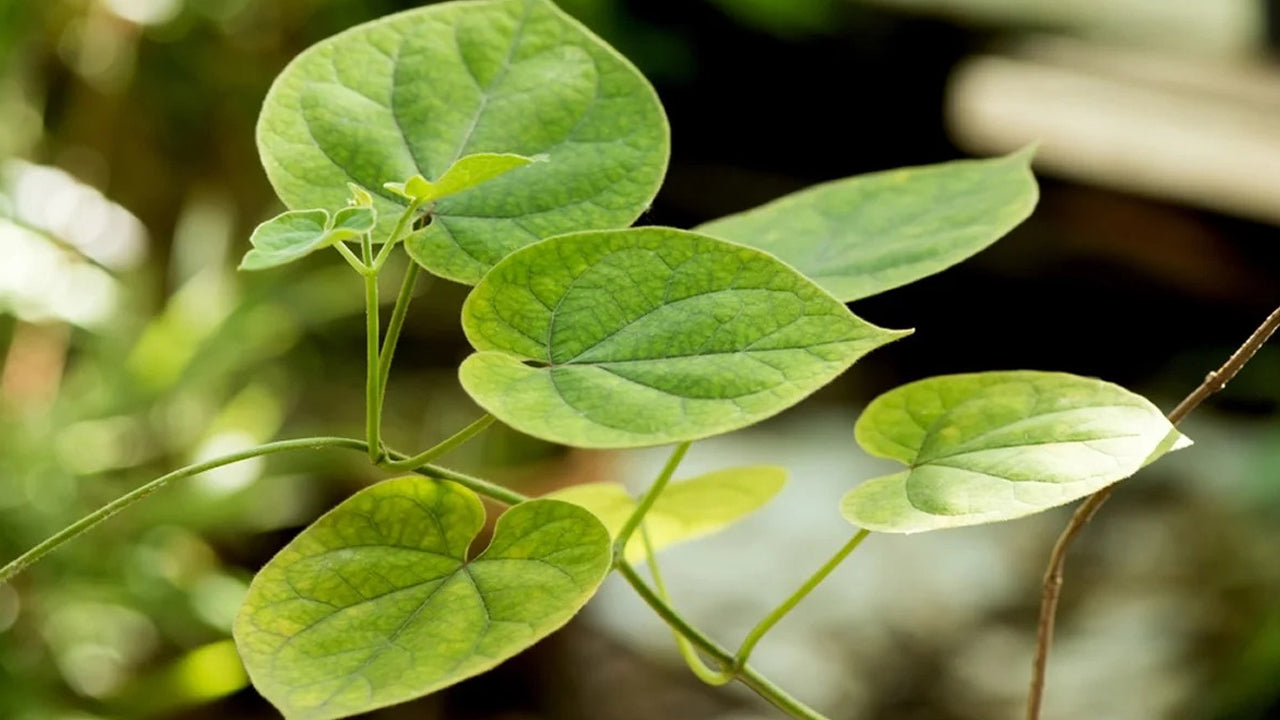
Velvet Leaf
Cissampelos pareira -
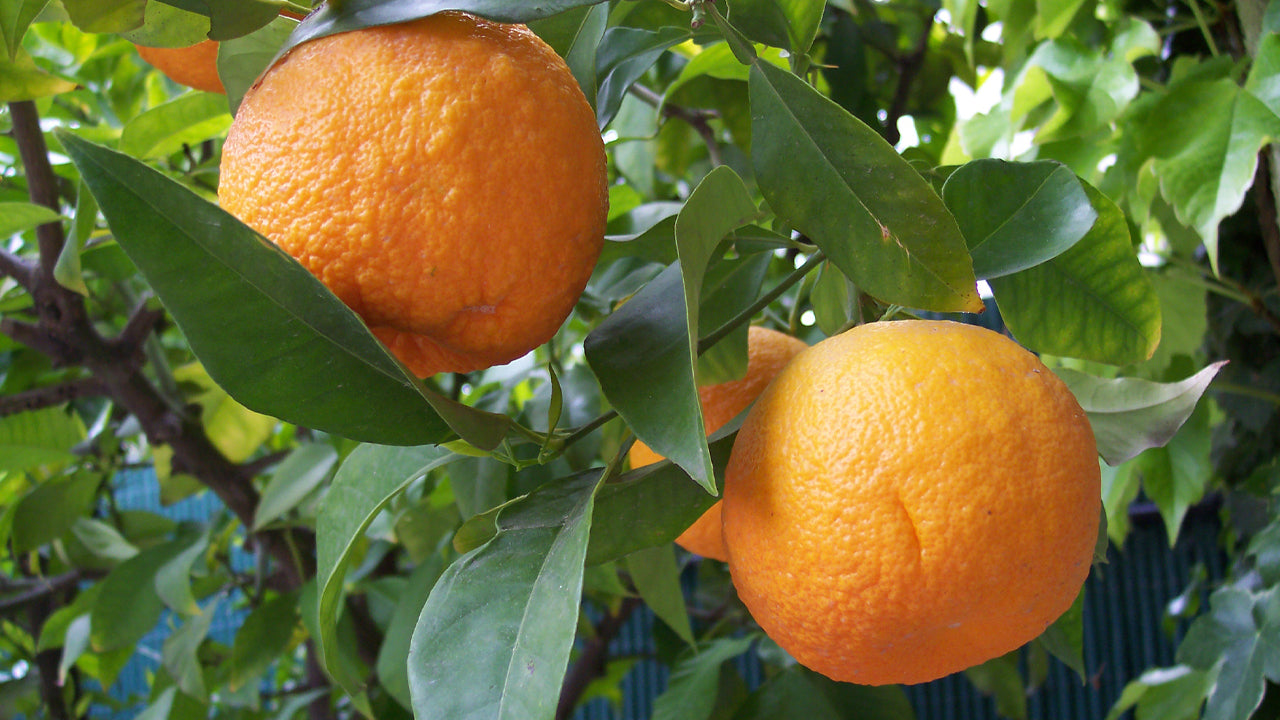
Bitter orange
Citrus aurantium -

Reinwardt's Tree Plant
Biophytun reinward -
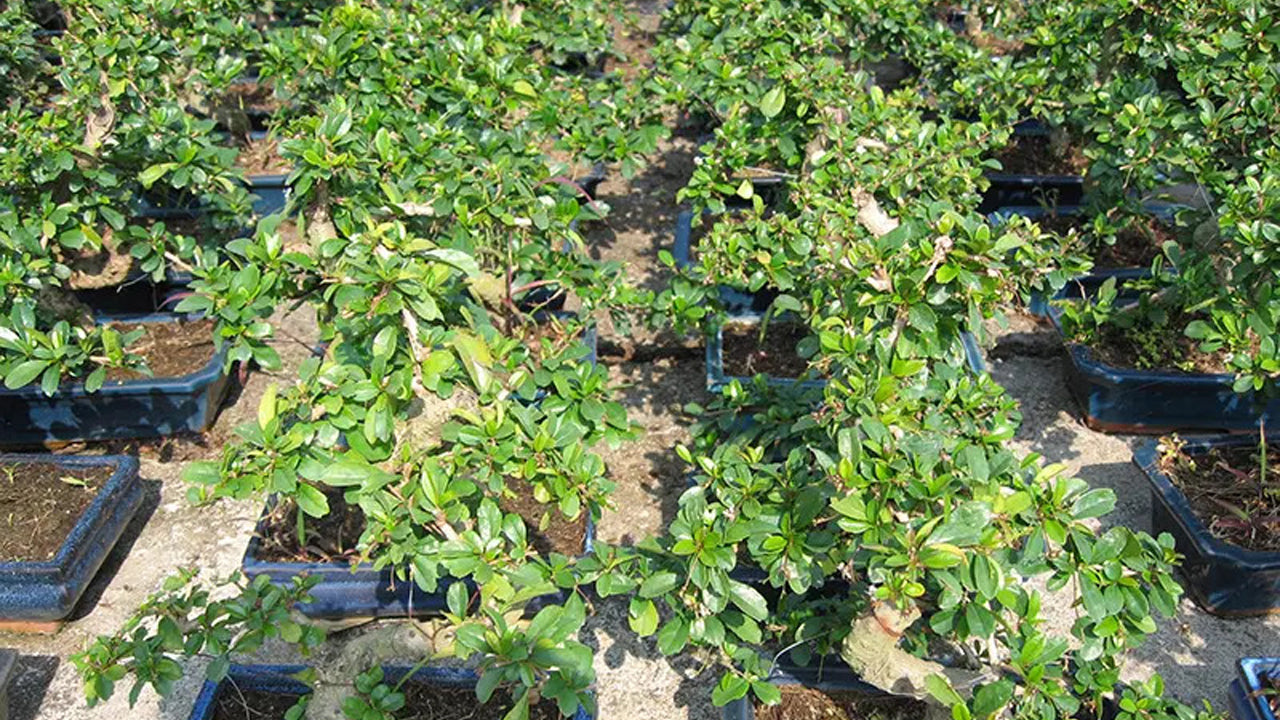
Fukien tea
Carmona microphylla -
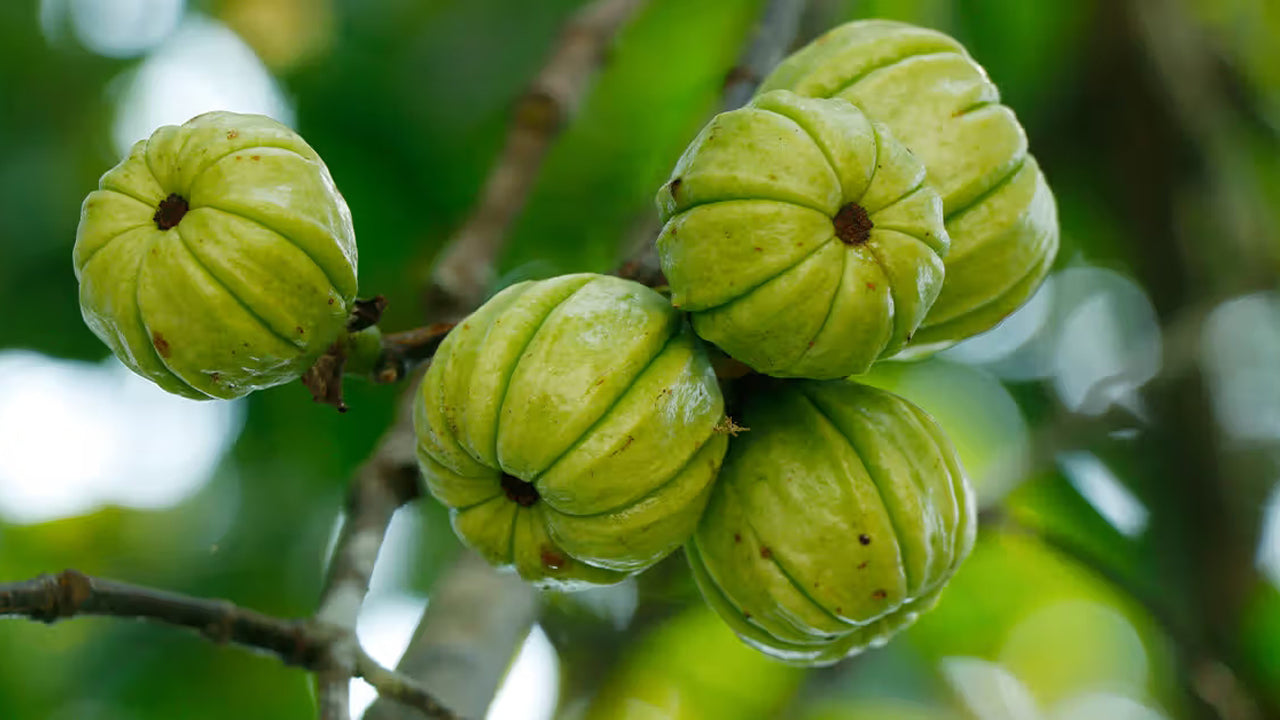
Malabar tamarind
Garcinia cambogia -
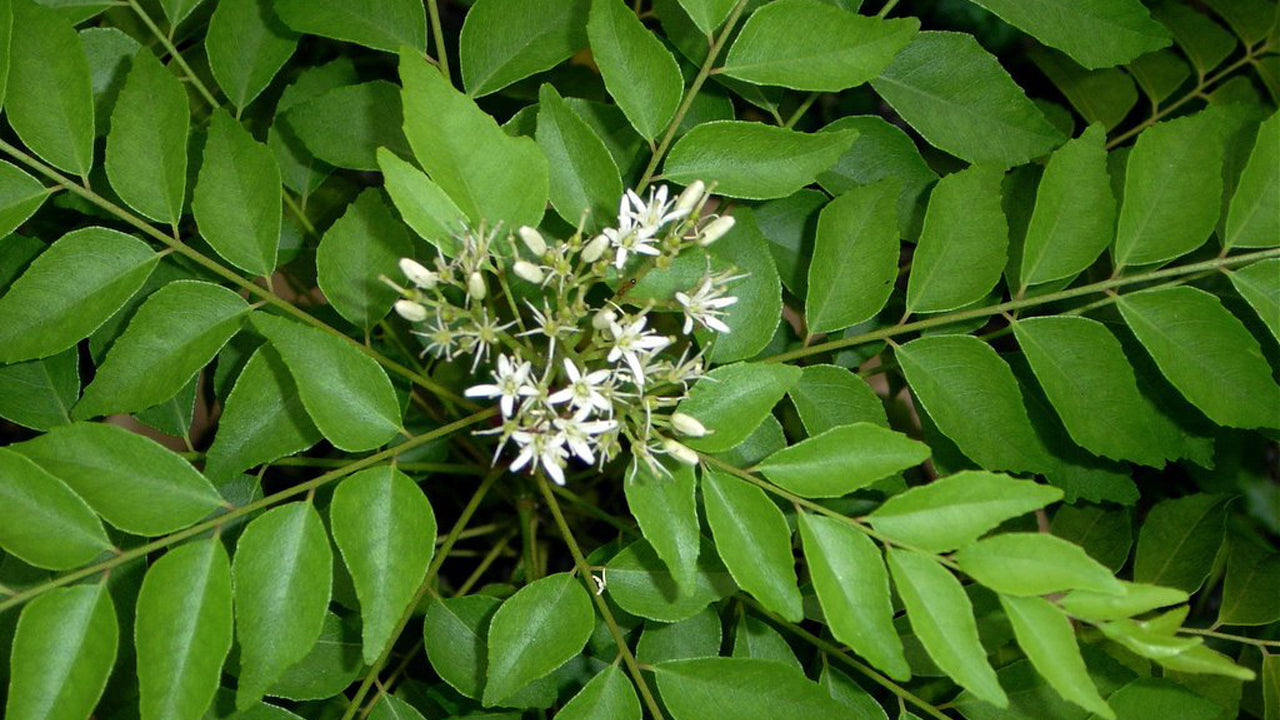
Curry leaf tree
Murraya koenigii -
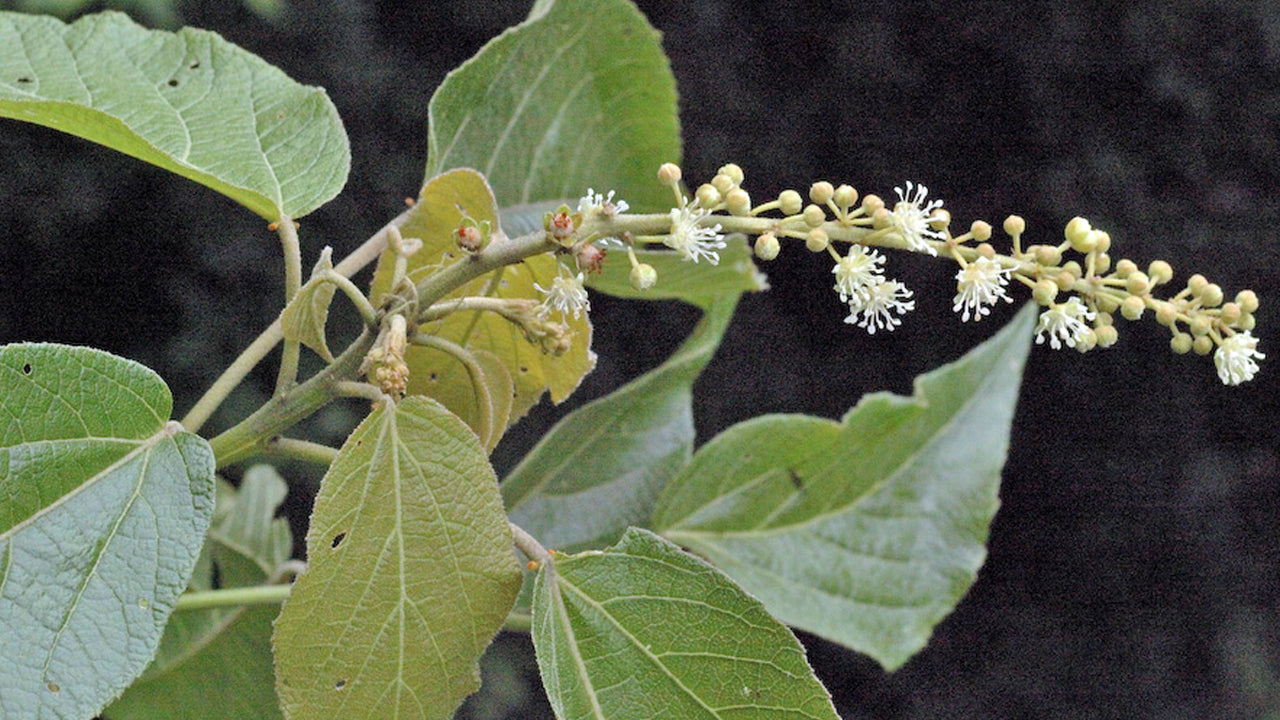
Kappetiya
Croton laccifer -
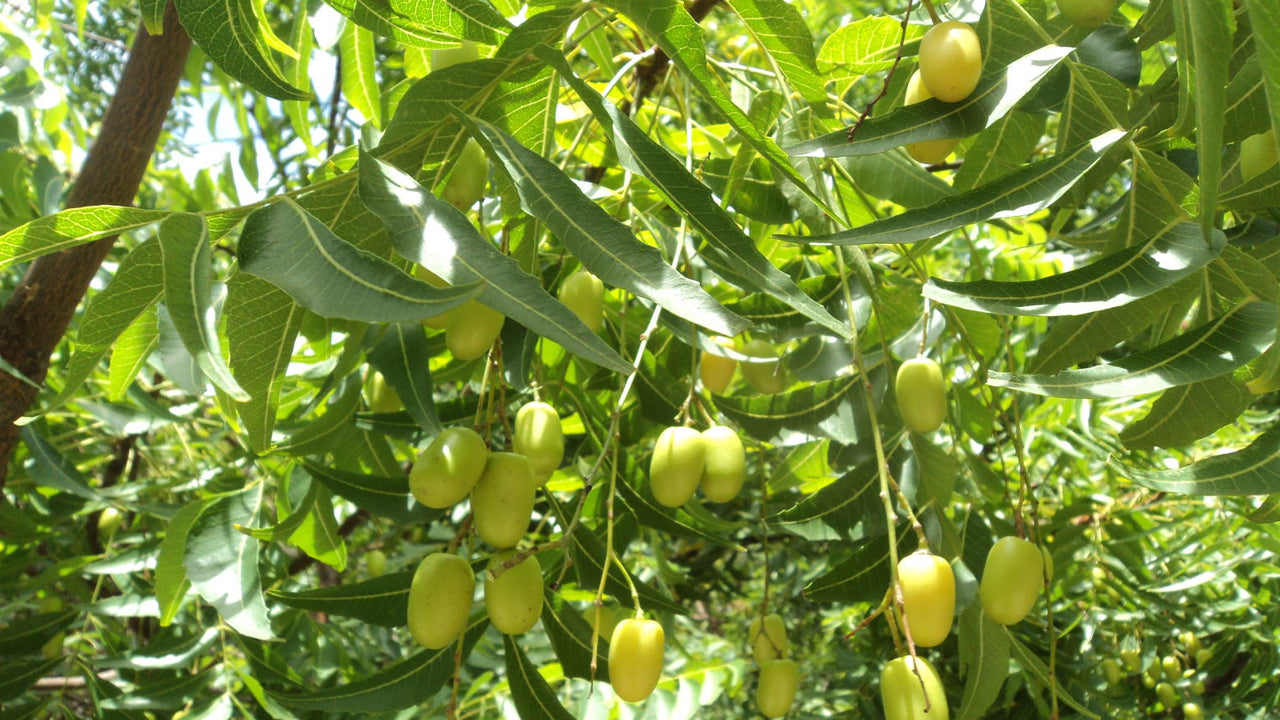
Indian lilac
Azadirachta indica -
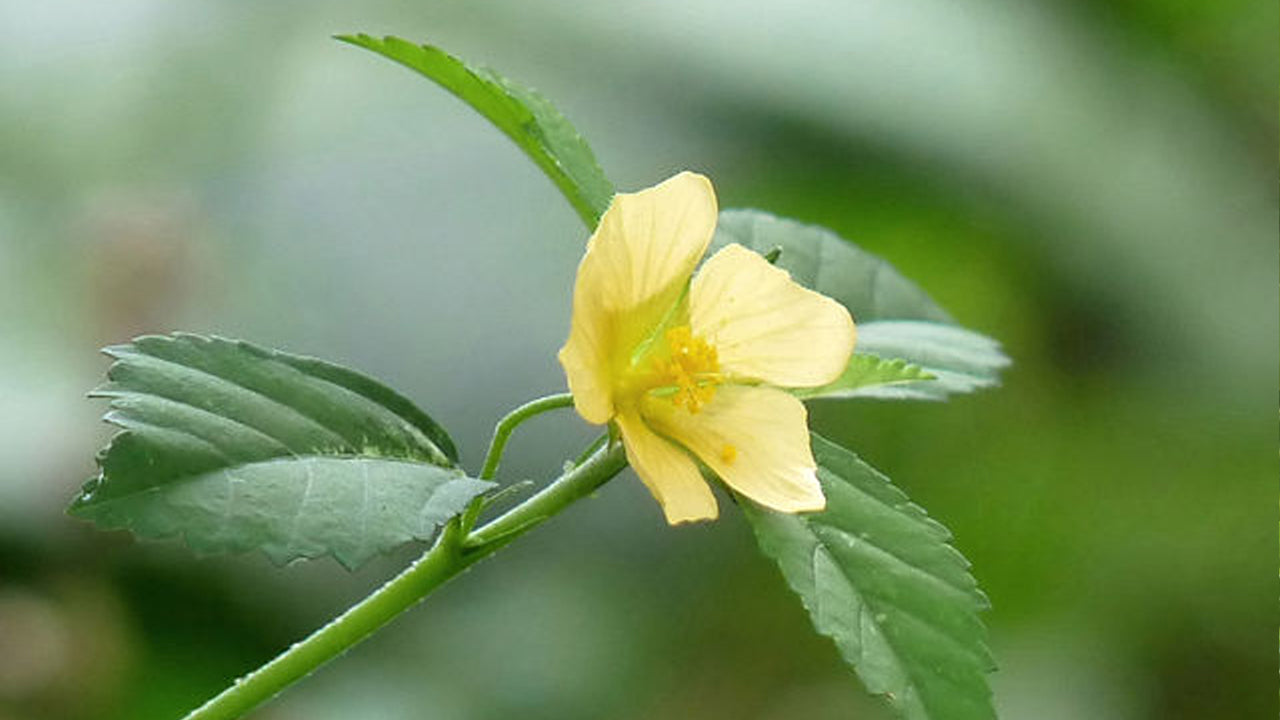
Spiny sida
Sida alba -
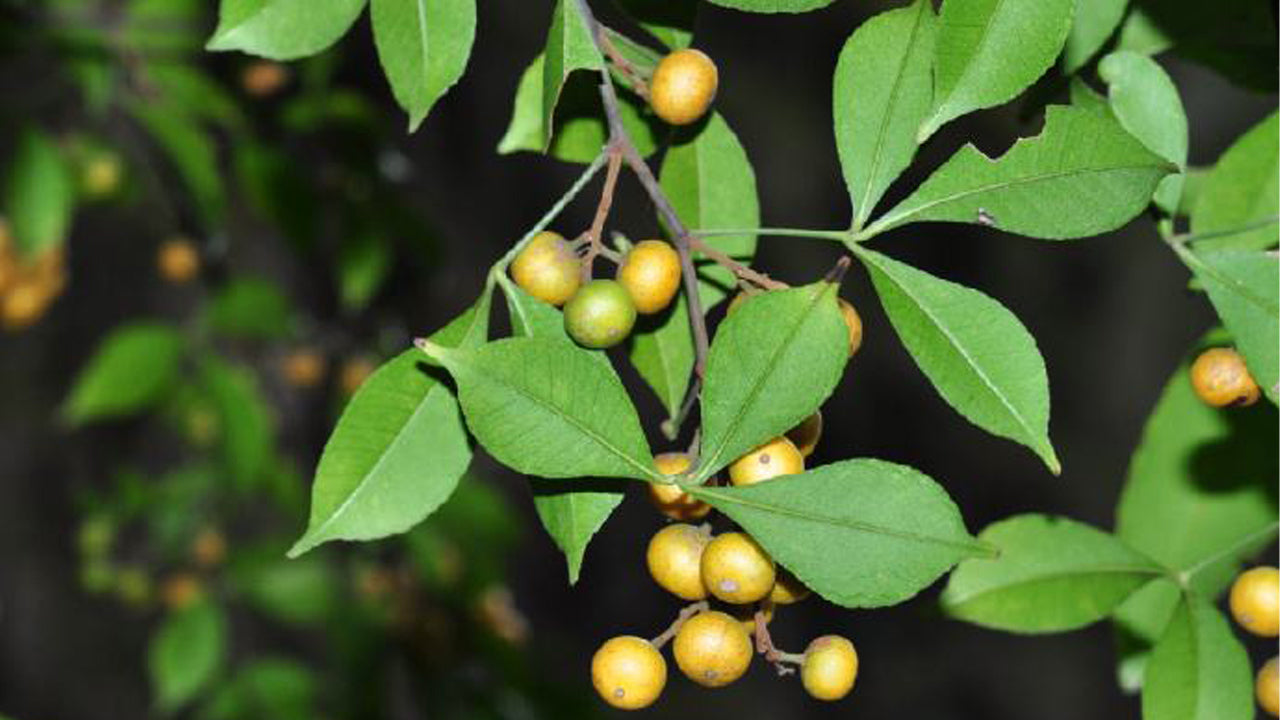
Orange climber
Toddlia asiatica -
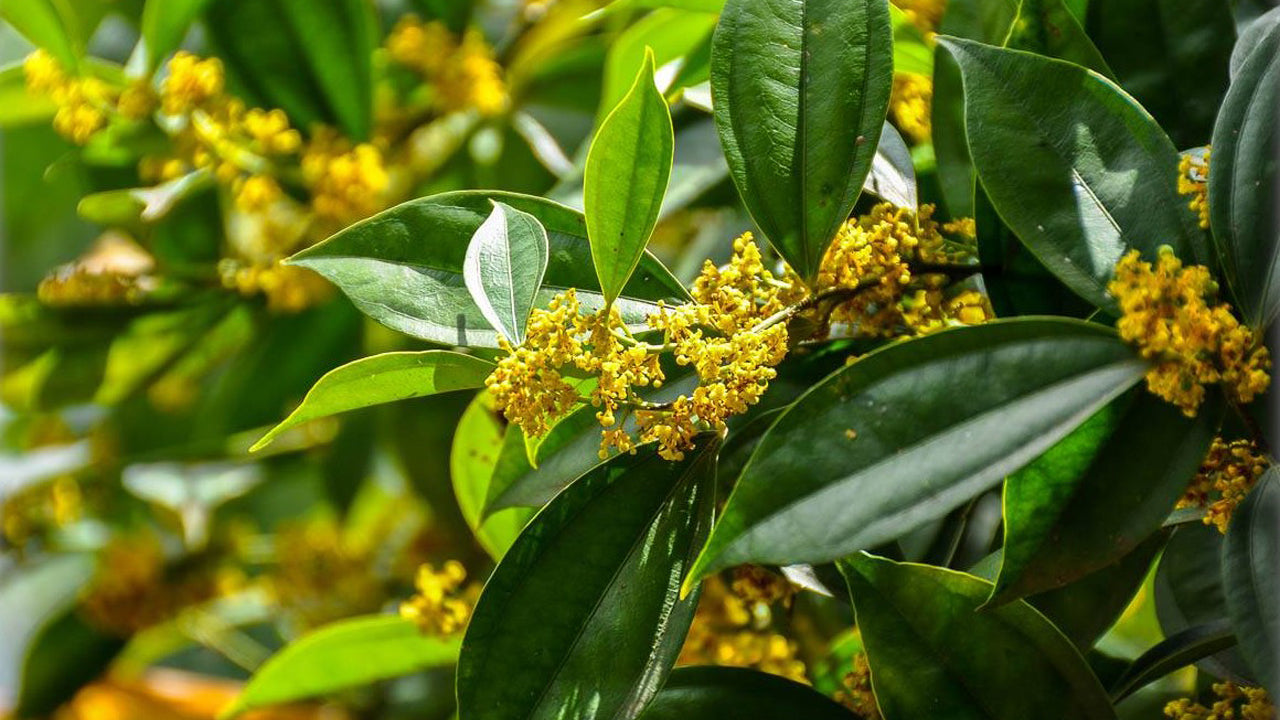
Ceylon cinnamon
Cinnamomum zeylanicum -
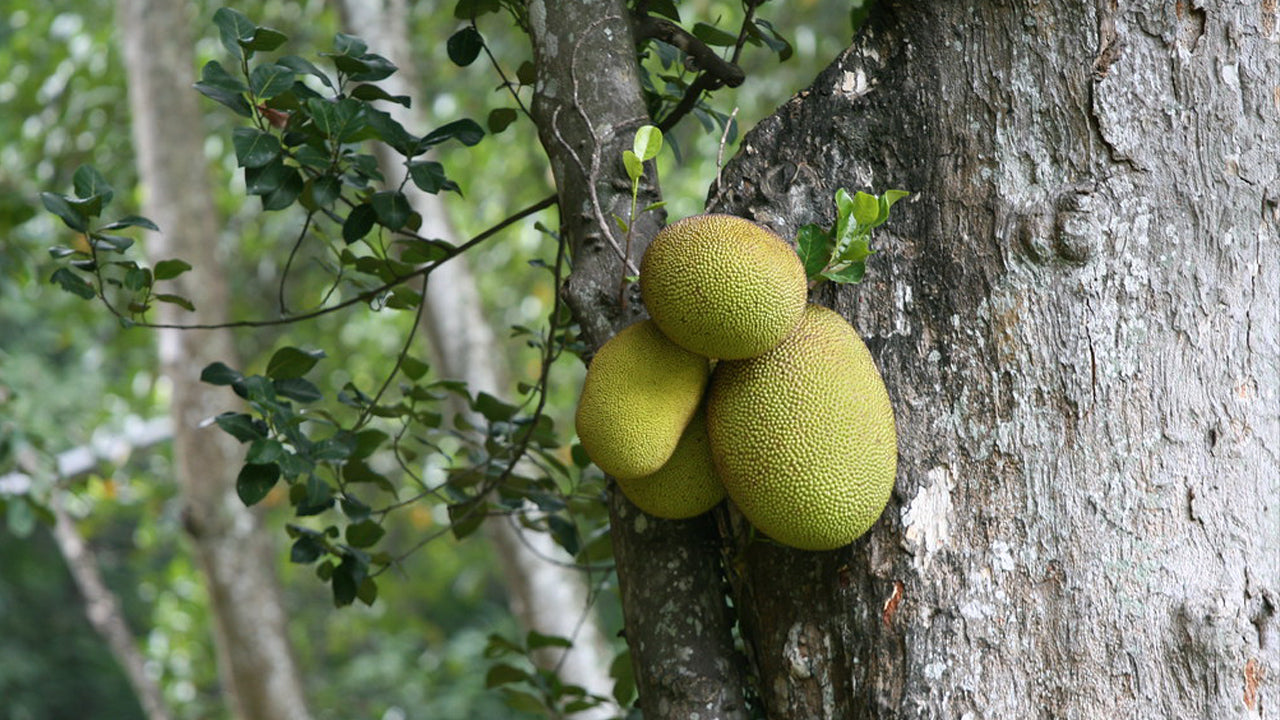
Jackfruit
Artocarpus heterophyllus -
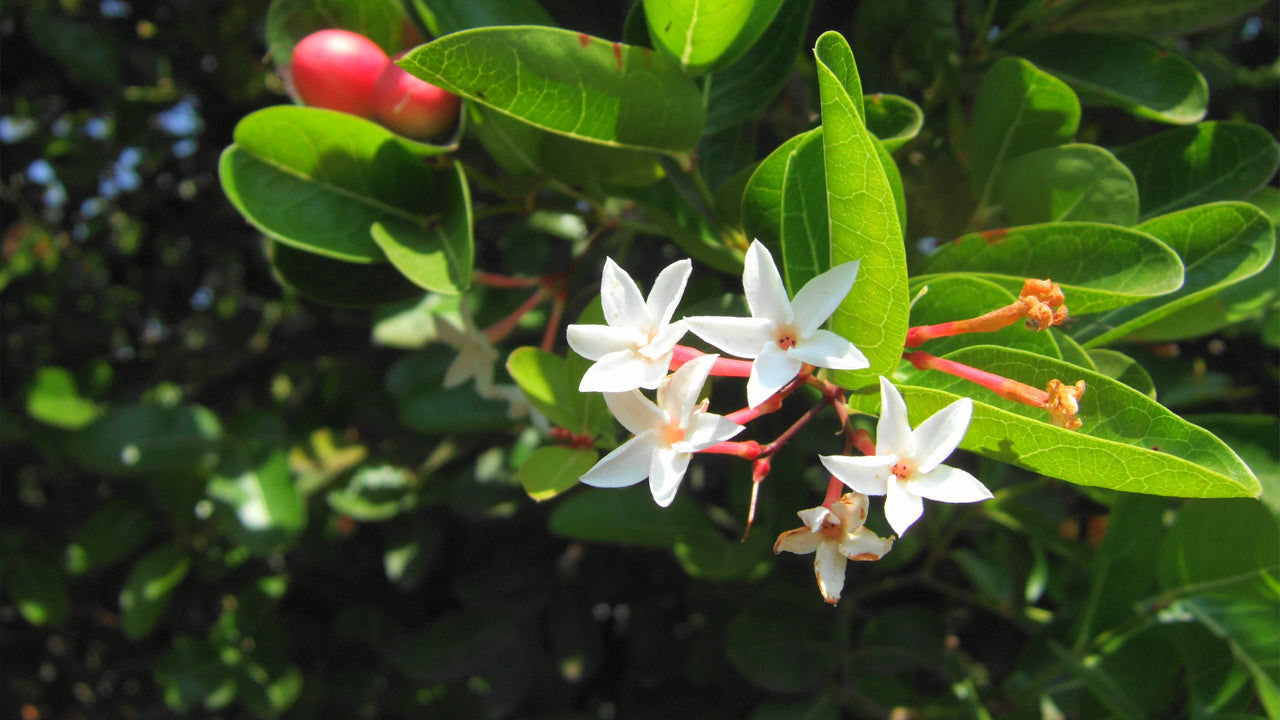
Karonda
Carissa carandas -
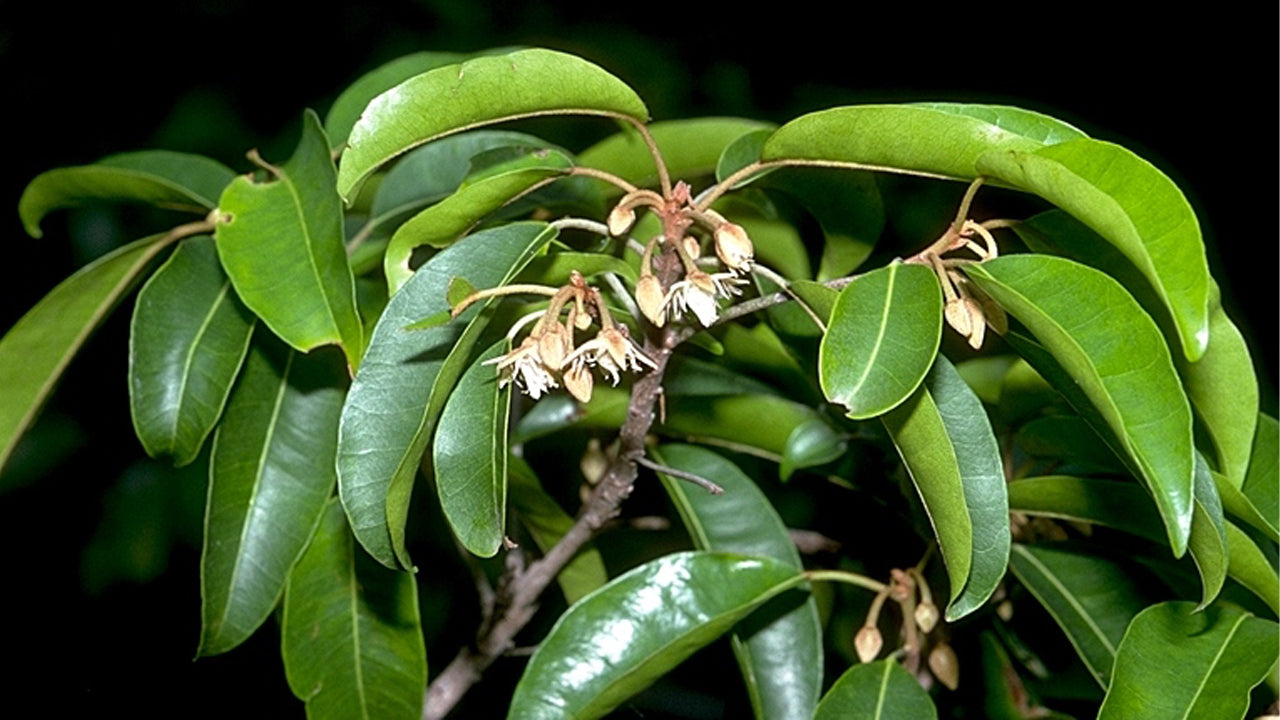
Spanish cherry
Mimusops elengi -
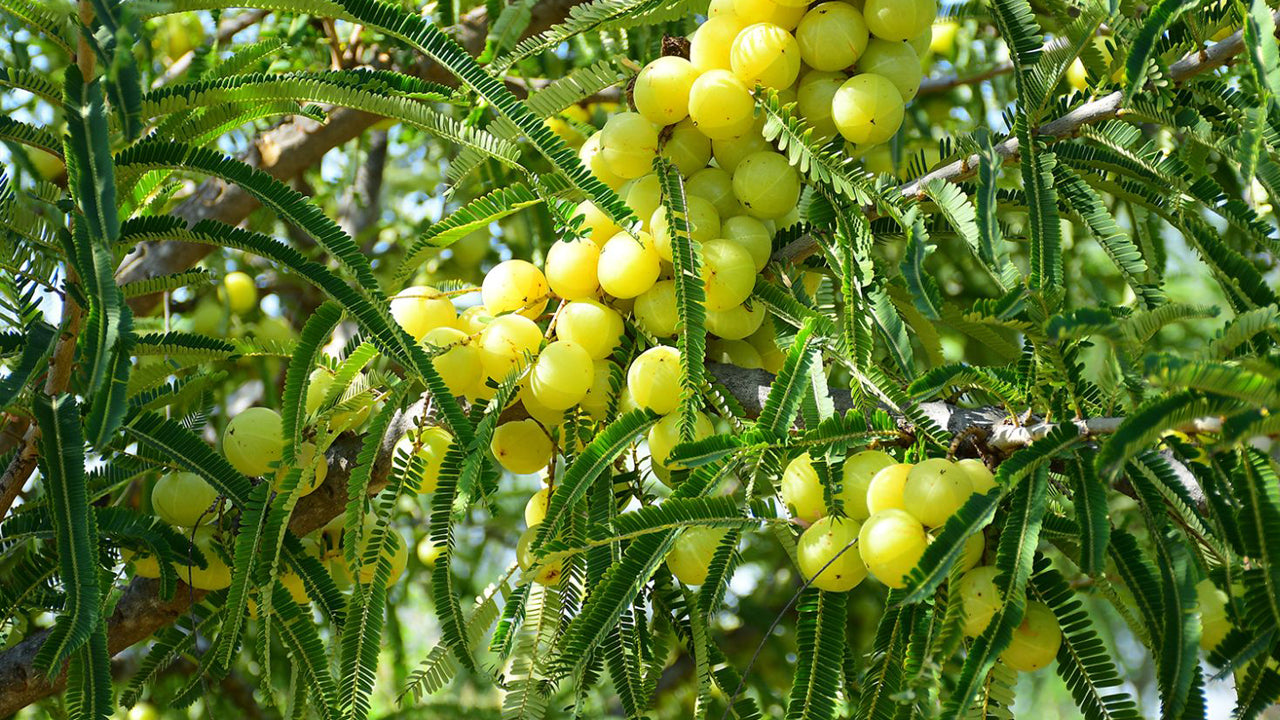
Indian gooseberry
Phyltanthus emblica -
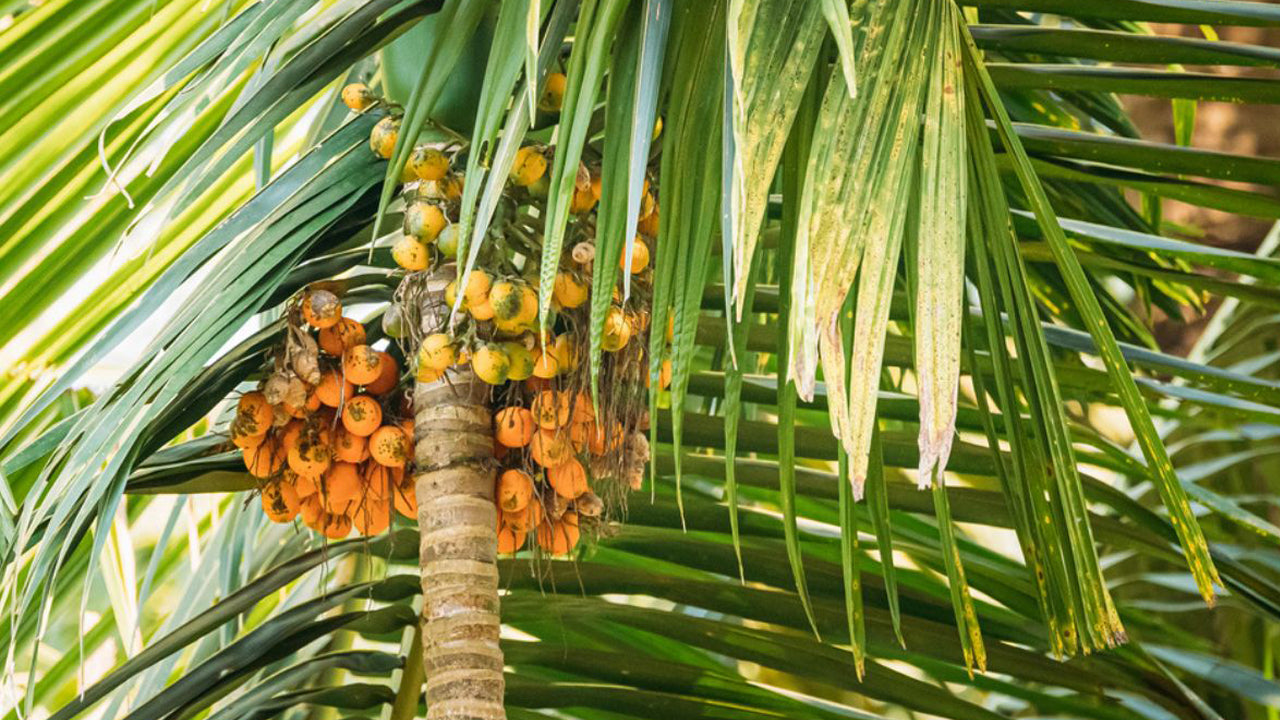
Betel palm
Areca catechu -
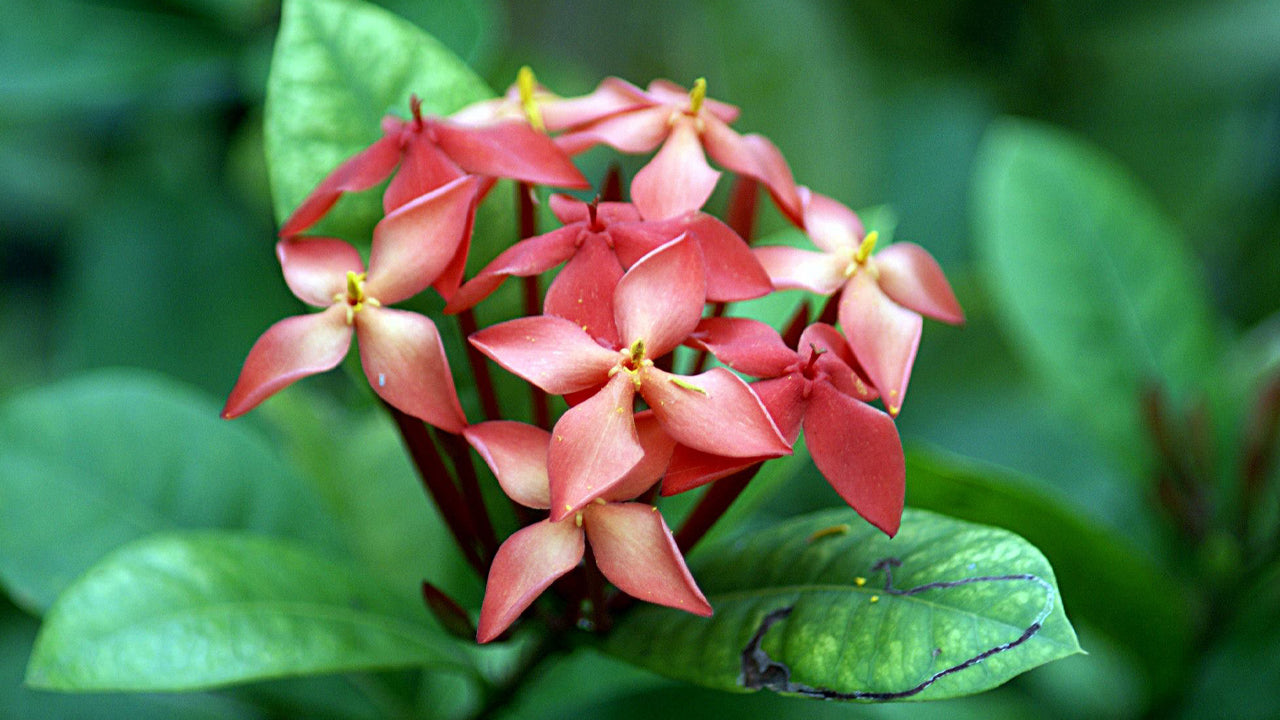
Jungle geranium
Ixora coccinea -
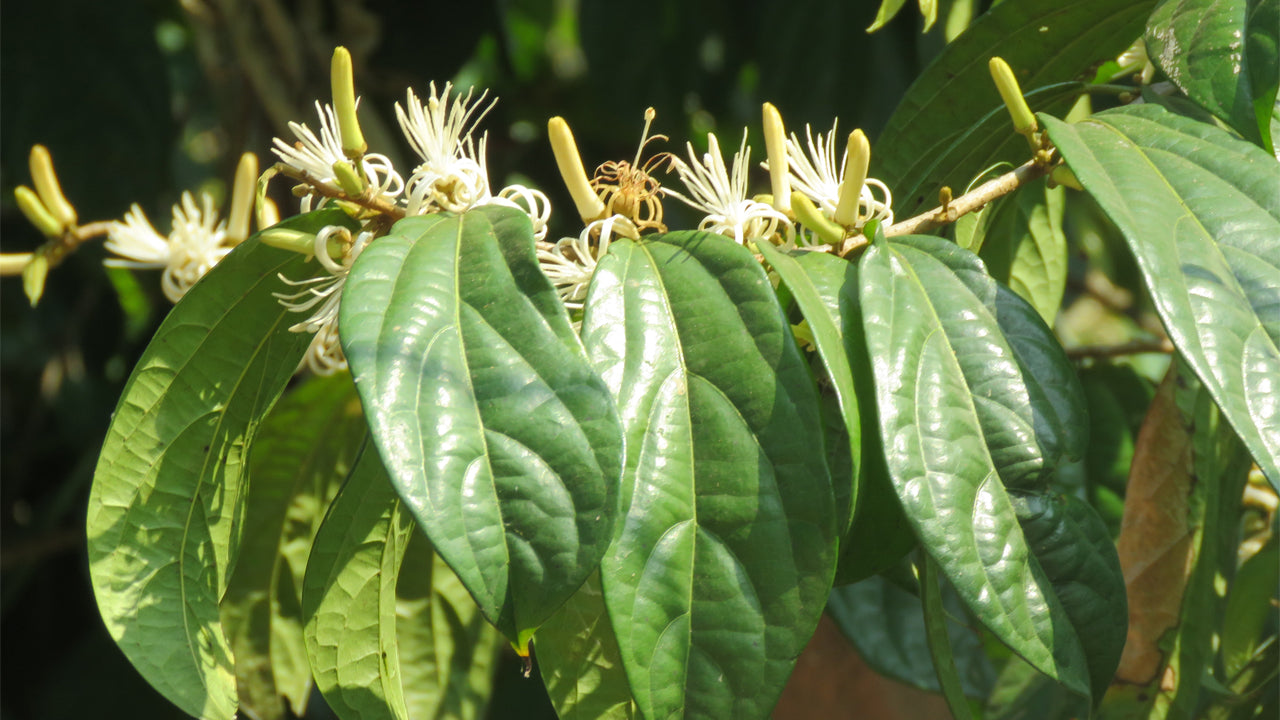
Sage-leaved alangium
Alangium salviifolium -
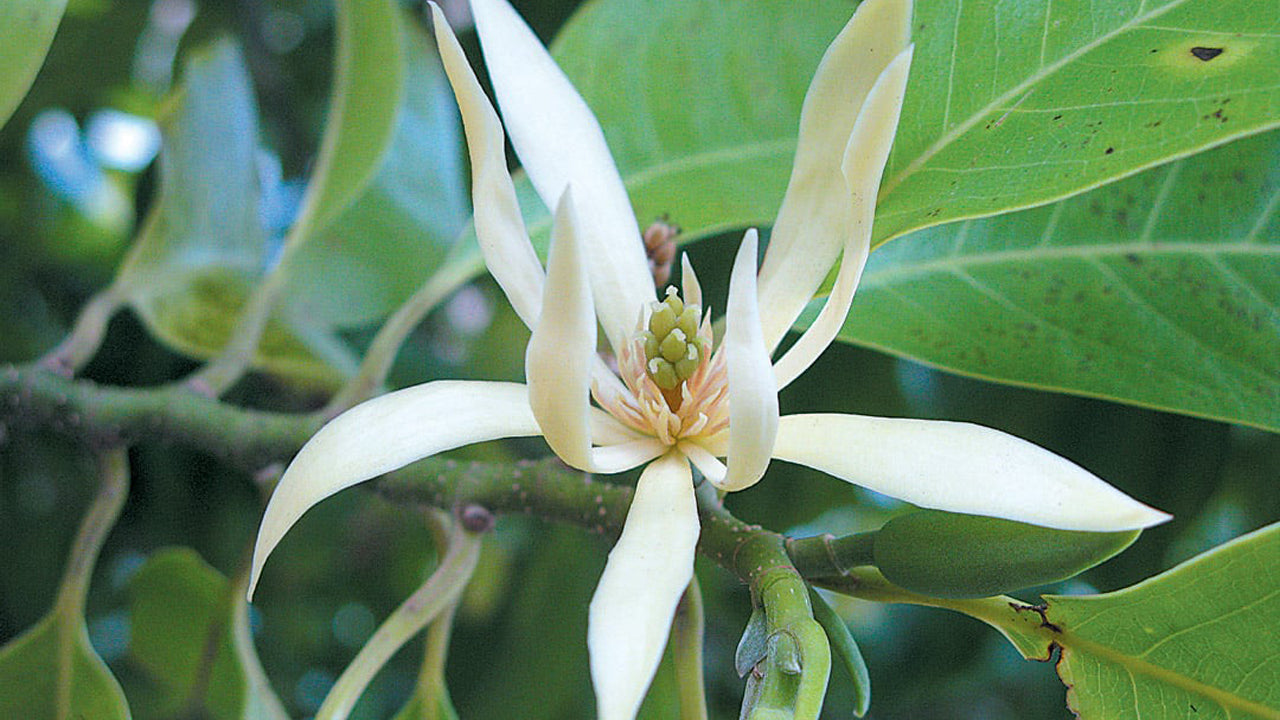
Champak
Michelia champaca -
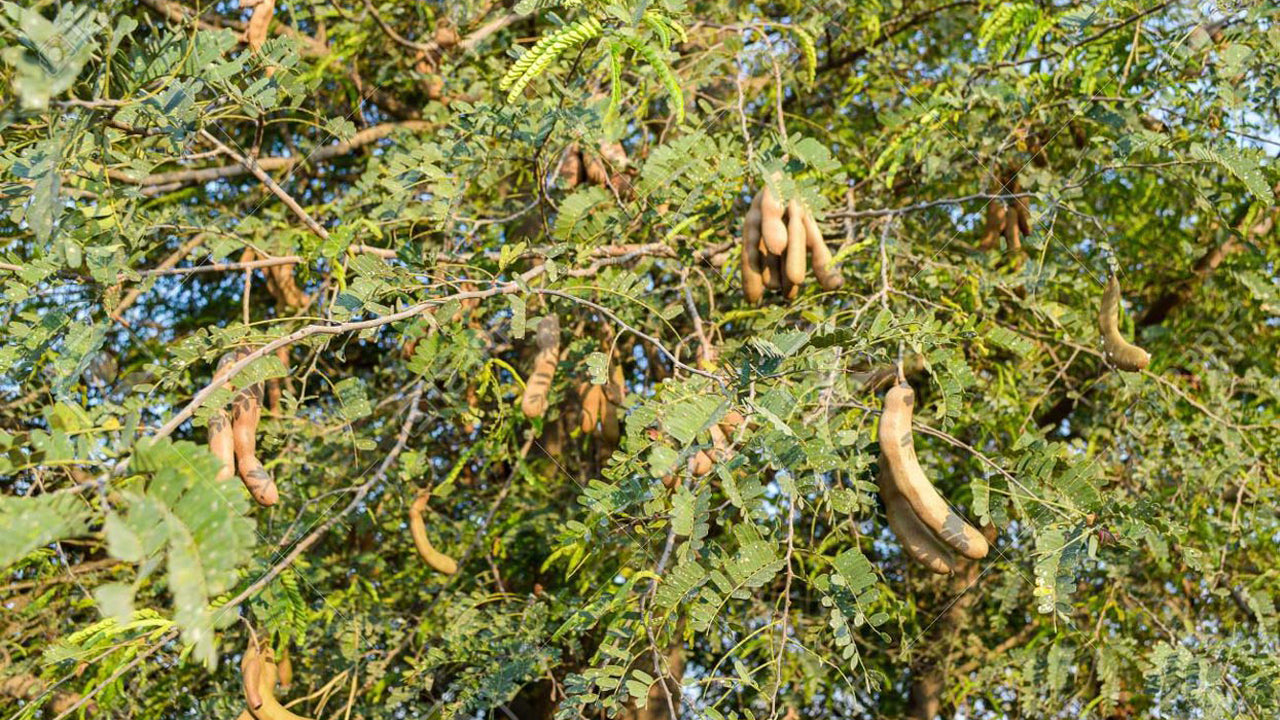
Tamarind
Tamarindus indica -
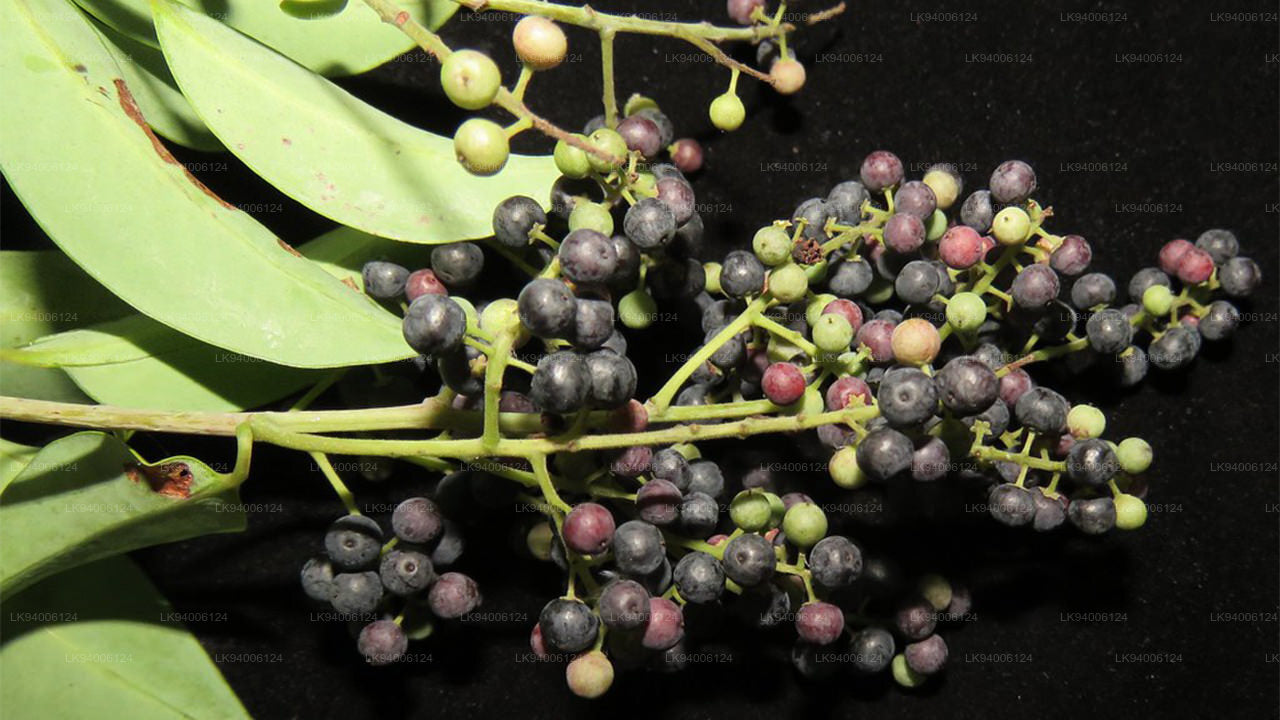
False Black Pepper
Embelia ribes -
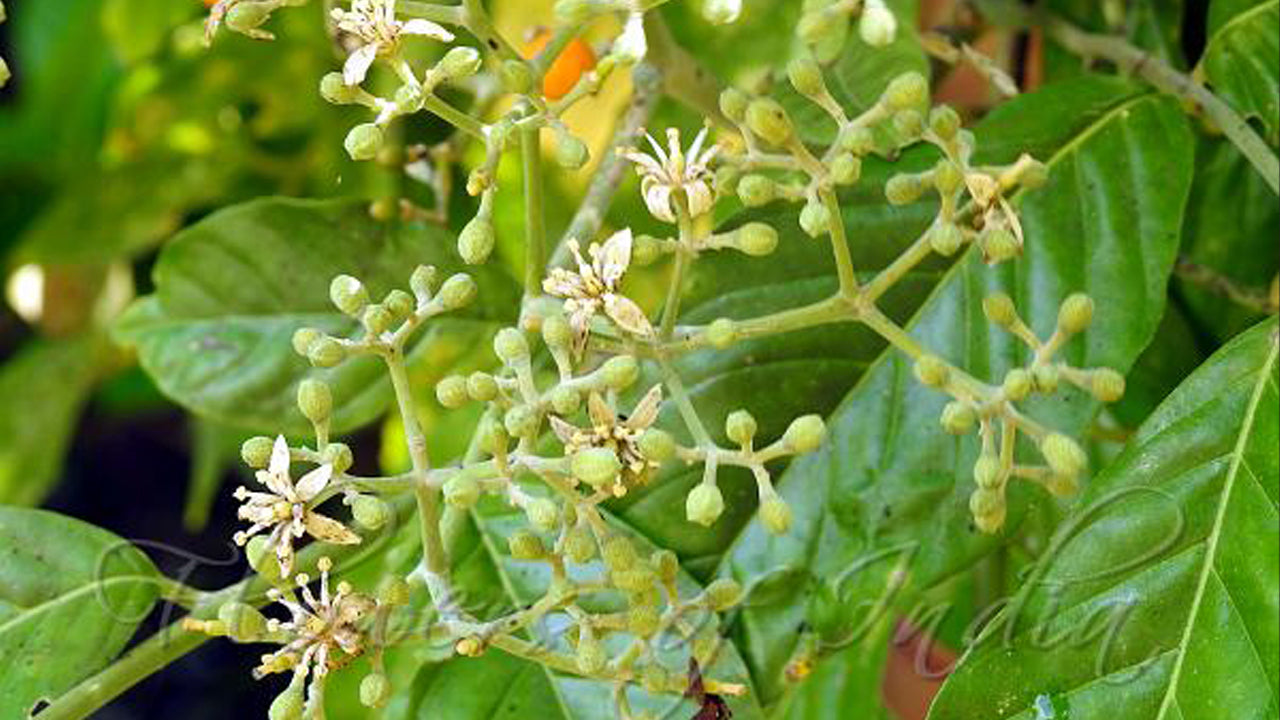
Limeberry
Micromelum ceylanicum -
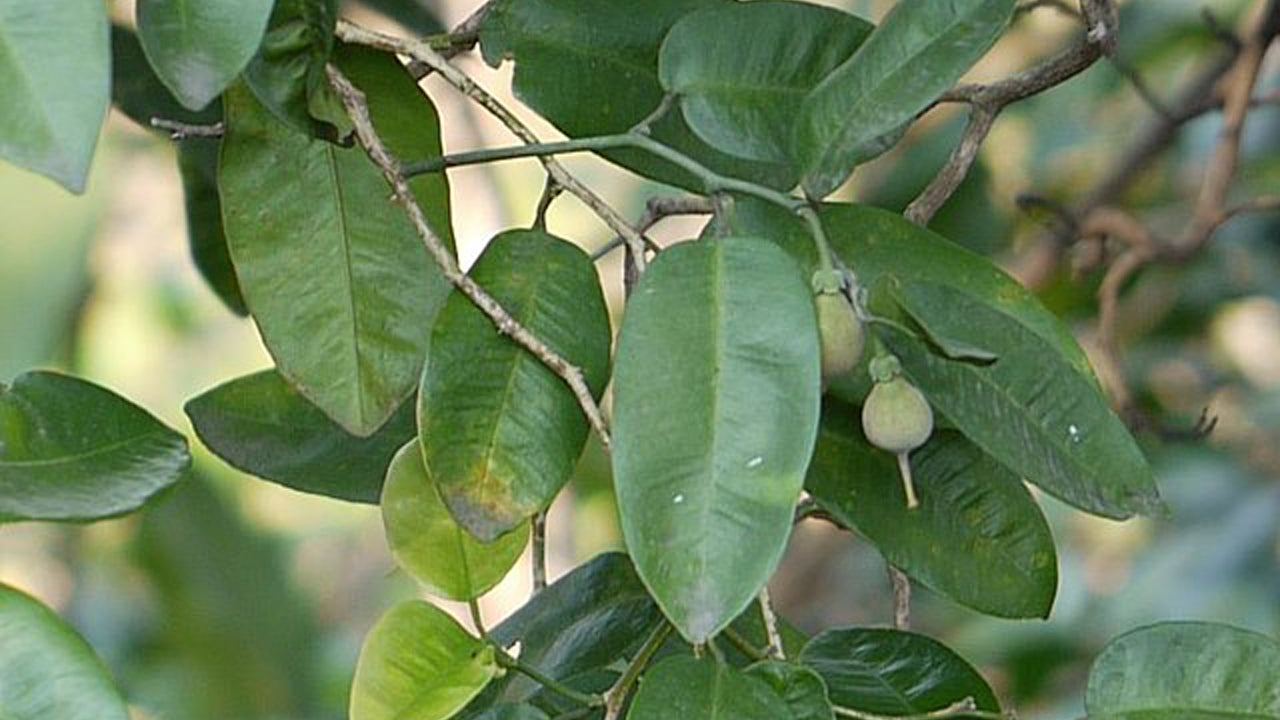
Climbing Atalantia
Paramignya monophylla




Ayurvedic and Herbal
-
싯달레파 아유르베다 허벌 밤
정가 $0.48 USD에서정가$0.54 USD할인가 $0.48 USD에서할인 -
링크 스와사 트리팔라 (30정)
정가 $1.74 USD에서정가$1.93 USD할인가 $1.74 USD에서할인 -
락푸라® 야생 사워솝(구아나바나, 그라비올라, 구아바노) 건조 잎 (통째로)
정가 $0.72 USD에서정가$0.81 USD할인가 $0.72 USD에서할인 -
 할인
할인세츠와 프라나지바 오일
정가 $3.85 USD에서정가$4.28 USD할인가 $3.85 USD에서할인