Terminalia catappa (Kottamba)


Terminalia catappa, commonly known as the tropical almond, Indian almond, sea almond, or umbrella tree, is a large tropical tree belonging to the Combretaceae family. In Sri Lanka it is widely known as Kottamba (කොට්ටම්බ) and is a familiar sight along roadsides, beaches, and home gardens. The species is native to tropical regions of Asia and the Pacific but is now cultivated in many warm coastal areas around the world due to its shade, ornamental beauty, and useful fruits.
This tree can grow up to about 25–35 meters in height and is easily recognized by its distinctive layered branches that spread horizontally, forming a broad, umbrella-like crown. As the tree matures, the canopy becomes wide and symmetrical, providing generous shade. The large, glossy leaves are oval-shaped and can reach around 15–28 cm in length. During the dry season the leaves change color dramatically, turning shades of red, yellow, or brown before falling, which adds seasonal beauty to landscapes in tropical regions.
The tree produces small greenish-white flowers that grow on slender spikes. These flowers are relatively inconspicuous but develop into oval-shaped fruits known as drupes. The fruits start green and gradually turn yellow and reddish when ripe. Inside the fibrous fruit is a hard shell that contains a single edible seed. The kernel of this seed tastes similar to almonds, which is why the tree is commonly referred to as a tropical or Indian almond. In Sri Lanka, cracking open the fruit to obtain the seed is a nostalgic childhood activity, and the kernels are often eaten raw or roasted as a snack.
Beyond its edible seeds, the Terminalia catappa tree has many traditional uses. In Ayurvedic and folk medicine, different parts of the plant—including the leaves, bark, fruit, and seeds—are used for treating various ailments. The leaves and bark have been traditionally used to reduce inflammation, treat skin conditions, and support wound healing. Extracts from the plant are also believed to possess antibacterial, antifungal, and antioxidant properties, making them valuable in traditional remedies for digestive issues, fever, and infections.
The seeds of the tree are nutritionally rich, containing significant amounts of protein and oil. They also provide vitamins and beneficial fatty acids, which contribute to their value as a food source. In many tropical countries, the kernels are considered a nutritious snack and may be incorporated into various local dishes.
Apart from medicinal and nutritional uses, the tree also serves practical and ecological purposes. Its broad canopy makes it an excellent shade tree in coastal towns, parks, and streets. The leaves are sometimes used in aquariums because they release natural compounds that can improve water quality and reduce harmful microorganisms. Additionally, the tree supports local wildlife, providing food and shelter for birds and small animals.
In Sri Lanka and many other tropical countries, Terminalia catappa remains a versatile and culturally familiar tree. From providing shade and edible seeds to contributing to traditional medicine and ecological balance, the Kottamba tree continues to play a valuable role in both rural landscapes and urban environments.


-
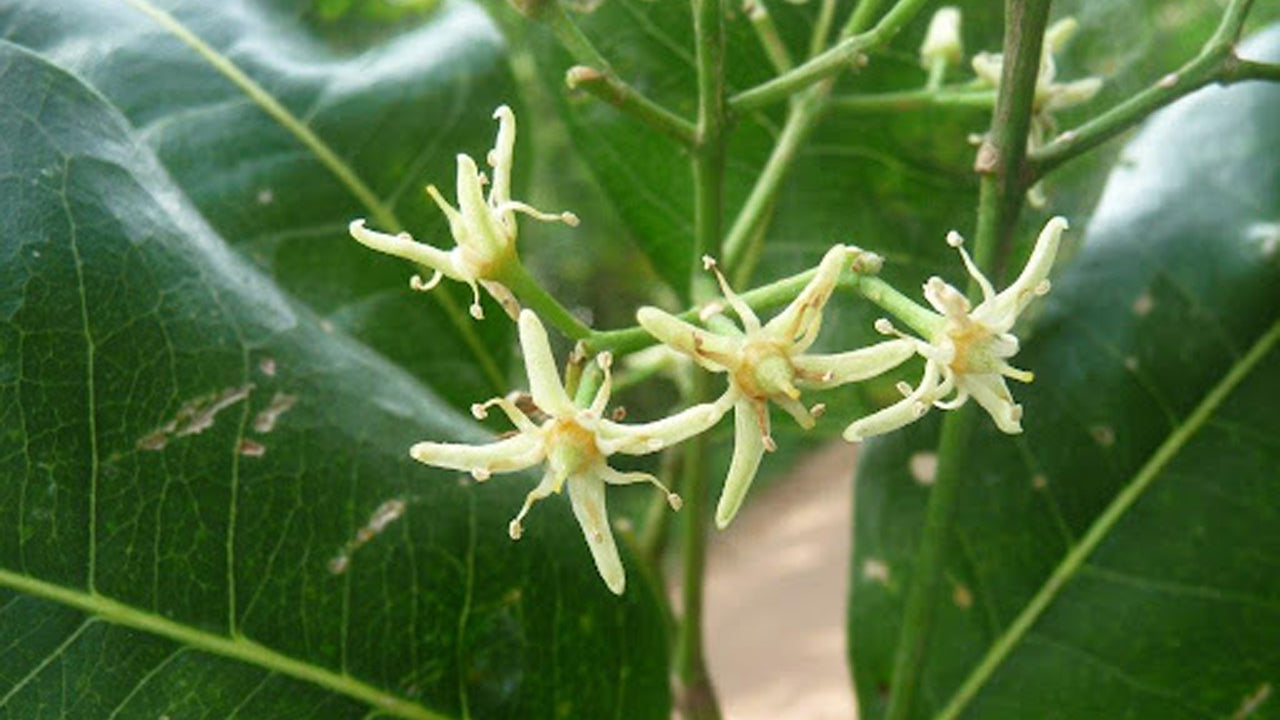
Claw-flowered laurel
Acronychia pedunculata -
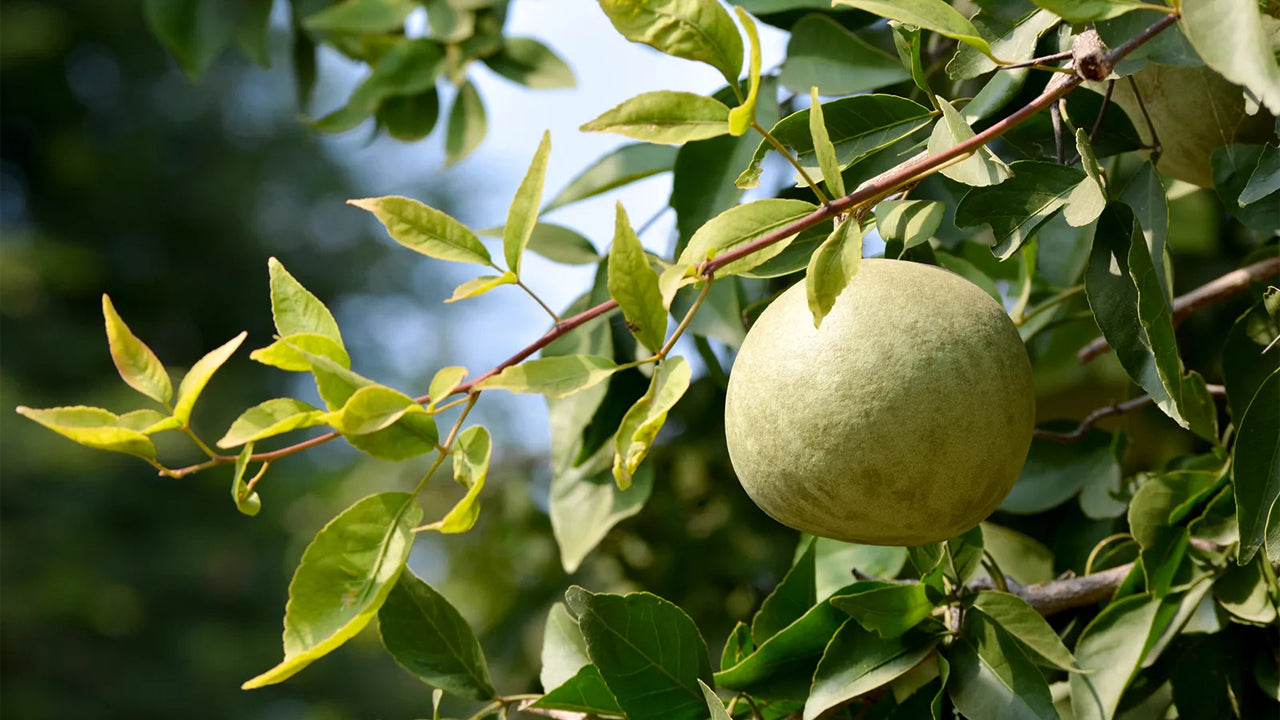
Bael
Aegle marmelos -
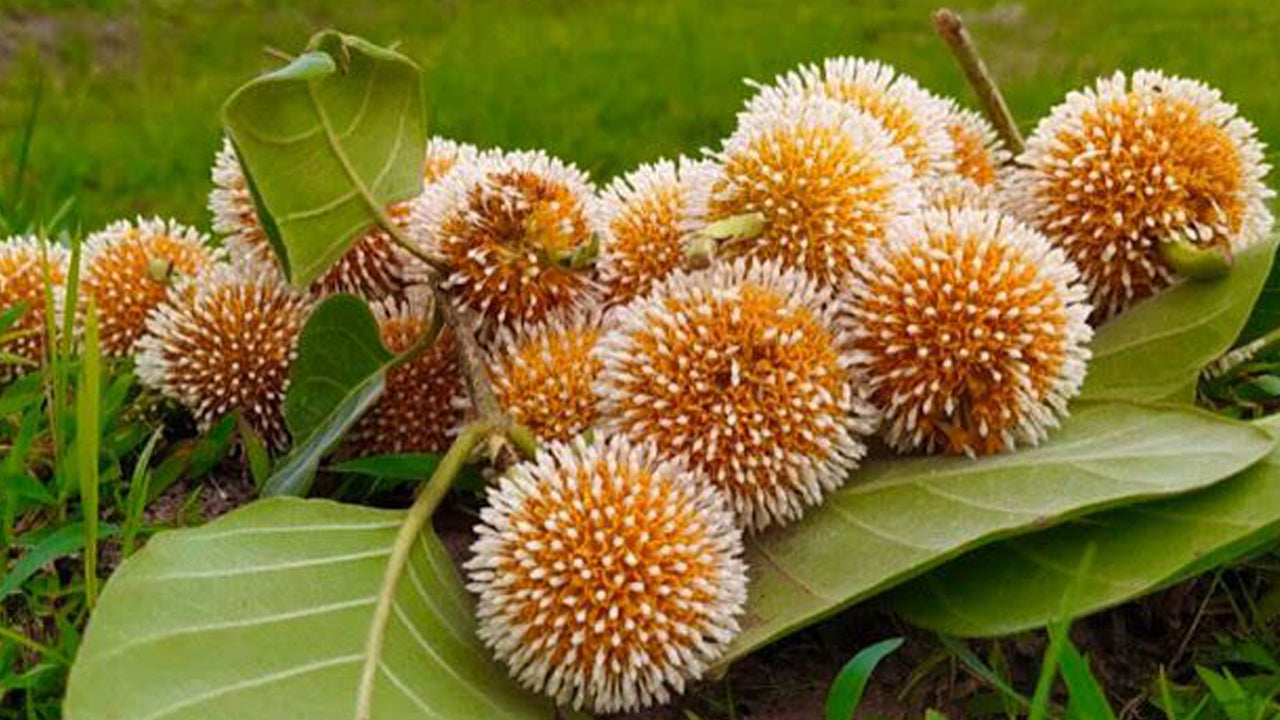
Leichhardt tree
Nauclea orientalis -
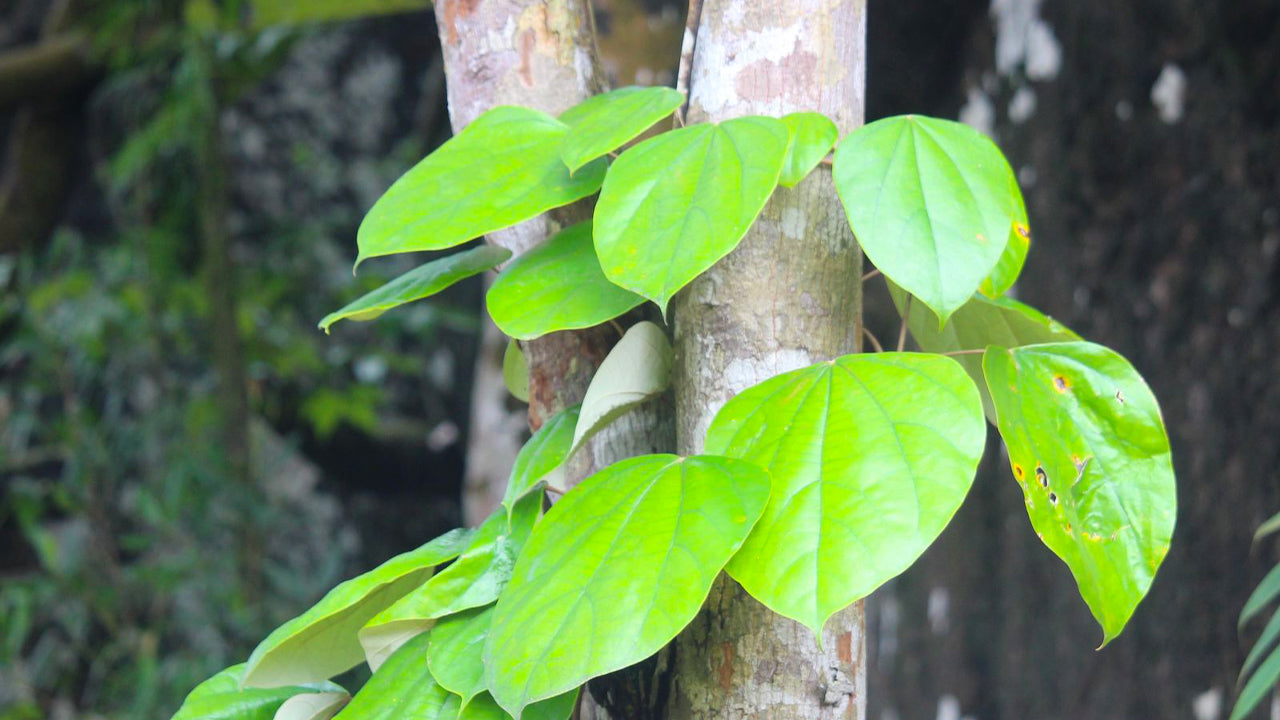
False Calumba
Coscinium fenestratum -

Malabar Gulbel
Tinospora malabarica -
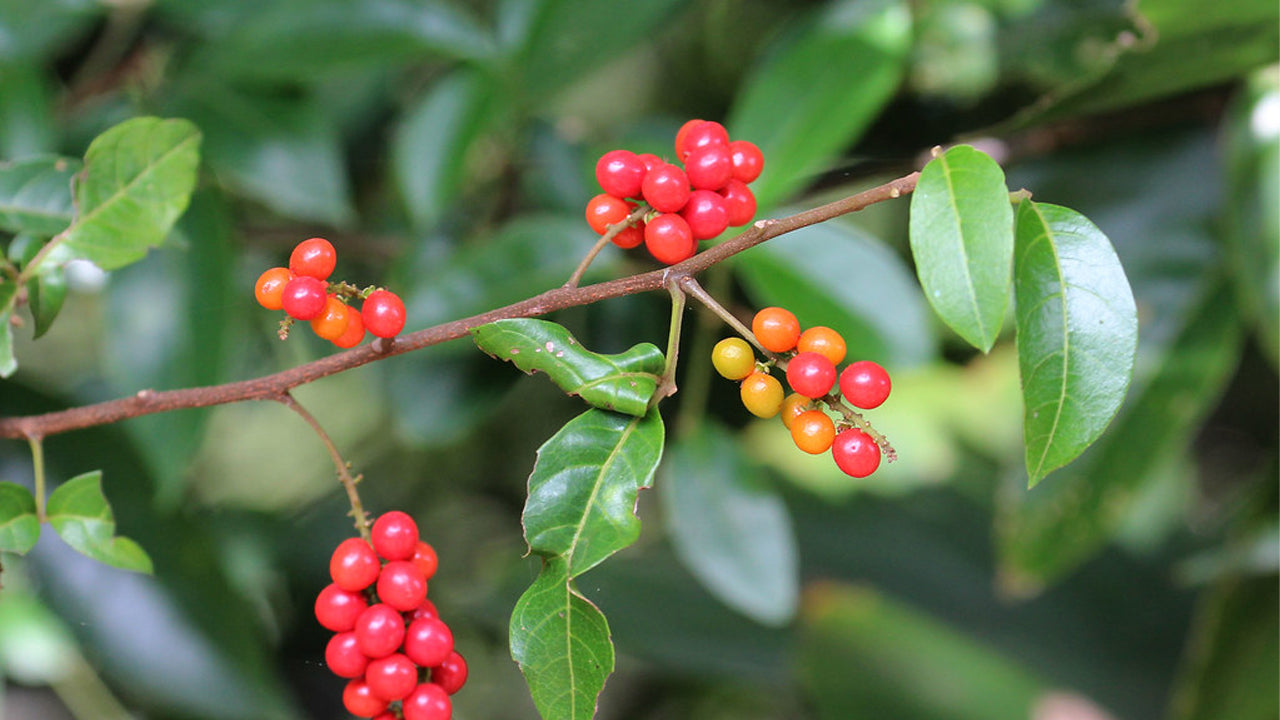
Titberry
Allophylus cobbe -
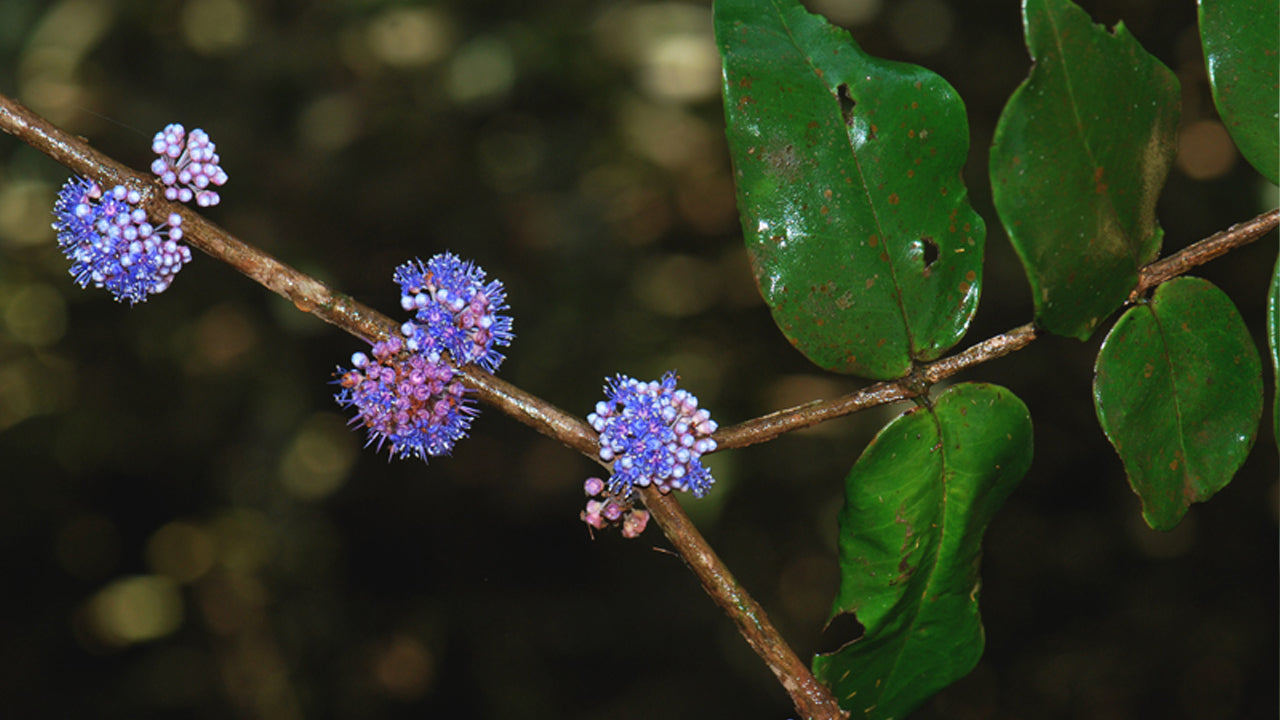
Ironwood Tree
Memecylon capitellatum -
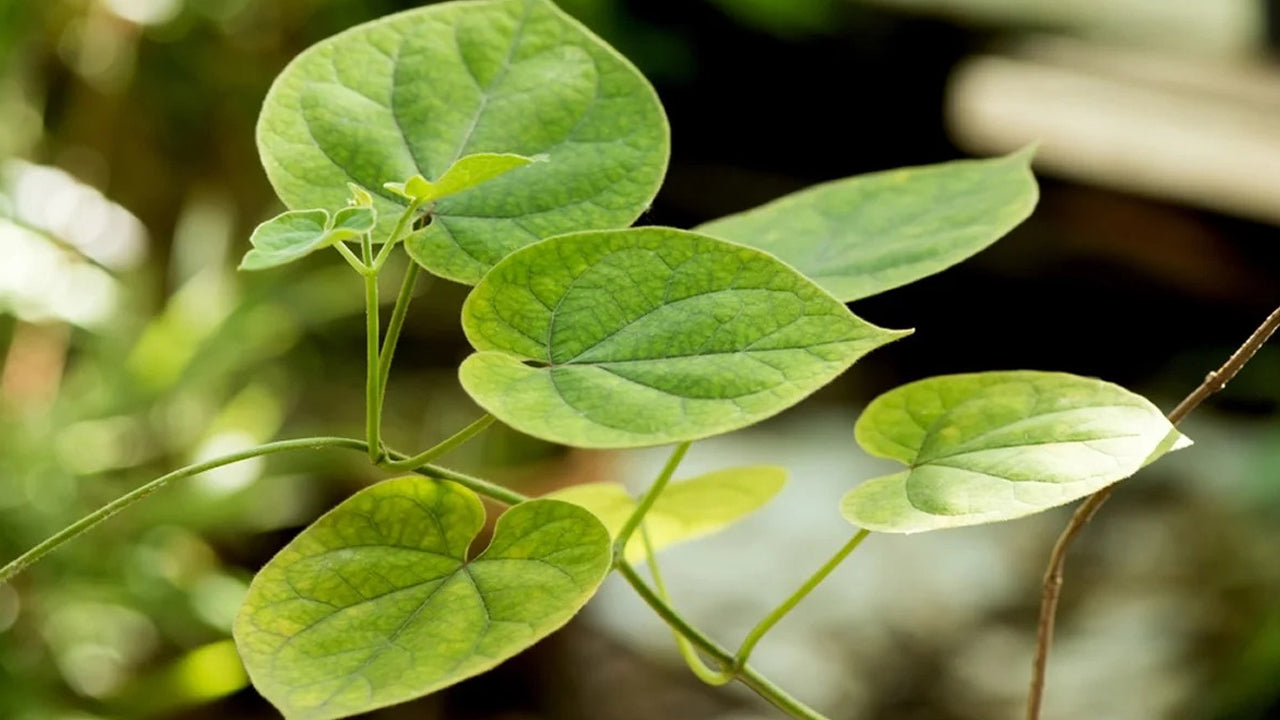
Velvet Leaf
Cissampelos pareira -
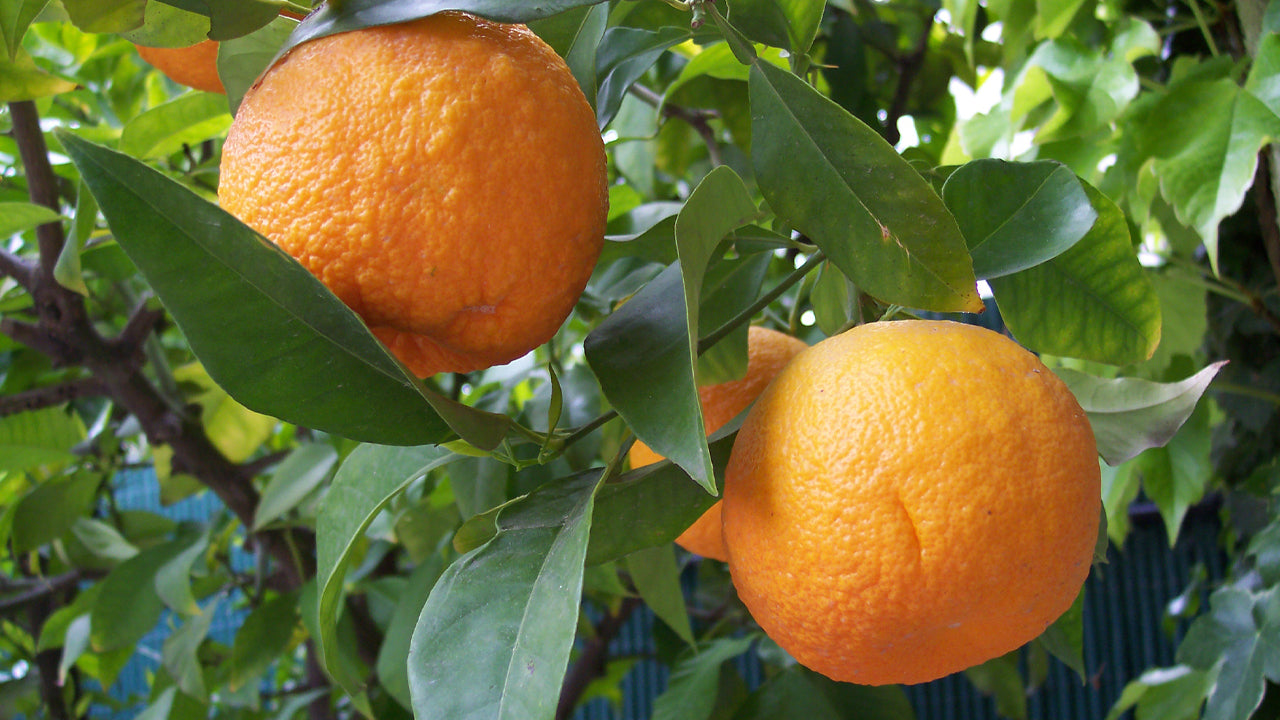
Bitter orange
Citrus aurantium -

Reinwardt's Tree Plant
Biophytun reinward -
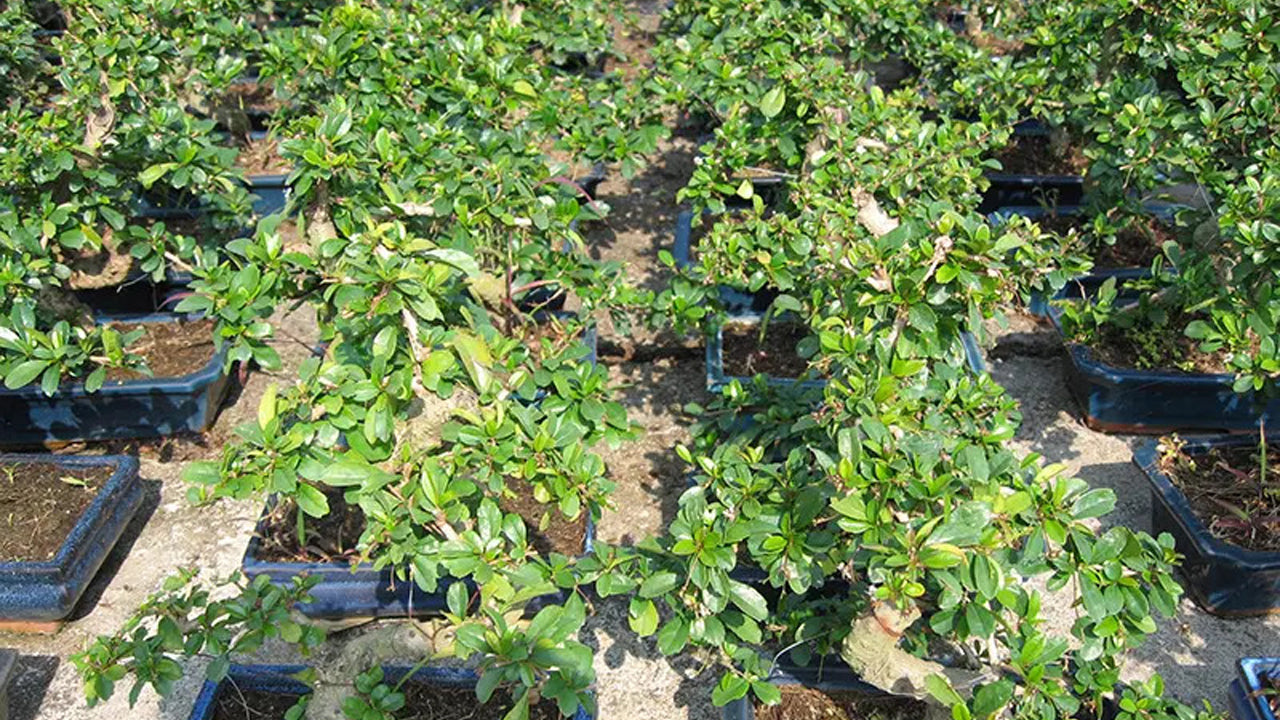
Fukien tea
Carmona microphylla -
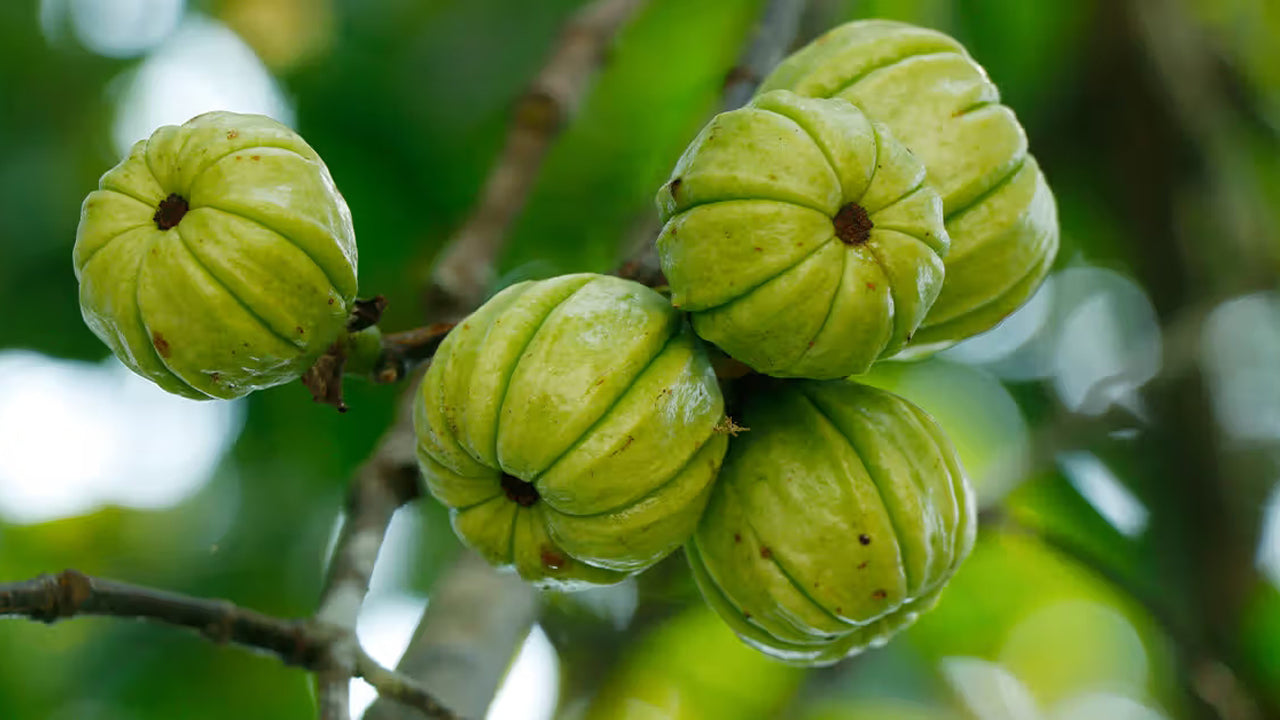
Malabar tamarind
Garcinia cambogia -
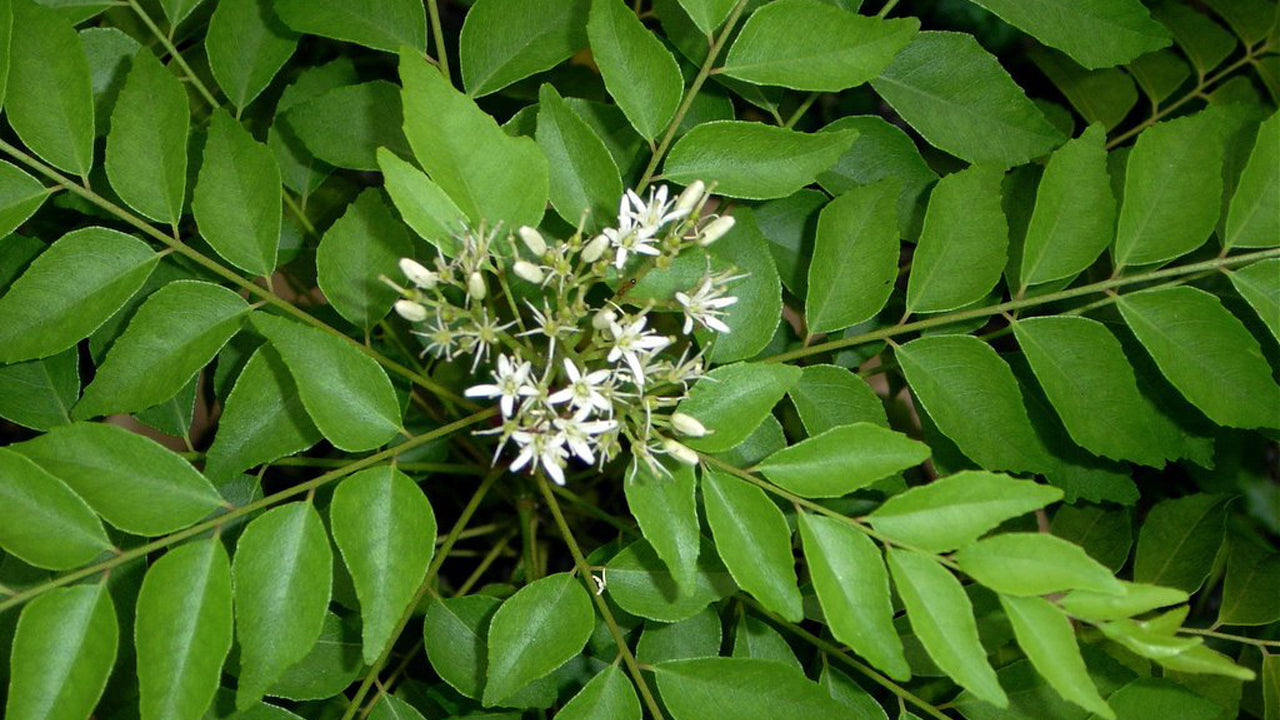
Curry leaf tree
Murraya koenigii -
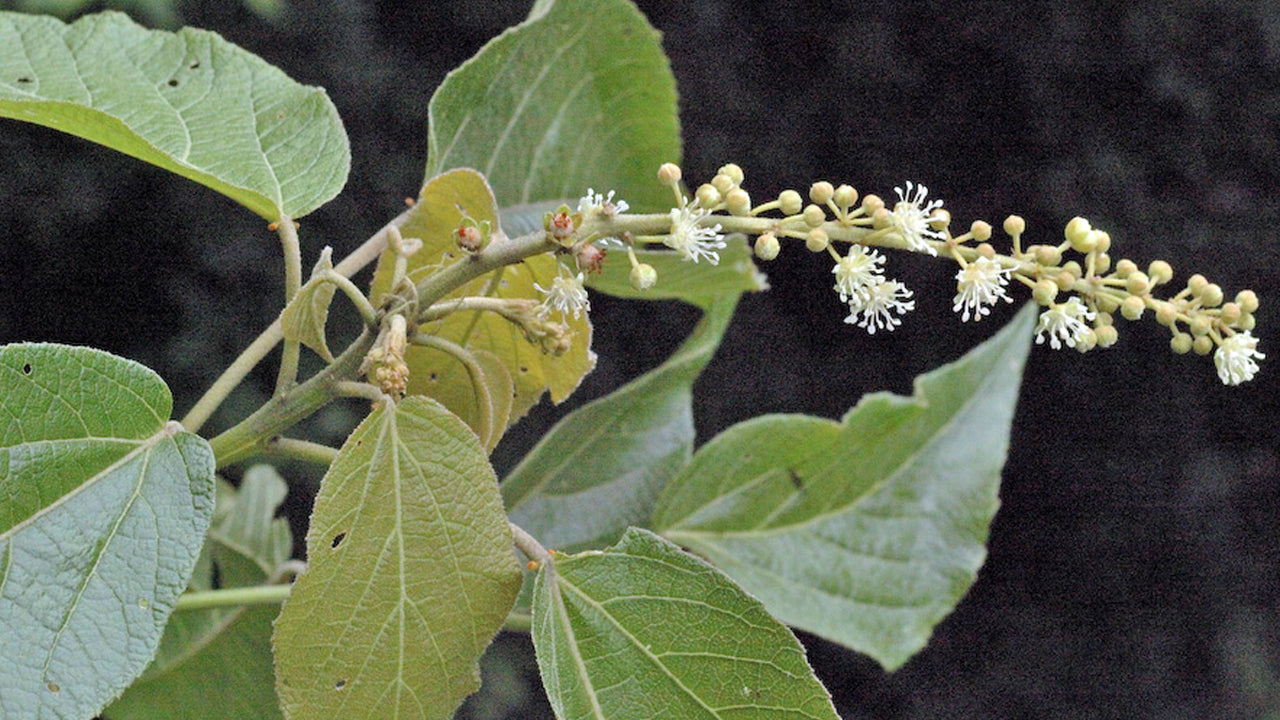
Kappetiya
Croton laccifer -
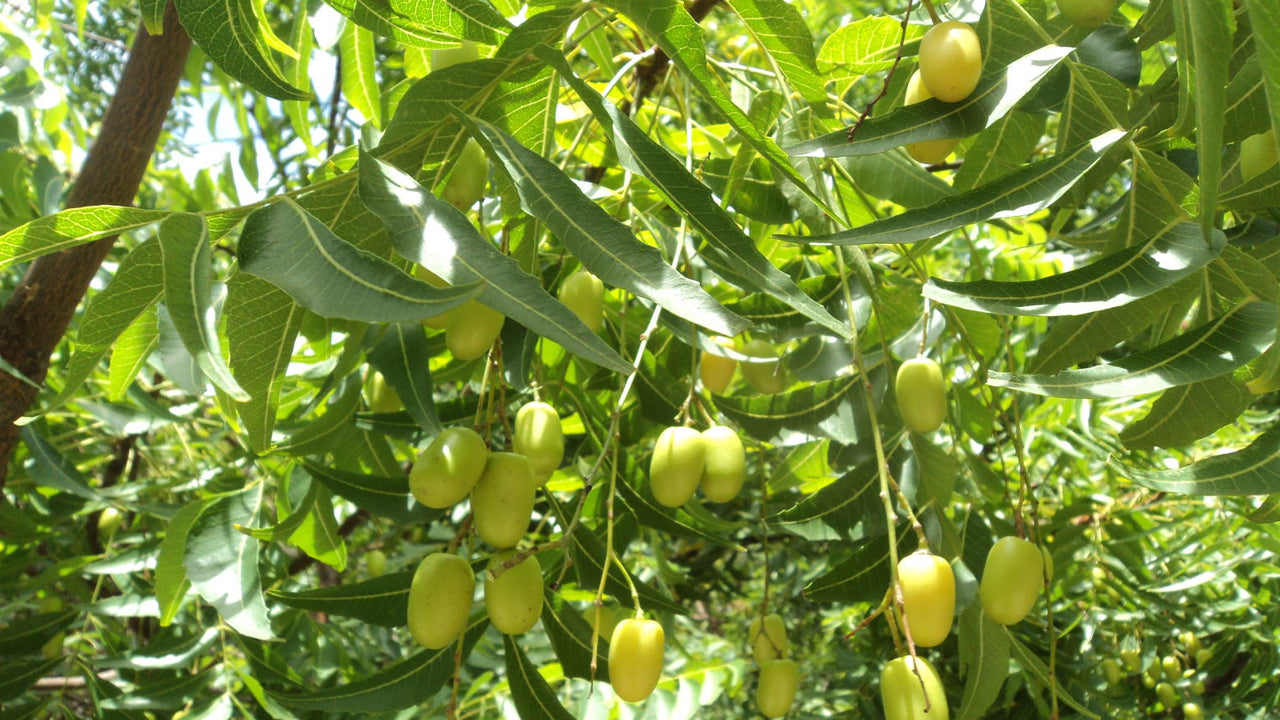
Indian lilac
Azadirachta indica -
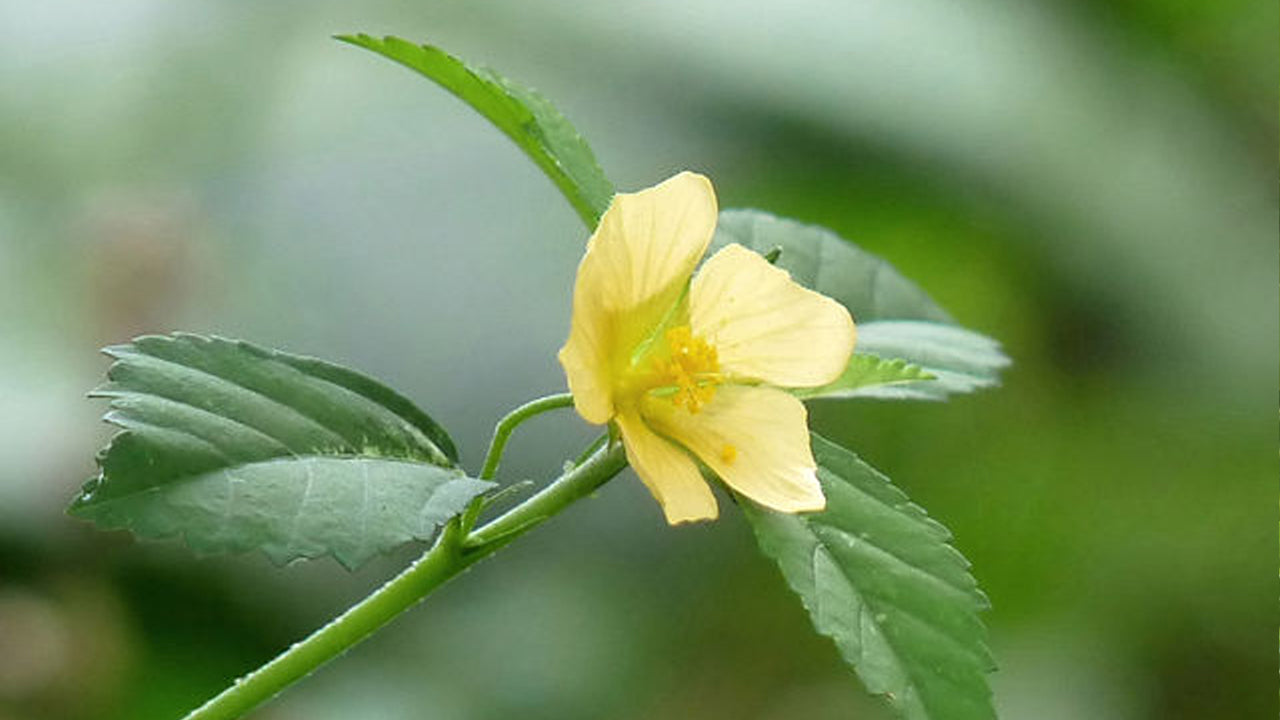
Spiny sida
Sida alba -
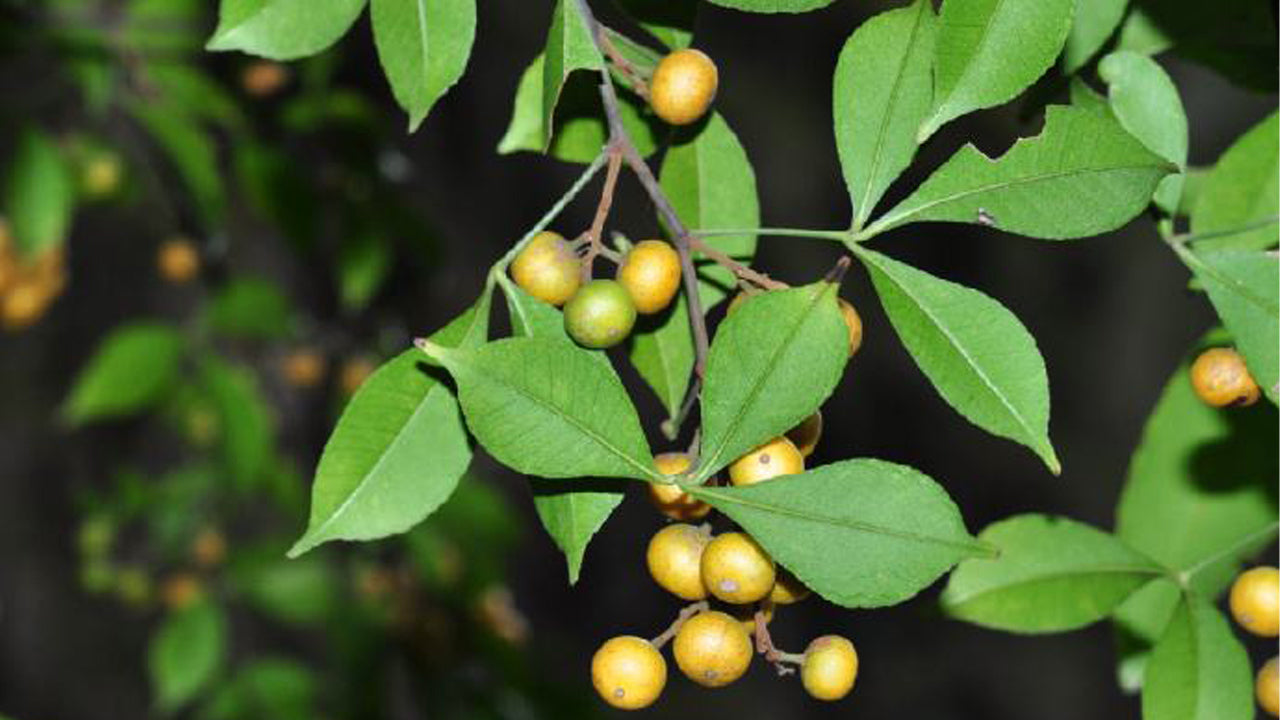
Orange climber
Toddlia asiatica -
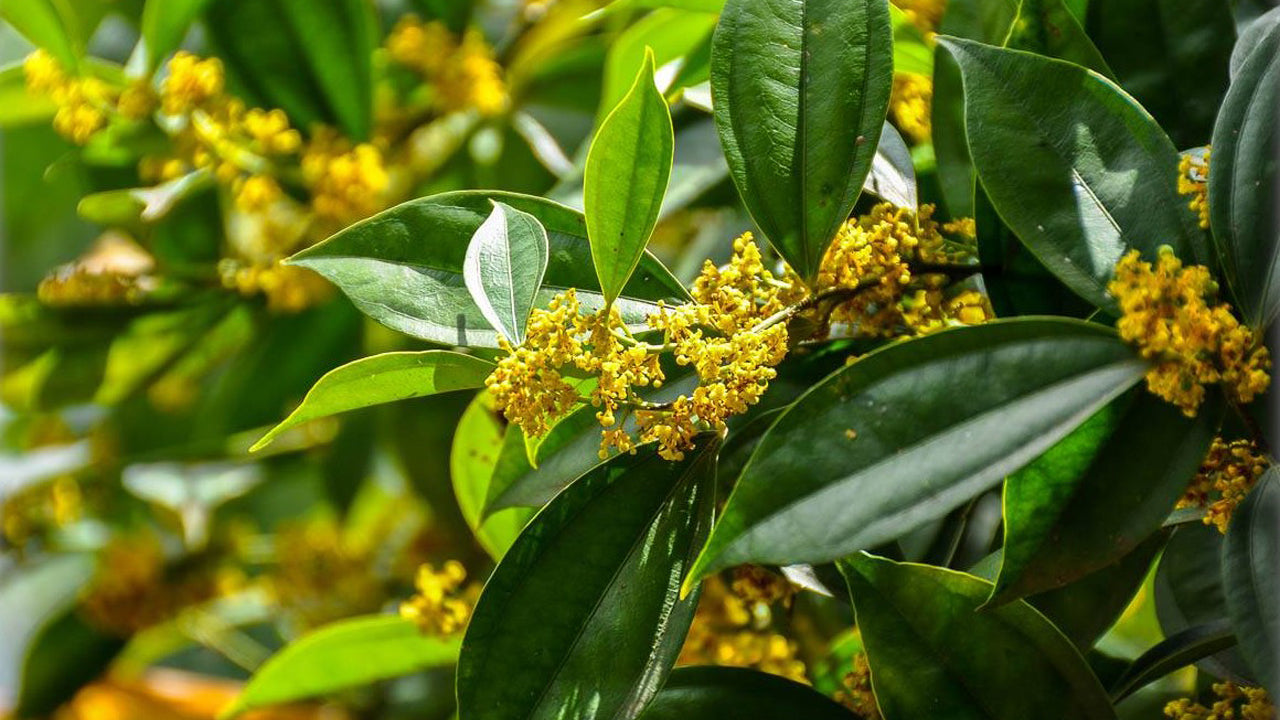
Ceylon cinnamon
Cinnamomum zeylanicum -
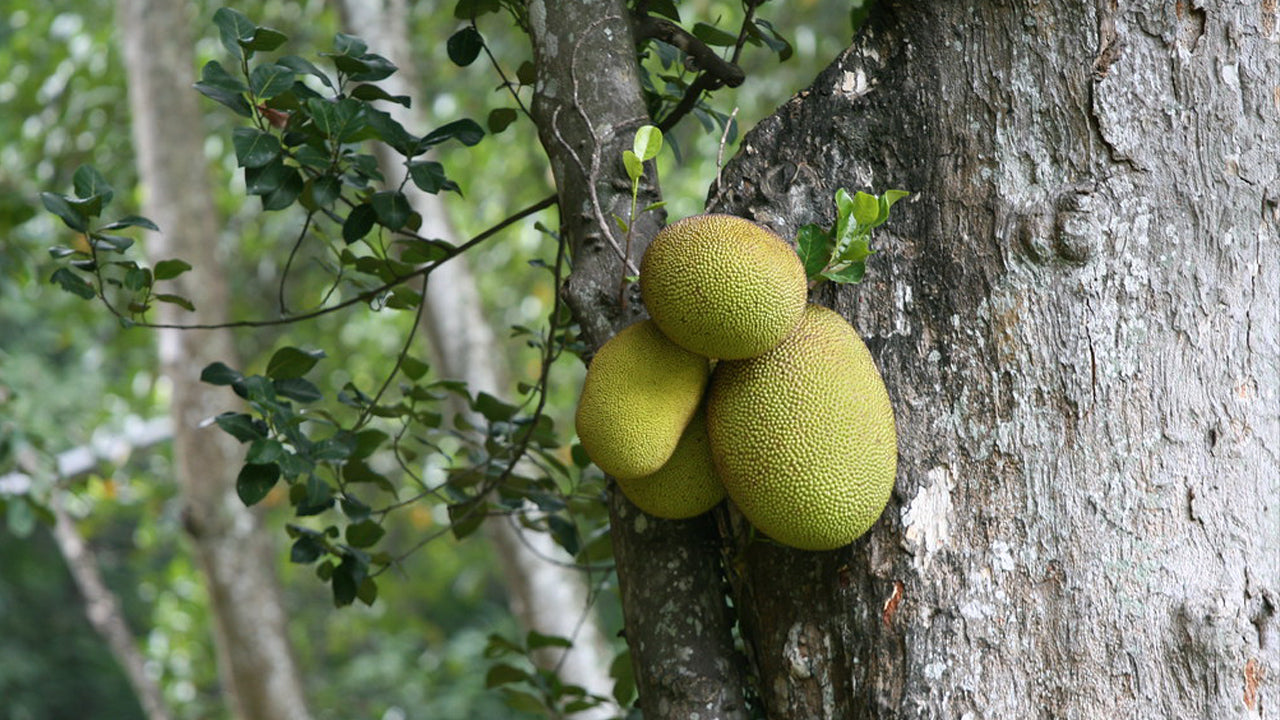
Jackfruit
Artocarpus heterophyllus -
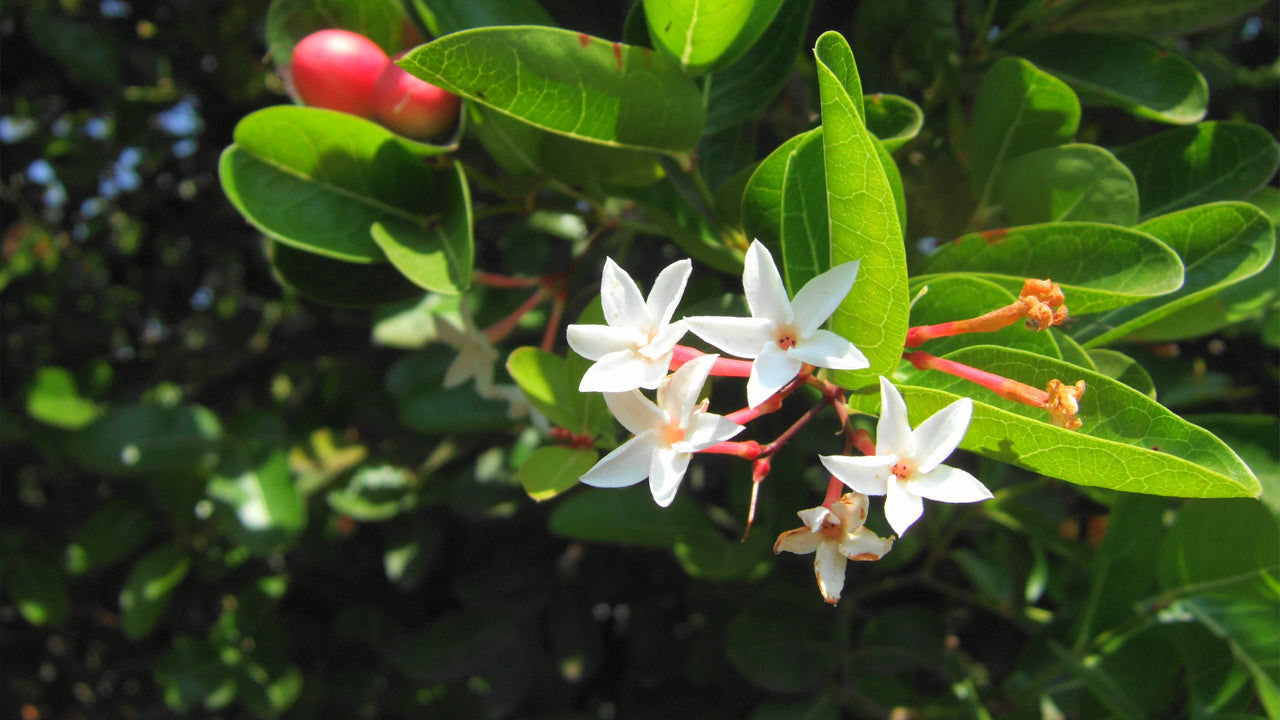
Karonda
Carissa carandas -
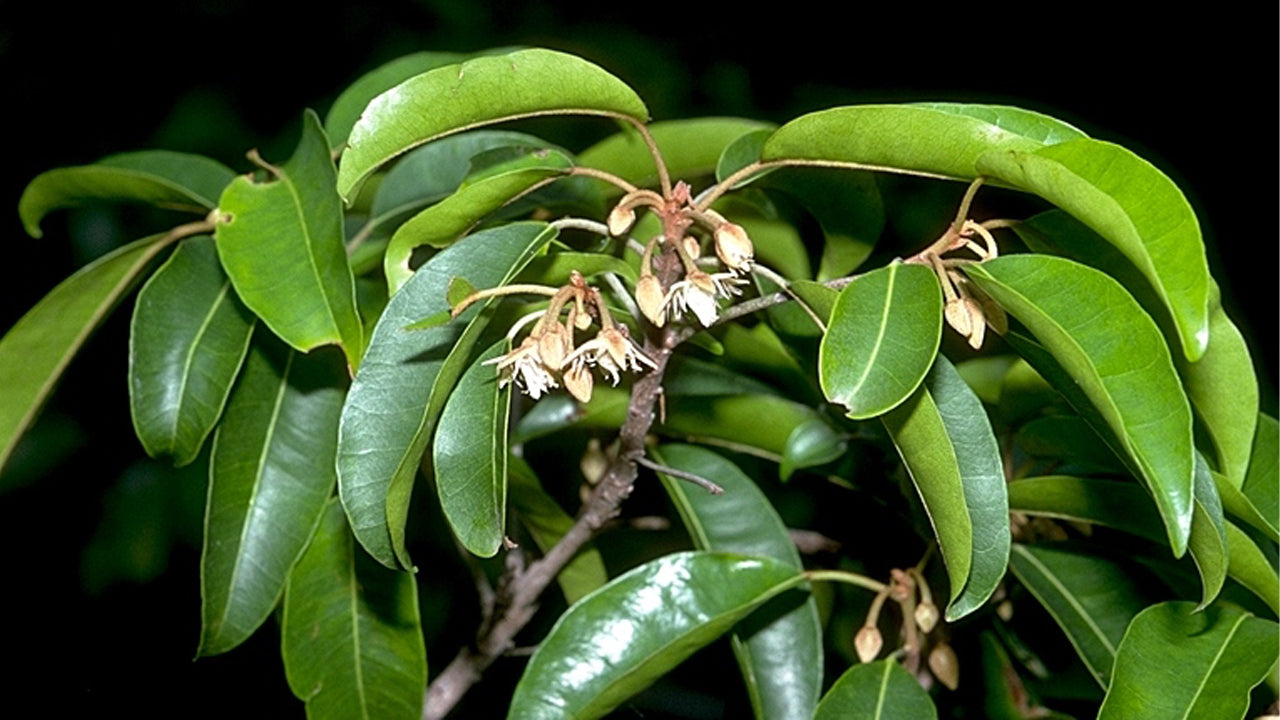
Spanish cherry
Mimusops elengi -
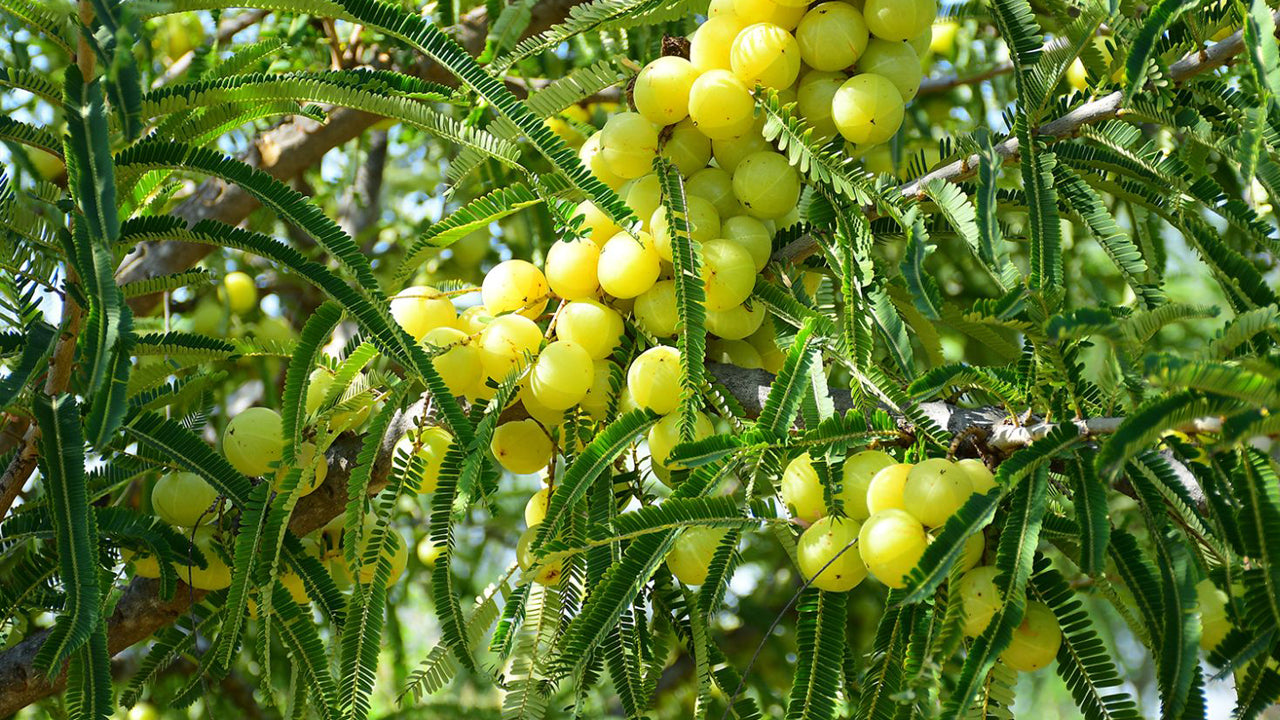
Indian gooseberry
Phyltanthus emblica -
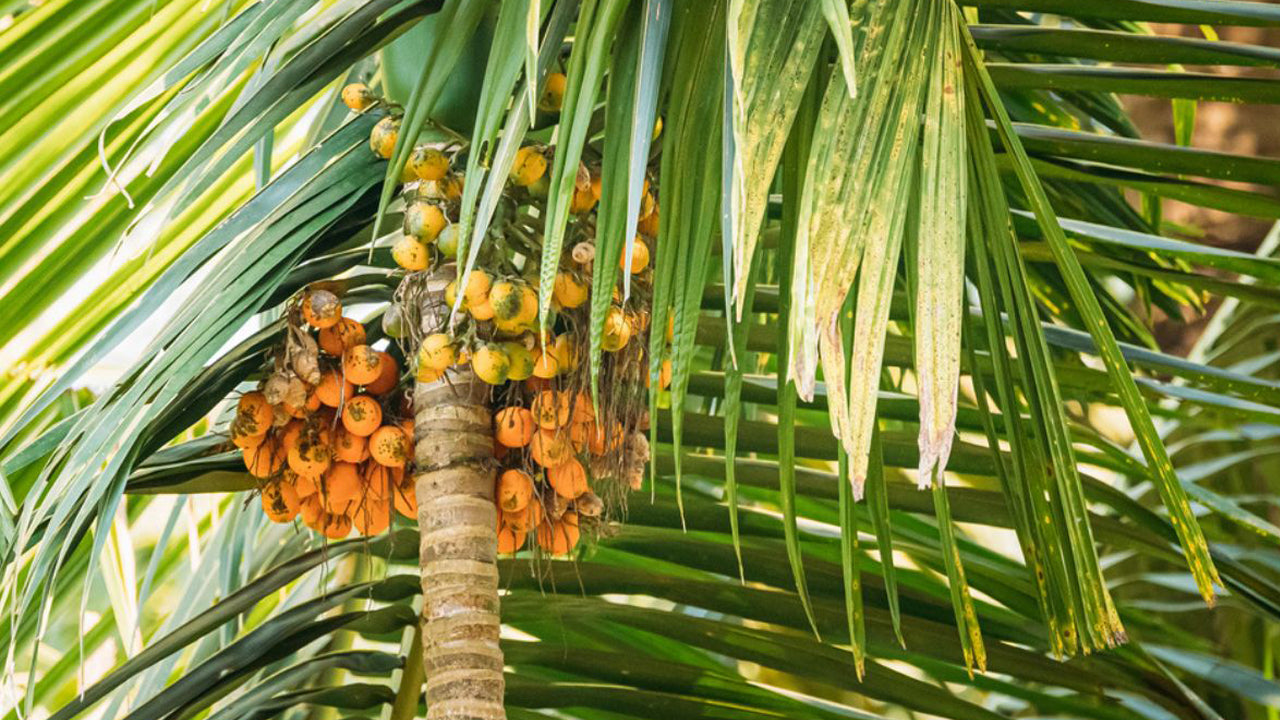
Betel palm
Areca catechu -
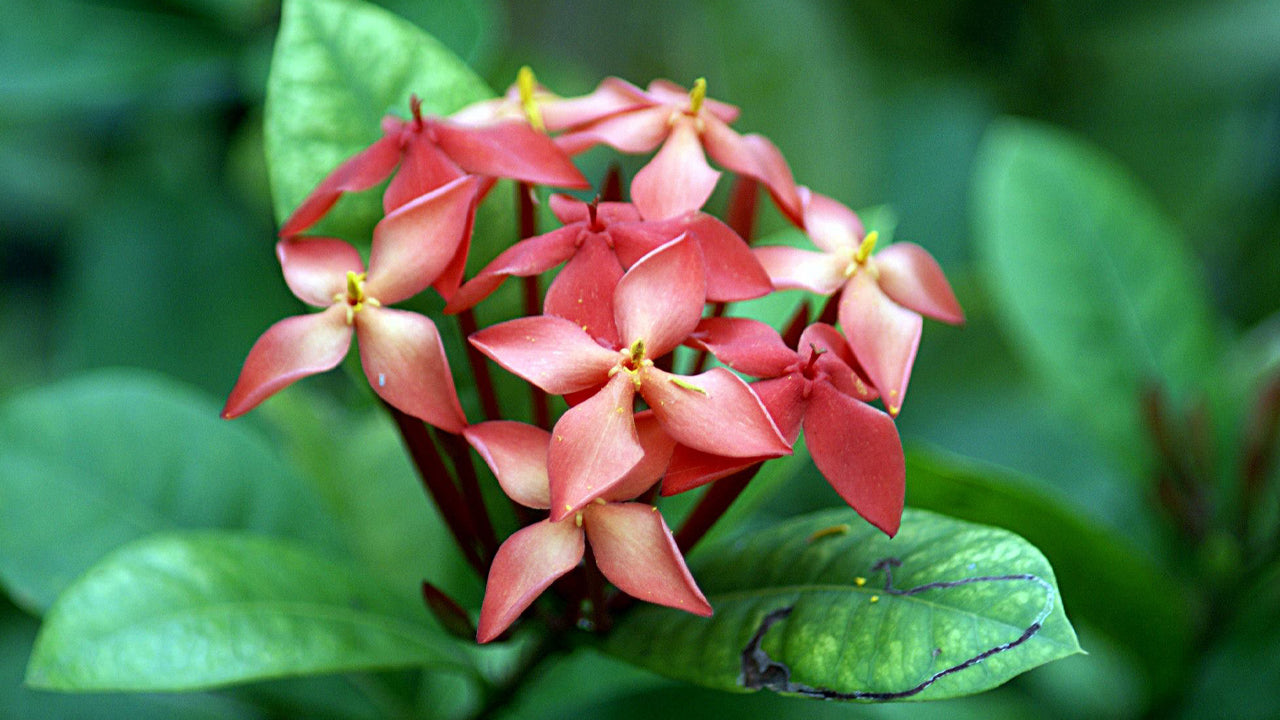
Jungle geranium
Ixora coccinea -
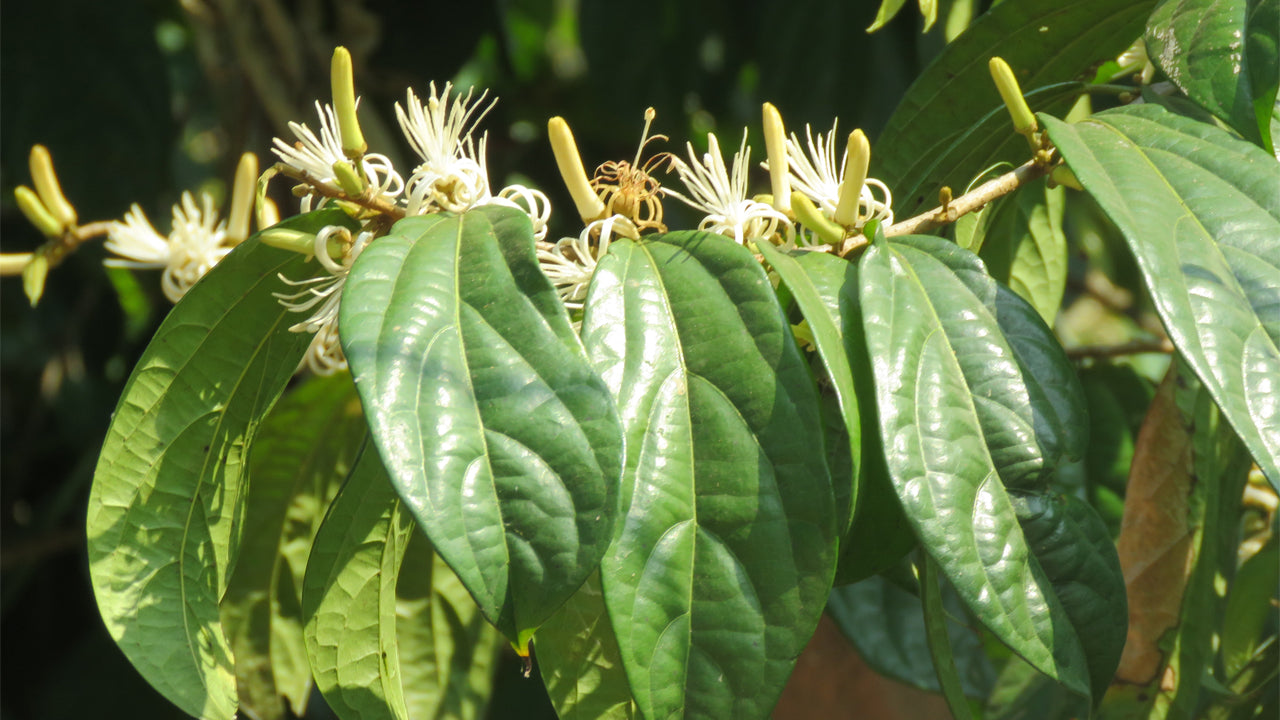
Sage-leaved alangium
Alangium salviifolium -
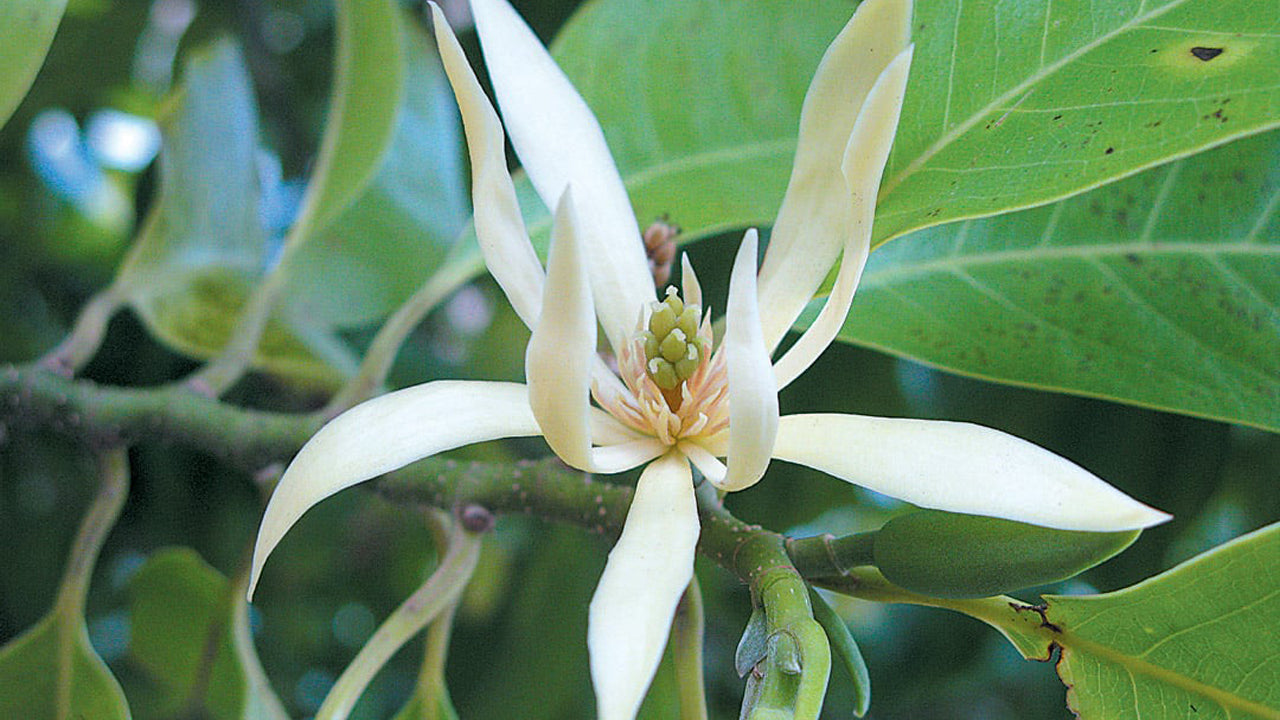
Champak
Michelia champaca -
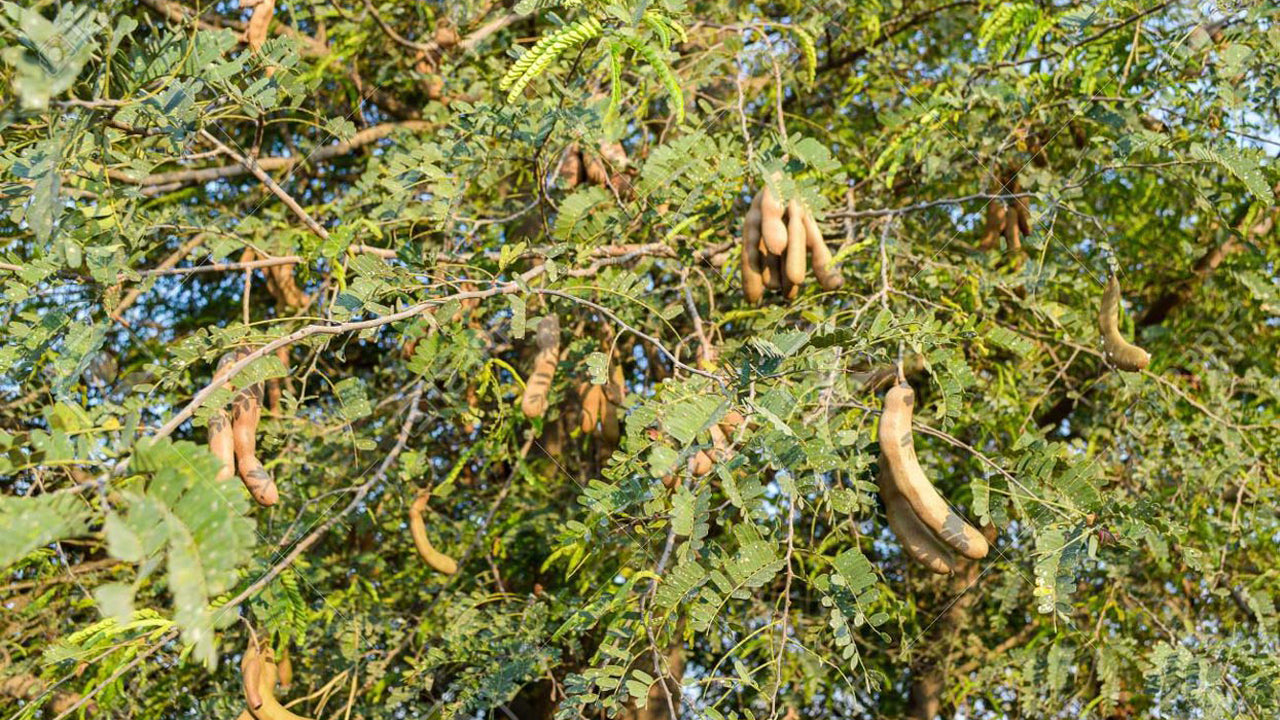
Tamarind
Tamarindus indica -
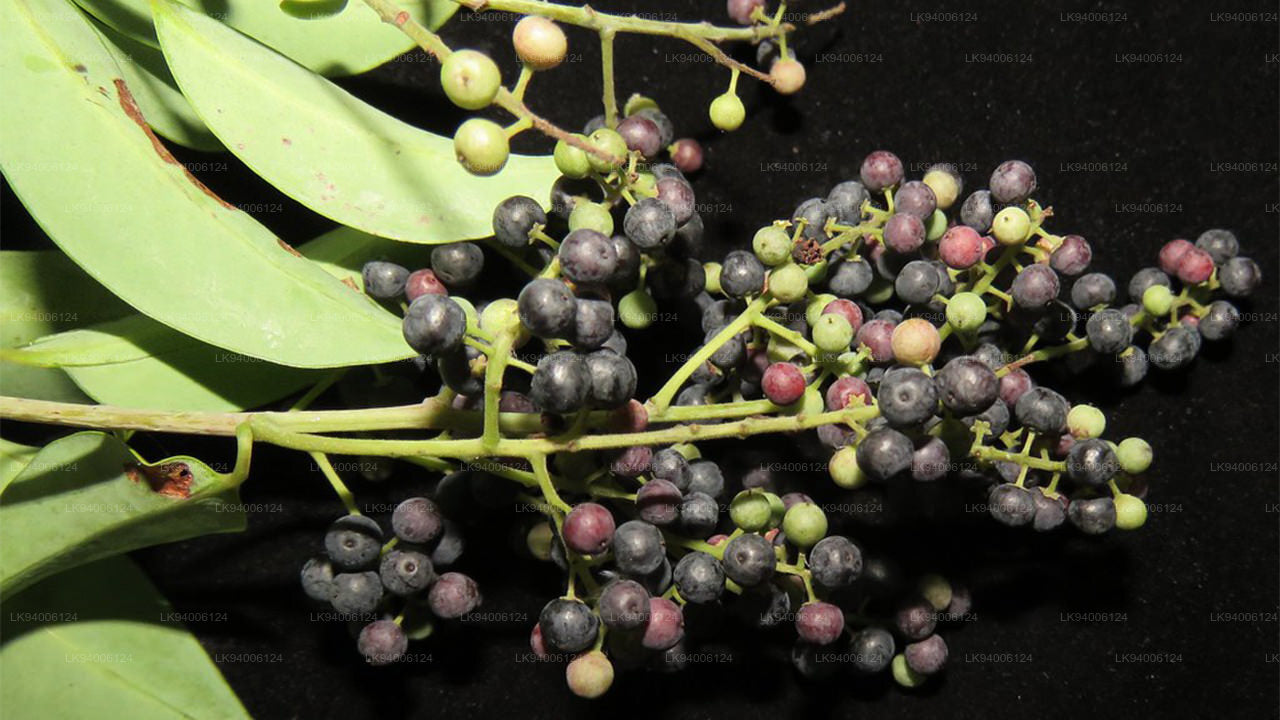
False Black Pepper
Embelia ribes -
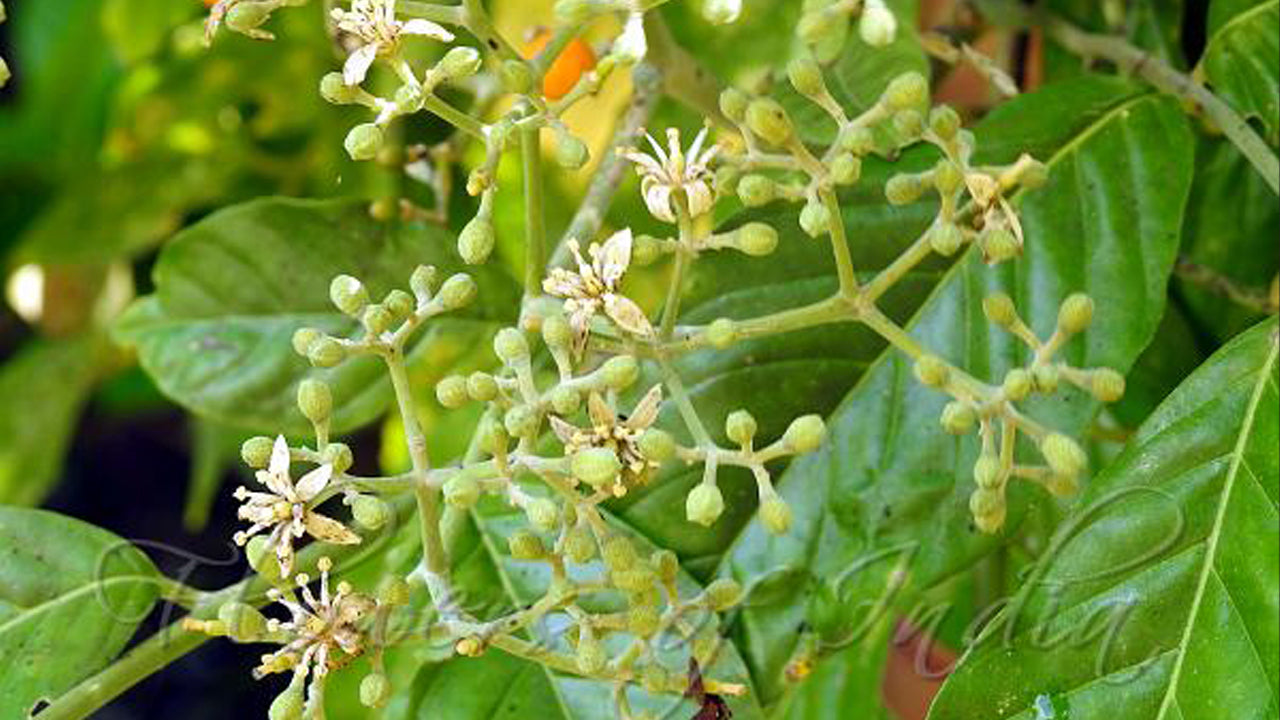
Limeberry
Micromelum ceylanicum -
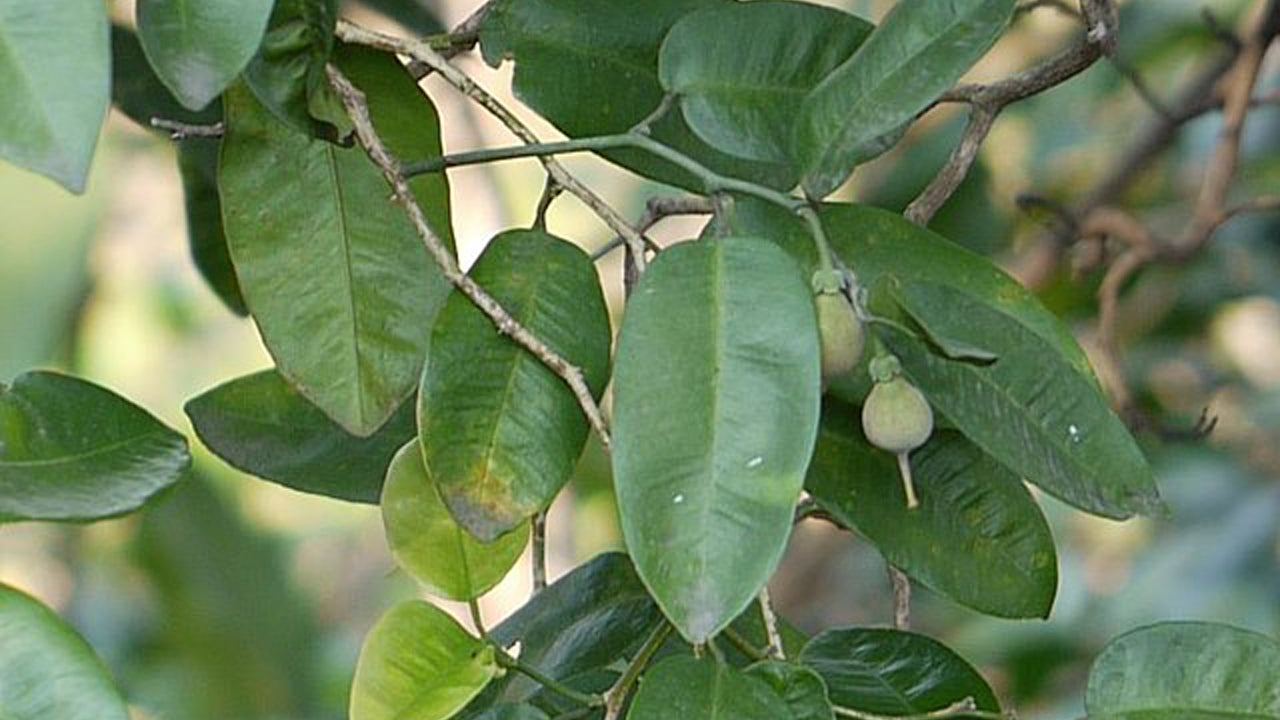
Climbing Atalantia
Paramignya monophylla


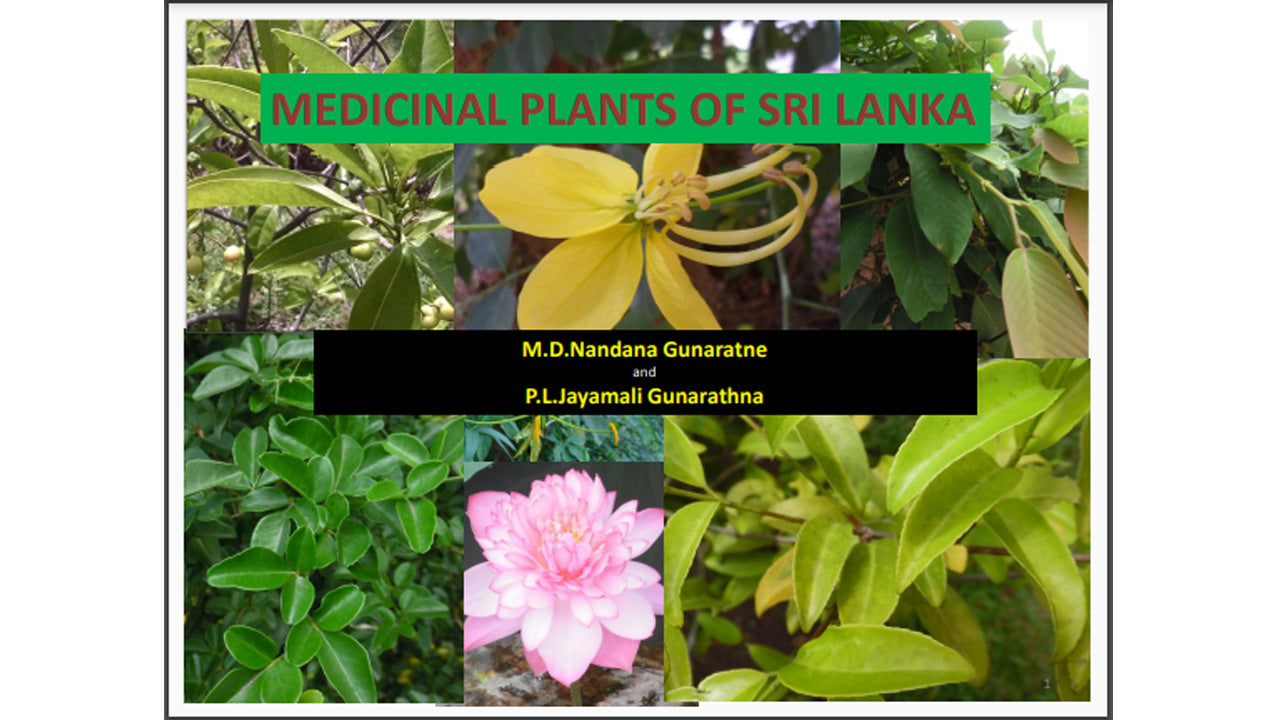



Ayurvedic and Herbal
-
싯달레파 아유르베다 허벌 밤
정가 $0.48 USD에서정가$0.54 USD할인가 $0.48 USD에서할인 -
링크 스와사 트리팔라 (30정)
정가 $1.74 USD에서정가$1.93 USD할인가 $1.74 USD에서할인 -
락푸라® 야생 사워솝(구아나바나, 그라비올라, 구아바노) 건조 잎 (통째로)
정가 $0.72 USD에서정가$0.81 USD할인가 $0.72 USD에서할인 -
 할인
할인세츠와 프라나지바 오일
정가 $3.85 USD에서정가$4.28 USD할인가 $3.85 USD에서할인