Shankari Devi Shakthi Peetam

Shankari Devi Shakthi Peetam Shankari Devi Shakthi Peetam Shankari Devi Shakthi Peetam

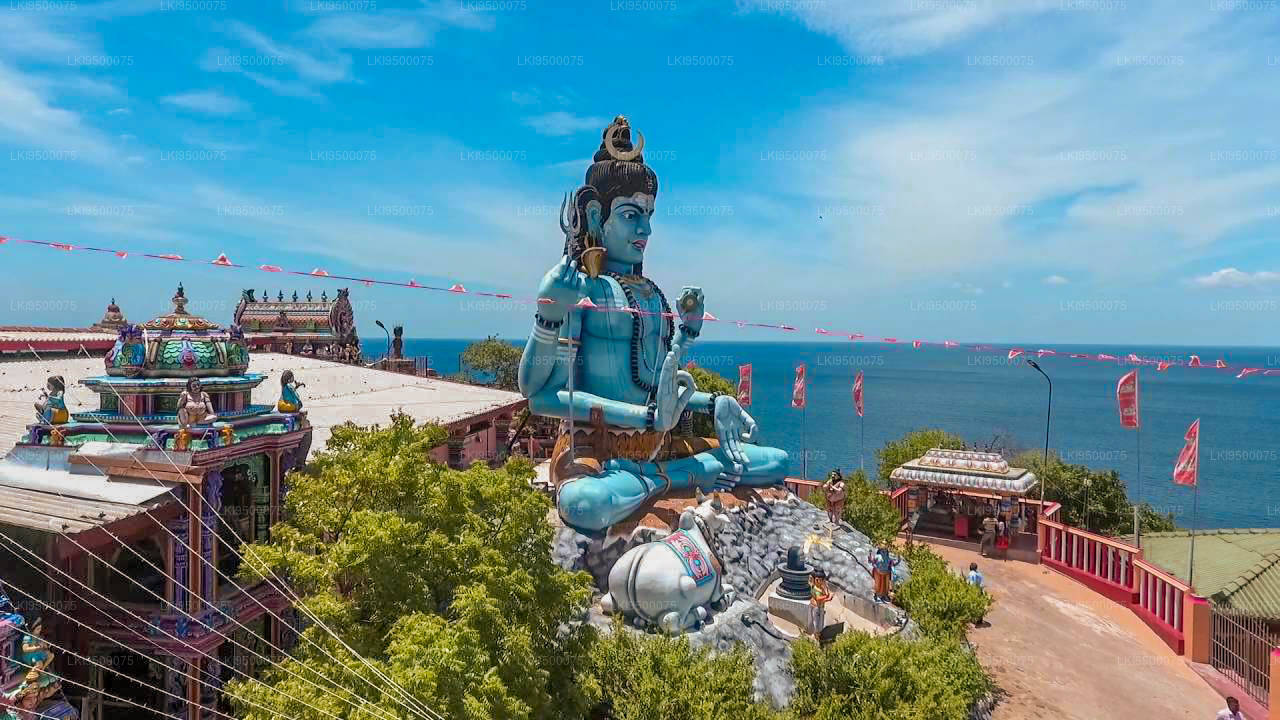
Shankari Devi temple in Tricomalee, Srilanka is a prominent temple for Hindus. But, it is most rarely visited and it is very least popular in all AstavaDasha Shakti peethas. Shanakri Devi Temple is situated in an east coast town of Srilanka, Tricomalee (Tri – Cona – Malai = a triangular hill).

Along with the temple of Shaankari Devi, there is a temple of Lord Shiva – TRIKONESHWARA Temple.

Portuguese people demolished these temples in 17th century.

About Temple

Koneswaram temple also Thirukoneswaram is a Hindu temple which is located in the town Trincomalee, Sri Lanka. It is dedicated to main deity in Shaivism namely Lord Siva and is one of the five ancient Sivan templearound the island.

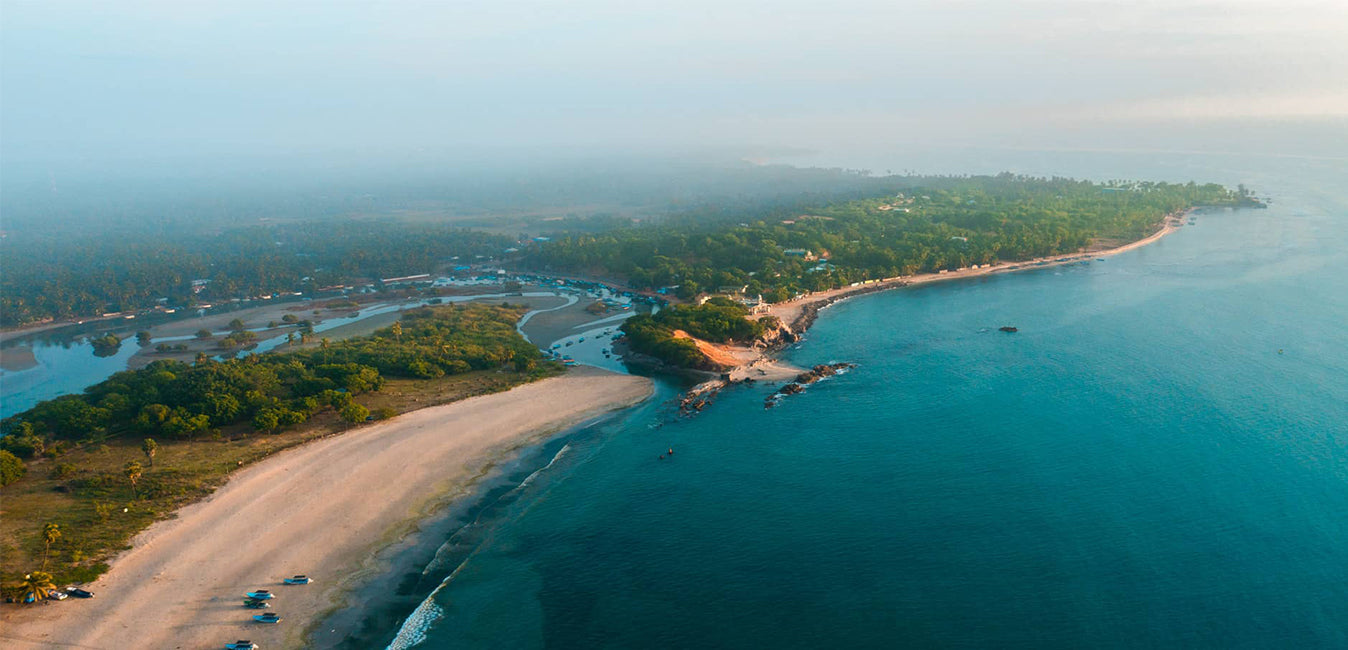
Trincomalee is a natural deep-water harbor that attracted great sea farers like Marco Polo, Ptolemy and sea traders from China and East Asia from the ancient times. The local name Thirukonamalai means "Holy East Hill". Kona is a derivative of the 1st Century Tamil word Kuna meaning East. Trinco as it is commonly called has been a sea port since the days of the ancient Kings and one of the British Empire's most important ports in Asia during the second world war. From 1941-45, Trinco had been the headquarters of Lord Louis Mountbatten Allied Southeast Asia commander. The Koneswaram temple is believed to have been a major religious shrine since before the arrival of Prince Vijaya 2500 years ago. Many inscriptions found in the surrounding area speak of Indian Pallava, Chola and even Pandya kings making contributions to the upkeep of the temple indicating an origin in antiquity. Local legend has it that it was renovated by a Tamil Chola king from South India named Kulakottan. This temple is one of the four important Saivite temple connected to the revival of Hinduism in Sri Lanka. The other three temples are situated in Ketheeswaram, Munneswaram and Galle

There is evidence that indicates at least some of the later Sinhalese Buddhist kings too maintained the temple although Buddhist King Mahasena was reported to have destroyed it and built a Buddhist temple and Dagoba in its place.

This shrine was demolished in 1622 by the Portuguese (who called it the Temple of a Thousand Columns), who fortified the heights with the materials derived from its destruction. Some of the artefacts from the demolished temple were kept in the Lisbon Museum. The stone inscription by Kulakottan has a dual fish emblem and is engraved with a prophesy stating that after 1500s, westerners with different eye colors will rule the country for the ensuing 500 years and at the end of it, the rule will revert back to Vadugus. Trincomalee was next held by the Dutch and subsequently by them and the French alternately, till the capture of Sri Lanka by the British in 1795.

The hill face is rugged and is called 'Ravanan Veddu'. As Trinco is full of seismic and volcanic activity as seen in Kanniya Hot Springs area, this rugged face of rock is a reminder of the movement of Earth's crust in this ar

트린코말리 지역 소개

트린코말리는 스리랑카 동해안에 위치한 항구 도시입니다. 트린코말리 만은 넓은 규모와 안전한 항구로 유명합니다. 인도양의 다른 항구들과 달리 트린코말리는 날씨에 관계없이 모든 종류의 선박이 드나들 수 있습니다. 해변은 서핑, 스쿠버 다이빙, 낚시, 고래 관찰에 적합합니다. 또한 스리랑카에서 가장 큰 네덜란드 요새가 있습니다. 스리랑카의 주요 해군 기지와 공군 기지가 이곳에 있습니다.

대부분의 타밀족과 싱할라족은 이 지역 원주민으로서 이곳을 자신들에게 신성한 장소로 여깁니다. 트린코말리와 그 주변에는 역사적으로 중요한 힌두교 및 불교 유적지가 있습니다. 이러한 유적지는 힌두교와 불교 신도 모두에게 신성한 곳입니다.

동부 지방 소개

동부 지방은 스리랑카의 9개 지방 중 하나입니다. 이 지방들은 19세기부터 존재해 왔지만, 1978년 스리랑카 헌법 제13차 개정으로 지방 의회가 설립된 1987년까지는 법적 지위를 갖지 못했습니다. 1988년부터 2006년까지 이 지방은 북부 지방과 일시적으로 합병되어 북동부 지방을 형성했습니다. 이 지방의 주도는 트링코말리입니다. 동부 지방의 인구는 2007년 기준 1,460,939명이었습니다. 이 지방은 민족적, 종교적으로 스리랑카에서 가장 다양한 지방입니다.

동부 지방의 면적은 9,996제곱킬로미터(3,859.5제곱마일)입니다. 이 지방은 북쪽으로 북부 지방, 동쪽으로 벵골 만, 남쪽으로 남부 지방, 서쪽으로 우바, 중부, 북중부 지방으로 둘러싸여 있습니다. 이 지방의 해안은 석호로 이루어져 있으며, 가장 큰 석호로는 바티칼로아 석호, 코킬라이 석호, 우파르 석호, 울라칼리 석호가 있습니다.