Lakpura
Lakpura®

Batticaloa City

Batticaloa occupies a slender tongue of land on Sri Lanka's east coast, flanked by the Indian Ocean to the east and the broad Batticaloa Lagoon to the west. It is the principal city of the Eastern Province and one of the island's most distinctive urban landscapes — less a conventional city and more an archipelago of low-lying islands connected by bridges and ferries, with the lagoon threading through daily life at every turn.

What makes Batticaloa different from other Sri Lankan cities?

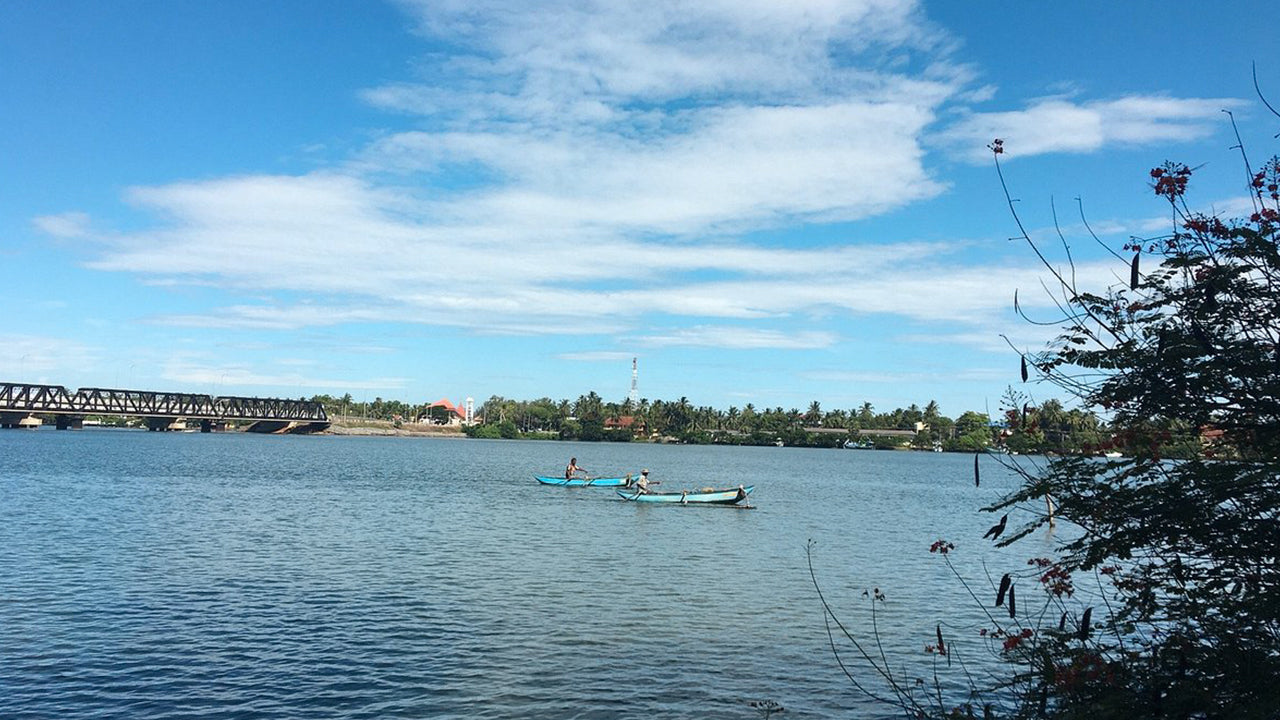
The city's geography is immediately unlike anywhere else in Sri Lanka. The Batticaloa Lagoon extends roughly 56 km southward from Eravur in the north to Kalmunai, leaving behind a scattering of islands and narrow land strips within its waters. Ferries and small bridges link these islands to the mainland, giving the city a character that owes as much to the water as to the land.

Batticaloa is also home to one of Sri Lanka's more unusual natural curiosities: the "singing fish" of the lagoon. On calm nights around April and May, a faint musical hum is said to rise from the water near the old Dutch Fort — a phenomenon that has fascinated travellers and scientists for generations, though its precise cause remains debated. Lowering a wet oar into the lagoon and pressing an ear to it is the traditional way to hear it.

What are the top things to see and do in Batticaloa?

The city rewards slow exploration. Walking or cycling across its bridges offers clear views of fishing boats, lagoon birds, and the low skyline of the town itself. Key landmarks include:

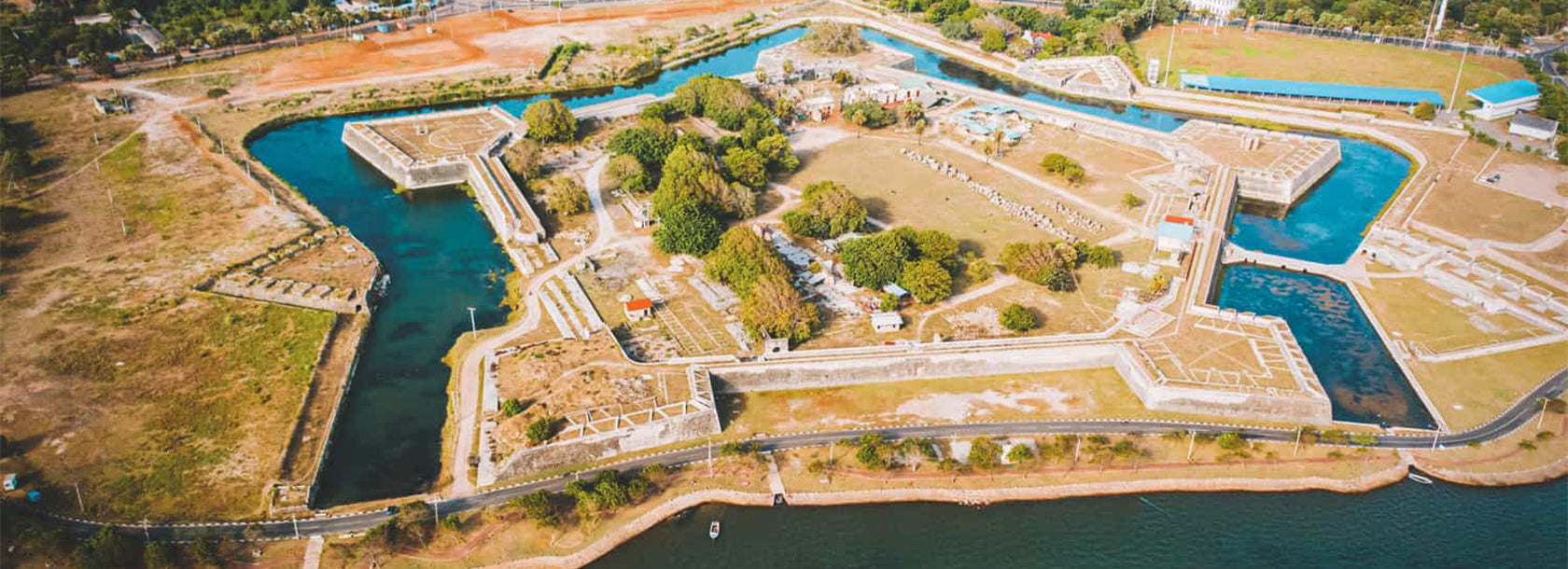
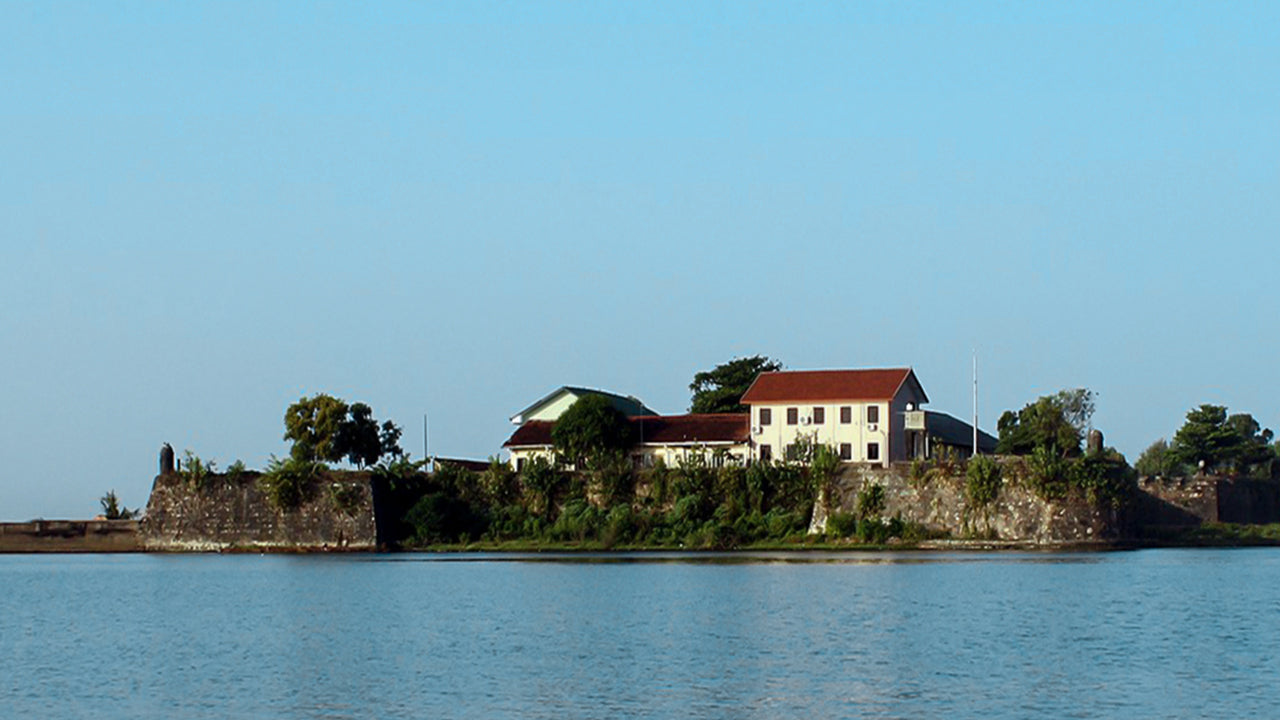
  • Batticaloa Dutch Fort — Built by the Portuguese in 1628 and later expanded by the Dutch, this fort sits at the heart of the city on a small island. It now functions as a government office, but its thick walls and moat remain largely intact.
  • Kallady Bridge — One of the longest bridges in Sri Lanka, it connects the main town to Kallady and offers panoramic views of the lagoon, particularly at dusk.
  • Our Lady of Sorrows Cathedral — A significant Roman Catholic church serving the large Catholic community in the region, with origins tracing back to Portuguese colonial missionary activity.
  • Mamangam Hindu Temple — One of several prominent Hindu kovils that reflect the predominantly Tamil cultural character of the city.
  • Batticaloa Lagoon boat trips — Local boatmen offer trips across the lagoon. Birdwatching is rewarding year-round, with egrets, kingfishers, and wading birds common sightings.

What beaches are near Batticaloa?

Batticaloa's own shoreline is pleasant, but the most celebrated beaches in the district lie a short drive to the north. Pigeon Island is a well-known marine sanctuary further up the coast near Nilaveli, but the bays closest to Batticaloa — Pasikudah and Kalkudah — are among the finest in the country.

Pasikudah Bay is sheltered by an offshore reef that keeps the water exceptionally calm and shallow for several hundred metres from shore, making it suitable for wading and swimming even for non-swimmers. The bay faces west, which also means the afternoon sun catches the water at an angle that produces clear turquoise hues. Kalkudah, immediately to the south, is quieter and slightly less developed, appealing to travellers who prefer fewer crowds. Both bays are best visited between April and September, when the east coast's dry season brings calm seas and reliable sunshine.

When is the best time to visit Batticaloa?

Sri Lanka's east coast operates on a seasonal pattern opposite to the west and south. The dry season on the east coast runs from approximately May to September, making this the optimal window for beach visits and travel around the Batticaloa district. October to January brings the northeast monsoon, which can make coastal travel less comfortable, though the city itself remains accessible year-round. The months of April and May straddle the transition and are generally good for travel, with some of the best lagoon conditions of the year.

How do I get to Batticaloa from Colombo?

Batticaloa is roughly 310 km from Colombo by road. Several routes are possible:

Route Approximate Travel Time Notes
By road via Kandy and Mahiyanganaya 6–7 hours The most common inland route; scenic through the hill country foothills
By road via Polonnaruwa 5–6 hours Flat, fast road through the Cultural Triangle; allows a stop at Polonnaruwa ruins
By train from Colombo Fort 7–9 hours Intercity trains run via Habarana and Gal Oya; reservations recommended
By domestic flight (Ratmalana to Batticaloa Airport) Around 1 hour Scheduled services operate; seat availability varies by season

From Trincomalee to the north, the A15 coastal motor road connects the two cities in roughly two hours. From the south, the A4 coastal road from Pottuvil provides access through Ampara district.

What is the cultural character of Batticaloa?

Batticaloa is predominantly Tamil-speaking and has a strong Hindu cultural identity, alongside significant Muslim and Christian communities. The city's history reflects successive waves of colonial influence — Portuguese, Dutch, and British — overlaid on a much older Tamil settlement tradition. Tamil festivals such as Thaipongal and Hindu kovil festivals are celebrated with particular energy here. The local cuisine draws on eastern Sri Lankan Tamil cooking traditions: fresh lagoon fish, crab, and prawn dishes are central to the local table, often prepared with distinctive regional spice combinations.

The city was significantly affected by the 2004 Indian Ocean tsunami and by the decades-long civil conflict, and its post-war recovery has brought considerable infrastructure development. Visitors today find a functioning, peaceful city with a growing hospitality sector, though it retains a quieter, less touristically developed character compared to Colombo or Galle.

What day trips are possible from Batticaloa?

The surrounding Eastern Province offers several worthwhile excursions:

  • Arugam Bay — A world-ranked surf destination on the southern east coast, approximately 90 km from Batticaloa via the A4 road. The main surf season runs May to October.
  • Polonnaruwa — The medieval royal capital of Sri Lanka, a UNESCO World Heritage Site, lies around 90 km to the northwest and is comfortably done as a day trip.
  • Ampara district wildlife — The hinterland between Batticaloa and Ampara contains several forest reserves and the Gal Oya National Park, known for elephant herds that swim between islands in the reservoir — a rare wildlife spectacle.
  • Kattankudy Mosque complex — A short drive south of the city, this is one of the largest mosque concentrations in the region and a point of interest for those exploring the Muslim heritage of the east coast.

Book this experience with Lakpura

Curated by our local team. Direct booking, instant confirmation.

Ask Lakpura® Agent