Large Shieldtail


Scientific Name: Uropeltis macrolepis
Family: Uropeltidae
Common Name(s): Large Shieldtail
Overview:
The Large Shieldtail is a remarkable, non-venomous snake species belonging to the Uropeltidae family. This fossorial (burrowing) species is found exclusively in the tropical forests of Sri Lanka. As with other members of the Uropeltis genus, the Large Shieldtail is known for its unique, shield-like tail, which it uses for digging and protection while burrowing underground. This snake’s elusive nature and secretive lifestyle make it a challenging species to observe in the wild.
Physical Description:
- Size: The Large Shieldtail typically ranges from 40 to 60 cm (16 to 24 inches) in length, making it one of the larger members of the Uropeltis genus.
- Coloration: The snake has a smooth, glossy appearance, usually in shades of brown or reddish-brown. Its body may have subtle darker patterns or lighter tones along the sides, with a pale, cream-colored belly.
- Tail: The most distinctive feature of the Large Shieldtail is its large, flattened, and shield-like tail. This tail is thickened and helps the snake to burrow through soil and protect itself from potential predators.
- Head: The head of the Large Shieldtail is small, flattened, and rounded, blending seamlessly into the rest of the body. It is often difficult to distinguish from the rest of the snake due to its cylindrical body shape.
Habitat and Distribution:
- Geographical Range: The Large Shieldtail is found exclusively in Sri Lanka, primarily in the island's central and southwestern regions.
- Habitat: This snake prefers humid, tropical forests, where it can burrow into loose, moist soil, leaf litter, or under rocks. The dense rainforests and plantations of Sri Lanka’s wet zone provide an ideal environment for this fossorial species.
Behavior and Diet:
- Burrowing Lifestyle: Like other shieldtail species, the Large Shieldtail is primarily a burrower. It spends most of its life underground, using its specialized tail to dig through soil in search of prey.
- Diet: The Large Shieldtail is insectivorous, feeding mainly on small invertebrates such as earthworms, ants, and termites. As it burrows, it encounters and consumes these invertebrates, contributing to natural pest control in its habitat.
Reproduction:
- Reproductive Mode: The Large Shieldtail is ovoviviparous, meaning that females give birth to live young rather than laying eggs. The young are fully developed at birth and can immediately begin foraging for food.
Conservation Status:
- Threats: Although the Large Shieldtail is not currently listed as endangered, it faces potential threats from habitat loss due to deforestation, agricultural expansion, and human development. As a burrowing species, it is particularly vulnerable to disturbances in its forested habitats.
- Conservation Efforts: Conserva
-
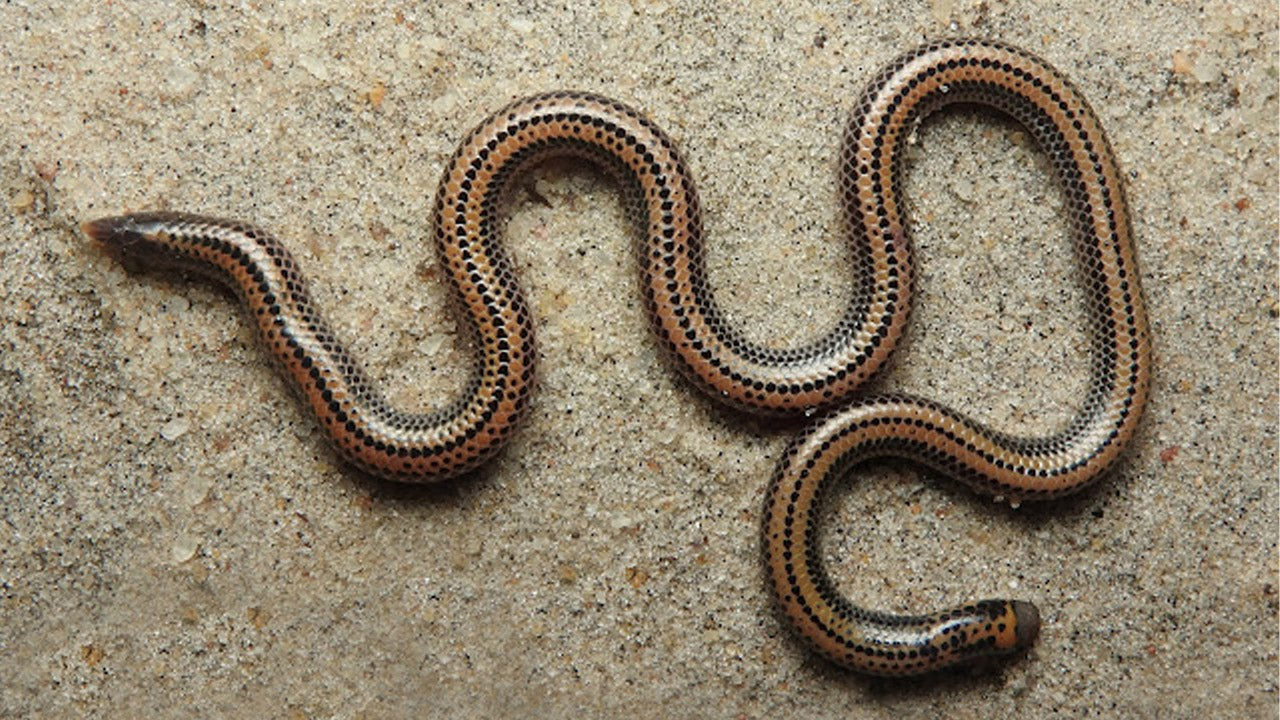 Muller's Shieldtail
Uropeltis mülleri
-
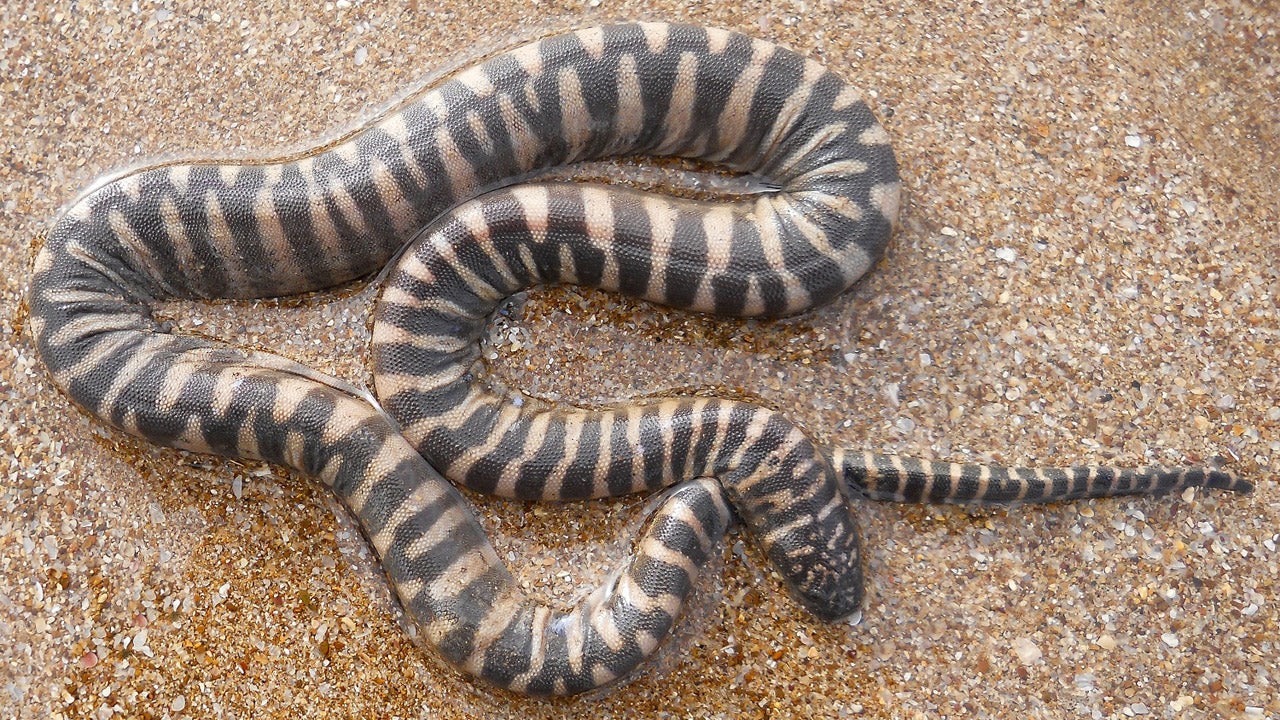 Wart Snake
Acrochordus
-
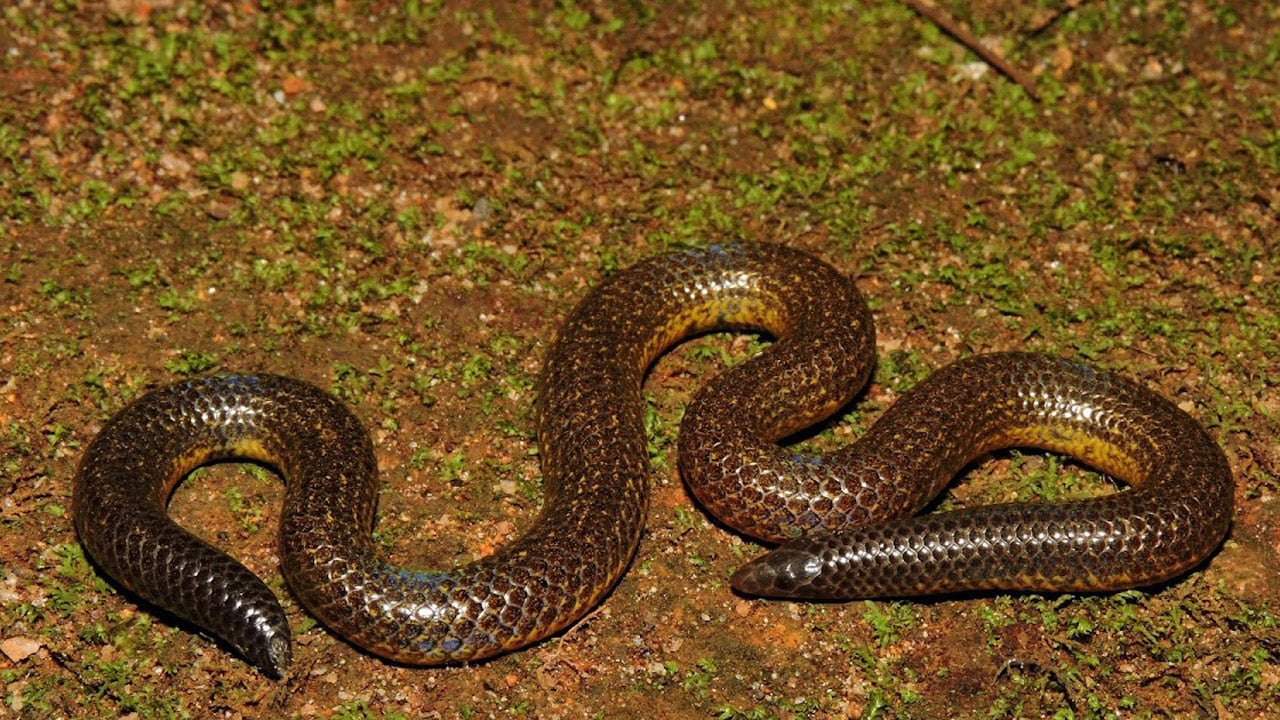 Drummond-Hay's Shieldtail
Rhinophis drummondhayi
-
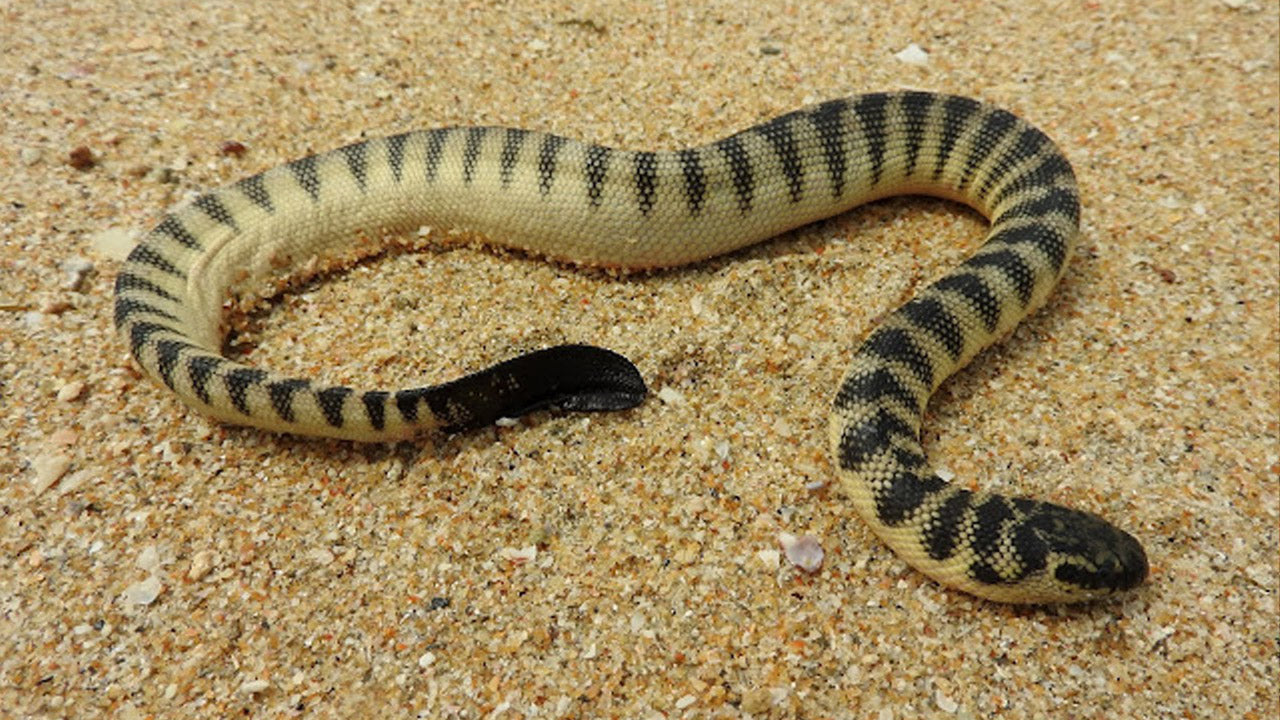 Shaw's Sea Snake
Hydrophis curtus
-
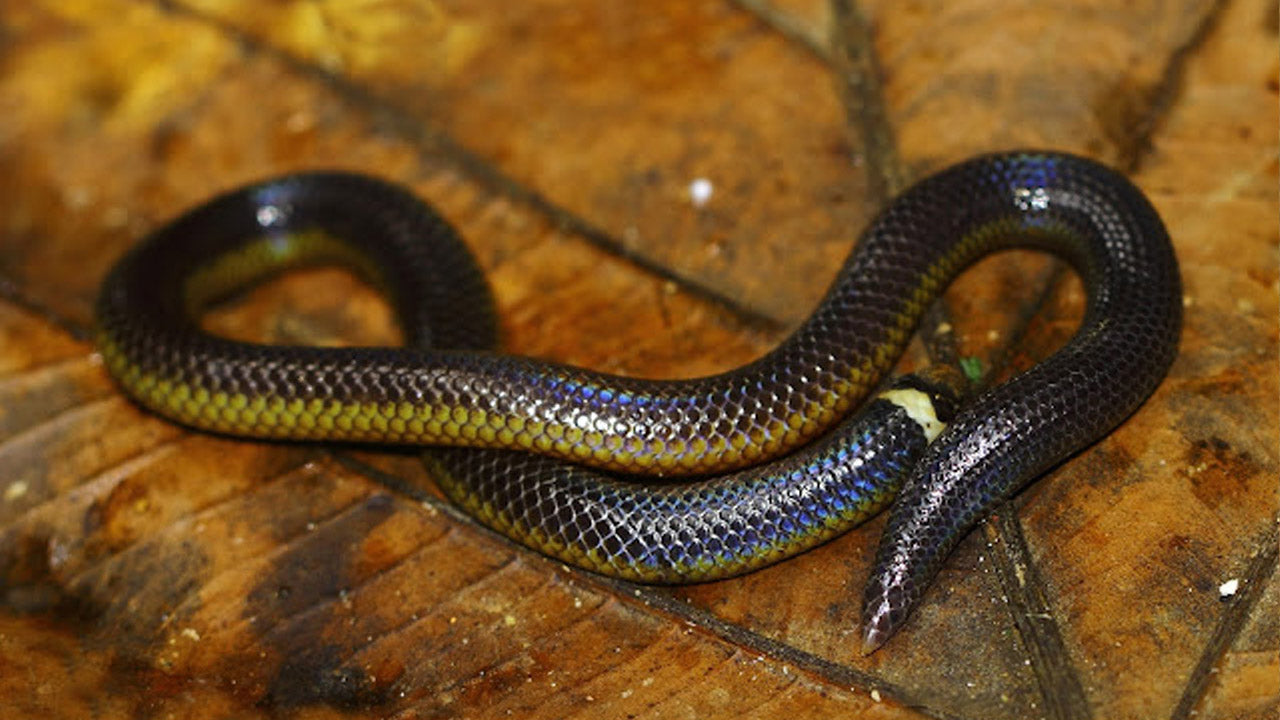 Deraniyagala's Shieldtail
Rhinophis tricoloratus
-
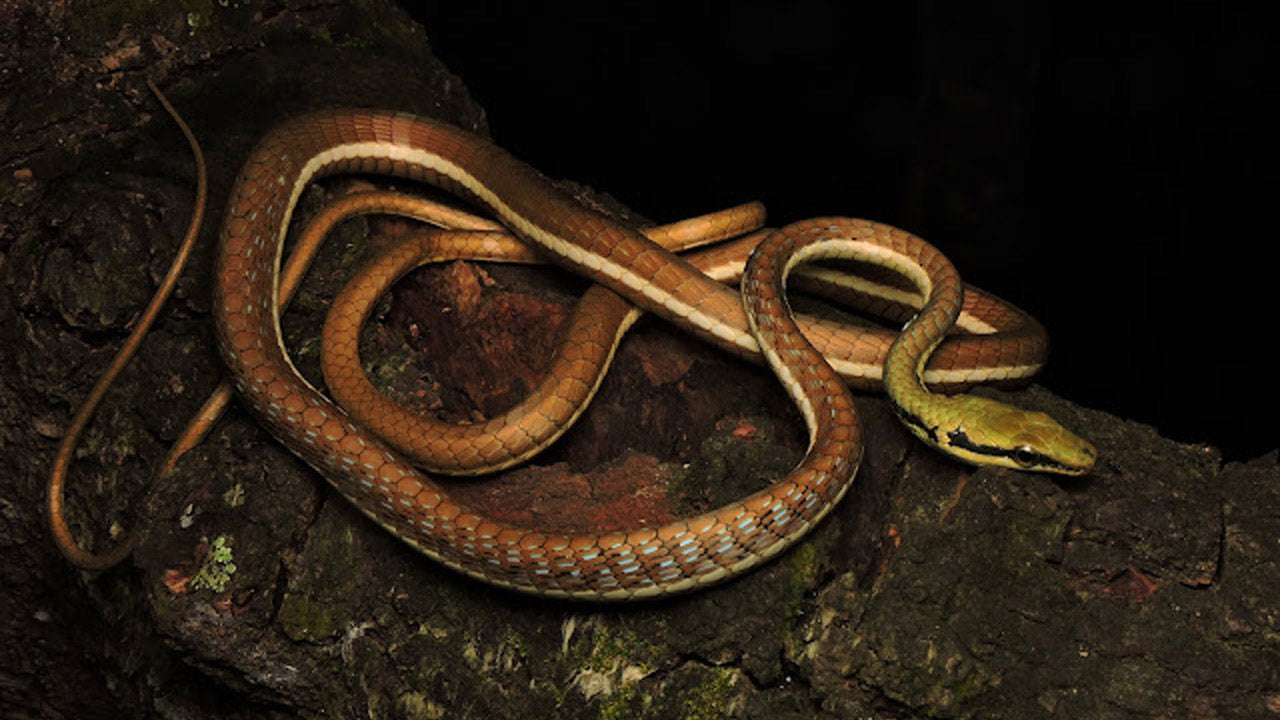 Wickramasinghe's Bronzeback
Dendrelaphis wickrorum
-
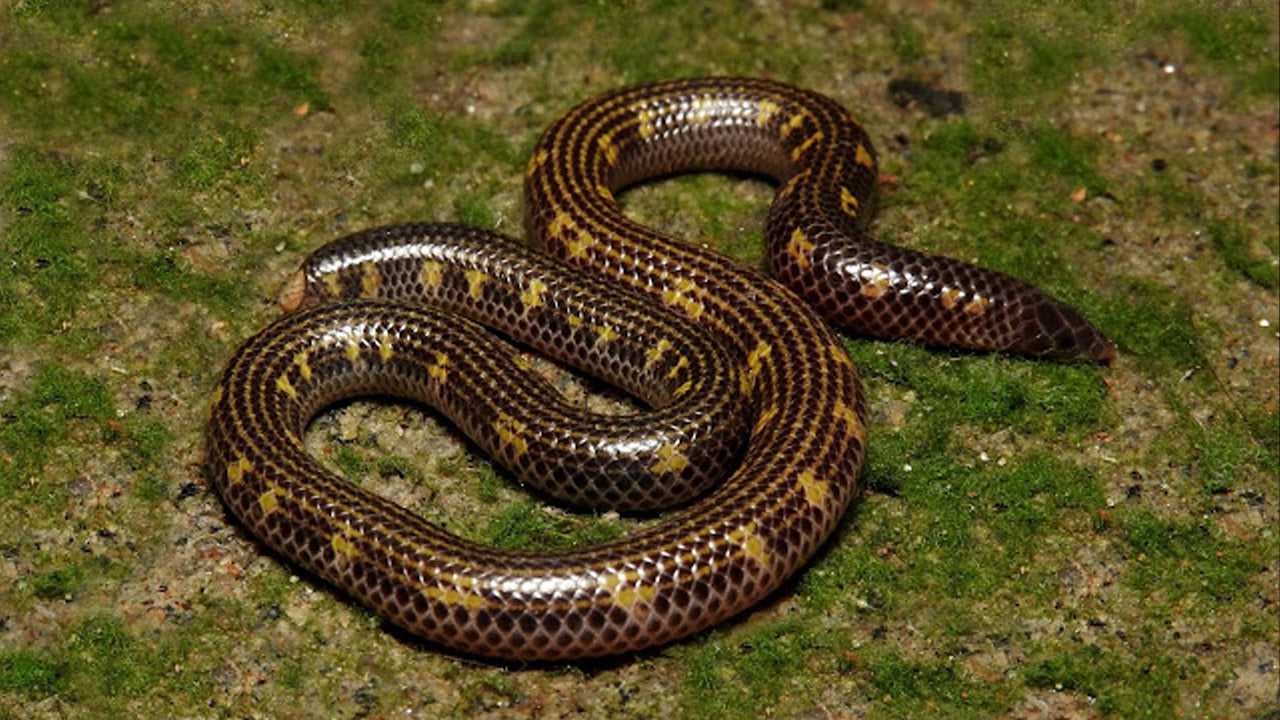 Phillip's Earth Snake
Rhinophis phillipsi
-
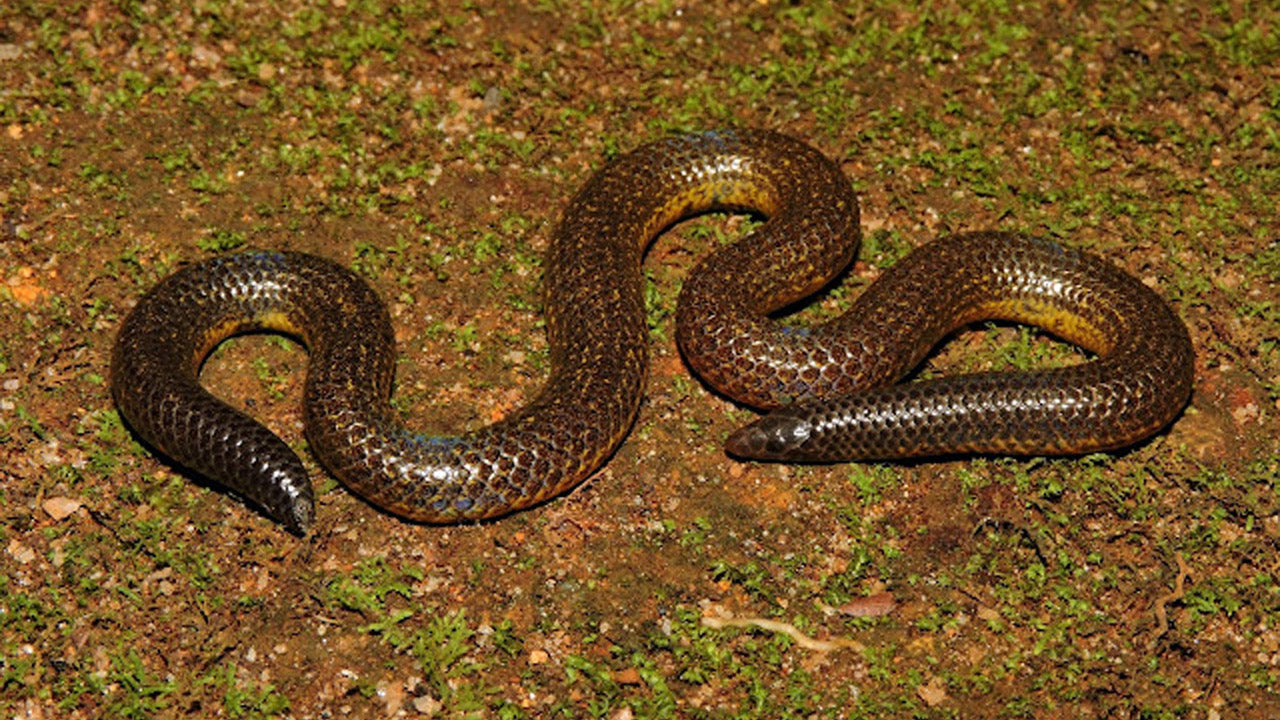 Gray's Earth Snake
Aparallactus grayi
-
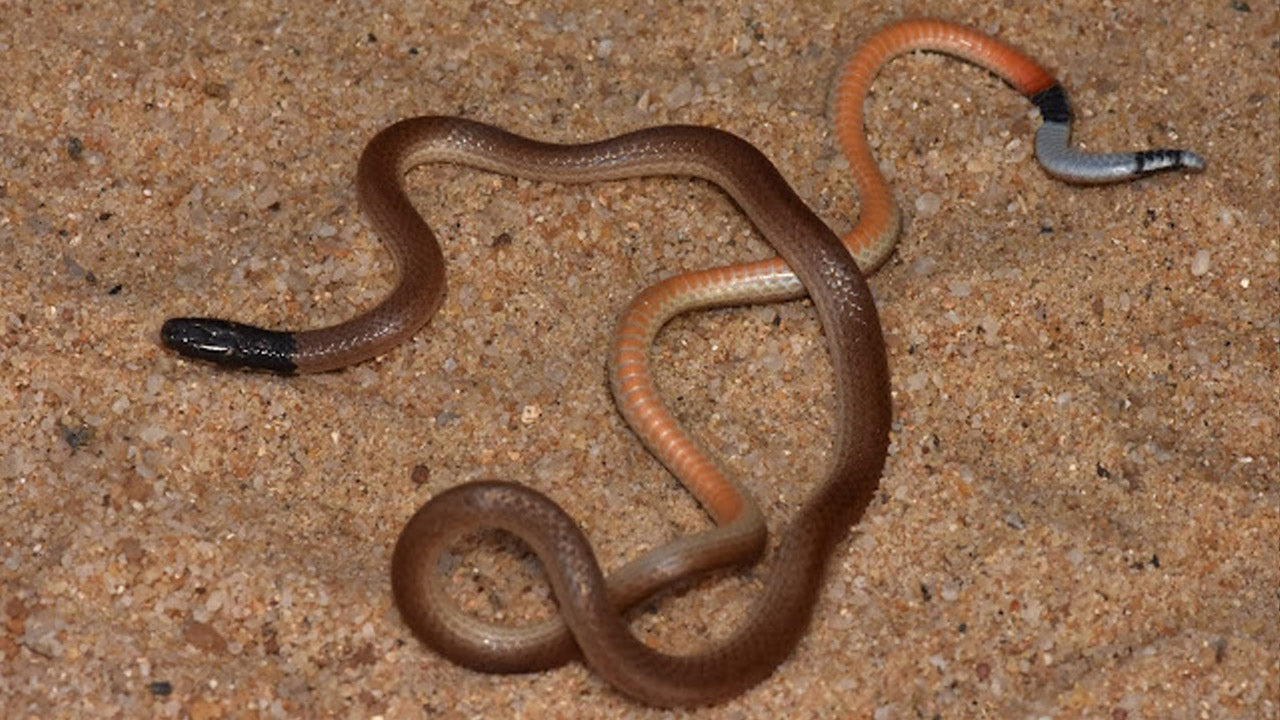 Slender Coral Snake
Calliophis Melanurus
-
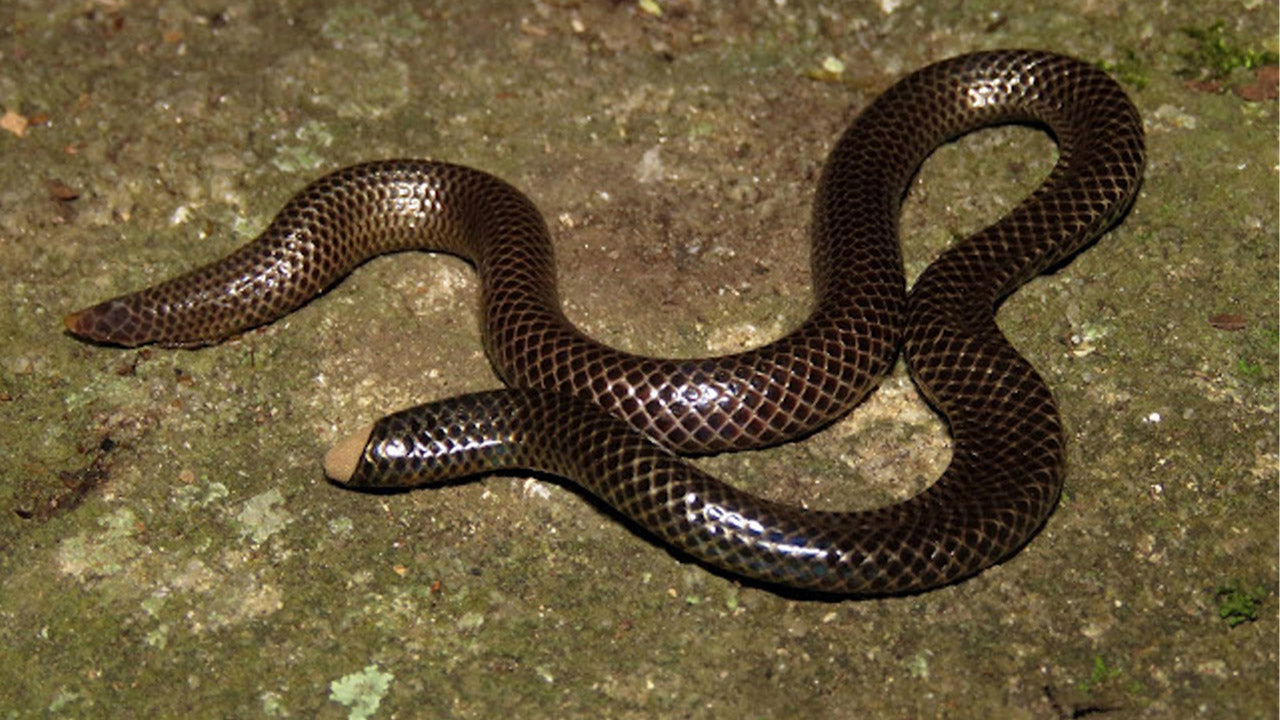 Cuvier's Shieldtail
Uropeltis ceylanica
-
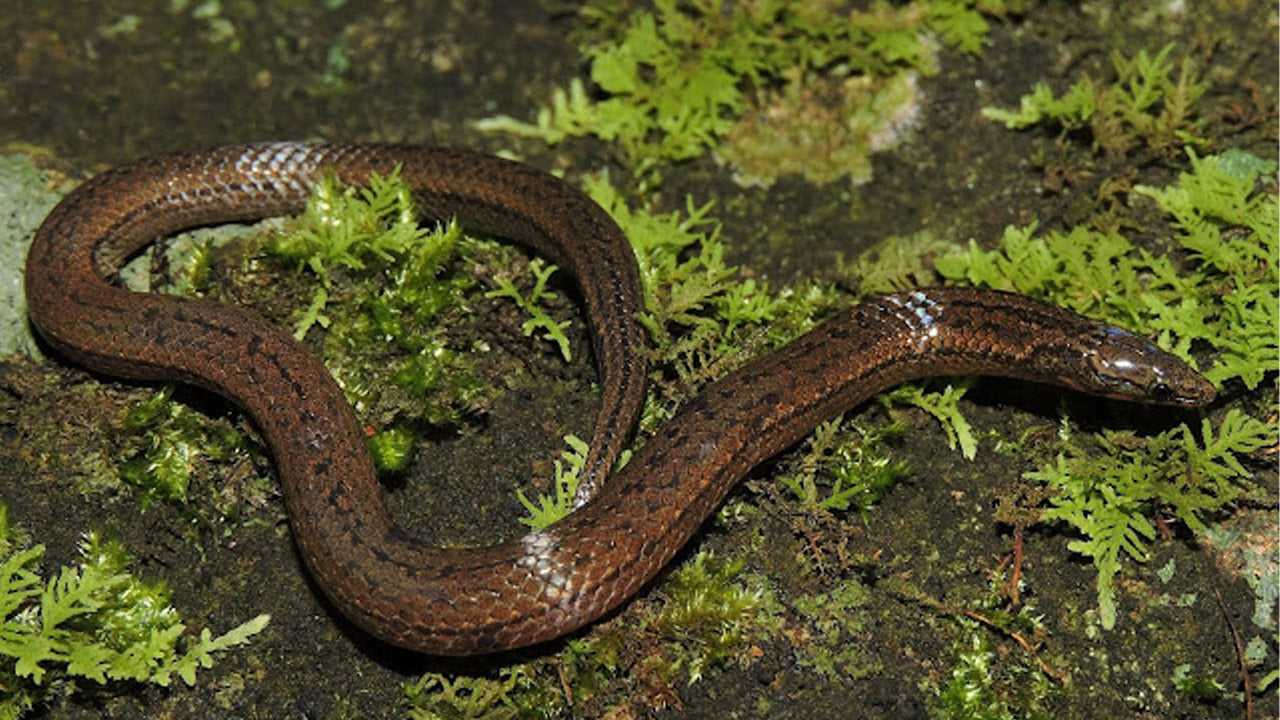 de Silva's Rough-sided Snake
Aspidura desilvai
-
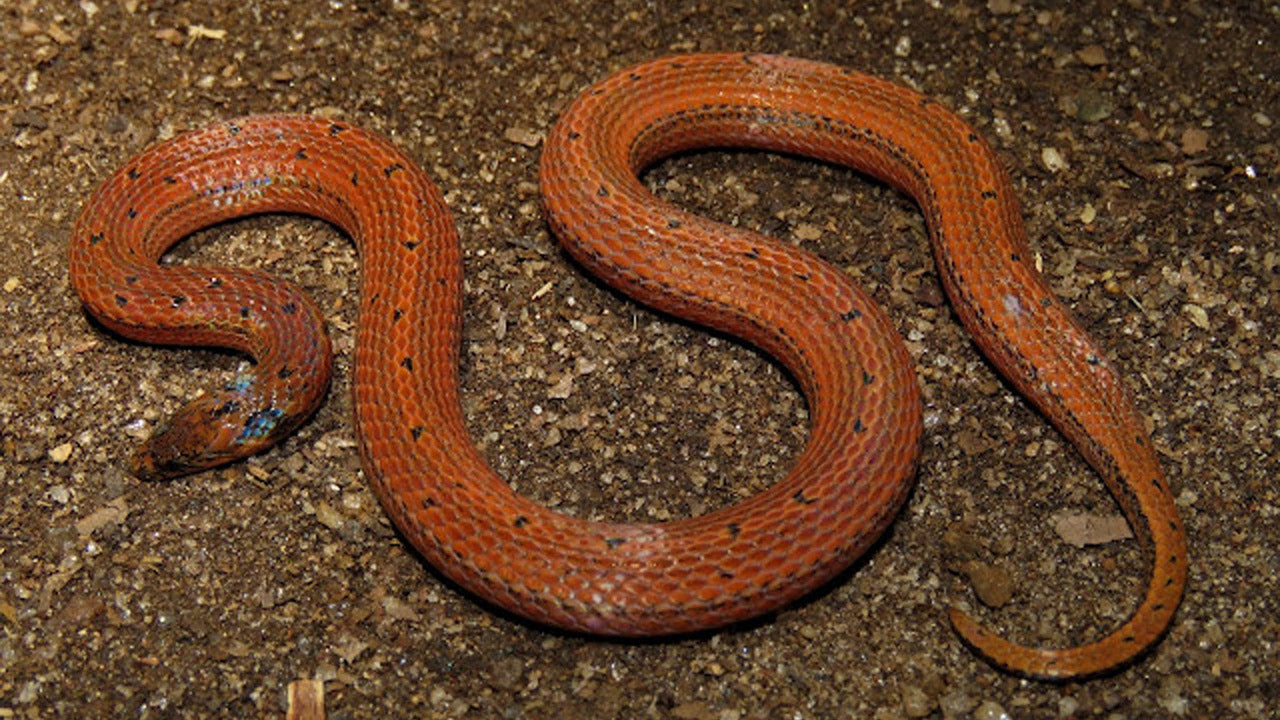 Boie's Rough-Sided Snake
Aspidura brachyorrhos
-
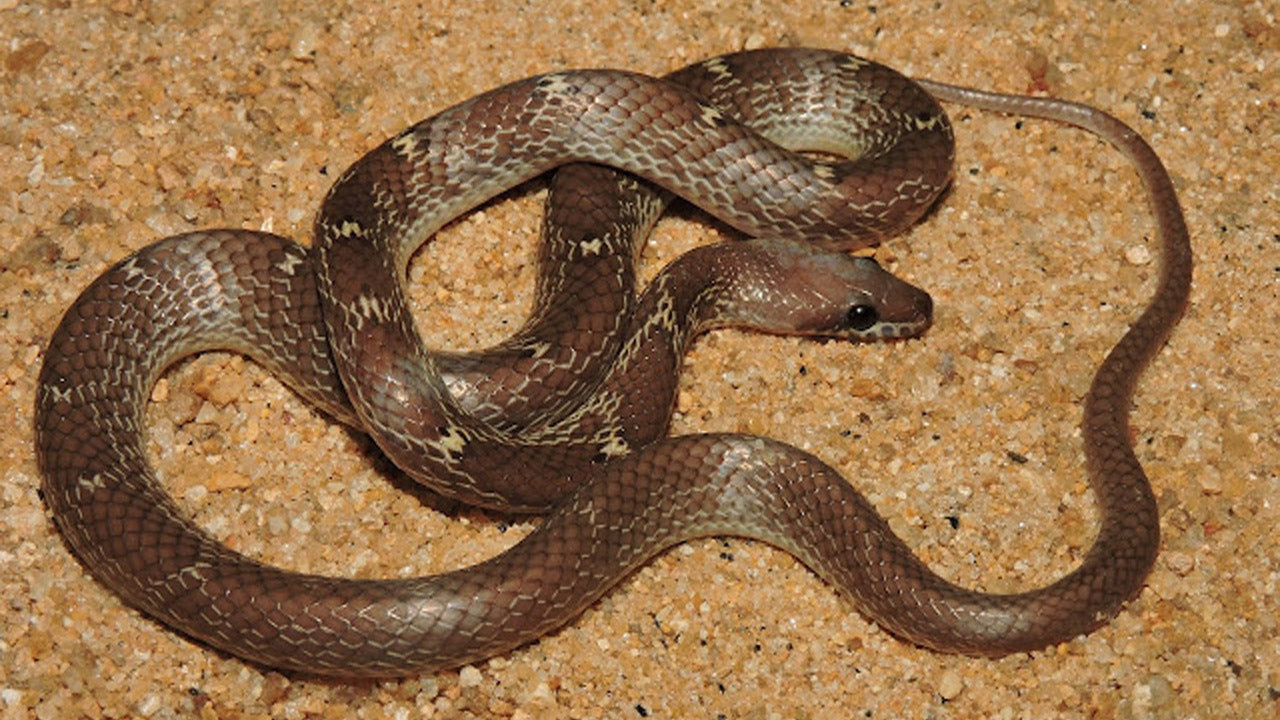 Flowery Wolf Snake
Lycodon anamallensis
-
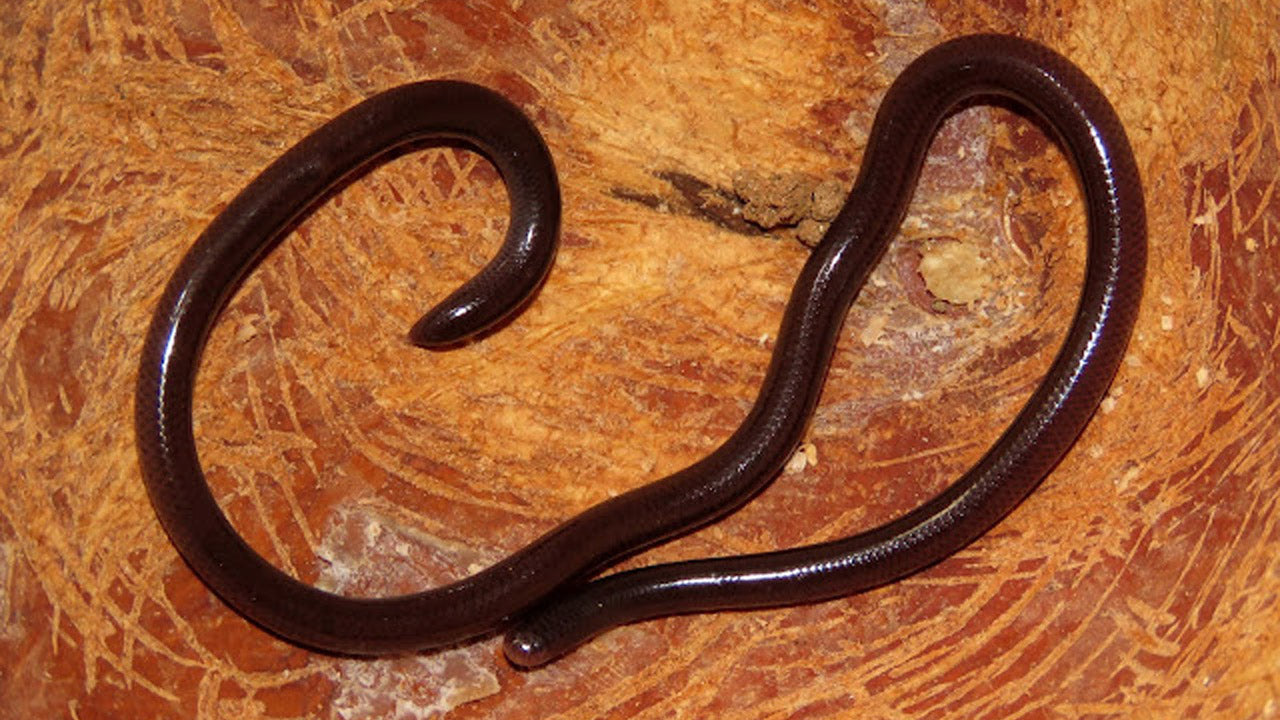 Brahminy Blind Snake
Indotyphlops braminus
-
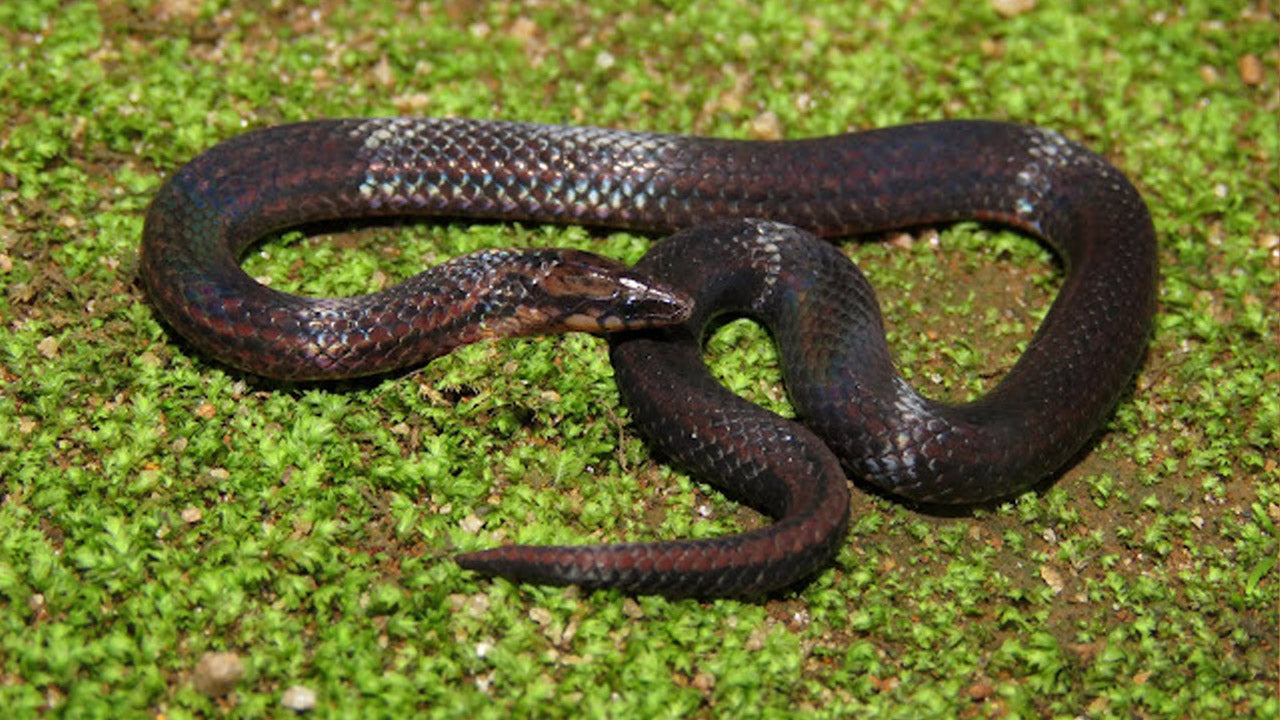 Common Rough-sided Snake
Aspidura trachyprocta
-
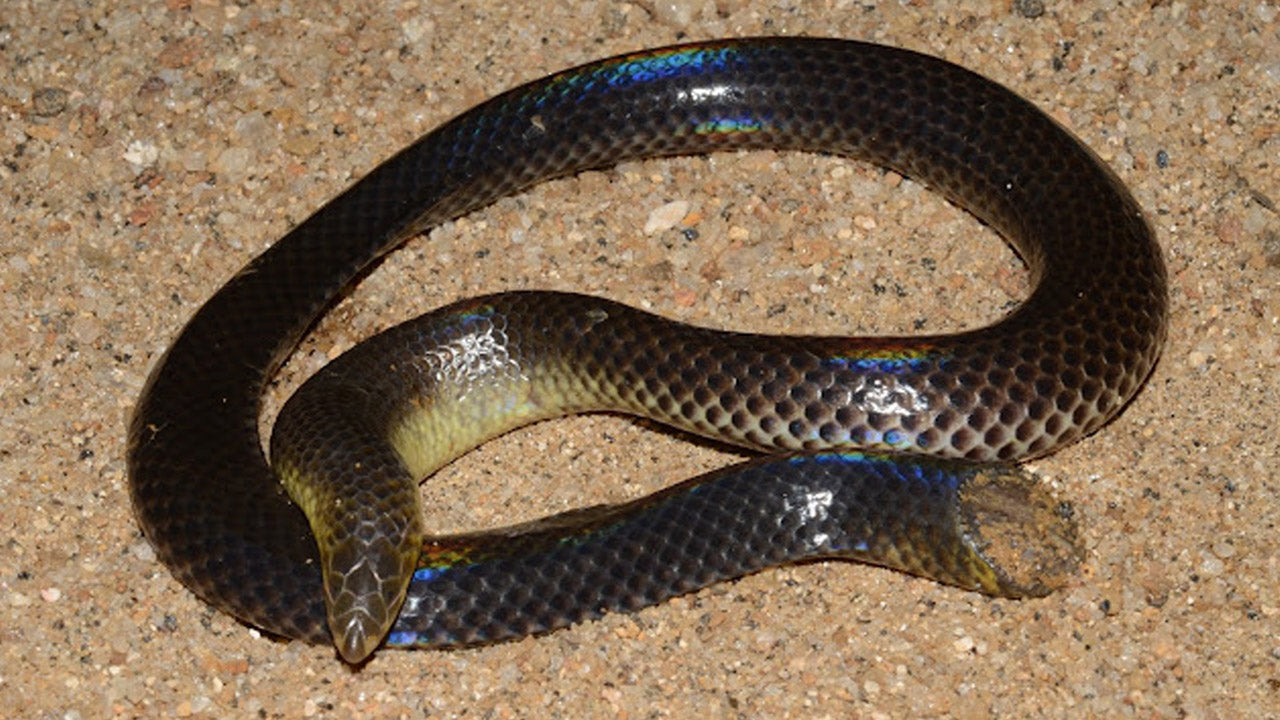 Large Shieldtail
Rhinophis saffragamus
-
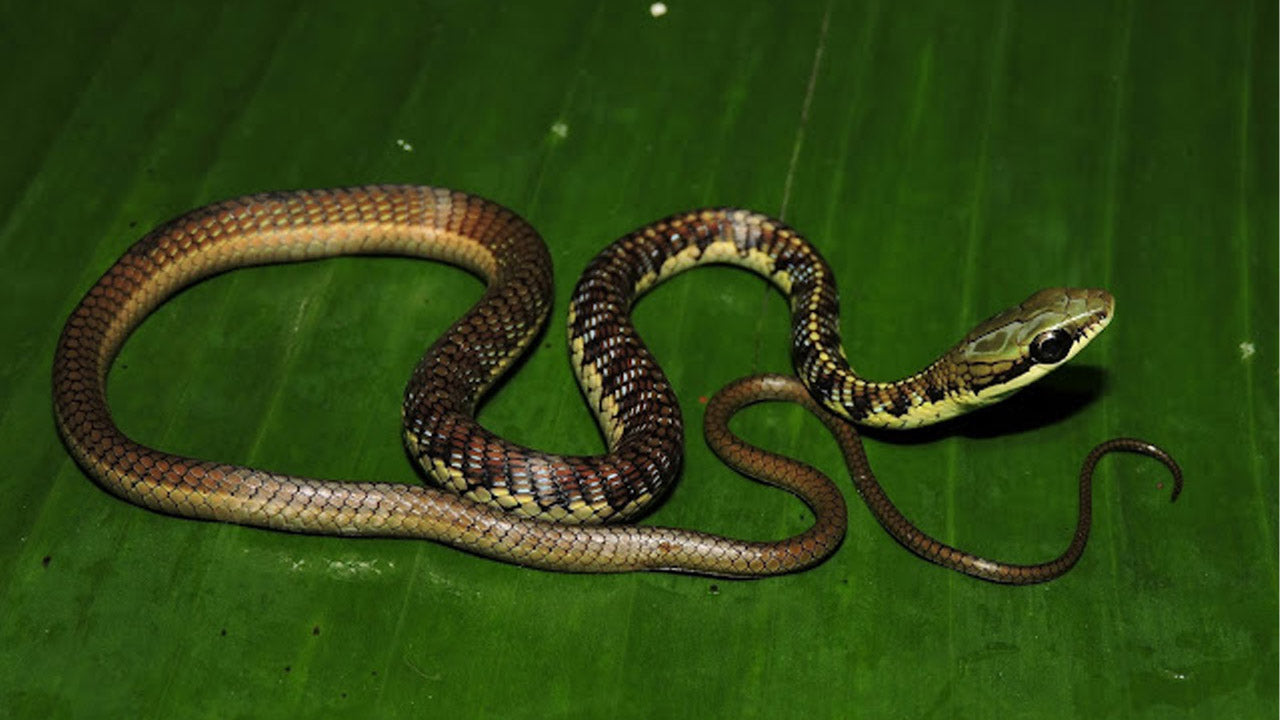 Schokar's Bronzeback
Schokar's bronzeback
-
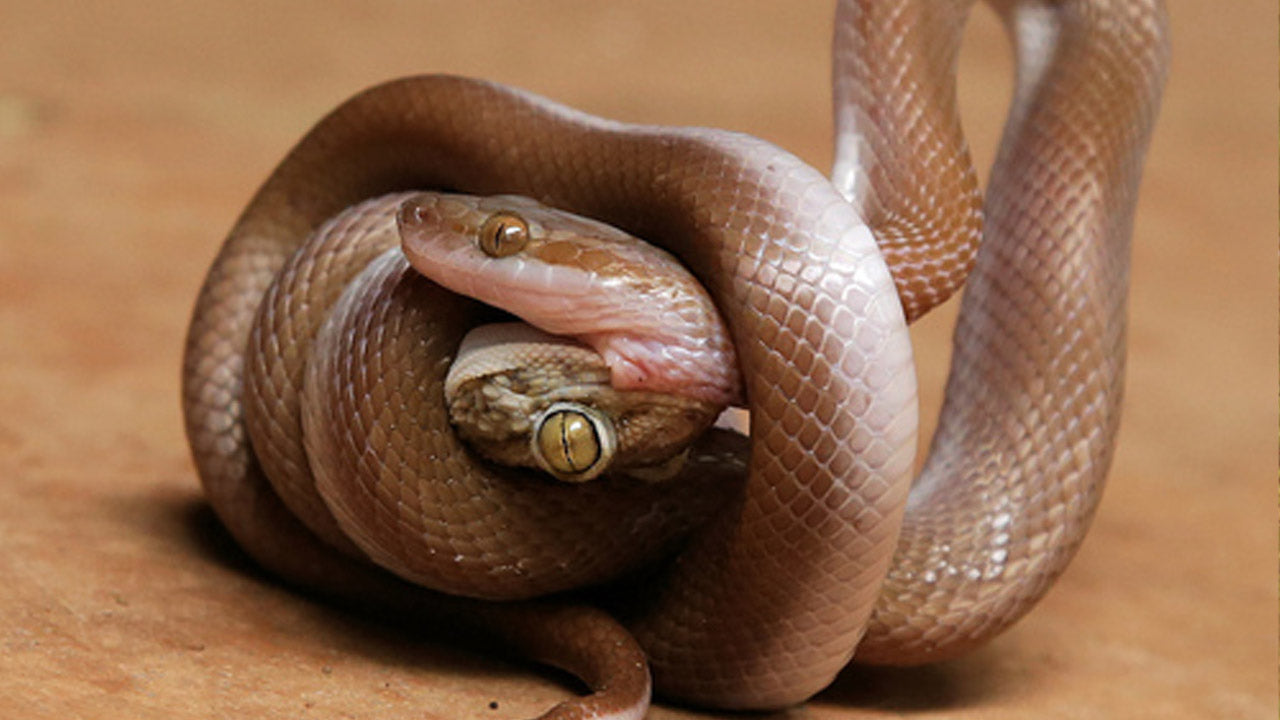 Jan's Worm Snake
Typhlops mirus
-
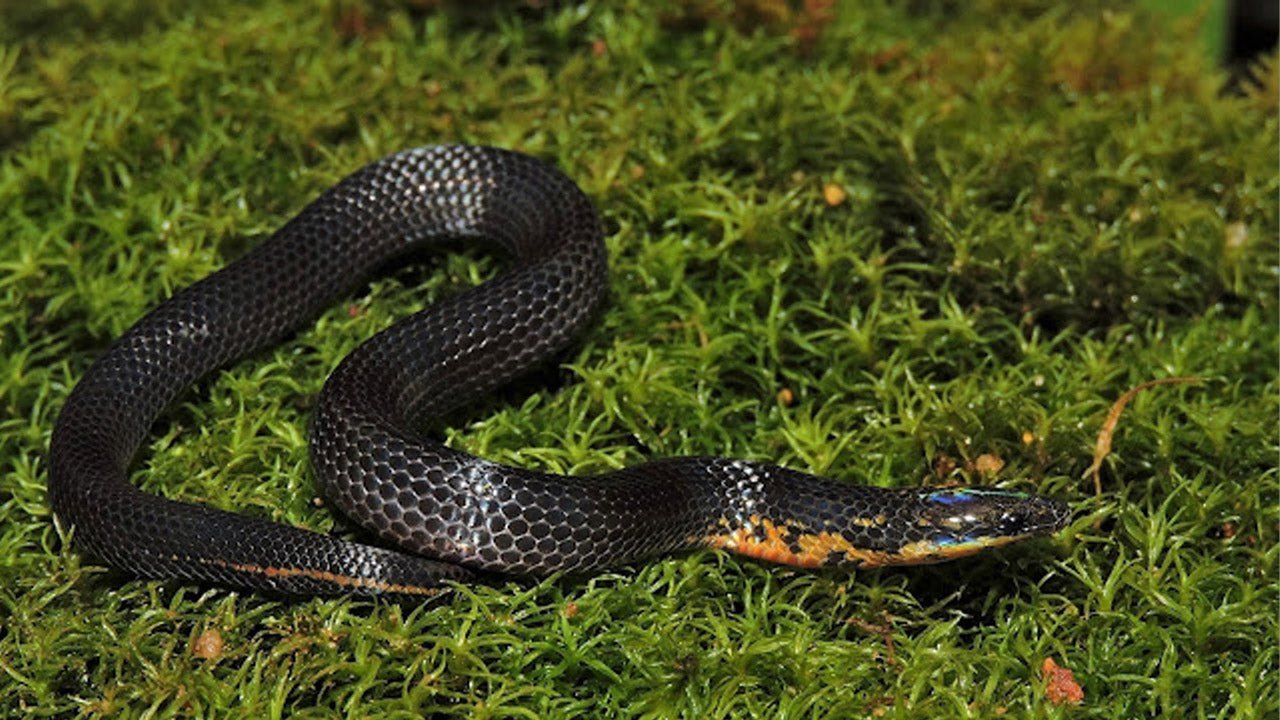 Ravana's Rough-sided Snake
Aspidura ravanai
-
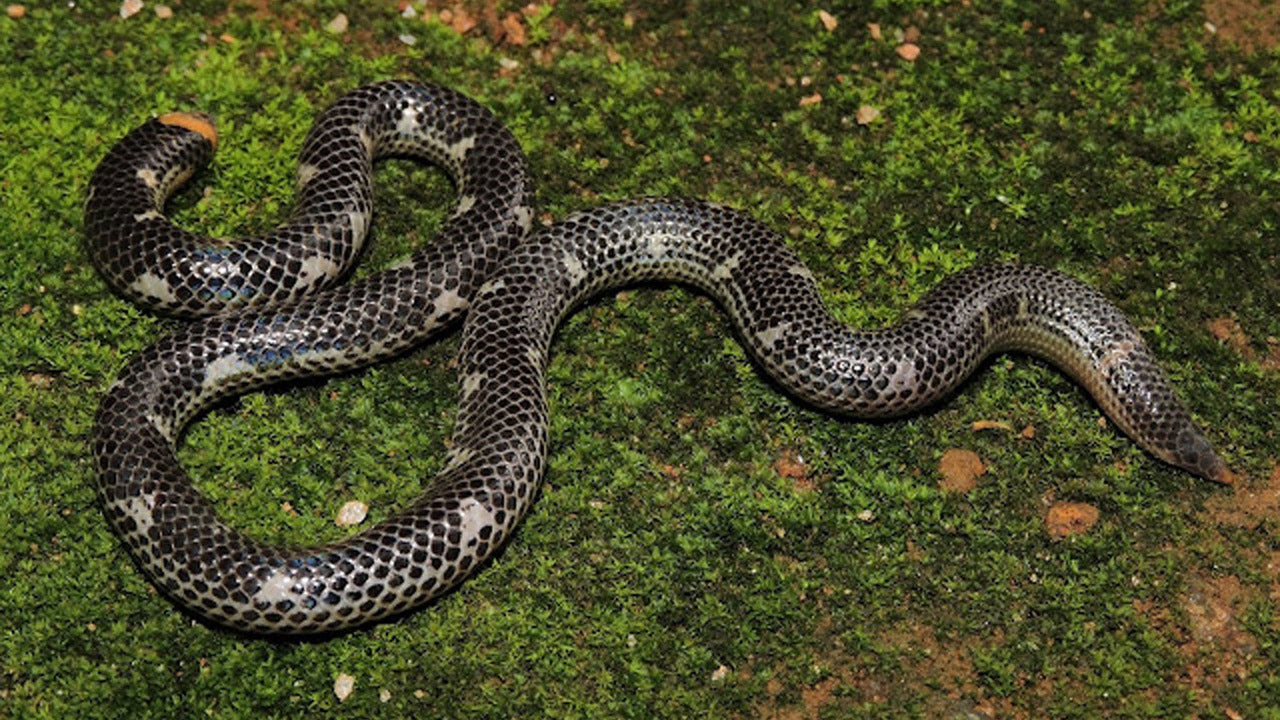 Hemprich's Shieldtail
Uropeltis hemprichii.
-
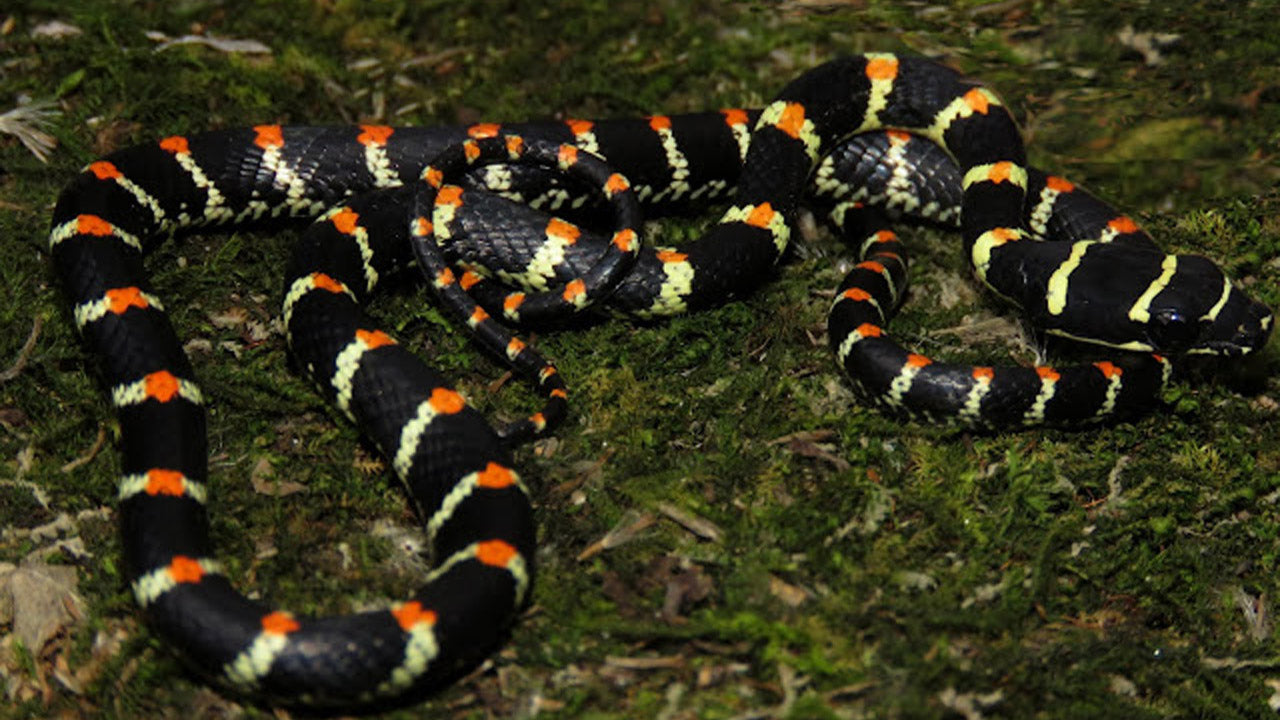 Ornate Flying Snake
Chrysopelea ornata
-
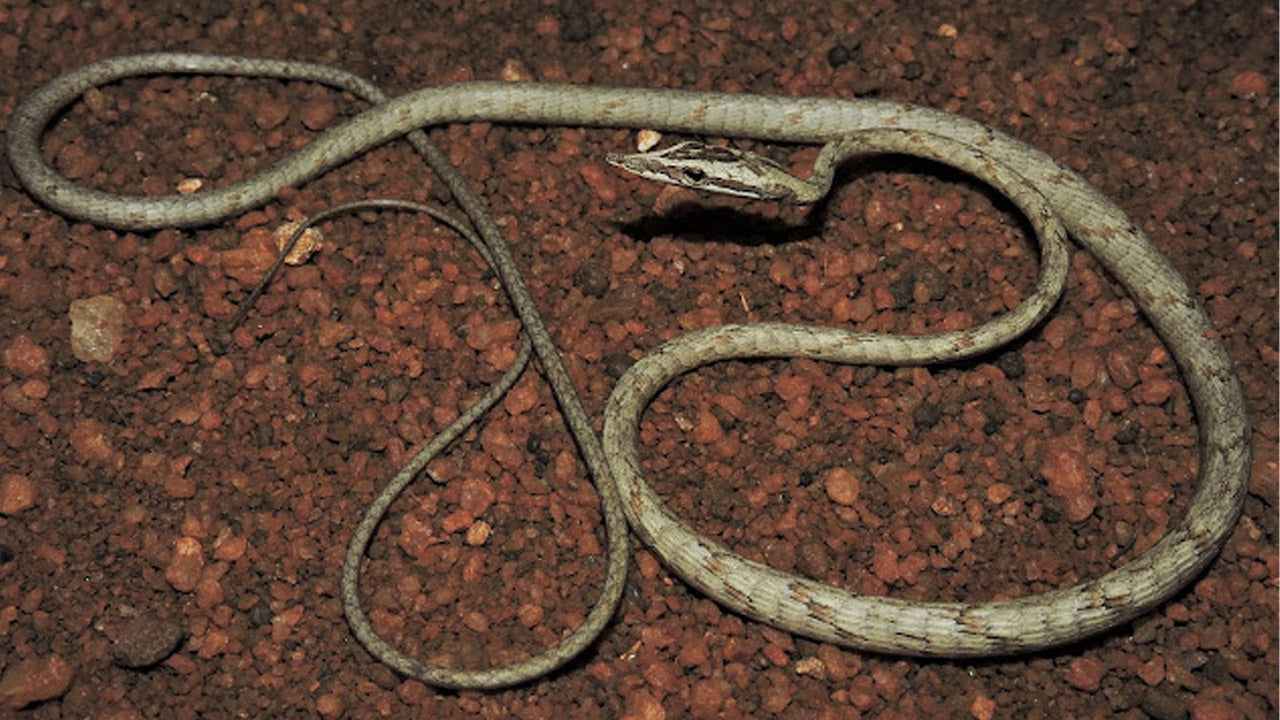 Brown Vine Snake
Ahaetulla pulverulenta
-
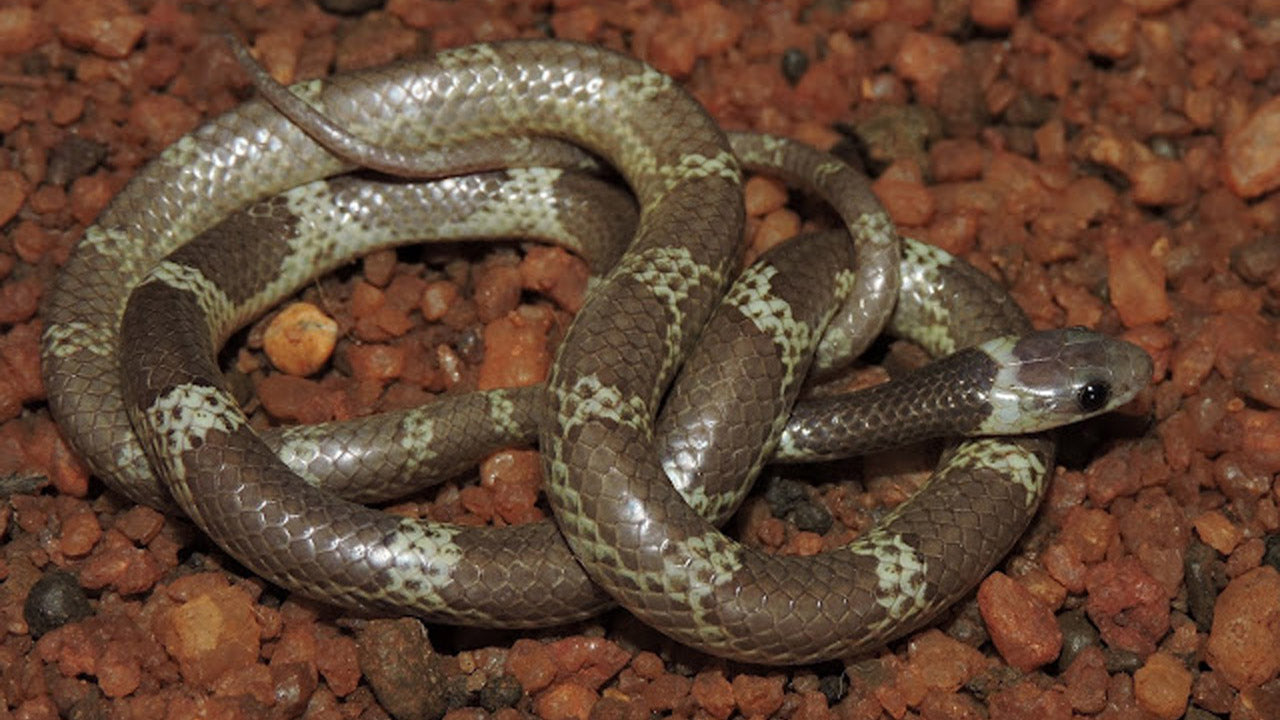 Common Bridal Snake
colubrid snake
-
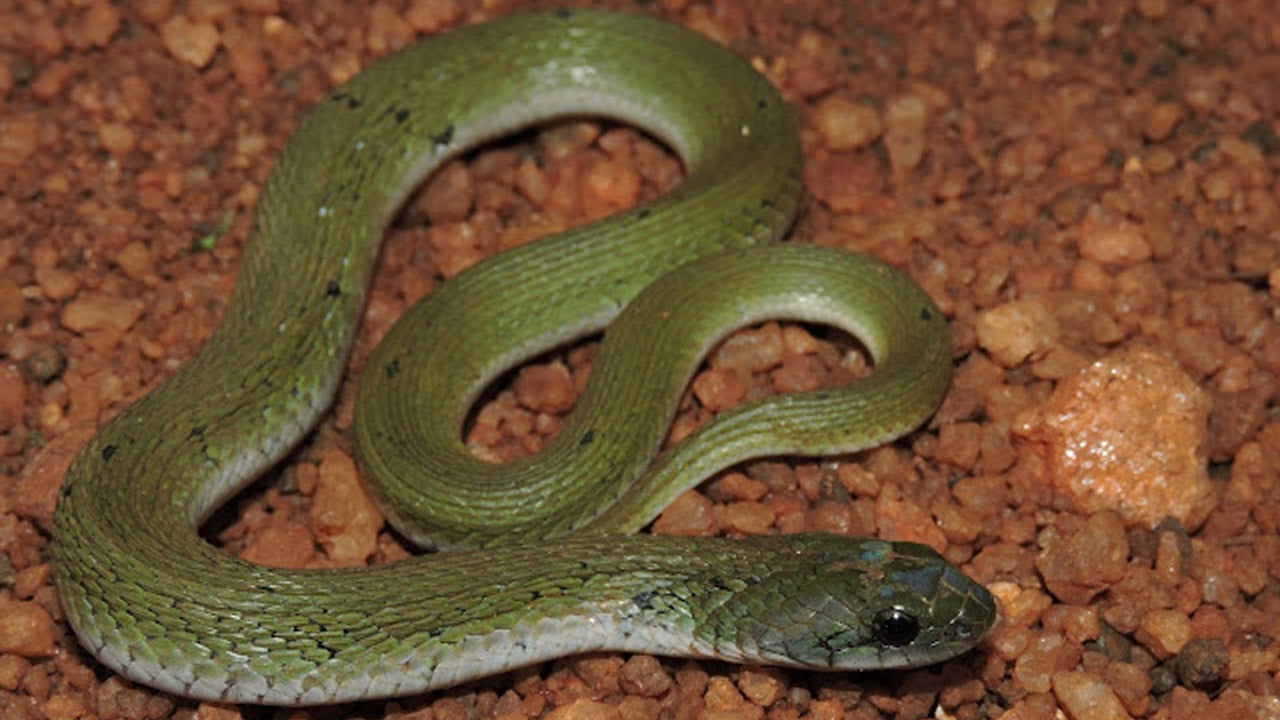 Green Keelback
Rhabdophis plumbicolor