Gray's Earth Snake


Scientific Name: Aparallactus grayi
Family: Aparallactidae
Common Name(s): Gray's Earth Snake
Overview:
Gray's Earth Snake (Aparallactus grayi) is a small, non-venomous, fossorial (burrowing) snake endemic to Sri Lanka. As a member of the Aparallactidae family, this species is adapted to a life spent underground in the rich, moist soils of tropical forests. It is named after the British herpetologist Edward Gray, who contributed significantly to the study of Sri Lanka’s reptiles. Gray's Earth Snake is rarely seen by humans due to its secretive and burrowing lifestyle, making it a relatively obscure species in the island's diverse herpetofauna.
Physical Description:
- Size: Gray's Earth Snake is a relatively small species, measuring typically between 30 cm and 50 cm (12 to 20 inches) in length, though some individuals can grow a bit larger.
- Coloration: The snake has a pale to light brown or grayish-brown dorsal coloration, which gives it its name. Its underside is usually lighter, often cream or white. The subdued coloration helps it blend with the soil, leaf litter, and forest floor where it spends most of its life.
- Body: Like other fossorial species, Gray's Earth Snake has a slender, smooth body that aids in its burrowing lifestyle. The body is cylindrical, which allows the snake to easily move through loose soil, rotting vegetation, and other underground environments.
- Head: The head is small and somewhat flattened, blending smoothly with the body. Its eyes are tiny, which is a common characteristic among burrowing snakes that rely more on other senses (such as touch or smell) than on vision.
Habitat and Distribution:
- Geographical Range: Gray's Earth Snake is endemic to Sri Lanka and is found mainly in the island’s tropical rainforests, particularly in the central and southern regions. It tends to live in moist, lowland and foothill forests.
- Habitat: This snake prefers dense, humid environments where it can burrow easily. It is typically found in areas with rich, loamy soil, under leaf litter, decaying wood, or other organic debris. Its reliance on forest floor habitats makes it vulnerable to habitat disturbance or destruction.
Behavior and Diet:
- Fossorial Lifestyle: Gray's Earth Snake spends most of its time underground, where it burrows through soil and leaf litter in search of prey and shelter. This snake’s behavior is largely solitary, and it is most active at night or during the rainy season when it is easier to move through moist soil.
- Diet: Gray's Earth Snake is carnivorous and feeds mainly on small invertebrates, such as insects, earthworms, and other arthropods. It may also consume small amphibians or reptiles that it encounters while burrowing. The snake uses its sense of smell and vibrations to detect prey in the soil rather than relying on its poor eyesight.
- Feeding Behavior: This species is likely an opportunistic feeder, strikin
-
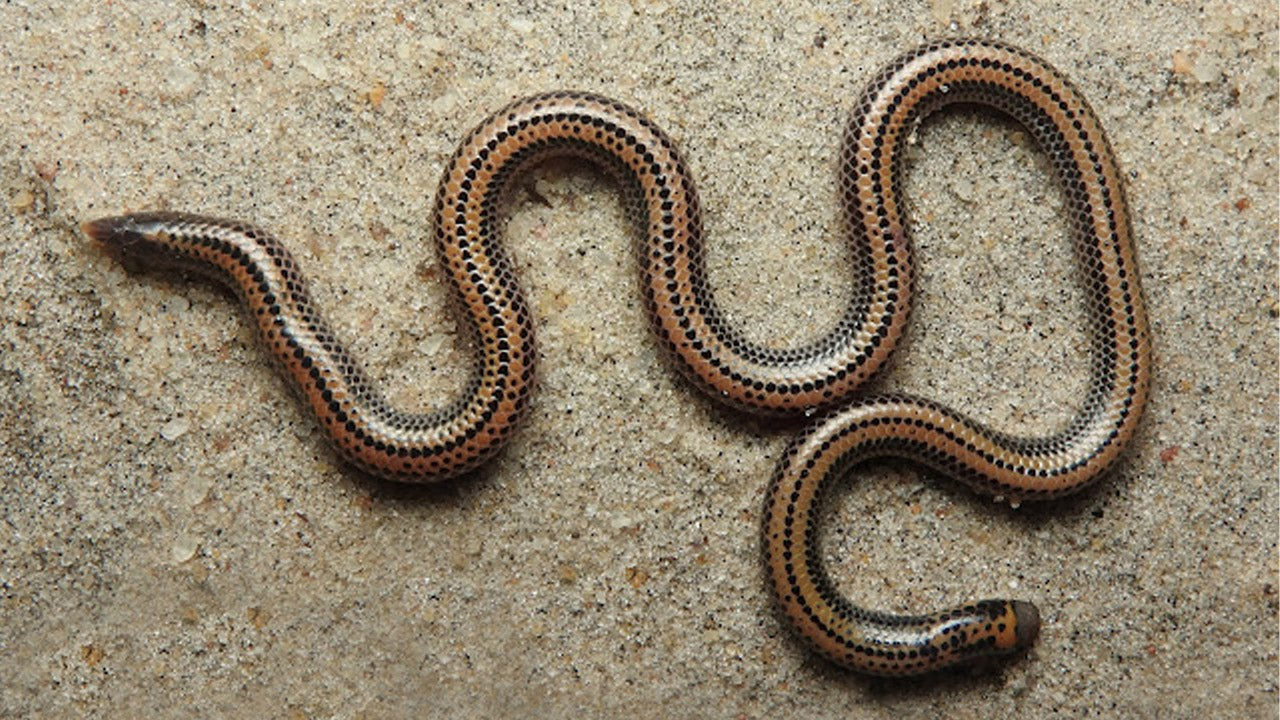 Muller's Shieldtail
Uropeltis mülleri
-
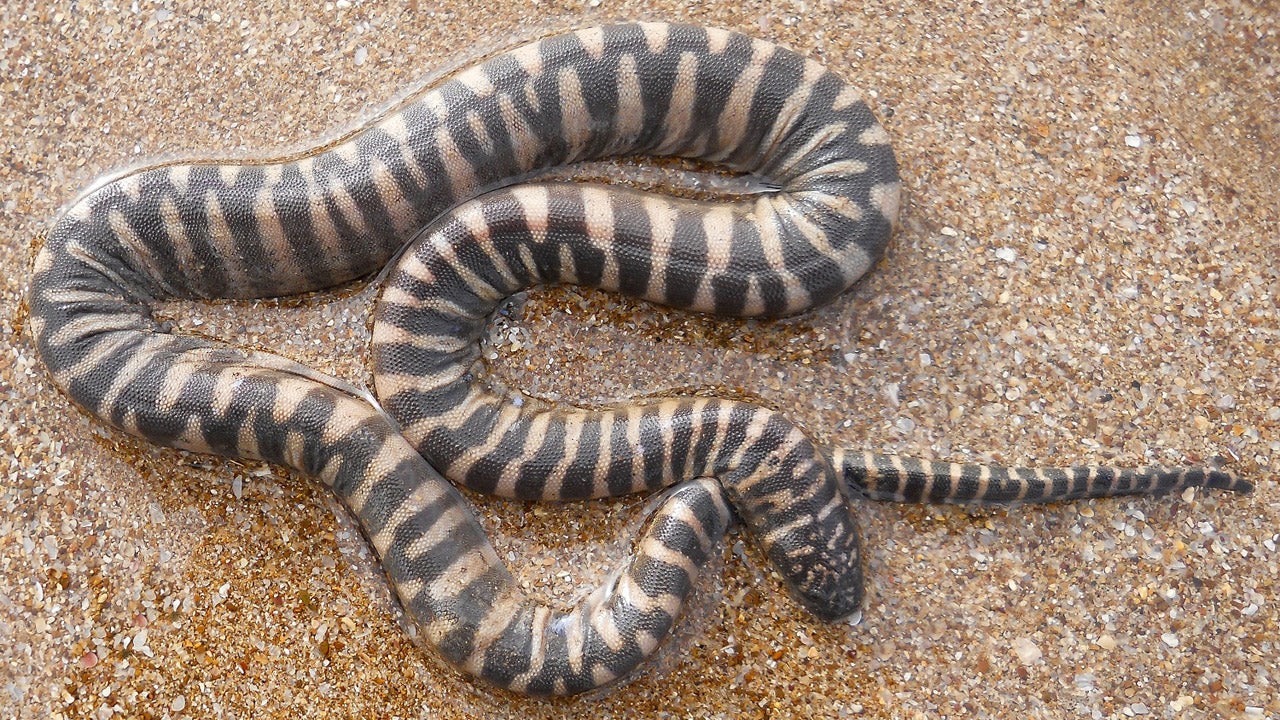 Wart Snake
Acrochordus
-
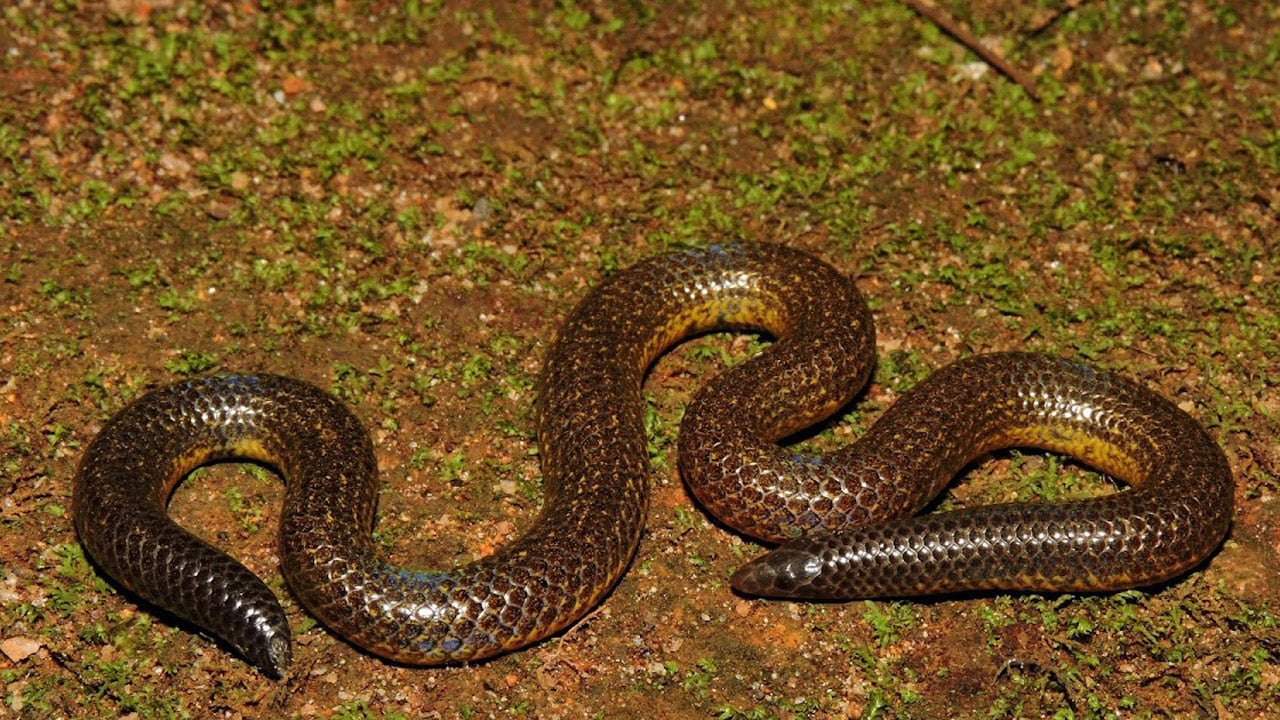 Drummond-Hay's Shieldtail
Rhinophis drummondhayi
-
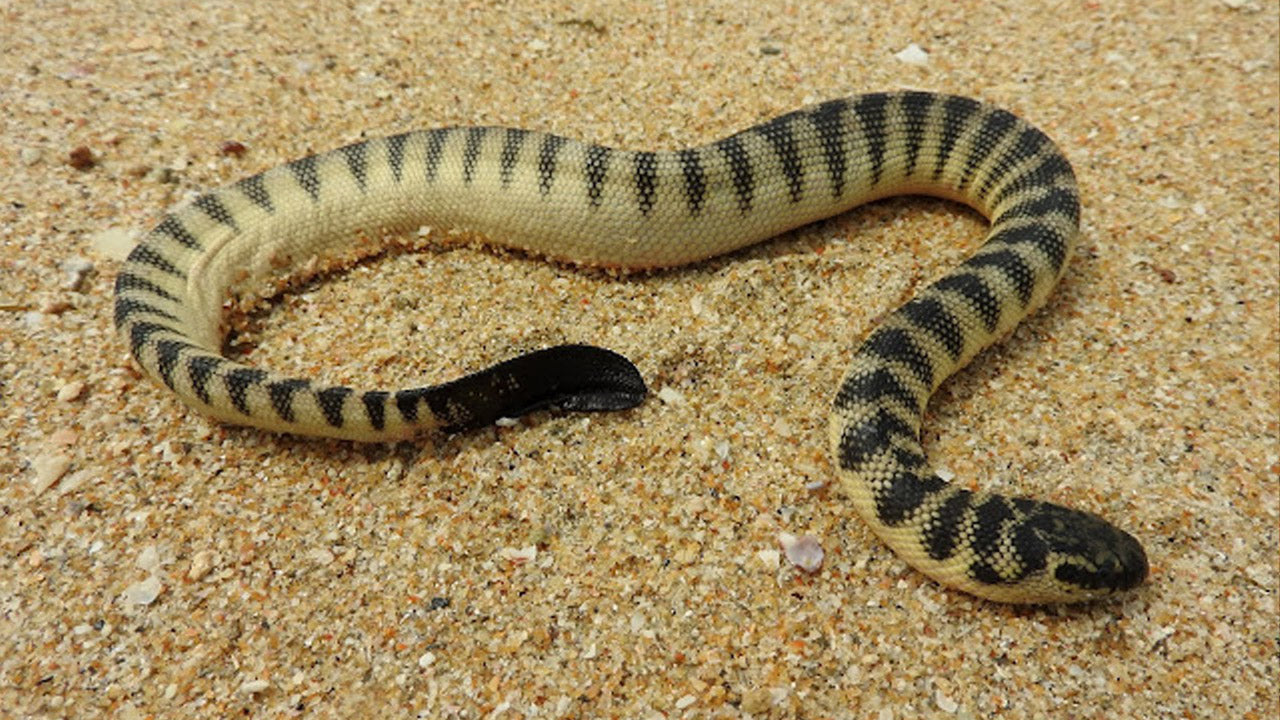 Shaw's Sea Snake
Hydrophis curtus
-
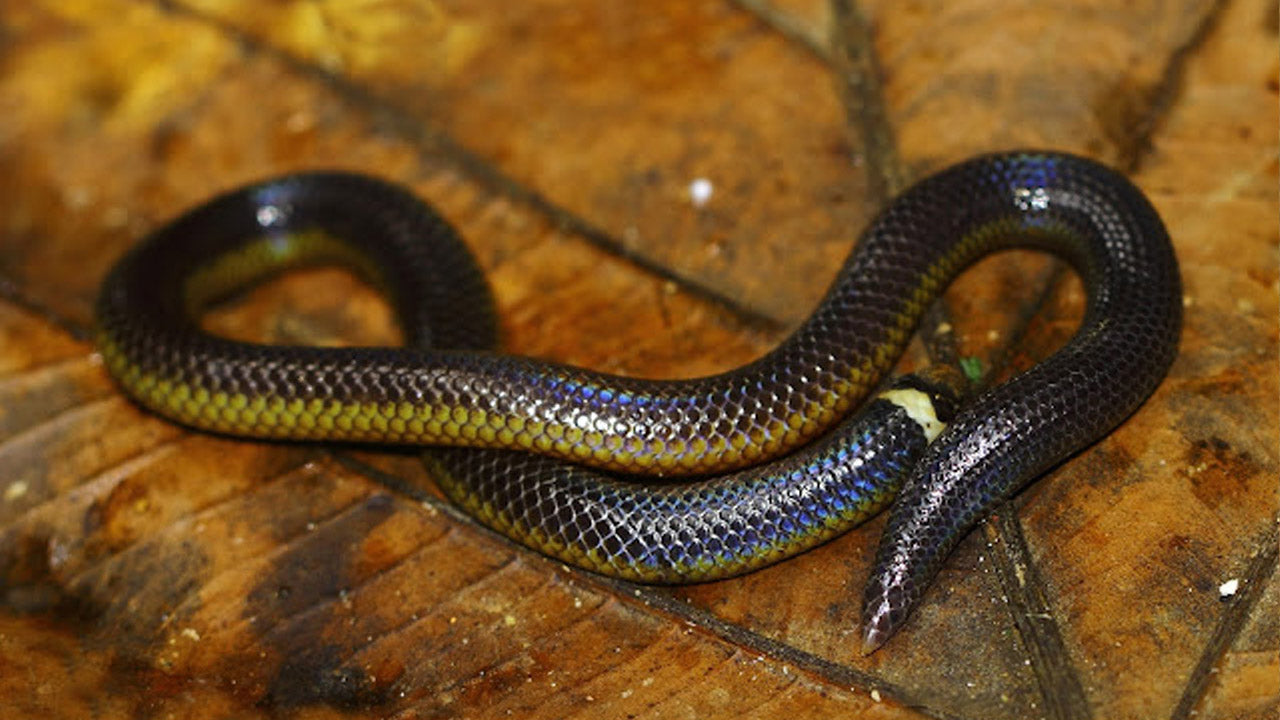 Deraniyagala's Shieldtail
Rhinophis tricoloratus
-
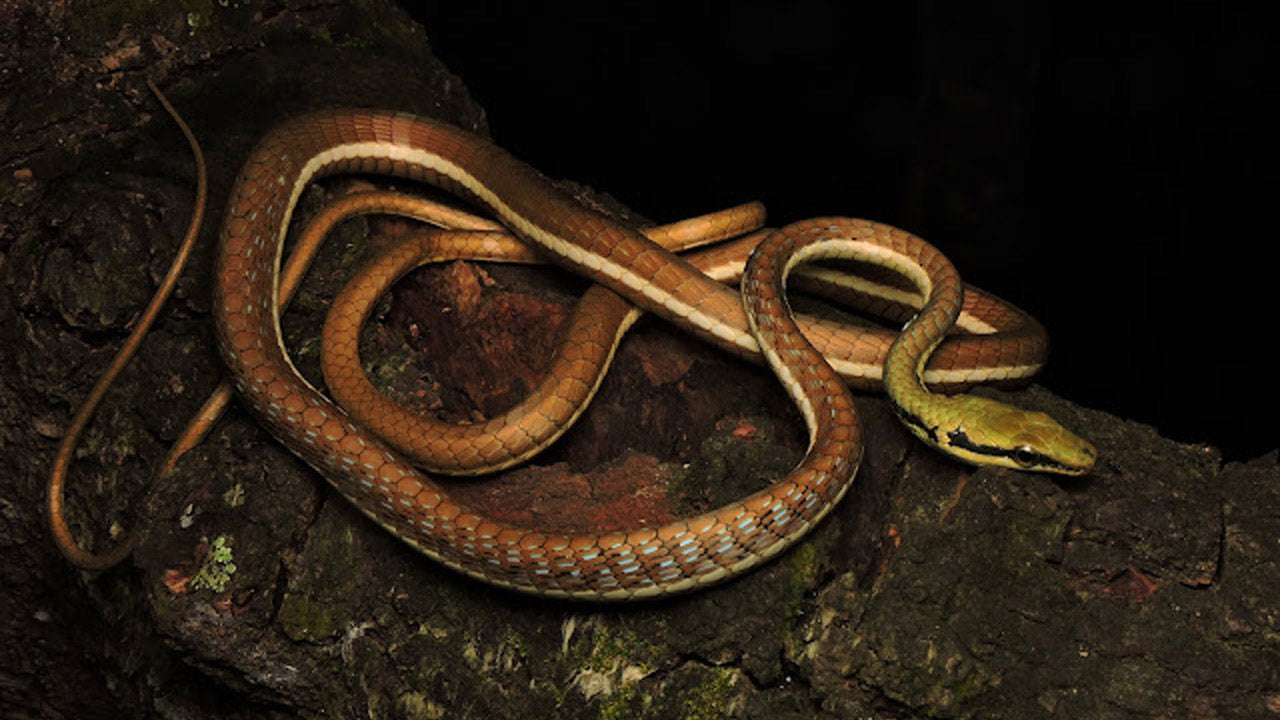 Wickramasinghe's Bronzeback
Dendrelaphis wickrorum
-
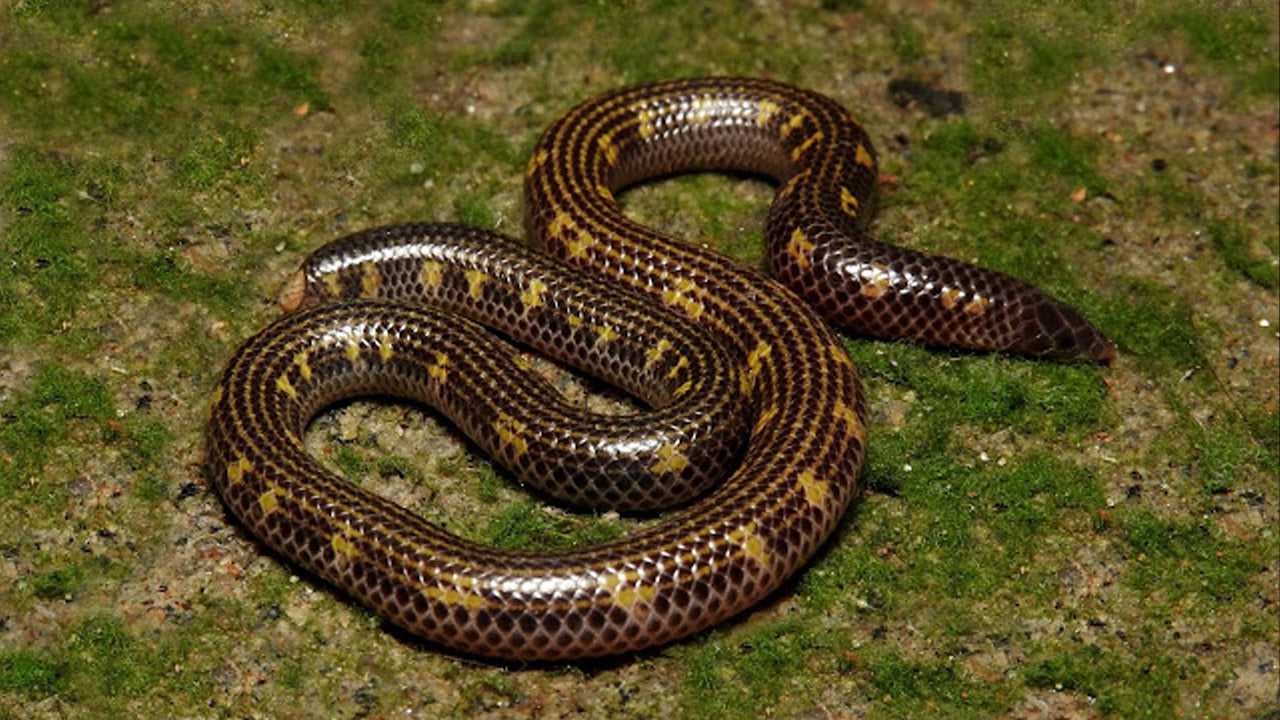 Phillip's Earth Snake
Rhinophis phillipsi
-
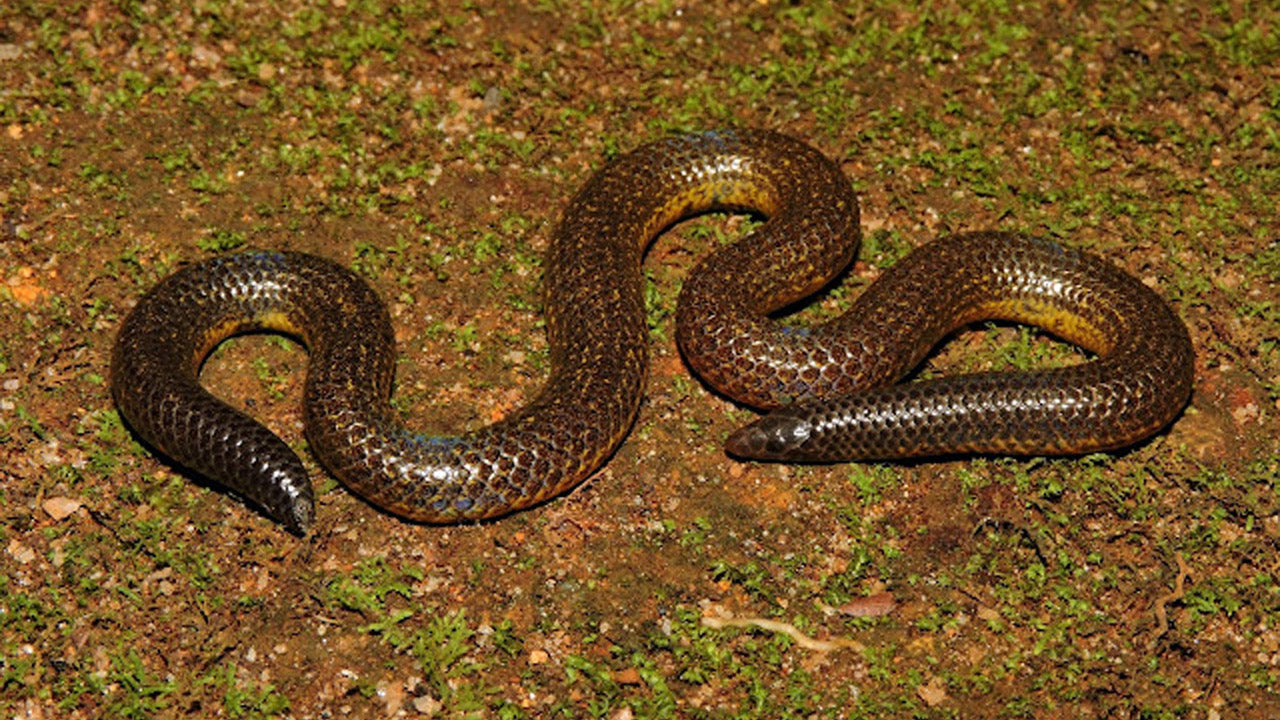 Gray's Earth Snake
Aparallactus grayi
-
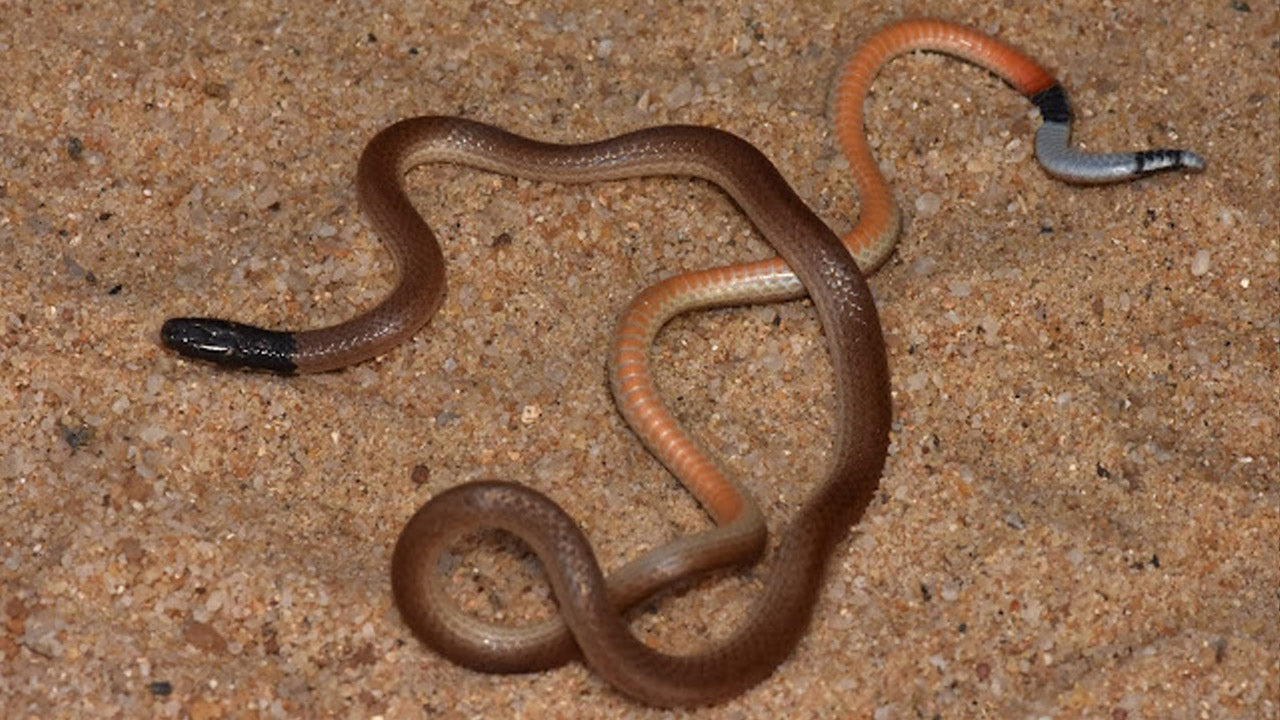 Slender Coral Snake
Calliophis Melanurus
-
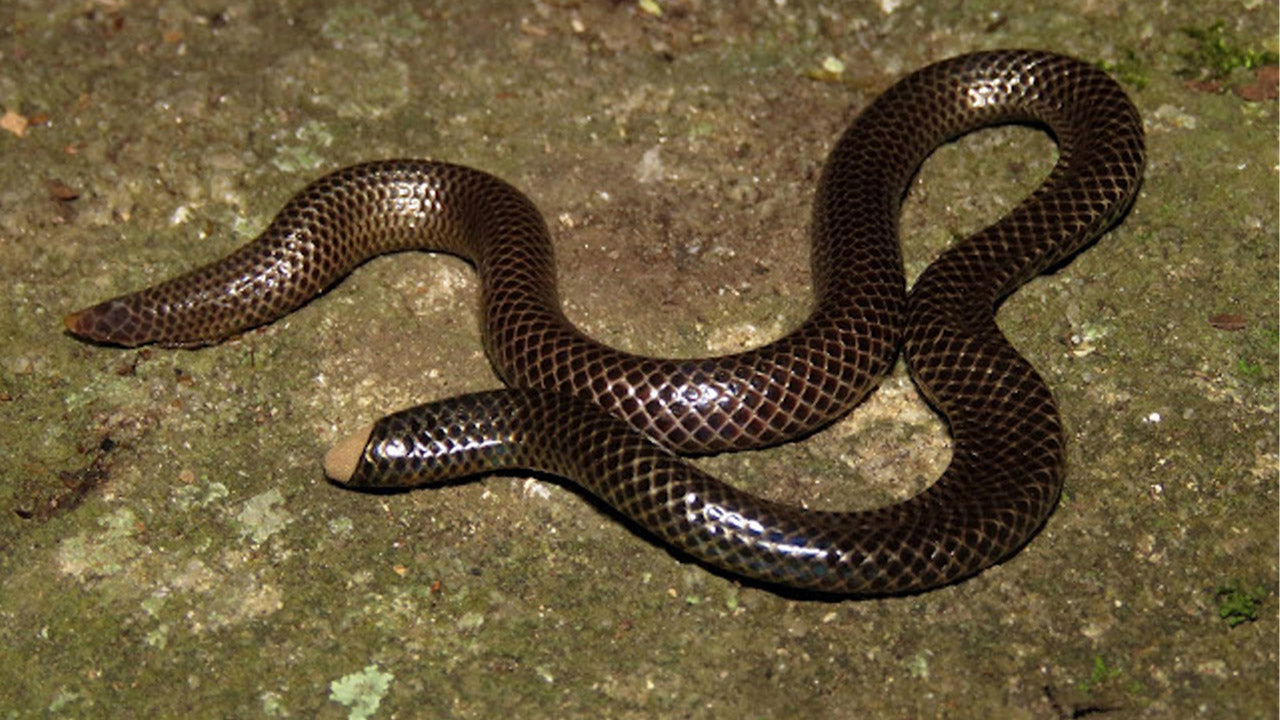 Cuvier's Shieldtail
Uropeltis ceylanica
-
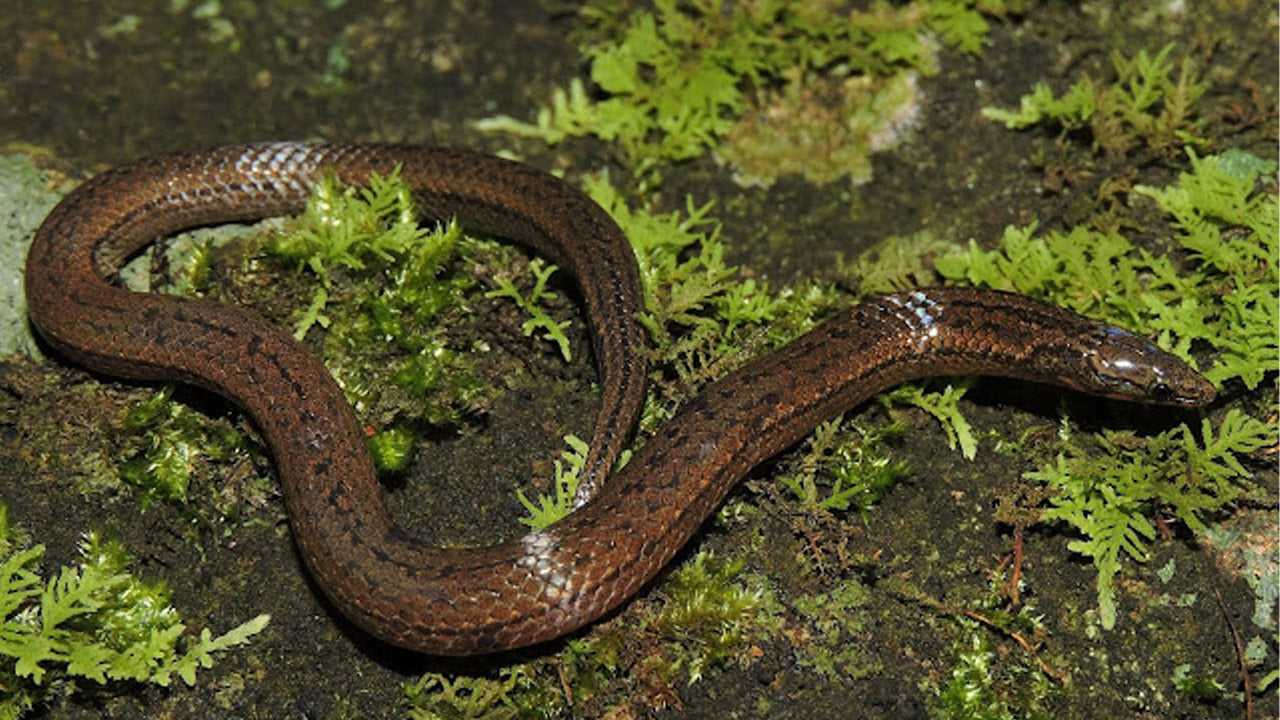 de Silva's Rough-sided Snake
Aspidura desilvai
-
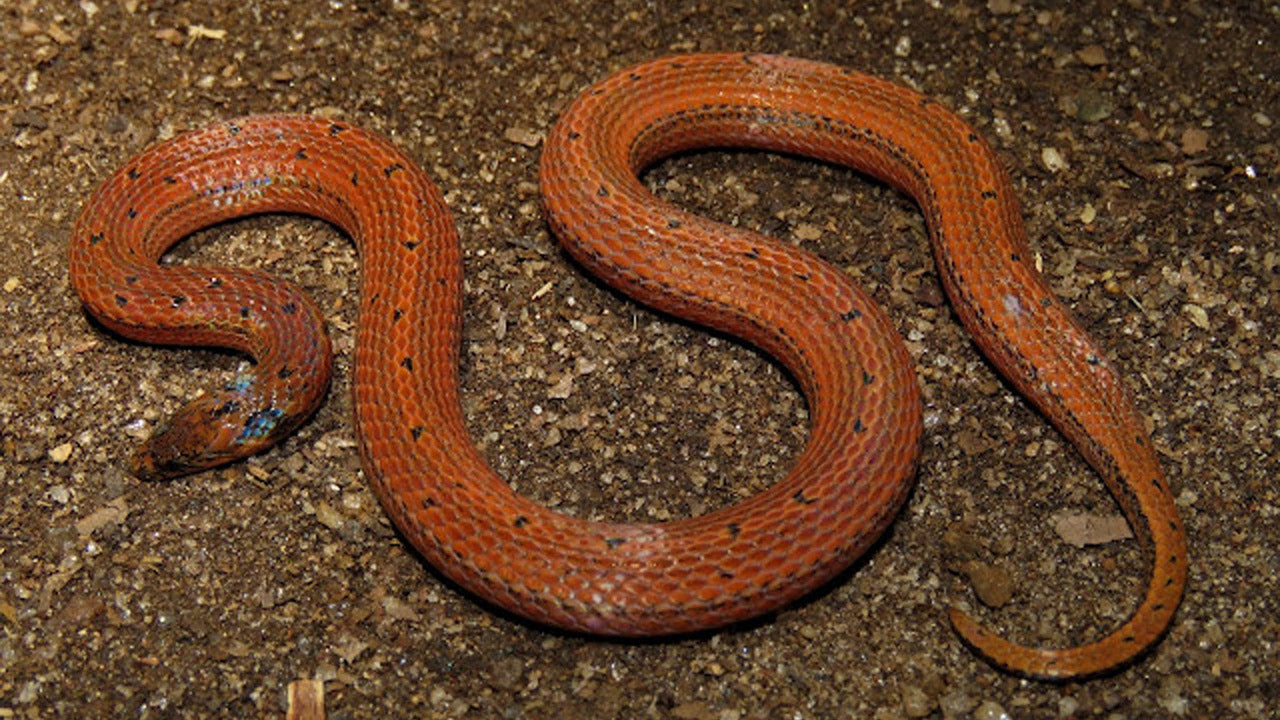 Boie's Rough-Sided Snake
Aspidura brachyorrhos
-
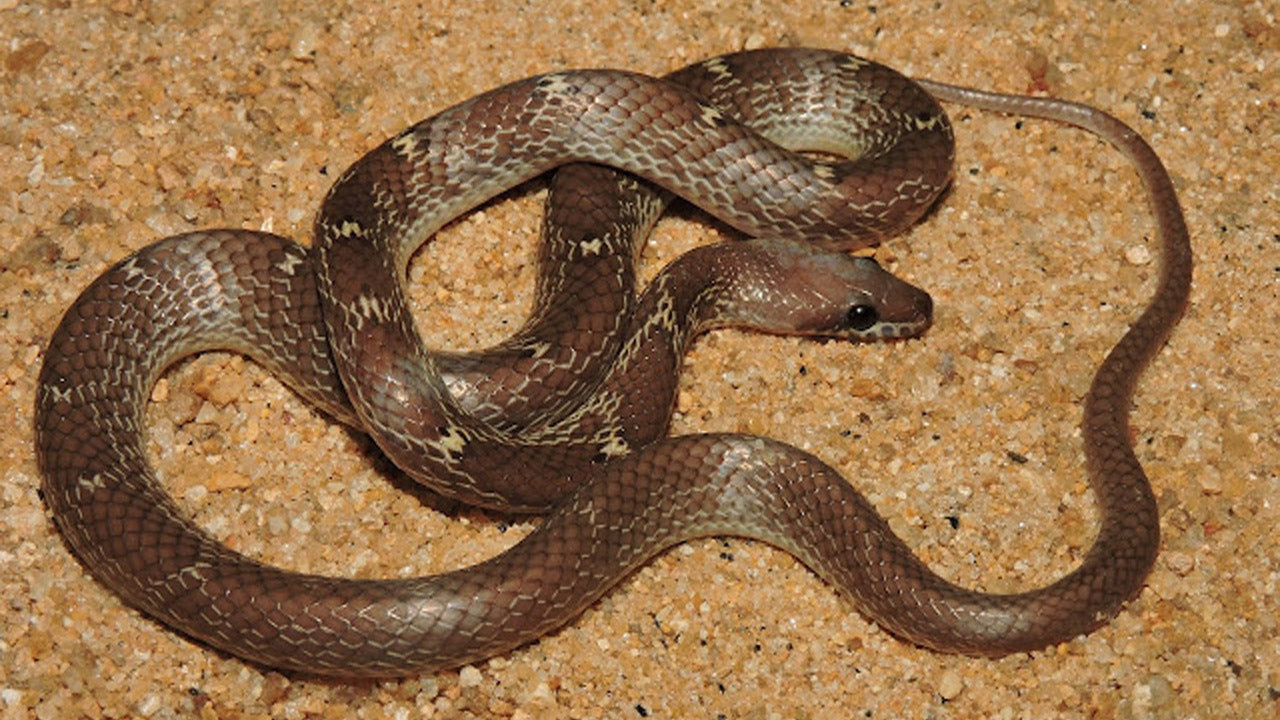 Flowery Wolf Snake
Lycodon anamallensis
-
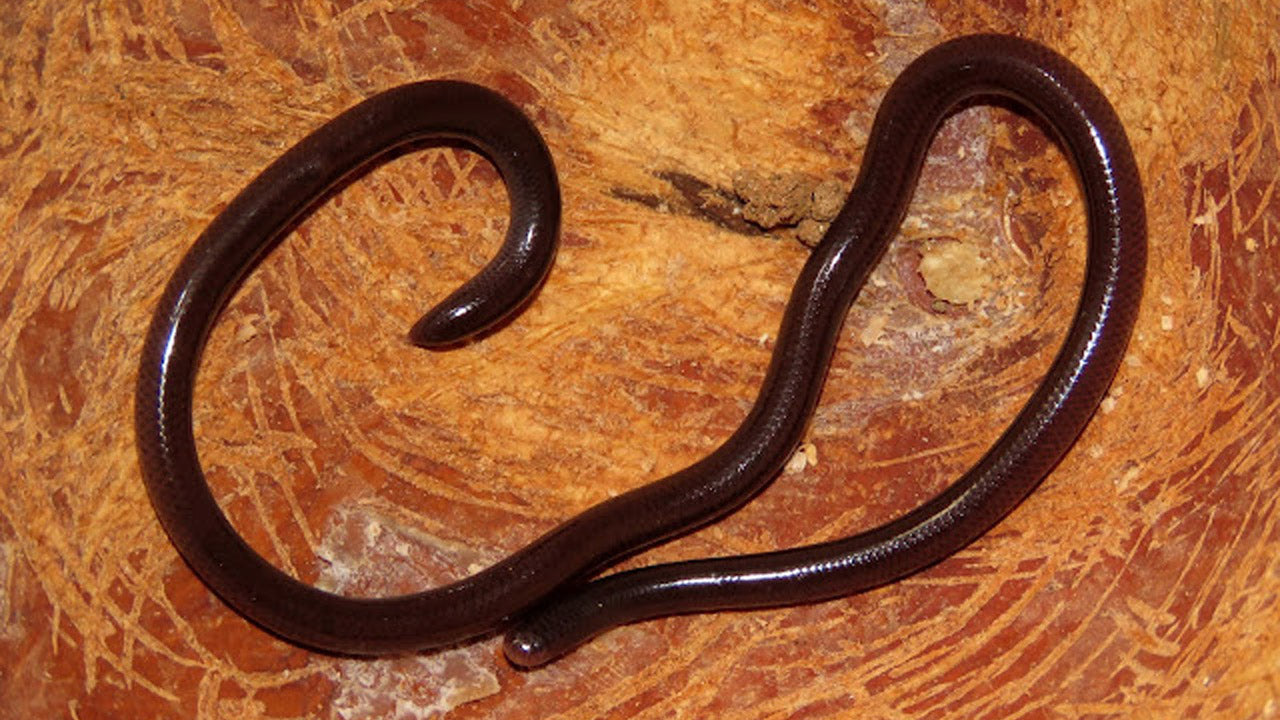 Brahminy Blind Snake
Indotyphlops braminus
-
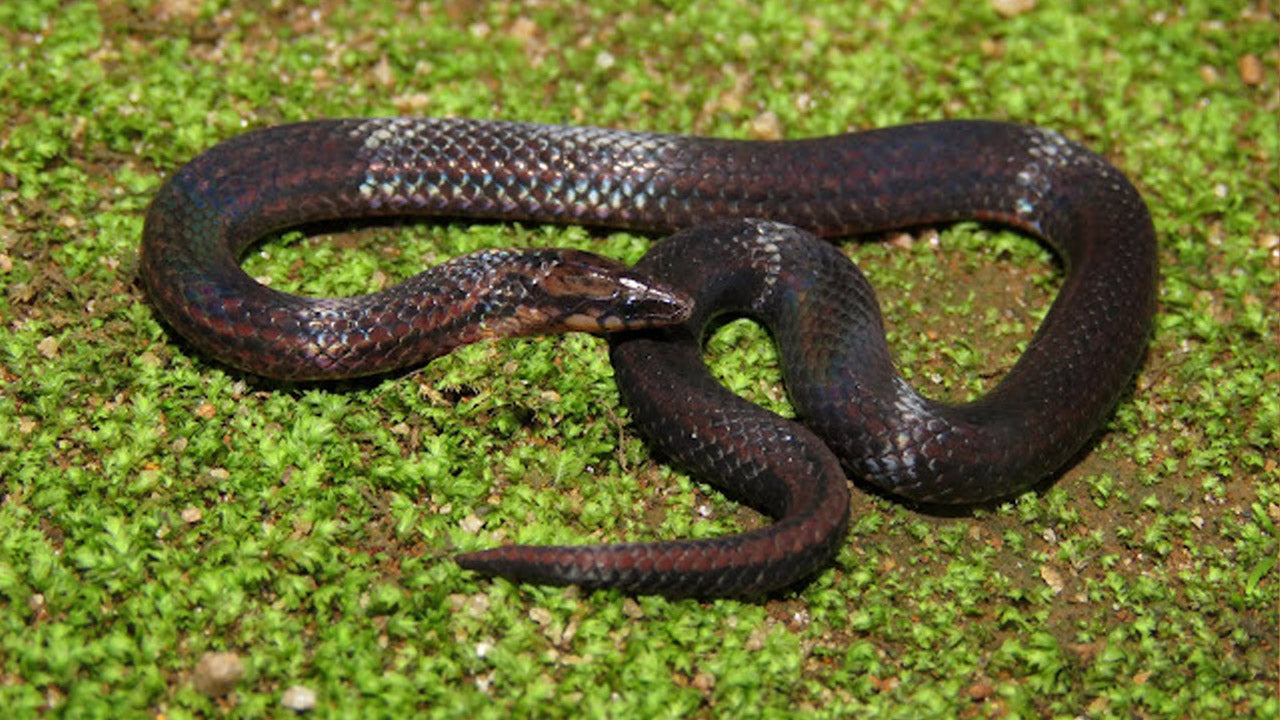 Common Rough-sided Snake
Aspidura trachyprocta
-
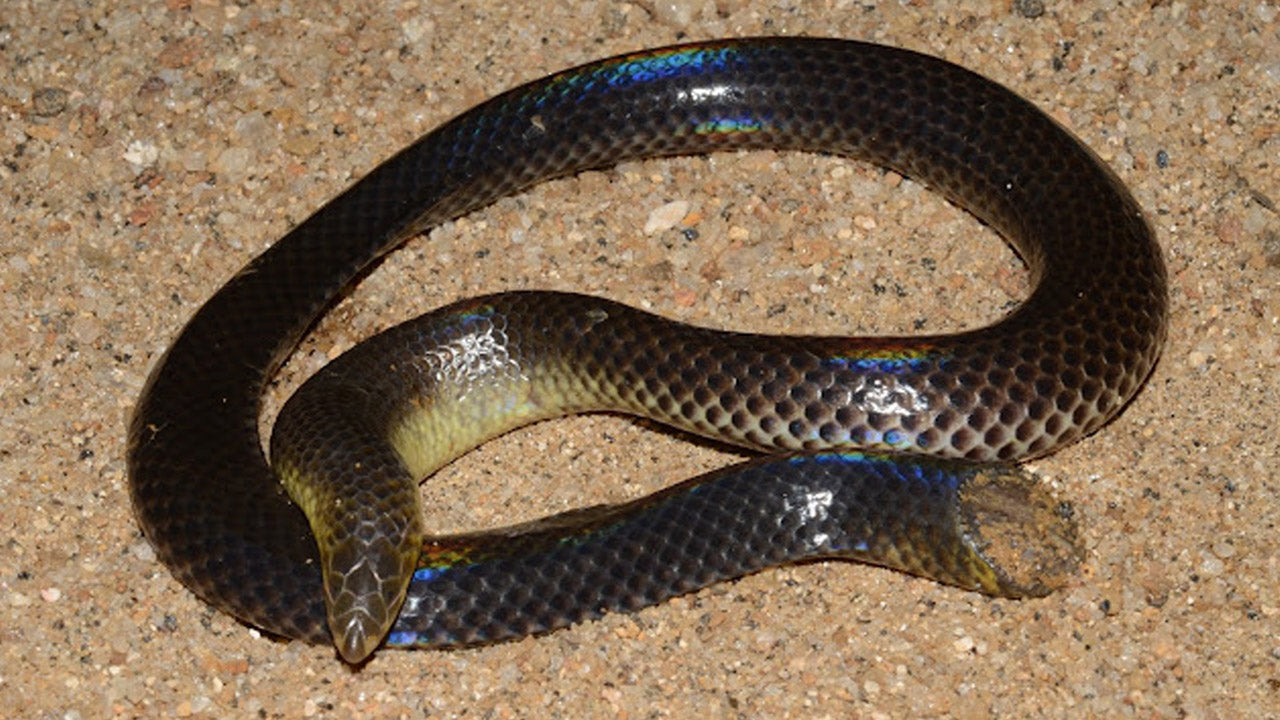 Large Shieldtail
Rhinophis saffragamus
-
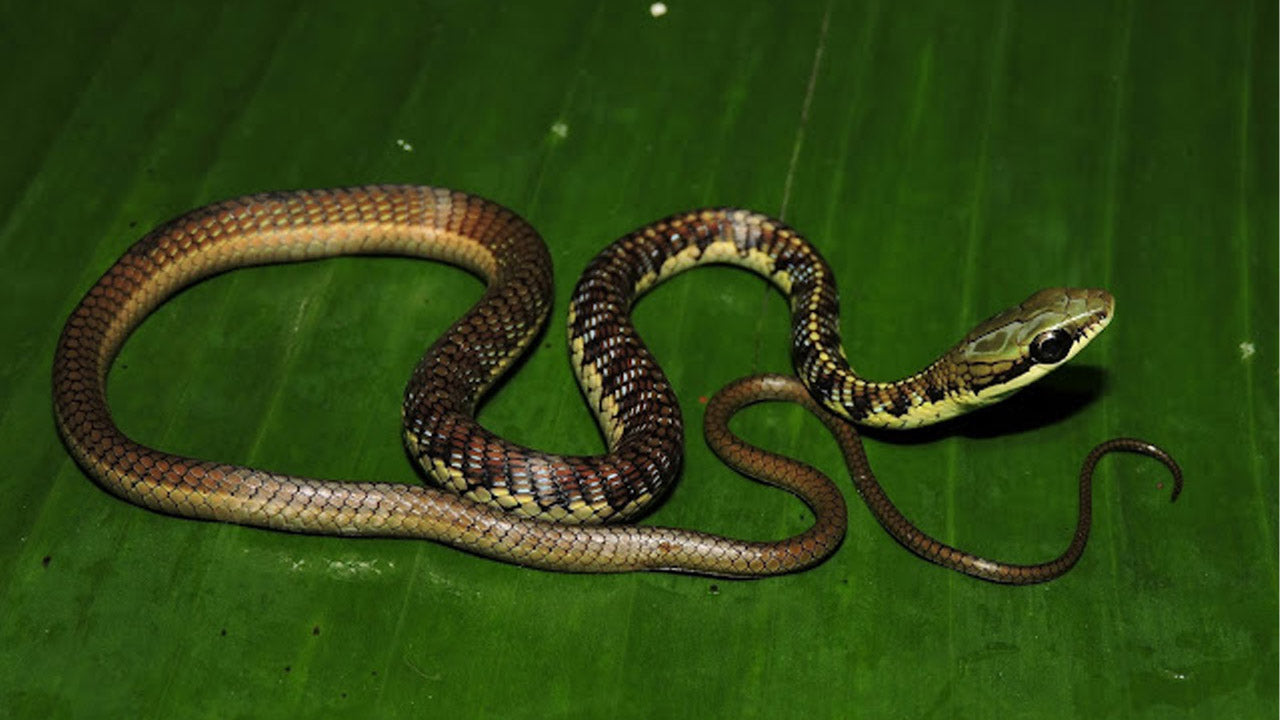 Schokar's Bronzeback
Schokar's bronzeback
-
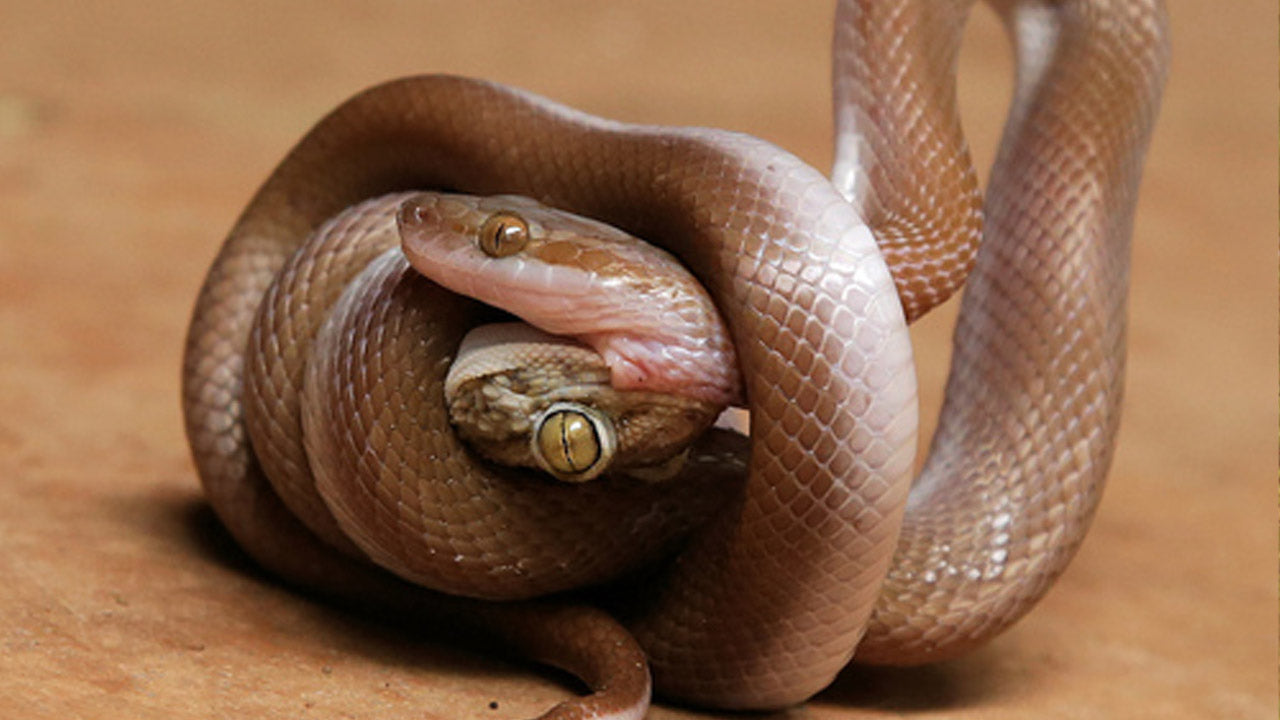 Jan's Worm Snake
Typhlops mirus
-
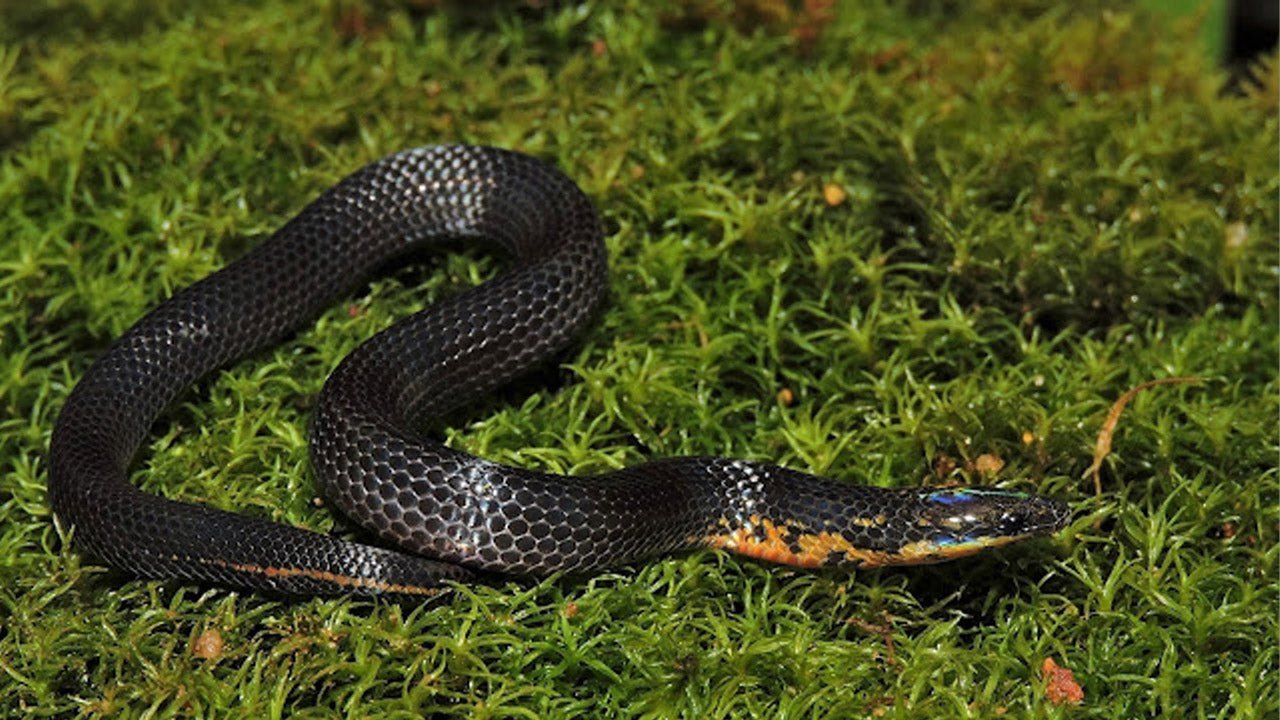 Ravana's Rough-sided Snake
Aspidura ravanai
-
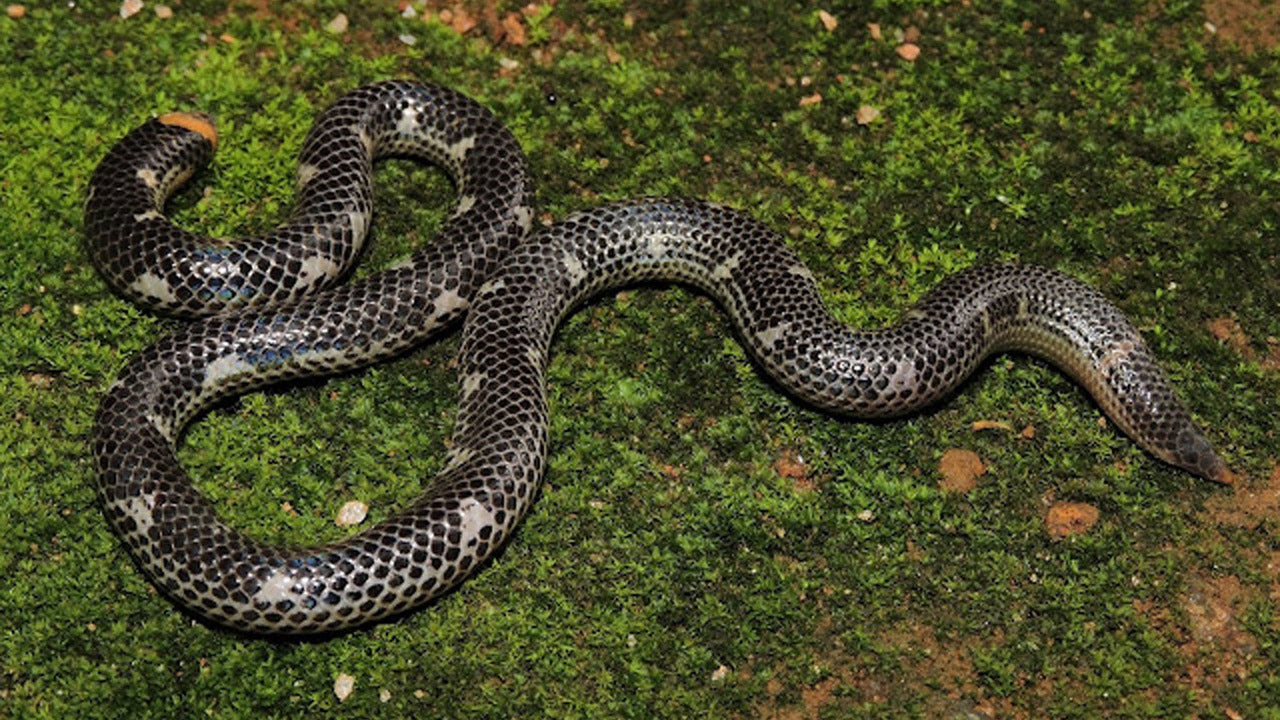 Hemprich's Shieldtail
Uropeltis hemprichii.
-
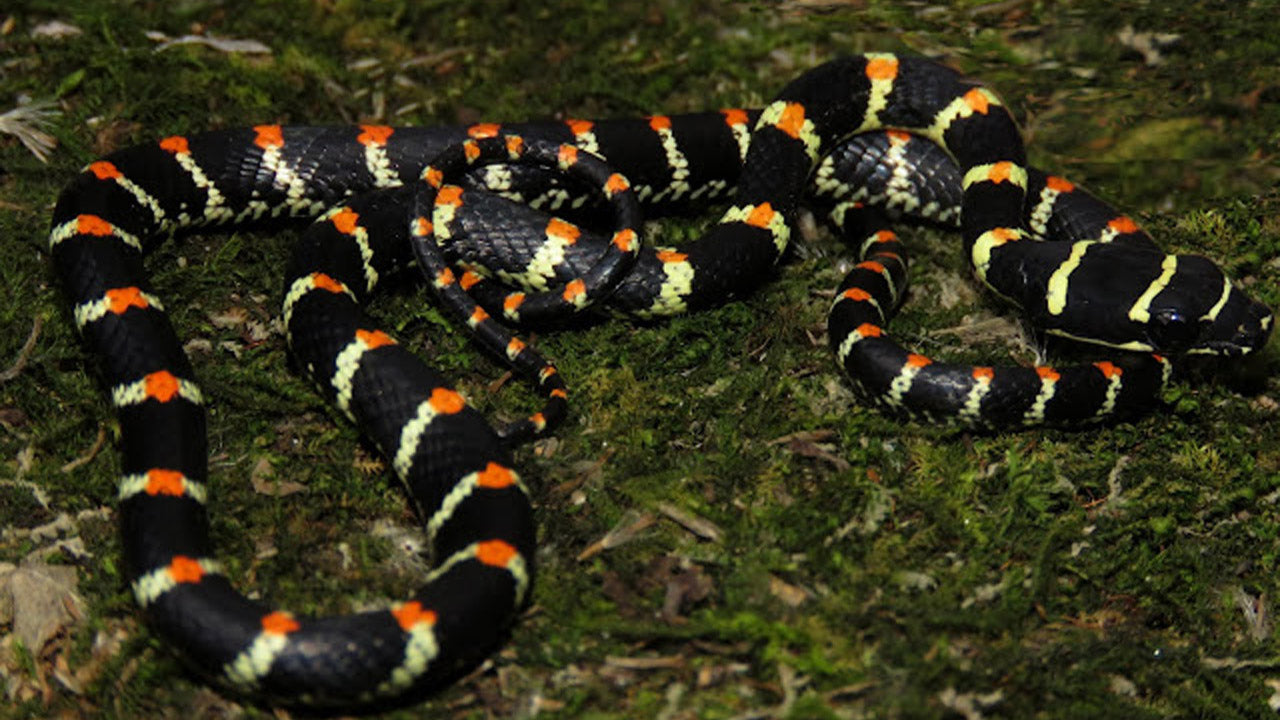 Ornate Flying Snake
Chrysopelea ornata
-
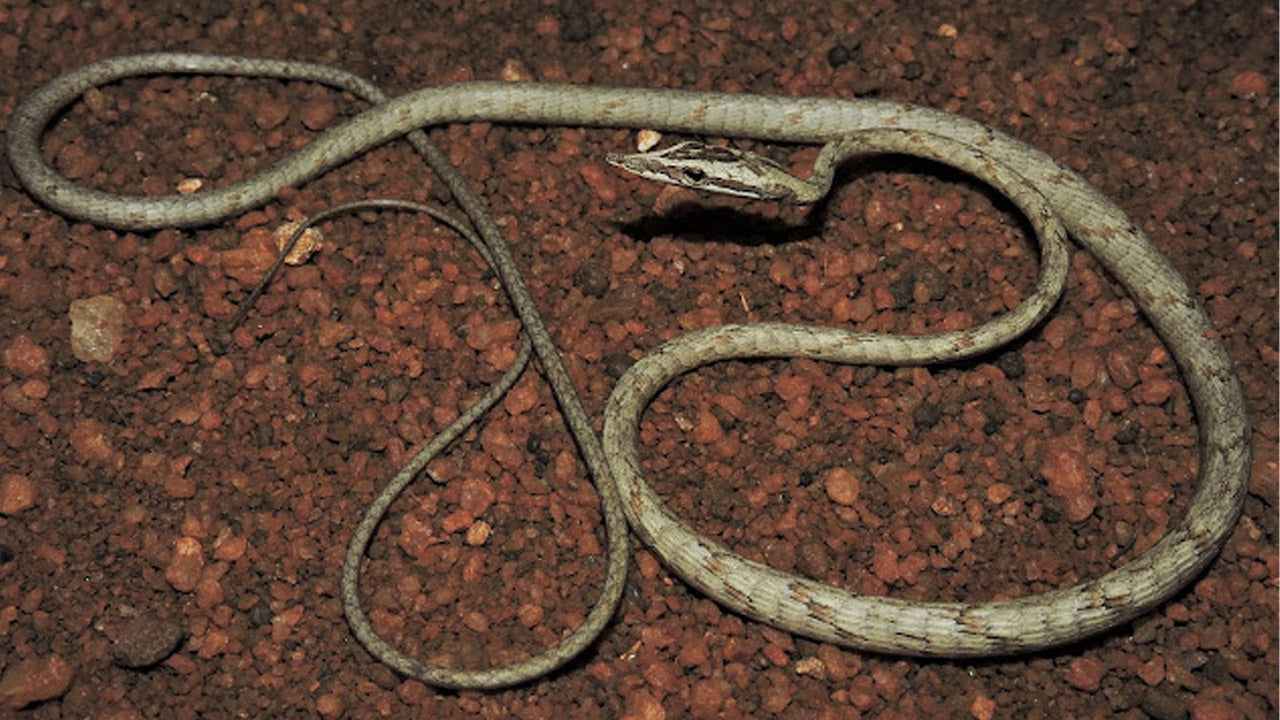 Brown Vine Snake
Ahaetulla pulverulenta
-
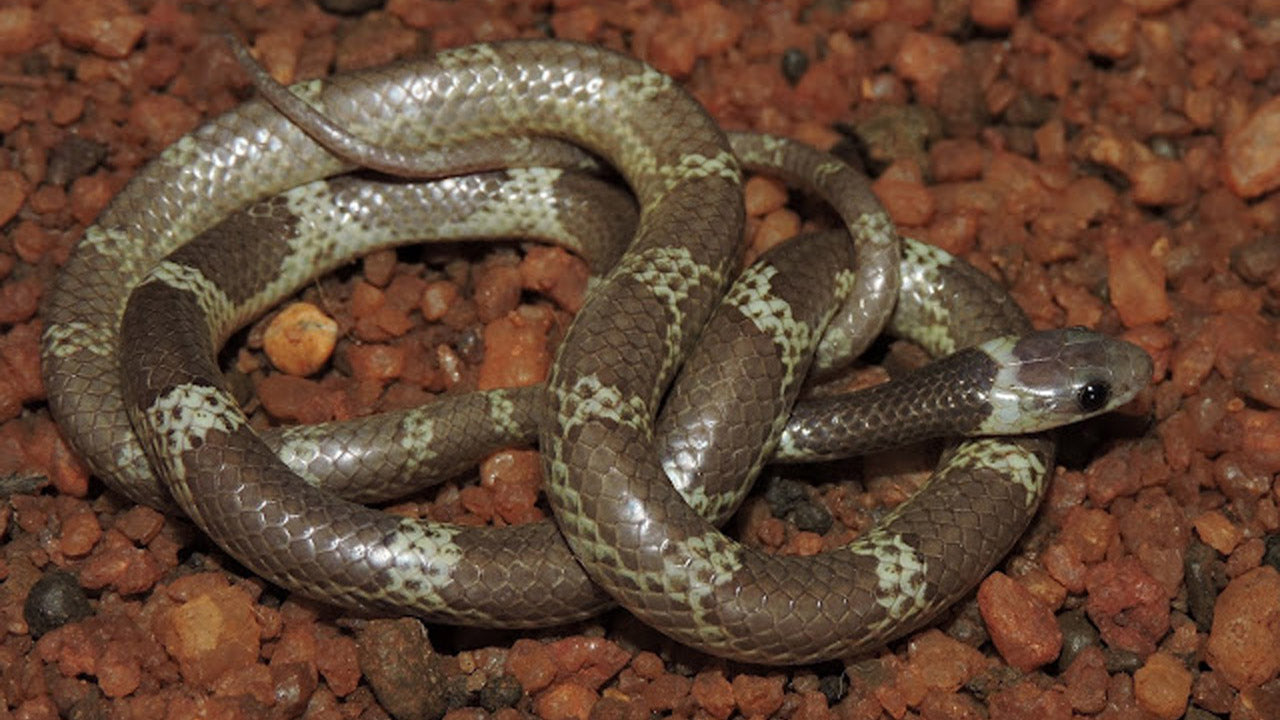 Common Bridal Snake
colubrid snake
-
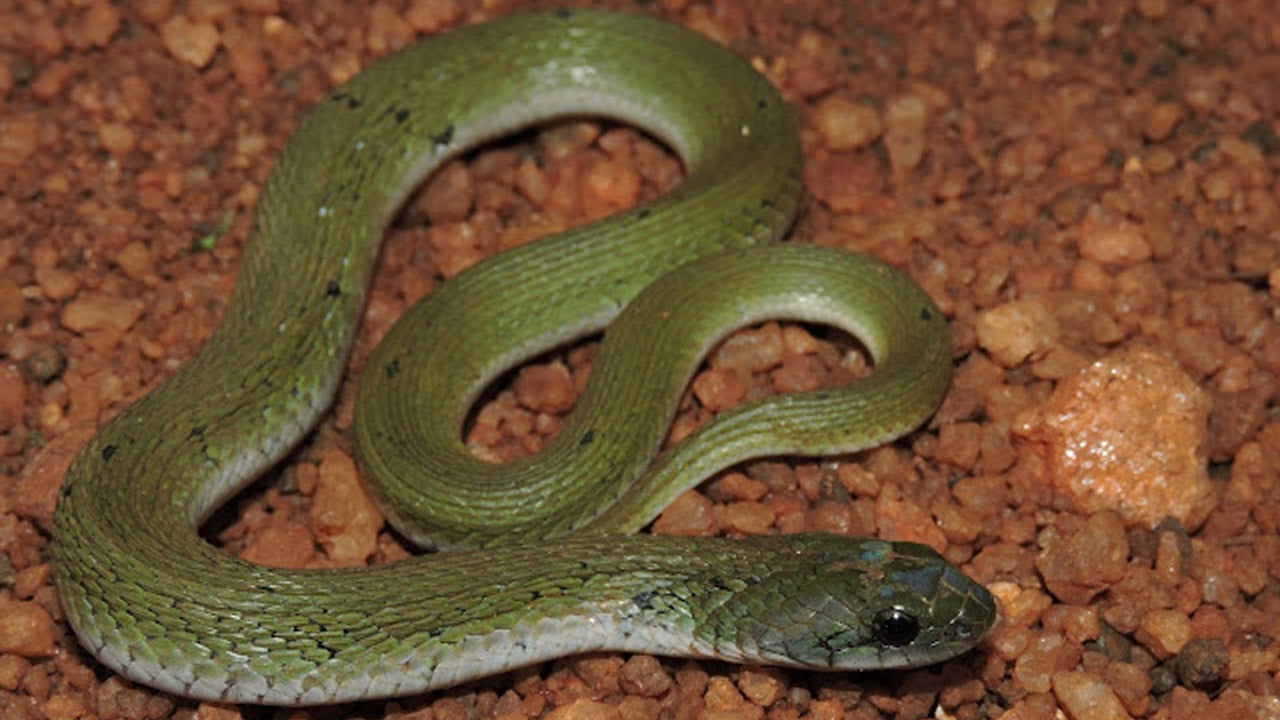 Green Keelback
Rhabdophis plumbicolor