Albizia odoratissima

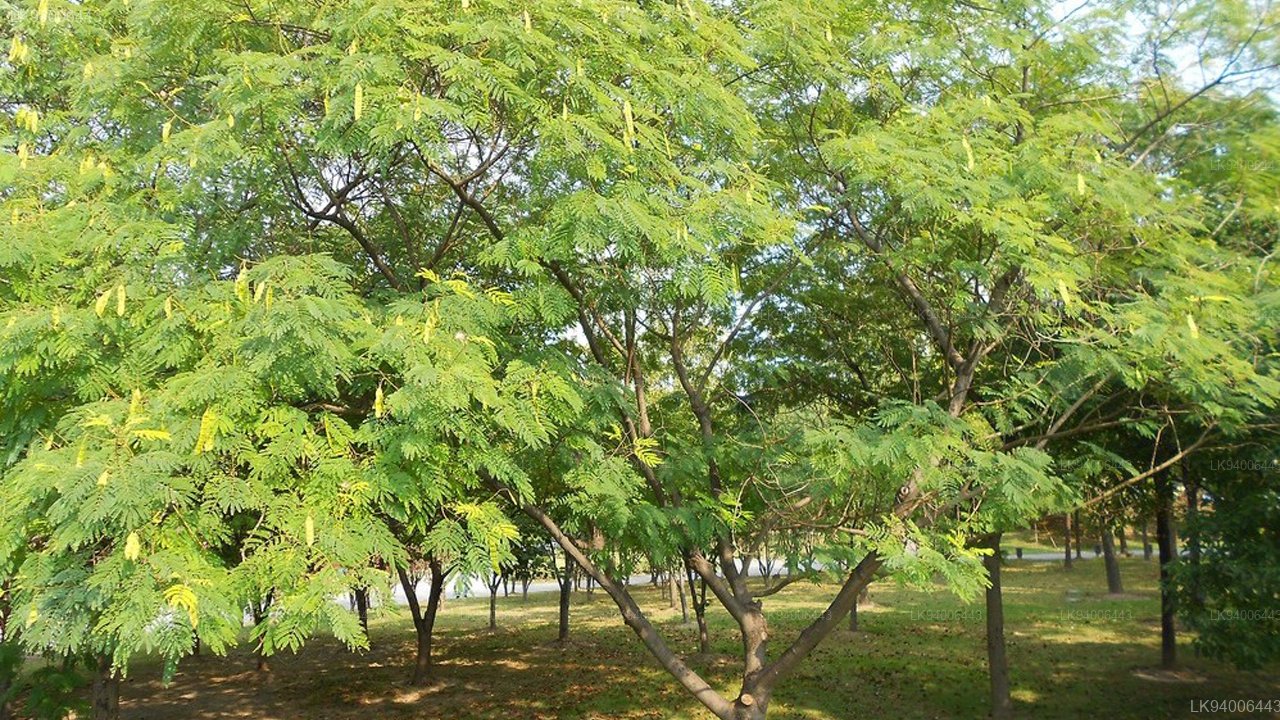
Albizia odoratissima, a member of the family Fabaceae, is a fast-growing, deciduous tree reaching 15 to 25 m (49 to 82 ft) in height, a diameter of 120–150 cm (47–59 in), and native to large parts of India (where it is known as ???????, Kali siris or black siris), Bangladesh, Bhutan, Nepal, Myanmar, Laos, Thailand, Vietnam, Sri Lanka (where it is known as Ceylon rosewood) and China. It is one of the top nitrogen-fixing trees.
The species' wide range of habitat, usefulness and rapid growth of about 1 m (3 ft) in height annually, has led to an extensive distribution in the tropics and occasionally in the temperate zones, despite young plants' being susceptible to frost. It has become naturalised over large swathes of Tropical Africa, extending from Kenya down the east coast through Tanzania, Malawi and Zimbabwe as far south as Mozambique, and is grown in Johannesburg, South Africa. It has also become feral in Central America and Florida in the United States. It will tolerate a wide range of soil types, but does best on moist, well-drained, loamy soils, and can occur from sea level to about 1,800 m (5,906 ft), with an annual rainfall of 600–3,000 mm (24–118 in).
Albizia odoratissima has an attractive dark brown to black heartwood, often striped, durable and dense. It seasons with few problems, and works and polishes well, finding applications in structural timber, furniture and agricultural implements. In Bangladesh large areas of tea and coffee plantations are shaded by this species, while the foliage makes good cattle fodder. The species is liable to genetic degradation due to the 'extensive felling of phenotypically superior trees for commercial purposes.'
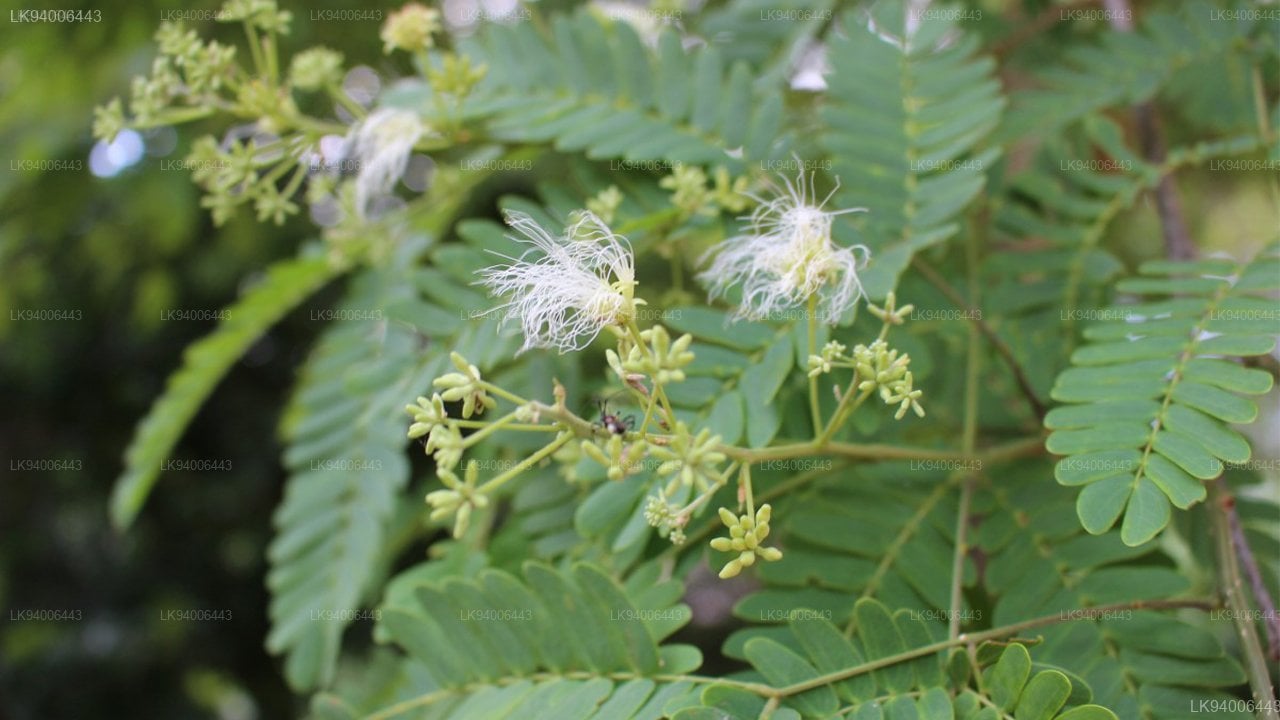
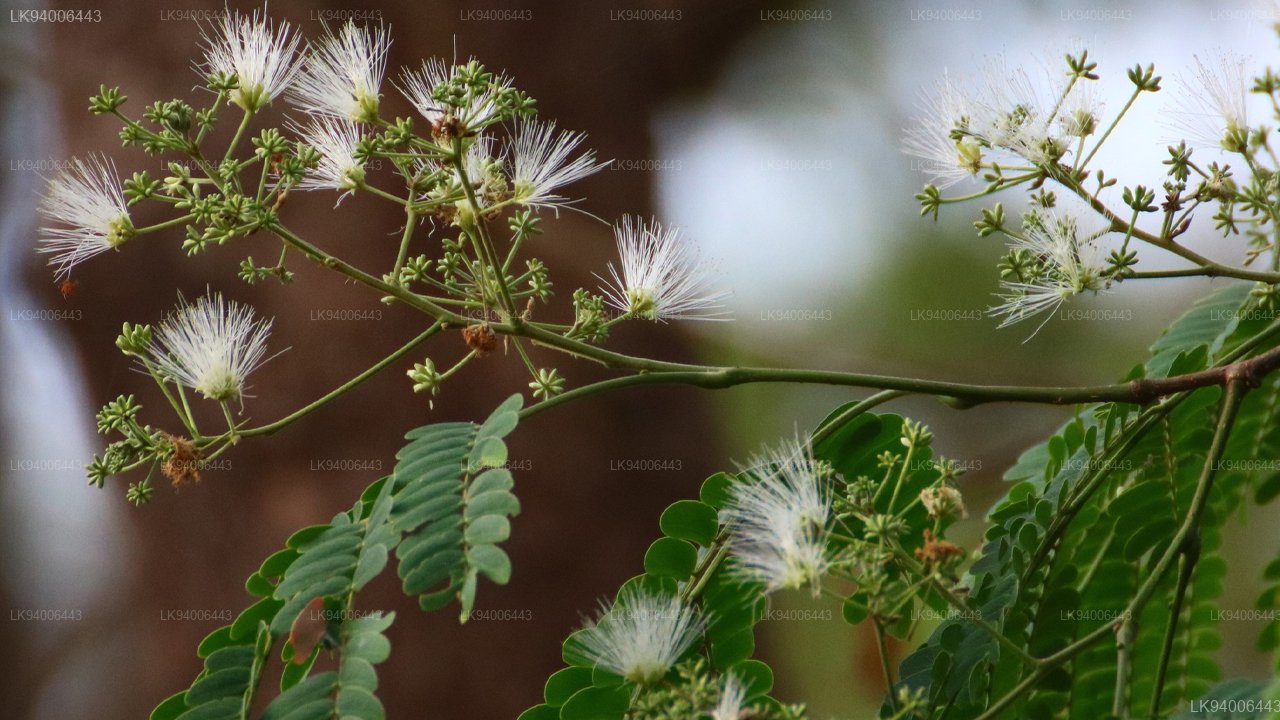
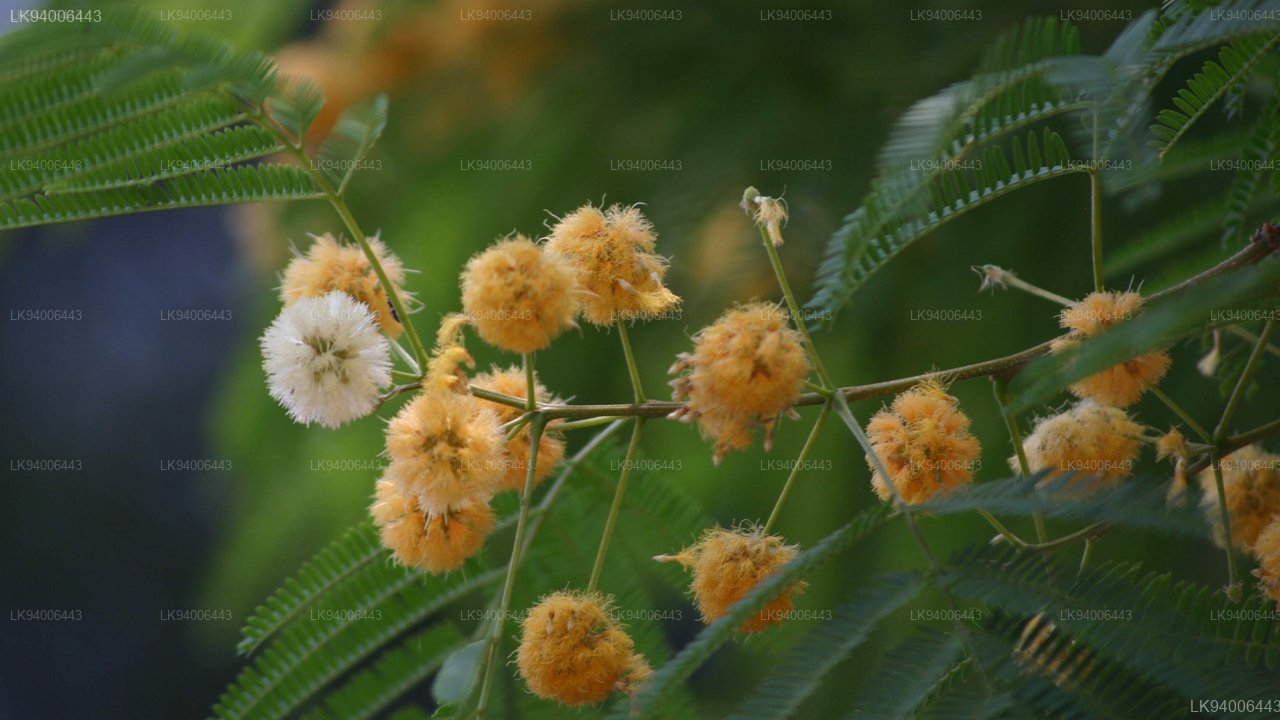
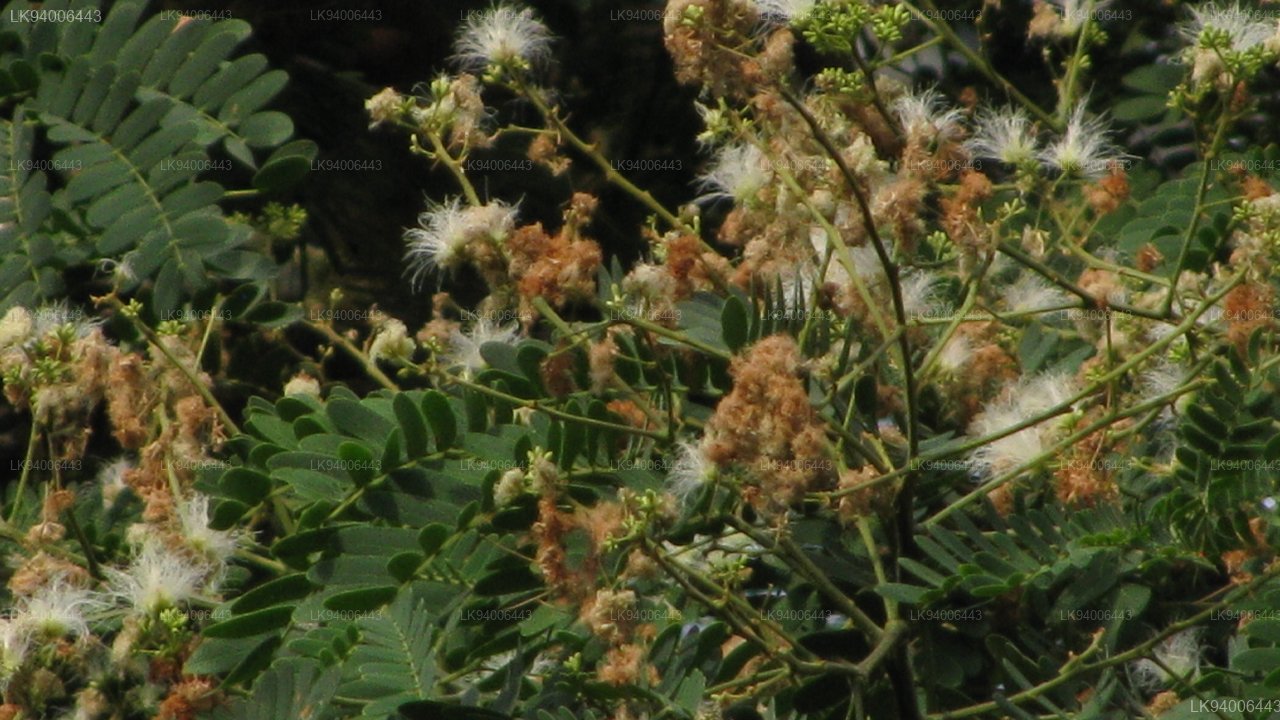
The fragrant flowers are white withering to a pale orange, appearing in large terminal clusters. Mature pods are reddish-brown, thin and flat, from 13–20 cm (5.1–7.9 in) long and 2–4 cm (0.79–1.57 in) wide, and contain eight to twelve reddish-brown seeds, each weighing about 0.5 g (0.018 oz). The bark is dark grey with horizontal lenticels. Leaves are bipinnately compound, downy, with three to nine pairs of pinnae and ten to thirty pairs of pinnules.[3] Seeds germinate readily with a high viability, but are often damaged by Bruchidius beetles of the family Chrysomelidae.
-
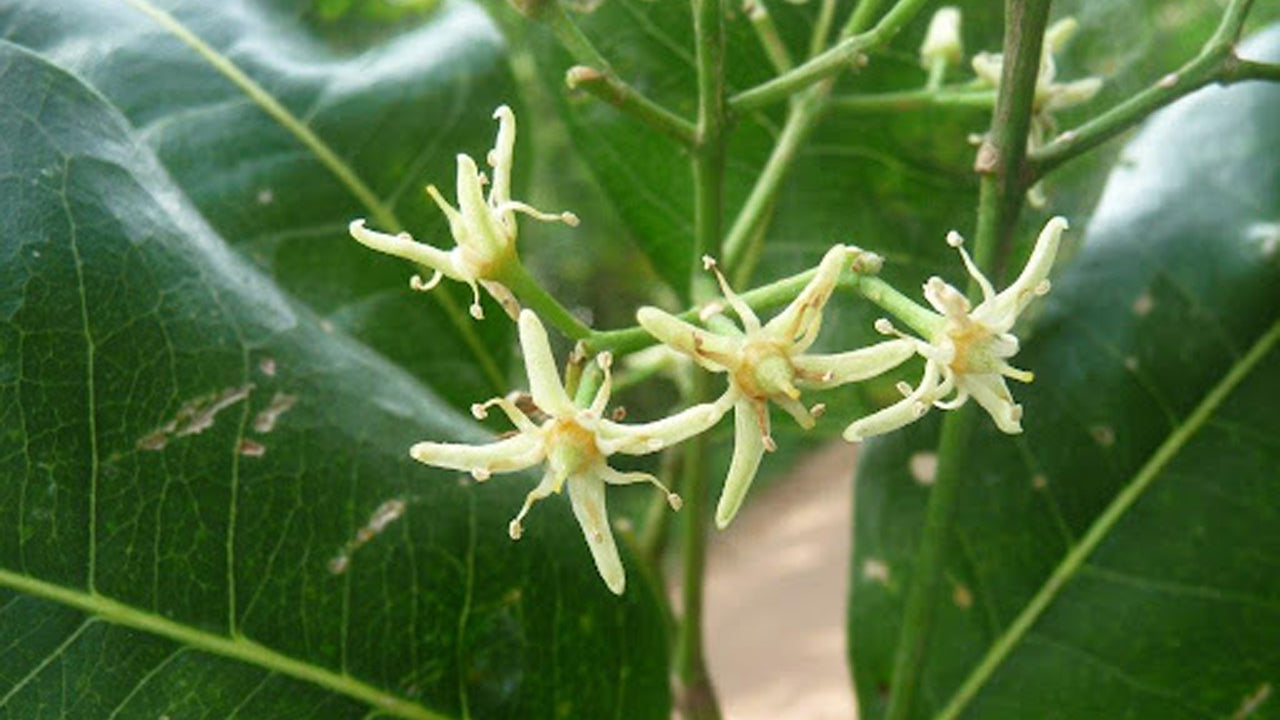
Claw-flowered laurel
Acronychia pedunculata -
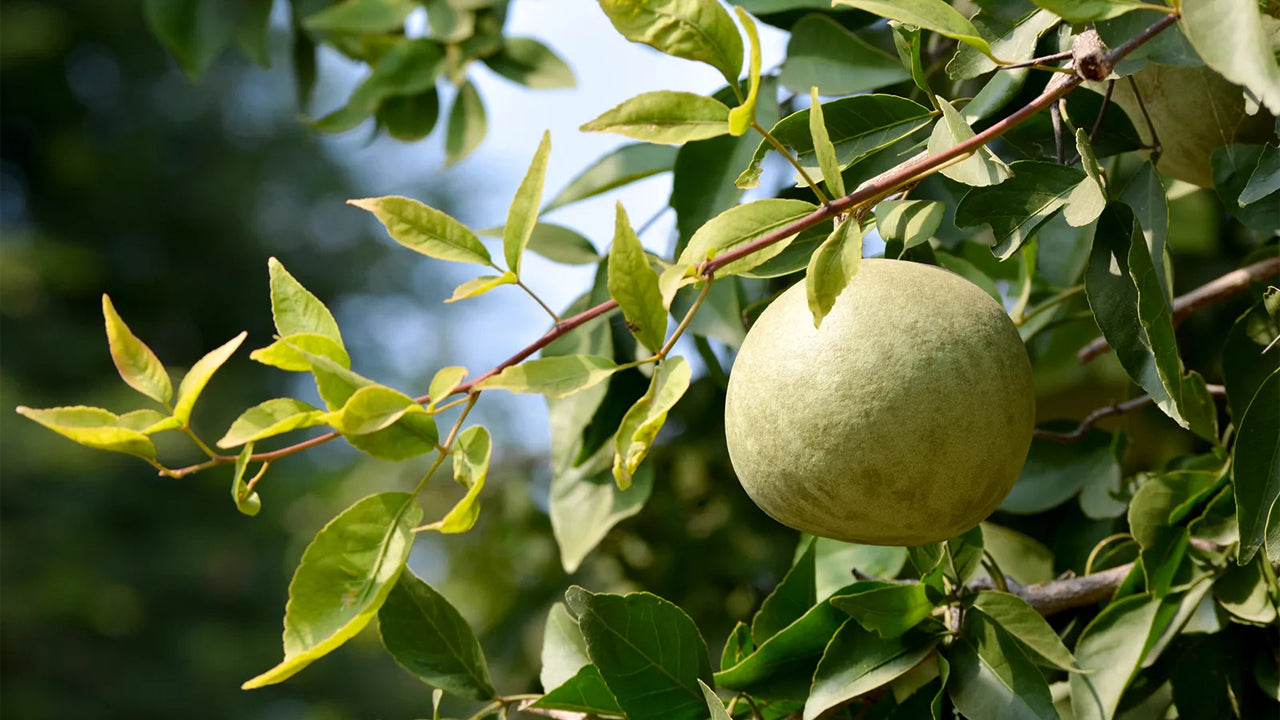
Bael
Aegle marmelos -
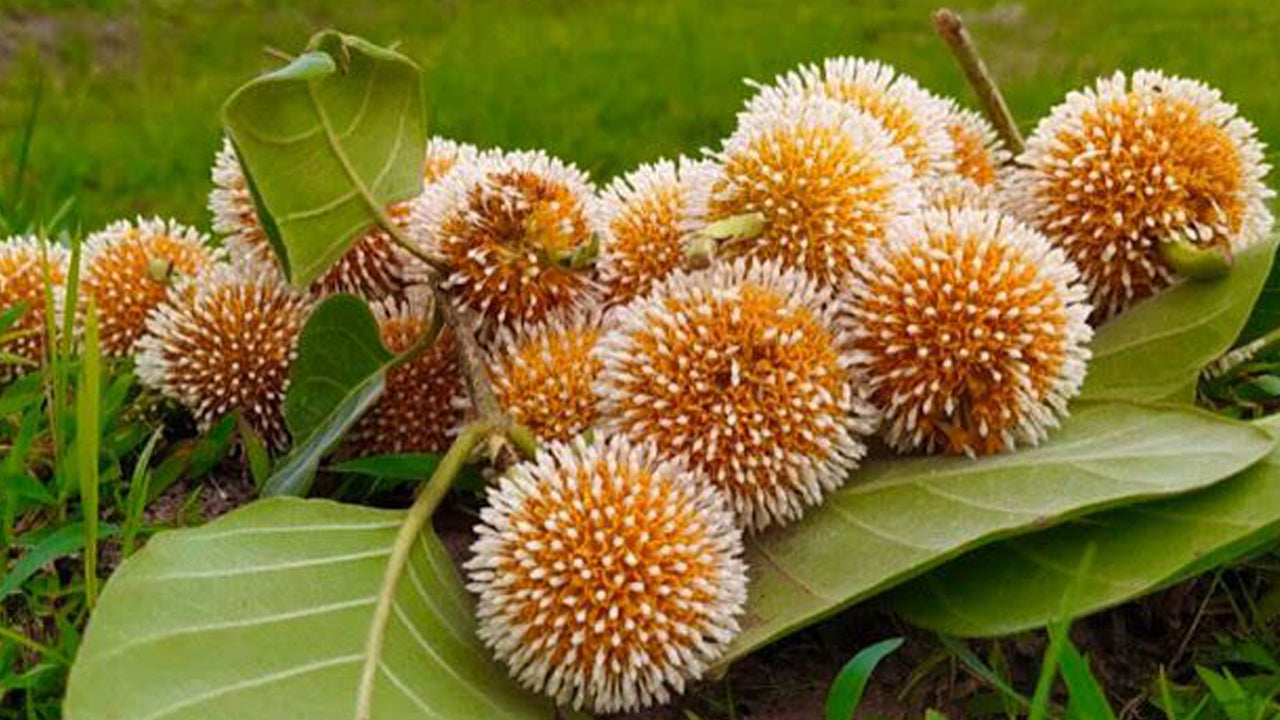
Leichhardt tree
Nauclea orientalis -
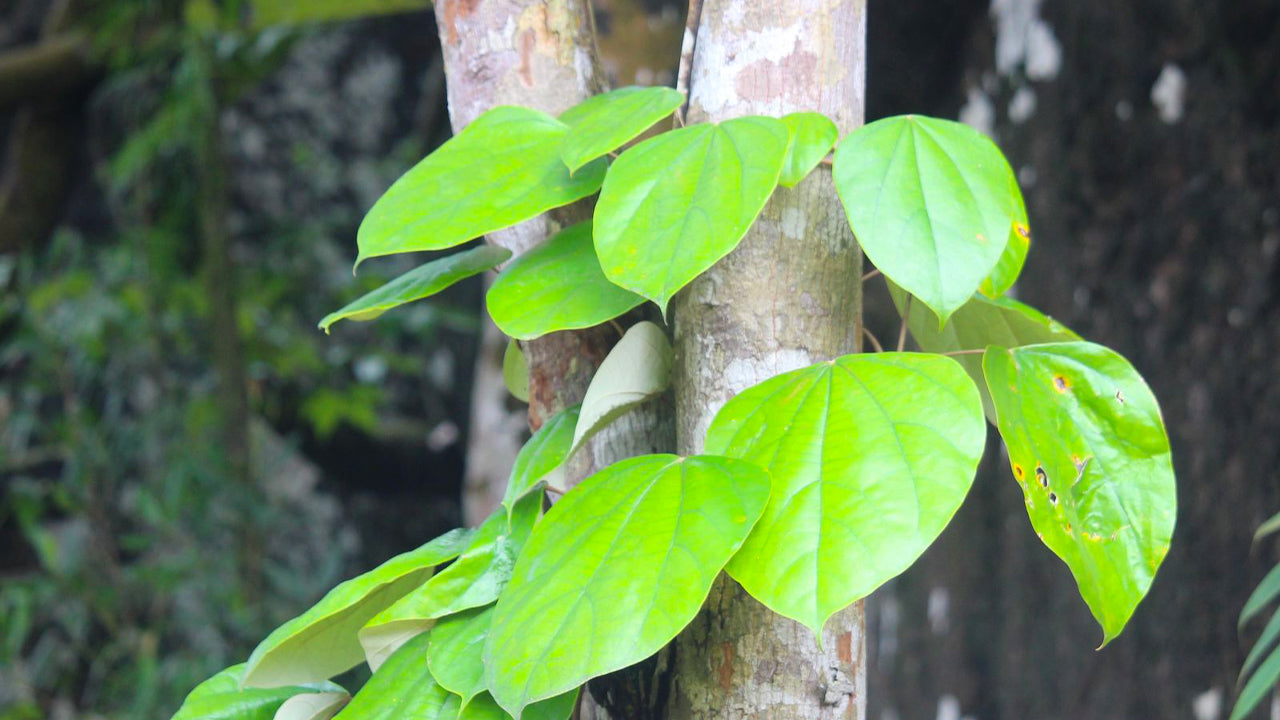
False Calumba
Coscinium fenestratum -

Malabar Gulbel
Tinospora malabarica -
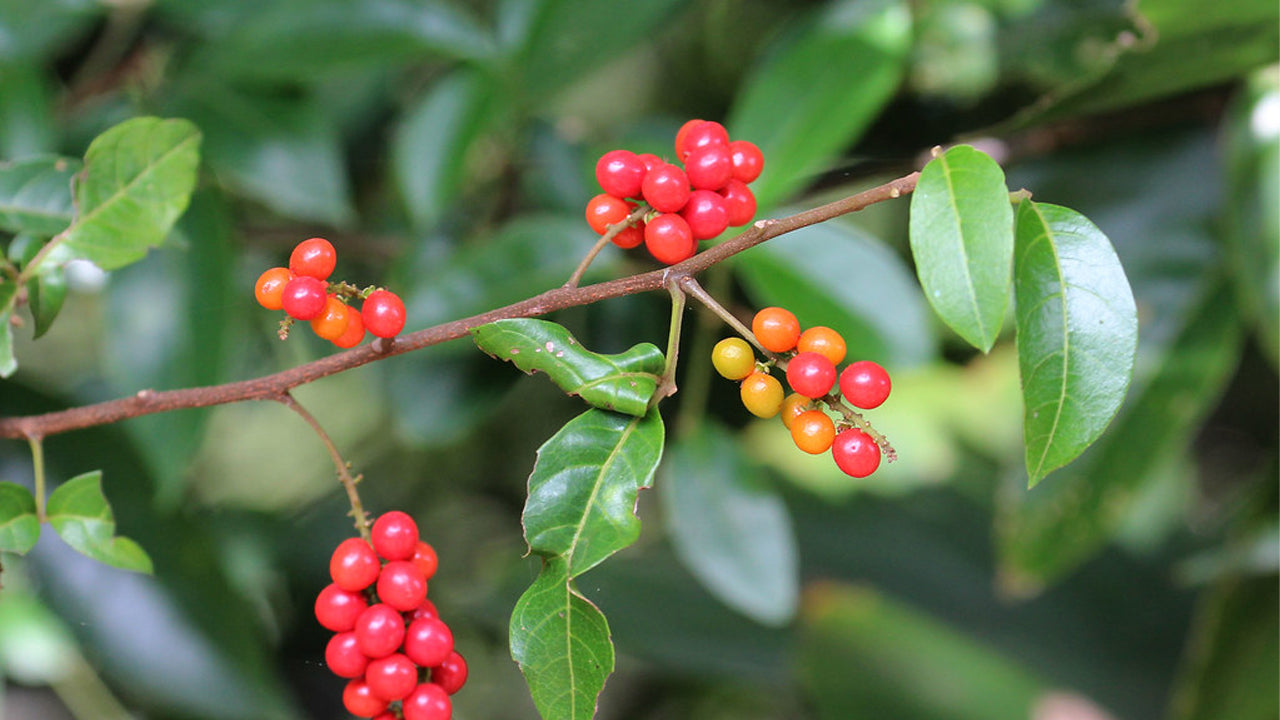
Titberry
Allophylus cobbe -
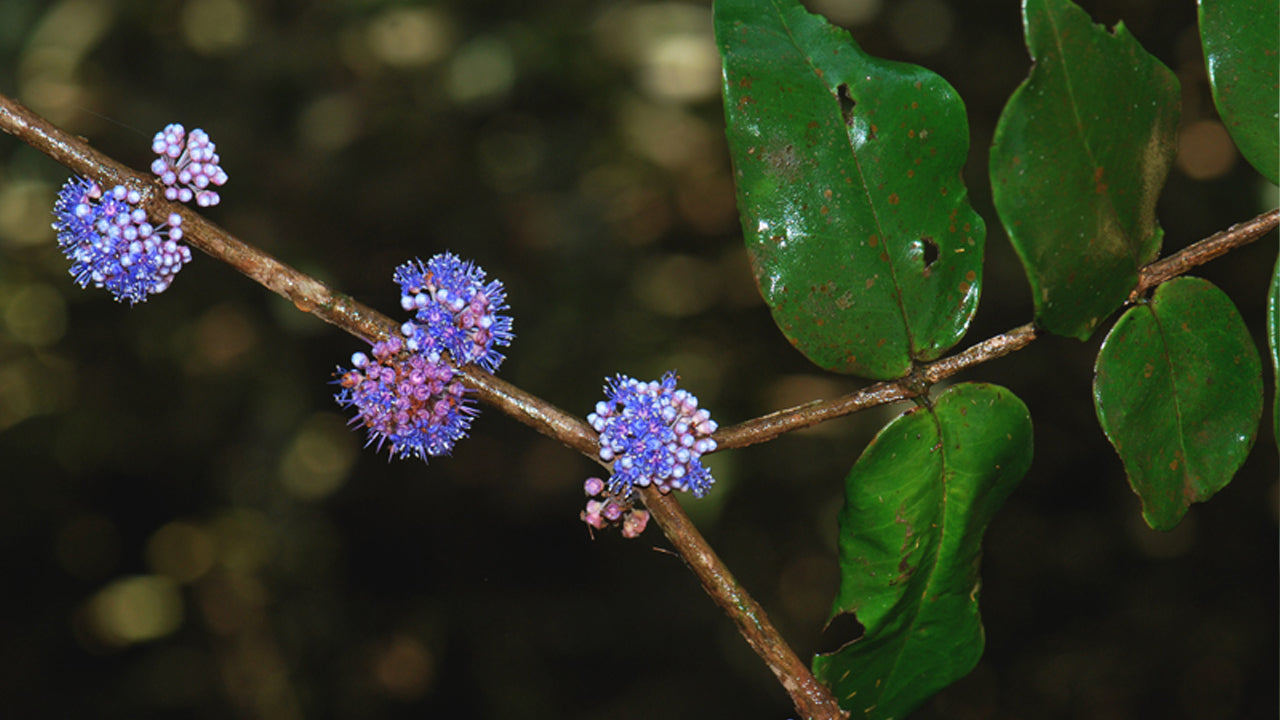
Ironwood Tree
Memecylon capitellatum -
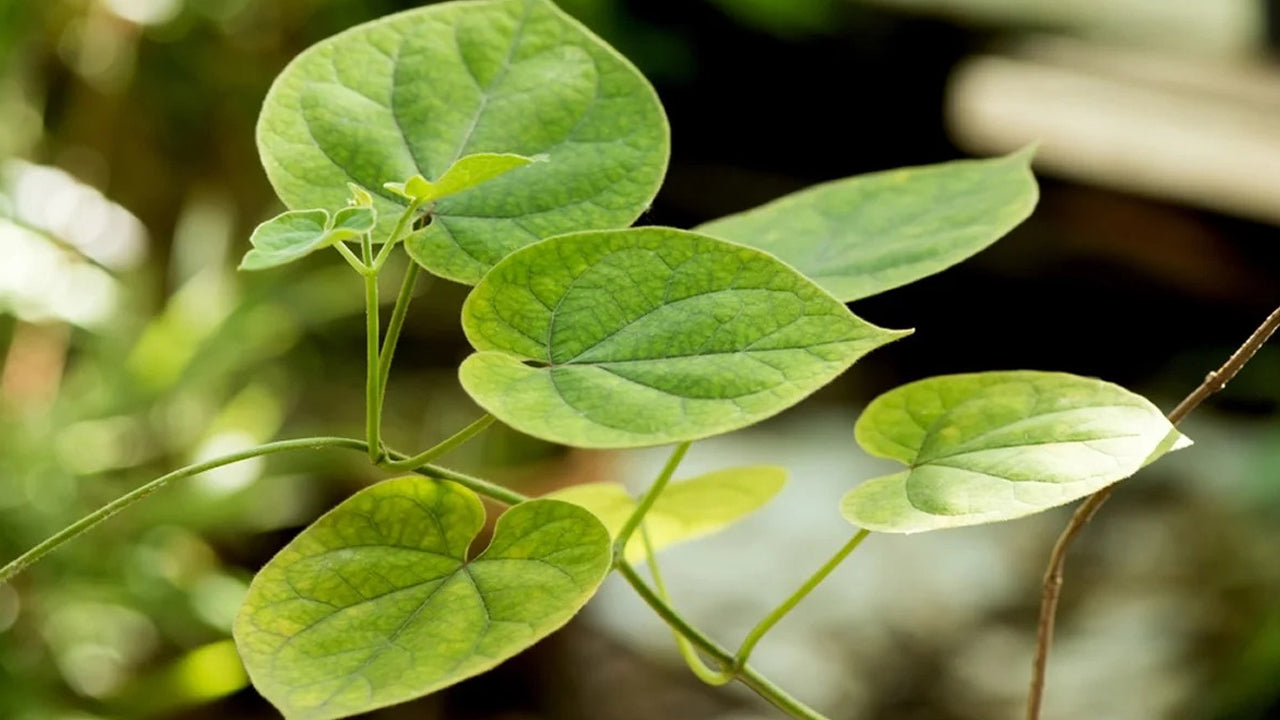
Velvet Leaf
Cissampelos pareira -
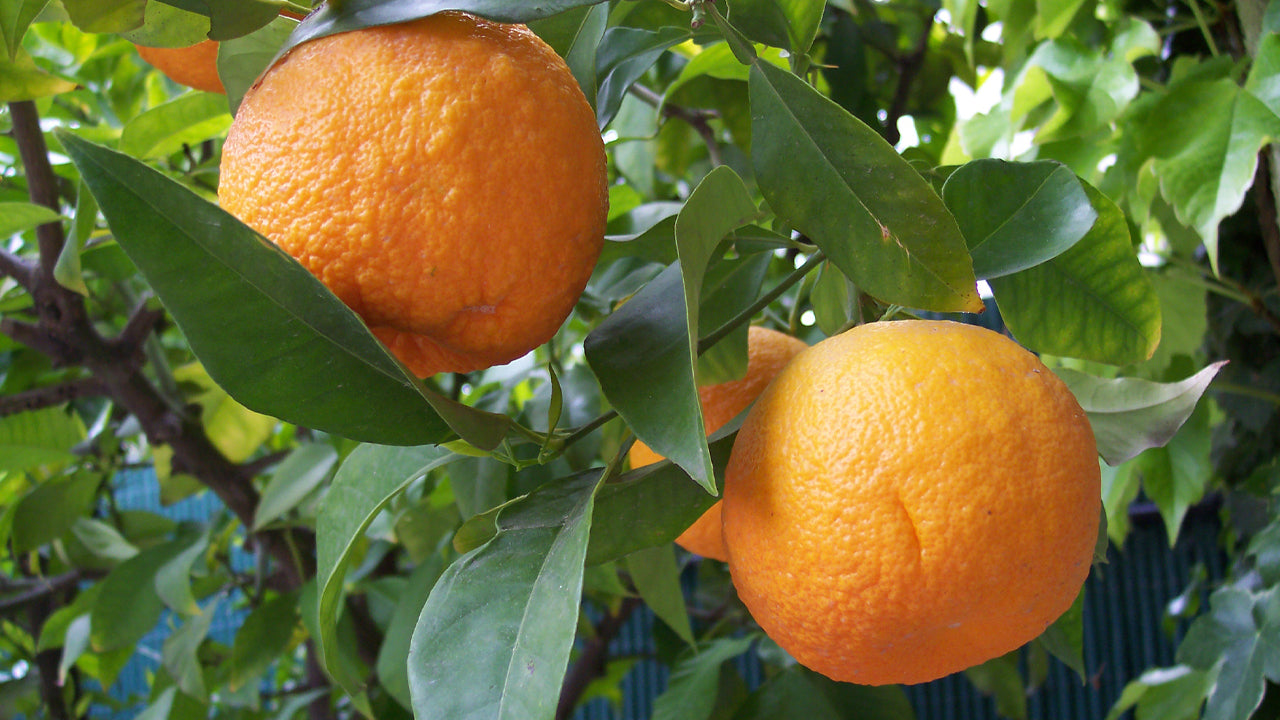
Bitter orange
Citrus aurantium -

Reinwardt's Tree Plant
Biophytun reinward -
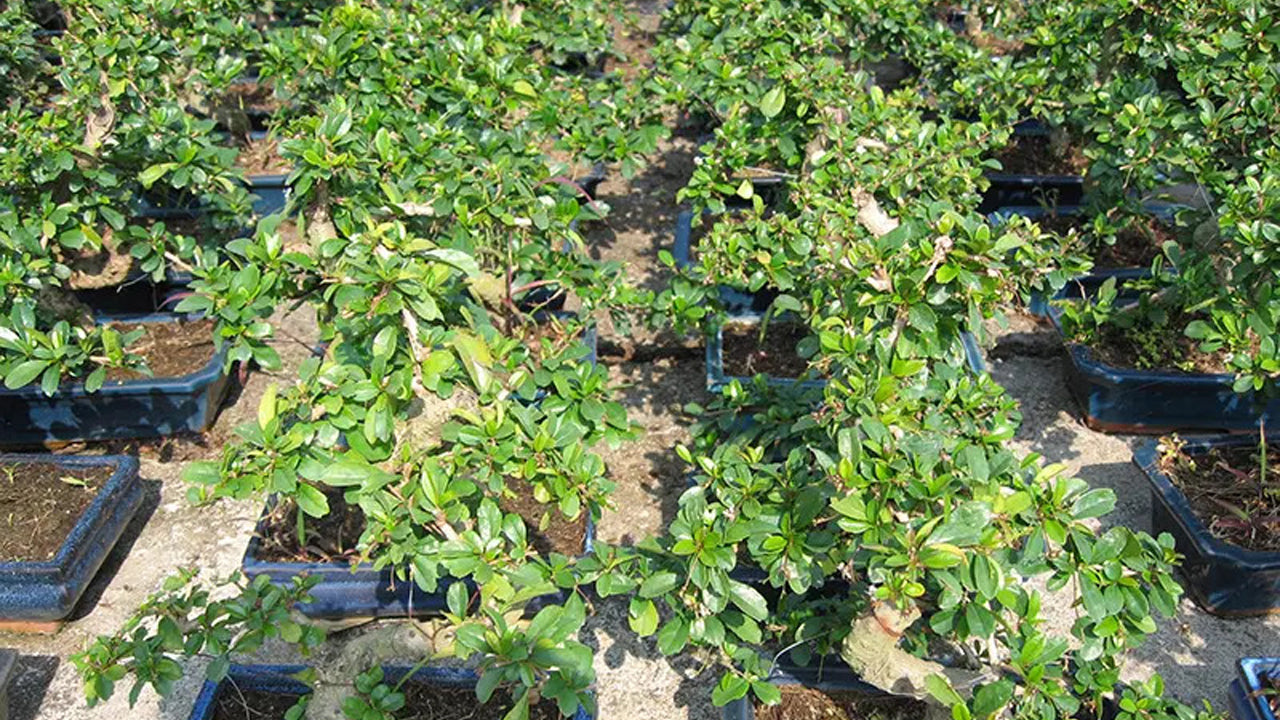
Fukien tea
Carmona microphylla -
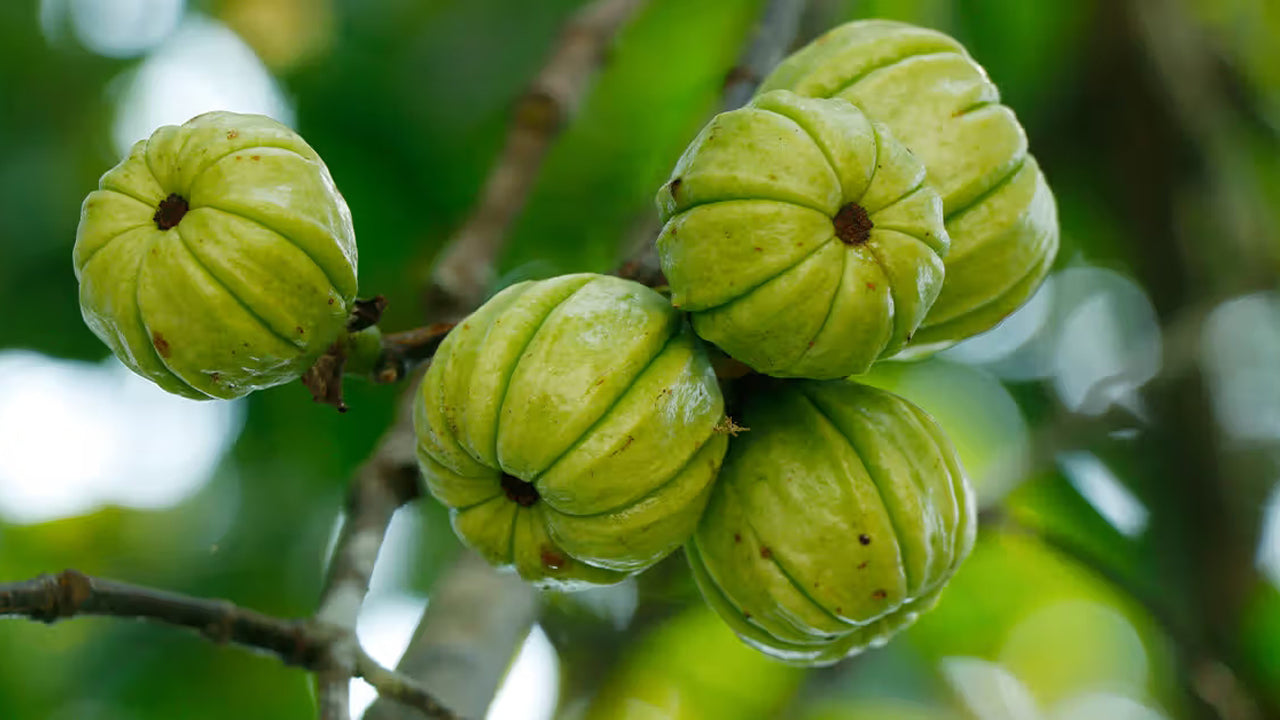
Malabar tamarind
Garcinia cambogia -
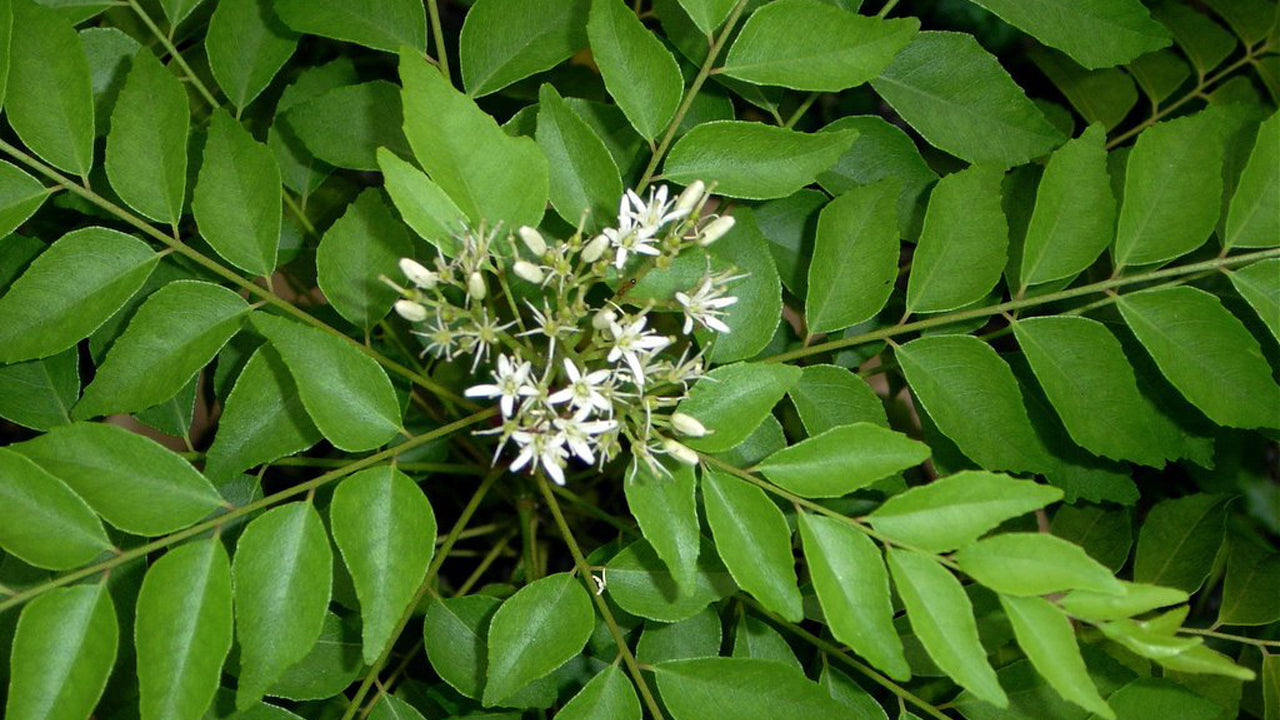
Curry leaf tree
Murraya koenigii -
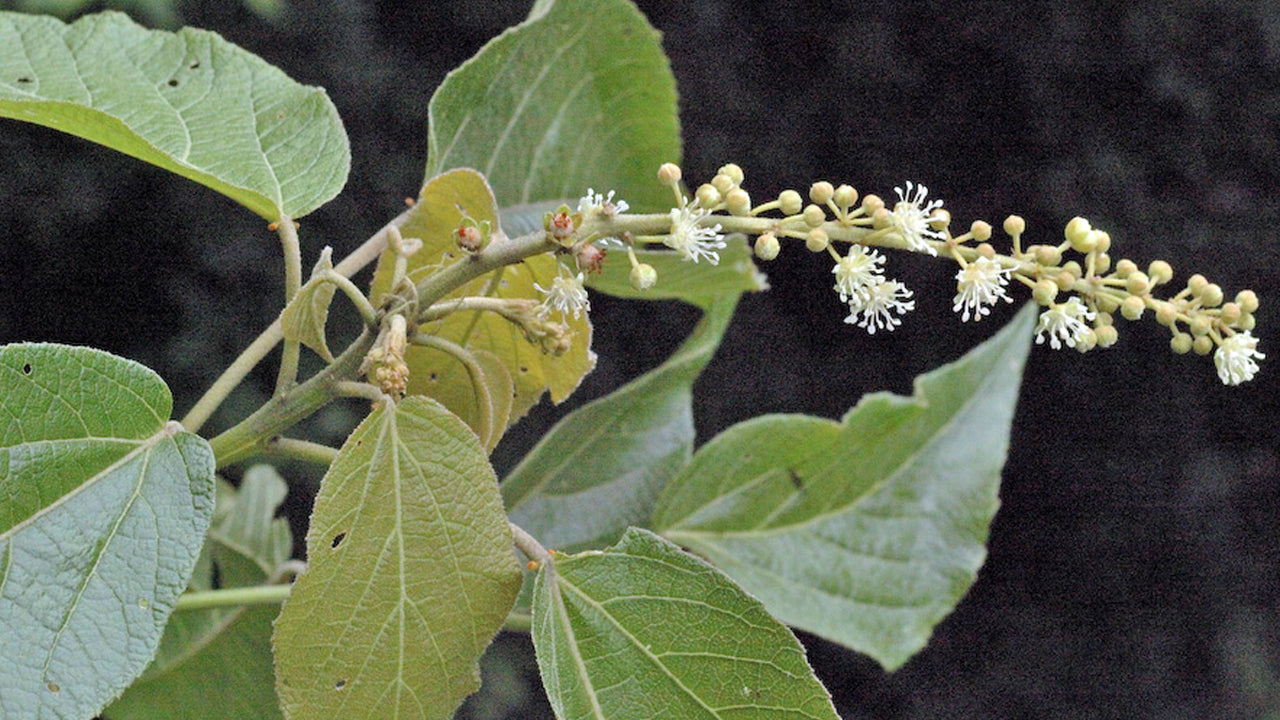
Kappetiya
Croton laccifer -
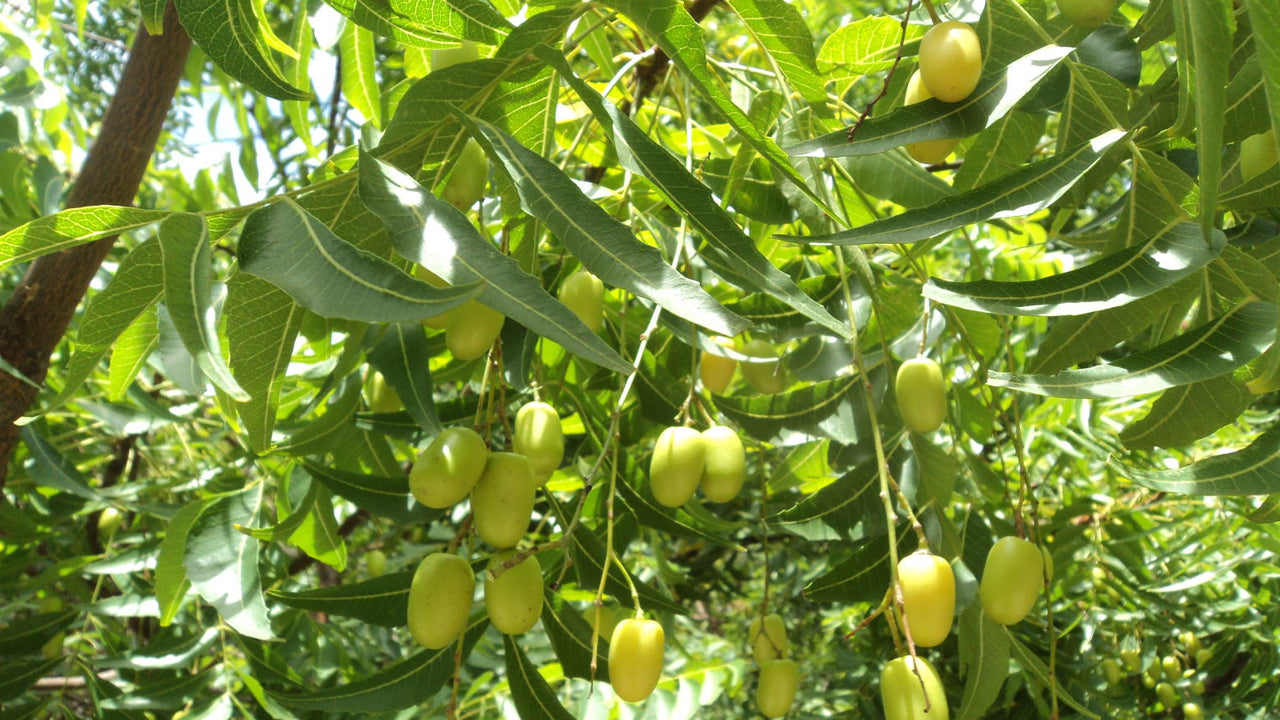
Indian lilac
Azadirachta indica -
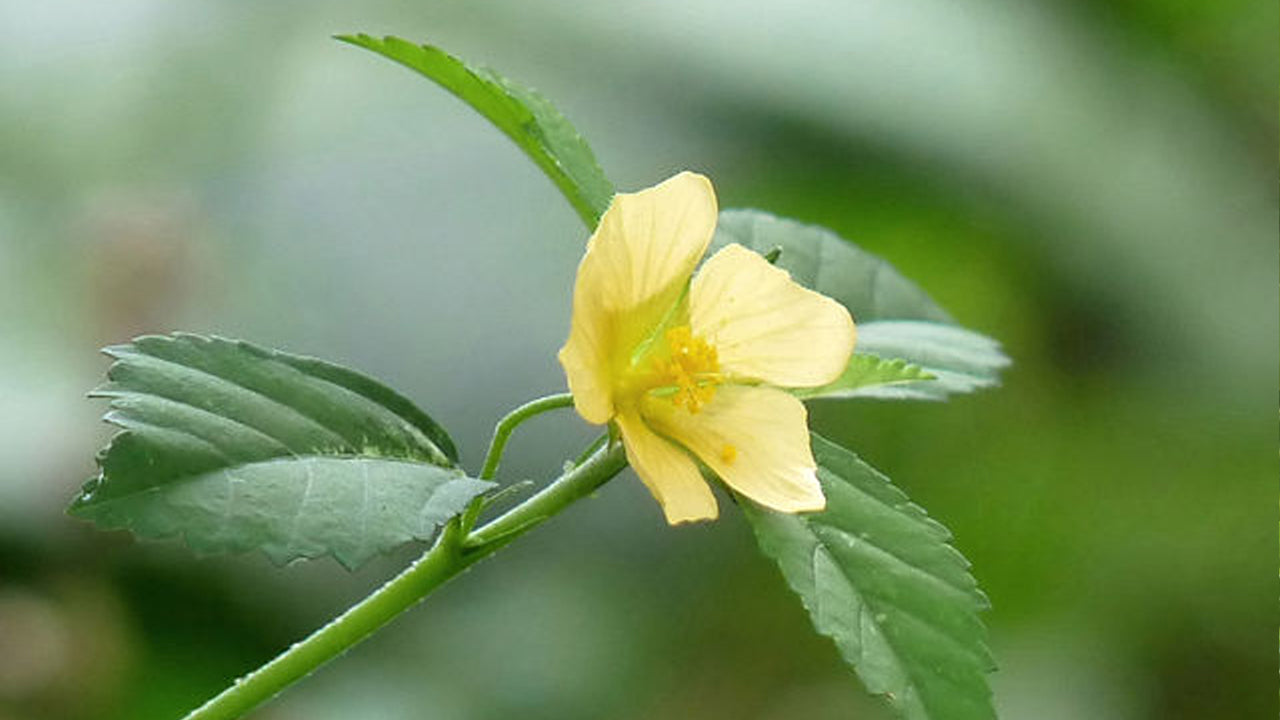
Spiny sida
Sida alba -
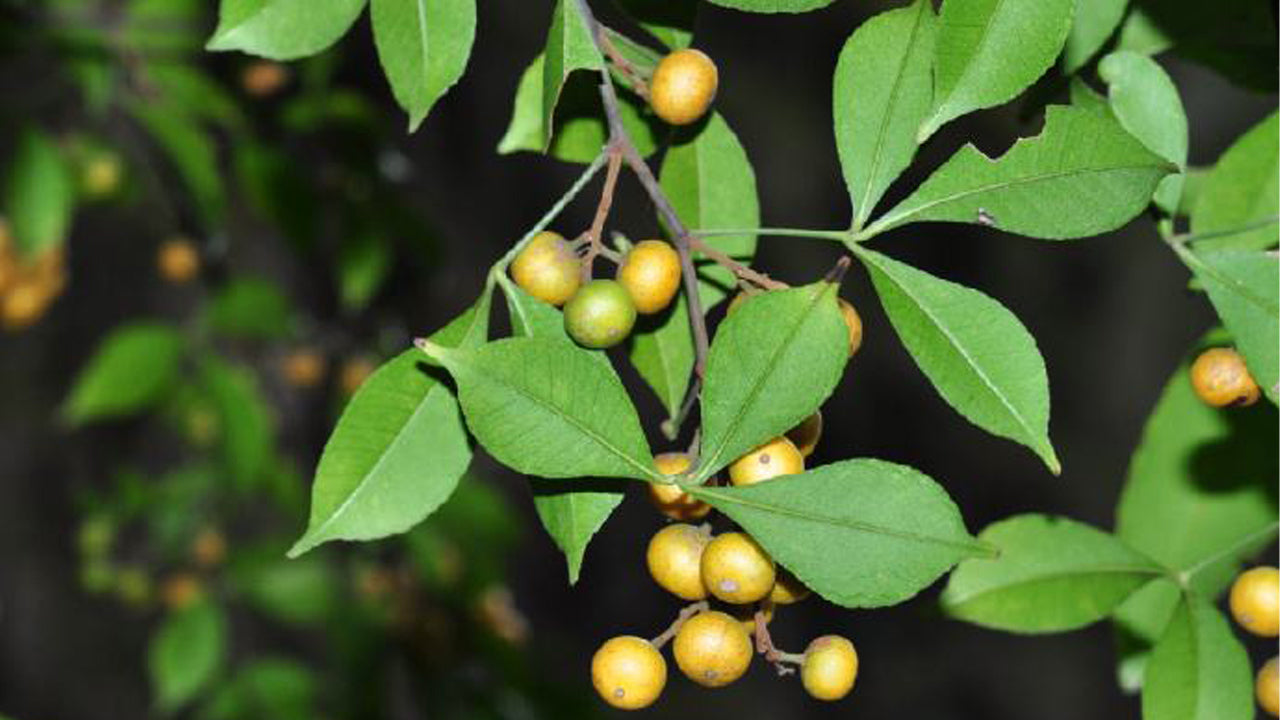
Orange climber
Toddlia asiatica -
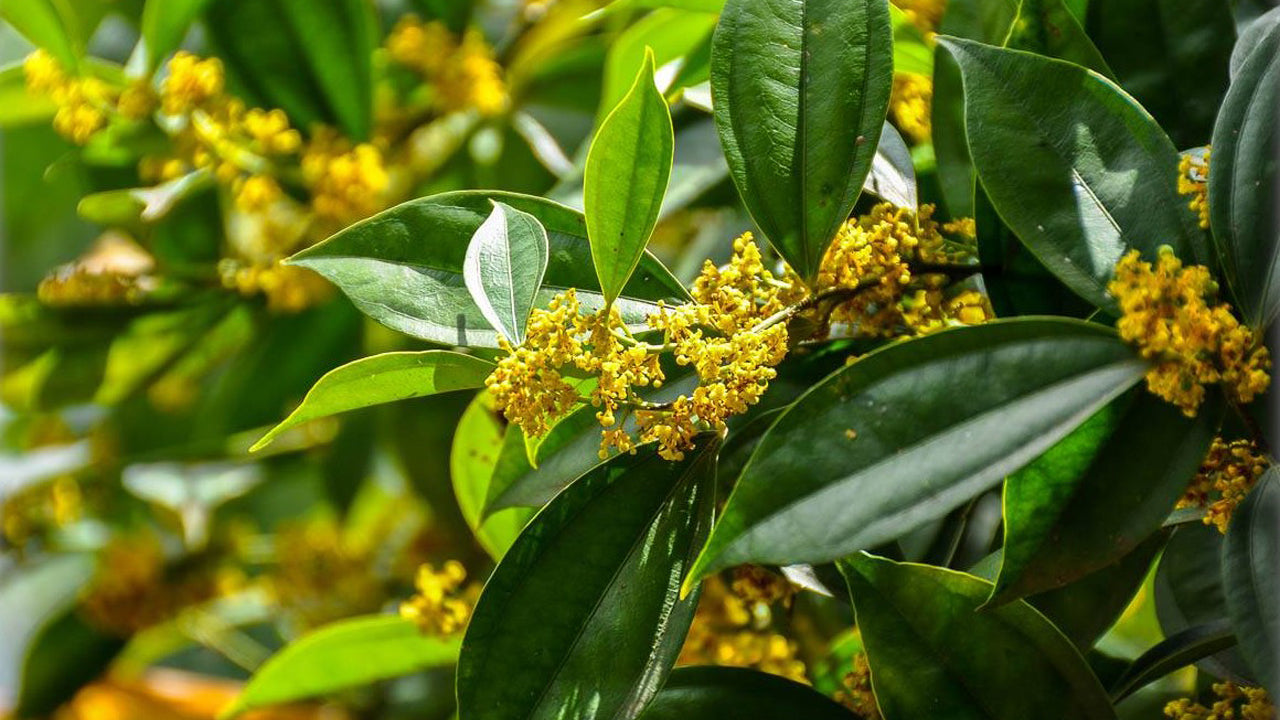
Ceylon cinnamon
Cinnamomum zeylanicum -
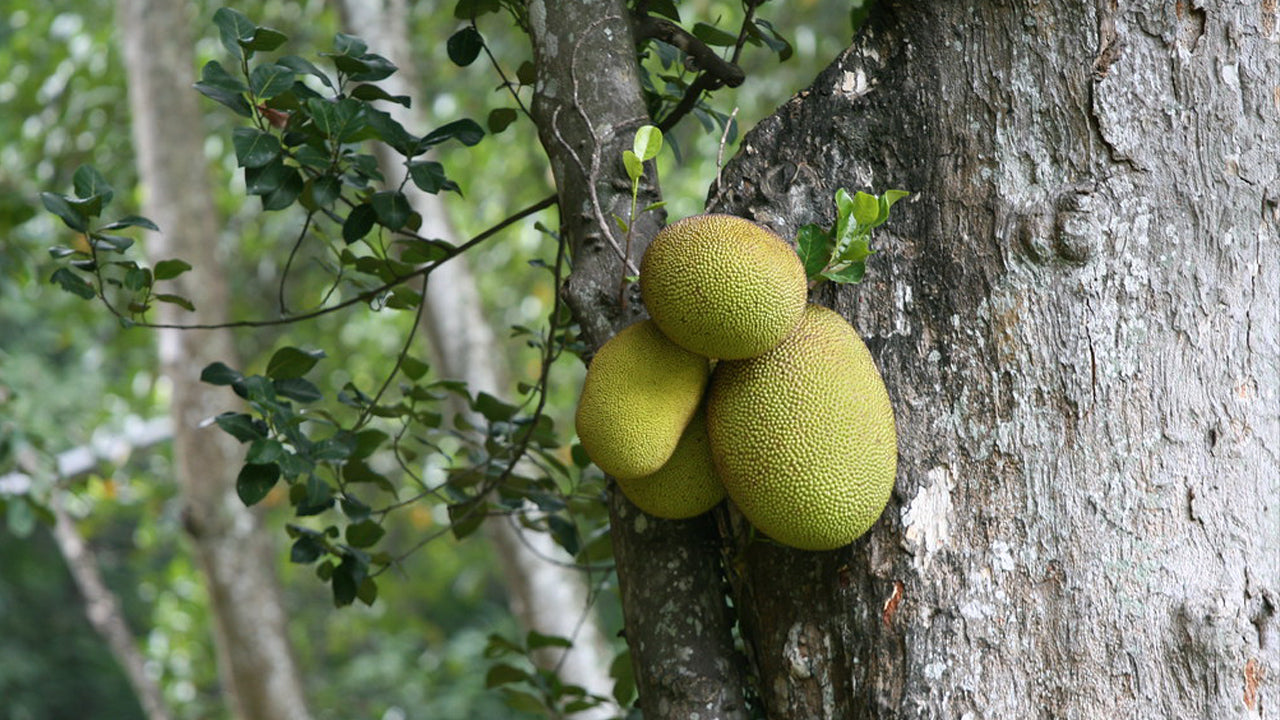
Jackfruit
Artocarpus heterophyllus -
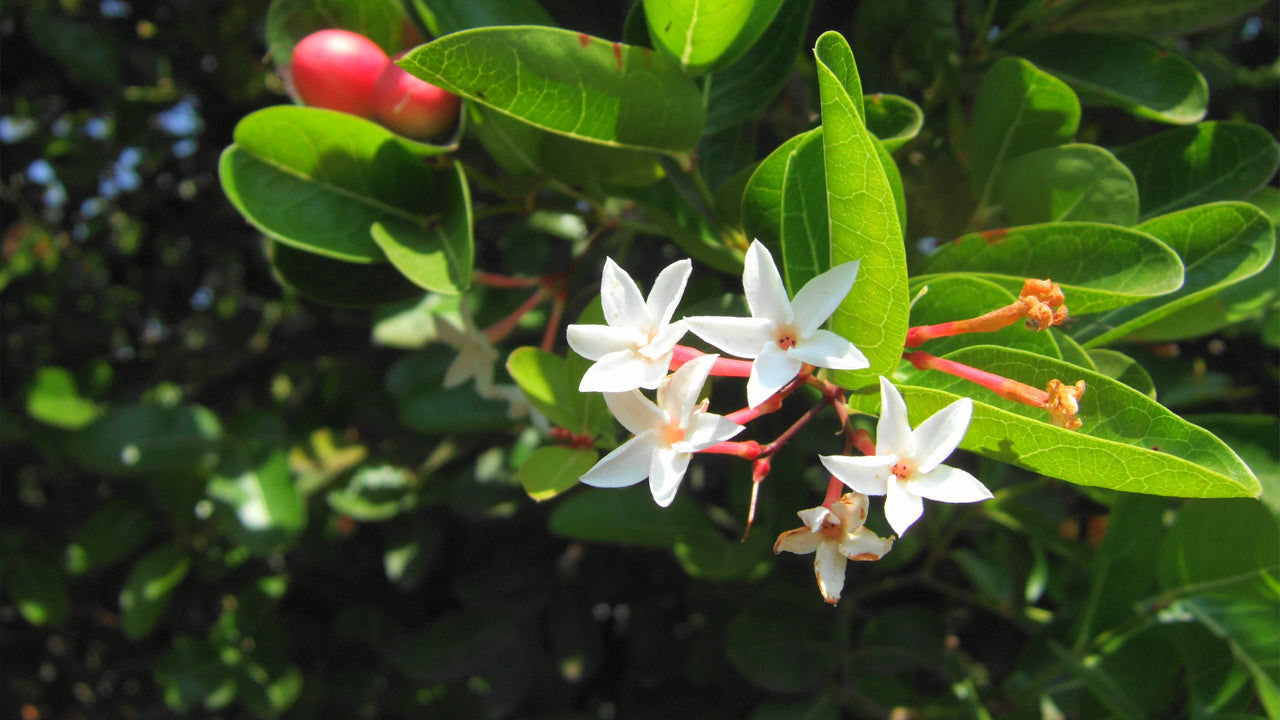
Karonda
Carissa carandas -
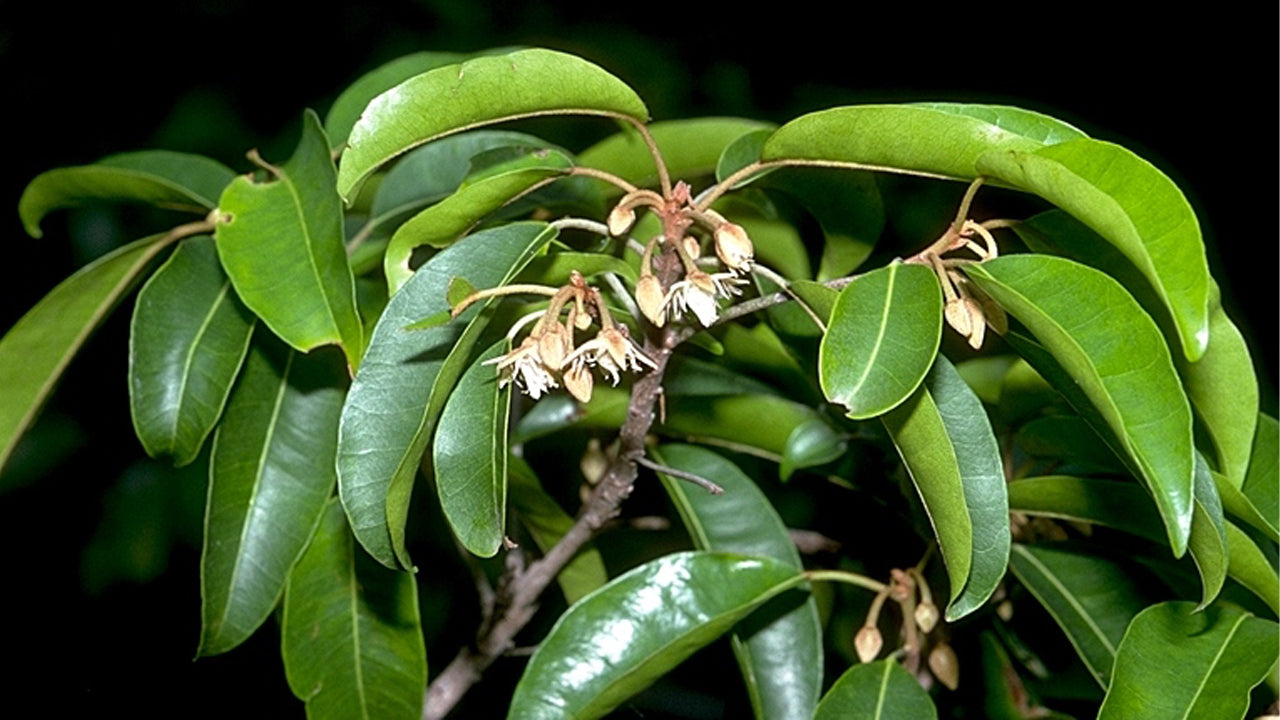
Spanish cherry
Mimusops elengi -
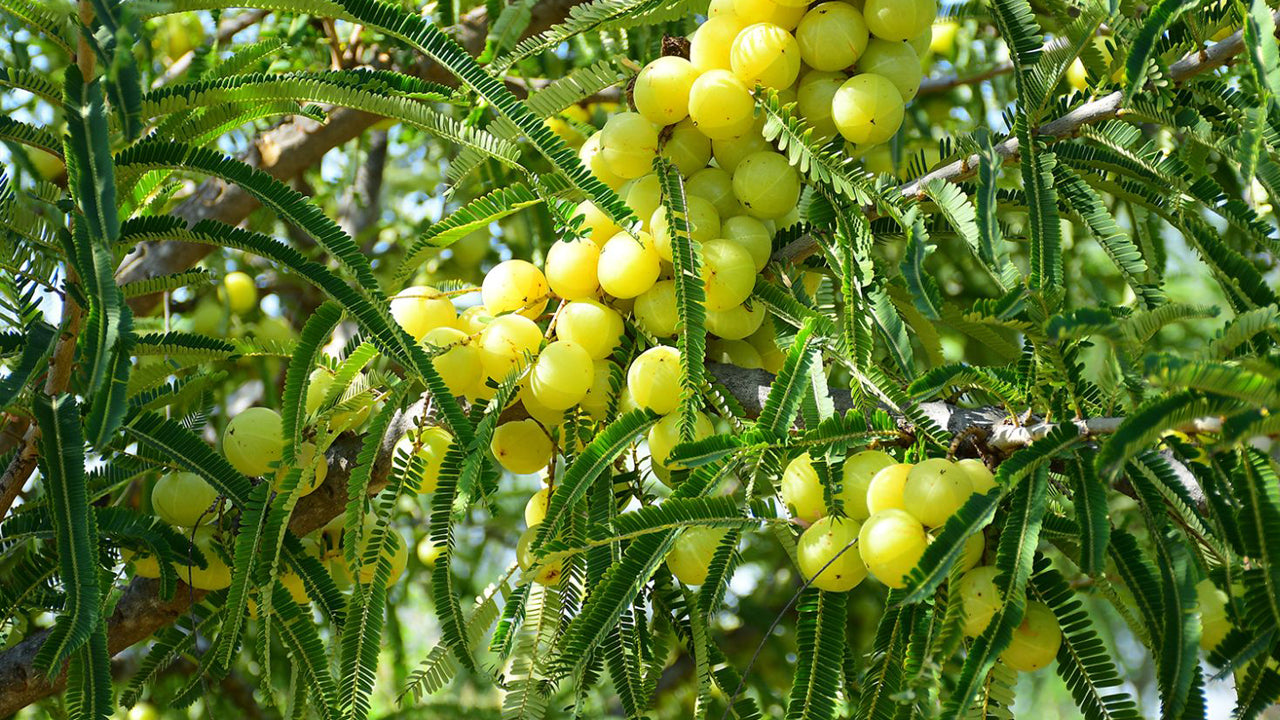
Indian gooseberry
Phyltanthus emblica -
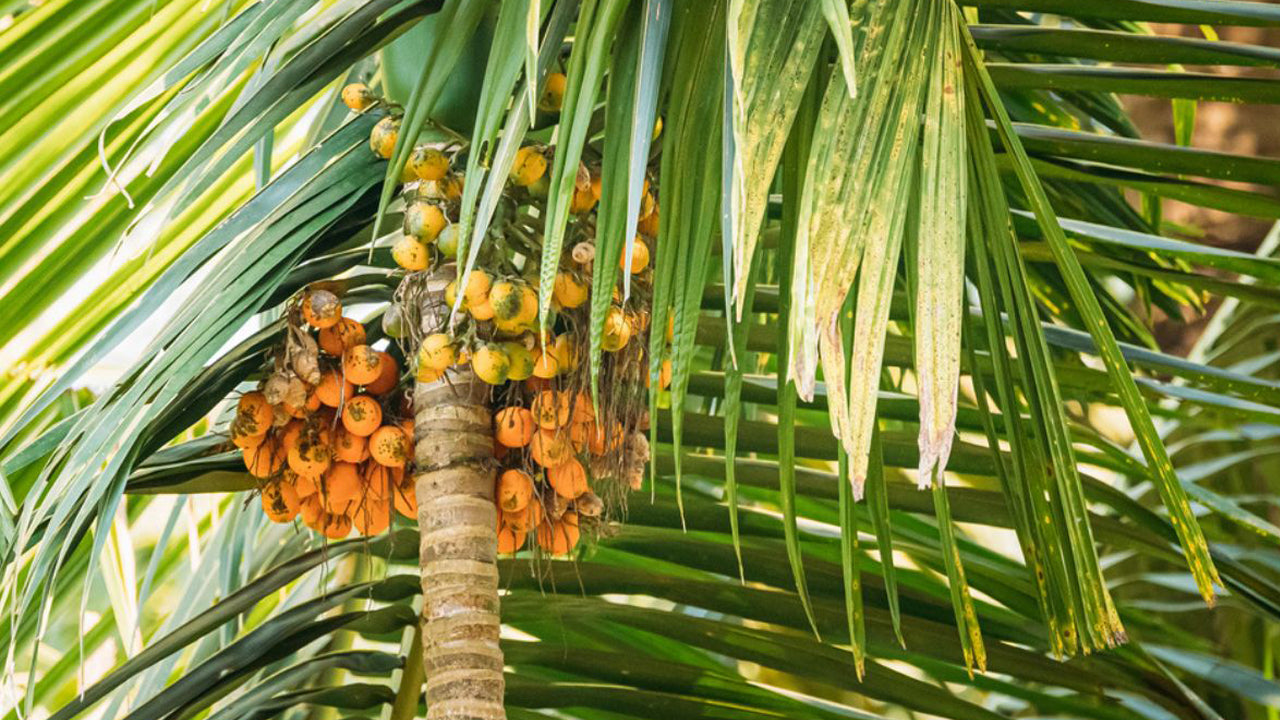
Betel palm
Areca catechu -
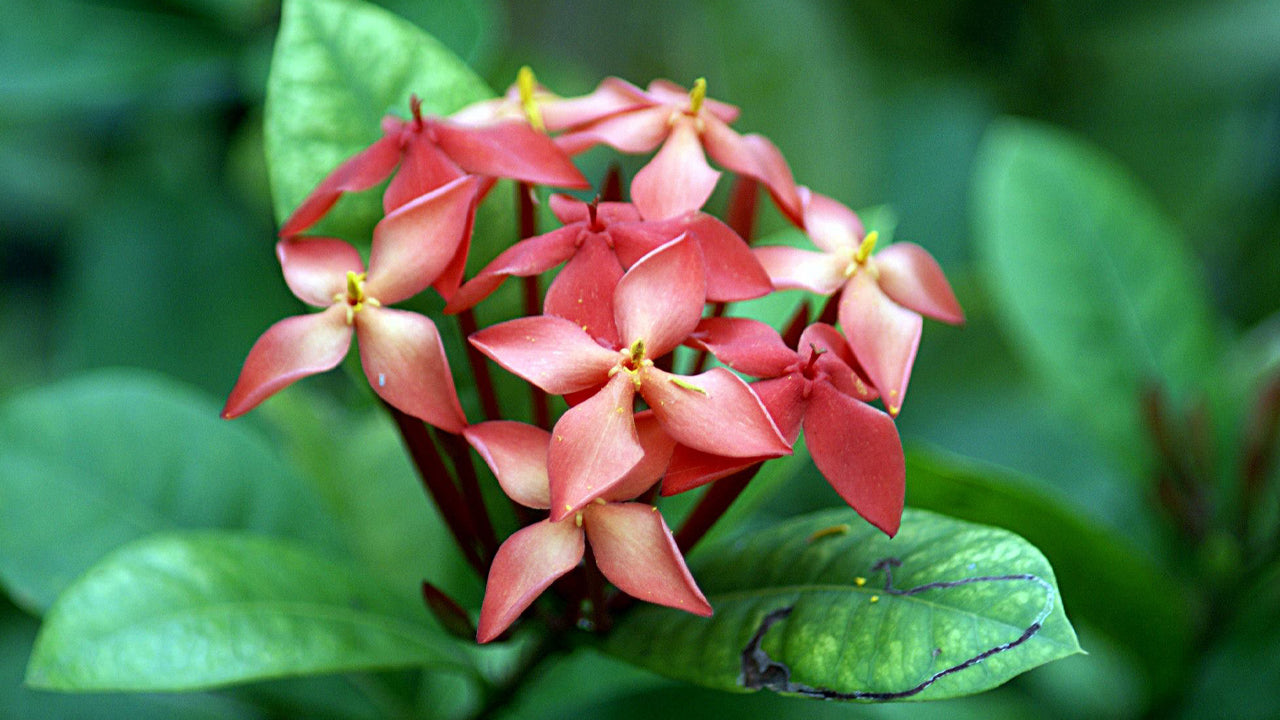
Jungle geranium
Ixora coccinea -
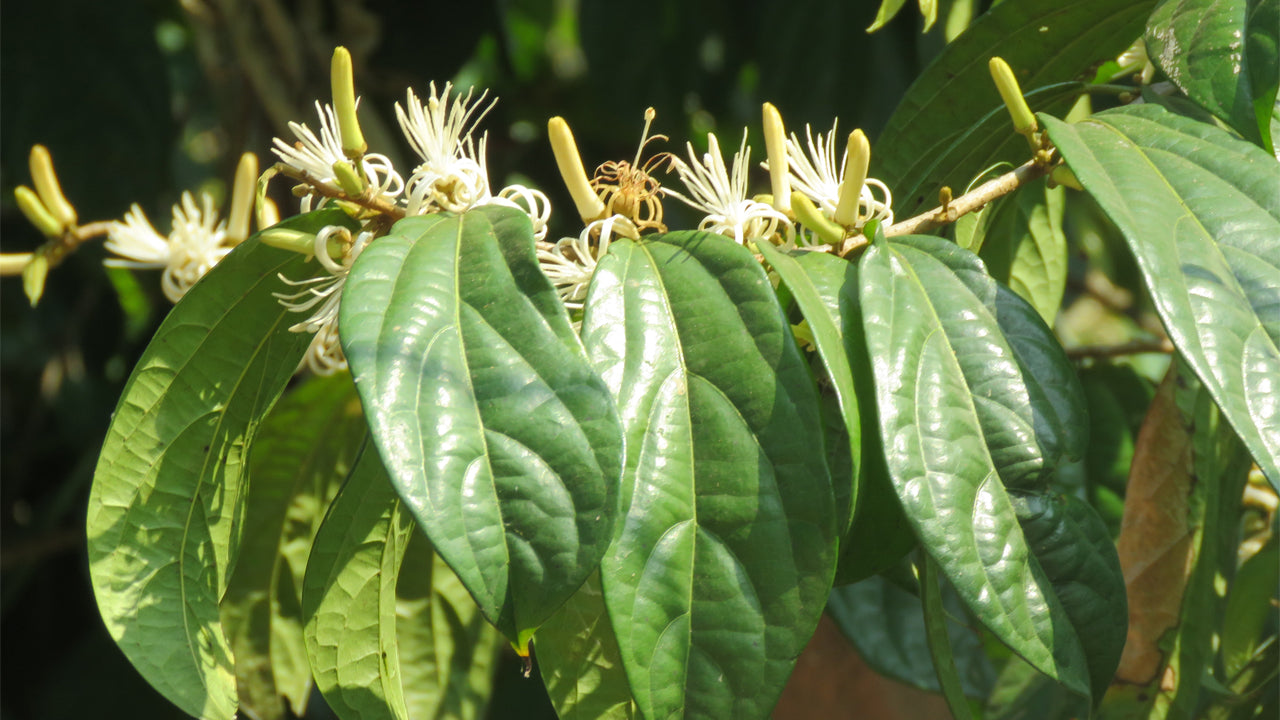
Sage-leaved alangium
Alangium salviifolium -
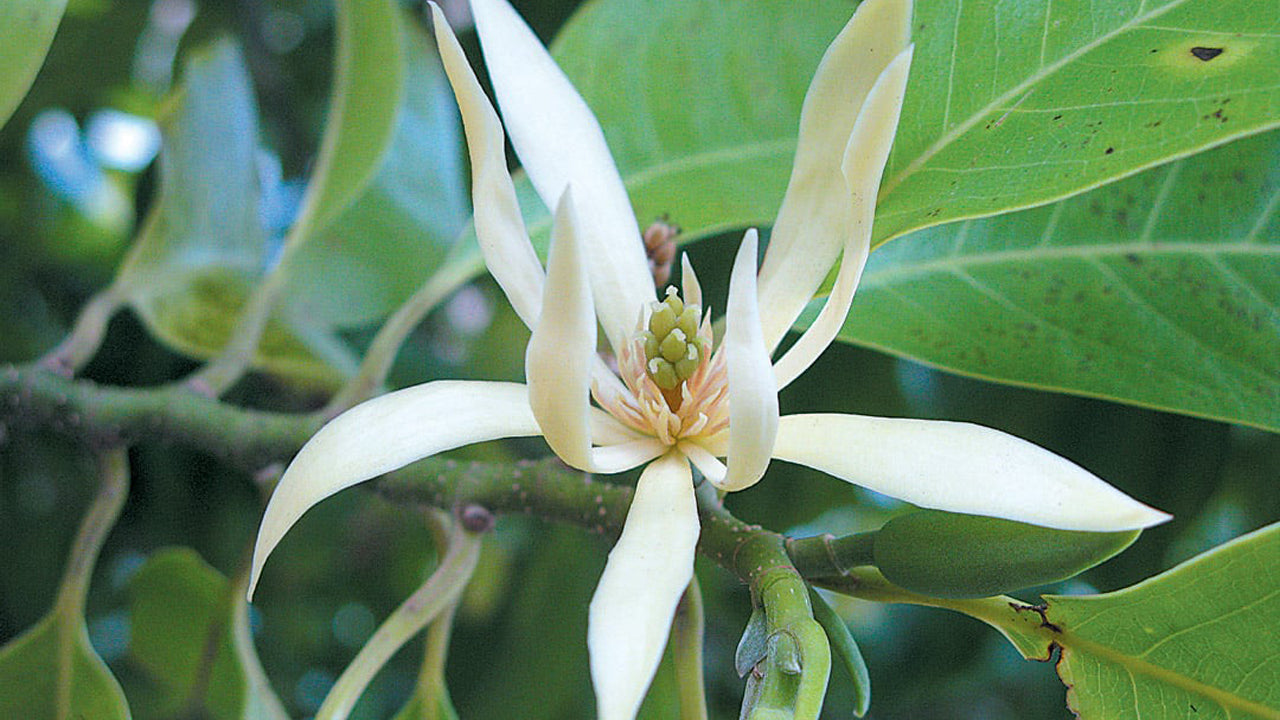
Champak
Michelia champaca -
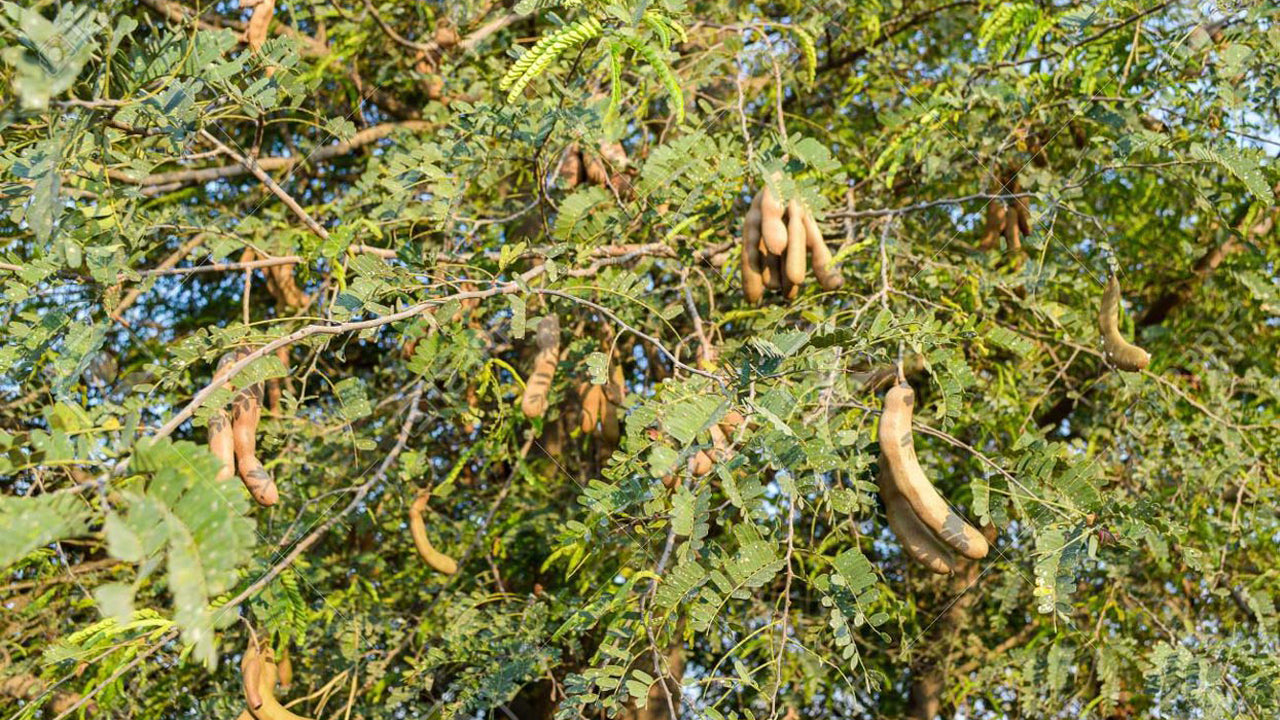
Tamarind
Tamarindus indica -
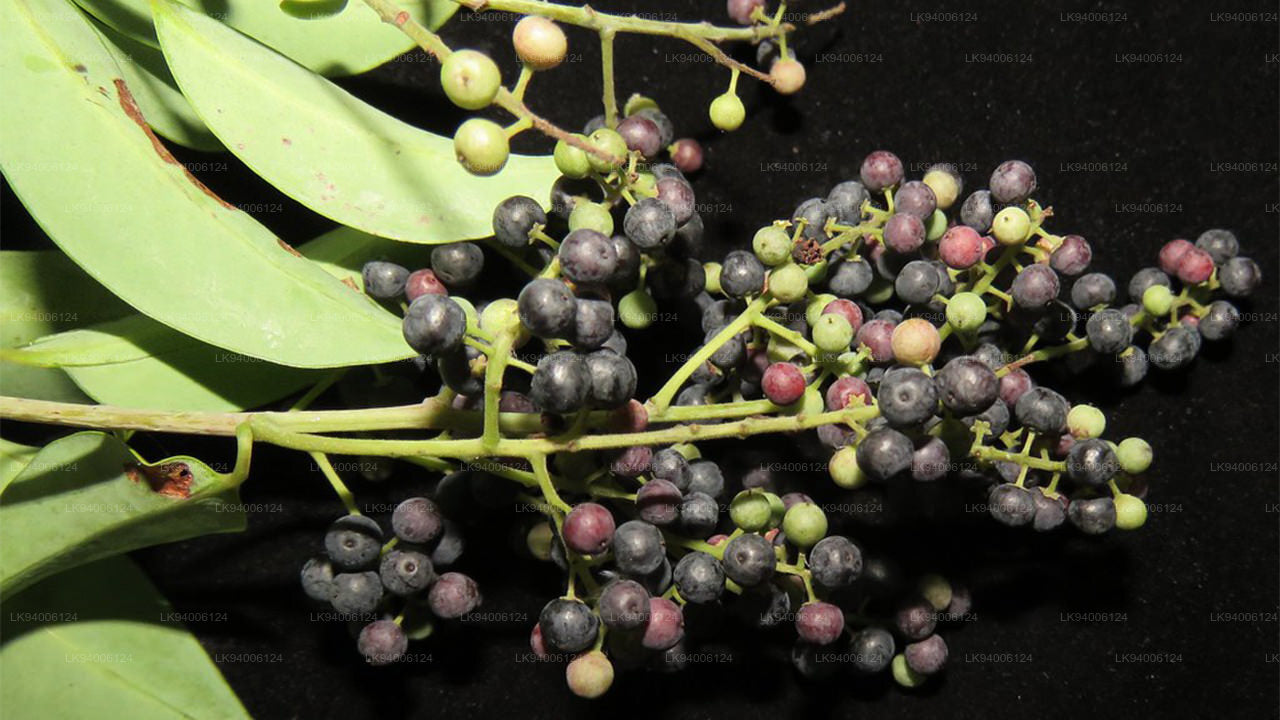
False Black Pepper
Embelia ribes -
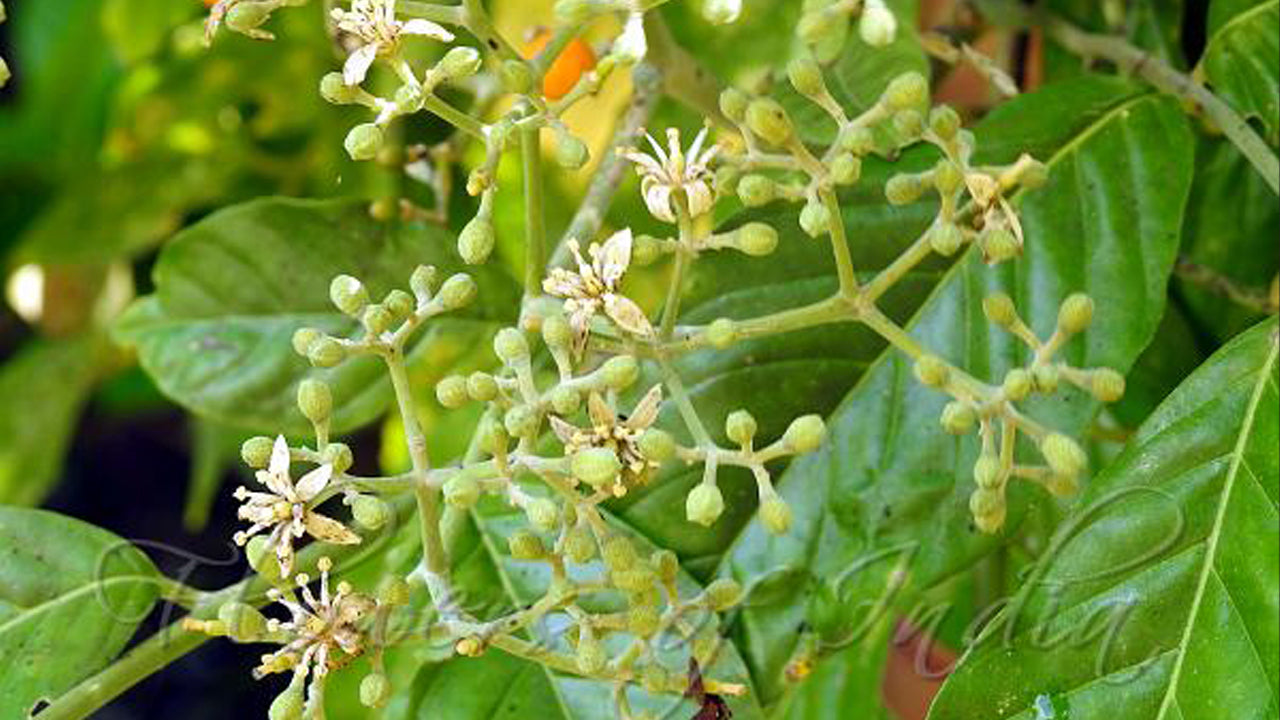
Limeberry
Micromelum ceylanicum -
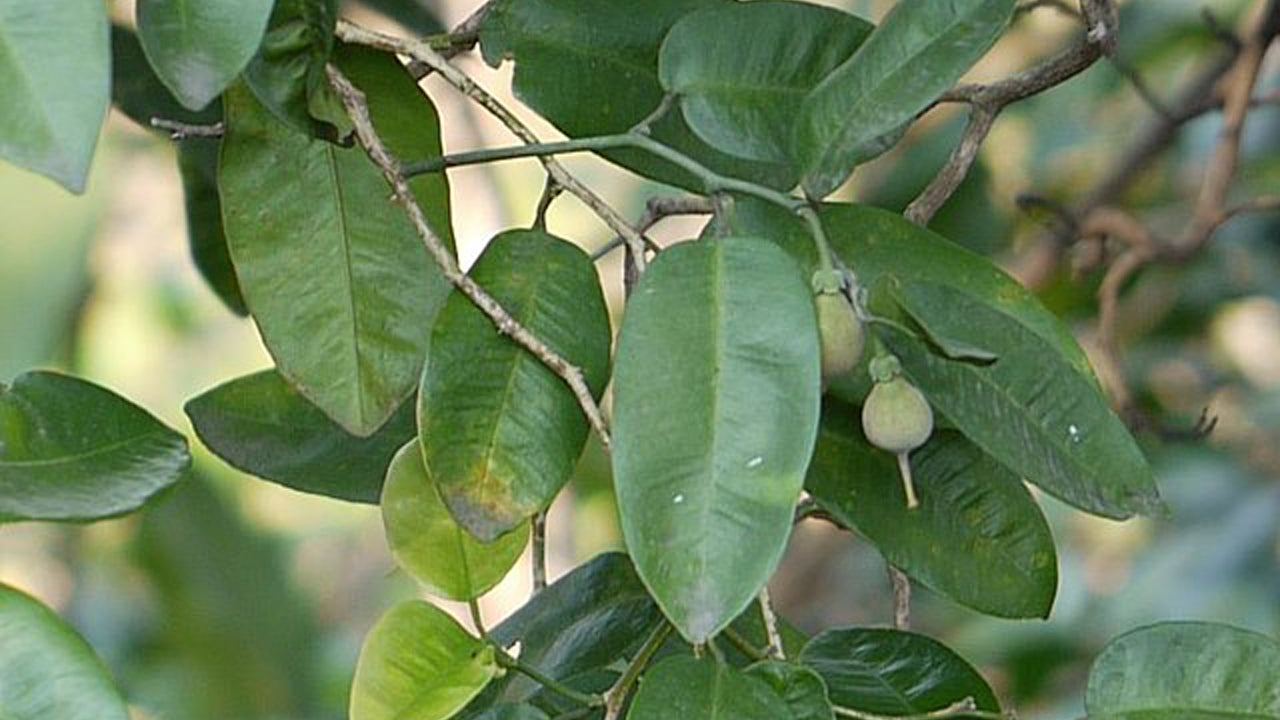
Climbing Atalantia
Paramignya monophylla





Ayurvedic and Herbal
-
싯달레파 아유르베다 허벌 밤
정가 $0.48 USD에서정가$0.54 USD할인가 $0.48 USD에서할인 -
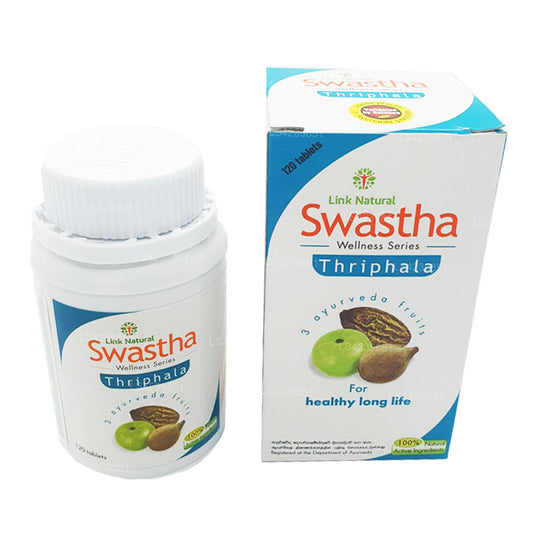
링크 스와사 트리팔라 (30정)
정가 $1.74 USD에서정가$1.93 USD할인가 $1.74 USD에서할인 -
락푸라® 야생 사워솝(구아나바나, 그라비올라, 구아바노) 건조 잎 (통째로)
정가 $0.72 USD에서정가$0.81 USD할인가 $0.72 USD에서할인 -
 할인
할인세츠와 프라나지바 오일
정가 $3.85 USD에서정가$4.28 USD할인가 $3.85 USD에서할인