パダヴィヤ ウェワ


北中部州の北東部には、パダヴィヤ ウェワとヴァハルカダ ウェワという 2 つの大きな古代の灌漑タンクがあります。これらの中でパダヴィヤがより注目を集めているのは、おそらくそれが古代の戦車の中で最大であるという伝統的な信念のためでしょう。
多くの植民地行政官がこの戦車を見るために困難な旅をし、古代の建造物が残した遺跡に当然の感銘を受けました。知事サー・ヘンリー・ウォード (1797 ~ 1860 年) は、それを「すべての工事の中で最も巨大なもの」と表現し、「その建設には 10 ~ 15 年間、何百万人もの人が住んでいたに違いない」と推定しました。当時のセイロンに関する多くの本を書いたエマーソン テネント卿 (1804 ~ 1869 年) は、この水門に非常に感銘を受け、次のように報告しました。 ”。しかし、1873 年から 1904 年まで灌漑局に所属していたヘンリー・パーカーが 1886 年に作業の詳細な検査を実施し、その結果を記録しました。
誰がこの戦車を建造したかを示す記録はありませんが、歴史家は最初の建造はサダティッサ王 (紀元前 137 ~ 119 年) とマハセナ王 (276 ~ 303 年) によるものであると考えています。 1900 年代半ばに考古学委員長補佐の DT デヴェンドラ氏によって行われた発掘調査は、マハセナ王が戦車の最初の建設者であるという見解を裏付けています。しかし、プジャヴァリヤの古代文書では、「パディ」や他のいくつかの戦車を建造したサダティッサ王の功績が認められています。 「 padi 」が現在のパダヴィヤ戦車を指しているという強い兆候があります。
パダヴィヤ戦車の堤防にある古代の柱の碑文は誇らしげにこう宣言しています
「世界に善をなすことに関心を持つスリランカの主権者シュリ・パラクラマ・バフによって、これは建設されました。」
この柱はパラクラマバフ 1 世 (1153-1186) が建設者であると宣言していますが、このタンクははるかに古く、パラクラマバフ王はおそらく既存のタンクに大規模な改修または拡張を行ったであろうと結論付けられています。
-
 Sri Maha Bodhiya
Jaya Sri Maha Bodhi is a sacred bo tree in the Mahamewna Gardens, Anuradhapura, Sri Lanka. It is the southern branch from the historical Sri Maha Bodhi at Buddha Gaya in India under which Buddha attained Enlightenment. It was planted in 288 BC, and is the oldest living human-planted tree in the world with a known planting date.
-
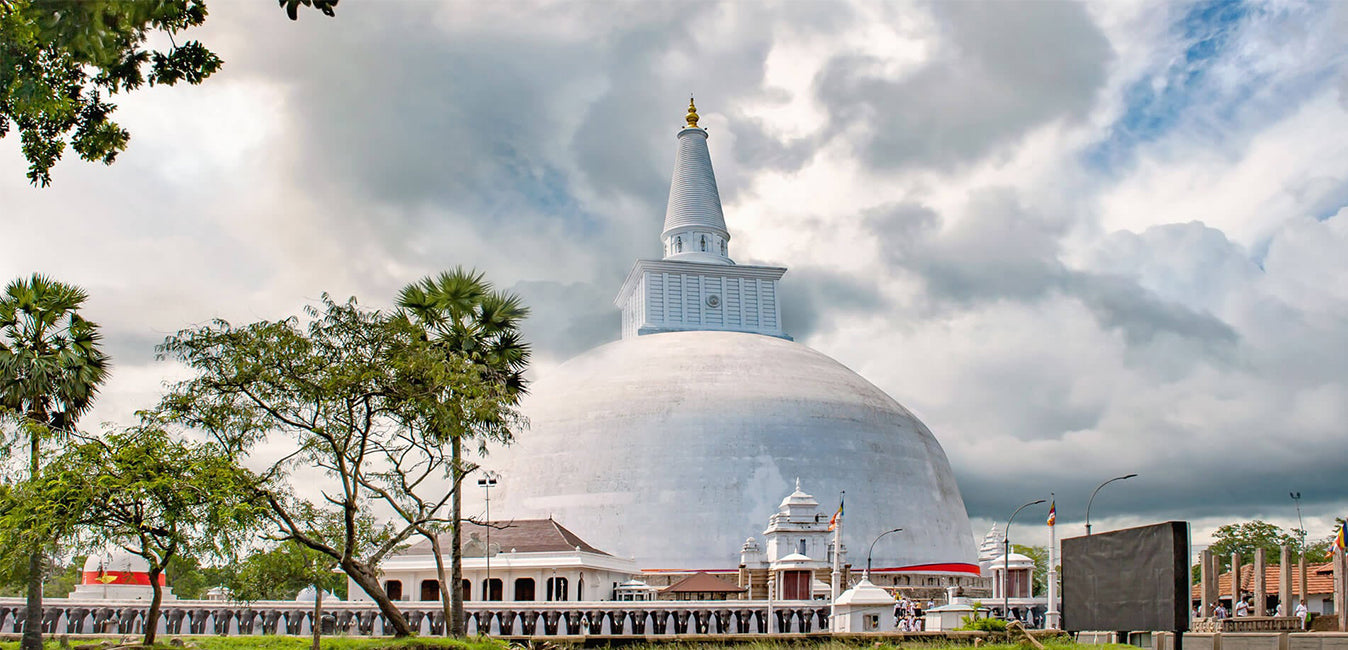
 Ruwanweliseya
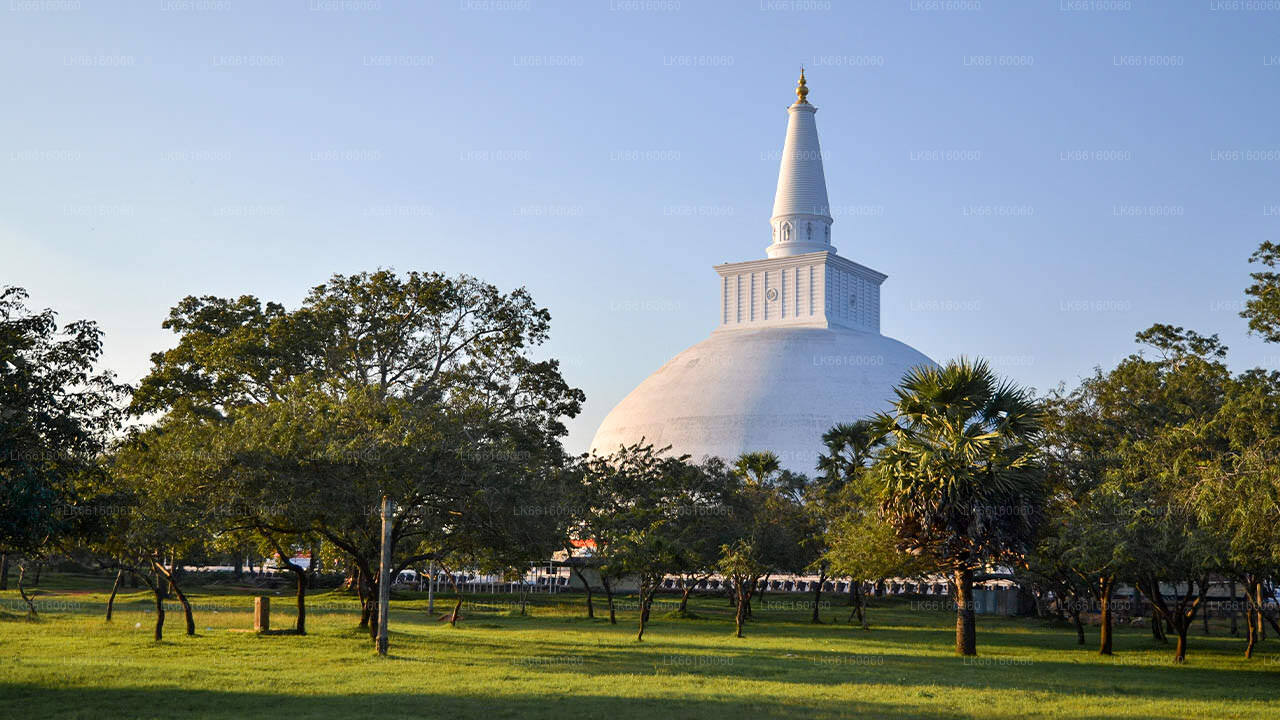
The Ruwanweli Maha Seya, also known as the Mahathupa (the Great Thupa) is a stupa (a hemispherical structure containing relics) in Anuradhapura, Sri Lanka. Two quarts or one Dona of the Buddha's relics are enshrined in the stupa, making it the largest collection of his relics anywhere. It was built by Sinhalese King Dutugemunu in c. 140 B.C., who became king of Sri Lanka after a war in which the Chola King Elāra (Ellalan) was defeated.
-
 Thuparamaya
Thuparamaya is the first Buddhist temple that was constructed, after the arrival of mahinda thero(mahindagamanaya) in Sri Lanka. Located in the sacred area of Mahamewna park, the Thuparamaya Stupa is the earliest Dagoba to be constructed in the island, dating back to the reign of King Devanampiya Tissa (247-207 BC). The temple has been formally recognised by the Government as an archaeological site in Sri Lanka.
-
 Lovamahapaya
Lovamahapaya is a building situated between Ruwanweliseya and Sri Mahabodiya in the ancient city of Anuradhapura, Sri Lanka. It is also known as the Brazen Palace or Lohaprasadaya because the roof was covered with bronze tiles. In ancient times, the building included the refectory and the uposathagara (Uposatha house).
-
 Abhayagiri Stupa
Abhayagiri Vihāra was a major monastery site of Mahayana, Theravada and Vajrayana Buddhism that was situated in Anuradhapura, Sri Lanka. It is one of the most extensive ruins in the world and one of the most sacred Buddhist pilgrimage cities in the nation.
-
 Jetavanaramaya
The Jetavanarama stupa or Jetavanaramaya is a stupa, or Buddhist reliquary monument, located in the ruins of Jetavana monastery in the UNESCO world heritage city of Anuradhapura, Sri Lanka. At 122 metres (400 ft), it was the world's tallest stupa, and the third tallest structure in the world when it was built by King Mahasena of Anuradhapura (273–301).
-
 Mirisawetiya Stupa
The Mirisaweti Stupa is a memorial building, a stupa, situated in the ancient city of Anuradhapura, Sri Lanka. King Dutugamunu (161 BC to 137 BC) built the Mirisaveti Stupa after defeating King Elara. After placing the Buddha relics in the sceptre, he had gone to Tissa Wewa for a bath leaving the sceptre.
-
 Lankarama
Lankarama is a stupa built by King Valagamba, in an ancient place at Galhebakada in the ancient kingdom of Anuradhapura, Sri Lanka. Nothing is known about the ancient form of the stupa, and later this was renovated. The ruins show that there are rows of stone pillars and it is no doubt that there has been a house built encircling the stupa (vatadage) to cover it.
-
 Isurumuniya
Isurumuniya is a Buddhist temple situated near to the Tissa Wewa (Tisa tank) in Anuradhapura, Sri Lanka. There are four carvings of special interest in this Vihara. They are the Isurumuniya Lovers, Elephant Pond and The Royal Family. The ancient Meghagiri Vihara or Meygiri Vihara is presently identified as the Isurumuni Vihara.