ムティヤンガナ・ラジャ・マハ・ヴィハーラ


ムティヤンガナ・ラジャ・マハ・ヴィハーラは、バドゥラ市の中心にあります。この寺院の歴史は仏陀の時代にさかのぼりますが、バドゥラ周辺の地域(特にウヴァ州)は紀元前19世紀から18世紀にまで遡ります。帝王ラヴァナは、この国をバドゥラを首都として支配していました。また、ラーマとラヴァナの戦争がこの地域で起こったと考えられています。この地域には、ラヴァナの首都の1つとして識別される場所や名前がたくさんあります;シーター・エリヤ、シーター・コトゥワ、ラヴァナ・エラなどは、ラーマーヤナに記載されています。ラヴァナは戦争で最終的に敗北し、裏切り者の兄弟ヴィビシャーナが首都をケラニヤに移し、ウヴァは5世紀まで徐々に歴史から失われました。
仏陀と500人のアラハンは、ナガ王マニアックヒタの招待でこの島を3回目に訪れました。ケラニヤへのこの訪問の際、仏陀はナムヌクラ山脈の王であるインダカ王(現在は神として崇拝されています)の招待を受けてバドゥラに来ました。インダカ王は仏陀が説法を行った場所に、仏陀の髪の毛とムクタカ・ダトゥ(汗が珠に変わったもの)を納めたストゥーパを建てました。これがムティヤンガナ・ストゥーパの誕生です。それ以来、このストゥーパと寺院は多くの王によって拡張され、再建され、修復されました。
トラナは寺院の入り口にある6つのレベルで構成された独特のデザインで、時代は不明です。最初のレベルは主な入り口を含み、その上の2番目のレベルには典型的なマカラ(ドラゴン)の頭があります。頭の両側には2つの守護者の像があり、角には2つのライオンの像があります。3番目のレベルには2つのヴァマナの像があり、端にはおそらくライオンの動物が2つあります。これらの像は2番目のレベルのライオン像ほどはっきりしていません。3番目のレベルの中央には、高い台座があり、4番目のレベルまで続き、そこには2頭の雄牛があり、これらの雄牛の特徴は、装飾されており、大きなこぶを持っていることです。このような雄牛はヒンドゥー教の特徴であり、この特徴はこの構造物の建設におけるヒンドゥー教の影響を示しています。最後に、5番目のレベルの頂上には座っている仏陀の像があります。5番目のレベルは仏陀の像に捧げられています。6番目のレベルには孔雀がいて、構造の輪郭を完成させています。入り口にはカラフルなマカラ・トラナがあります。入り口のすぐ上、ドラゴンの頭の下にはマイトレ・ボディサットヴァの像があります。画像の家の右側には、ムティヤンガナの神聖な土地とナムヌクラ山脈の守護神であるインダカ神の像があります。右側にはマイトレ・ボディサットヴァの像があります。画像の家を通り過ぎると、寺院の最も聖なる構造物であるストゥーパに到達します。このストゥーパには仏陀の髪の毛とムクタカ・ダトゥが納められています。最初のストゥーパはインダカ神によって紀元前5世紀に建てられ、紀元前150-210年のデヴァナンピヤティッサ王によってアヌラーダプラ時代に拡張されました。


Special places in Badulla
-
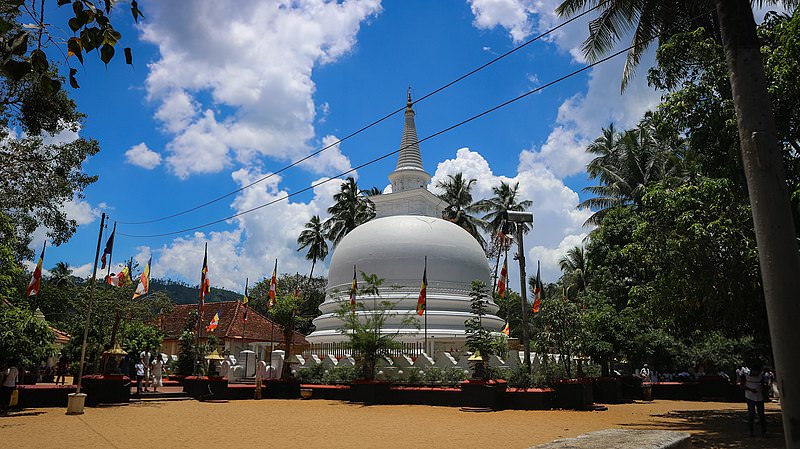 Muthiyangana Raja Maha Vihara
Muthiyanganaya Raja Maha Viharaya lies in the centre of the city of Badulla. The History of this temple goes back to the time of Buddha but this area around Badulla goes way back in to the time of 19th -18th century BCE.
-
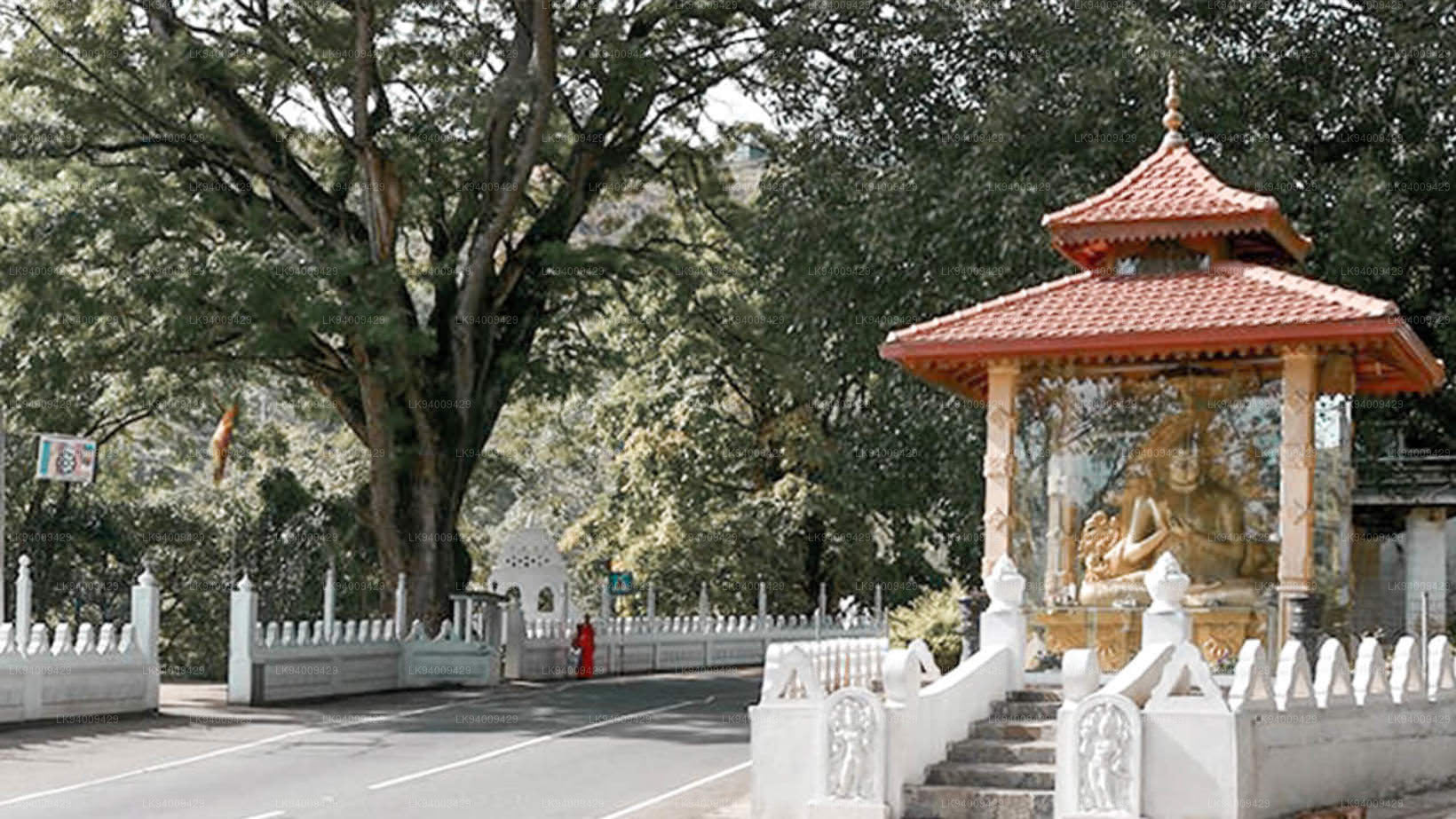 Dowa Raja Maha Viharaya
Dowa Raja Maha Viharaya (Dowa Cape Temple) lies few kilometres away from the Bandarawela town on the Bandarawela – Badulla Road. This temple is thought to be done by King Walagamba in the in first century BC.
-
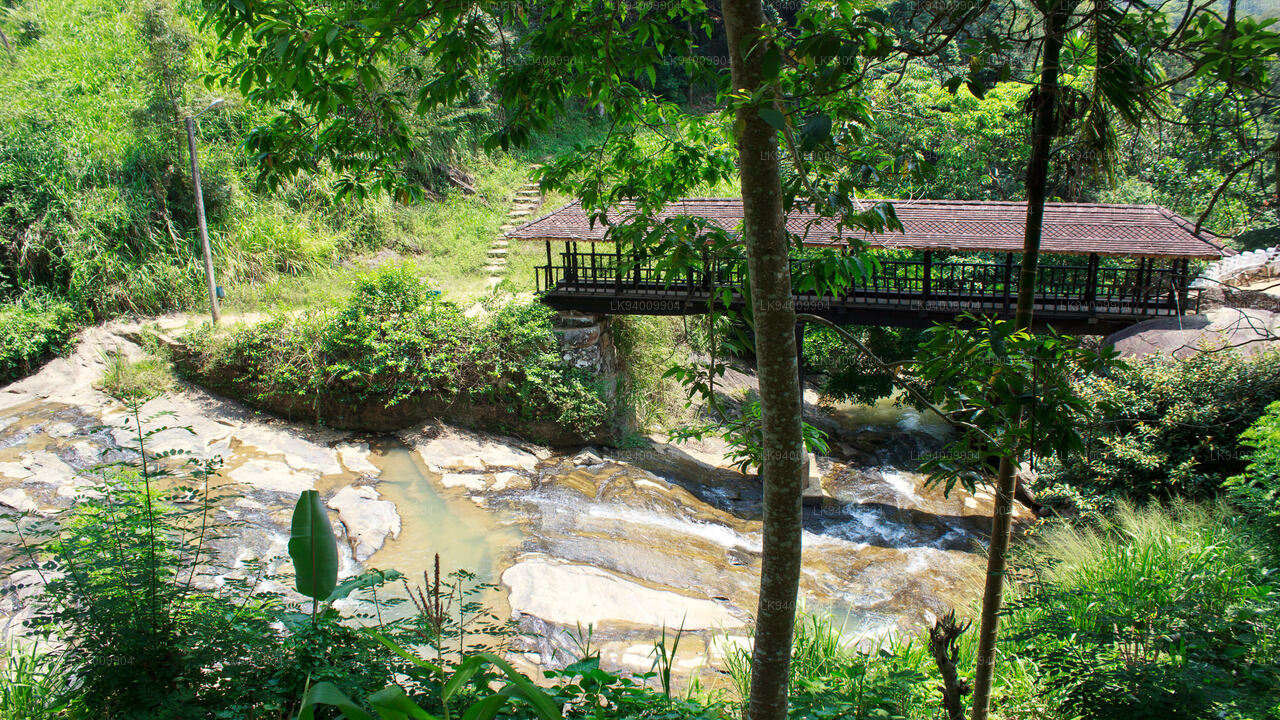 Bogoda Wooden Bridge
The Bogoda Wooden Bridge was built in the 16th century during the Dambadeniya era. This is said to be the oldest surviving wooden bridge in Sri Lanka. The bridge is situated at 7 kilometres (4.3 mi) west of Badulla.
-
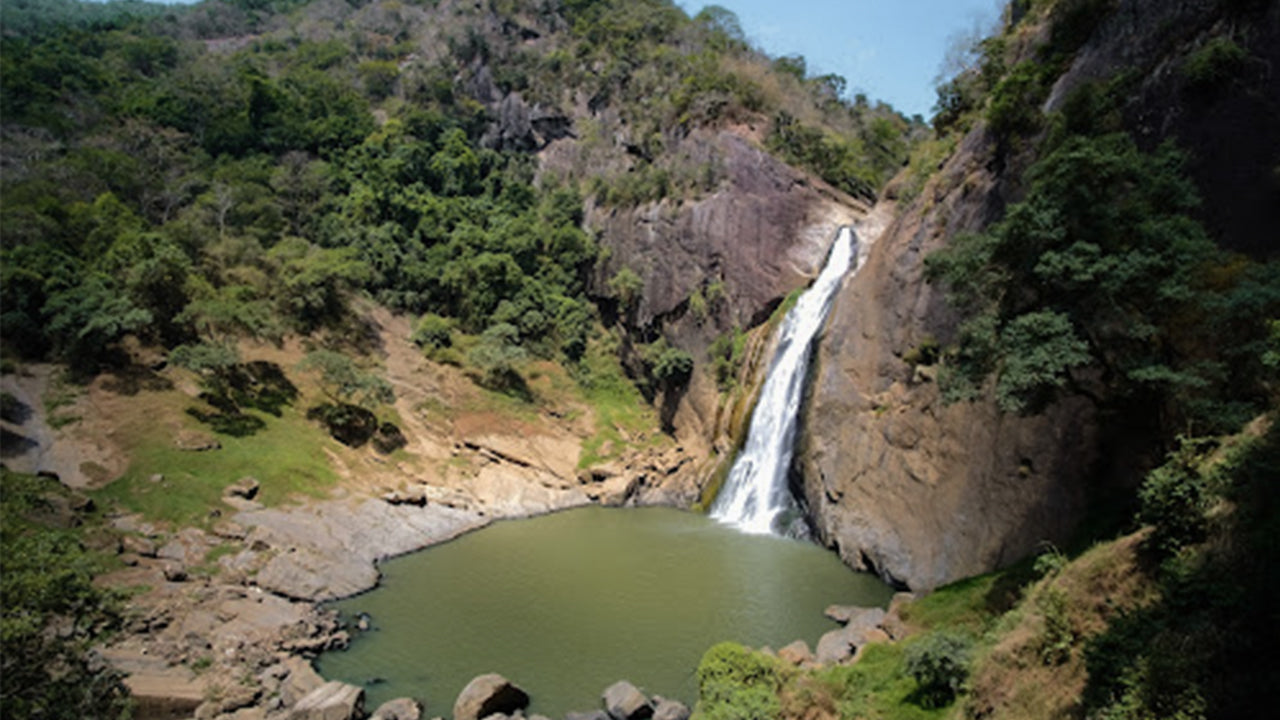 Dunhinda Falls
Dunhinda Falls is situated about 5 km away from Badulla town. It is 63 meters high and is considered to be one of the most beautiful waterfalls in Sri Lanka. The falls gets its name dew to the smoky dew drops spray.