


Lakpura
Lakpura®

Saraca asoca

Saraca asoca, known across South Asia as the Ashoka tree, is one of the most culturally and medicinally significant trees in Sri Lanka's botanical heritage. Its name derives from the Sanskrit words meaning "without sorrow," and for thousands of years it has been woven into religious ceremony, traditional medicine, and the everyday landscape of temple gardens and forested reserves. With its dense canopy of glossy leaves and cascading clusters of flame-coloured flowers, it is immediately recognisable — and deeply meaningful to those who know its story.

What does Saraca asoca look like, and when does it flower?

The Ashoka tree is a medium-sized evergreen that typically grows between 6 and 9 metres tall, though older specimens in undisturbed forest can reach higher. Its leaves are pinnate, arranged in opposite pairs along the branch, and emerge a distinctive coppery-red before maturing to a rich, dark green. This youthful red colouring is striking enough to be mistaken for flowers at a distance.

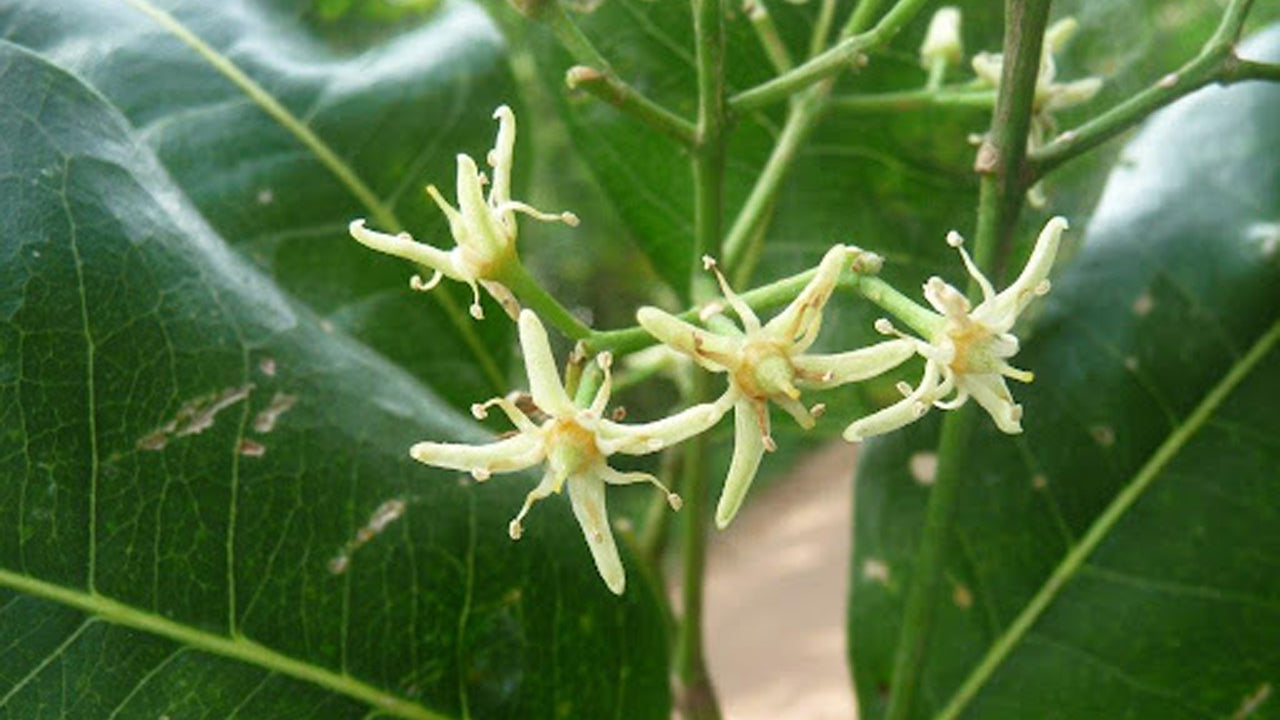
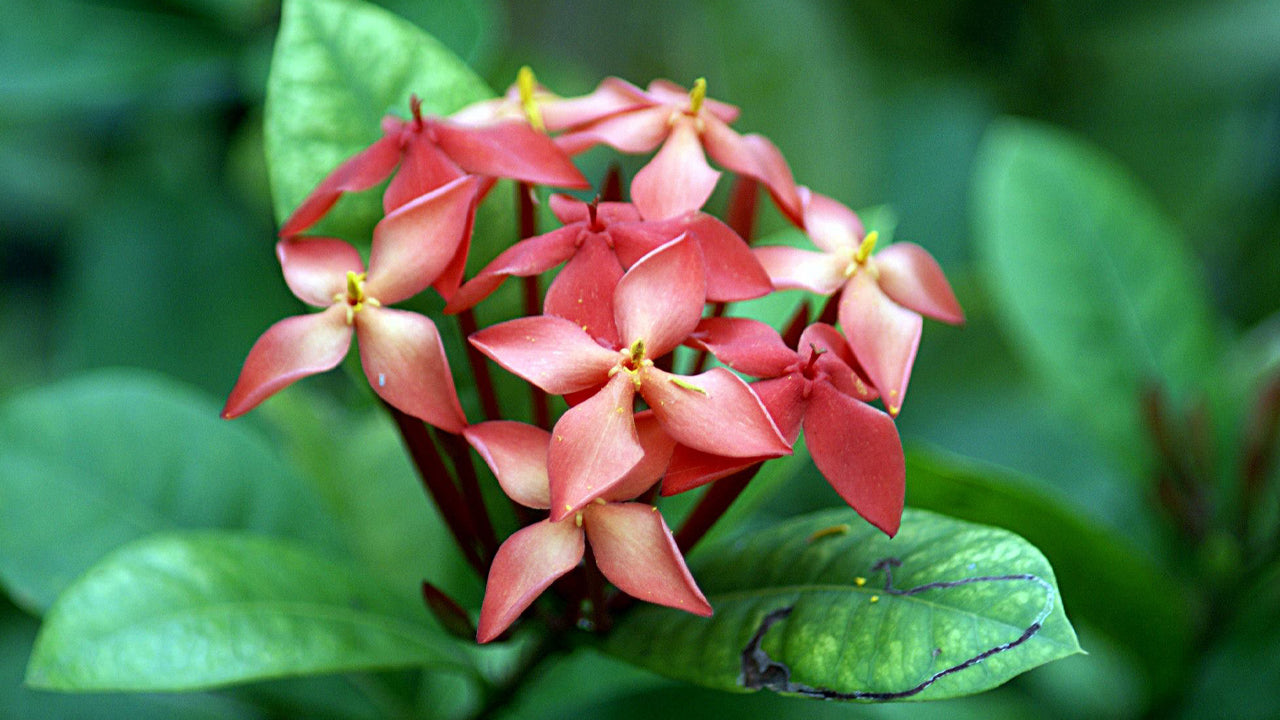
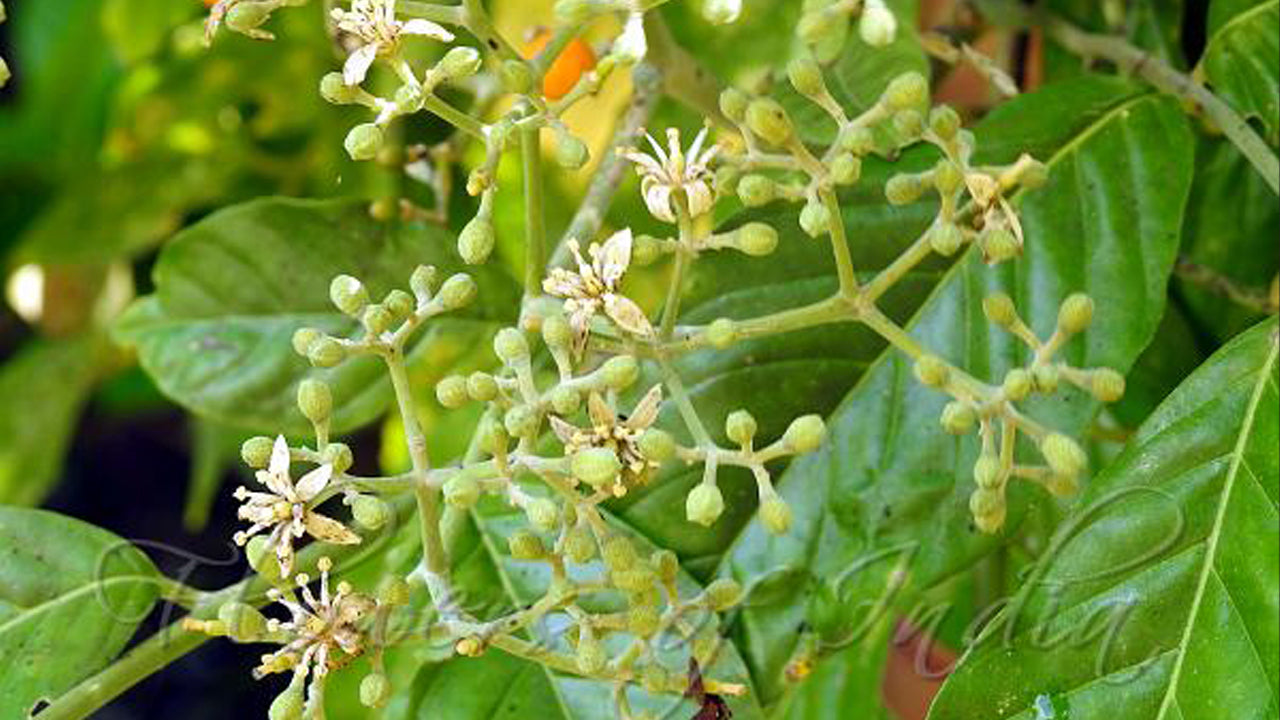
The flowers themselves grow in dense, rounded clusters called corymbs. They open a deep orange and gradually deepen to red as they age — producing a layered, torch-like effect across the canopy. In Sri Lanka, the main flowering season falls roughly between February and April, though trees in sheltered or cultivated settings may flower at other times of year. The blooms are mildly fragrant, particularly in the early morning.

What is the cultural and religious significance of the Ashoka tree?

Few trees carry as much symbolic weight in Buddhist and Hindu traditions as Saraca asoca. In Buddhist iconography, it is closely associated with the birth of Siddhartha Gautama: according to tradition, Queen Maya reached up to touch the branch of an Ashoka tree at the moment of his birth. This connection makes the tree a recurring presence in temple grounds and monastery gardens across Sri Lanka, where it is planted as an act of reverence rather than mere ornamentation.

In Hindu tradition, the tree is associated with Kamadeva, the god of love, and is considered a symbol of fertility and prosperity. Across both traditions, its flowering branches are used in ritual offerings and festival decorations. In Sri Lanka, the Esala Perahera Festival and similar Buddhist ceremonies often feature Ashoka blossoms as part of floral arrangements and offerings at the dagoba. The tree's persistent presence near stupas and ancient temple complexes reflects centuries of deliberate cultivation by Buddhist communities.

How is Saraca asoca used in Ayurvedic medicine?

The Ashoka tree holds a well-established place in the classical texts of Ayurveda, where it is classified as one of the most important medicinal plants for women's health. Its bark is the most widely used part, typically prepared as a decoction or dried powder. Traditional practitioners have long prescribed bark preparations for menstrual irregularities, uterine inflammation, and related gynaecological conditions — a use that remains active in Sri Lankan and Indian Ayurvedic practice today.

Beyond reproductive health, Ashoka bark extracts are used in traditional formulations for their anti-inflammatory and analgesic properties. The seeds and flowers also appear in compound remedies, and the bark's astringent quality has made it a component in preparations for certain digestive and skin complaints. Saraca asoca is formally listed in the catalogue of Ayurvedic medicinal plants of Sri Lanka, reflecting official recognition of its therapeutic role within the country's traditional medicine system.

  • Bark: primary medicinal part; used for uterine health, pain, and inflammation
  • Flowers: used in compound preparations and ritual offerings
  • Seeds: appear in some traditional formulations for urinary and digestive complaints

It is worth noting that while Ayurvedic use of Saraca asoca is well-documented historically, clinical research on its efficacy according to modern medical standards is still developing. Anyone seeking treatment should consult a qualified practitioner.

What ecological role does the Ashoka tree play?

Saraca asoca is a mid-canopy tree that supports a modest but meaningful range of wildlife. Its flowers attract bees, butterflies, and other pollinators, particularly during the February-to-April flowering peak. Birds forage among its branches, and the tree's dense foliage provides shade and microhabitat in both cultivated and semi-wild settings.

The tree is well adapted to the warm, humid conditions of Sri Lanka's wet and intermediate zones. It tolerates partial shade, which makes it a natural understory species in mixed tropical forest, as well as a practical choice for temple gardens and urban parks where full sun is not guaranteed. Within forest reserves such as the Sinharaja Forest Reserve, naturally occurring Ashoka trees contribute to the layered structure that defines lowland rainforest ecosystems.

In cultivated landscapes, the tree is valued not only for its flowers but for its year-round canopy, which provides shade without excessive leaf litter. Its root system is relatively contained, making it compatible with the courtyard planting traditions common in Sri Lankan temple architecture.

Where can you see Saraca asoca in Sri Lanka?

The Ashoka tree is found throughout the island's wet zone and in many cultivated settings across the dry and intermediate zones. The most reliable places to encounter mature, well-established specimens are the grounds of ancient Buddhist temples and historical complexes.

  • Temple of the Tooth, Kandy: the surrounding Kandy precinct includes mature Ashoka plantings consistent with its status as Sri Lanka's most important Buddhist site
  • Ancient cities: the ruins and temple precincts of Polonnaruwa include plantings that reflect the tree's long association with Buddhist royal architecture
  • Monastery gardens: smaller regional temples across the wet zone frequently cultivate Ashoka trees as a matter of religious tradition
  • Botanical gardens: the Royal Botanic Gardens in Peradeniya maintains labelled specimens that are accessible to visitors year-round

Is Saraca asoca the same as the Ashoka tree found across India?

Yes. Saraca asoca is the accepted scientific name for the species commonly called the Ashoka tree across India, Sri Lanka, and parts of Southeast Asia. It should not be confused with Polyalthia longifolia, an unrelated species sometimes sold under the same common name in nurseries and urban landscaping. Polyalthia longifolia is a tall, columnar tree with narrow leaves and small green flowers — quite different in appearance and without the same medicinal or ritual significance. When purchasing plants for temple gardens or Ayurvedic purposes, confirming the botanical name is important.

How does Saraca asoca relate to other medicinal plants in Sri Lanka?

Sri Lanka's traditional medicine system draws on a rich catalogue of native and naturalised plant species. Saraca asoca sits alongside trees such as Pongamia pinnata and Acacia chundra as a cornerstone species in Ayurvedic practice — each with distinct therapeutic applications but sharing the broader characteristic of being deeply embedded in both the island's ecology and its cultural life. The Ashoka tree's dual role — as a living symbol of Buddhist devotion and as a pharmacologically active medicinal plant — makes it one of the more compelling examples of how traditional knowledge and natural heritage can reinforce each other across centuries.

Ask Lakpura® Agent