Lakpura
Lakpura®

Koggala Lagoon

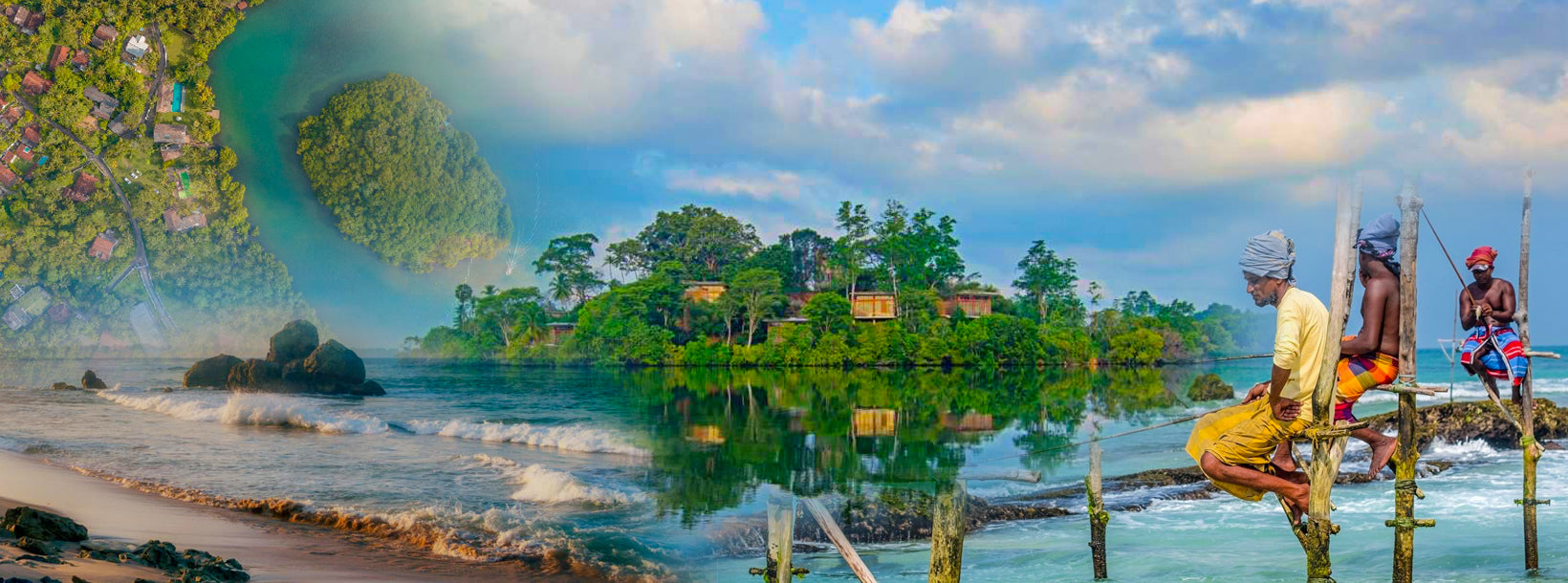
Koggala Lagoon (Sinhala: කොග්ගල කලපුව) stretches across roughly 7.27 km² of coastal lowland in the Galle District, about 110 km south of Colombo. Fed by several freshwater streams and connected to the Indian Ocean by a single narrow channel, it occupies a quiet ecological niche between the busy southern highway and the sea. Eight small islands punctuate its surface, each draped in mangrove forest and supporting a web of wildlife that draws naturalists, birdwatchers, and curious travellers in roughly equal measure.

What makes Koggala Lagoon ecologically significant?

The lagoon's hydro-catchment area covers approximately 55 km², drawing freshwater from several streams. The principal source is Warabokka-ela (also called Koggala-oya), which enters from the northwest. The Kerena anicut, formed by combining the Mudiyansege-ela and Thithagalla-ela streams, provides the second-largest inflow, while Heen-ela contributes a minor but steady supply. The sole outlet, Pol-oya, is a narrow 300-metre canal at the southeast corner that links the lagoon with the Indian Ocean — a bottleneck that keeps the water relatively calm and brackish.

Water depth across the lagoon ranges from around 1 metre to 3.7 metres, creating varied microhabitats. The shallower margins are ideal nursery grounds for juvenile fish, crustaceans, and invertebrates. Mangrove roots, submerged and salt-tolerant, are colonised by barnacles, oysters, and crabs — a living substrate that underpins much of the food chain here. Around ten mangrove species recorded in the lagoon are endemic to Sri Lanka, making it a reference site for wetland conservation on the island.

For a comparable lagoon ecosystem on Sri Lanka's west coast, the Madu Ganga biosphere reserve offers an instructive comparison — though Koggala's more compact geography makes it easier to explore in a half-day.

Which islands can you visit on Koggala Lagoon?

Seven of the lagoon's eight islands are accessible by boat. Each island has its own character, but all share a base layer of dense mangrove that shades a surprisingly cool interior even in the heat of a southern Sri Lankan afternoon.

  • Madol Duwa (Mangrove Island) — the most visited island, made famous by Martin Wickramasinghe's beloved 1947 Sinhala novel of the same name. The story follows a young boy who makes the island his domain, and readers still come to walk where the fictional Upali roamed. A small monument acknowledges the literary connection.
  • Kathaluwa Temple Island — home to the Kathaluwa Purvarama Maha Vihara, a working Buddhist temple decorated with Kandyan-style murals. Monks still reside here; visitors are welcome to walk through the grounds respectfully.
  • Remaining islands — mostly uninhabited and covered in mangrove, they serve as roosting sites for waterbirds and shelter for monitor lizards. Boat operators typically circle them on a standard lagoon tour.

What wildlife can you see at Koggala Lagoon?

Birdlife is the headline attraction for most wildlife-focused visitors. The lagoon and its islands host kingfishers, herons, egrets, cormorants, and the occasional osprey working the shallows. Early morning — before tourist boat traffic builds — is when sightings are most reliable. Dedicated birdwatching boat tours depart from the lagoon edge and can be arranged through local operators or through Lakpura.

Water monitor lizards (Varanus salvator) are conspicuous on the islands, often seen basking on exposed roots or sliding silently into the water. Purple-faced langurs have been recorded in the canopy on quieter islands. The mangrove root systems also harbour mudskippers — amphibious fish that are easy to spot at low water.

How do you get to Koggala Lagoon from Colombo or Galle?

Koggala sits directly off the Southern Expressway (E01) and the coastal A2 road. From Colombo, the drive takes roughly two to two-and-a-half hours by expressway. From Galle city, Koggala is around 15–20 minutes east along the coastal road — making it a natural add-on to a Galle city tour. The Koggala railway station on the Colombo–Matara coastal line is walkable distance from the lagoon's northern bank, so independent travellers can arrive by train as well.

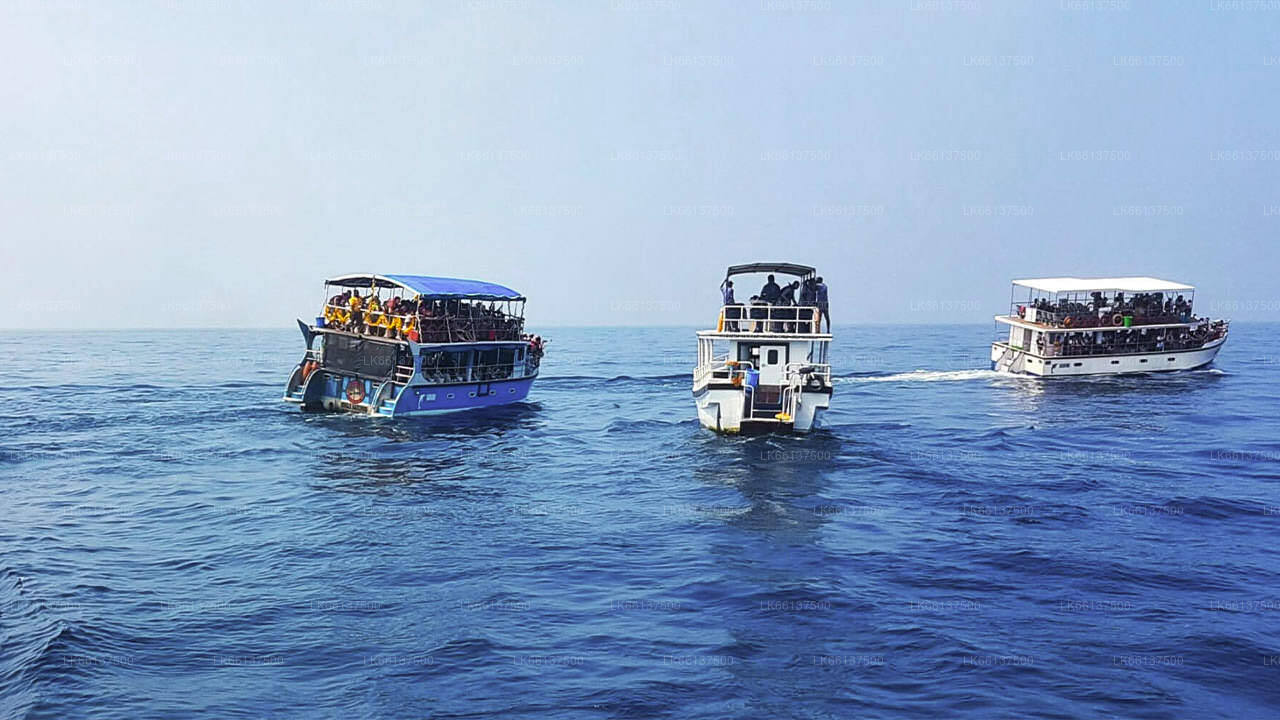
Boat jetties are clustered near the main road crossing. Motor boats and traditional wooden craft are available for hire, and most lagoon tours last between 45 minutes and two hours depending on how many islands you visit.

What is the best time to visit Koggala Lagoon?

The southern coast of Sri Lanka receives its main rainfall between May and September (the southwest monsoon). During this period the lagoon fills to its highest levels and the vegetation is lush, but boat tours may be limited on particularly rough days. The dry season from November through April generally offers calmer water, clearer skies, and easier wildlife spotting as birds congregate around receding water margins.

Early mornings throughout the year are cooler and significantly better for birdwatching. If your primary interest is the Madol Duwa literary connection or the temple visit, timing is less critical — though weekday visits tend to be quieter than weekends.

What else is near Koggala Lagoon?

The lagoon sits within a broader coastal corridor that rewards a full day of exploration. The Koggala Sea Turtle Conservation Project operates close by, offering a close look at hatchery and release work for endangered marine turtles. The Koggala Export Processing Zone (KEPZ), an industrial area of around 91 hectares within the lagoon's catchment, is a reminder that the lagoon's ecology faces ongoing pressure from adjacent land use — context that makes conservation visits feel meaningful rather than merely scenic.

Martin Wickramasinghe, whose novel immortalised Madol Duwa, was born in the nearby village of Koggala. A museum dedicated to his life and work stands close to his ancestral home and is worth a brief stop for anyone interested in Sri Lankan literature and folk traditions.

Is Koggala Lagoon suitable for families with children?

The boat rides are calm and the islands are small enough to explore on foot without long walks, making the lagoon well-suited to families. Children typically respond well to the monitor lizard sightings and to the story of Madol Duwa, which is a staple of the Sri Lankan school curriculum — many local children already know the plot before they arrive. Life jackets should be confirmed with your boat operator before departure; reputable operators carry them as standard.

Book this experience with Lakpura

Curated by our local team. Direct booking, instant confirmation.

Ask Lakpura® Agent