Ethagala


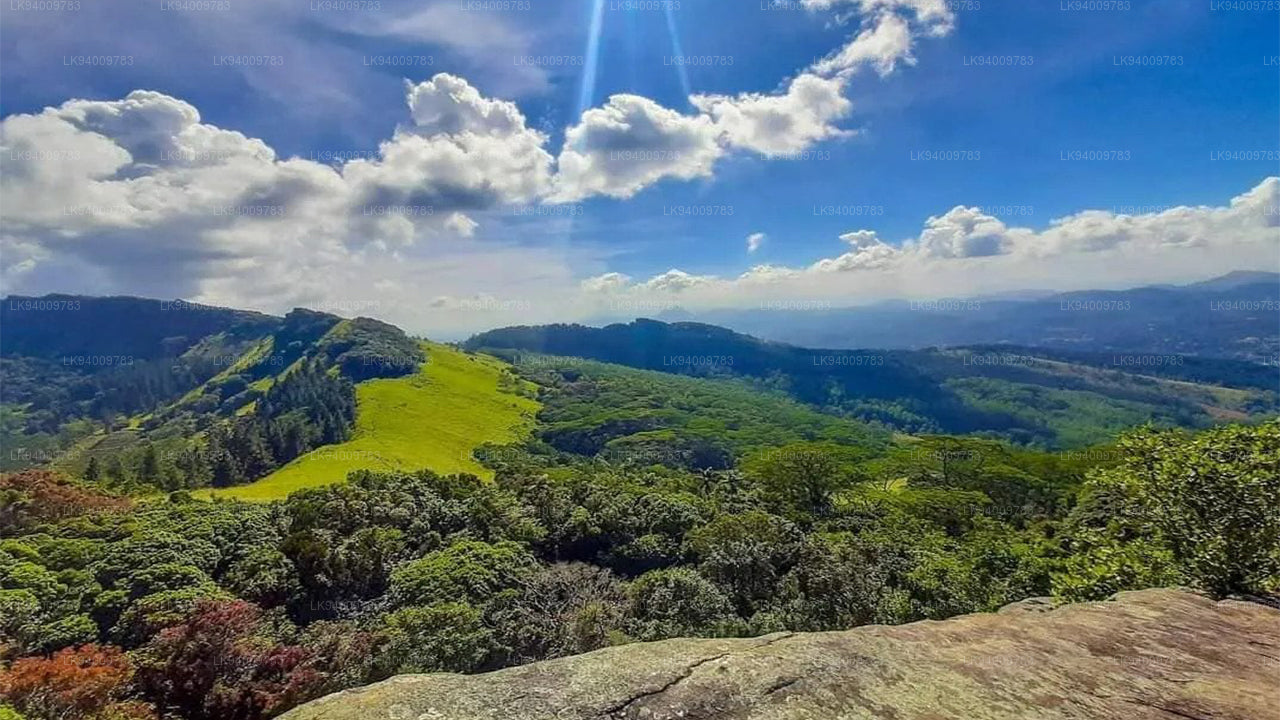
Athugala also called as ethagala is a very splendid rock that overlooks the Kurunegala town in Sri Lanka. Athugala is situated just around 1km away from Kurunegala town. The rock gets the name “athugala” due to its shape of an elephant. This is "the" iconic landmark of Kurunegala.You could select two ways to reach to the top of the rock. Either following the steps in the rock or riding your vehicle to the top. Walk to the top of the rock is little tiring and take around 15-20mins, but you'll forget that by watching around. Sometimes, you can find few monkey groups in the middle of the rock. So, it is always better to watch out your stuff.
As you reach to the top of the rock you could see the temple (Athugala Viharaya) and massive snow white Buddha statue. This temple houses to the huge 88 ft Buddha statue. The great bare rock mountain provides a perfect setting for the Buddha statue. The night view of the Buddha statue from Kurunegala town is simply a breath taking view. Only the snow white Buddha statue can be seen in the sky while the whole surrounding is in dark. It is like the Buddha statue is floating in the sky. It is a worth visit view and these views make the place memorable.
If you are to get the perfect view you need to start climbing the rock in the evening. Stay there at the top of the rock till it gets little dark. The view of Kurunagela city from the top of the rock is panoramic and a treat to the eyes. If you are passing the busy Kurunegala town athugala is a must visit place. Also, if you are to say you visited Kurunegala you need to climb athugala.


-
 Pidurutalagala
Pidurutalagala or Mount Pedro in English, is an ultra prominent peak, and the tallest mountain in Sri Lanka, at 2,524 m (8,281 ft). Mount Pedro is located close to the city of Nuwara Eliya, and is easily visible from most areas of the Central Province. It is situated North-North-East from the town of Nuwara Eliya.
-
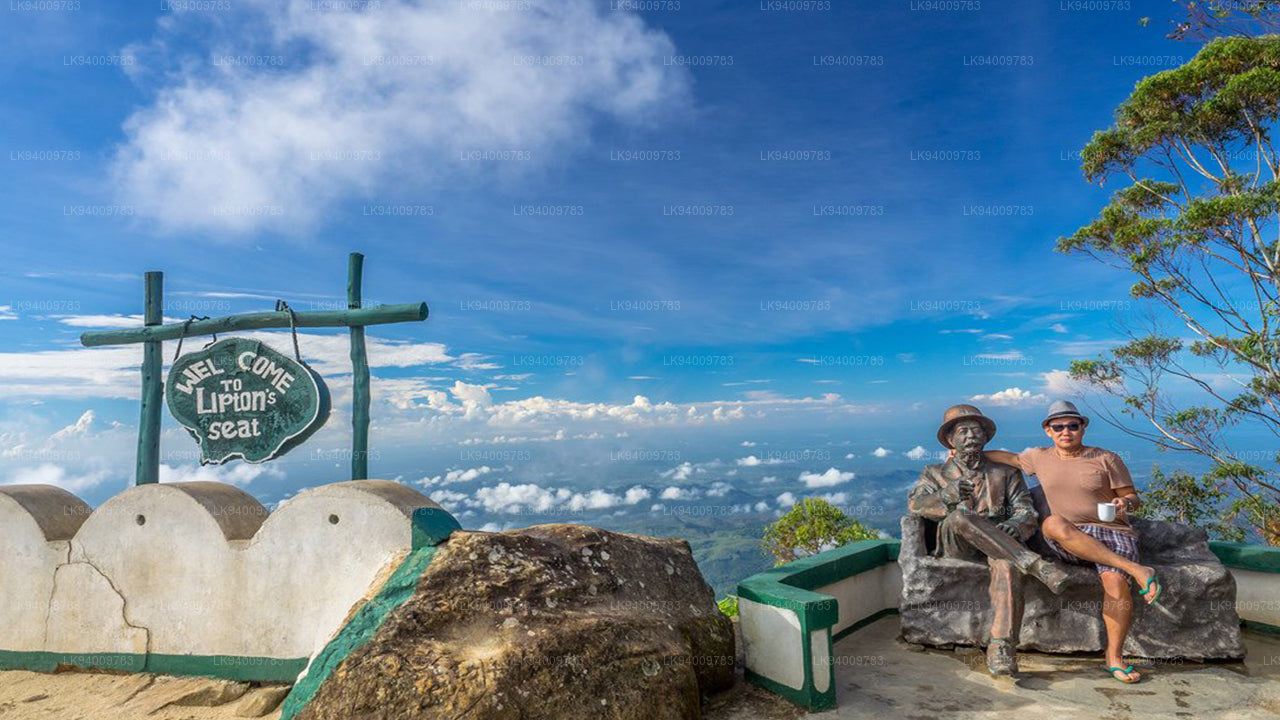 Lipton's Seat
Lipton’s Seat is a high observation point in the hills of Poonagala. Located on the top of the town’s namesake, Poonagala Hill, it is also near the Dambatenne Tea Factory. Lipton’s Seat is so named because the famed Scottish baron and tea planter Sir Thomas Lipton used it as the seat to survey his empire in a time long gone but not forgotten.
-
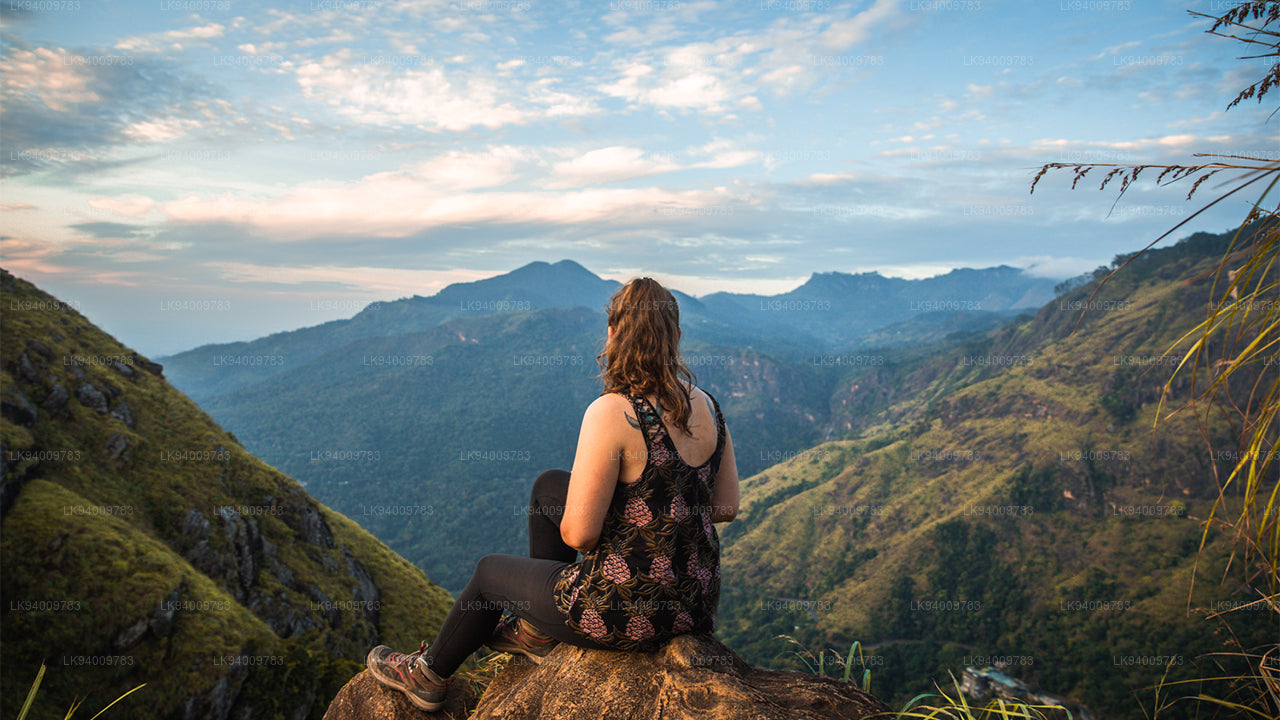 Little Adam’s Peak
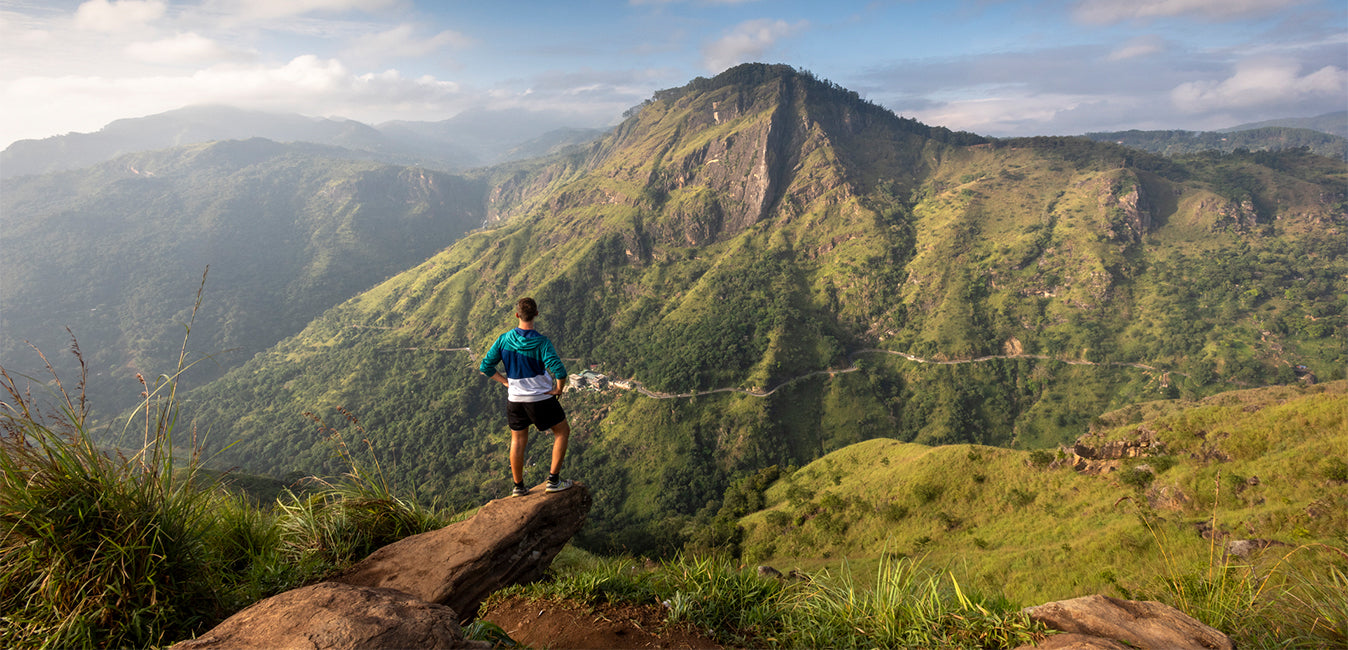
Don’t defiance the beautiful tourism site in Sri Lanka, Little Adams Peak whether considering the word ‘Little’, it is named after the sacred Adams Peak (Sri Pada –where the foot print of Lord Buddha is preserved) regarding the similarity between the two mountains.
-
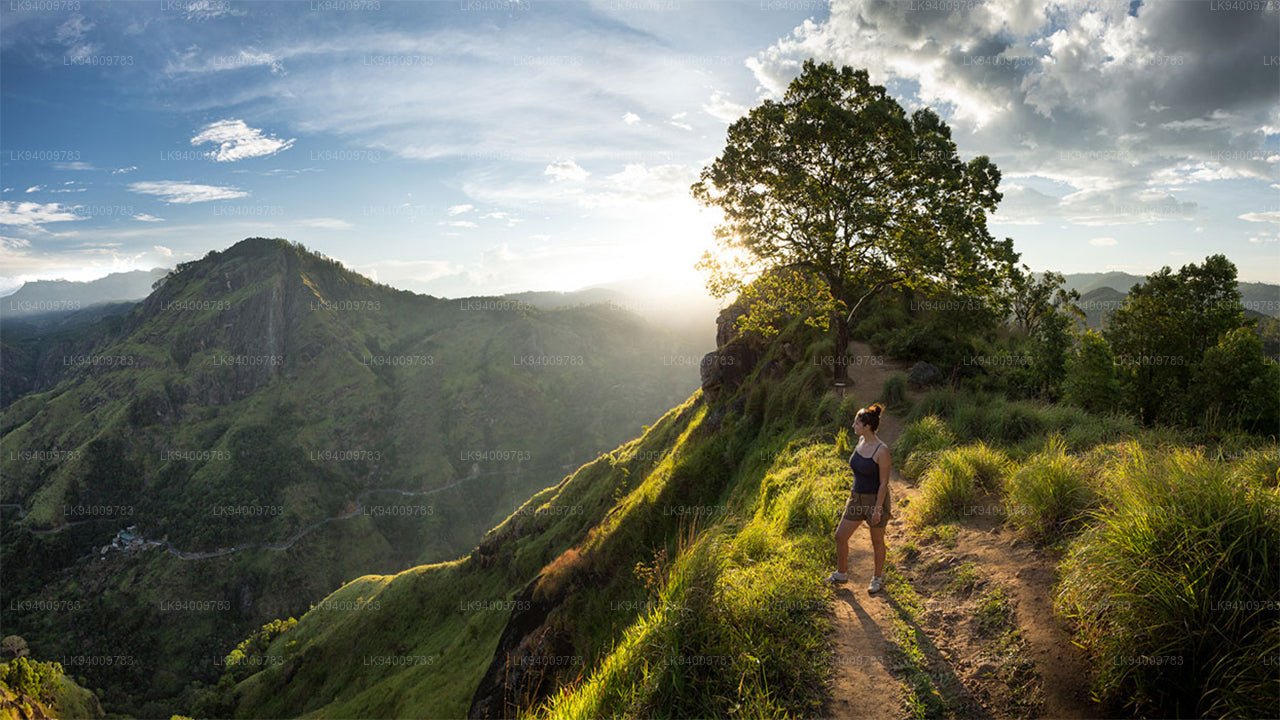 Ritigala
Ritigala can be reached from the turn-off from Habarana-Anuradhapura Road at a distance of 12 km from Habarana. Another 5 km along a graveled yet motorable road leads to the foot of the mountain.
-
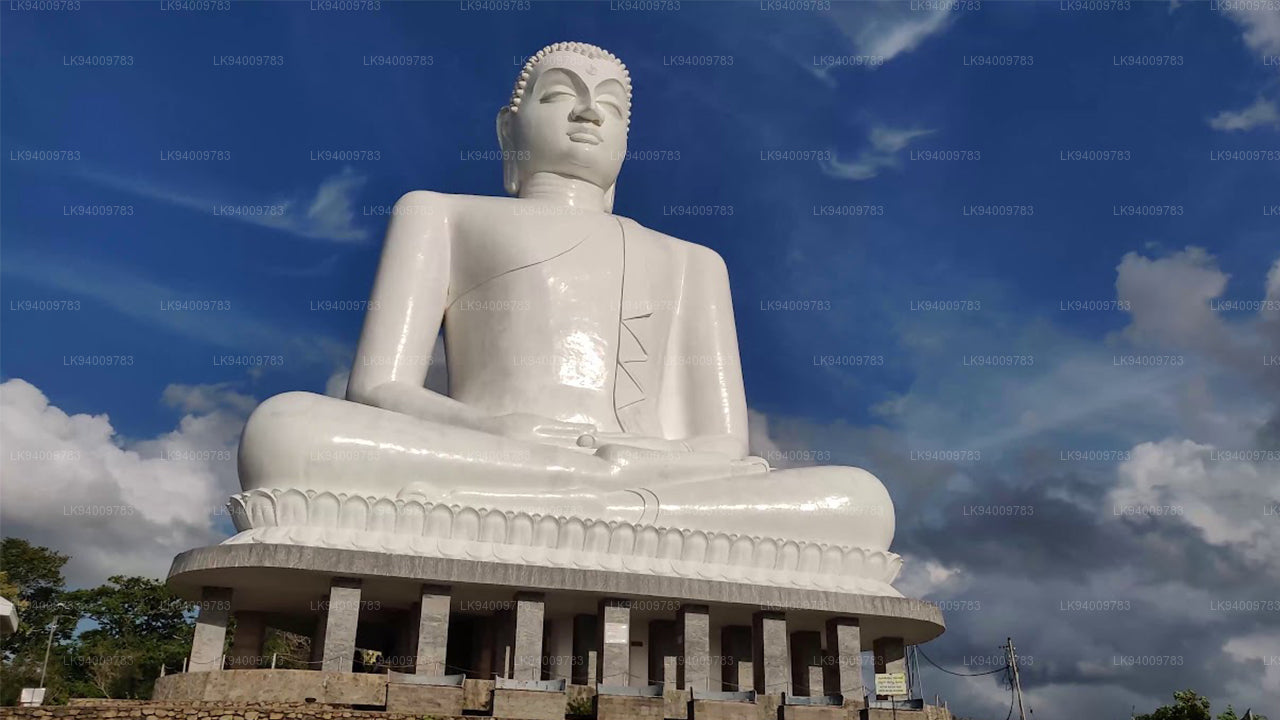 Ethagala (Elephnat Rock)
Ethagala (the Elephant Rock) is one of seven rocks that overlook the town of Kurunegala, in Sri Lanka. The rock face reaches 316 metres (1,037 ft) over the town and in its shape resembles a crouching elephant, which explains the rock’s name.
-
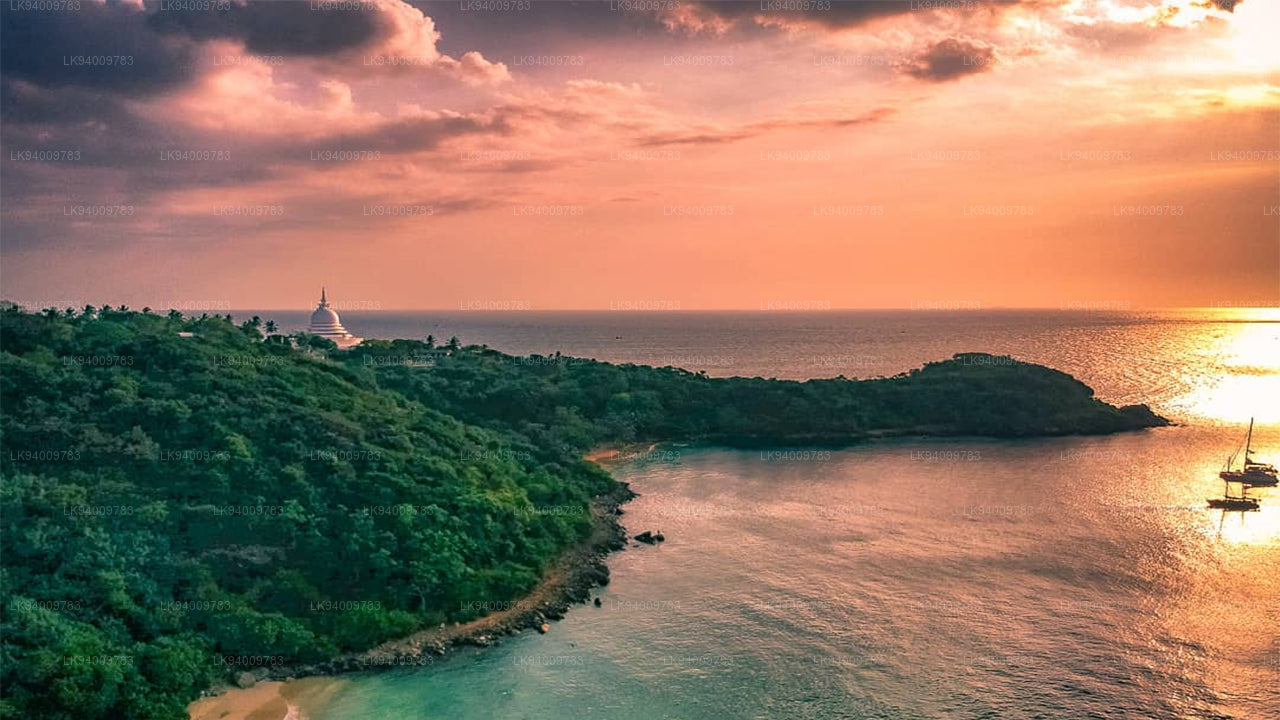 Rumasalla Mountain
Rumasalla Mountain. In the past, Rumassala was known as Buono Vista, a name that dates back to the colonial period, and most likely a corruption.
-
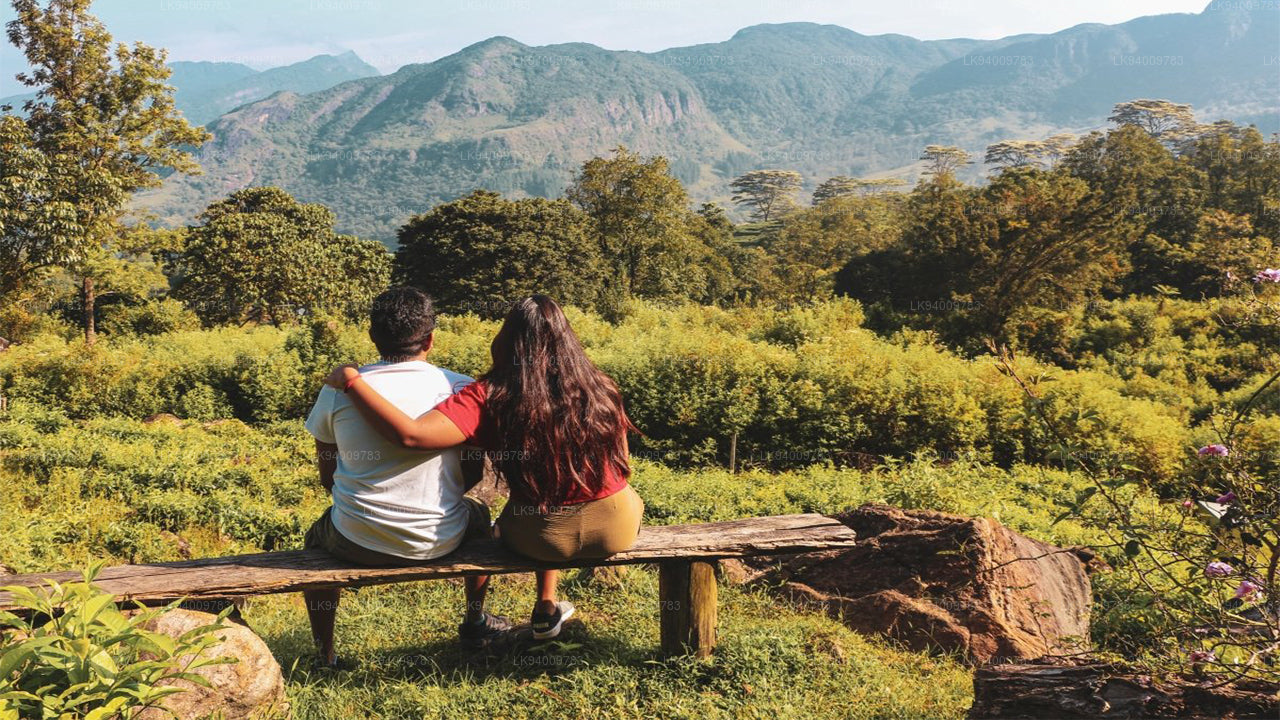 Knuckles Range
Knuckles range also called Dumbara mountain range is located off Kandy, in the northern end of Central Highlands of Sri Lanka. To the south and east of the mountain range is Mahaweli river basin while to the west are Matale plains.
-
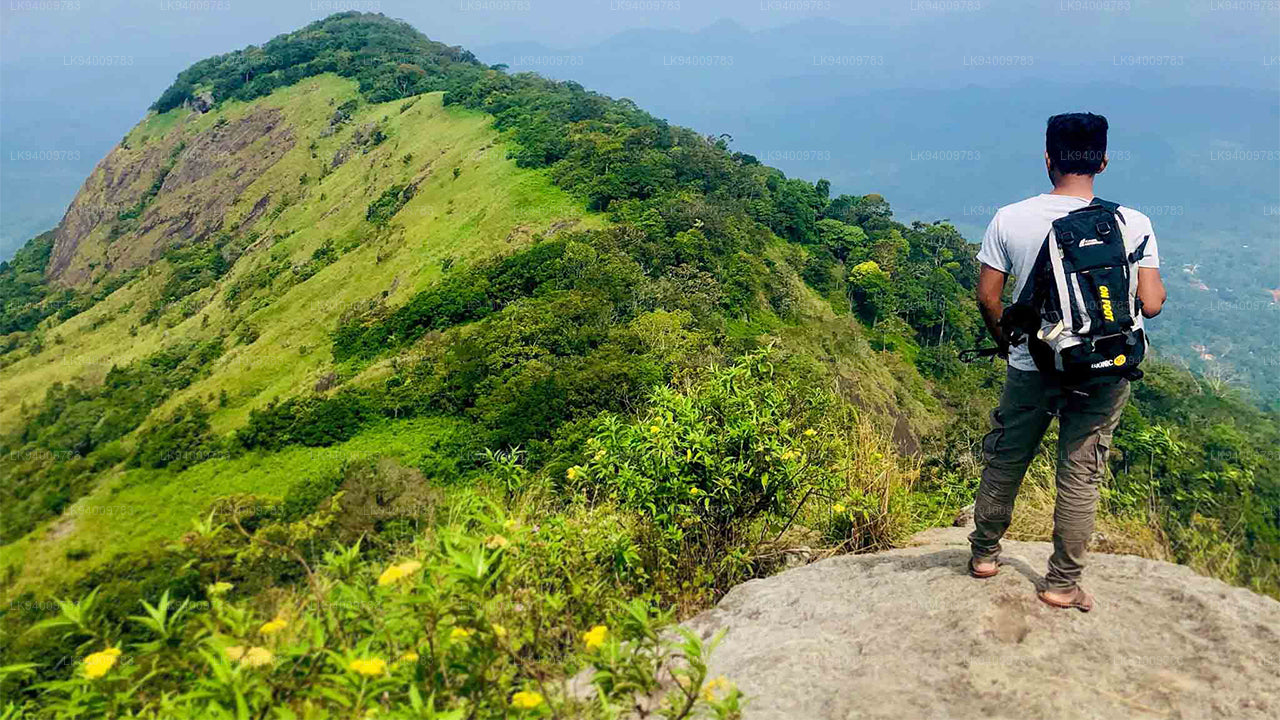 Alagalla Mountain Range
Alagalla Mountain Range. Alagalla Mountain Range or “Potato Range” is situated at the boundaries of the Central and Sabaragamuwa Provinces in Sri Lanka.
-
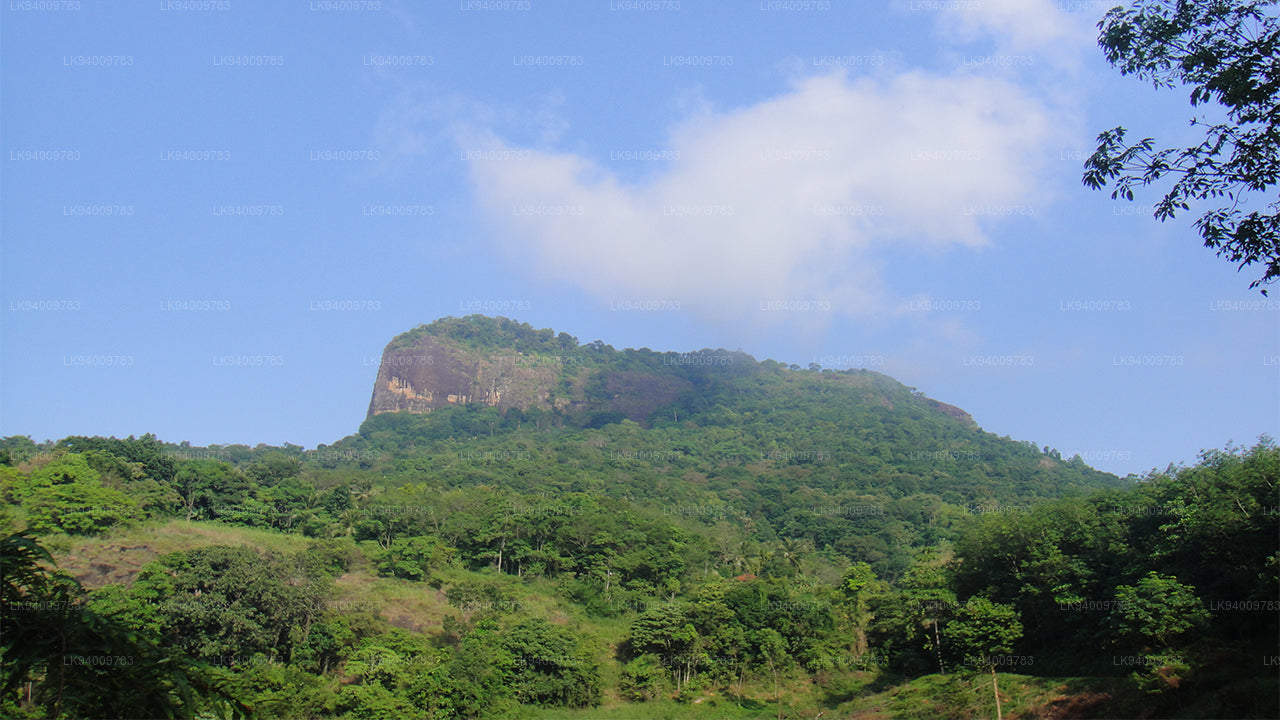 Bible Rock
Bible Rock is a mountain near Aranayake in Kegalle District in central Sri Lanka. It is known as the “Bible Rock” as its surface resembles.
-
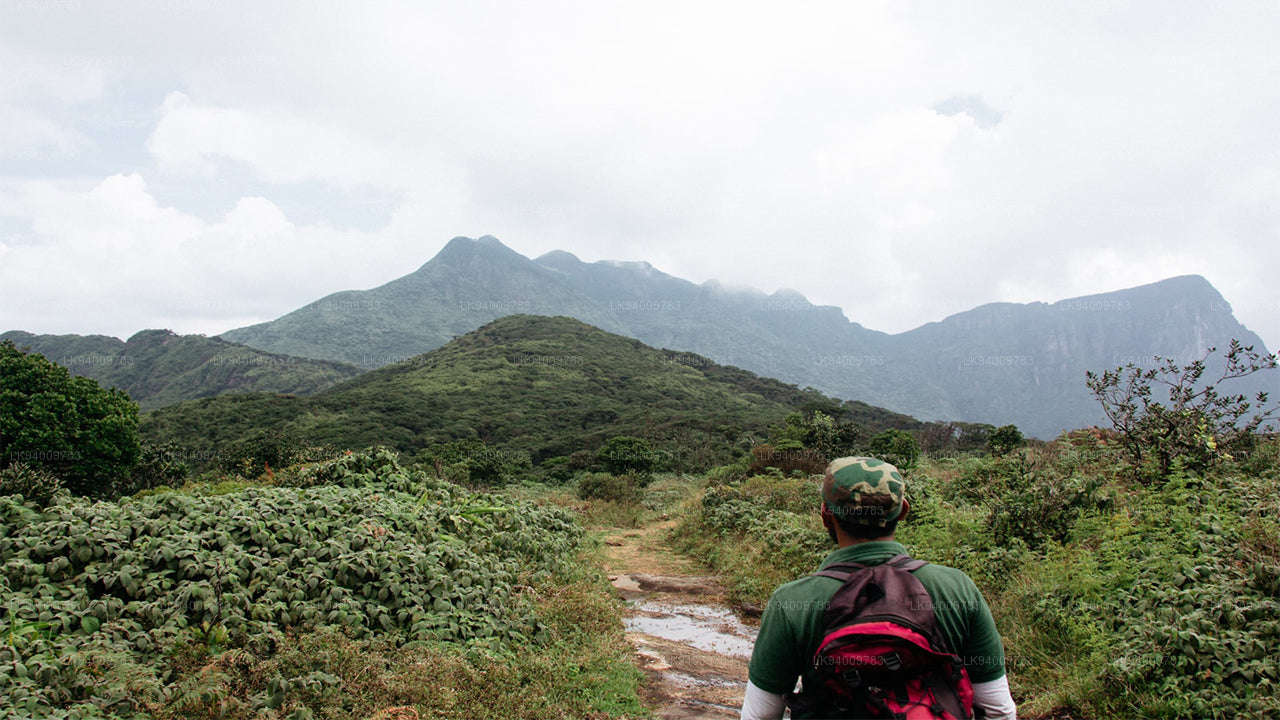 Monkey Mountain
Monkey Mountain. The Gal Oya area is resplendent with forest and lush with vegetation. Totally off-the-beaten-track and off-limits during the war, the area has avoided much development and the landscape is mostly unspoiled.
-
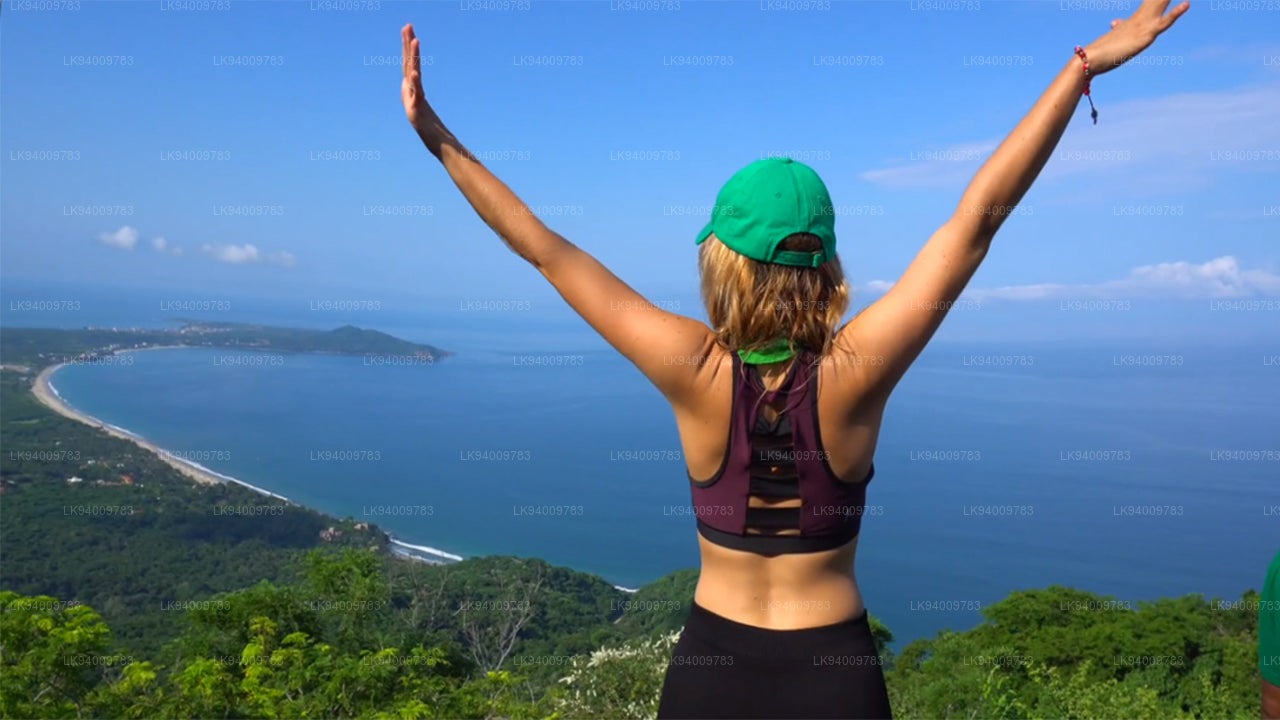 Yahangala
The great King Ravana’s body was kept after his death upon this rock called Yahangala( bedrock), for his countrymen to pay their last respects to their dear departed king.