Lakpura
Lakpura®

Endemic Birds

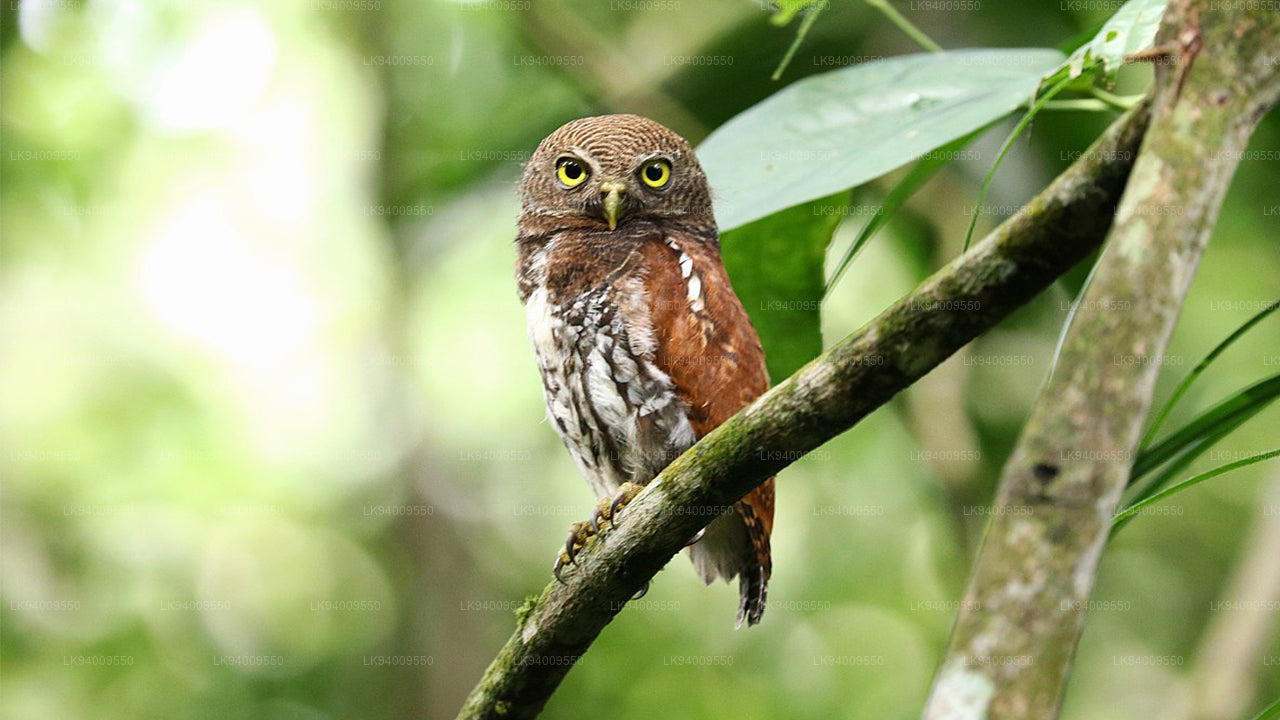
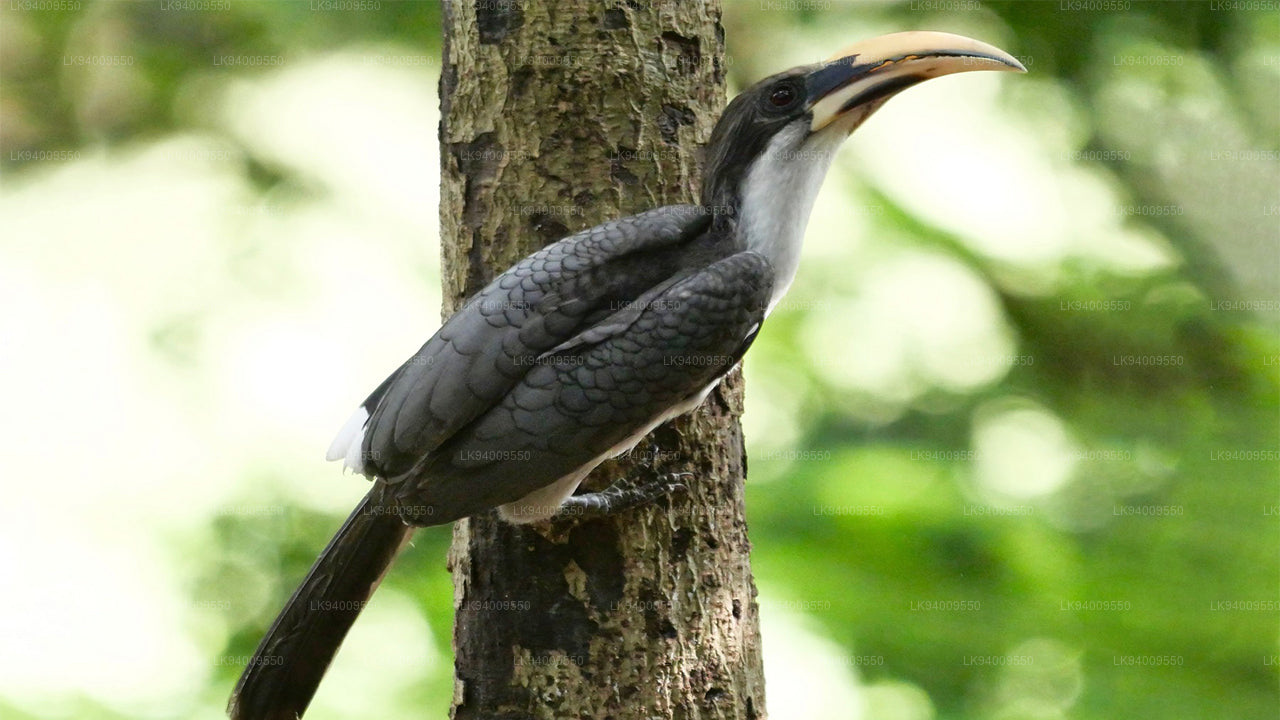
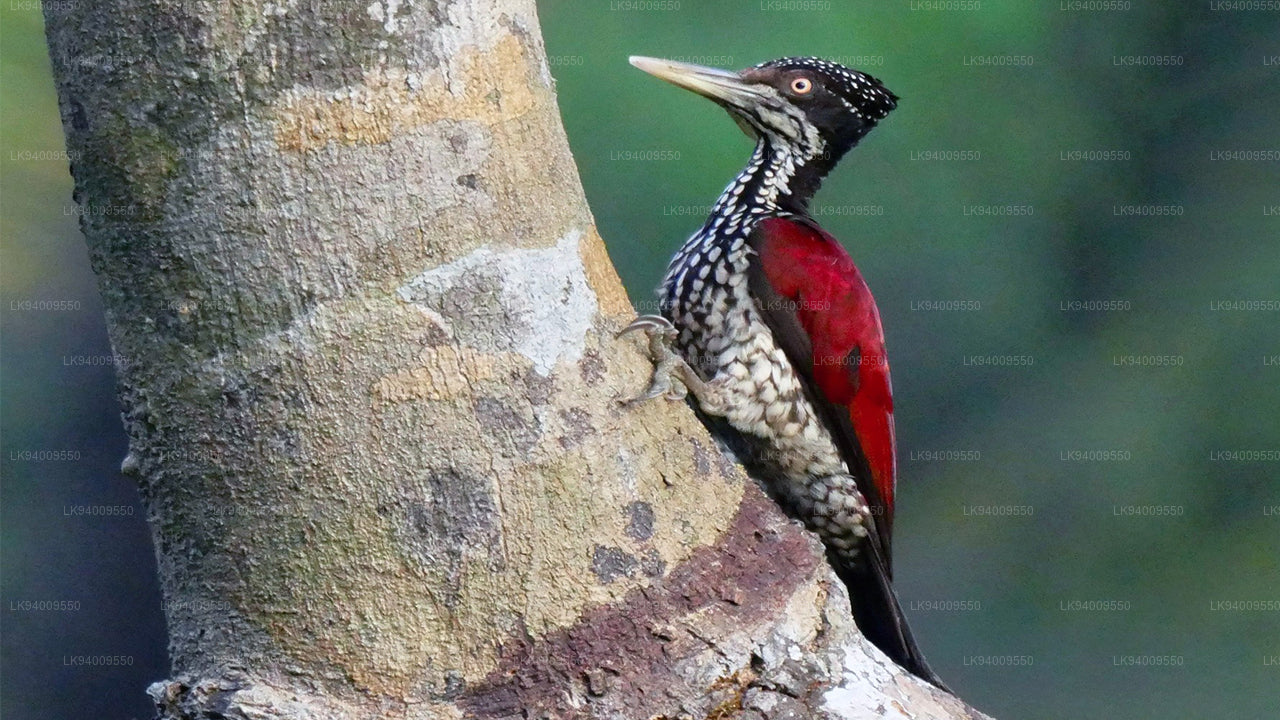
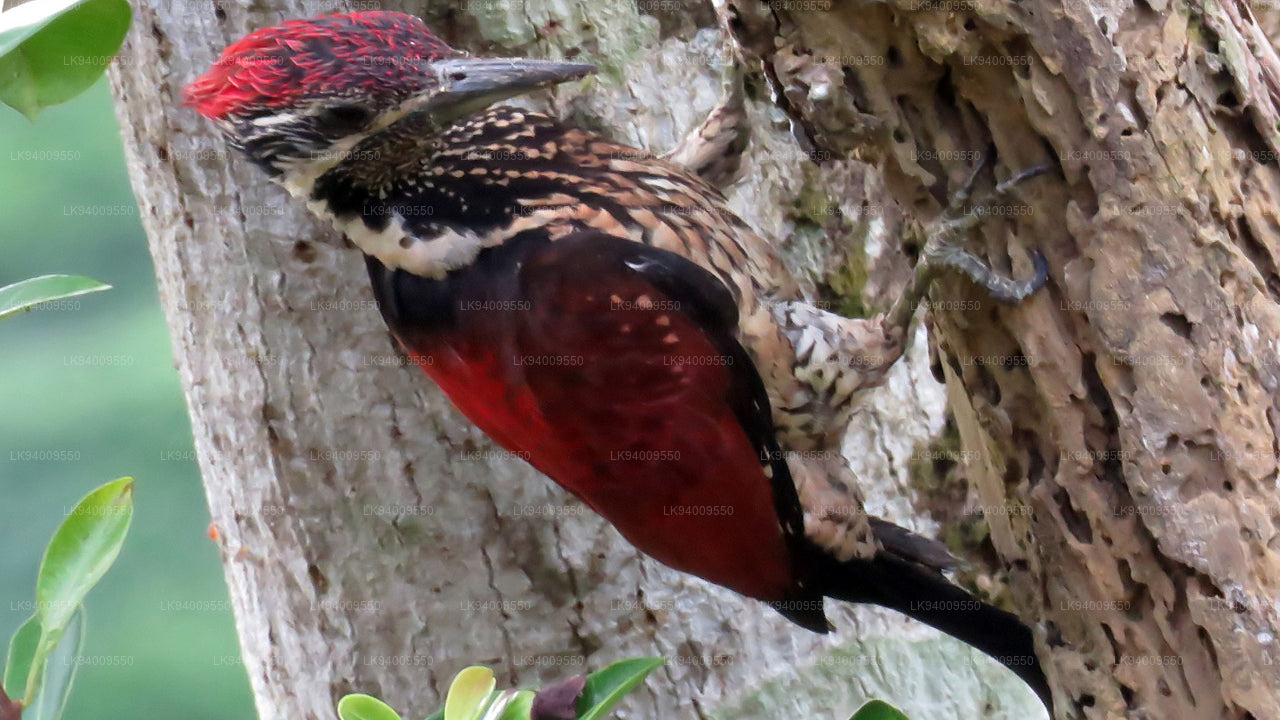
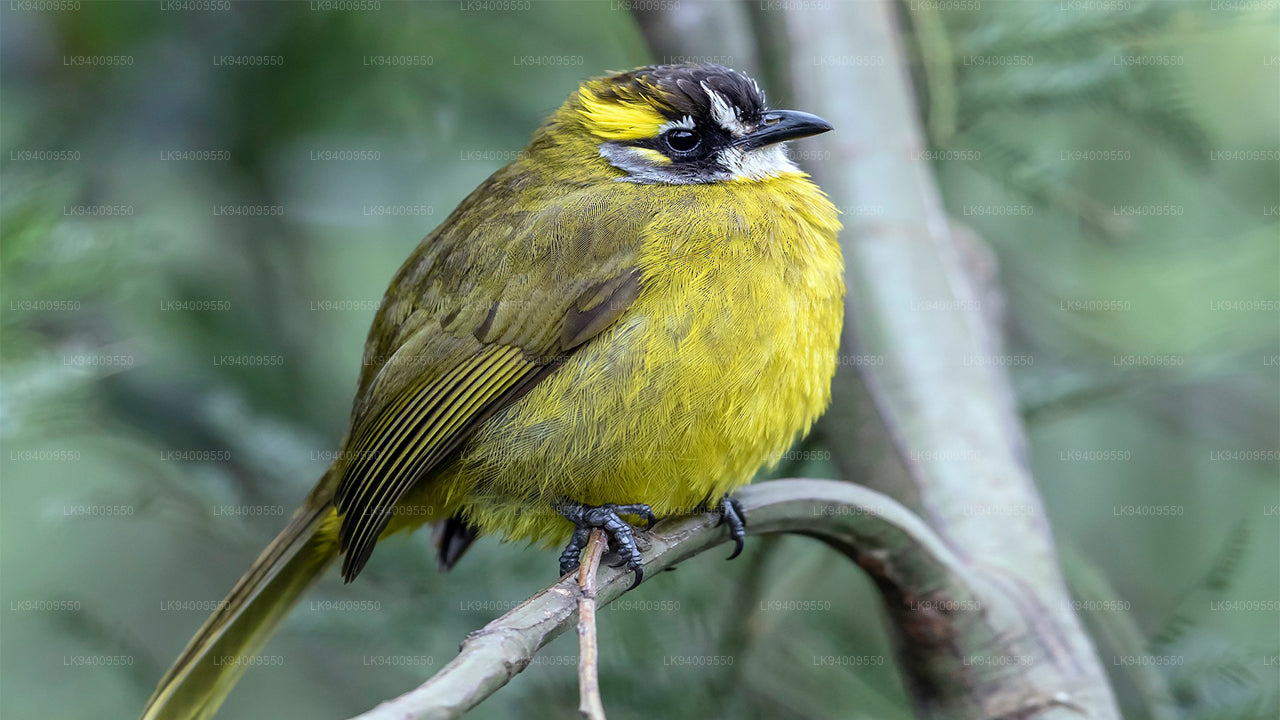
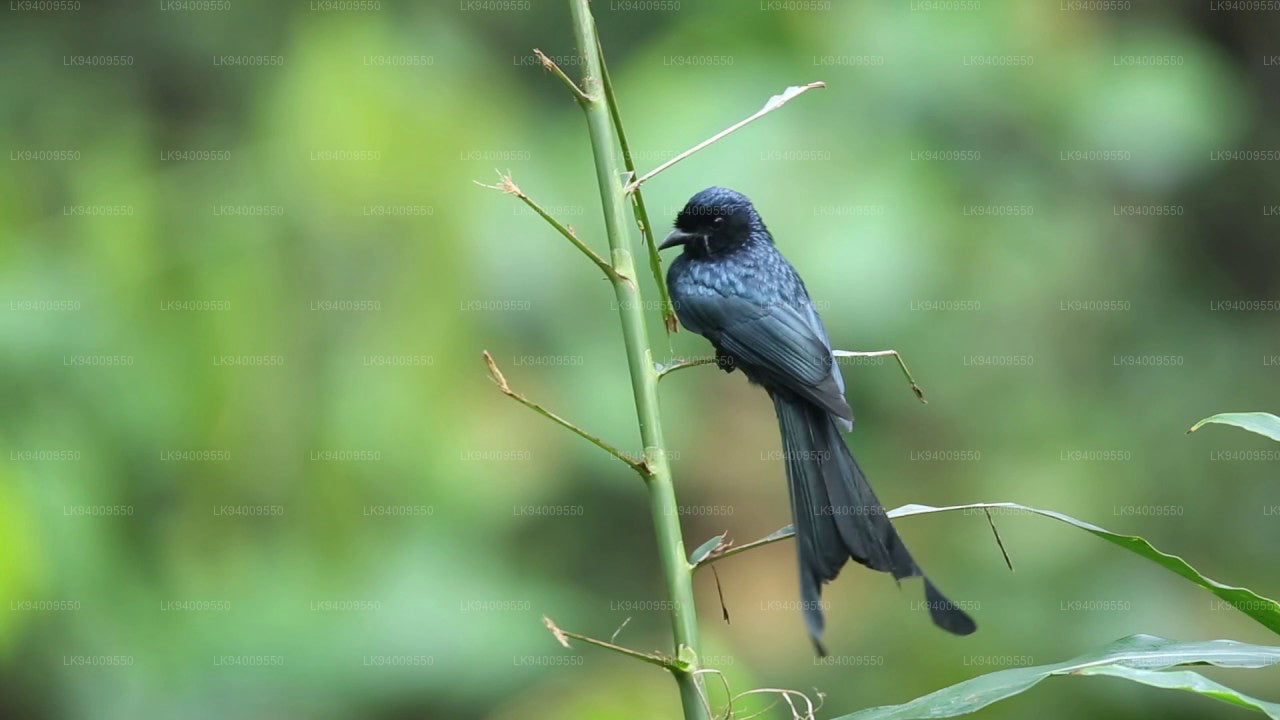
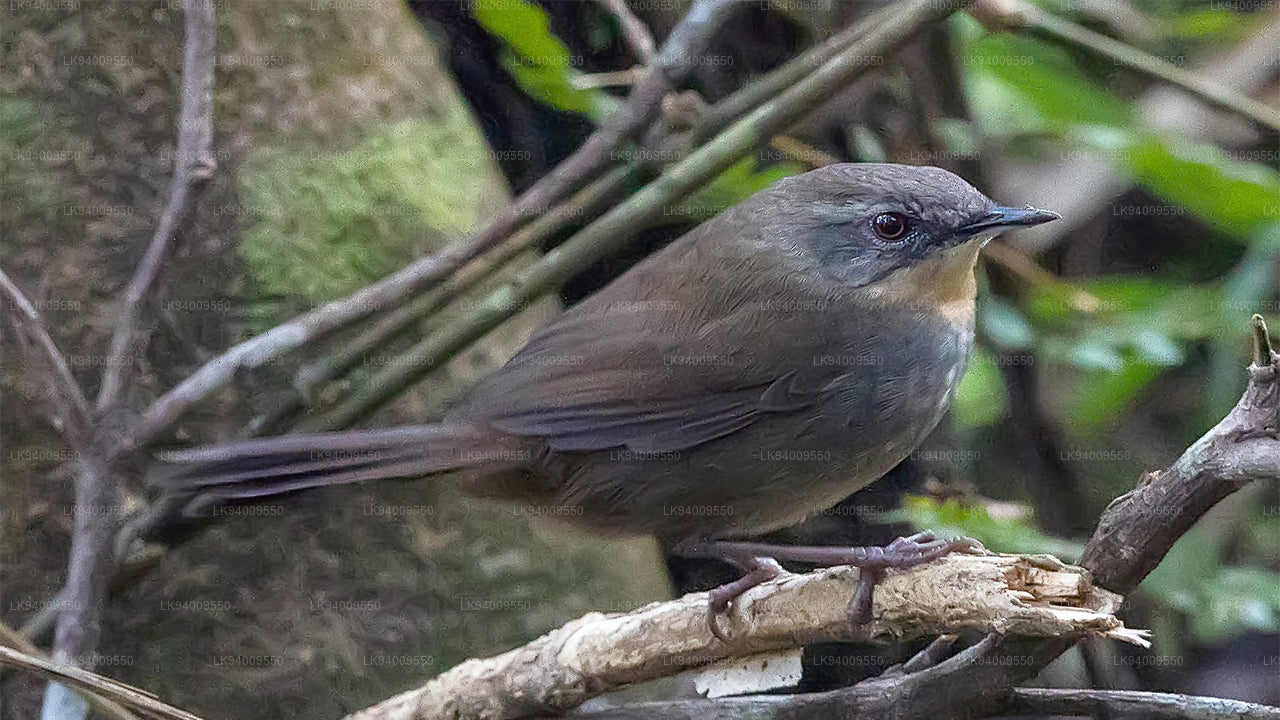
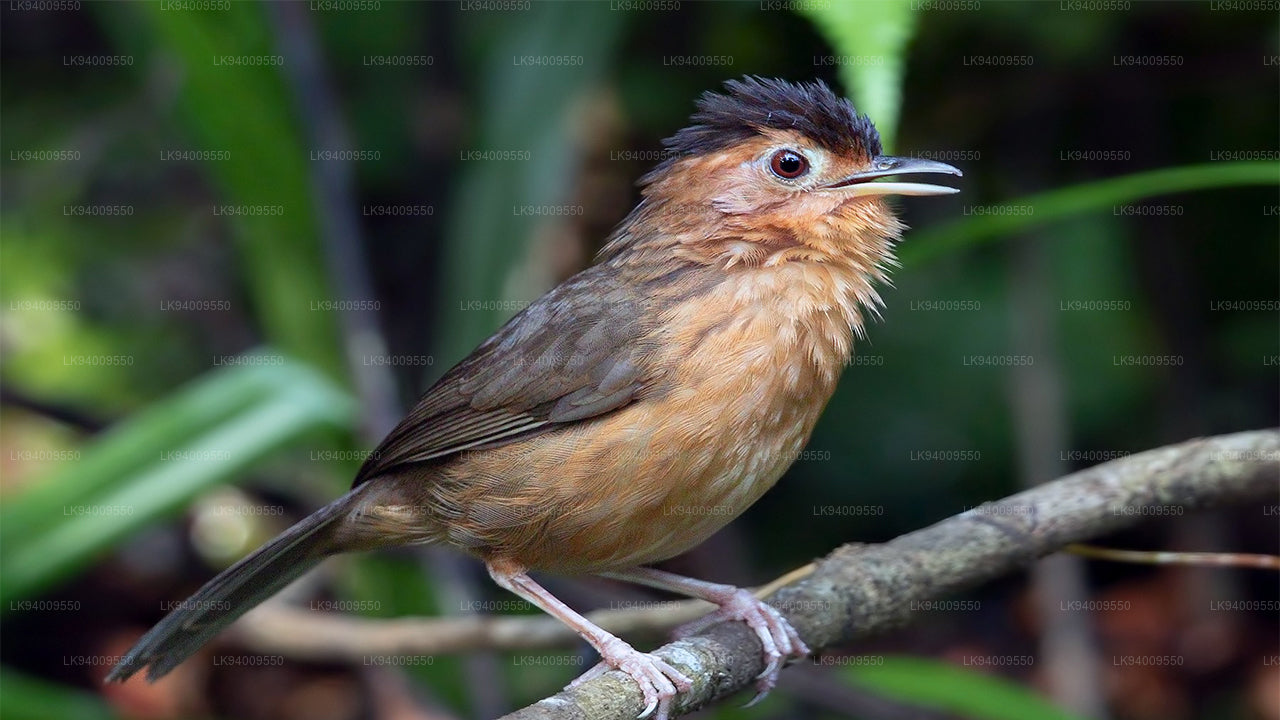
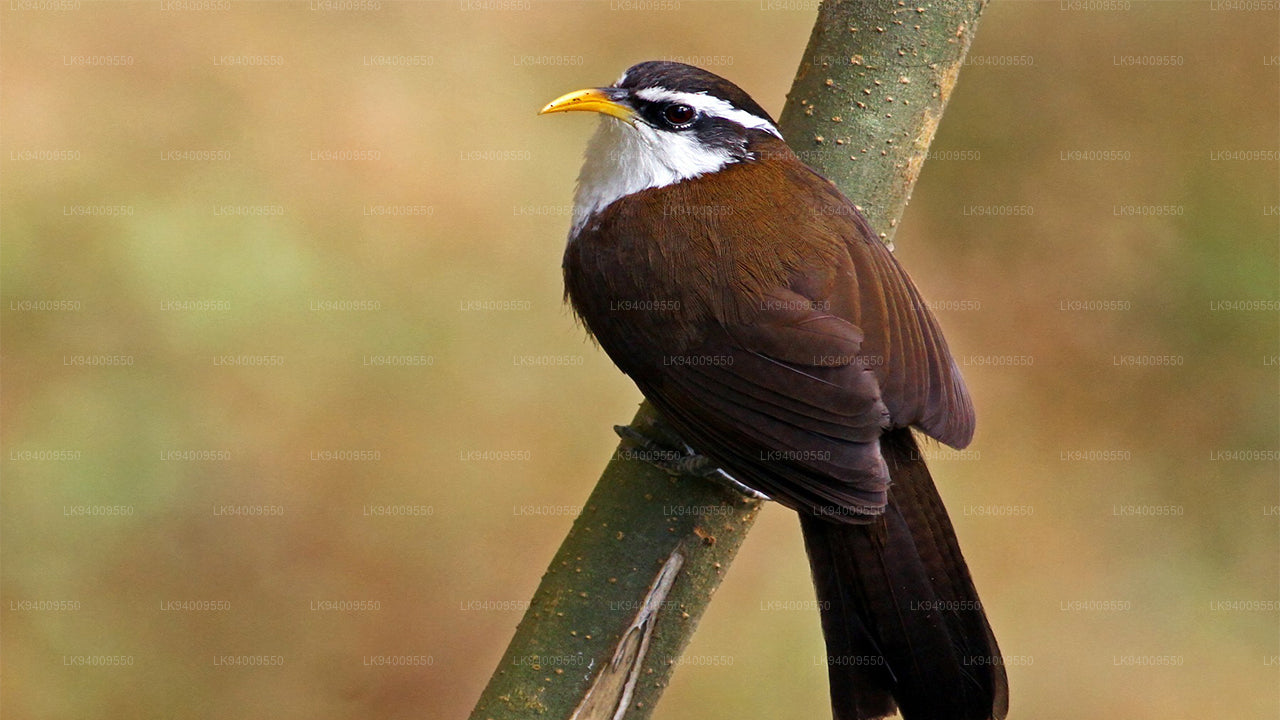
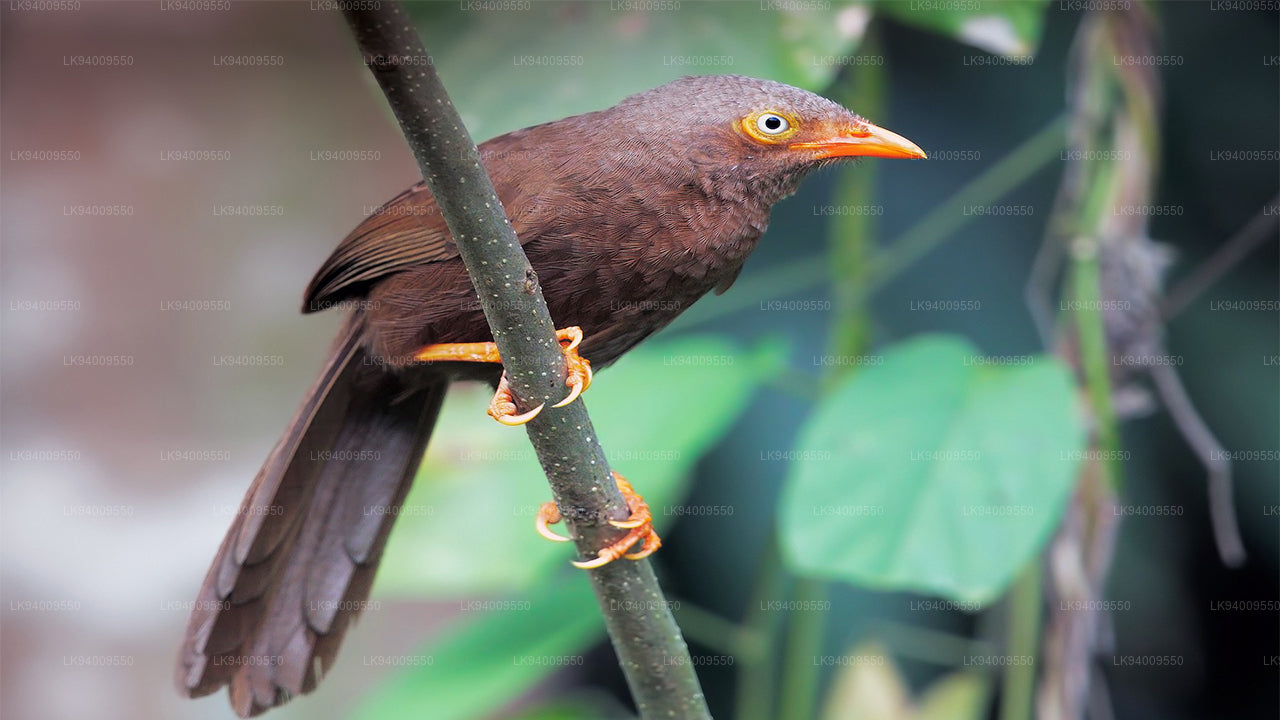
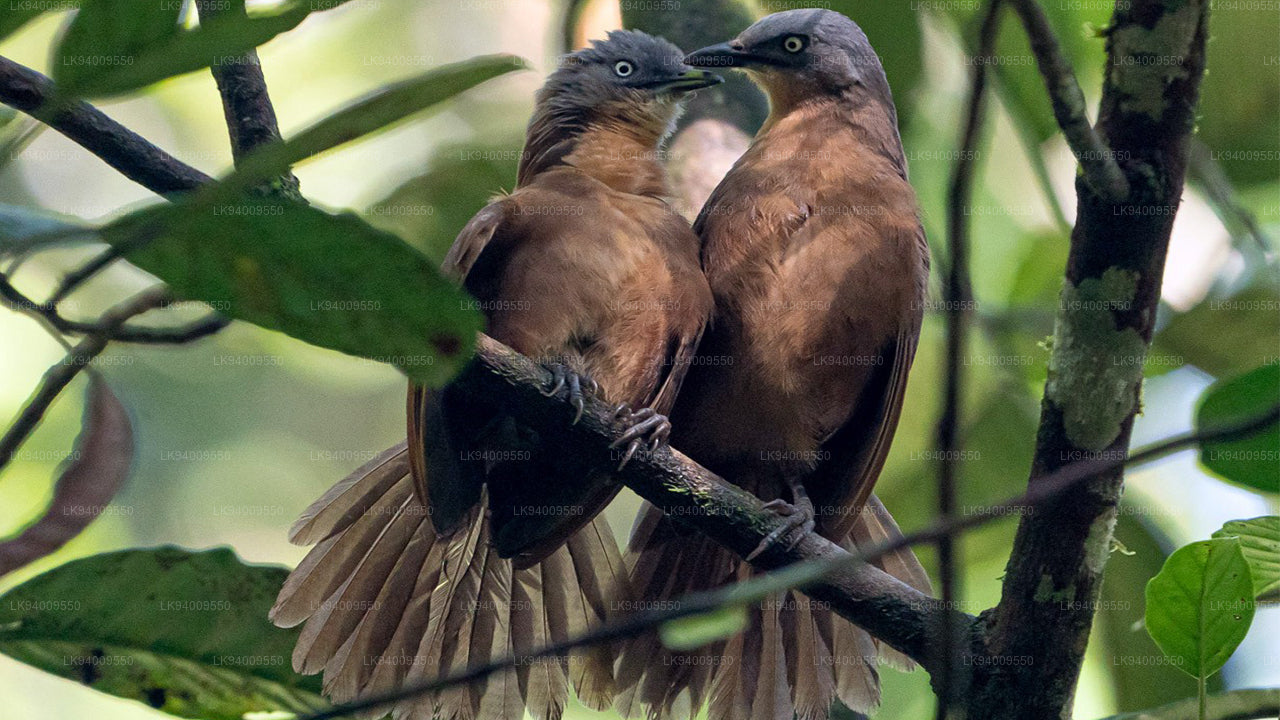
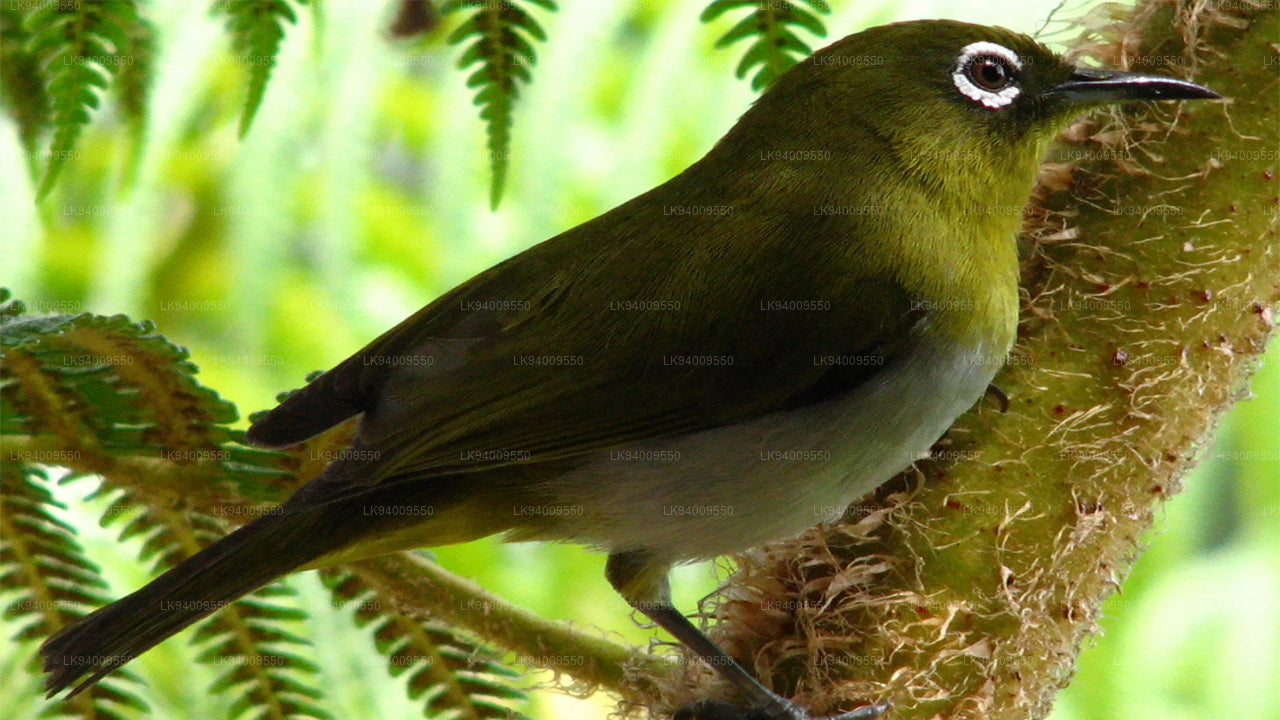
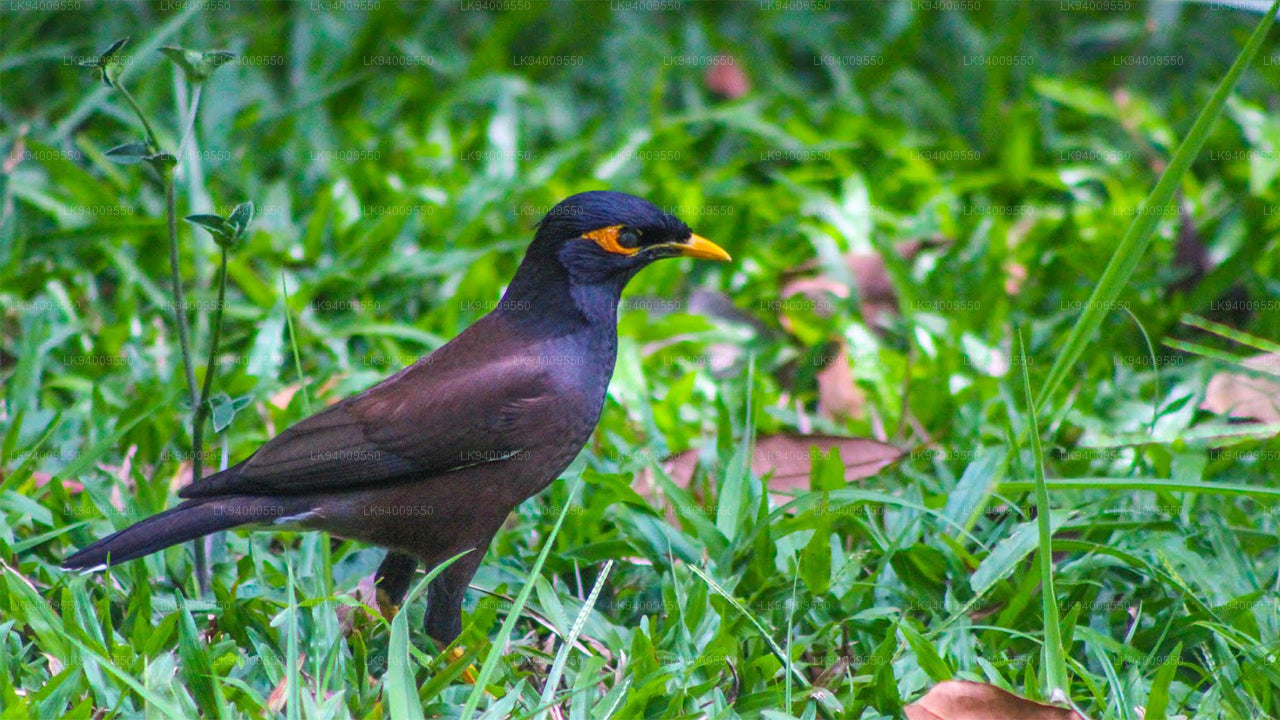
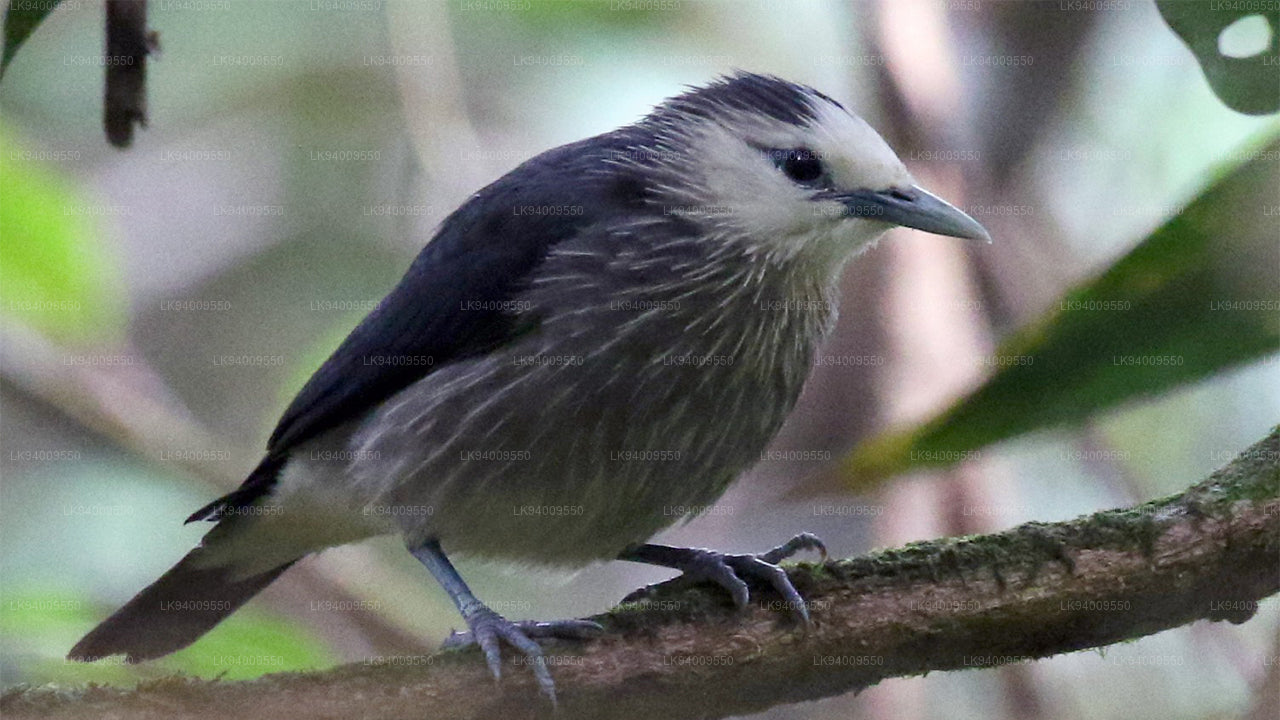
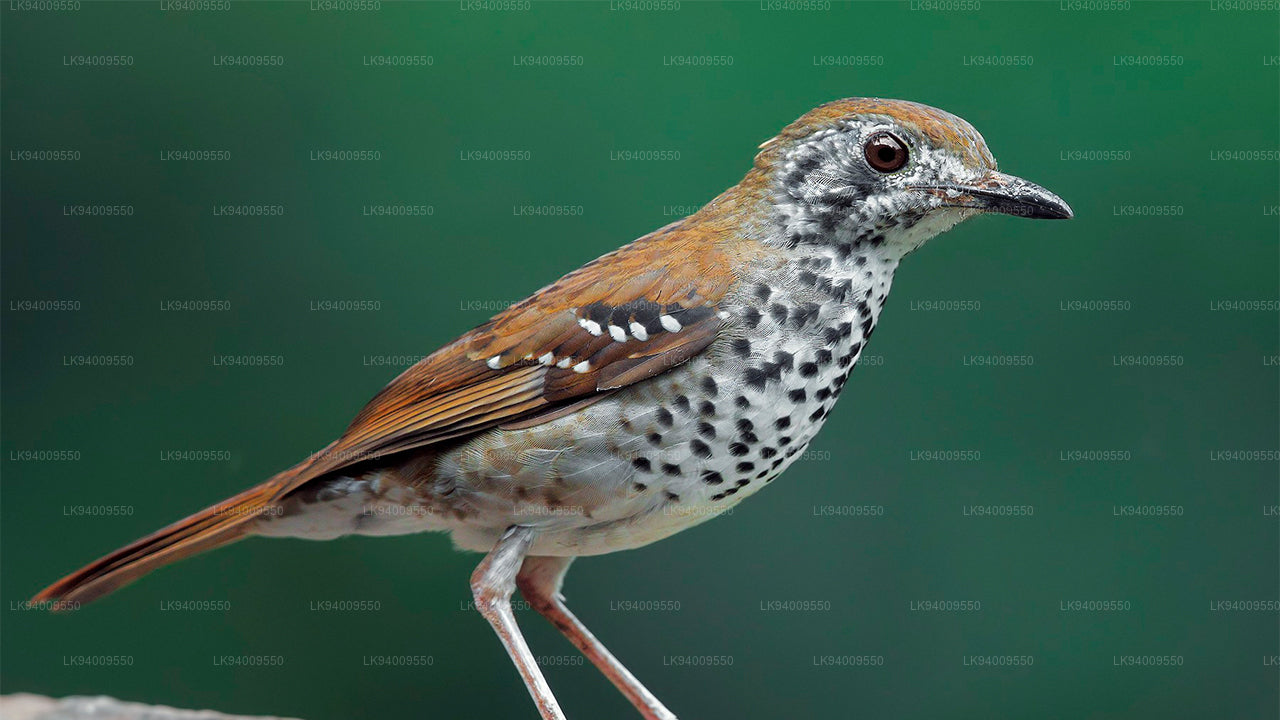
Sri Lanka punches well above its weight in the birding world. An island of just 65,610 square kilometres, it harbours 34 endemic bird species — species found nowhere else on Earth — out of a total of 492 recorded species, of which around 219 breed here. BirdLife International formally recognises Sri Lanka as one of the world's Endemic Bird Areas (EBAs), placing it alongside celebrated destinations such as Madagascar and the Western Ghats.

How many endemic birds does Sri Lanka have?

The figure of 34 endemic species reflects decades of taxonomic refinement. Since ornithologists began systematically cataloguing Sri Lanka's avifauna, the count has fluctuated: earlier estimates ranged from as few as 20 to as many as 47, depending on which taxonomic framework was applied. The number stabilised at around 21 from 1977 onward and rose to 23 by 1990 with the addition of two newly separated species. A 1994 checklist by Wijesinghe proposed a further three additions, though the broader scientific community did not accept these at the time, citing insufficient taxonomic evidence. Subsequent revisions — driven largely by advances in molecular genetics and bioacoustics — have since confirmed additional species splits, bringing the widely accepted total to 34.

It is worth noting that the endemic count remains a living figure. As genetic studies continue, further splits or lumps are possible. Birders visiting the island today should cross-reference recent checklists from authoritative sources such as BirdLife International for the most current taxonomy.

Which habitats hold the most endemic species?

Sri Lanka's endemics are not spread evenly across the island. The wet-zone rainforests of the south-west and the central highlands together concentrate the largest share of endemic species, a pattern driven by the island's biogeographic history and the persistence of dense forest cover in those zones.

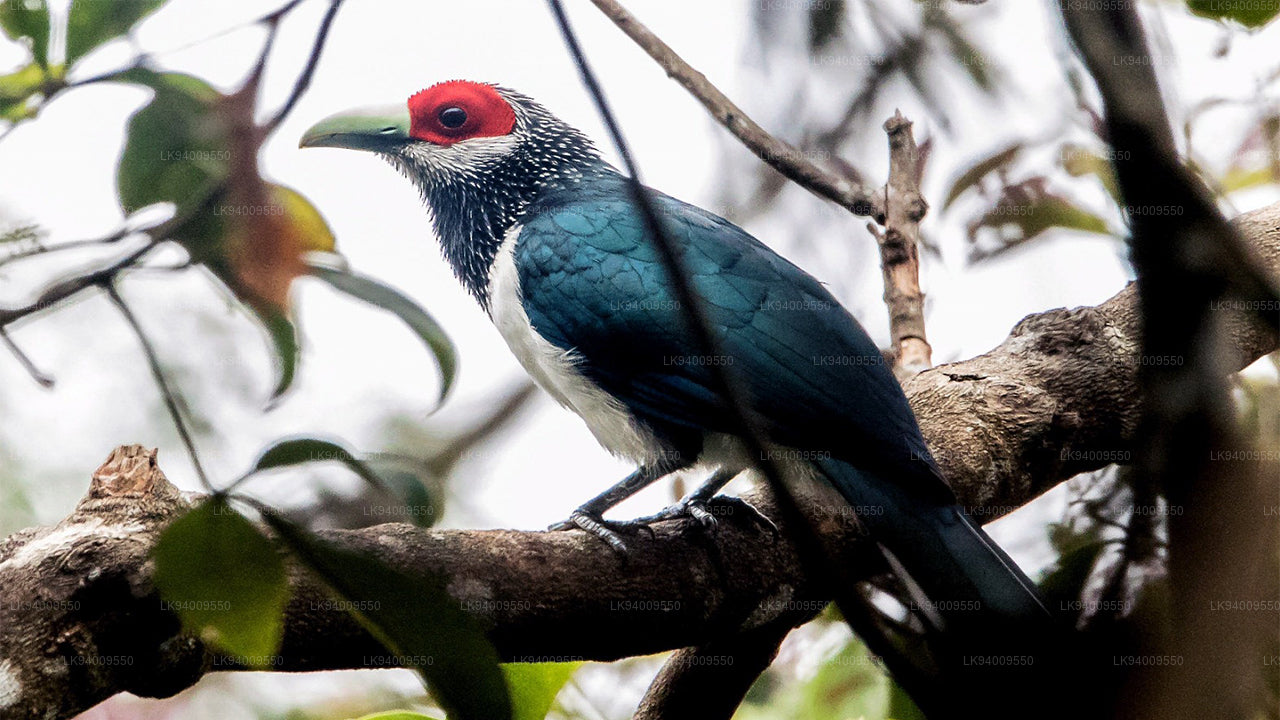
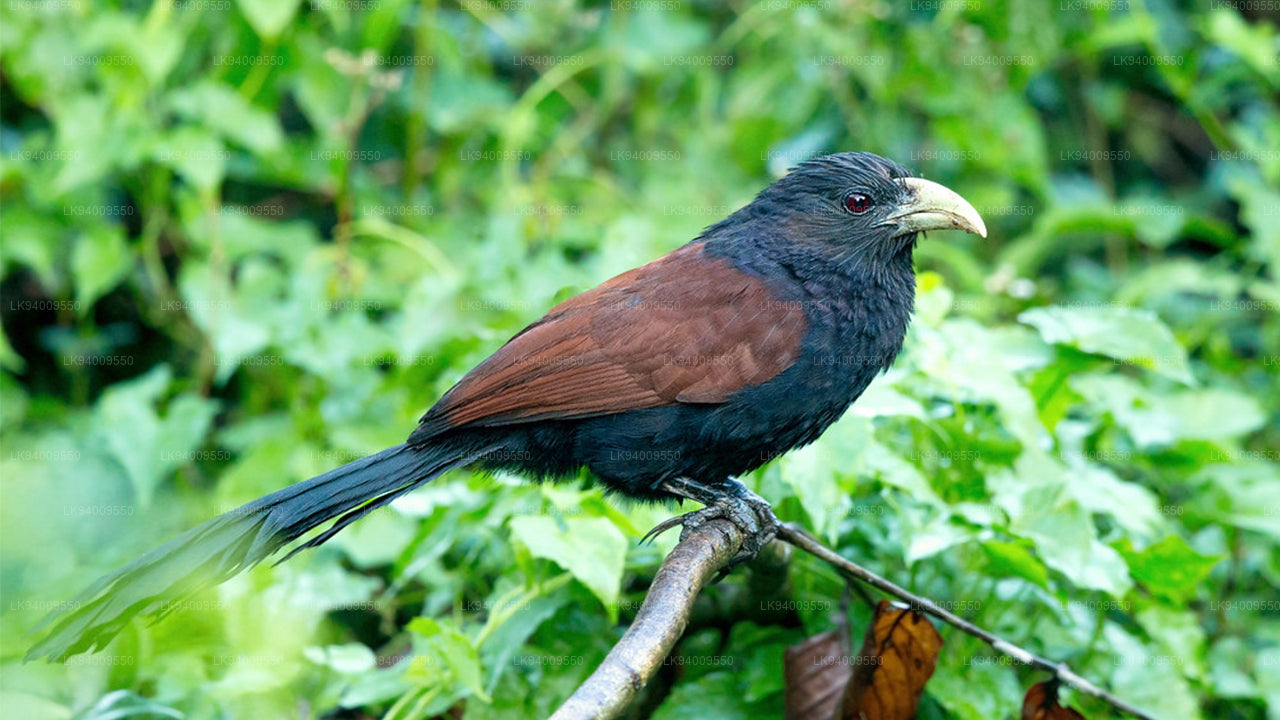
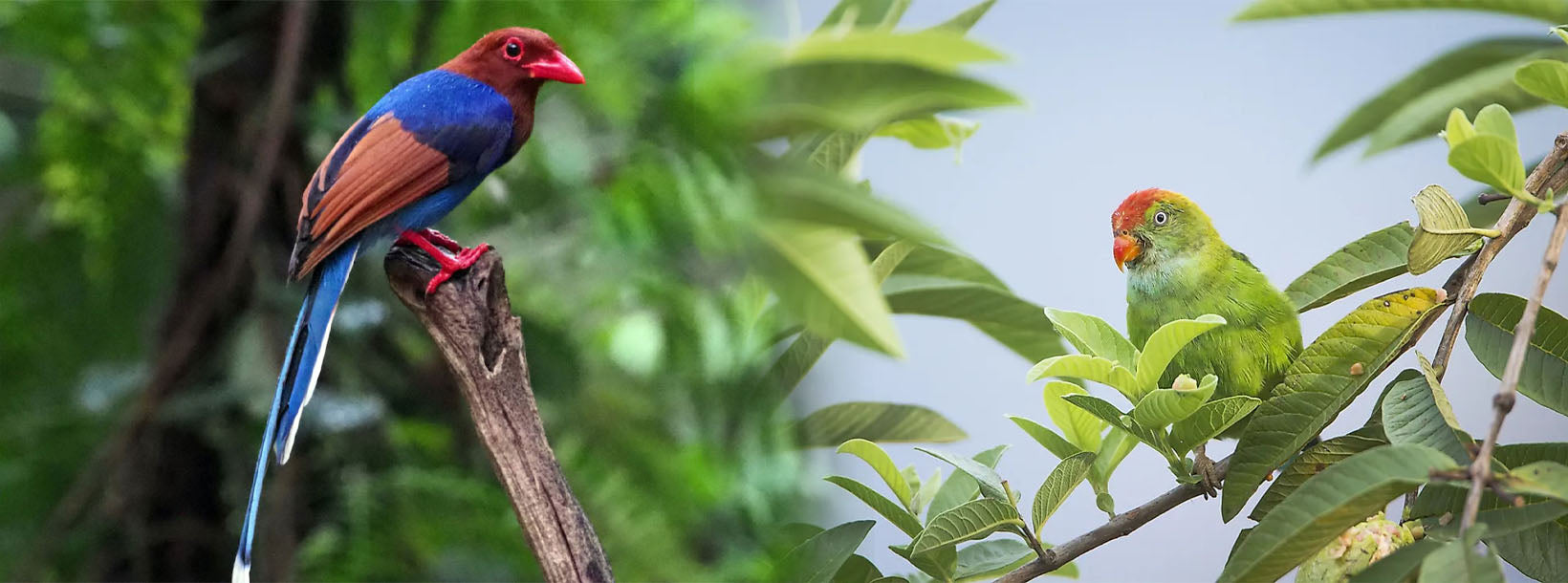
  • Wet-zone lowland rainforest: The Sinharaja Forest Reserve — a UNESCO World Heritage Site — is the single most important destination for endemic birds in Sri Lanka. Mixed-species feeding flocks here routinely contain Sri Lanka Blue Magpie, Green-billed Coucal, Ashy-headed Laughingthrush, and Red-faced Malkoha, among others.
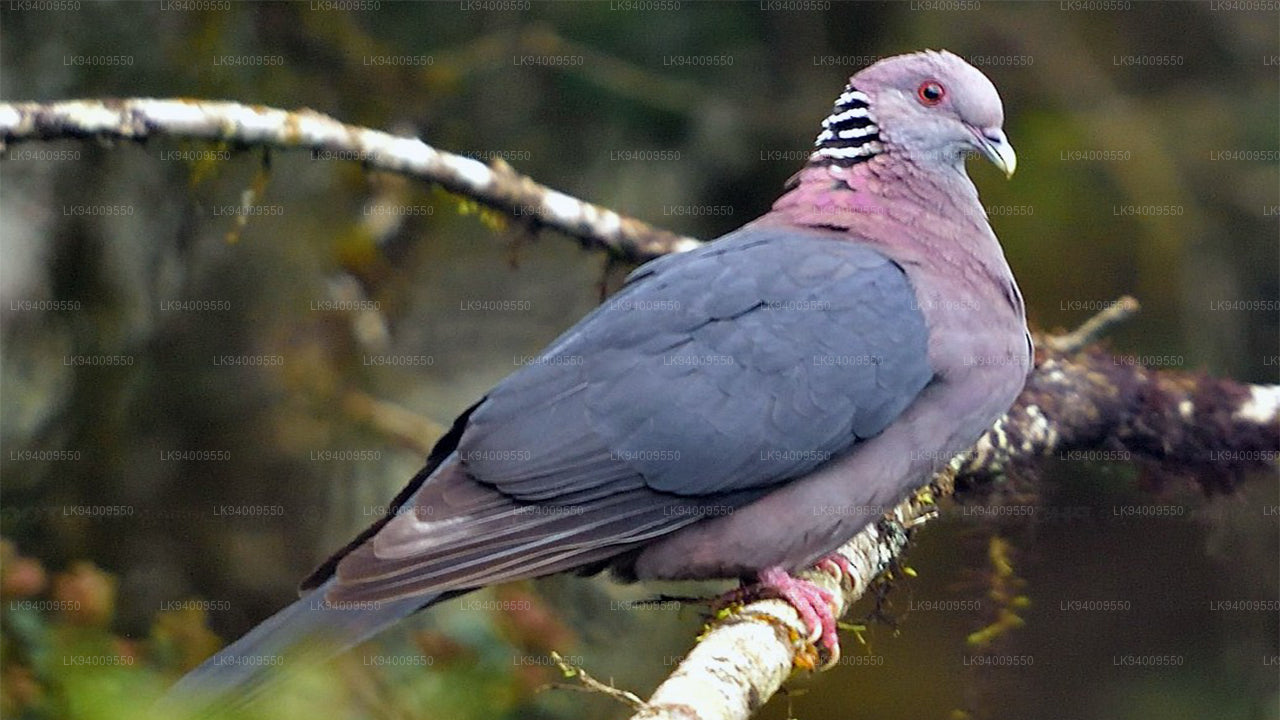
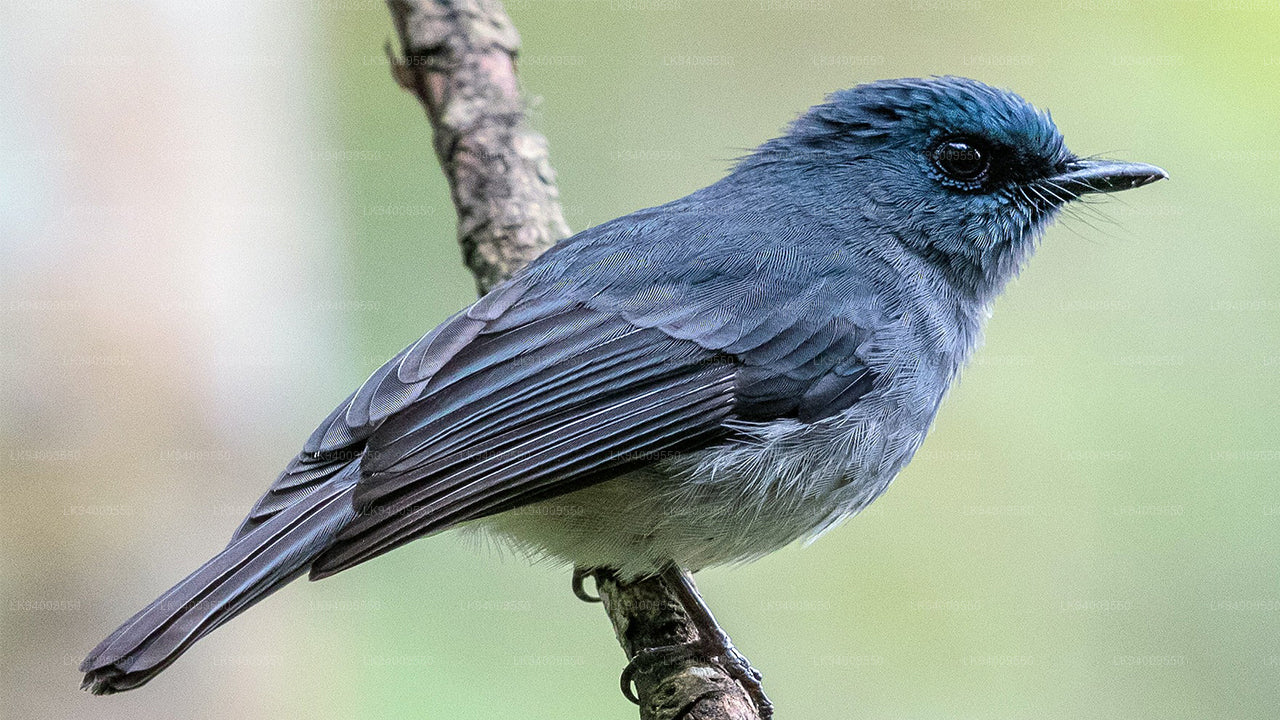
  • Central highlands: The montane forests around Horton Plains and the Knuckles Range hold species adapted to cooler, misty conditions. Horton Plains National Park is a reliable site for Sri Lanka Whistling Thrush, Dull-blue Flycatcher, and the Sri Lanka Wood Pigeon.
  • Cloud forest and intermediate-zone forest: Transitional habitats between the wet and dry zones — including the Makandawa Rainforest near Kegalle — support several endemics alongside a rich assemblage of resident and migratory species.
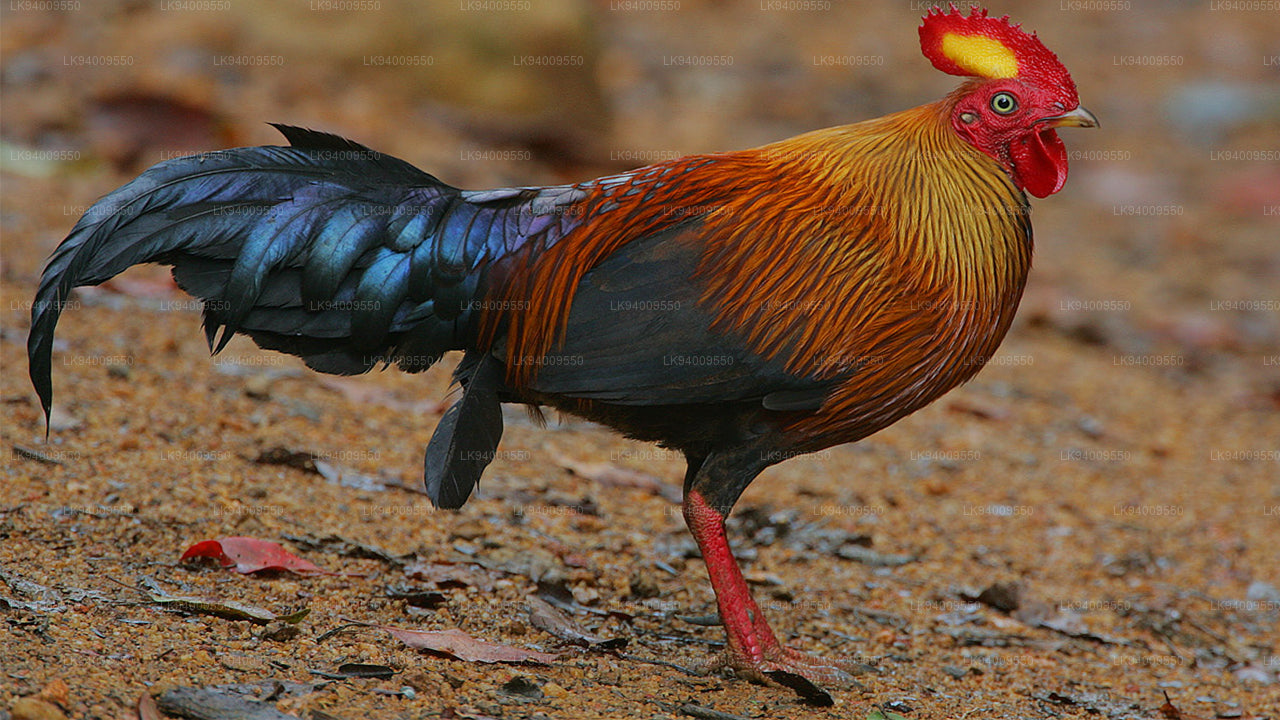
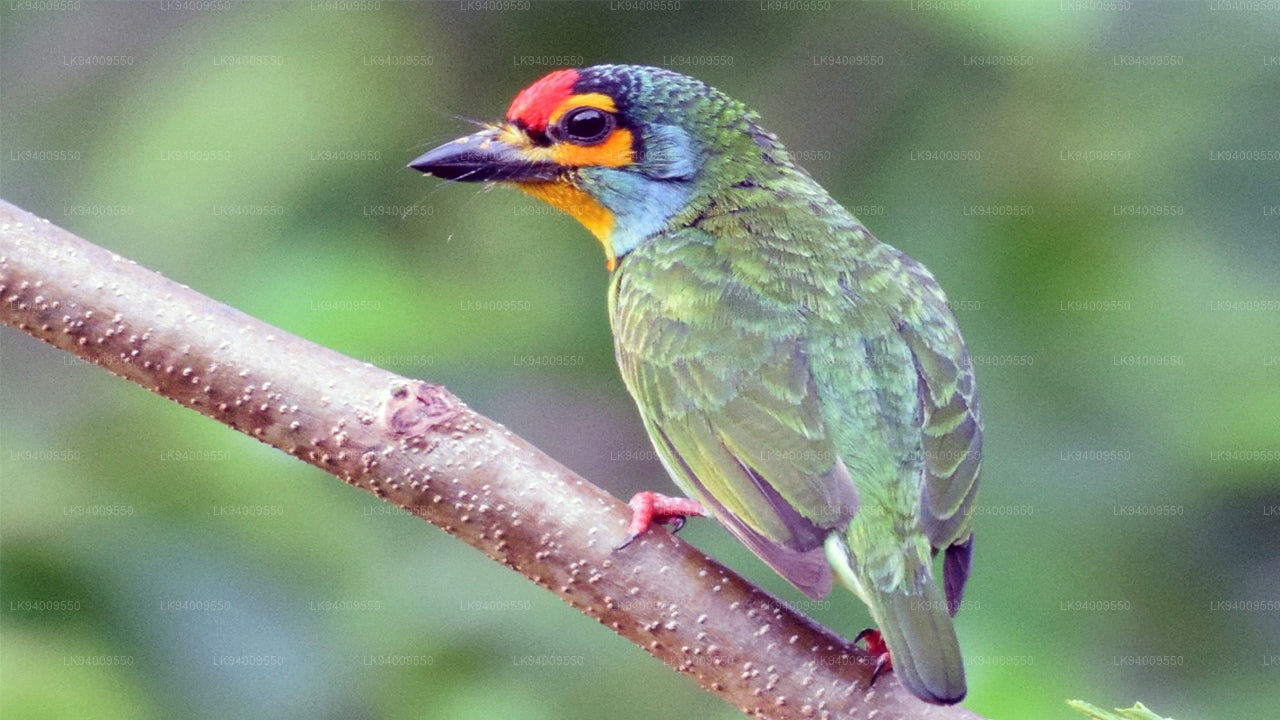
  • Dry-zone scrub and tanks: While fewer endemics are restricted to the dry zone, open habitats around ancient irrigation tanks host the Sri Lanka Junglefowl (the national bird), Sri Lanka Woodshrike, and Crimson-fronted Barbet, among others.

What are the most sought-after endemic birds?

Every serious birder arrives with a target list. The species below consistently top that list, either because they are genuinely difficult to locate or because they are particularly striking.

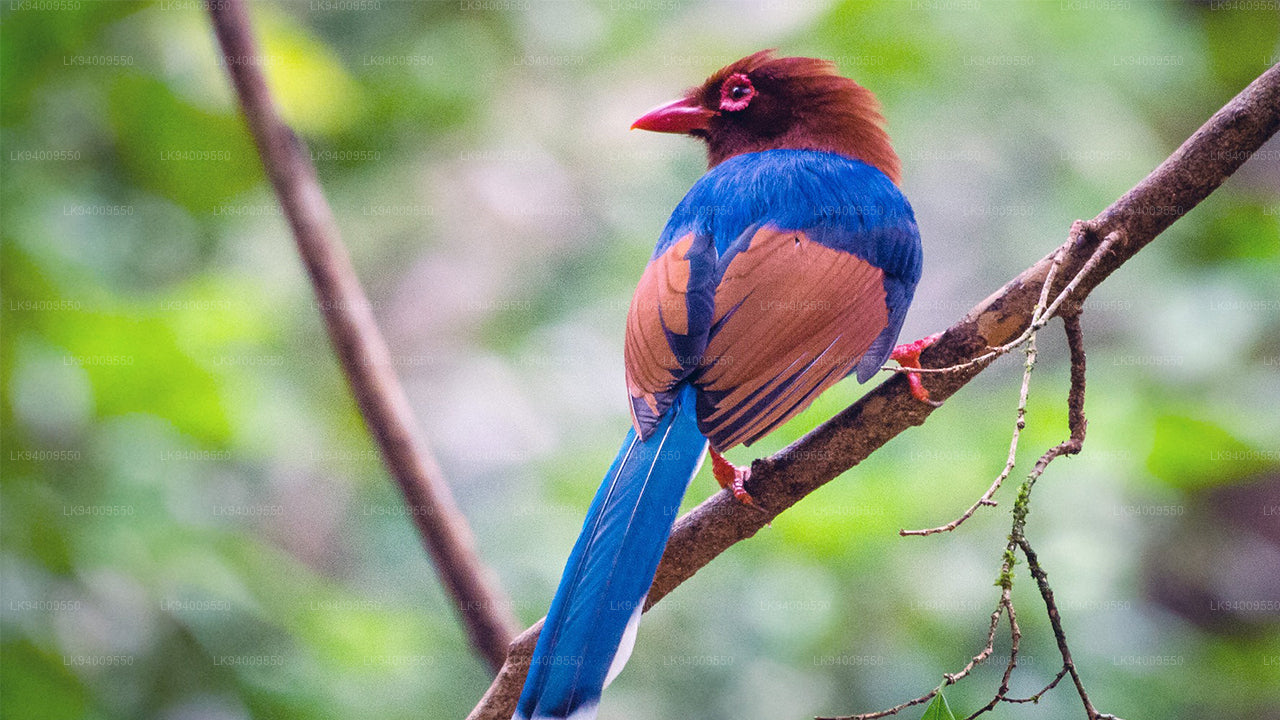
  • Sri Lanka Blue Magpie (Urocissa ornata): A near-unmistakable chestnut-and-blue corvid of wet-zone forests. Sinharaja is the most dependable site.
  • Sri Lanka Frogmouth (Batrachostomus moniliger): A cryptic nocturnal species that spends the day motionless on a branch, relying on camouflage. Patience and a local guide are essential.
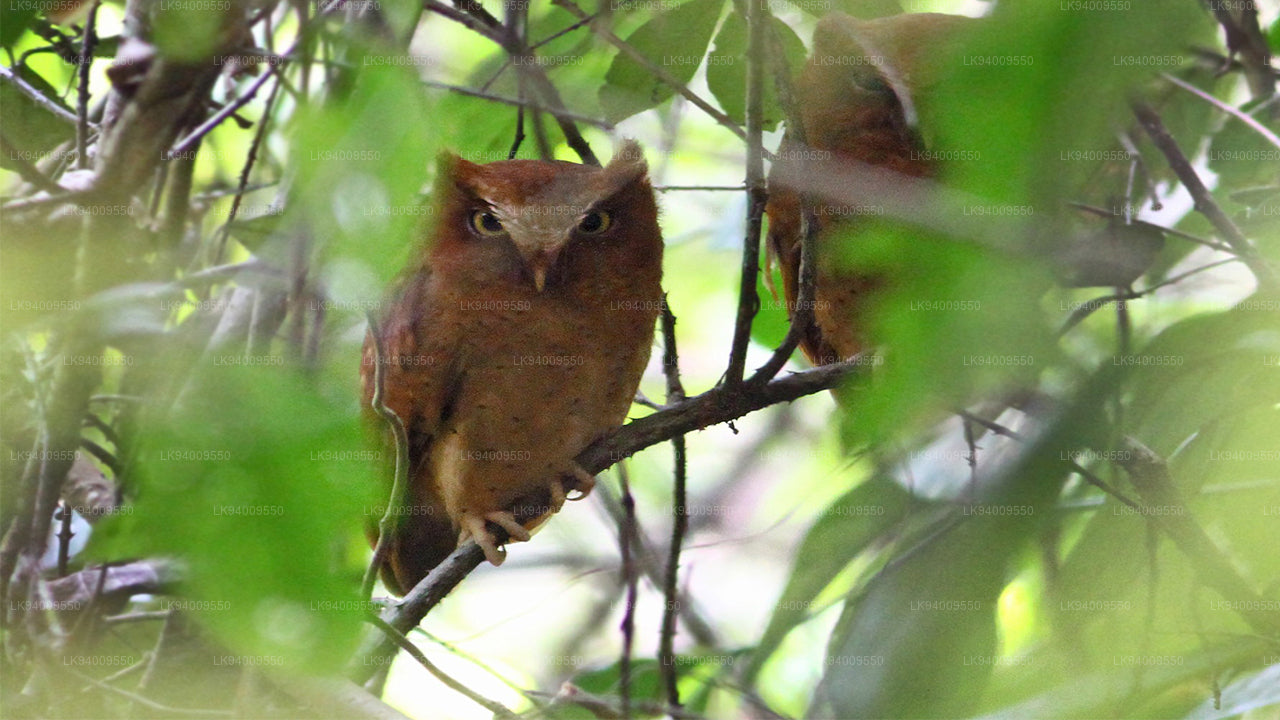
  • Serendib Scops Owl (Otus thilohoffmanni): Described as a new species only in 2004, this small owl of lowland rainforest was one of the most significant avian discoveries in the region in decades.
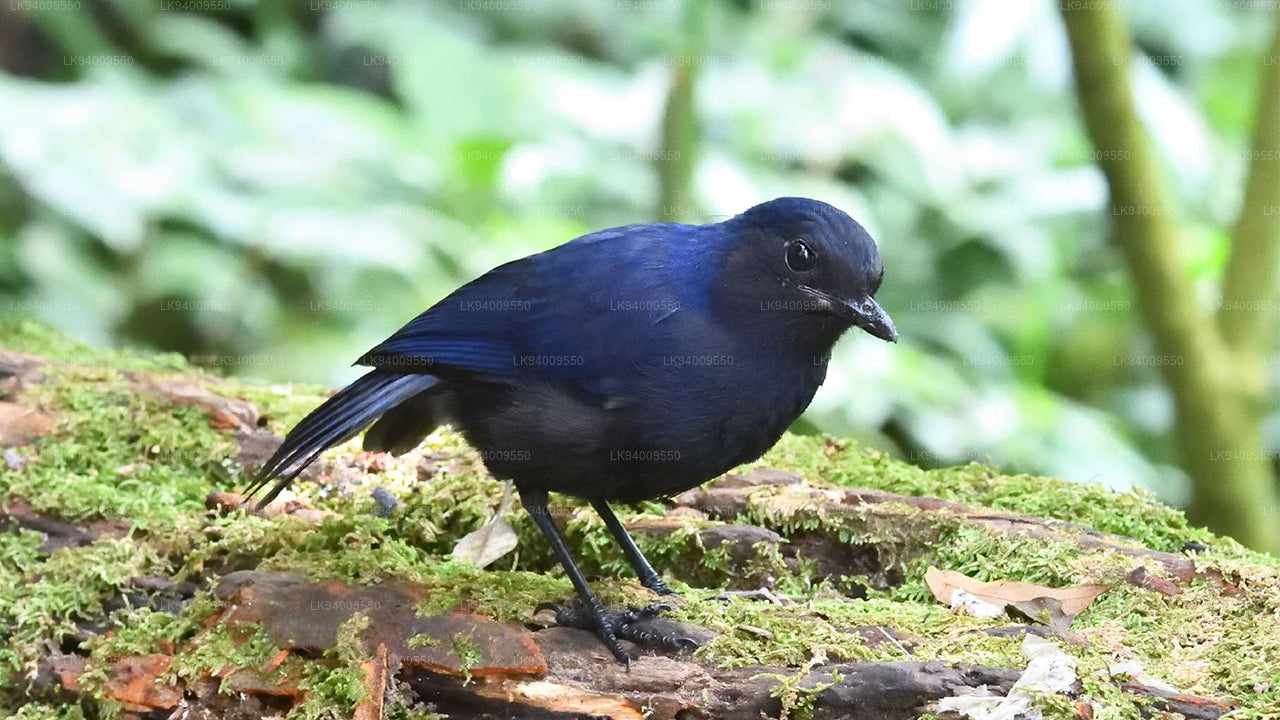
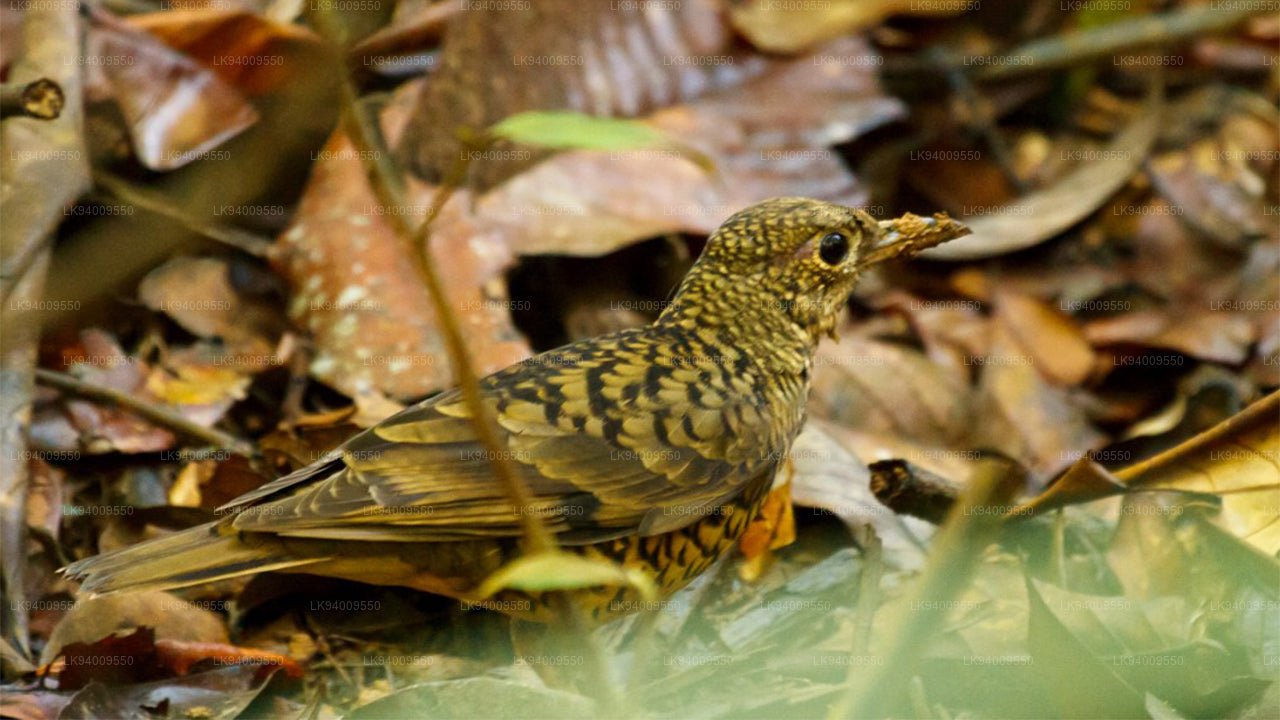
  • Sri Lanka Whistling Thrush (Myophonus blighi): A skulking, deep-blue thrush of fast-flowing highland streams. Horton Plains and the Adam's Peak wilderness zone are the main sites.
  • Red-faced Malkoha (Phaenicophaeus pyrrhocephalus): One of Sri Lanka's most visually striking birds — jet black with a vivid crimson face patch. Associated with dense wet-zone forest canopy.
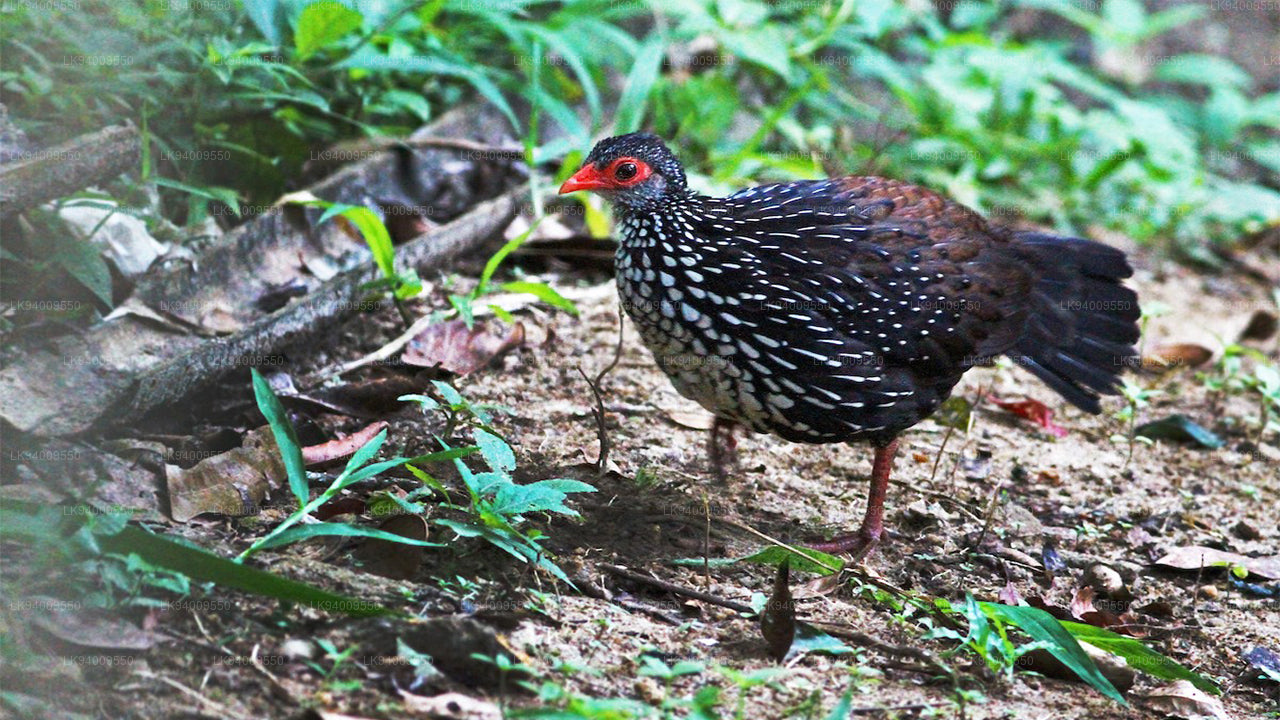
  • Sri Lanka Junglefowl (Gallus lafayettii): The national bird, found island-wide but most easily seen at forest edges in the dry zone and in Sinharaja.
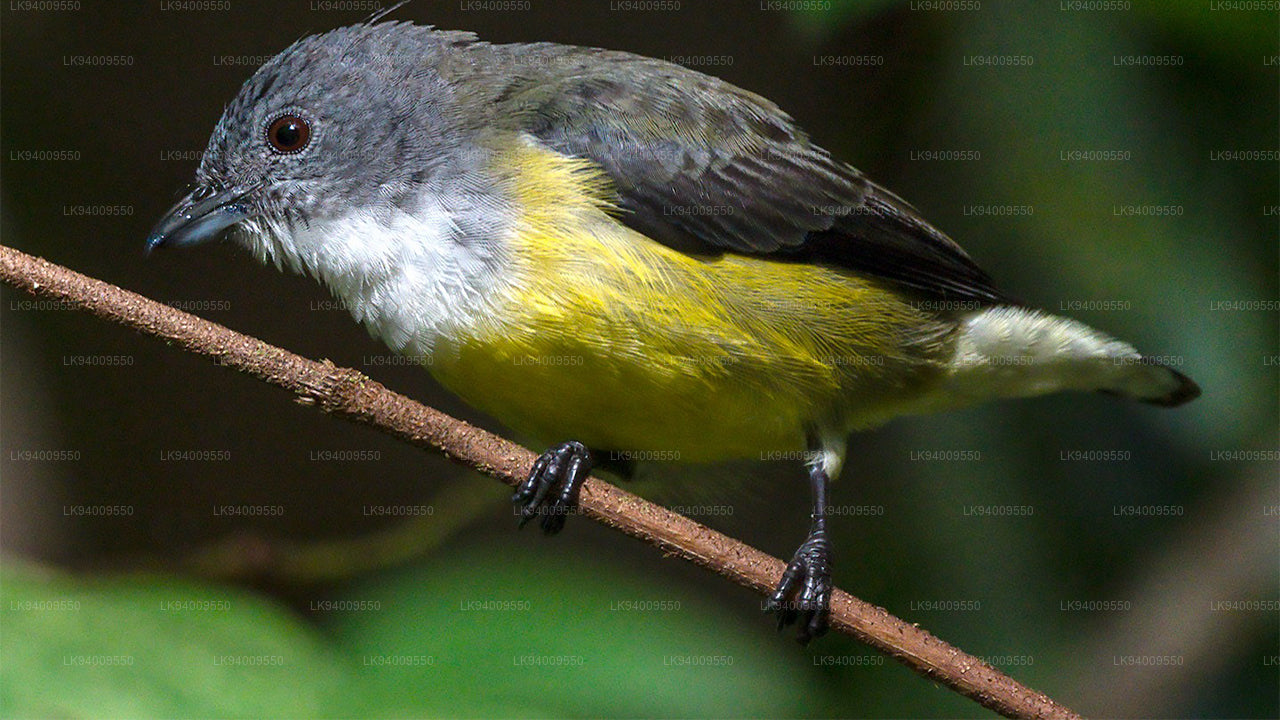
  • Legge's Flowerpecker (Dicaeum vincens): A tiny wet-zone endemic that is easily overlooked but common once the call is learned.

When is the best time to go birdwatching in Sri Lanka?

Sri Lanka's endemic species are resident year-round, so there is no single "wrong" month to visit from an endemic-birding perspective. That said, the timing of your trip significantly affects conditions on the ground.

  • December to April: The dry season in the south and west makes forest trails in Sinharaja and the hill country more accessible. This period also coincides with peak numbers of migratory species, adding variety to any outing.
  • May to September: The south-west monsoon brings heavy rain to the wet zone. Birding in Sinharaja becomes harder logistically, but the dry zone — including Wilpattu National Park in the north-west and Udawalawe National Park in the south — remains accessible and productive.
  • Year-round: The highlands and Horton Plains can be visited throughout the year. Morning hours before the cloud rolls in are consistently the most productive for highland endemics.

How should I plan a dedicated birding itinerary?

A well-planned Sri Lanka birding trip typically combines at least three distinct habitat zones to maximise the endemic tally. A two-week circuit — covering the wet lowlands (Sinharaja, Kitulgala), the central highlands (Horton Plains, Nuwara Eliya), and the dry zone (Yala, Udawalawe) — gives a competent birder a realistic chance of seeing 25 or more endemics. Shorter visits of six to eight days focusing on Sinharaja and the highlands alone can yield 15 to 20 endemics for a committed observer.

Local specialist guides make a significant difference. They know the territories of scarcer species and, critically, the contact calls that betray species hidden in the understorey. Night excursions with a guide are the only reliable way to find the Serendib Scops Owl and Sri Lanka Frogmouth.

Are there good birding resources to prepare for a trip?

Several field guides and illustrated references cover Sri Lanka's avifauna in detail. Gehan de Silva Wijeyeratne's work is widely regarded as the standard reference for visiting birders, covering both endemics and migrants with distribution maps and identification notes. For beginners, illustrated checklists and pictorial field guides provide an accessible entry point before arriving in the field. Lakpura stocks a selection of specialist titles, including illustrated guides to Sri Lanka's endemic species, which can be ordered before or during your trip.

What other wildlife might I encounter while birding?

Sri Lanka's forest and wetland habitats are shared by an impressive array of other fauna. Birders in Sinharaja often encounter purple-faced langurs, fishing cats, and endemic lizard species. In Udawalawe National Park, elephant herds are a near-certain sighting alongside resident waterbirds. The Ella area and surrounding mid-country forests offer a gentler introduction to Sri Lanka's wildlife alongside birding, with accessible walking terrain and a strong resident community of montane endemics.

Book this experience with Lakpura

Curated by our local team. Direct booking, instant confirmation.

Ask Lakpura® Agent