डेमोदारा


डेमोडारा एक छोटा लेकिन चित्रमय शहर है जो बदुल्ला जिले में, उवा प्रांत, श्री लंका में स्थित है। अपनी सुंदर प्राकृतिक छटा और समृद्ध इतिहास के लिए प्रसिद्ध, डेमोडारा एक छुपा हुआ रत्न है जो प्रकृति और पारंपरिक श्रीलंकाई संस्कृति में एक शांतिपूर्ण पलायन प्रदान करता है।
डेमोडारा की सबसे प्रसिद्ध आकर्षणों में से एक है नाइन आर्च ब्रिज। यह विशाल रेलवे ब्रिज, जो ब्रिटिश उपनिवेशकालीन अवधि में बनाया गया था, एक इंजीनियरिंग का चमत्कार है। इसे पूरी तरह से ईंटों, पत्थरों और सीमेंट से बिना स्टील का उपयोग किए बनाया गया था, और यह ब्रिज लगभग 300 फीट लंबा और करीब 80 फीट ऊंचा है। यह हरियाली और चाय बागानों से घिरी पहाड़ियों के बीच एक अद्भुत दृश्य प्रस्तुत करता है। यह ब्रिज न केवल फोटोग्राफरों और पर्यटकों के लिए एक लोकप्रिय स्थान है, बल्कि यह एक सक्रिय रेलवे ट्रैक के रूप में कार्य करता है, जिससे ट्रेनें जब उस पर से गुजरती हैं तो यह एक रोमांचक अनुभव बन जाता है।
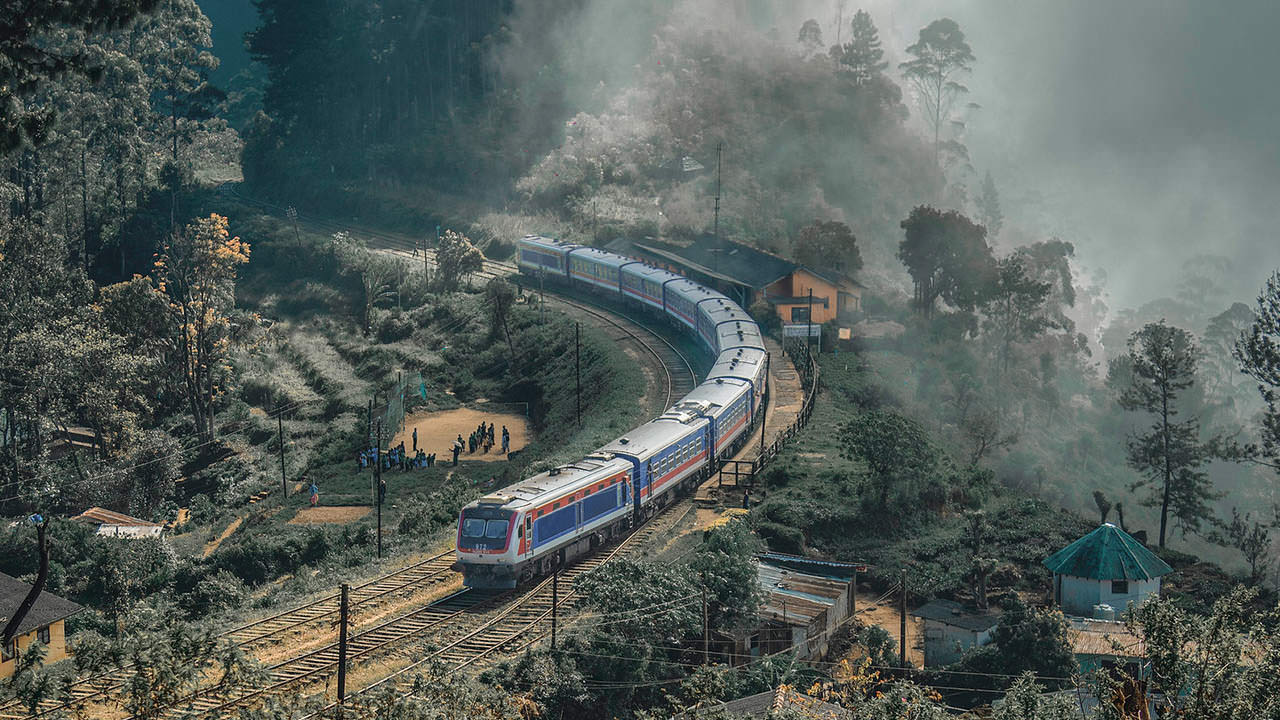
नाइन आर्च ब्रिज के पास ही डेमोडारा लूप है, एक और इंजीनियरिंग का चमत्कार, जहां रेलवे लाइन खुद को लूप बनाकर डेमोडारा स्टेशन के नीचे एक सुरंग से गुजरती है। यह लूप अद्वितीय है क्योंकि स्टेशन सुरंग के ठीक ऊपर स्थित है — यह डिज़ाइन क्षेत्र की खड़ी ढलानों और ट्रेनों के लिए एक प्रबंधनीय ढलान बनाए रखने की आवश्यकता के कारण आवश्यक था।
स्वयं शहर रोलिंग पहाड़ियों और चाय बगानों से घिरा हुआ है, जो हाइकिंग और अन्वेषण के अवसर प्रदान करता है। आगंतुक चाय के बगानों में घूम सकते हैं, चाय उत्पादन के बारे में जान सकते हैं और ताजे सीलोन चाय का स्वाद सीधे स्रोत से ले सकते हैं। ठंडा जलवायु और शांति से भरा वातावरण डेमोडारा को विश्राम और पुनः ऊर्जा पाने के लिए आदर्श स्थान बनाते हैं।
डेमोडारा में सांस्कृतिक अनुभवों में स्थानीय गांवों की यात्रा करना और समुदाय से संपर्क करना शामिल है, जहाँ मेहमान स्थानीय लोगों के दैनिक जीवन में पूरी तरह से घुल-मिल सकते हैं और उनकी परंपराओं और रीति-रिवाजों को समझ सकते हैं।
कुल मिलाकर, डेमोडारा केवल एक दृश्यात्मक सुंदरता और वास्तुशिल्प रुचि का स्थान नहीं है, बल्कि यह श्री लंका की प्राकृतिक और सांस्कृतिक धरोहर में गहरी छानबीन करने का एक स्थान है। चाहे वह हरी-भरी हरियाली में चलना हो, इंजीनियरिंग के अद्भुत कार्यों को देखना हो या श्रीलंकाई मेहमाननवाजी का अनुभव करना हो, डेमोडारा सभी आगंतुकों के लिए एक समग्र और समृद्ध अनुभव प्रदान करता है।


Special places in Badulla
-
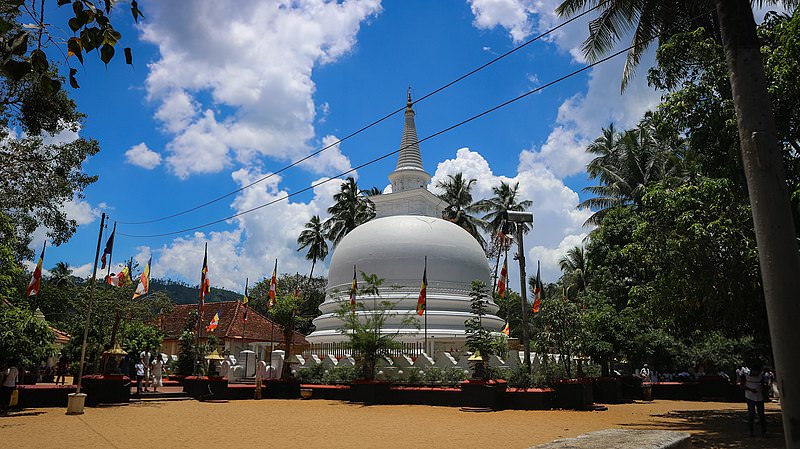 Muthiyangana Raja Maha Vihara
Muthiyanganaya Raja Maha Viharaya lies in the centre of the city of Badulla. The History of this temple goes back to the time of Buddha but this area around Badulla goes way back in to the time of 19th -18th century BCE.
-
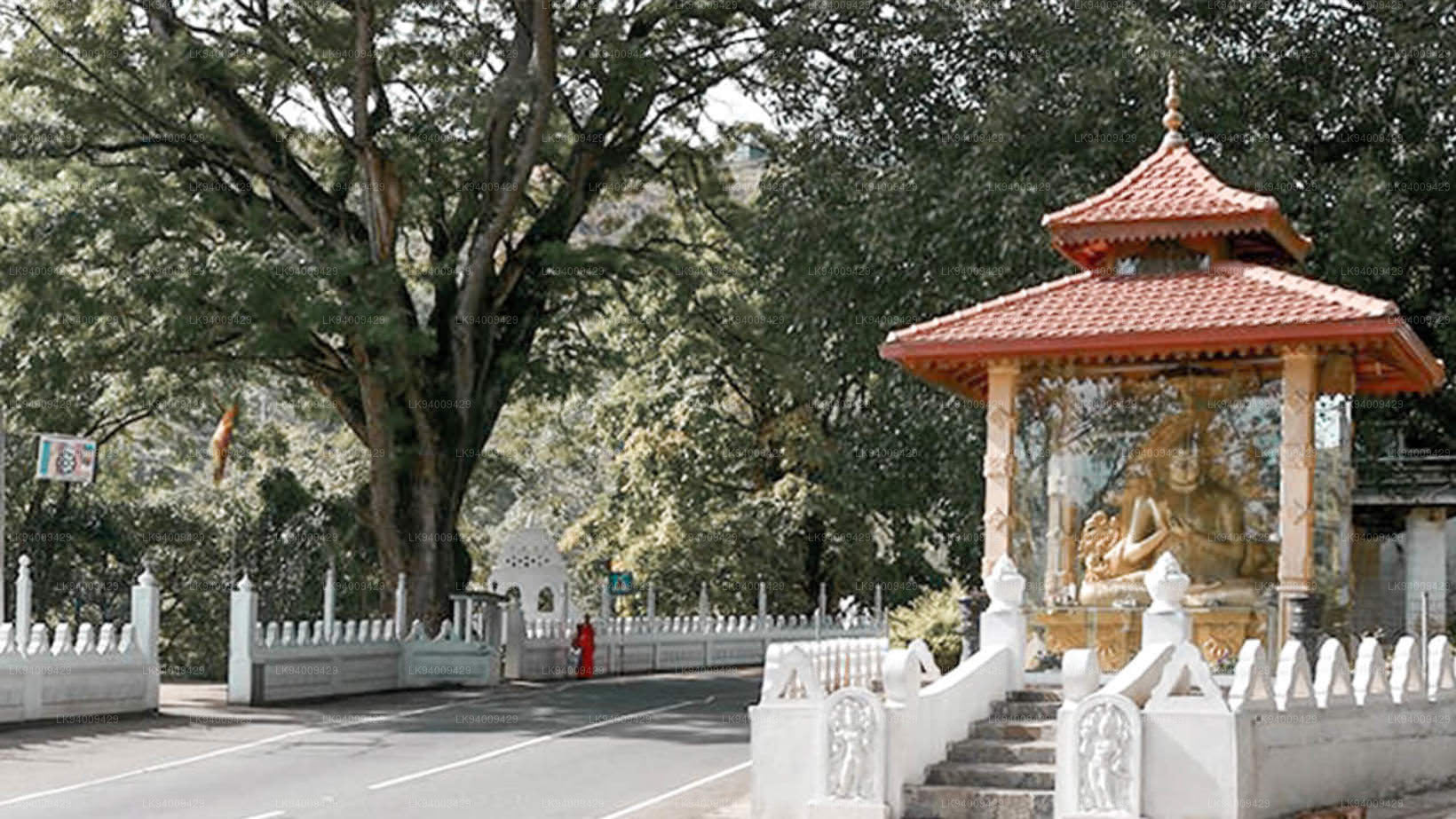 Dowa Raja Maha Viharaya
Dowa Raja Maha Viharaya (Dowa Cape Temple) lies few kilometres away from the Bandarawela town on the Bandarawela – Badulla Road. This temple is thought to be done by King Walagamba in the in first century BC.
-
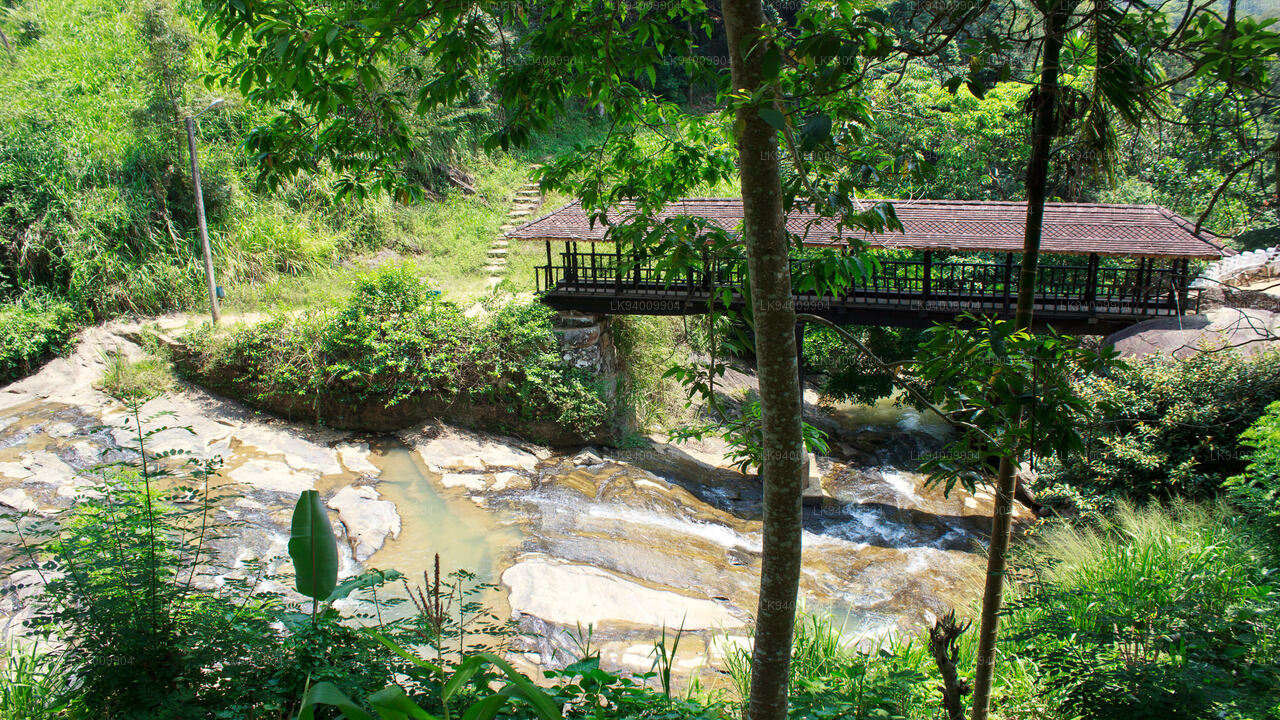 Bogoda Wooden Bridge
The Bogoda Wooden Bridge was built in the 16th century during the Dambadeniya era. This is said to be the oldest surviving wooden bridge in Sri Lanka. The bridge is situated at 7 kilometres (4.3 mi) west of Badulla.
-
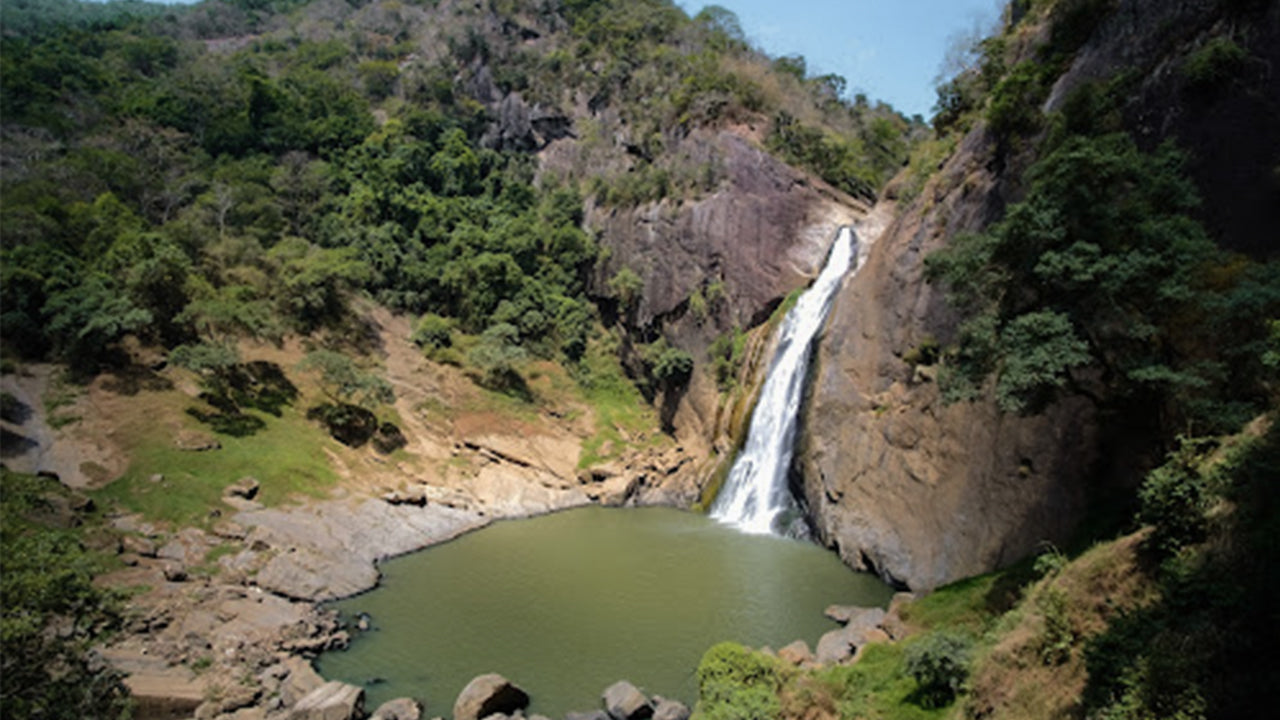 Dunhinda Falls
Dunhinda Falls is situated about 5 km away from Badulla town. It is 63 meters high and is considered to be one of the most beautiful waterfalls in Sri Lanka. The falls gets its name dew to the smoky dew drops spray.