Kandy City
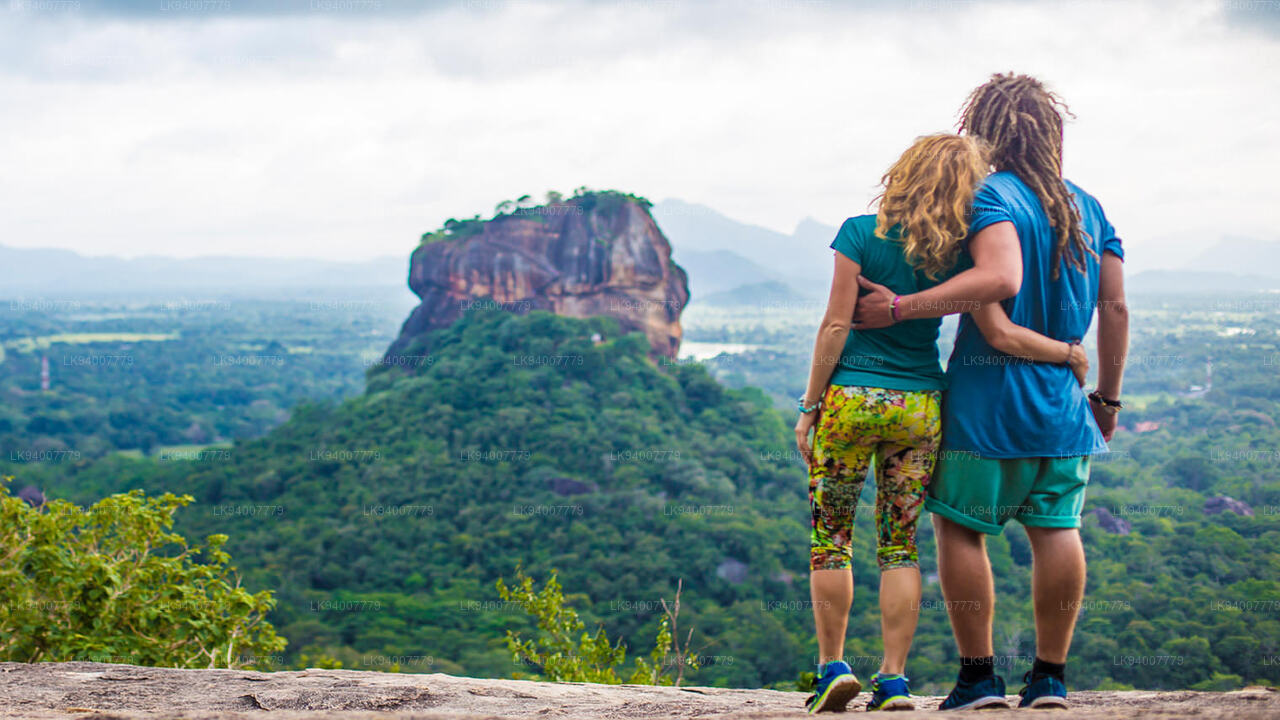
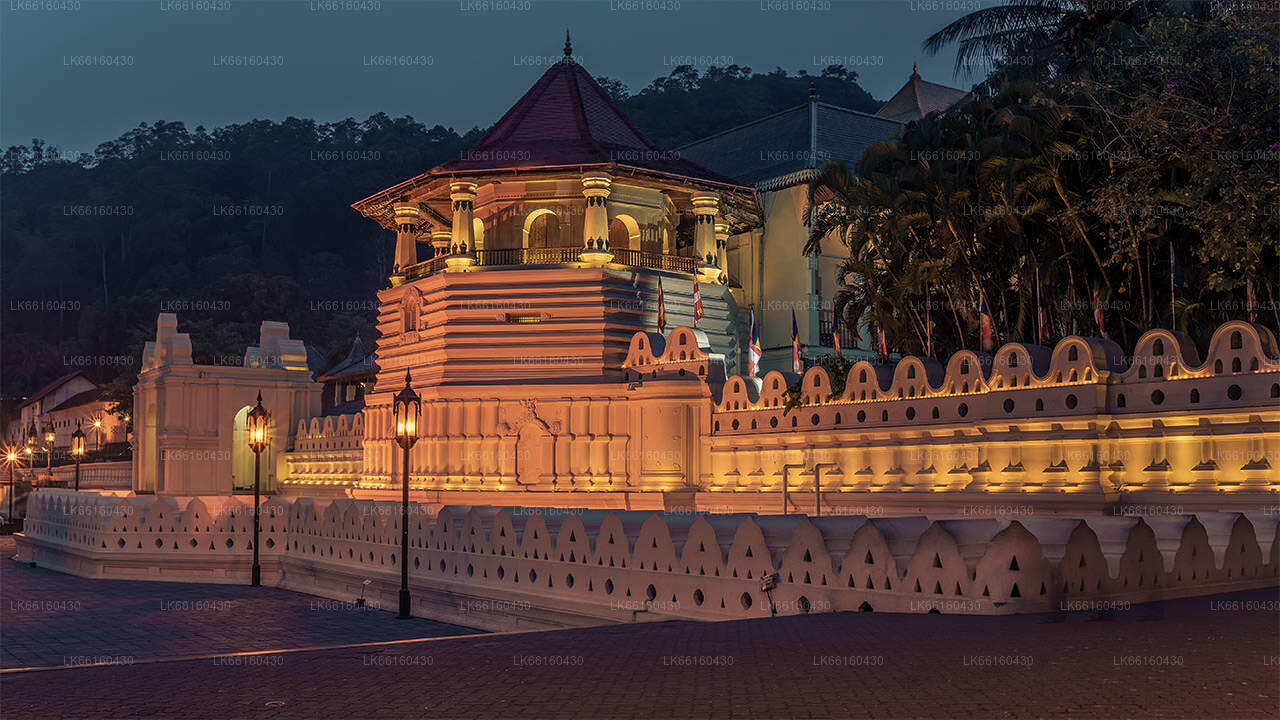
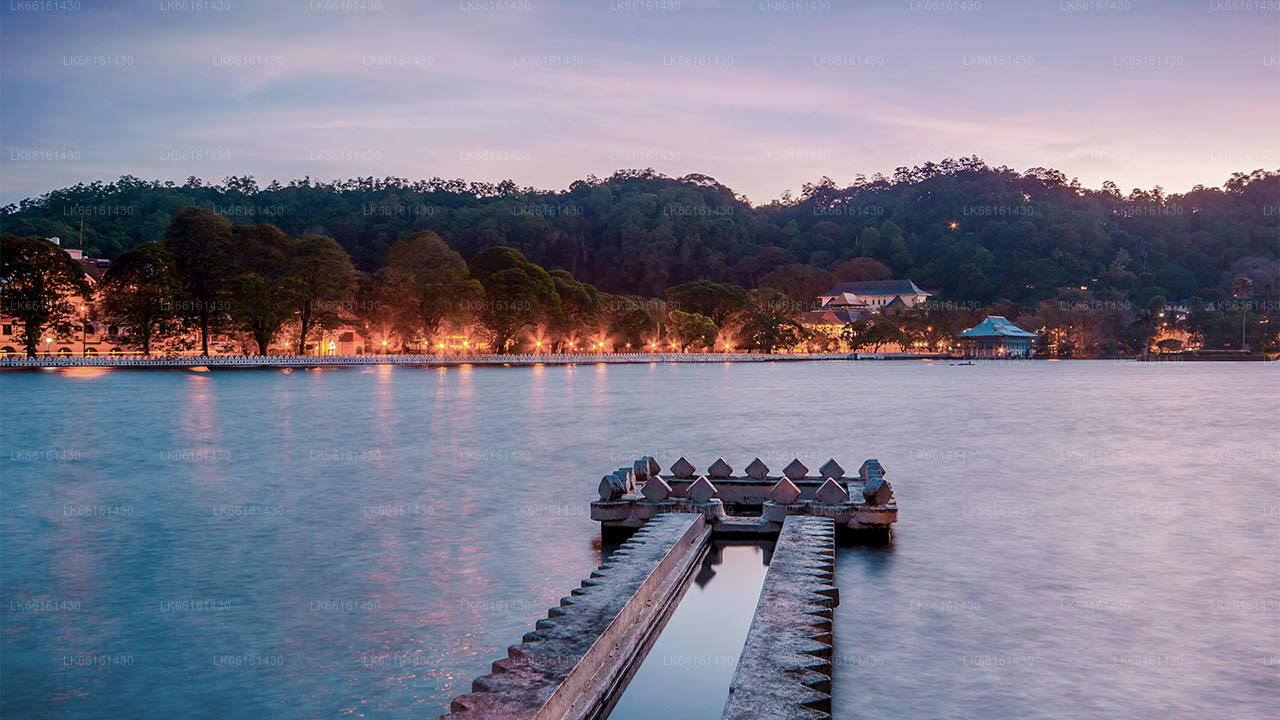
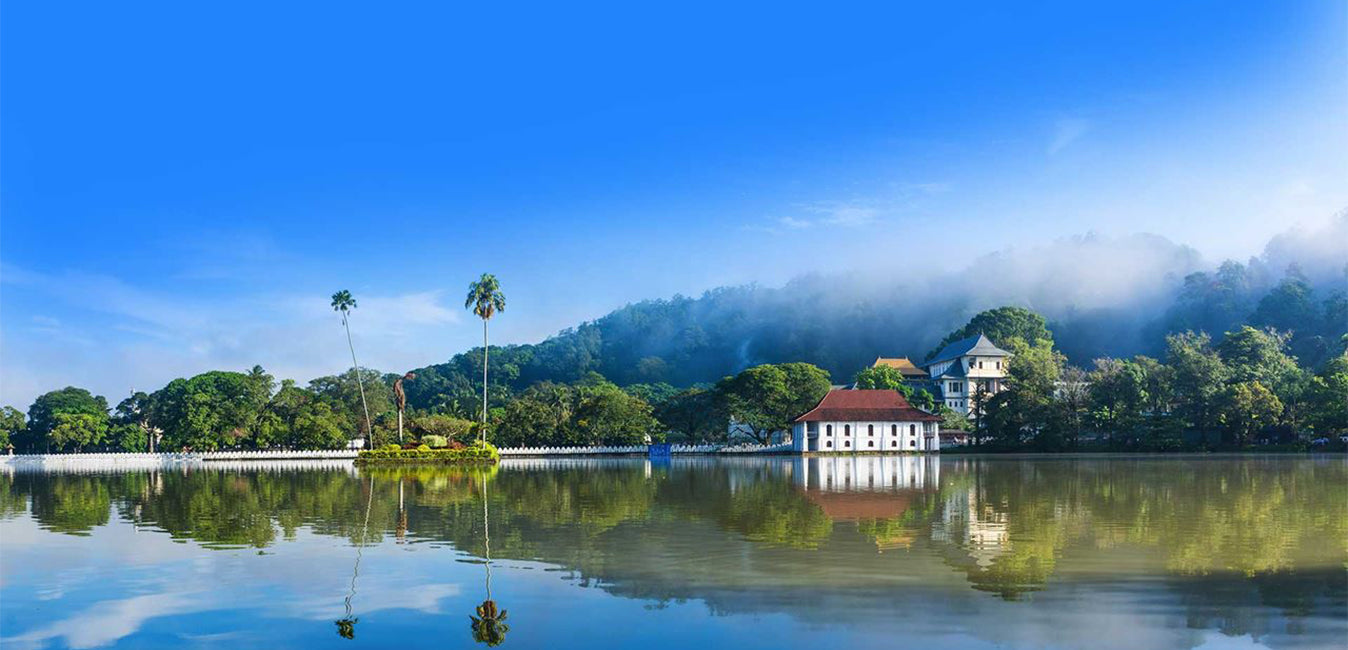
Kandy, a picturesque city in central Sri Lanka, is renowned for its rich cultural heritage, vibrant festivals, and scenic beauty. Nestled amidst lush hills, it is home to the Temple of the Tooth Relic, a UNESCO World Heritage Site, and offers a captivating blend of history and natural splendor.
Gadaladeniya Viharaya
Le temple Gadaladeniya à Sri Lanka est un ancien monastère construit sur un rocher à Diggala, dans le district de Kandy. Selon une inscription gravée dans les murs, le temple a été construit en 1344 après J.-C. par le roi Buwanekabaghu IV. Le temple a été conçu par l'architecte sud-indien Ganesvarachchari dans un style similaire à l'architecture sud-indienne.
Points forts du temple Gadaladeniya :
- La salle principale du sanctuaire abrite une grande statue de Bouddha assis sous un Makara Thorana (arc dragon) et quatre statues de Bouddha debout.
- La statue principale de Bouddha assis a été sculptée dans la roche, puis recouverte de plâtre et peinte en or.
- Le Makara Thorana est décoré de dieux et de corps célestes.
- Les murs et les colonnes sont tous sculptés dans le véritable style sud-indien, avec des éléphants, des danseurs et d'autres figures.
- La chambre à l'intérieur de la coupole contient une image de Bouddha qui a été détruite par les Portugais.
- Le sanctuaire voisin du sanctuaire principal est dédié au dieu Vishnu, et à côté du temple de Vishnu se trouve une grande stupa construite sur la roche par le roi Parakramabágus V.
- Cette grande stupa principale possède un toit soutenu par quatre colonnes et quatre stupas plus petits l'entourent dans les quatre directions cardinales. Chaque stupa plus petit possède une salle de sanctuaire et un piédestal de fleurs. Cette structure est connue sous le nom de Vijayothpaya ou Vijayantha Prasana, nommée d'après le palais du dieu Indra.
- Après avoir souffert de l'abandon pendant plusieurs siècles, le temple a été remis à un prêtre bouddhiste par le roi Viraparakrama Narendrasinha au XVIIIe siècle et est resté sous la direction du monastère depuis lors.
- Le temple était à l'origine connu sous le nom de Dharma Keerthi Vihara selon l'inscription sur le mur et n'a reçu le nom de Gadaladeniya qu'en raison du village du même nom où il est situé.
- D'autres noms pour Gadaladeniya sont "Saddharmathilake" et "Saddharmalankaraya".
About Kandy District
Kandy district is situated in the centrel province of Sri Lanka. One of the seven World Heritage Sites in Sri Lanka, Kandy was once home to the Kandyan Kings of yore in the 16th-century and a fountainhead for all the music, arts, crafts and culture in the country. About 129 km away from Colombo, Kandy is ensconced amongst a hilly terrain and all eyes are drawn to the centre of the city, where the Kandy Lake forms a charming feature. Kandy retains great religious significance for Sri Lanka, because it is in this charming city that the Dalada Maligawa or "Temple of the Tooth" is located, within which the sacred tooth relic of Lord Buddha lies well guarded.
The Royal Botanical Garden, Peradeniya is situated about 5 km to the west of the city centre at Peradeniya and is visited by 1.2 million people per year. It is the largest botanical garden on the island. The Udawatta Kele (Udawatta Forest) is a protected sanctuary situated in the heart of the city, just north of Temple of the Tooth.
Kandy is a Sinhala majority city; there are sizeable communities belonging to other ethnic groups, such as Moors and Tamils. Kandy is second only to Colombo the center of the Sri Lankan Economy. Many major co operations have large branch officers in Kandy and many industries include textiles, furniture, Information Technology and jewellery are found here. Many agriculture research centers are located in the city.
And a fountainhead for all the music, arts, crafts and culture in the country. About 129 km away from Colombo, Kandy is ensconced amongst a hilly terrain and all eyes are drawn to the centre of the city, where the Kandy Lake forms a charming feature. Kandy retains great religious significance for Sri Lanka , because it is in this charming city that the Dalada Maligawa or Temple of the Toothis located, within which the sacred tooth relic of Lord Buddha lies well guarded.
About Central Provincce
The Central Province of Sri Lanka consists primarily of mountainous terrain. The province has an area of 5,674 km², and a population of 2,421,148. Some major towns include Kandy, Gampola (24,730), Nuwara Eliya and Bandarawela. The population is a mixture of Sinhalese, Tamil and the Moors.
Both the hill capital Kandy and the city of Nuwara Eliya are located within the Central Province as well as Sri Pada. The province produces much of the famous Ceylon tea, planted by the British in the 1860s after a devastating disease killed all the coffee plantations in the province. Central Province attracts many tourists, with hill station towns such as Kandy, Gampola, Hatton and Nuwara Eliya. Temple tooth or Dalada maligawa is the main sacred place in Centrel province.
The climate is cool, and many areas about 1500 meters often have chilly nights. The western slopes are very wet, some places having almost 7000 mm of rain per year. The eastern slopes are parts of the mid-dry zone as it is receiving rain only from North-Eastern monsoon. The Temperatures range from 24°C at Kandy to just 16°C in Nuwara Eliya, which is located 1,889 m above sea level. The highest mountains in Sri Lanka are located in the Central Province. The terrain is mostly mountainous, with deep valleys cutting into it. The two main mountain regions are the central massif and the Knuckles range to the east of Kandy.