Lakpura
Lakpura®

Sailing

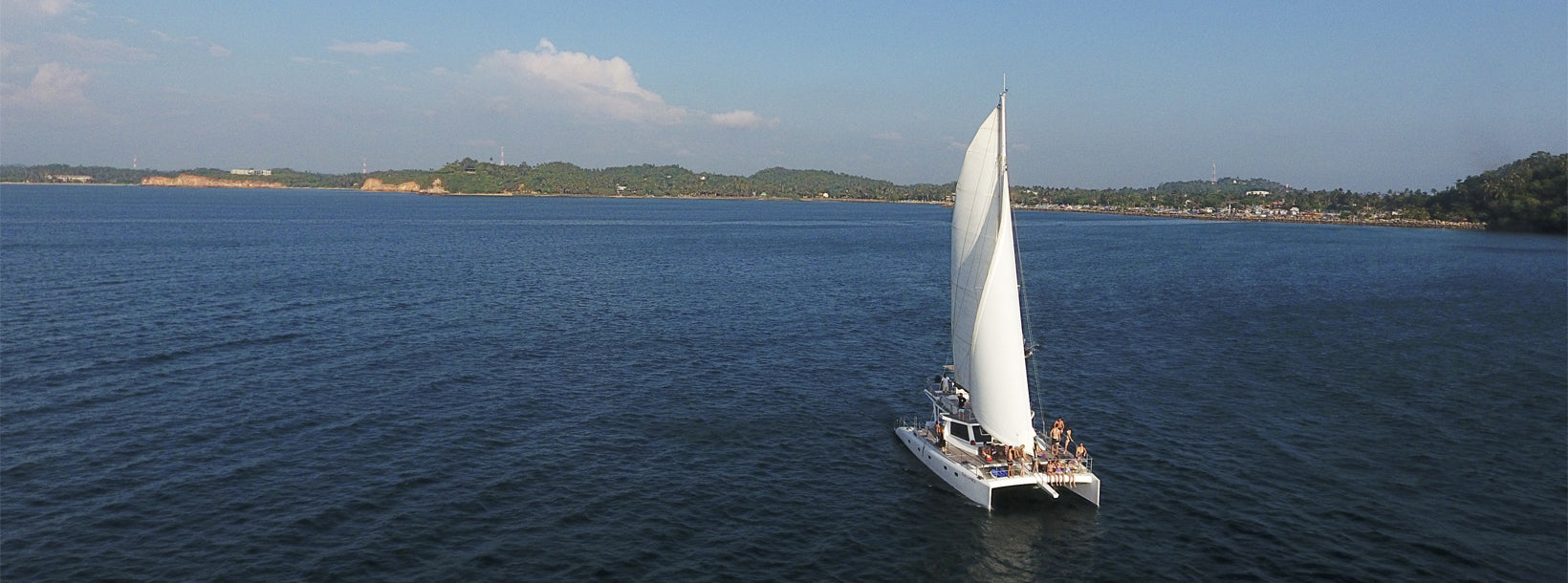
Sri Lanka sits at a natural crossroads of the Indian Ocean, ringed by roughly 1,600 kilometres of coastline. That geography makes it genuinely well-suited for sailing — not as a novelty activity bolted onto a beach holiday, but as a primary way to experience the island. Calm lagoons, open-ocean passages, historic harbours, and reef-fringed anchorages are all within reach, depending on the season and the coast you choose.

Which coast is best for sailing in Sri Lanka?

Sri Lanka's coastal conditions split cleanly between two monsoon systems, which means the right coast depends almost entirely on when you travel.

  • West and south coasts (Colombo, Bentota, Galle, Mirissa): The drier, calmer window runs from November through April. Winds are moderate and consistent, seas are generally settled, and visibility underwater is at its best — making these coasts ideal for combined sailing and snorkelling itineraries.
  • East coast (Trincomalee, Pasikuda, Batticaloa): The east comes into its own between May and October, when the southwest monsoon batters the opposite coast but the Bay of Bengal side remains clear and navigable. Trincomalee harbour is one of the finest natural deep-water anchorages in Asia.
  • North (Jaffna and the Palk Strait): Less commonly visited by leisure sailors, but the shallow, clear waters around the Jaffna peninsula and its string of outlying islands offer distinctive sailing in a historically rich setting. Conditions are generally favourable between January and April.

Transitional months — October and May — can be unpredictable on either coast. Experienced skippers plan around them; beginners should aim for the settled mid-season windows.

What sailing experiences are available in Sri Lanka?

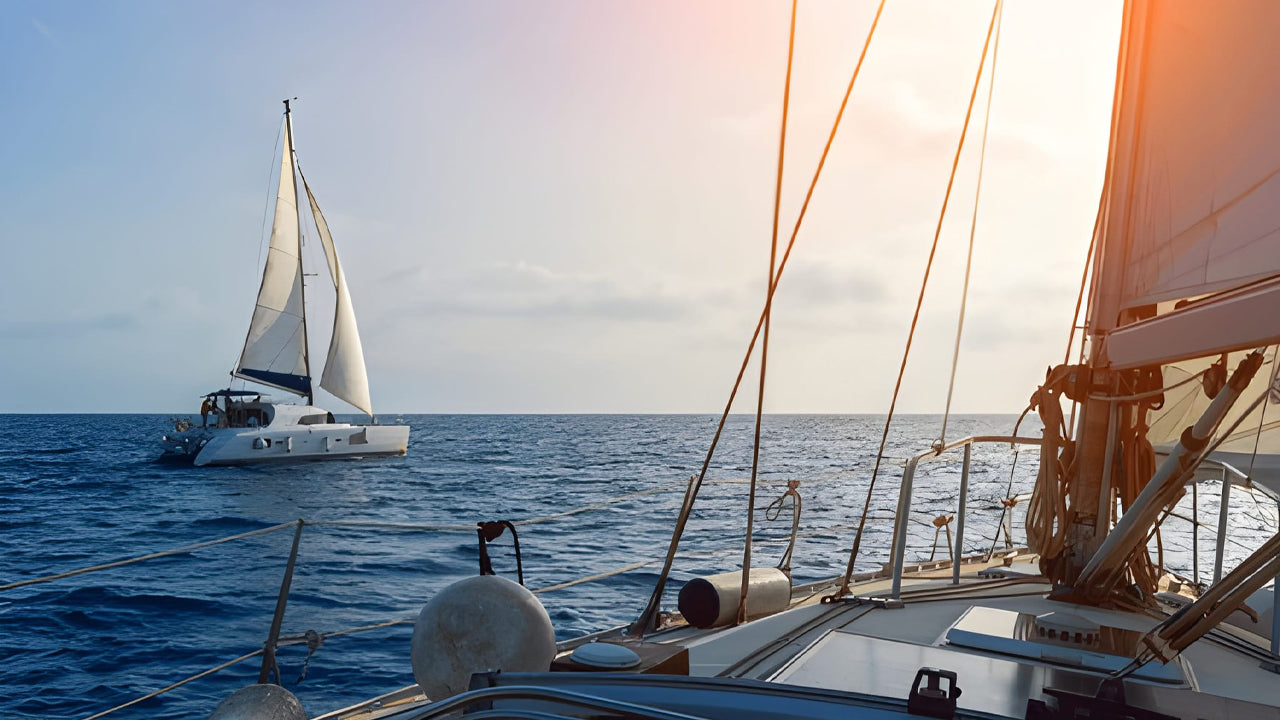
The range spans from a two-hour catamaran cruise to a multi-day liveaboard passage — and most points in between.

  • Day sails and sunset cruises: The most accessible option, typically departing from Bentota, Galle, Mirissa, or Colombo. A catamaran or monohull takes passengers along the coast, often with a snorkelling stop included. Durations run from two to six hours.
  • Overnight and liveaboard charters: Sleeping aboard and waking at a new anchorage is the experience most dedicated sailors travel for. Mirissa and Trincomalee both have operators running overnight passages, with itineraries that can extend to three or four nights depending on the vessel.
  • Private yacht charters: Fully crewed private yachts offer the most flexibility — you set the pace, the route, and the stops. Colombo is the most practical base for a private charter, given its infrastructure and the variety of coastal passages reachable within a day's sail.
  • Sailing with whale watching: The waters south of Mirissa sit on one of the world's more reliable blue whale corridors during the winter months. Some sailing itineraries are specifically structured around early-morning whale-watch passes before the wind fills in.
  • Lagoon and river sailing: For calmer, more sheltered water, the Madu River Safari and the Madu Ganga wetlands near Balapitiya offer a different kind of boat-based exploration — low-powered but visually rich, threading through mangrove channels and small islands.

Where are the best sailing bases in Sri Lanka?

Choosing the right departure point shapes the entire itinerary.

Base Best season Typical sailing style
Colombo Nov – Apr Day sails, private charters, coastal passages south to Galle
Galle Nov – Apr Day sails from the historic harbour, catamaran excursions
Mirissa Nov – Apr Overnight cruises, whale-watching sails, snorkelling passages
Trincomalee May – Oct Bay sailing, dolphin and whale encounters, Pigeon Island day trips
Pasikuda May – Oct Sheltered bay sailing, overnight cruises
Jaffna Jan – Apr Island-hopping among the Jaffna archipelago

What marine life can you see while sailing in Sri Lanka?

Sri Lanka's waters are productive year-round, though what you encounter depends on where and when you sail. Blue whales and sperm whales pass through the Mirissa channel between December and April. Spinner dolphins are common off both coasts and will frequently bow-ride alongside a moving vessel. Flying fish are a near-constant companion on open-water passages.

Reef snorkelling from an anchored yacht yields different rewards: hawksbill and green turtles are reliably seen around Hikkaduwa and Pigeon Island, while the coral gardens off Trincomalee are among the most intact on the island. If deep-sea fishing interests you, the waters off the south coast hold yellowfin tuna, dorado, and wahoo during the right season — some sailing operators can rig lines while underway.

How experienced do I need to be to sail in Sri Lanka?

No prior experience is necessary for most of the experiences on offer. Day charters and crewed overnight trips are fully skippered — guests are passengers who can be as involved or as hands-off as they prefer. The crew handles all navigation, anchoring, and sail trim.

For those who want to take the helm, some operators offer basic instruction on shorter passages. Experienced sailors holding an RYA or equivalent qualification can enquire about bareboat or sail-assisted charters, though availability is limited compared with the Mediterranean or Caribbean. The majority of Lakpura sailing products are crewed, meaning your safety and itinerary are managed by professionals throughout.

What should I bring on a sailing trip in Sri Lanka?

Sri Lanka's tropical climate keeps conditions warm, but the open ocean adds a few practical considerations:

  • High-factor reef-safe sunscreen — UV exposure on the water is significantly higher than on land
  • A light windproof layer for evening passages or early morning whale-watch departures
  • Non-marking, soft-soled shoes for moving around the deck
  • Seasickness medication if you are prone — even calm-looking coastal water has a swell in transitional months
  • A dry bag for electronics, particularly on open-deck catamarans
  • Swimwear and a towel if snorkelling or swimming stops are included

How does sailing fit into a wider Sri Lanka itinerary?

The country's compact size works in sailors' favour. A three-night sailing passage from Mirissa can reasonably be combined with a visit to the Galle city tour before departure, or a wildlife drive at the end of the trip. Colombo-based charters connect naturally with the capital's sights. East-coast sailing from Trincomalee pairs well with cultural heritage along the North Central Province.

For travellers who want to balance time on the water with time on land, Lakpura builds itineraries that combine sailing segments with overland touring — so the sailing leg sits within a coherent journey rather than feeling like a standalone add-on.

Book this experience with Lakpura

Curated by our local team. Direct booking, instant confirmation.

Ask Lakpura® Agent