May is a month of transition in Sri Lanka. The southwest monsoon arrives — typically in late May — bringing heavy rain to the western, southern, and central regions while leaving the east coast largely dry and calm. For travellers willing to follow the weather, May rewards with lush green landscapes, quieter parks, and an east coast that opens up for diving, whale watching, and water sports.
What is the weather like in Sri Lanka in May?
The southwest monsoon usually reaches Sri Lanka around the last week of May, sweeping in from the Indian Ocean and drenching the southwestern lowlands, the hills, and the southern coast. Colombo, Galle, and the hill country receive increasing rainfall through the month. Temperatures on the west coast remain warm — typically in the low-to-mid 30s Celsius — but humidity rises sharply.
The east coast tells a different story. Cities like Trincomalee and Nilaveli experience their driest, sunniest stretch from May through September, making this the prime season for the east. Expect clear skies, calm seas, and pleasant heat along the eastern shoreline.
Which national parks are worth visiting in May?
Wildlife activity remains strong across much of the dry zone in May, and parks in the north-central and northern regions are particularly rewarding before the rains reach them.
- Wilpattu National Park: Sri Lanka's largest park stays accessible in May. Its signature villus — natural lakes surrounded by dense forest — attract leopards, sloth bears, and elephants. Visitor numbers are lower than in peak season, which means more space on the tracks.
- Minneriya National Park: The famous elephant gathering typically peaks from July onward, but smaller herds can still be seen in May as the reservoir draws wildlife from the surrounding forests.
- Hurulu Eco Park: A quieter alternative to the more commercial parks, Hurulu is a reliable spot for elephants and birdlife in May. Its size and relative obscurity make sightings feel genuinely wild.
Parks in the south and southwest — including Udawalawe National Park — may become more difficult to access as the month progresses and rain intensifies, though early May visits are generally still feasible.
Is May a good time for diving and snorkelling in Sri Lanka?
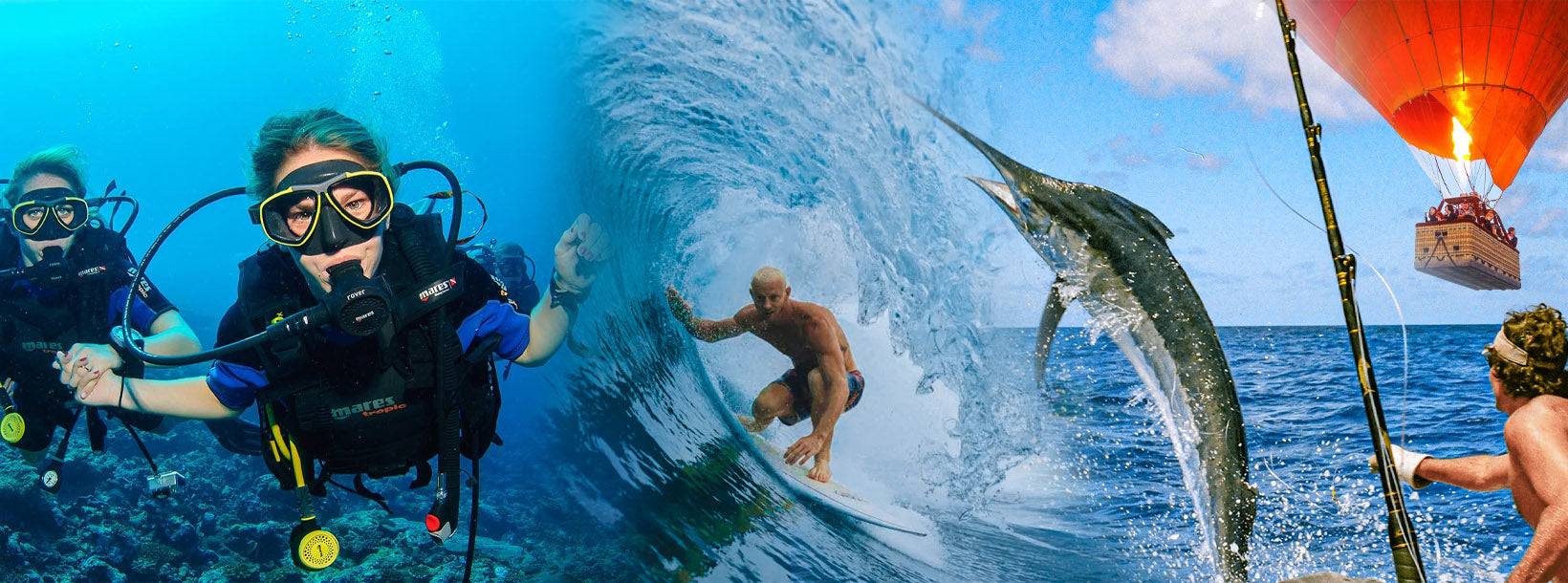
Yes — provided you focus on the east coast. As the southwest coast turns rough, the waters around Trincomalee and Nilaveli become exceptionally calm and clear. Visibility at popular dive sites frequently exceeds 20 metres.
Trincomalee's Swami Rock and the reefs around Pigeon Island are among the most rewarding dive locations in the country. Pigeon Island is one of Sri Lanka's two marine national parks and shelters blacktip reef sharks, sea turtles, and extensive hard coral formations. May marks the opening of the season here, and conditions tend to be excellent.
Snorkellers will find the shallower reefs around Nilaveli equally compelling, with calm water and good coral cover making for comfortable, unhurried sessions. Sea turtles are regularly encountered.
What is whale watching like in Trincomalee in May?
May is considered one of the best months for whale watching on the east coast. Blue whales and sperm whales move through the waters off Trincomalee as they follow their seasonal migration routes, and the calm sea state in May makes boat trips comfortable and sightings more predictable. Spinner dolphins are also regularly encountered on these tours, often riding the bow wave alongside the vessel.
Most whale watching operators depart from Trincomalee harbour in the early morning. Tours typically last three to four hours. Sightings are not guaranteed, but the combination of deep oceanic water close to shore and May's benign conditions gives this area a strong track record.
Can I go kitesurfing in Sri Lanka in May?
Kalpitiya, on Sri Lanka's northwest coast, is one of the country's most reliable kitesurfing destinations, and May marks the return of the southwest winds that power the sport here. The shallow, sheltered lagoon behind the Kalpitiya peninsula provides safe conditions for beginners learning on a discovery course, while experienced riders can venture onto the open water for longer runs. The season typically builds through May and peaks over the following months.
Where is the best deep-sea fishing in May?
The arrival of the monsoon closes the southwest coast to serious offshore fishing, but the east coast compensates generously. Trincomalee and Nilaveli both offer access to deep water within a manageable distance from shore. Deep-sea fishing trips in May target sailfish, barracuda, yellowfin tuna, and dorado. The calm conditions make the experience manageable even for those who are new to offshore angling.
Is hot-air ballooning possible in May?
Hot-air ballooning over the Cultural Triangle — Sigiriya, Dambulla, and Habarana — is weather-dependent, and May is marginal. Early in the month, before the monsoon establishes itself fully in the north-central region, conditions may still permit flights. By late May, the combination of increasing winds and cloud cover makes launches unreliable.
If a balloon flight over Sigiriya is a priority, book for early May and choose an operator with a clear cancellation policy. The hot-air ballooning season is generally more dependable from November through early April.
What cultural events or festivals take place in May in Sri Lanka?
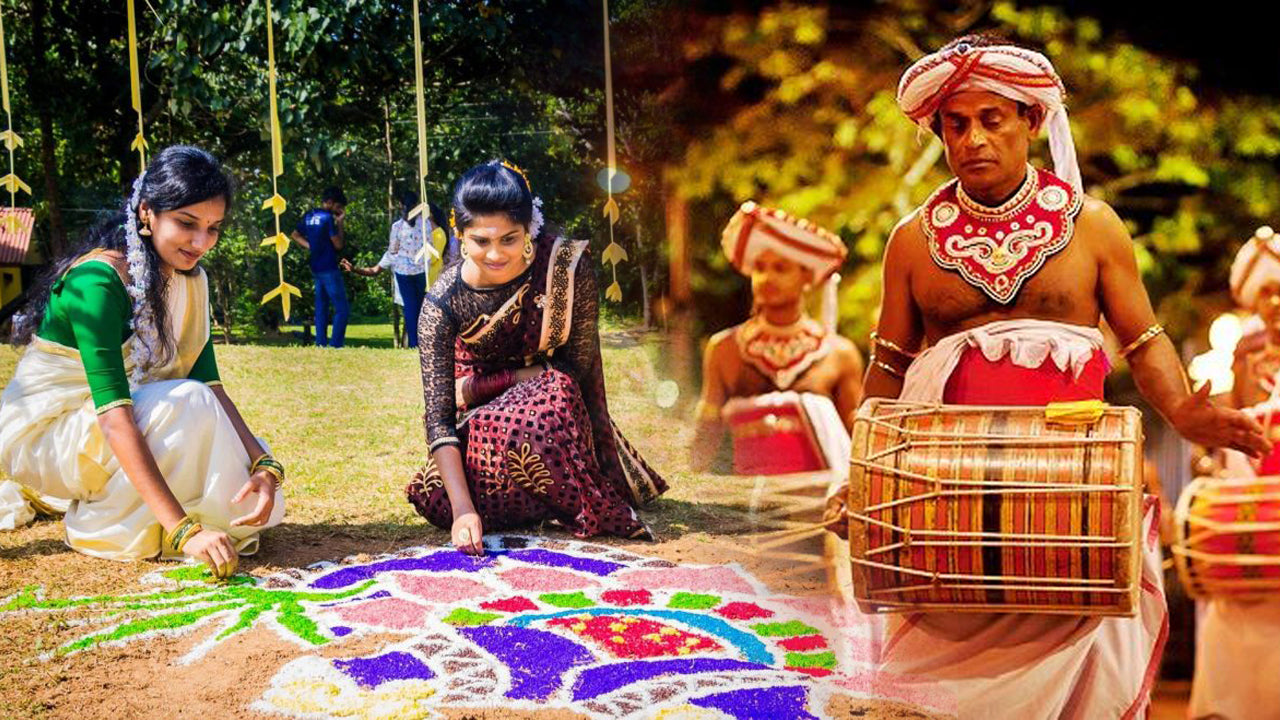
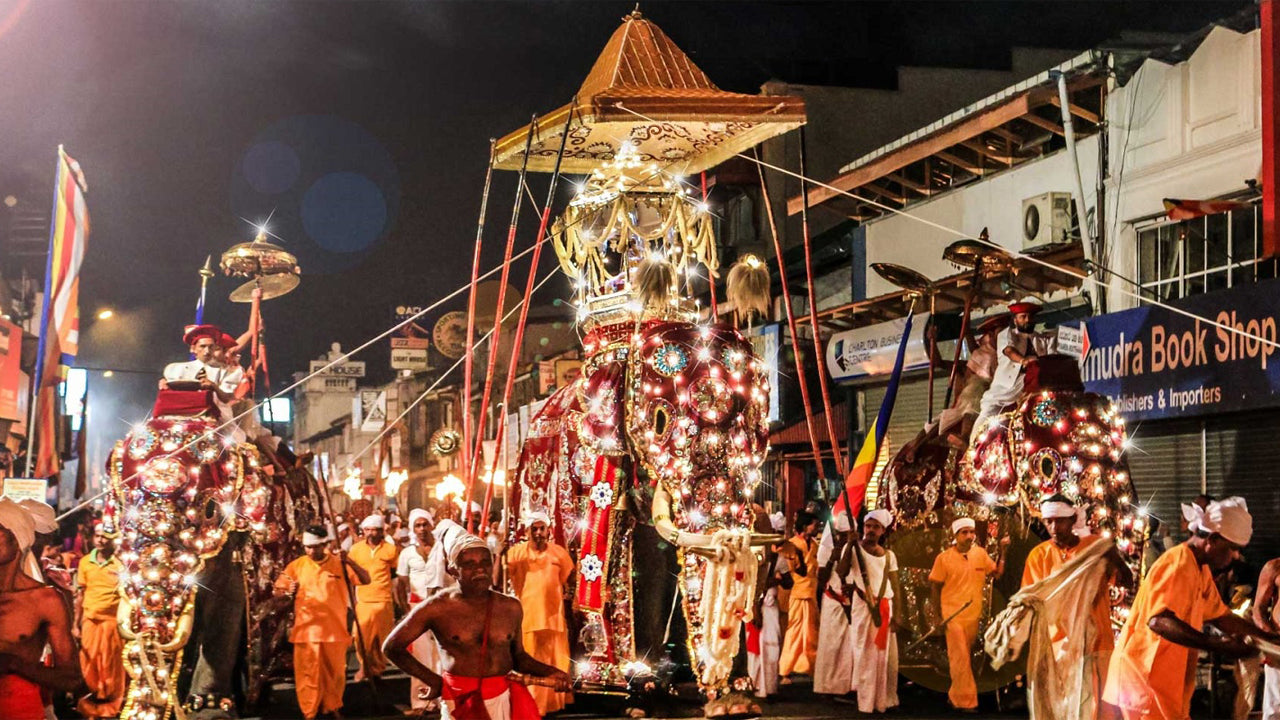
Vesak Poya, which falls on the full moon day in May, is the most significant Buddhist festival in Sri Lanka. It marks the birth, enlightenment, and passing of the Buddha and is observed island-wide with lanterns, dansalas (free food stalls), and illuminated pandols. Towns and villages throughout the country are decorated, and a genuinely festive atmosphere prevails even in areas that would otherwise feel quiet during the early monsoon.
Travellers should be aware that some businesses and attractions may have altered hours around Vesak, and alcohol is not served during full moon (poya) days.
Which parts of Sri Lanka should I avoid in May?
The southwestern coastline — including Hikkaduwa, Unawatuna, and Mirissa — becomes rough and unsuitable for swimming once the monsoon arrives. The hill country around Kandy and Nuwara Eliya receives heavy rain, which can cause landslides on mountain roads and reduce visibility significantly. Sinharaja Forest Reserve and other rainforest areas in the south become very wet, though birders may find this rewarding as forest activity increases.
None of these areas become entirely inaccessible in May, but travellers planning beach holidays or outdoor activities in the southwest should consider redirecting to the east coast for this month.
How should I structure an itinerary for May?
The most practical approach in May is to anchor your trip on the east coast. Trincomalee makes a logical base for whale watching, diving, fishing, and dolphin tours. Combine this with a mid-island section covering Sigiriya, Minneriya, and Polonnaruwa — all of which are in the dry zone and remain very accessible. Wilpattu in the northwest adds a safari dimension without requiring a southern detour into the monsoon belt.
A typical ten-day May itinerary might move: Colombo arrival — north-central cultural sites — Wilpattu safari — Kalpitiya (kitesurfing or dolphin watching) — Trincomalee (whale watching, diving) — return via Habarana.