Lakpura
Lakpura®

November

November sits at a pivotal point in Sri Lanka's weather calendar. The northeast monsoon arrives, bringing heavier rains to the north and east of the island, while the southwest coast and central highlands begin to dry out after months of their own wet season. The result is a tale of two coastlines: the west and south open for business as the east steps back. Understanding this split is the key to planning a November visit well.

What Is the Weather Like in Sri Lanka in November?

The northeast monsoon typically establishes itself across the Northern and Eastern provinces during November, bringing persistent rain and rough seas to Trincomalee, Batticaloa, and the Jaffna peninsula. Meanwhile, Colombo, Galle, Mirissa, and the hill country around Kandy and Ella see noticeably improving conditions as their own southwest monsoon retreats.

The central highlands can still experience afternoon showers through much of the month, so packing a light rain layer remains sensible. By late November, the southern and western coasts are often calm enough for beach activities and water sports.

Which National Parks Are Worth Visiting in November?

The southern and central parks benefit from the transition. Recent rains have refreshed the landscape, filling waterholes and keeping vegetation lush, which in turn draws wildlife into the open.

  • Yala National Park: One of the stronger months here. The park is green after earlier rains, leopards are active, and elephant herds move freely between water sources. Visitor numbers are still relatively modest compared to the peak December–March window.
  • Udawalawe National Park: Consistently excellent for elephant sightings year-round, and November is no exception. Large herds graze the open plains and congregate near the reservoir. The Elephant Transit Home nearby is open for visits and provides context for the park's conservation work.
  • Wilpattu National Park: Wilpattu sits on the northwest coast and may catch some of the northeast monsoon's edge. Safaris still run, however, and the dense forest backdrop makes leopard, sloth bear, and elephant sightings particularly atmospheric.
  • Bundala National Park: November is one of the best months for Bundala. Migratory waterbirds, including greater flamingos, begin arriving in significant numbers, making it a rewarding destination for birdwatchers.
  • Minneriya National Park: The famous "Gathering" of elephants, which peaks around August and September, is winding down by November, but smaller herds still gather around the tank. Worth combining with a Sigiriya visit if you are travelling through the Cultural Triangle.
  • Horton Plains National Park: The high plateau around World's End is cooler and can be misty in November, but visits are very manageable with an early morning start before cloud settles in.

What Water Sports and Coastal Activities Are Possible in November?

The western and southern coasts are the focus for water-based activities this month. Conditions improve progressively through November, with the final weeks often feeling genuinely settled.

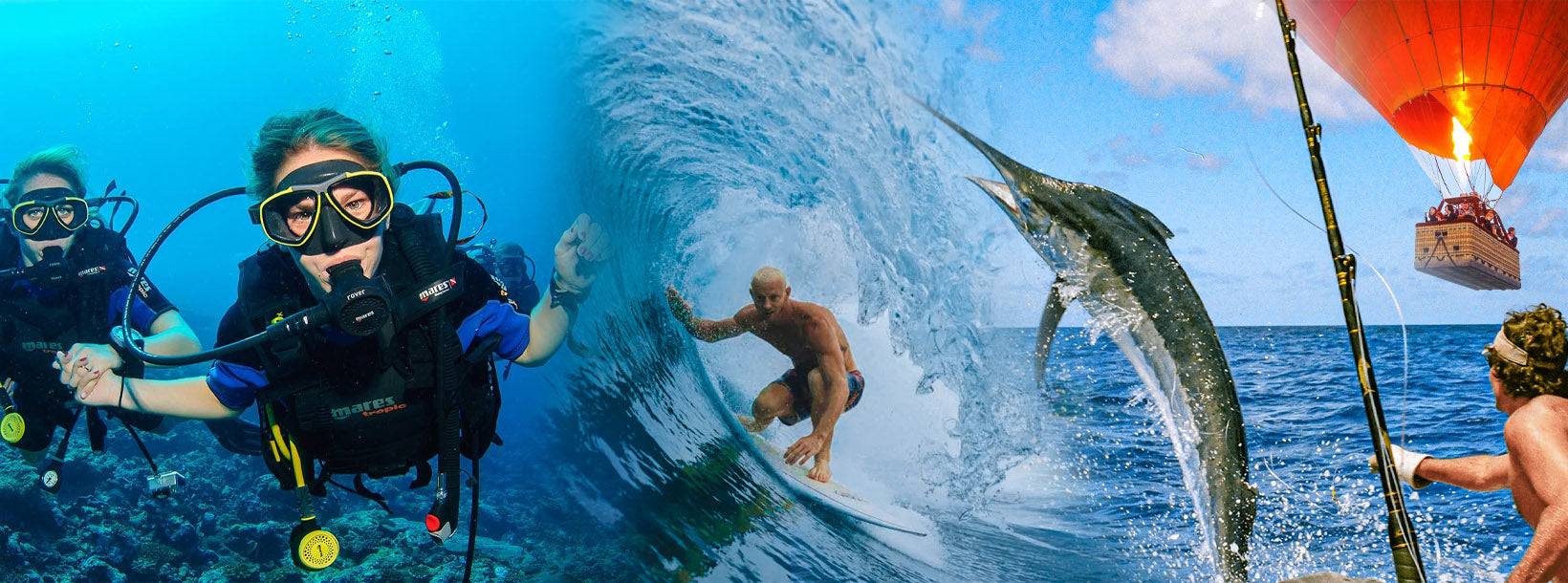
Scuba Diving and Snorkeling

Hikkaduwa, Unawatuna, and Bentota are the primary diving and snorkeling destinations. Visibility improves as monsoon-stirred sediment settles, revealing coral gardens, reef fish, and resident sea turtles. The east coast dive sites around Trincomalee and Pigeon Island are closed to divers during this period due to rough seas.

Deep Sea Fishing

The southwest coast — particularly around Negombo, Bentota, and Hikkaduwa — offers viable conditions for deep sea fishing throughout much of November. Barracuda, yellowfin tuna, and trevally are among the species encountered. Avoid planning east-coast fishing trips this month.

Kitesurfing at Kalpitiya

Kalpitiya enters its off-season in November. The northeast monsoon brings irregular winds and rougher lagoon conditions, making it unsuitable for kitesurfing instruction or freestyle sessions. Experienced kitesurfers who understand local conditions sometimes find usable windows, but this is not reliable. Kalpitiya's main season runs from May to October.

Dolphin and Whale Watching

Mirissa's whale watching season, targeting blue whales and sperm whales, typically runs from November through April. Early November can be hit-or-miss depending on how quickly the seas settle, but by mid-to-late November, many operators are running regular departures. This is one of the best reasons to be on the south coast this month.

What Cultural and Scenic Experiences Work Well in November?

With improving conditions across the south and west, November is a good time to combine wildlife with cultural sightseeing.

  • Galle: The historic fort city on the southwest tip is very pleasant in November. A Galle city tour covers the Dutch ramparts, colonial streetscapes, and the busy harbour in comfortable conditions.
  • Madu River: The Madu River Safari through the Madu Ganga wetlands near Balapitiya is well-suited to November. The waterways are full, the birdlife is active, and the mangrove canopy provides natural shade.
  • Kandy and the Hill Country: Kandy, Ella, and the tea country are accessible and largely dry by November. A Kandy city tour pairs well with visits to the surrounding highlands, where Ceylon tea estates are in active production.
  • Sinharaja Forest Reserve: The Sinharaja Forest Reserve in the wet zone receives rain throughout the year, but November conditions are manageable. Guided walks reveal endemic bird species, purple-faced langurs, and rare flora that exist nowhere else on Earth.
  • Kosgoda and Turtle Conservation: The Kosgoda Sea Turtle Conservation Project operates year-round. November is nesting season for several species, and evening visits to observe hatchlings being released are particularly memorable.

How Should I Plan a Two-Week Itinerary for November?

A practical approach is to focus on the southwest coast, the southern safari belt, and the central highlands — all of which are at or approaching their best. Leave east-coast destinations such as Trincomalee, Arugam Bay, and the Jaffna peninsula for the April–September window when they are in season.

  1. Days 1–3: Colombo arrival and acclimatisation. City sightseeing, including the Colombo city tour and landmarks such as the Colombo Lotus Tower.
  2. Days 4–5: Negombo and the northwest coast. Dutch fort, fish market, and early morning boat excursions.
  3. Days 6–7: Kandy. Temple of the Tooth, botanical gardens, highland scenery.
  4. Days 8–9: Udawalawe for elephant safaris and the Elephant Transit Home.
  5. Days 10–11: Yala National Park for leopard-focused safaris.
  6. Days 12–14: South coast — Galle, Unawatuna, Mirissa. Diving, snorkeling, or whale watching depending on sea conditions.

Are There Any Festivals or Events in Sri Lanka in November?

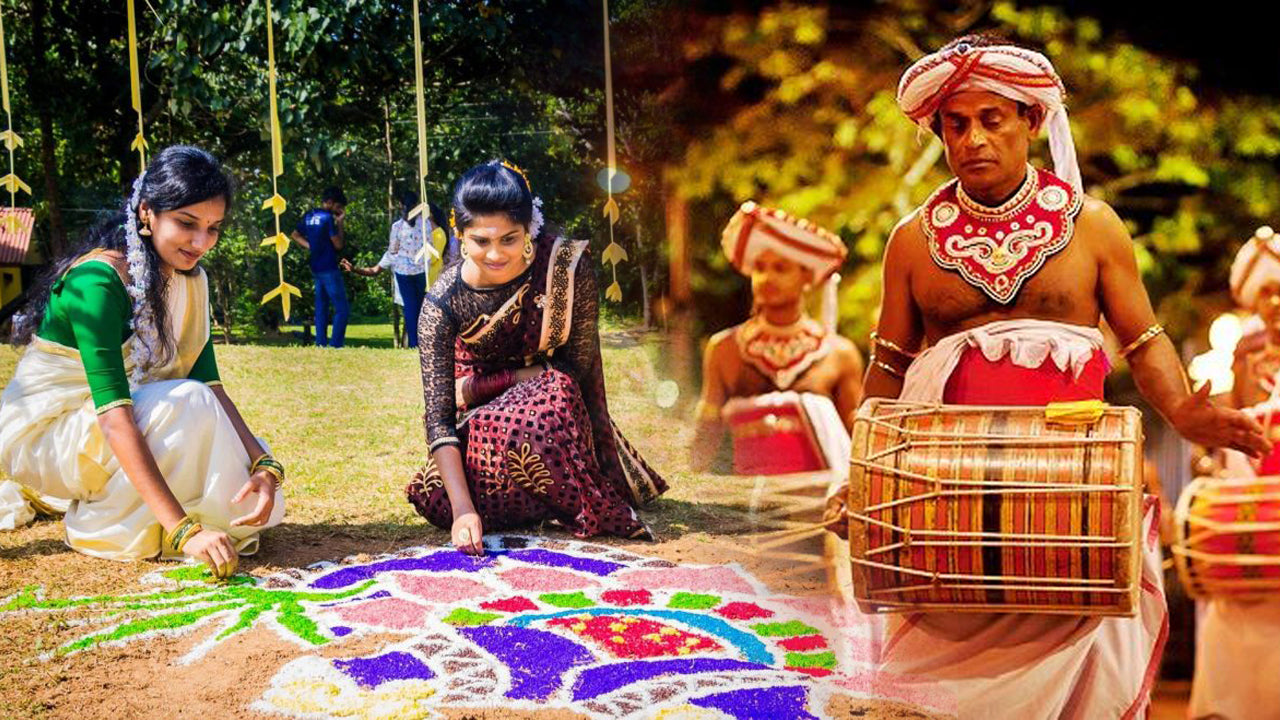
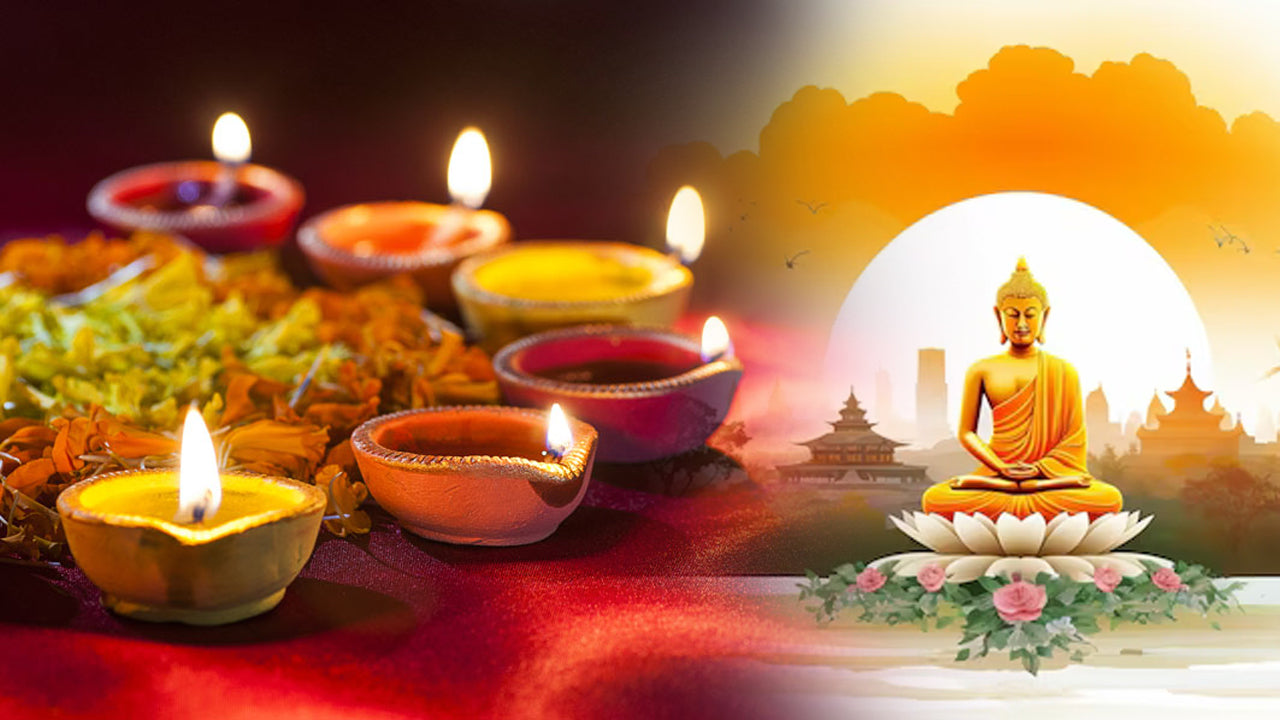
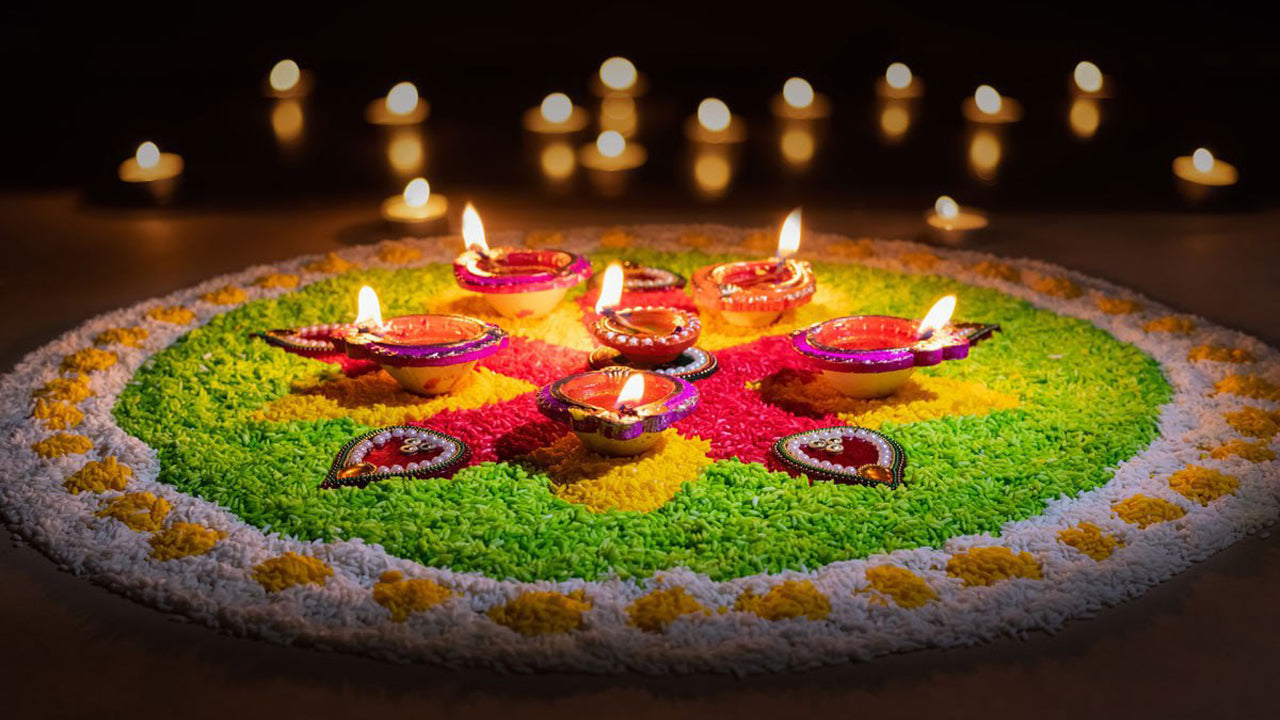
November's festival calendar is relatively quiet compared to Vesak (May) or the Kandy Perahera season (July/August). Deepavali, the Hindu festival of lights, sometimes falls in late October or early November depending on the lunar calendar. In areas with significant Tamil communities — Colombo's Pettah district, Jaffna, and parts of the east — streets and homes are decorated with oil lamps and kolam patterns. It is a respectful and visually rich event to observe.

Remembrance Day ceremonies are held on 11 November at the Commonwealth War Cemetery in Colombo, a site of quiet historical significance for visitors with an interest in Sri Lanka's colonial-era past.

Is November a Crowded Month for Tourism in Sri Lanka?

November sits in a transitional zone. The European and Australian summer holiday peak has not yet arrived — that typically builds through December and surges in January. As a result, accommodation rates are often more competitive, popular safari parks are less crowded, and the beaches of the south and west are uncrowded. Travellers who value space and value for money often find November one of the more rewarding months to visit.

Book this experience with Lakpura

Curated by our local team. Direct booking, instant confirmation.

Ask Lakpura® Agent