Lakpura
Lakpura®

Ramayana FAQ

Sri Lanka holds a unique and enduring place in the Ramayana epic. According to the ancient legend, this island was the kingdom of Ravana, and the landscape still carries traces — in temple traditions, mountain names, cave systems and sacred groves — that pilgrims and curious travellers have come to explore for generations. The questions below are the ones our guests ask most often before embarking on the Ramayana Trail.

How many Ramayana-related sites are found in Sri Lanka?

Around 52 sites across the island are directly associated with the Sri Lanka Ramayana Trail. They span a wide range of categories:

  • Hindu temples and Kovils
  • Sacred mountains and nature reserves
  • Archaeological ruins and cave complexes
  • Waterfalls and botanical locations linked to events in the epic

The sites are spread from Mannar in the north-west to Kataragama in the south-east, meaning a well-planned itinerary can take in the trail across most of the island's provinces.

Is there an entrance fee for Ramayana sites?

Entry costs vary considerably by site. Most Hindu temples and Kovils along the trail do not charge a formal admission fee, though donations are welcomed and customary. Where religious ceremonies (Puja services) are open to visitors, a participation ticket typically costs around USD 2.

Some sites do levy a fixed entrance fee. These include:

  • Dambulla Cave Temple — a UNESCO World Heritage site with a standard admission charge
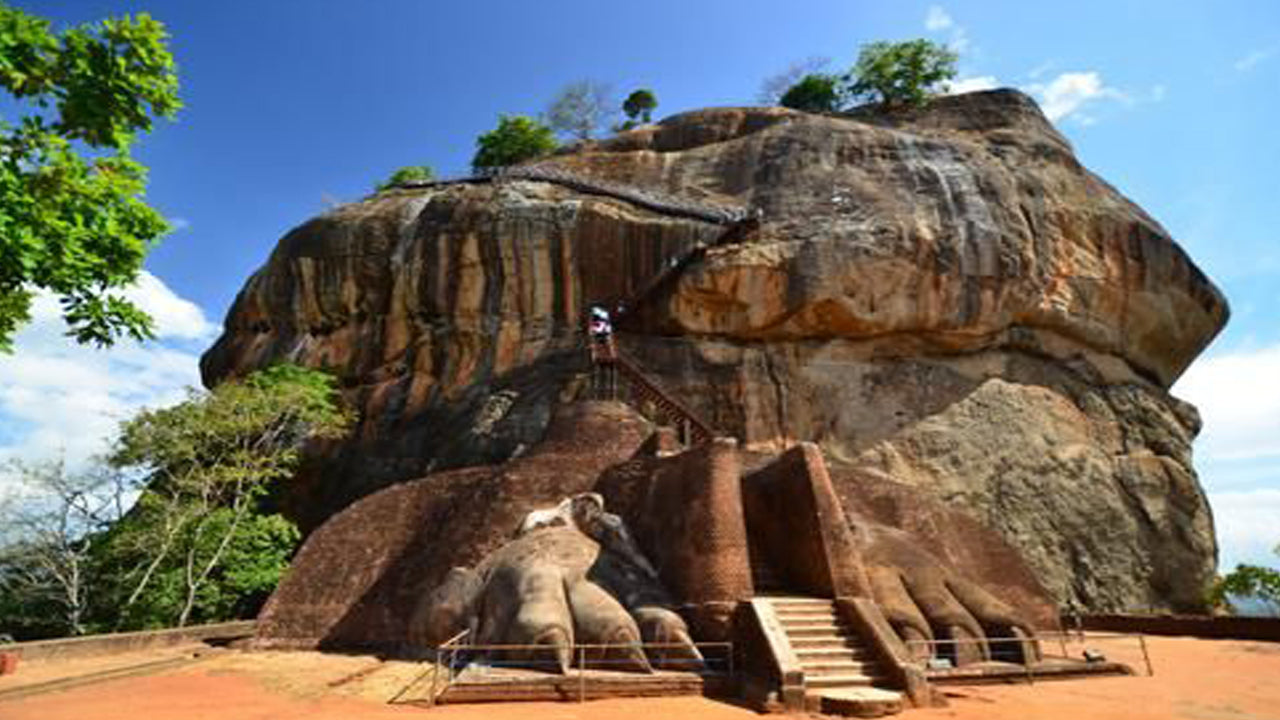
  • Cobra Hood Cave, Sigiriya — covered under the general Sigiriya site ticket
  • Ashoka Vatika area, Nuwara Eliya — believed to be the garden where Sita was held; some sections require a fee

It is worth checking current rates with your guide or the site authority before visiting, as government-set fees are reviewed periodically.

Which are the most important Ramayana sites to visit?

Below is a selection of the key sites, grouped by region:

SiteLocationSignificance
Ketheeswaram TempleMannarOne of Sri Lanka's ancient Shiva temples, associated with Rama's prayers
Munneswaram TempleChilawLinked to Rama's worship of Shiva after the battle
Thiru Koneswaram TempleTrincomaleeAncient cliff-top Shiva temple central to the Ramayana narrative
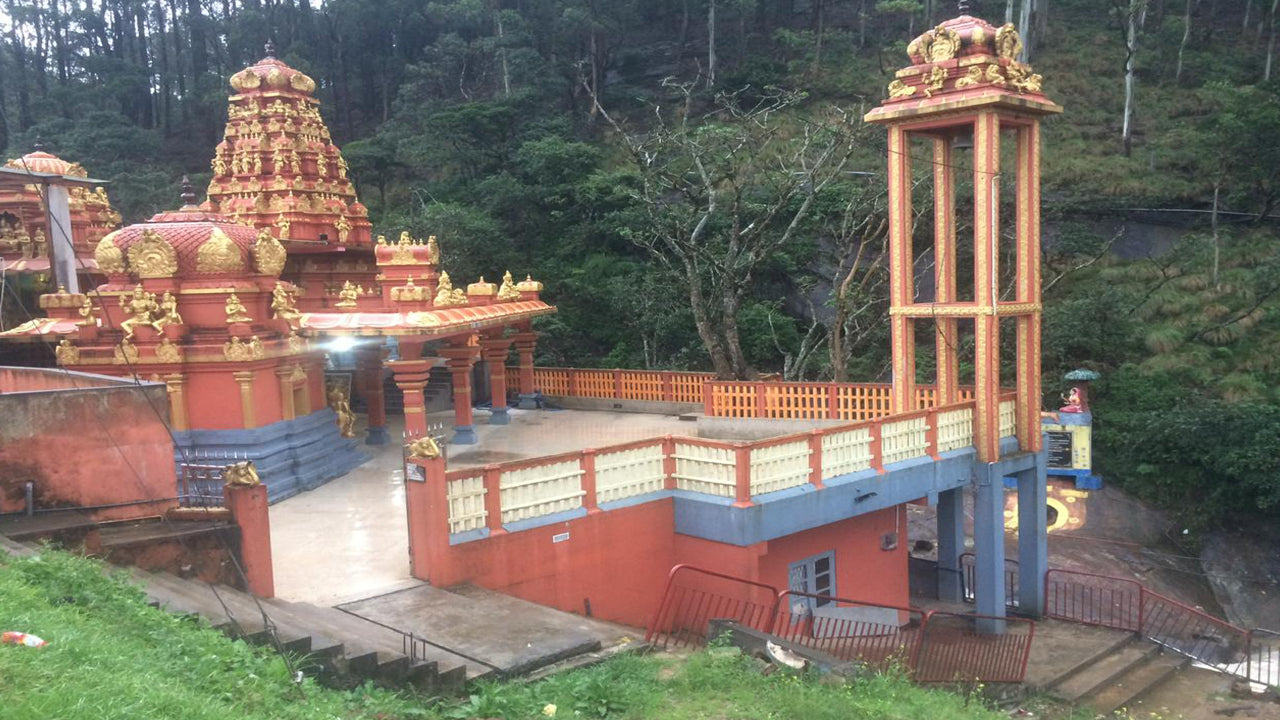
Sita Amman TempleNuwara EliyaBuilt at the site traditionally identified as Sita's captivity
Ashoka VatikaNuwara EliyaBelieved to be the garden (Ashoka grove) where Sita was kept
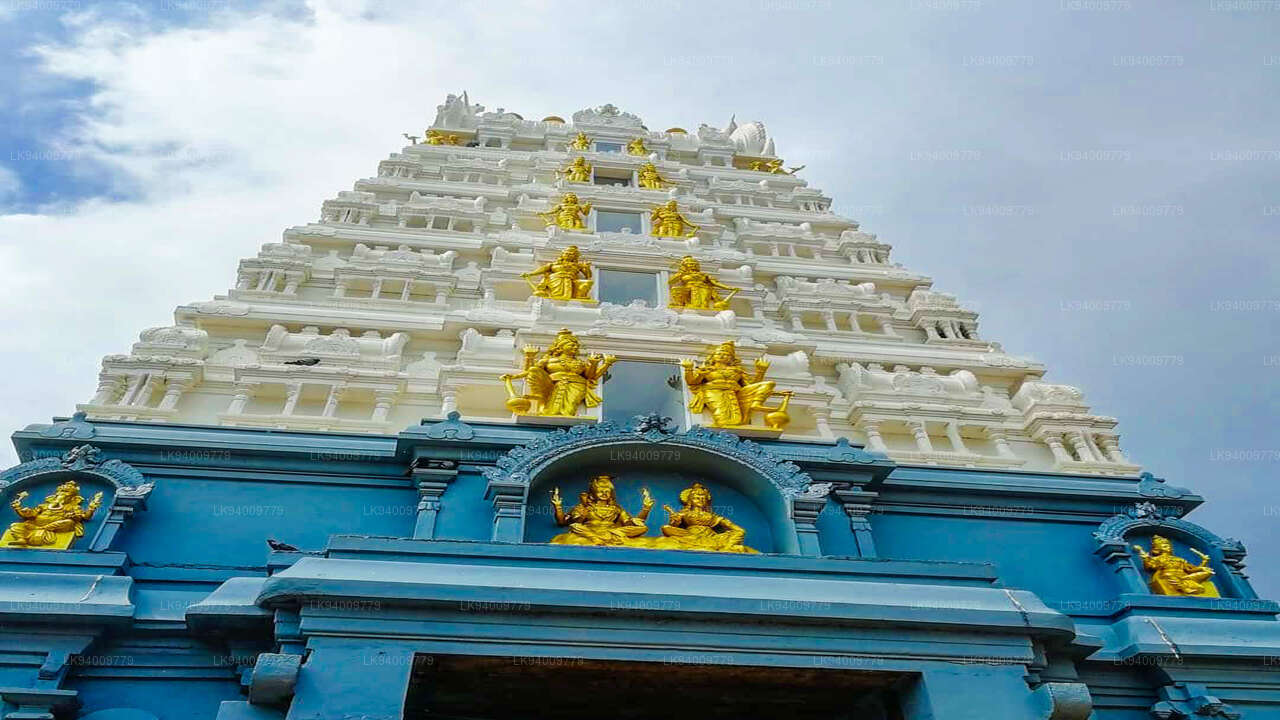
Sri Bhaktha Hanuman TempleRambodaDedicated to Hanuman; perched on a cliff with views of the hill country
Gayathri PeedamNuwara EliyaA sacred site associated with meditative practices in the epic
Divurumpola TempleElla areaTraditionally associated with Sita's trial by fire (Agni Pariksha)
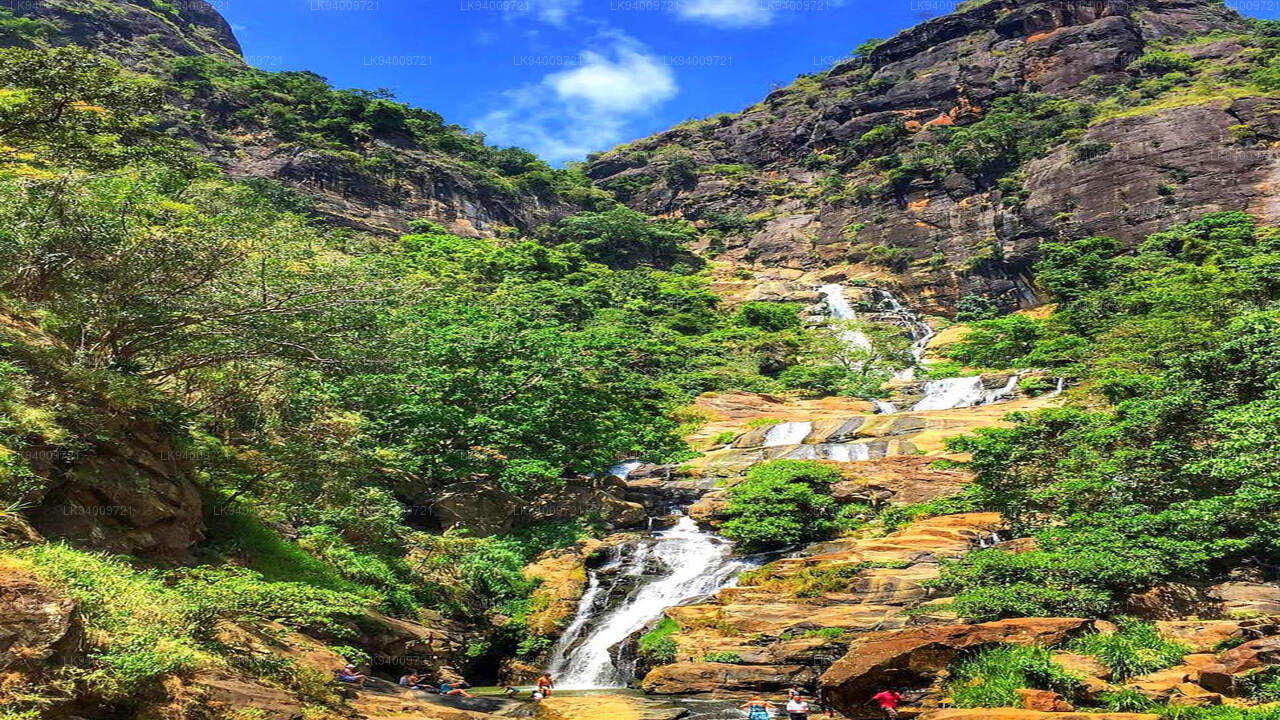
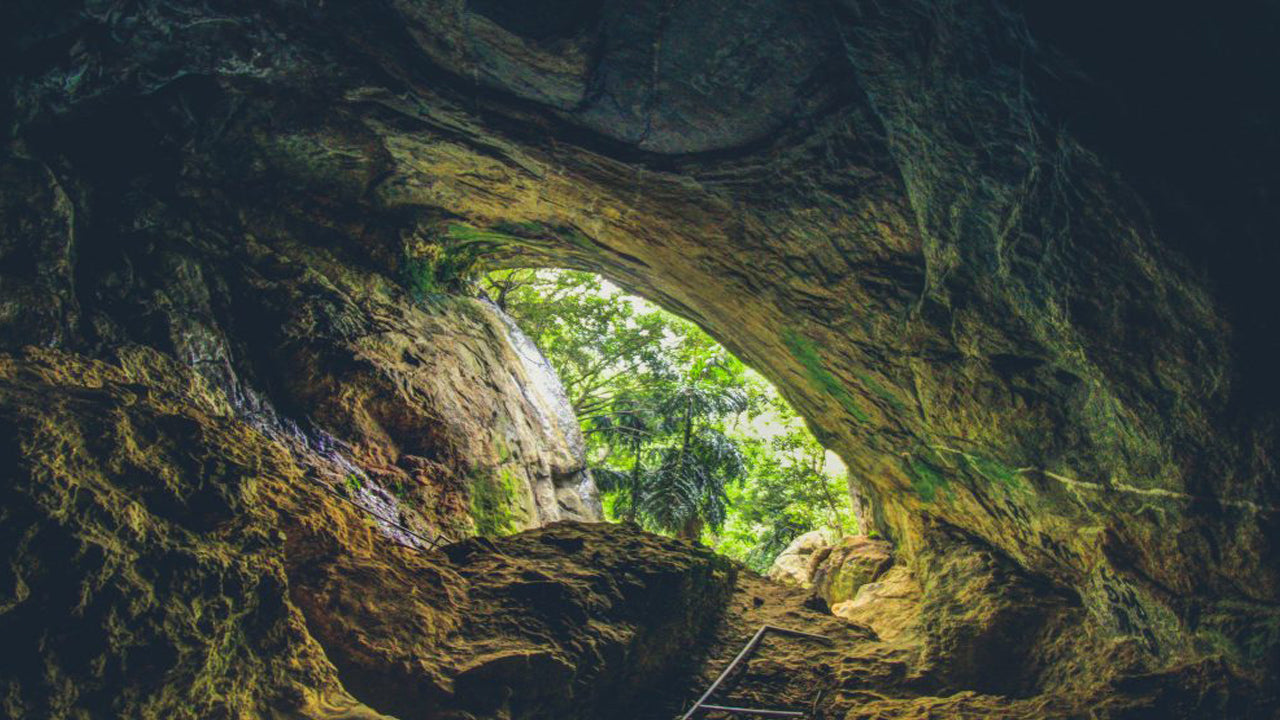
Ravana Waterfall & CavesEllaLinked to Ravana's legendary cave kingdom in the hill country
Kataragama TempleKataragamaA major multi-faith pilgrimage site with deep mythological roots

The Ella area in particular clusters several Ramayana-linked locations within a short distance of each other, making it a natural base for a day or two of exploration.

Are Ramayana sites open every day?

The majority of temples and outdoor sites on the trail are open to visitors every day of the year, generally from early morning until evening. Active temples follow their own daily prayer schedules, and the atmosphere during morning or evening Puja can be especially worthwhile for those interested in the living religious tradition rather than purely its historical dimension.

A small number of archaeological sites operated by the Central Cultural Fund observe specific visiting hours; confirm these with your guide before travelling.

How many Sanjivani (Sanjeevini) sites are there in Sri Lanka?

According to the Ramayana legend, Hanuman carried the Sanjivani herb — a life-restoring plant — across Lanka, and drops of it fell at five locations. Those five sites, each now a recognised mountain or island, are:

  1. Dolukanda — Kurunegala District
  2. Ritigala Nature Reserve — near Habarana, Anuradhapura District
  3. Rumassala Mountain — Galle
  4. Kachchativu Island — Jaffna
  5. Thalladi — Mannar Island

Each of these locations has a distinct character. Ritigala, for instance, is a forested isolated massif within a strict nature reserve containing unusual medicinal plant communities — which aligns intriguingly with its Sanjivani associations. Horton Plains National Park, while not a Sanjivani site, is sometimes visited alongside the hill-country Ramayana circuit for its highland ecology.

Is it safe to travel to Jaffna and the north of Sri Lanka?

Yes. Sri Lanka's civil conflict ended in 2009, and Jaffna has since developed steadily as a cultural destination. The Ketheeswaram Temple in Mannar and Kachchativu Island in the Jaffna region are both accessible, though Kachchativu requires coordination as it lies in a controlled maritime zone. Roads to the north have improved considerably, and accommodation options in Jaffna have expanded over recent years.

A dedicated Ramayana Yatra itinerary that includes the northern sites can typically be arranged as part of a longer island circuit. Travelling with a knowledgeable local driver-guide makes the logistics straightforward.

What is the best way to follow the Ramayana Trail?

Because the 52-odd sites span the island from north to south, self-driving or relying on public transport is impractical for most visitors. A structured private tour with a driver-guide familiar with the trail is the most efficient approach. A 10- to 11-day dedicated itinerary allows time at the major temple complexes, the hill-country sites around Nuwara Eliya, and at least one or two of the Sanjivani mountain locations, without feeling rushed.

Devout Hindu pilgrims often complement the Sri Lanka portion of the trail with sites in South India (Rameshwaram, for example), making the trip part of a broader cross-regional yatra. Sri Lanka's trail is generally less crowded than the Indian sites and offers a more contemplative atmosphere at most locations.

Do I need a guide to visit Ramayana sites in Sri Lanka?

A guide is not compulsory at the individual sites, but is strongly recommended for the trail as a whole. Many of the locations lack interpretive signage in English, the mythological context enriches the visit considerably, and some sites — particularly the less-visited mountain and cave locations — can be difficult to find without local knowledge. A guide who specialises in the Ramayana circuit will also be aware of prayer timings and any temporary closures.

Book this experience with Lakpura

Curated by our local team. Direct booking, instant confirmation.

Ask Lakpura® Agent