Mihintale mägi


Mihintale mägi on oluline budistlik koht, mis asub Anuradhapura lähedal Sri Lankas. Tuntud kui Sri Lanka budismi häll, öeldakse, et budistlik munk Mahinda kohtus 3. sajandil eKr kuningas Devanampiya Tissaga, mis viis saare vastuvõtuni budismi budismi õpetustes. See ajalooline sündmus teeb Mihintale kohaks, millel on suur religioosne ja kultuuriline tähtsus.
Mägi sisaldab mitmeid iidseid varemeid, sealhulgas templeid, stupasid ja kiviraideid. Peamine joon on Mihintale Stupa, mis asub mäe tipus, pakkudes panoraamvaateid ümbritsevale maastikule. Kohas asub ka *Mihintale kalju*, kus asub kuulus *Mahinda koobas* ja kõik raideid, tähistades kohta, kus Mahinda õpetas Buddha õpetusi kuningale ja tema õukonnale.
Külastajad saavad Mihintale mäge külastada, avastades mitmed ajaloolised paigad, sealhulgas *Ambasthala* (koht, kus kuningas Devanampiya Tissa esmakordselt Mahindaga kohtus), ja tõusta 1840 astet ülespoole, et nautida hingematvat vaadet. Tõus mäele on nii vaimselt rikastav kui füüsiliselt ergutav, muutes selle populaarseks palverännakukohaks kohalike ja turistide seas.
Parim aeg külastada Mihintale mäge on kuiva hooaja jooksul, alates detsembrist kuni aprillini, kui ilm on soodne vabaõhuringideks. Kohale on lihtne pääseda Anuradhapurast, pakkudes rikastavat kogemust kõigile, kes on huvitatud Sri Lanka budistlikust pärandist ja ajaloost.


Mihintale mägi, koos buddhismi saabumisega Sri Lankale, hakkas teenima elukohtadena venerable mungad, keda juhtis Arahath Mahinda Mahathera. Kuid varsti, kuninglikul toetusel, sisaldas pühakoda mitmesuguseid monastilisi hooneid—stupasid, uposathgharasid, bodhigharasid—mungade teenimiseks. Kuuskümmend kaheksa koopamaja pakkusid munkadele varju ja peavarju. Mihintale, pühakoda paljudele tuhandetele ilmikutest ja pühadest meestest, pakkus kõiki eluks vajalikke mugavusi.
Vedahala - haigla Mihintale mäe jalamil
Kuna munkade kogukond ja ustavad ilmikud kasvasid, tekkis paratamatult vajadus haigla järele. Esimene haigla Mihintales asutati kuningas Sena teise poolt (853-887 pKr) Mihintales. Identifitseerimine põhines kümnenda sajandi kirjapandud inskriptsioonil, mis leiti saidilt.
Täna saab Mihintale saidi sissepääsu juures näha haiguse varemeid koos taastatud paigutusega. Haigla sissepääsu juures asub välimine õu, mis koosneb neljast ruumist: konsultatsiooniruum; ruum ravimite ettevalmistamiseks ja ladustamiseks; kuuma veega vannitamise ruum. Välimise õue lõpus, põhjas, asub peahoone: ruudukujuline õu, kus on väike pühamu keskel. Kõik ruumid on paigutatud kahele kõrgemale platvormile nelja küljelt keskõue ümber. Kõik ruumid on suunatud pühamu poole. Iga ruumi pindala on umbes 100 ruutjalga. Kõik ruumid avanevad sisemise verandi poole, mis muudab kõik rakud ligipääsetavaks.
Arheoloogilised kaevamised on leidnud savitooted ja siniseid purke. Need purgid on veel üks tõend kultuuriliste ja kaubanduslike sidemete kohta Iraani ja Sri Lanka vahel sellel varasel ajal.
Arama: Munkide elukoht Mihintale mäe jalamil
Vana haigla ja suure trepi vahel Mihintale mäele asuvad varemed, mis ümbritsevad vanu monastilisi hooneid. Kloostri sissepääsu kaunistavad astmed, valvurikivid, makara (draakon) balustraadid ja naga (kobra) kujud. See hoone sarnaneb arama hoonetele, mida leidub Anuradhapura. Ruineeritud ruudukujulised kahekorruselised hooned, mis on ehitatud 12 või 16 kivist sammast, nimetatakse Prasadaks, millel on mitu ruumi.
Suur trepp Mihintale mäel
Suur trepp, mis viib üles Mihintale mäele, sisaldab vähemalt 1840 kivist lõigatud sammu. Kuigi mõned täpsed astmed on lõigatud looduslikku kivi, on ülejäänud kaetud lõigatud graniidiga. Üksikisiku jaoks äärmiselt lai, muljetavaldav trepp, millel on ainulaadne eristav joon, hästi kaitstud ja varjatud frangipani puude ja igihaljade puude poolt, teeb seda väga meeldivaks ülesmäge minekuks. Araliya (frangipani) õied annavad trepile lõhna, samal ajal kui tungivad ahvide rühmad lendavad ringi ja ripuvad puude okstel, et varastada külastajatelt suupisteid.
Kui keegi jätkab mööda vana treppi—umbes poolel teel, haruneb tee paremale veelgi järsemaks tõusuks. Tee, mis koosneb umbes 80 sammust, viib teid Kantaka Cetiya asukohta. Harutee on 10 jalga lai ja umbes poole suurem kui peamise tee kivist astmed. Mahasaya, Atvehera ja Rajagirilena Kanda on samuti ligipääsetavad sarnaste radade kaudu.
Refektuuri, Mihintale almsaal
Vasakult Mihintale esimesel tasandil asub peamine refektuuri. Kaks kivist lõigatud trõõg, mida kasutatakse riisi serveerimiseks, on paigutatud seintele põhja ja idasse. Suurem trõõg, mille pikkus on 23 jalga, on märk suurest munkade arvust. Seda trõõgi sisemust peeti metalli kihiga vooderdatuks. Refektuur sisaldab ka ülemist veetoru ja keerukat drenaažisüsteemi. Kivist raiutud inskriptsioon paljastab refektuuri liikmed: 12 kokka, valvurit ja küttepuidu tarnijaid.
Dage, Reliikvia Maja, Peamine Pühakoda Mihintale
Mihintale peamine pühamu asub kõrgendatud tasandil, mis piirneb refektuuriga. Trepp viib peamisse pühamusse. Kaks suurt kivimassi sisaldavad mõlemal pool sissepääsu inskriptsioone. Ilus inskriptsioon poleeritud graniitplaatidel, mille tegi kuningas Mahinda neljas (956-972 pKr), üks Sri Lankas pikemaid vanu inskriptsioone, andis palju teavet kloostri kohta.
Kantaka Chetiya Mihintale
Kantaka Chetiya oma lagunenud olekus on 40 jalga kõrge ja ümbermõõt 425 jalga. Stupast neli eesnurka nimetatakse Vahalkadaks. Kaks neist neljast Vahalkadast on hästi säilinud. Vahalkadad on rohkesti kaunistatud skulptuuridega: ganade (kääbikud) früüs ja hamsa (luiged) früüs. Käigus asuvad koopad on esimese paiksemuggi asukohad Mihintales.
Kuuendat kaevamised Mihintale
-
 Sri Maha Bodhiya
Jaya Sri Maha Bodhi is a sacred bo tree in the Mahamewna Gardens, Anuradhapura, Sri Lanka. It is the southern branch from the historical Sri Maha Bodhi at Buddha Gaya in India under which Buddha attained Enlightenment. It was planted in 288 BC, and is the oldest living human-planted tree in the world with a known planting date.
-
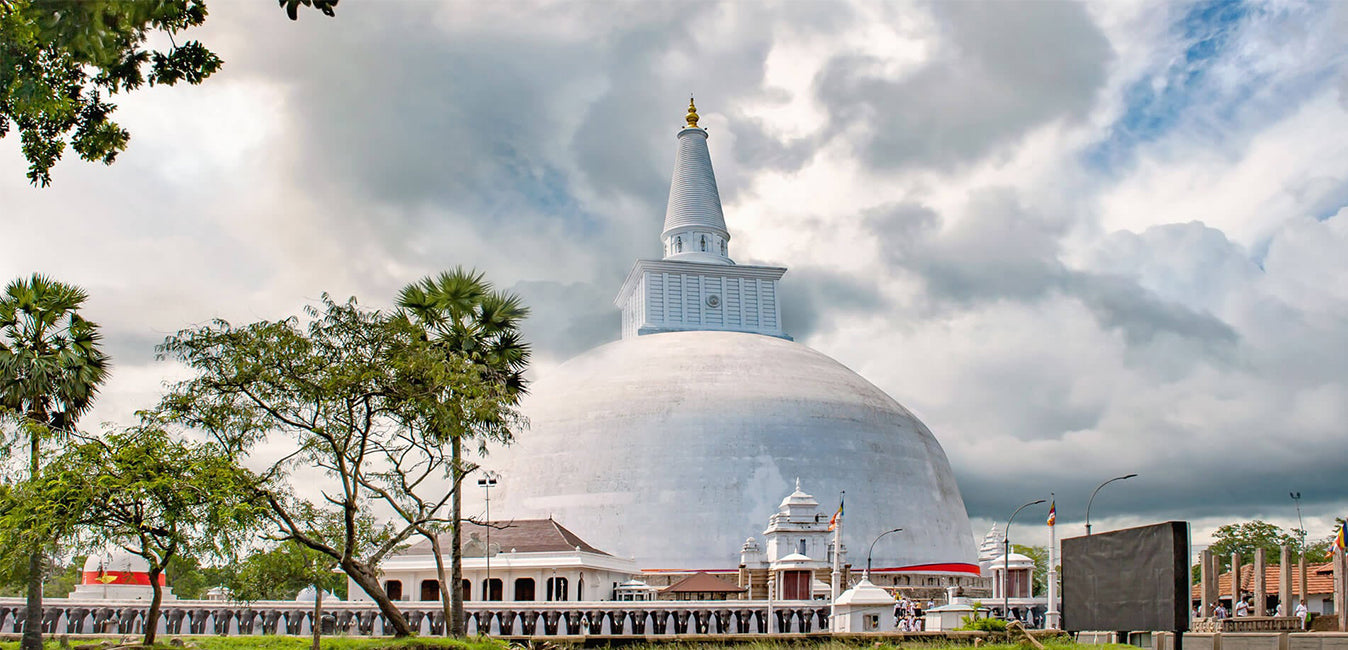
 Ruwanweliseya
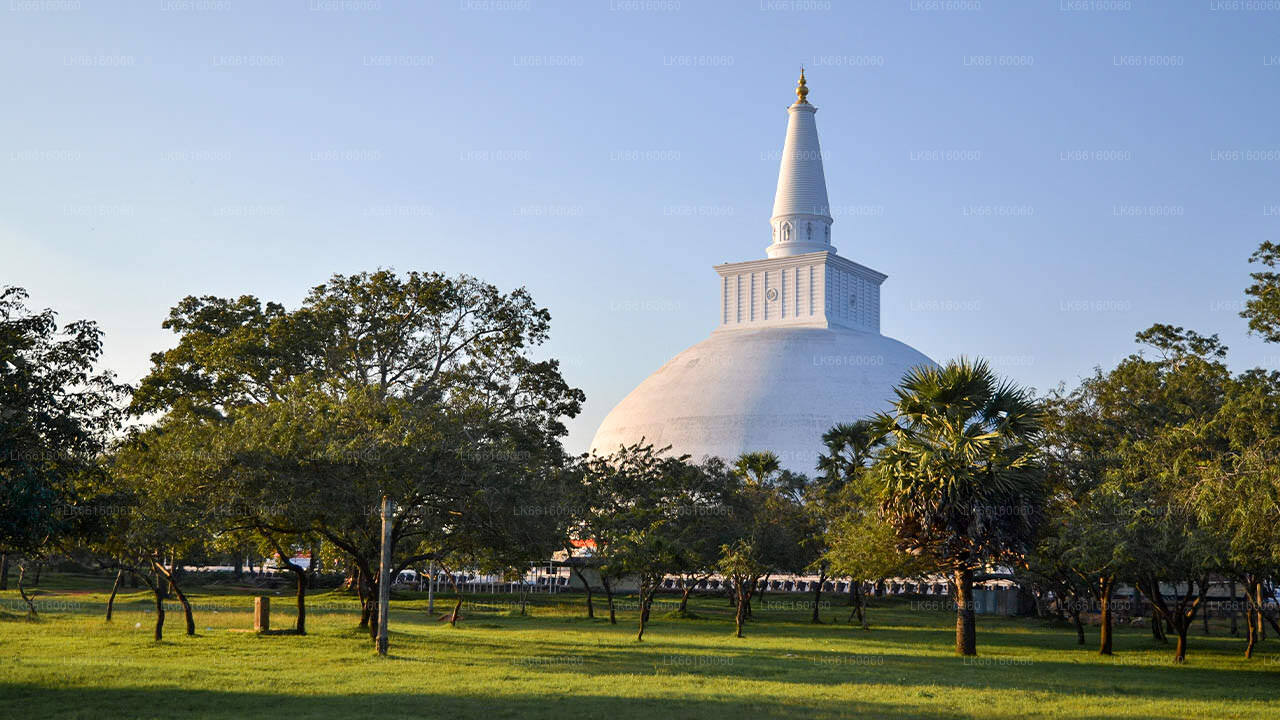
The Ruwanweli Maha Seya, also known as the Mahathupa (the Great Thupa) is a stupa (a hemispherical structure containing relics) in Anuradhapura, Sri Lanka. Two quarts or one Dona of the Buddha's relics are enshrined in the stupa, making it the largest collection of his relics anywhere. It was built by Sinhalese King Dutugemunu in c. 140 B.C., who became king of Sri Lanka after a war in which the Chola King Elāra (Ellalan) was defeated.
-
 Thuparamaya
Thuparamaya is the first Buddhist temple that was constructed, after the arrival of mahinda thero(mahindagamanaya) in Sri Lanka. Located in the sacred area of Mahamewna park, the Thuparamaya Stupa is the earliest Dagoba to be constructed in the island, dating back to the reign of King Devanampiya Tissa (247-207 BC). The temple has been formally recognised by the Government as an archaeological site in Sri Lanka.
-
 Lovamahapaya
Lovamahapaya is a building situated between Ruwanweliseya and Sri Mahabodiya in the ancient city of Anuradhapura, Sri Lanka. It is also known as the Brazen Palace or Lohaprasadaya because the roof was covered with bronze tiles. In ancient times, the building included the refectory and the uposathagara (Uposatha house).
-
 Abhayagiri Stupa
Abhayagiri Vihāra was a major monastery site of Mahayana, Theravada and Vajrayana Buddhism that was situated in Anuradhapura, Sri Lanka. It is one of the most extensive ruins in the world and one of the most sacred Buddhist pilgrimage cities in the nation.
-
 Jetavanaramaya
The Jetavanarama stupa or Jetavanaramaya is a stupa, or Buddhist reliquary monument, located in the ruins of Jetavana monastery in the UNESCO world heritage city of Anuradhapura, Sri Lanka. At 122 metres (400 ft), it was the world's tallest stupa, and the third tallest structure in the world when it was built by King Mahasena of Anuradhapura (273–301).
-
 Mirisawetiya Stupa
The Mirisaweti Stupa is a memorial building, a stupa, situated in the ancient city of Anuradhapura, Sri Lanka. King Dutugamunu (161 BC to 137 BC) built the Mirisaveti Stupa after defeating King Elara. After placing the Buddha relics in the sceptre, he had gone to Tissa Wewa for a bath leaving the sceptre.
-
 Lankarama
Lankarama is a stupa built by King Valagamba, in an ancient place at Galhebakada in the ancient kingdom of Anuradhapura, Sri Lanka. Nothing is known about the ancient form of the stupa, and later this was renovated. The ruins show that there are rows of stone pillars and it is no doubt that there has been a house built encircling the stupa (vatadage) to cover it.
-
 Isurumuniya
Isurumuniya is a Buddhist temple situated near to the Tissa Wewa (Tisa tank) in Anuradhapura, Sri Lanka. There are four carvings of special interest in this Vihara. They are the Isurumuniya Lovers, Elephant Pond and The Royal Family. The ancient Meghagiri Vihara or Meygiri Vihara is presently identified as the Isurumuni Vihara.