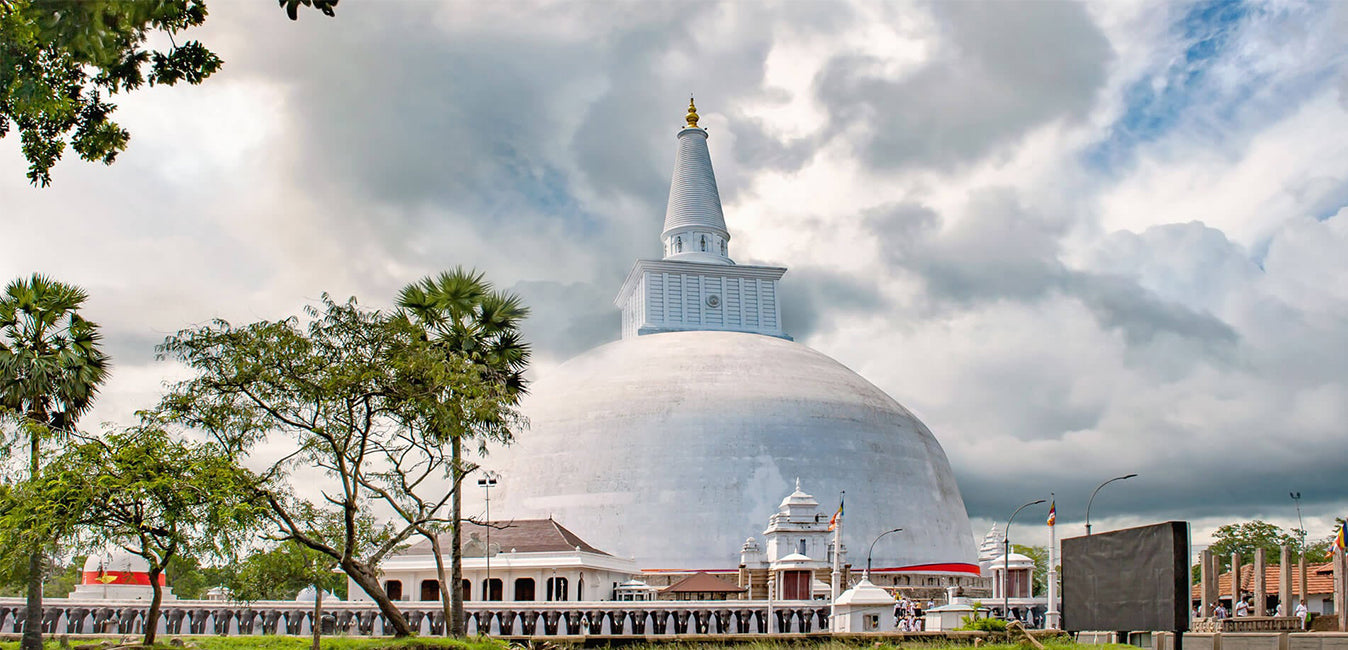
Jaya Sri Maha Bodhiya


Jaya Sri Maha Bodhiya on ajalooline pühade bo-puu (Ficus religiosa) Mahamewuna aias ajaloolises linnas Anuradhapura, Sri Lanka. Usutakse, et see puu kasvas lõuna haru lõikest ajaloolisest pühast bo-puud, Sri Maha Bodhi, mis hävitati keiser Ashoka suurel ajal Buddha Gayas Indias, mille all Siddhartha Gautama (Buddha) saavutas valgustatuse. Budistlik nunn Sangamitta Maha Theri, India keiser Ashoka tütar, tõi puu lõike Sri Lankale 288 eKr, sinhalese kuningas Devanampiya Tissa valitsemisajal. Üle 2300 aasta vanusena on see maailma vanim elusolev inimeste istutatud puu, millel on teadaolev istutamise kuupäev. Mahavamsa, või suurepärane Sinhalese kroonika, annab üksikasjaliku ülevaate Jaya Sri Maha Bodhiya rajamisest saarel ja koha edasisest arengust suureks budistlikuks palverännaku kohaks.
Täna asub Jaya Sri Maha Bodhiya kõrgel terrassil, umbes 6,5 meetrit maapinnast, ja seda ümbritseb veel 4 madalamat terrassi bo-puude, mida nimetatakse "Parivara Bodhi", mis on istutatud puu kaitsmiseks. Kohta haldab praegu Atamasthana peamine kõrgpreester ja Atamasthana Palakasabha, Atamasthana administratiivne organ, ja see võtab igal aastal vastu miljoneid palverändureid. Koht on külastajatele avatud ja seal toimub pidevalt arvukalt usulisi tseremooniaid kogu aasta vältel. Kuid juurdepääs ülemisele terrassile, kus bo-puu asub, on piiratud puu vanuse ja ajaloo jooksul kannatatud vandaalitsemise tõttu, sealhulgas LTTE terrorirünnak 1985. aastal, kus tapeti umbes 146 palverändurit.
Ajalugu
Jaya Sri Maha Bodhiya on püha bo-puu, mis seisab Mahamewna aedades Anuradhapura, Sri Lanka. See on mitte ainult kõige lähemal asuv autentne elav ühendus Gautama Buddaga, vaid ka maailma vanim inimeste istutatud puu, millel on teadaolev istutamise kuupäev ja registreeritud ajalugu. Umbes 2600 aastat tagasi istus Lord Gautama Buddha oma selg vastu Esathu (Asvattha) puu Neranjana jõe ääres Bodhgayas Indias. Just sel hetkel, kui ta puu vastu istus, väidetakse, et Buddha saavutas valgustatuse. Seda tehes sai puu ka austatud staatuse. Seda hakati kutsuma Bodhi-puuks ja palverändurid tulid seda vaatama isegi Buddhalise eluajal.
Hiljem, 236 eKr, saadeti budistlik nunn Sanghamitta Maha Theri keiser Ashoka poolt Indiast Sri Lankale. Temaga tõi ta lõuna haru algsest pühast viigipuust. See haru anti pidulikult üle Devanampiya Tissale, üheks esimeseks Sri Lanka kuningaks, kelle valitsusaeg oli tuntud budismi saabumise poolest. 288 eKr istutas Tissa Bodhi-puu haru oma kuninglikku parki Anuradhapurasse.
Jaya Sri Maha Bodhiya, nagu seda hakati kutsuma, on sellest ajast saadik olnud budistlike munkade ja pühendunud kuningate poolt hooldatud ja kaitstud. On ehitatud kujusid, veekanaleid, kuldseid


-
 Sri Maha Bodhiya
Jaya Sri Maha Bodhi is a sacred bo tree in the Mahamewna Gardens, Anuradhapura, Sri Lanka. It is the southern branch from the historical Sri Maha Bodhi at Buddha Gaya in India under which Buddha attained Enlightenment. It was planted in 288 BC, and is the oldest living human-planted tree in the world with a known planting date.
-
 Ruwanweliseya
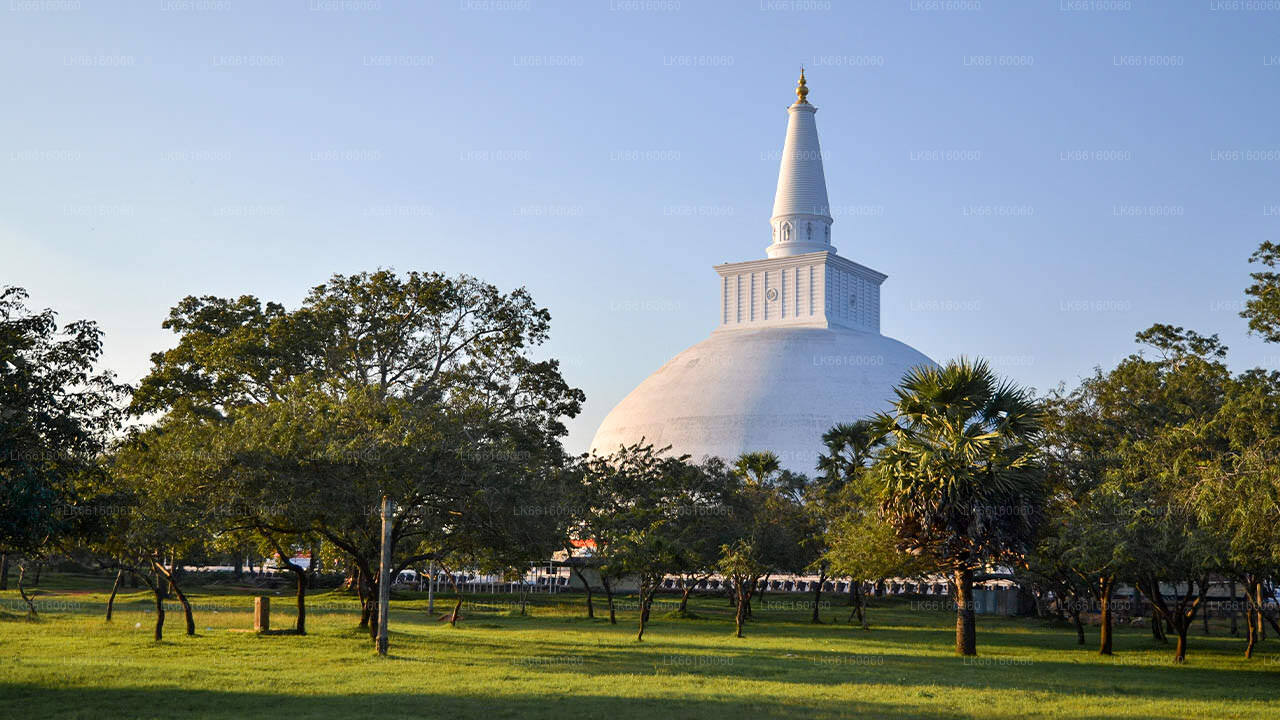
The Ruwanweli Maha Seya, also known as the Mahathupa (the Great Thupa) is a stupa (a hemispherical structure containing relics) in Anuradhapura, Sri Lanka. Two quarts or one Dona of the Buddha's relics are enshrined in the stupa, making it the largest collection of his relics anywhere. It was built by Sinhalese King Dutugemunu in c. 140 B.C., who became king of Sri Lanka after a war in which the Chola King Elāra (Ellalan) was defeated.
-
 Thuparamaya
Thuparamaya is the first Buddhist temple that was constructed, after the arrival of mahinda thero(mahindagamanaya) in Sri Lanka. Located in the sacred area of Mahamewna park, the Thuparamaya Stupa is the earliest Dagoba to be constructed in the island, dating back to the reign of King Devanampiya Tissa (247-207 BC). The temple has been formally recognised by the Government as an archaeological site in Sri Lanka.
-
 Lovamahapaya
Lovamahapaya is a building situated between Ruwanweliseya and Sri Mahabodiya in the ancient city of Anuradhapura, Sri Lanka. It is also known as the Brazen Palace or Lohaprasadaya because the roof was covered with bronze tiles. In ancient times, the building included the refectory and the uposathagara (Uposatha house).
-
 Abhayagiri Stupa
Abhayagiri Vihāra was a major monastery site of Mahayana, Theravada and Vajrayana Buddhism that was situated in Anuradhapura, Sri Lanka. It is one of the most extensive ruins in the world and one of the most sacred Buddhist pilgrimage cities in the nation.
-
 Jetavanaramaya
The Jetavanarama stupa or Jetavanaramaya is a stupa, or Buddhist reliquary monument, located in the ruins of Jetavana monastery in the UNESCO world heritage city of Anuradhapura, Sri Lanka. At 122 metres (400 ft), it was the world's tallest stupa, and the third tallest structure in the world when it was built by King Mahasena of Anuradhapura (273–301).
-
 Mirisawetiya Stupa
The Mirisaweti Stupa is a memorial building, a stupa, situated in the ancient city of Anuradhapura, Sri Lanka. King Dutugamunu (161 BC to 137 BC) built the Mirisaveti Stupa after defeating King Elara. After placing the Buddha relics in the sceptre, he had gone to Tissa Wewa for a bath leaving the sceptre.
-
 Lankarama
Lankarama is a stupa built by King Valagamba, in an ancient place at Galhebakada in the ancient kingdom of Anuradhapura, Sri Lanka. Nothing is known about the ancient form of the stupa, and later this was renovated. The ruins show that there are rows of stone pillars and it is no doubt that there has been a house built encircling the stupa (vatadage) to cover it.
-
 Isurumuniya
Isurumuniya is a Buddhist temple situated near to the Tissa Wewa (Tisa tank) in Anuradhapura, Sri Lanka. There are four carvings of special interest in this Vihara. They are the Isurumuniya Lovers, Elephant Pond and The Royal Family. The ancient Meghagiri Vihara or Meygiri Vihara is presently identified as the Isurumuni Vihara.