Perched at roughly 1,745 metres above sea level on the slopes of Hakgala Mountain, Hakgala Botanical Gardens is one of Sri Lanka's oldest and most carefully maintained public gardens. Established in 1861 initially as a cinchona plantation, the site evolved into a full botanical garden under the administration of the Royal Botanic Gardens, Peradeniya. Today it draws botanists, bird enthusiasts, and travellers who want a quiet counterpoint to the busy streets of nearby Nuwara Eliya.
What can you see at Hakgala Botanical Gardens?
The gardens cover around 28 hectares and are divided into distinct collections, each reflecting a different facet of temperate and subtropical botany.
- Rose Garden: One of the highlights of the site, with hundreds of varieties in bloom across much of the year. The cool highland air is particularly well suited to hybrid tea roses.
- Orchid House: A sheltered collection of orchid species and hybrids, including several endemic to Sri Lanka's central highlands.
- Fernery: A shaded section housing a wide range of fern species that thrive in the moist, cool microclimate.
- Medicinal Plant Section: Labelled beds displaying plants used in traditional Ayurvedic and Sinhala medicine, offering genuine educational value.
- Conifer Collection: Cypress, pine, and other conifer species that give parts of the garden an almost European feel, reflecting the colonial-era planting philosophy.
- Herbarium and Rock Garden: A more naturalistic section where native highland species are displayed alongside ornamental rockwork.
The surrounding Hakgala Strict Nature Reserve, which borders the garden on the mountain side, adds a layer of ecological context. Views across the valley toward Horton Plains National Park are possible on clear mornings.
What wildlife can you spot at Hakgala?
The garden and its forest buffer support a reasonable variety of wildlife given the small area. Purple-faced langurs are commonly seen in the trees bordering the reserve, and are generally tolerant of visitors. Birdwatching is rewarding in the early morning: species regularly recorded include the Sri Lanka white-eye, hill myna, and various sunbirds drawn to flowering trees.
The adjoining strict nature reserve is not open to general visitors, but its presence as an undisturbed corridor means animals move freely through the garden's perimeter, especially at quieter times of day.
When is the best time to visit Hakgala Botanical Gardens?
The hill country around Nuwara Eliya experiences two distinct monsoon periods. The garden is at its best during the inter-monsoon and dry season months from December through April, when skies are typically clearer and the rose garden peaks. However, the gardens remain green and photogenic year-round because the altitude keeps temperatures moderate even in wetter months.
Early morning visits — around 8 a.m. to 10 a.m. — offer the best light for photography and the highest chance of wildlife sightings before the midday crowds arrive, particularly on weekends and public holidays when local visitors outnumber international tourists.
How do I get to Hakgala Botanical Gardens from Nuwara Eliya?
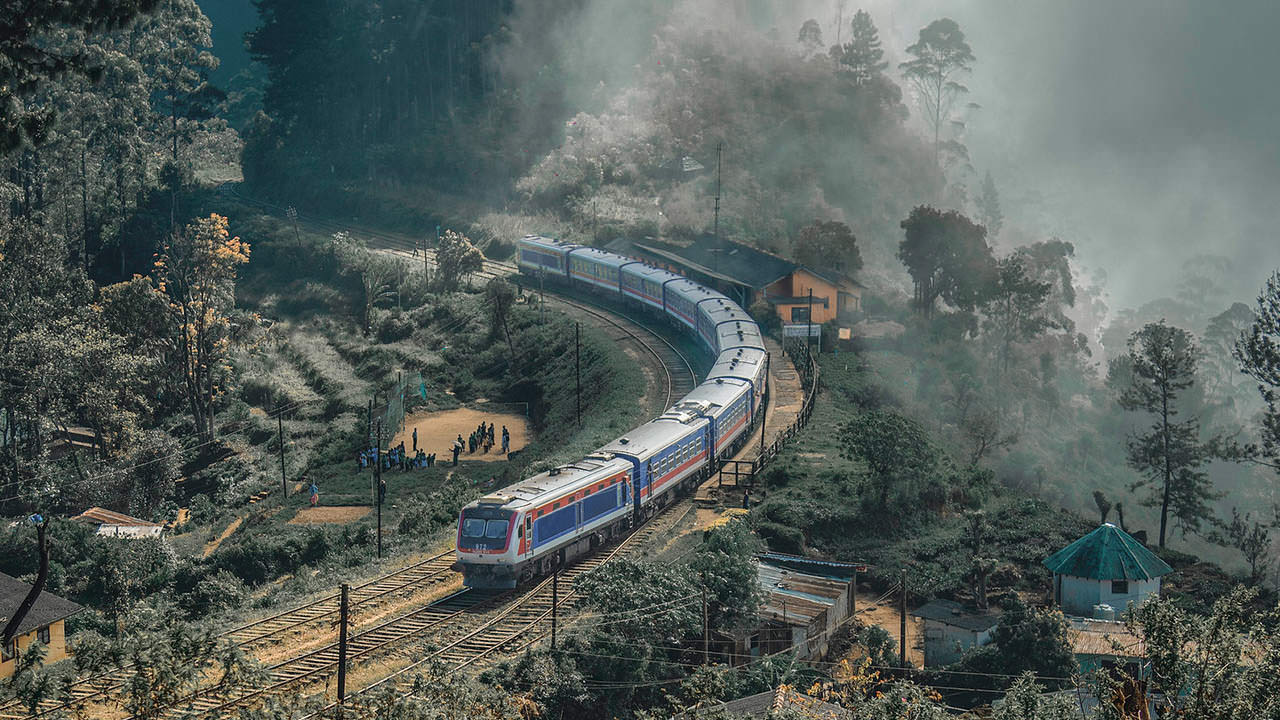
The gardens are located approximately 10 kilometres southeast of Nuwara Eliya town centre along the A5 road toward Welimada. By car or tuk-tuk the journey takes around 20 to 25 minutes. Regular buses running the Nuwara Eliya–Welimada route pass the garden entrance, making independent travel straightforward. If you are arriving on the iconic hill-country train from Kandy or Ella, alight at Nanu Oya station and arrange onward transport from there.
What are the entry fees and opening hours?
Hakgala Botanical Gardens is administered by the Department of National Botanic Gardens of Sri Lanka. Entry fees are set by the government and differ for foreign visitors, South Asian regional visitors, and Sri Lankan nationals. The garden is generally open daily from early morning to late afternoon; hours can vary on public holidays. It is worth confirming current fees and times through the official Department of National Botanic Gardens website before visiting, as these are periodically revised.
| Visitor Category | Notes |
|---|---|
| Foreign adults | Government-set fee; confirm current rate at the entrance or official site |
| SAARC nationals | Concessionary rate applies |
| Sri Lankan nationals | Lowest rate; children typically free or reduced |
How does Hakgala compare with Peradeniya Botanical Gardens?
Sri Lanka's two major botanical gardens attract different types of visitors. Peradeniya, near Kandy, is larger (around 60 hectares), flatter, and famous for its avenue of royal palms and giant Java fig trees. Hakgala is smaller, higher in altitude, and specialises in temperate flora — roses, ferns, and orchids — that cannot easily be grown at Peradeniya's lower elevation. Travellers doing a hill-country circuit often visit both, but those with limited time who are already in the Nuwara Eliya area will find Hakgala fully worthwhile on its own terms.
Practical tips for visiting Hakgala Botanical Gardens
- Dress in layers: Temperatures at this altitude can feel quite cool even at midday, particularly between November and February. A light jacket is advisable.
- Wear comfortable shoes: Most paths are paved or well-maintained gravel, but the terrain is gently undulating.
- Bring a refillable water bottle: There are limited refreshment options inside the garden.
- Allow two to three hours: This is enough to walk the main collections at a relaxed pace without feeling rushed.
- Photography: No tripod or professional-grade photography permits are required for casual visitors, but commercial shoots typically need prior authorisation from the Department.
- Combine with nearby attractions: The garden pairs naturally with a visit to Ella or the Nuwara Eliya town area, and the drive between them is scenic.
Where to stay near Hakgala Botanical Gardens?
Nuwara Eliya offers accommodation ranging from colonial-era grand hotels to smaller guesthouses. The Grand Hotel, Nuwara Eliya is a well-known heritage property that captures the hill-station atmosphere of the town. Most properties in town are within a 15–25 minute drive of the garden, making it a straightforward day excursion.
What is the connection between Hakgala and the Ramayana legend?
Local tradition holds that the Hakgala area corresponds to Seetha Eliya, the site associated with the abduction of Sita in the Hindu epic Ramayana. A small temple dedicated to Sita is located close to the garden entrance, and the site draws Hindu pilgrims as well as curious travellers. Whether this identification is historically verifiable is debated, but the mythological resonance adds a cultural dimension that distinguishes Hakgala from a purely botanical destination.