Trigonella foenum-graecum (Fenugreek)


Trigonella foenum-graecum also known as Fenugreek is an herb similar to clover that is native to the Mediterranean region, southern Europe, and western Asia. The seeds are used in cooking, to make medicine, or to hide the taste of other medicine. Fenugreek seeds smell and taste somewhat like maple syrup. Fenugreek leaves are eaten in India as a vegetable. Fenugreek is taken by mouth for digestive problems such as loss of appetite, upset stomach, constipation, inflammation of the stomach (gastritis). Fenugreek is also used for diabetes, painful menstruation, polycystic ovary syndrome, and obesity. It is also used for conditions that affect heart health such as "hardening of the arteries" (atherosclerosis) and for high blood levels of certain fats including cholesterol and triglycerides.
Fenugreek is used for kidney ailments, a vitamin deficiency disease called beriberi, mouth ulcers, boils, bronchitis, infection of the tissues beneath the surface of the skin (cellulitis), tuberculosis, chronic coughs, chapped lips, baldness, cancer, Parkinson's disease, and exercise performance.Some men use fenugreek for hernia, erectile dysfunction (ED), male infertility, and other male problems. Both men and women use fenugreek to improve sexual interest.Women who are breast-feeding sometimes use fenugreek to promote milk flow.
Fenugreek is sometimes used as a poultice. That means it is wrapped in cloth, warmed, and applied directly to the skin to treat local pain and swelling (inflammation), muscle pain, pain and swelling of lymph nodes (lymphadenitis), pain in the toes (gout), wounds, leg ulcers, and eczema.In foods, fenugreek is included as an ingredient in spice blends. It is also used as a flavoring agent in imitation maple syrup, foods, beverages, and tobacco.In manufacturing, fenugreek extracts are used in soaps and cosmetics.
Why Use Fenugreek Seeds: The Health Benefits of the Spice
Fenugreek is the oldest medicinal plant with actual seeds being found from as far back as 4000 BC. Ancient history aside, the spice has been given the moniker of nutraceutical by the current US food industry. What’s a nutraceutical? Food that has not only nutritional value but also pharmaceutical. Vitamin B, Vitamin C, Calcium, Iron, Magnesium; you name it, and fenugreek has it in abundance. The Chinese have long used fenugreek seeds as traditional medicine. They call it the ‘phlegm mover.’ You know that cold feeling that settles in your bones come winter? The seeds drive it out and reduce inflammation.
A teaspoon of methidana, soaked overnight in a glass of water, is excellent for lactating mothers, for boosting immunity and regulating blood sugar levels. Even Ayurveda sings a merry tune on the seeds. Fenugreek is touted as an excellent alleviator of pain with the maximum impact occurring on the lower half of the body such as the legs, pelvic region, and the lower back. For the same reason, the spice does wonders when Aunty Flo comes calling, and the abdominal spams become unbearable.
-
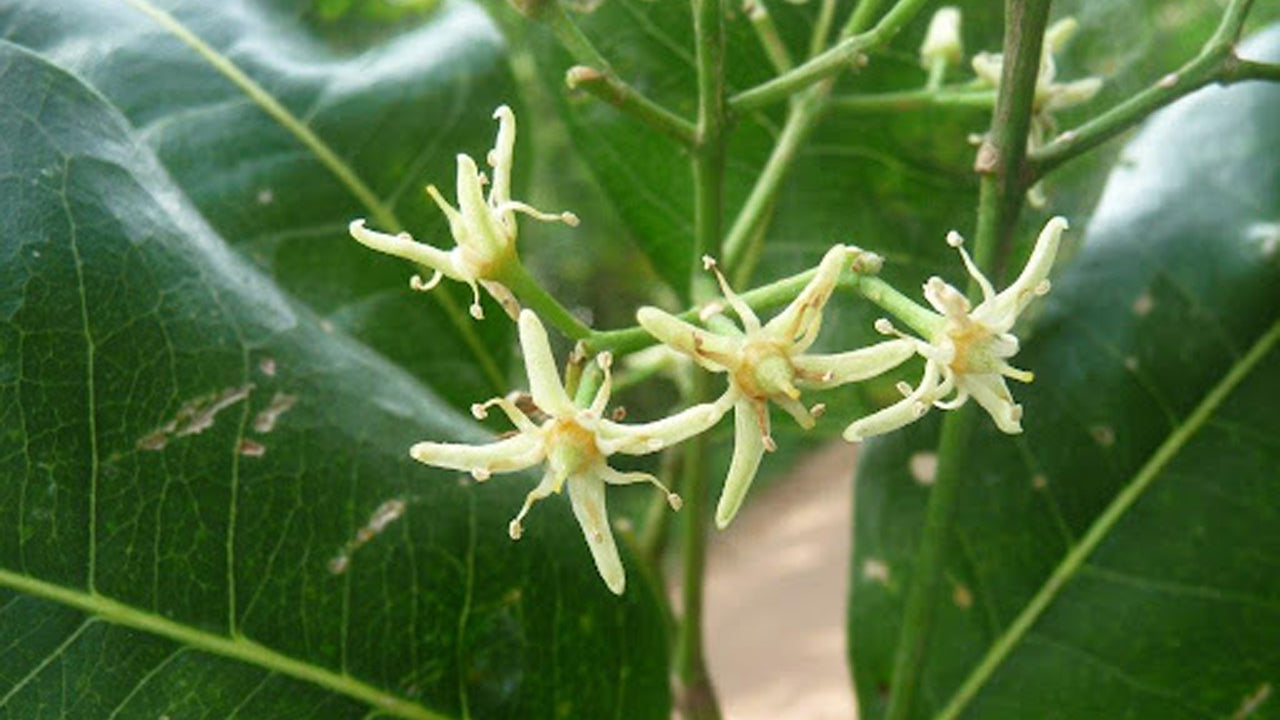
Claw-flowered laurel
Acronychia pedunculata -
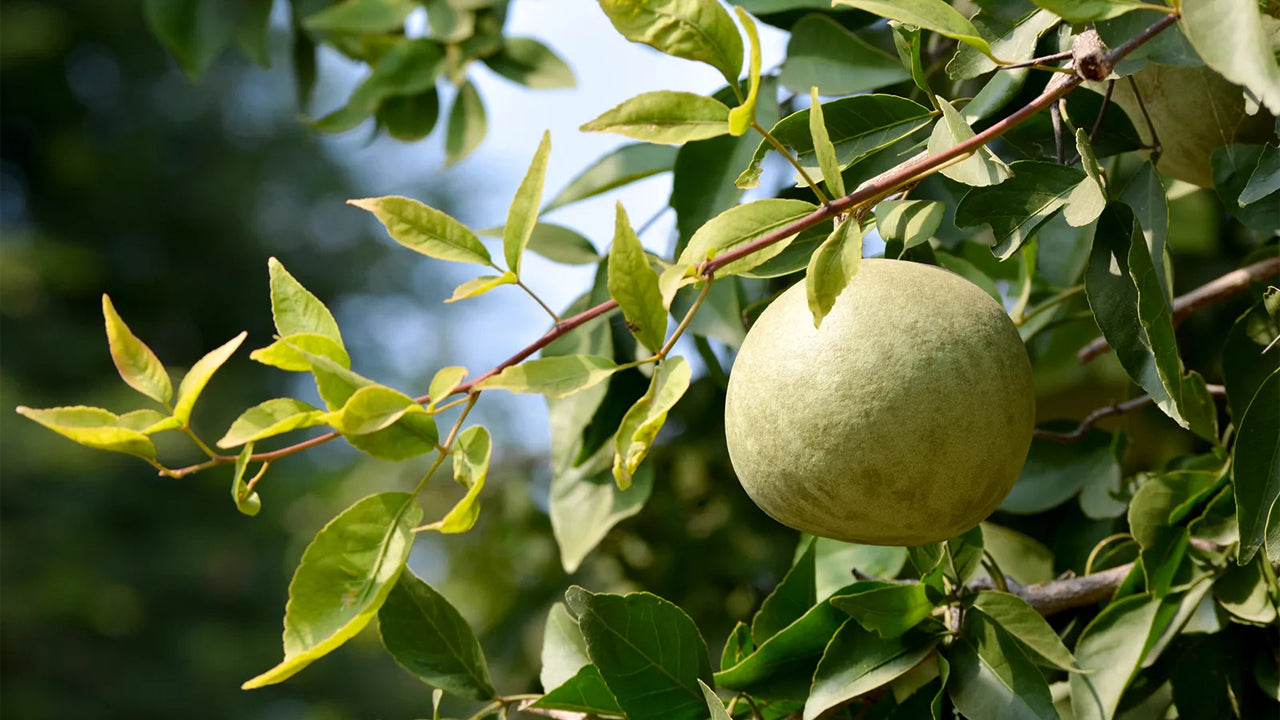
Bael
Aegle marmelos -
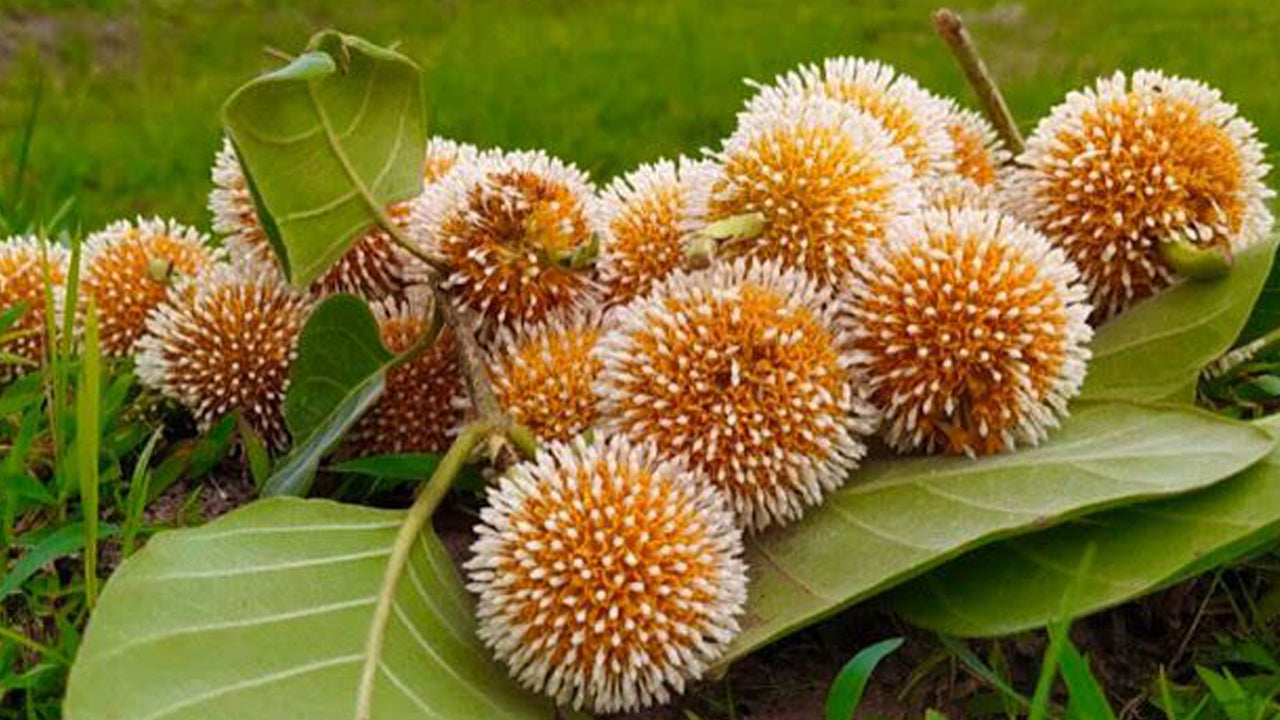
Leichhardt tree
Nauclea orientalis -
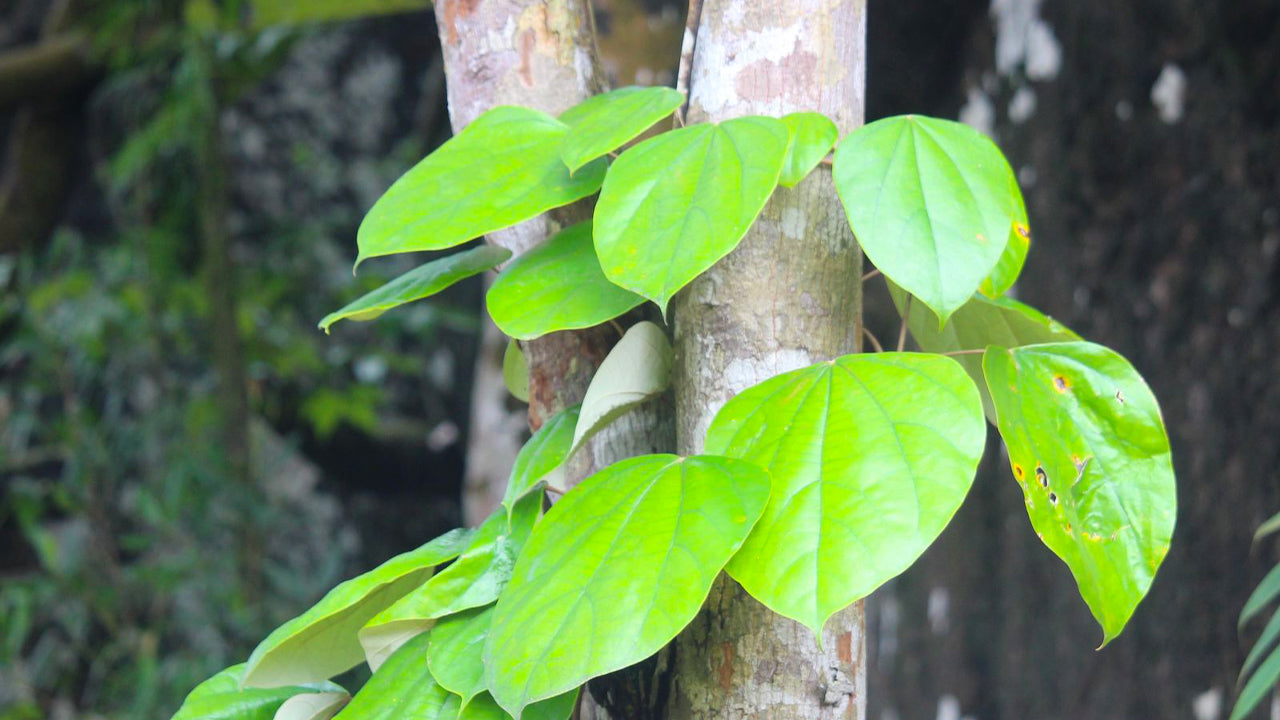
False Calumba
Coscinium fenestratum -

Malabar Gulbel
Tinospora malabarica -
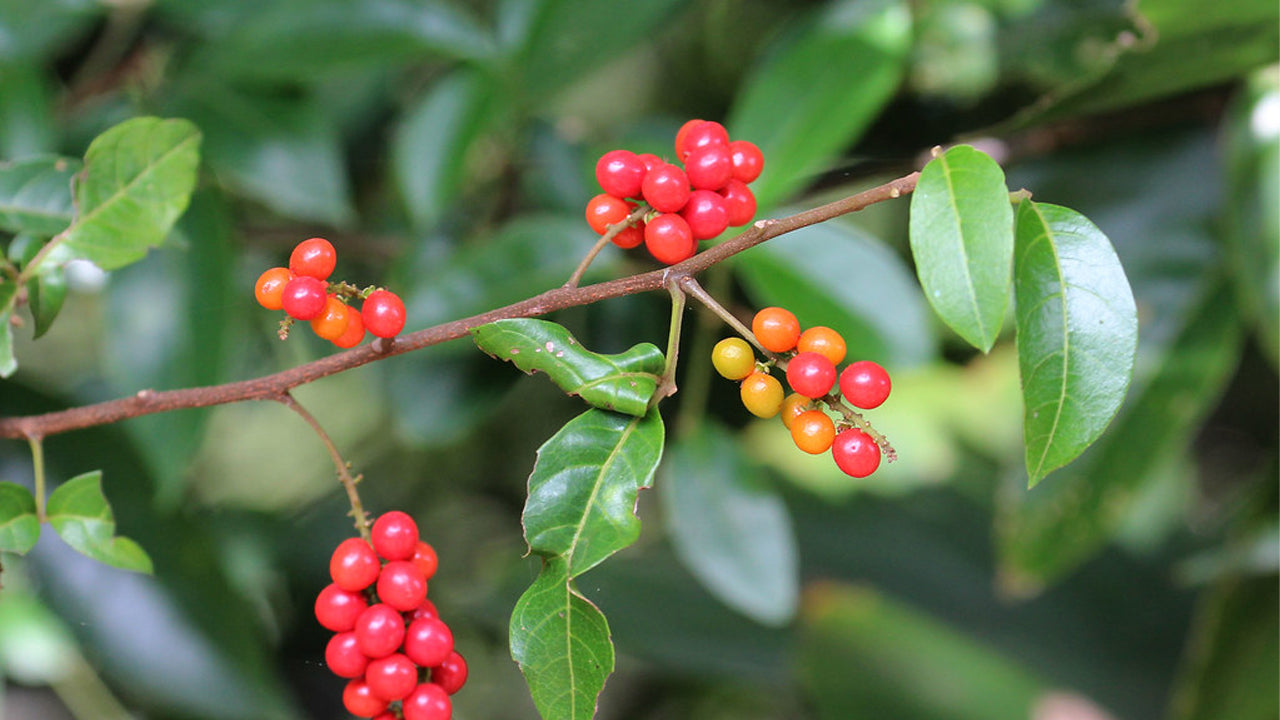
Titberry
Allophylus cobbe -
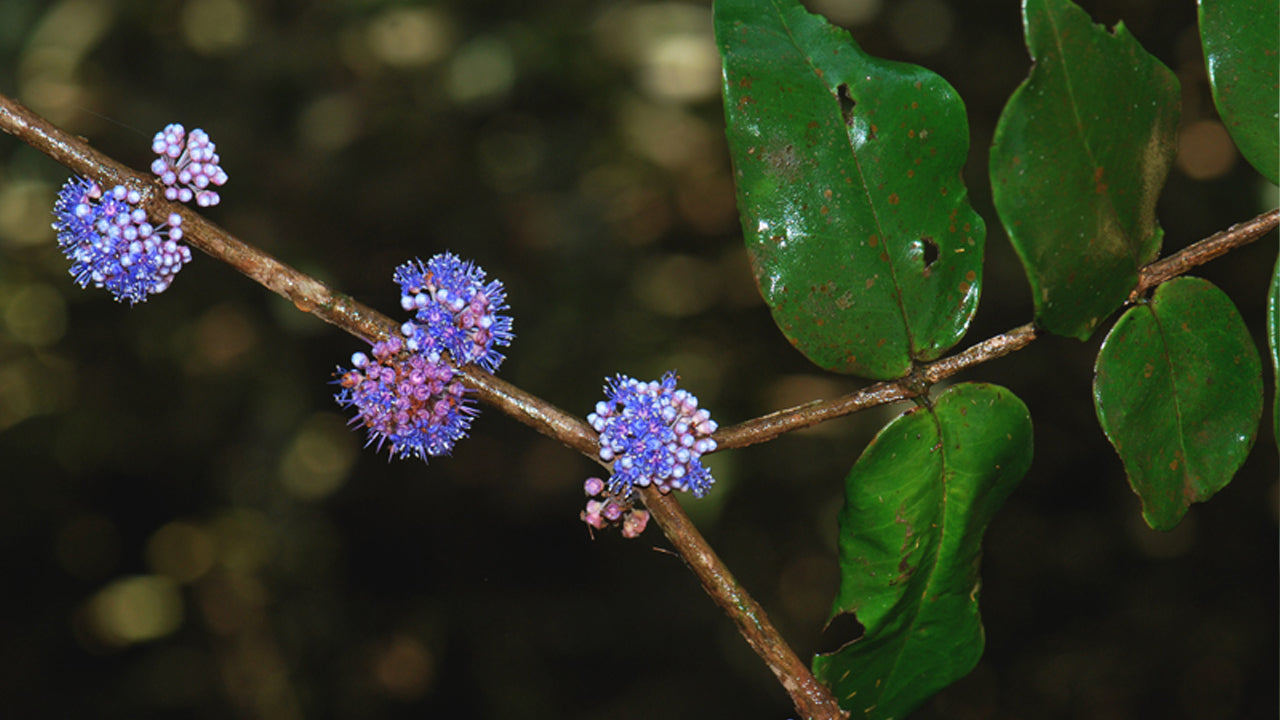
Ironwood Tree
Memecylon capitellatum -
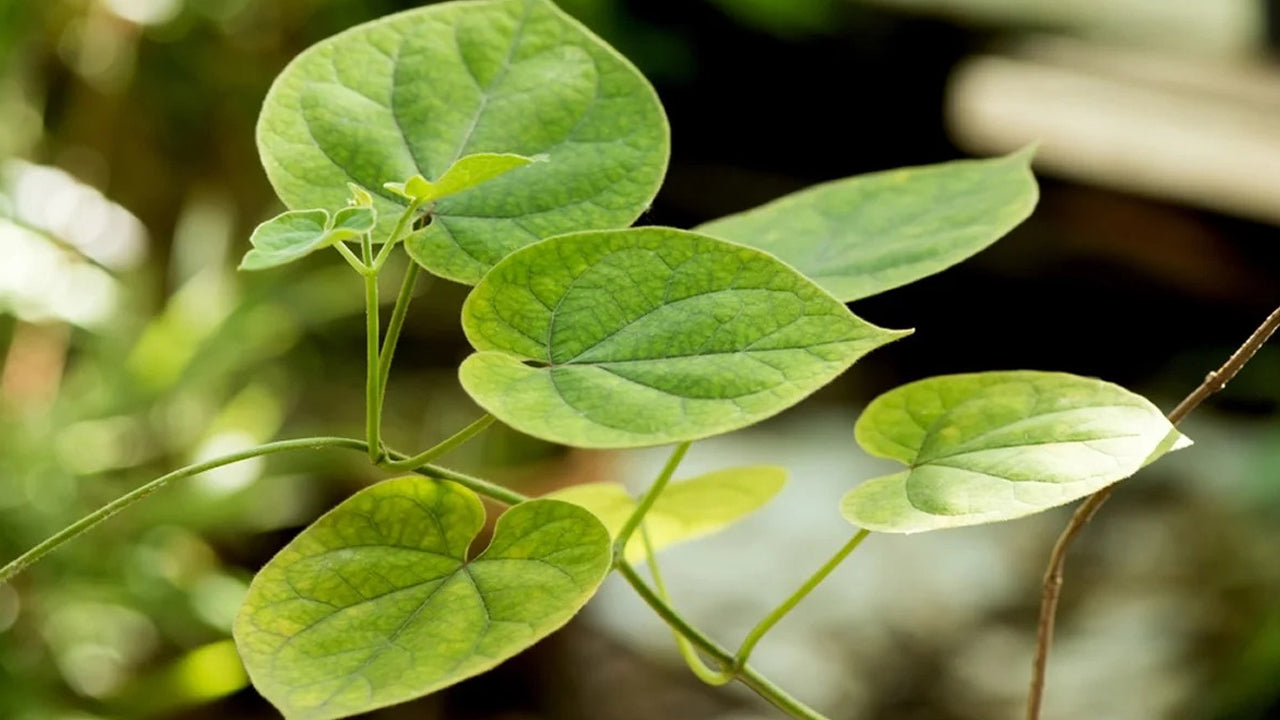
Velvet Leaf
Cissampelos pareira -
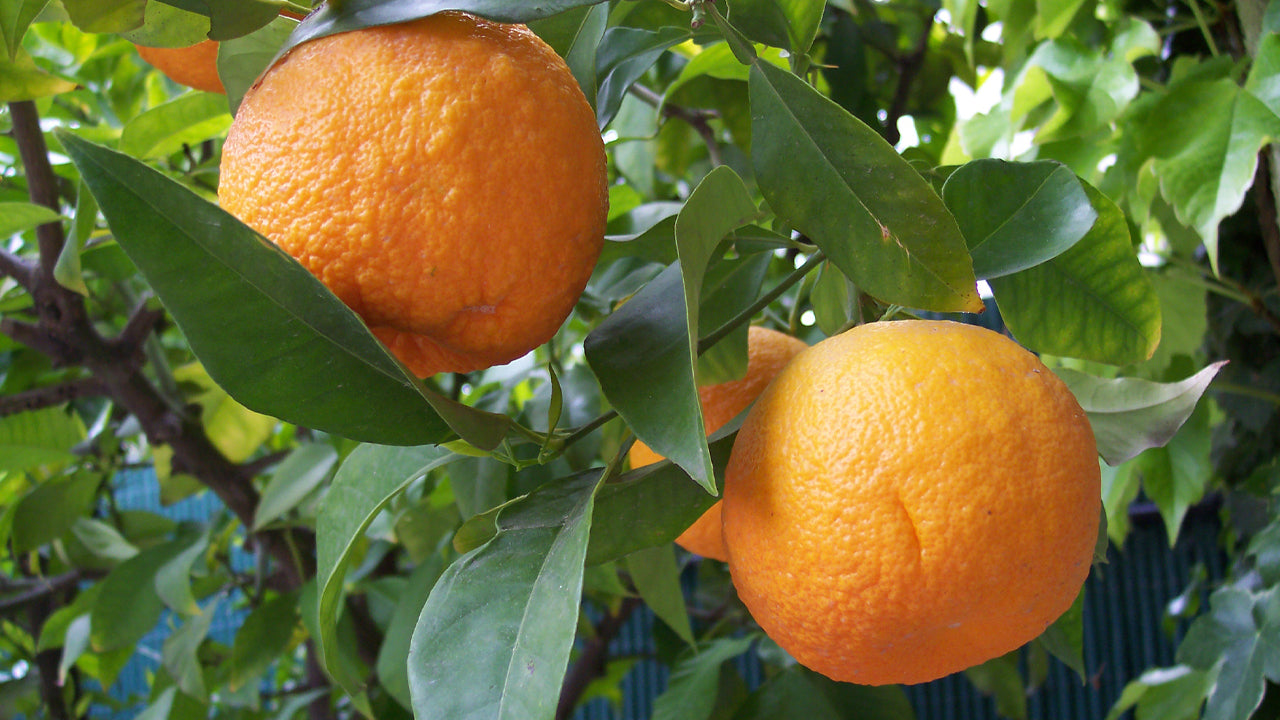
Bitter orange
Citrus aurantium -

Reinwardt's Tree Plant
Biophytun reinward -
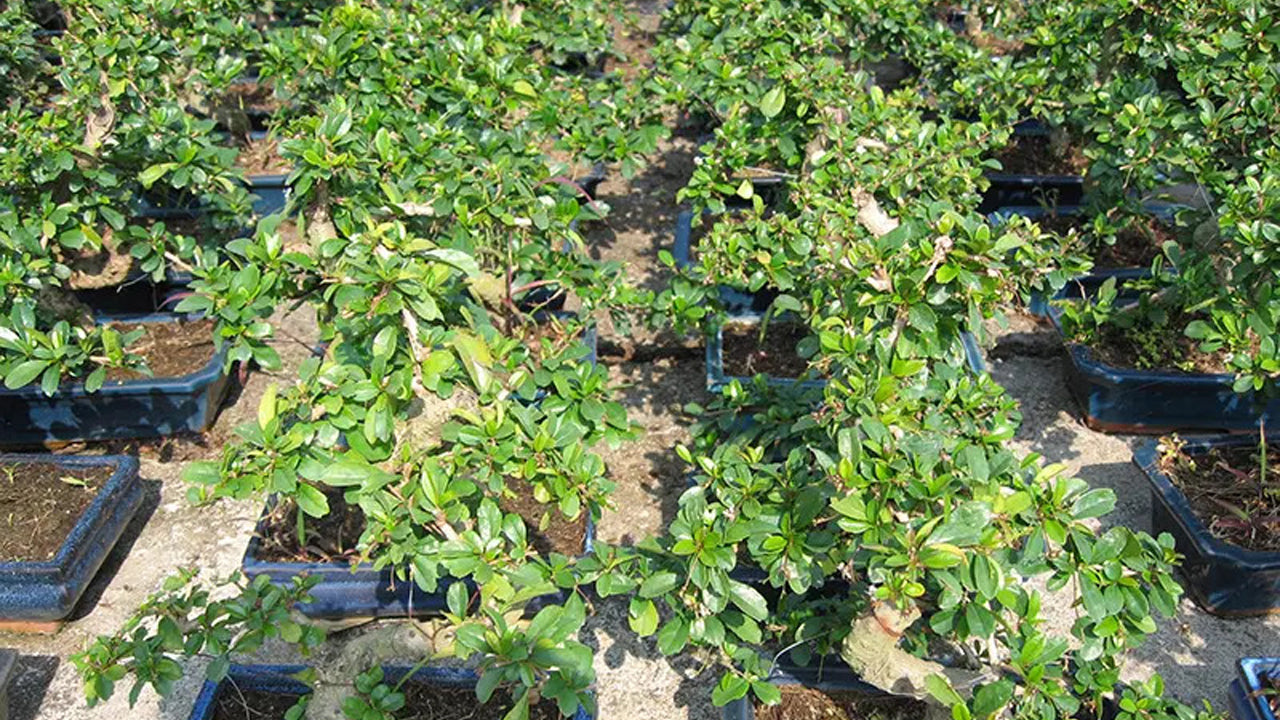
Fukien tea
Carmona microphylla -
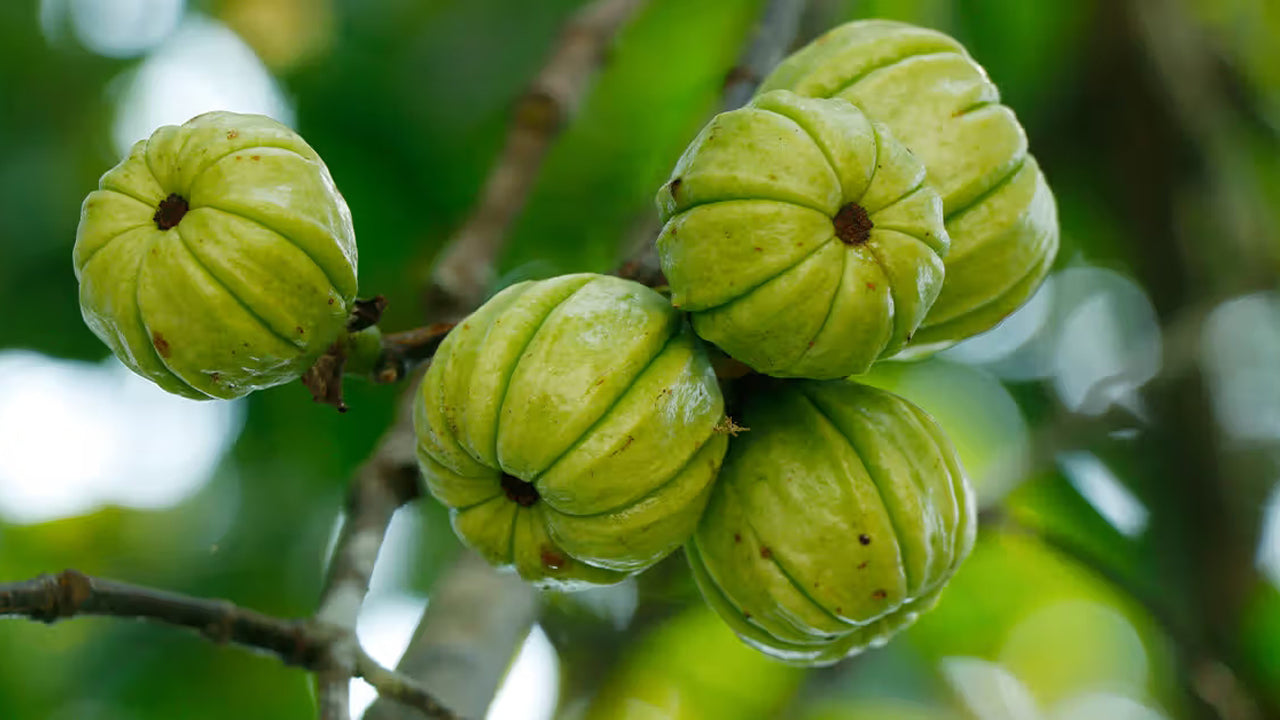
Malabar tamarind
Garcinia cambogia -
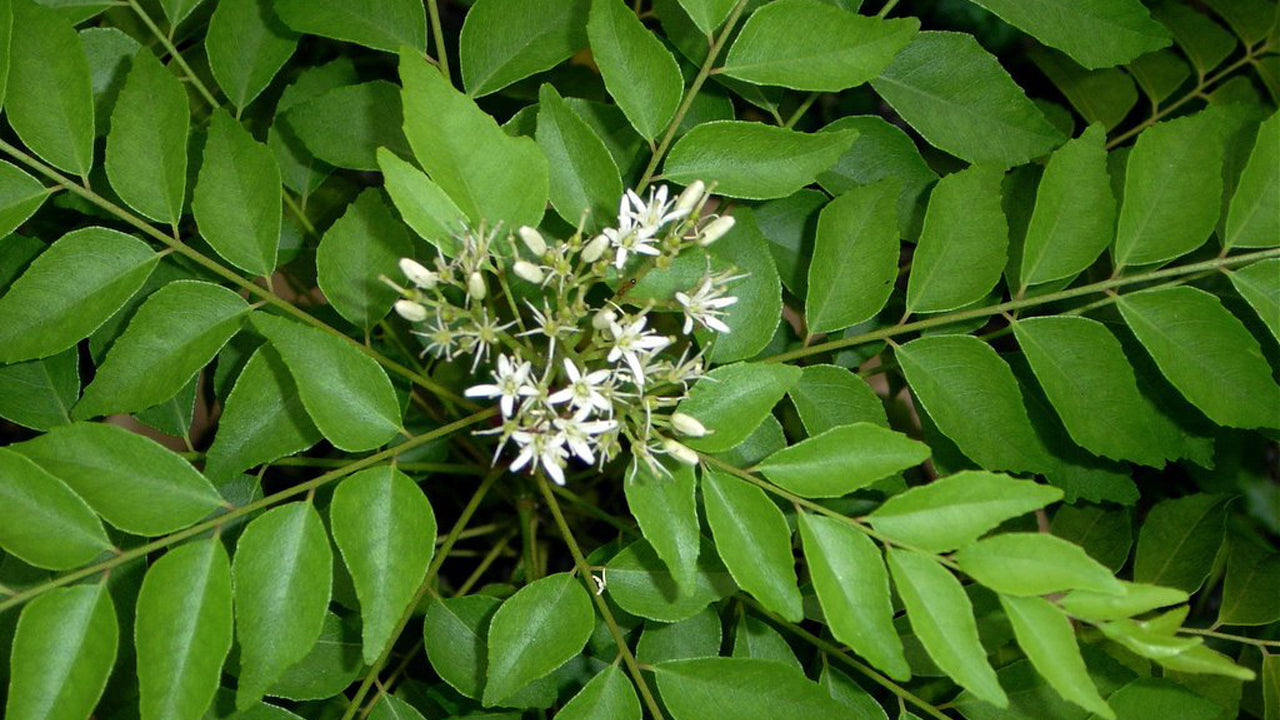
Curry leaf tree
Murraya koenigii -
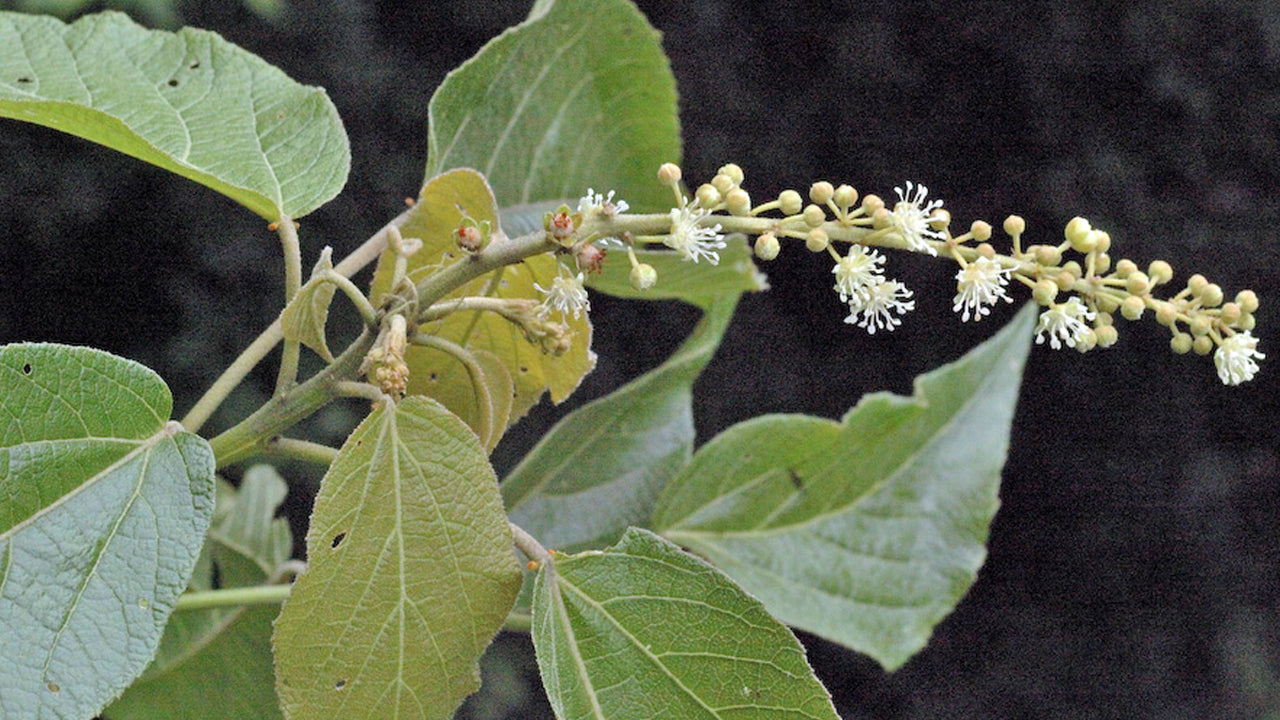
Kappetiya
Croton laccifer -
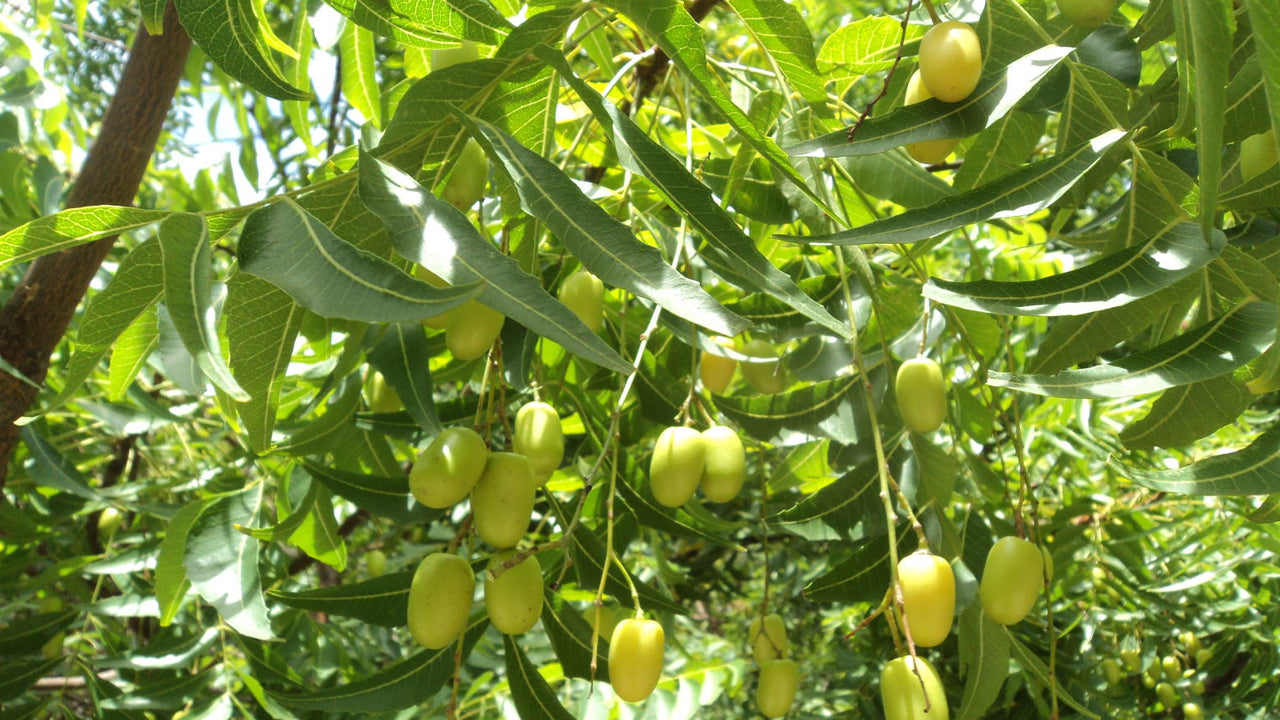
Indian lilac
Azadirachta indica -
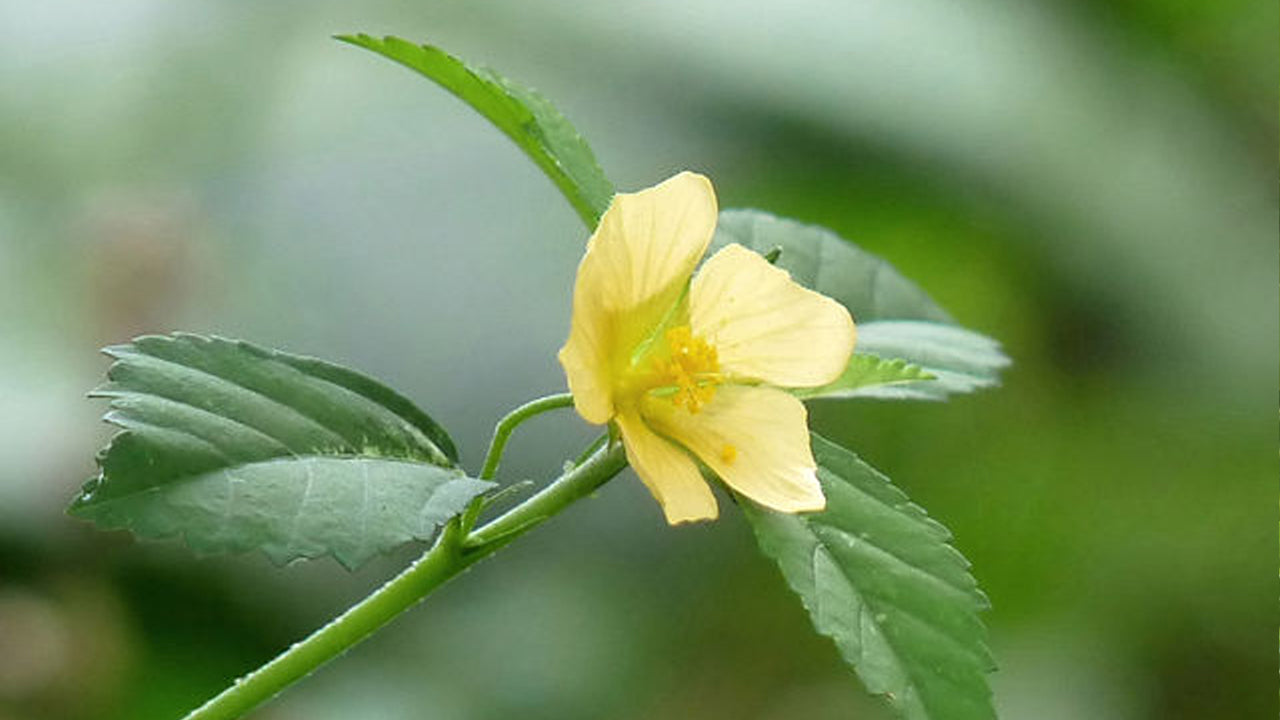
Spiny sida
Sida alba -
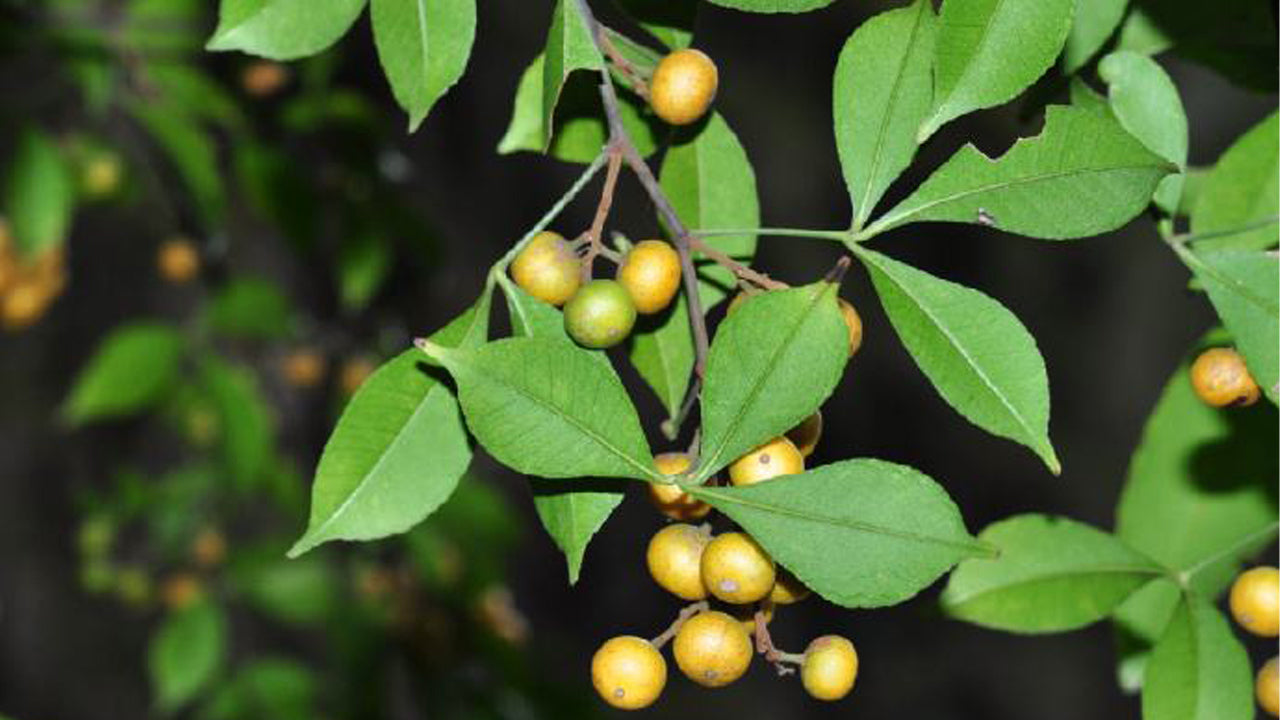
Orange climber
Toddlia asiatica -
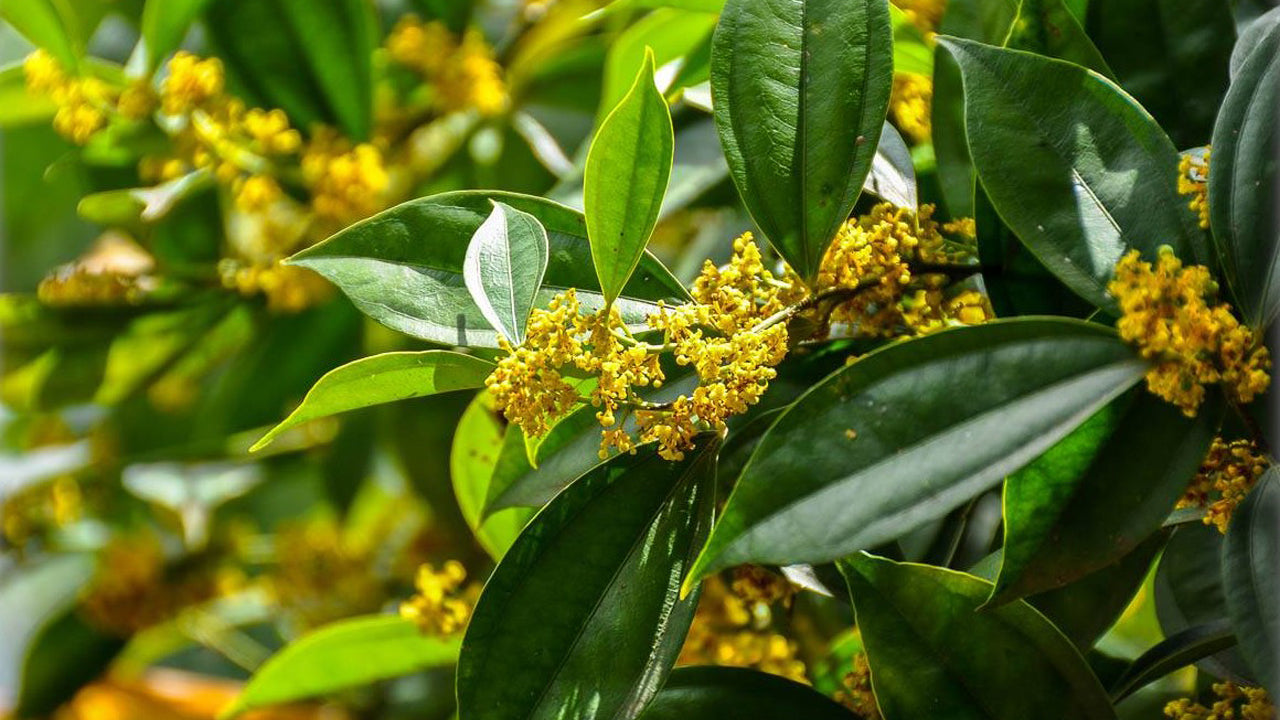
Ceylon cinnamon
Cinnamomum zeylanicum -
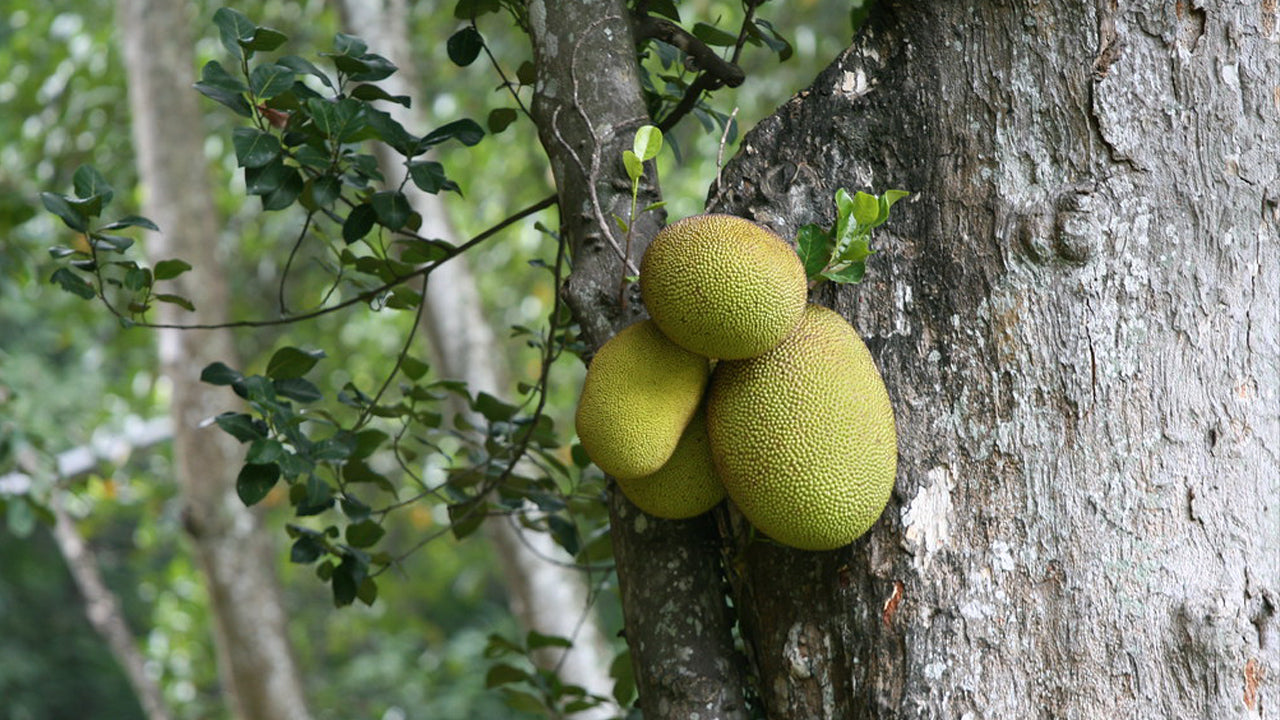
Jackfruit
Artocarpus heterophyllus -
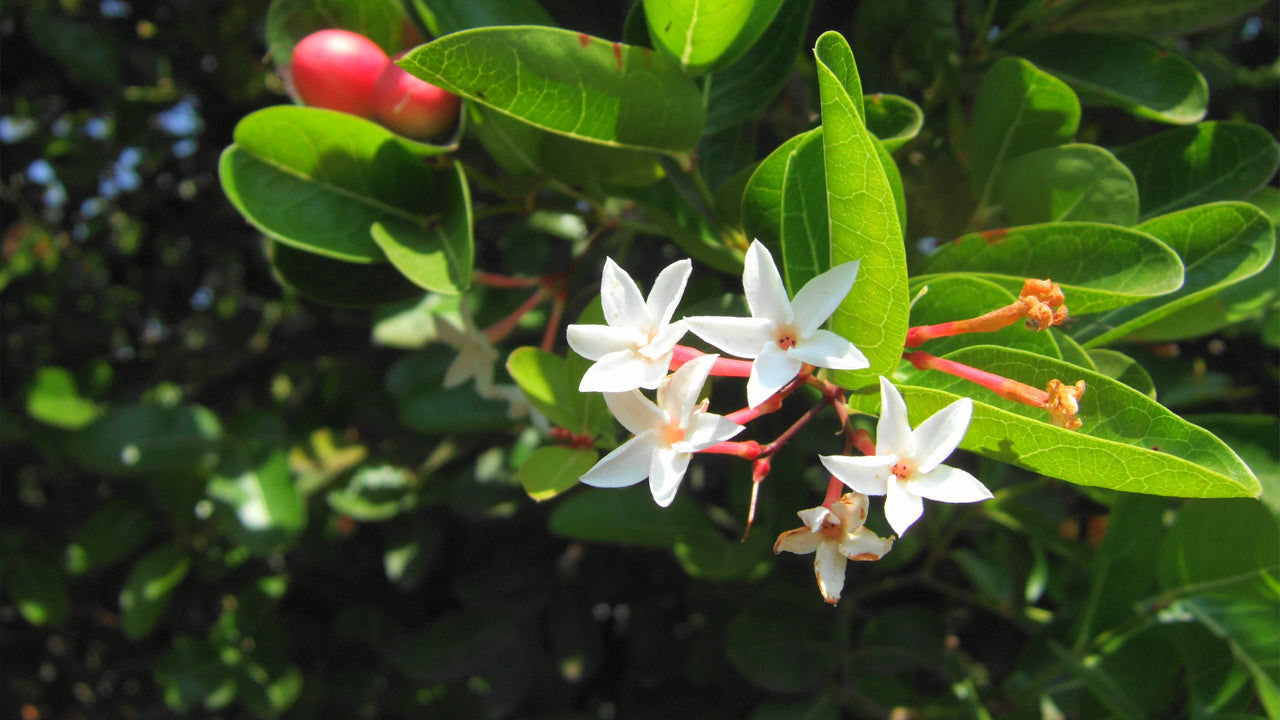
Karonda
Carissa carandas -
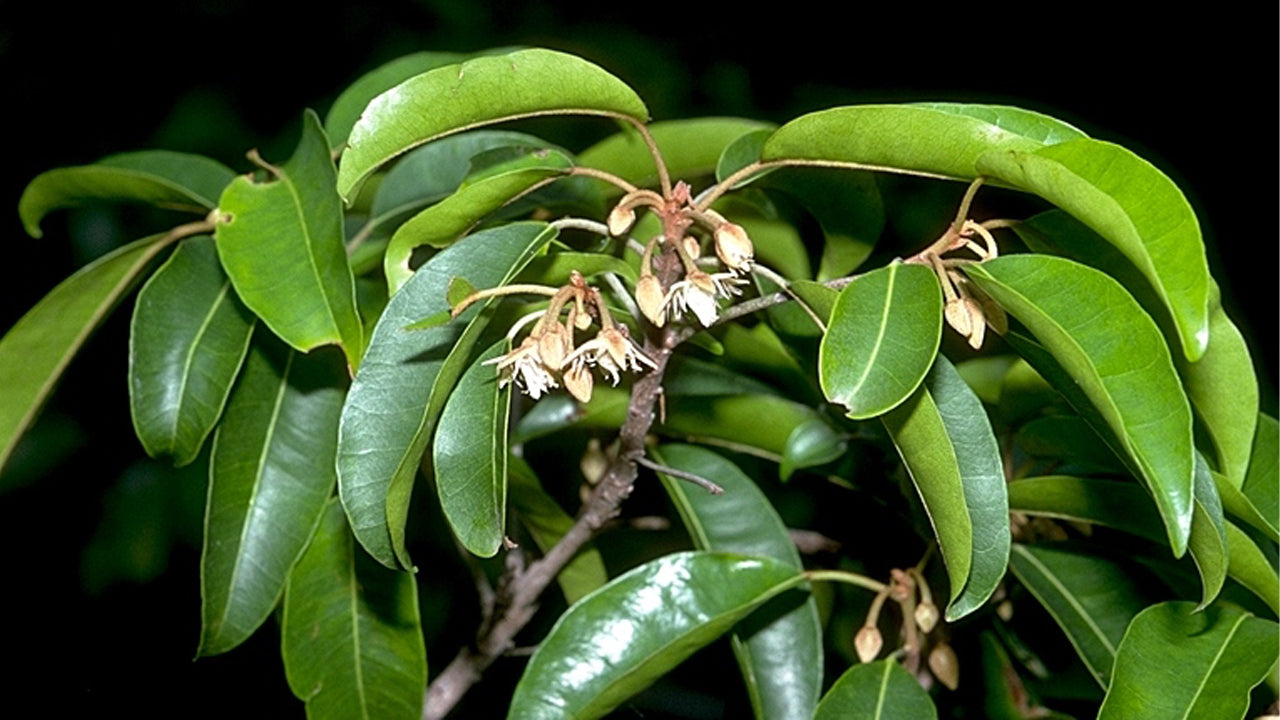
Spanish cherry
Mimusops elengi -
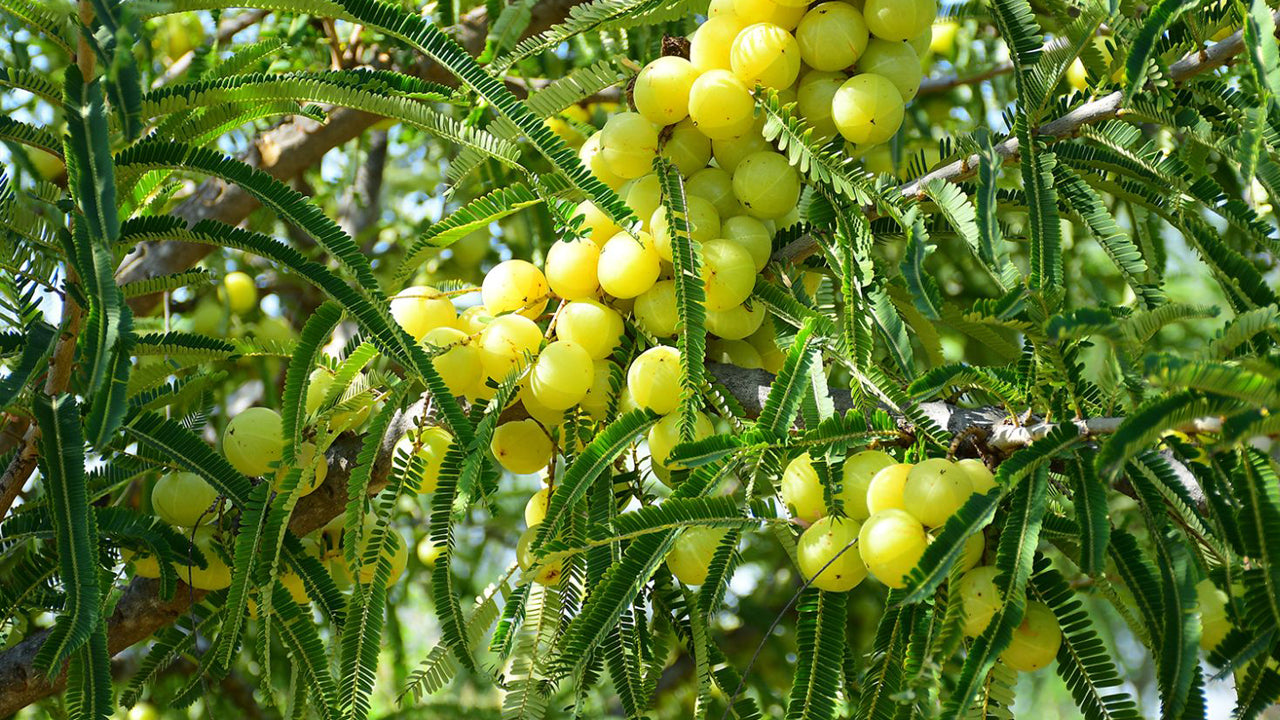
Indian gooseberry
Phyltanthus emblica -
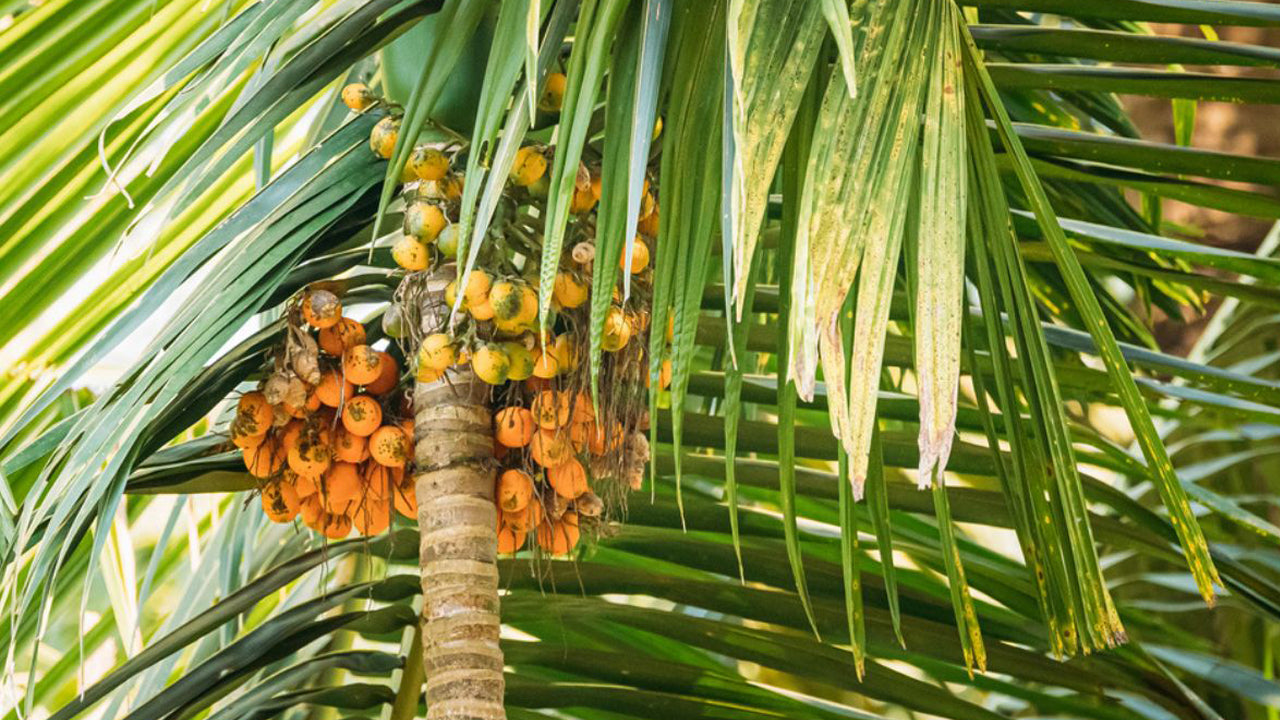
Betel palm
Areca catechu -
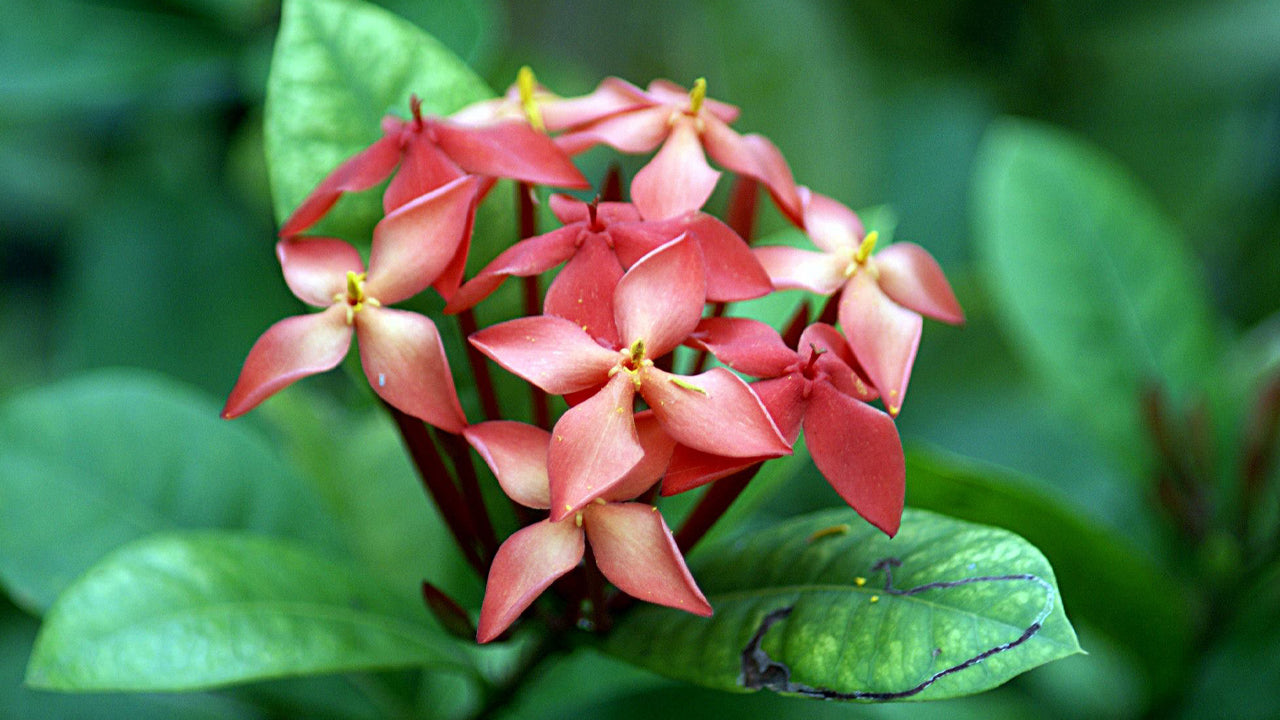
Jungle geranium
Ixora coccinea -
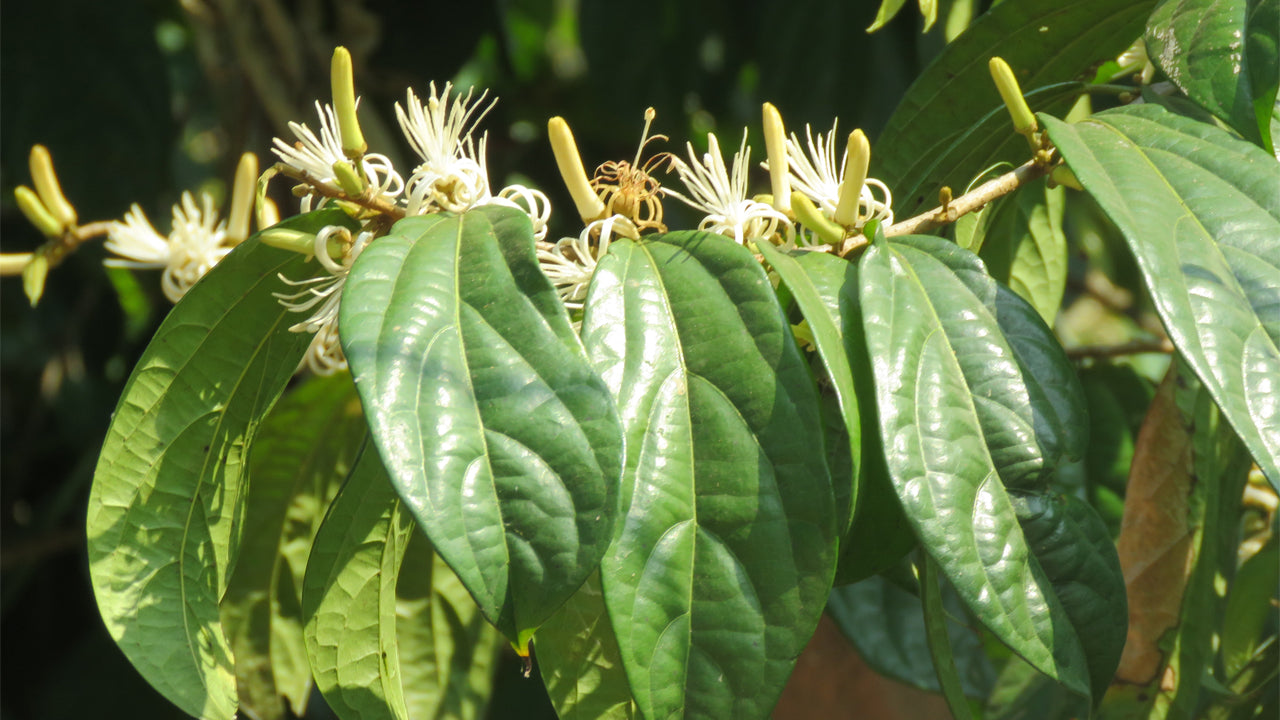
Sage-leaved alangium
Alangium salviifolium -
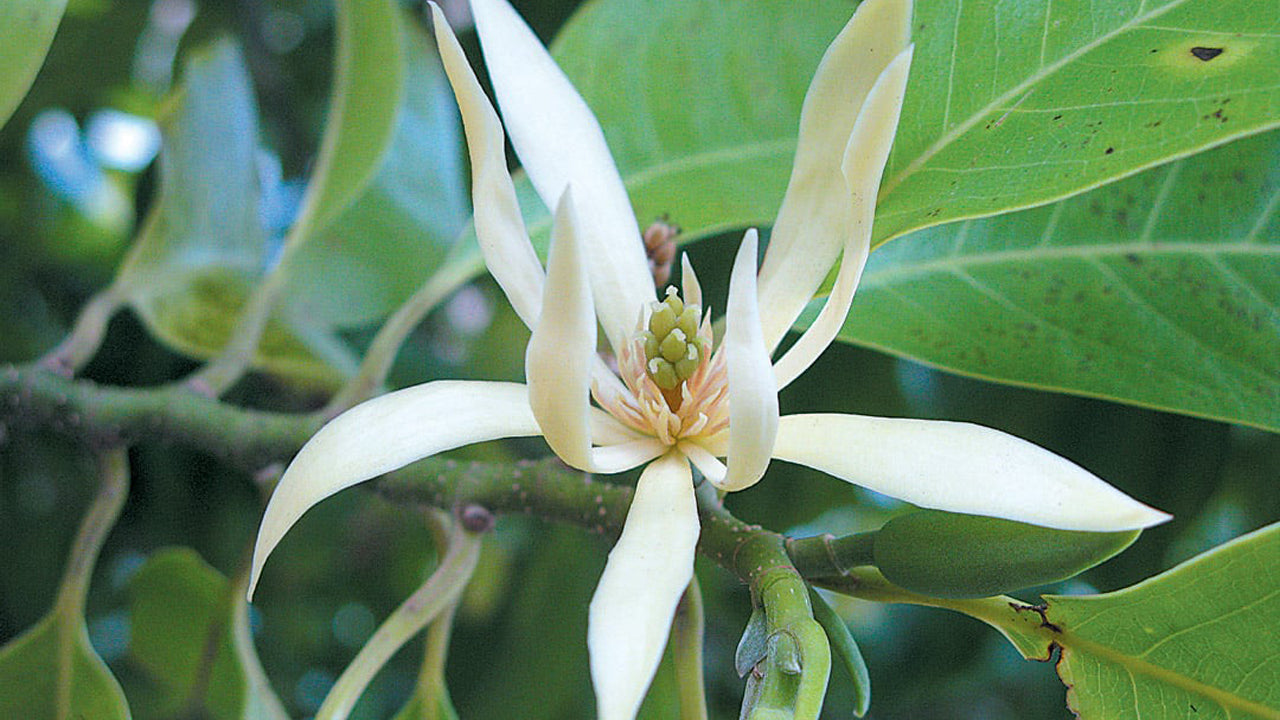
Champak
Michelia champaca -
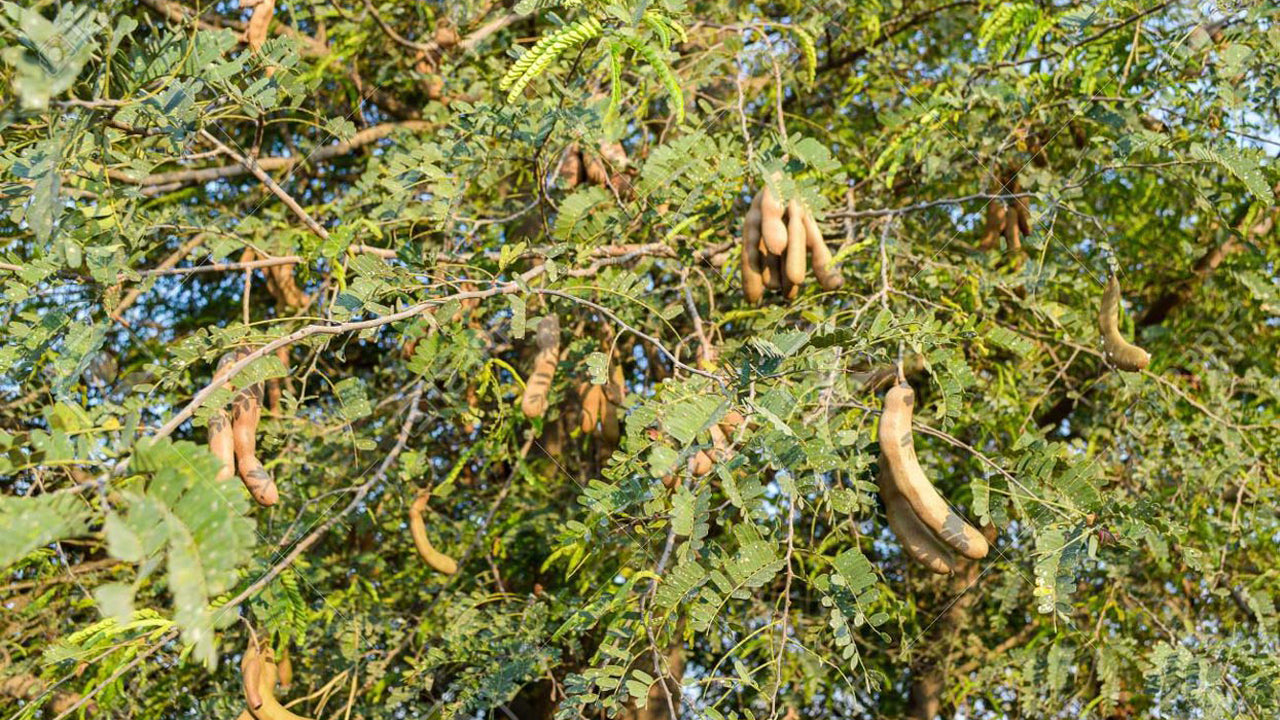
Tamarind
Tamarindus indica -
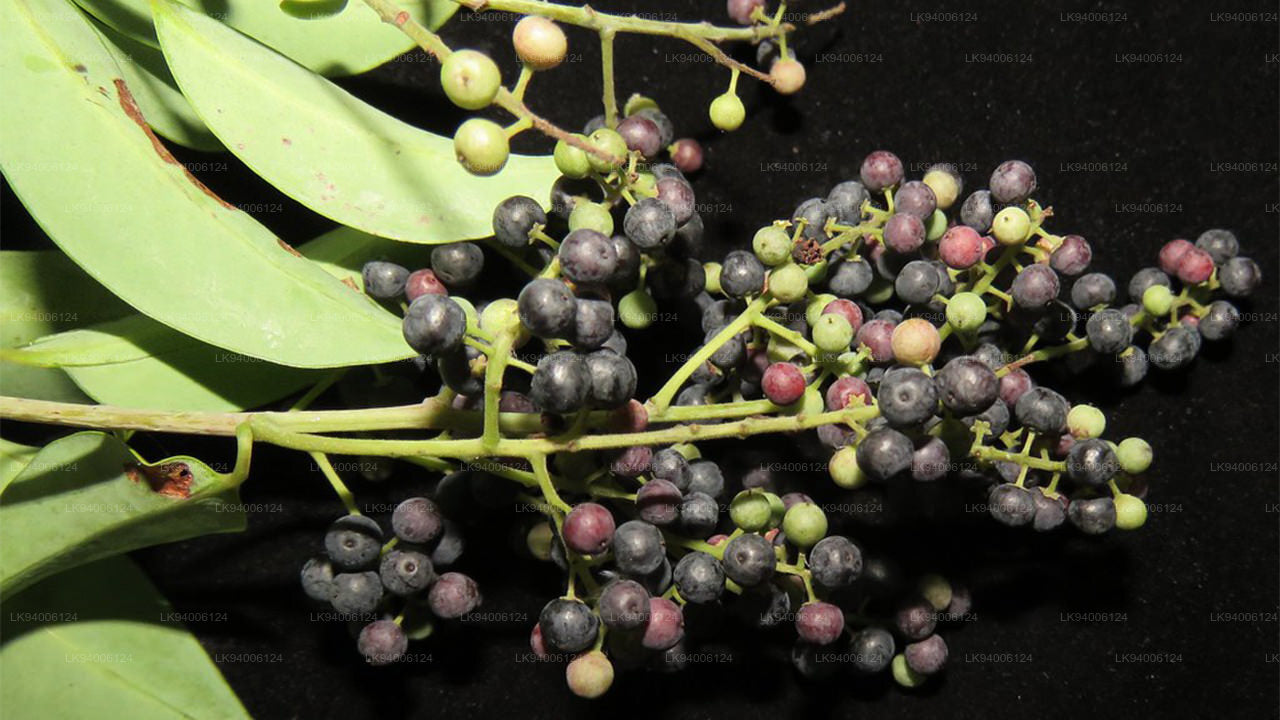
False Black Pepper
Embelia ribes -
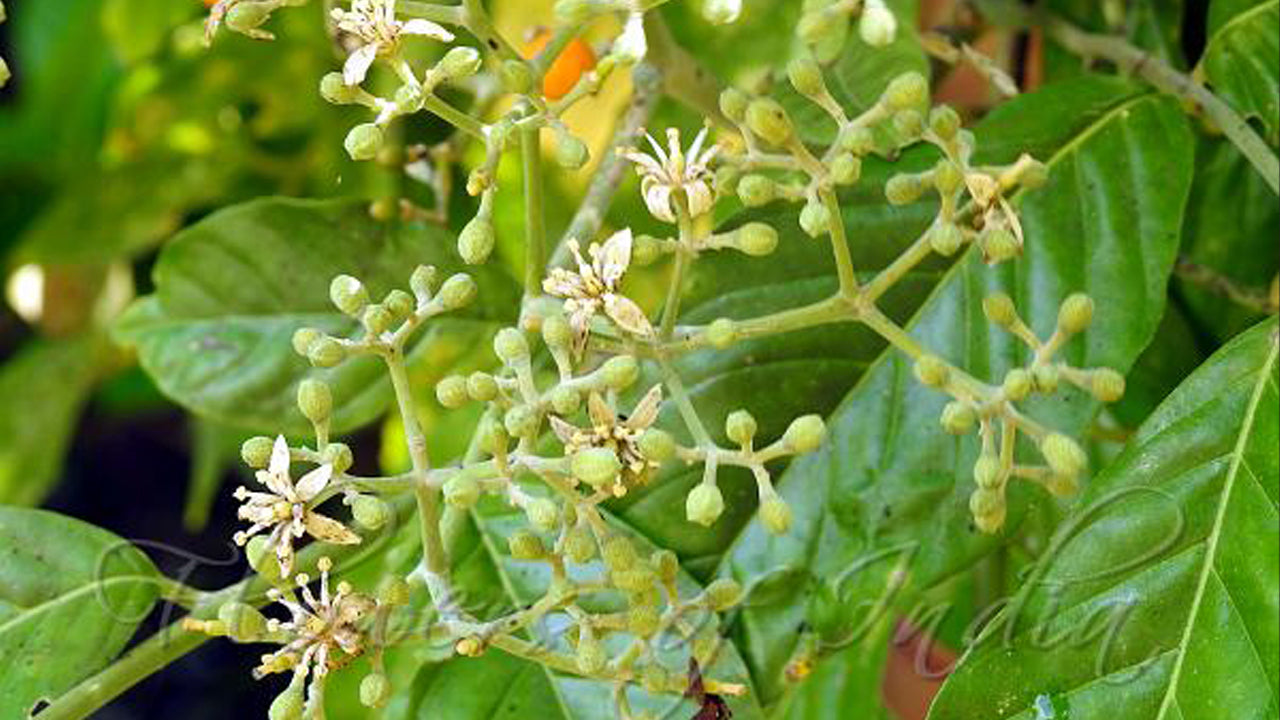
Limeberry
Micromelum ceylanicum -
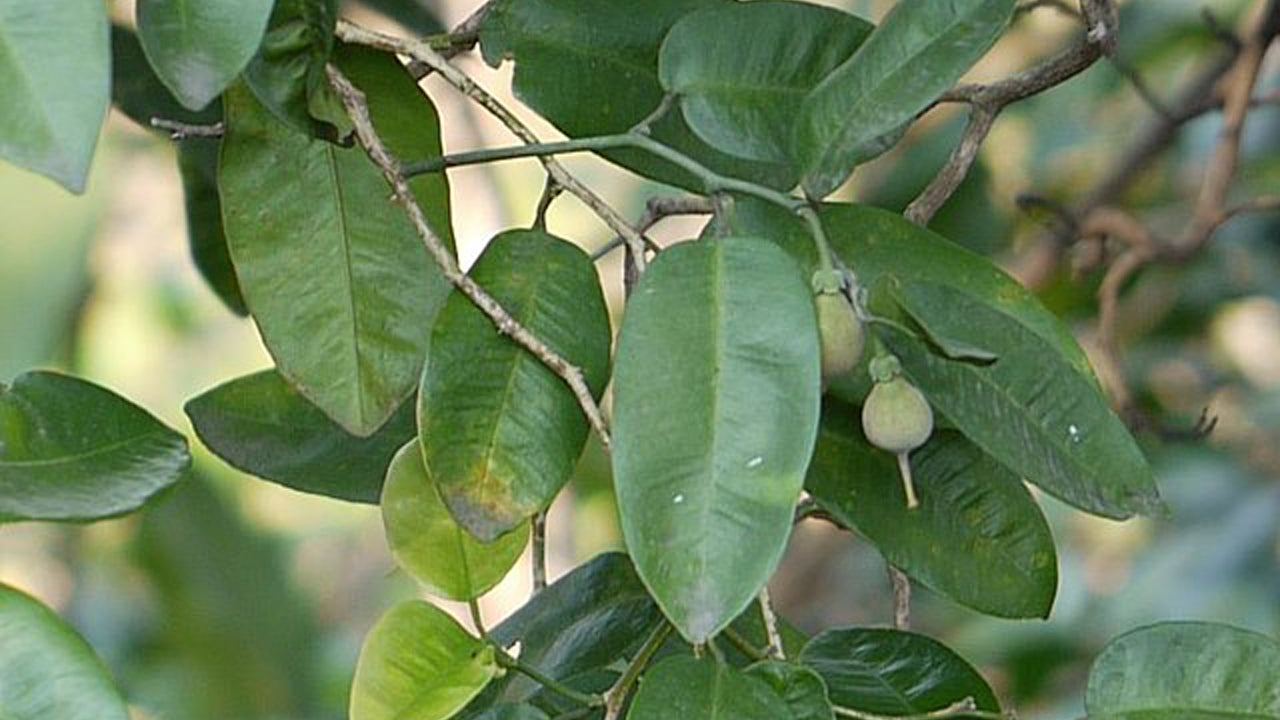
Climbing Atalantia
Paramignya monophylla





Ayurvedic and Herbal
-
Bálsamo de hierbas Siddhalepa Ayurveda
Precio habitual A partir de $0.48 USDPrecio habitual$0.54 USDPrecio de oferta A partir de $0.48 USDOferta -
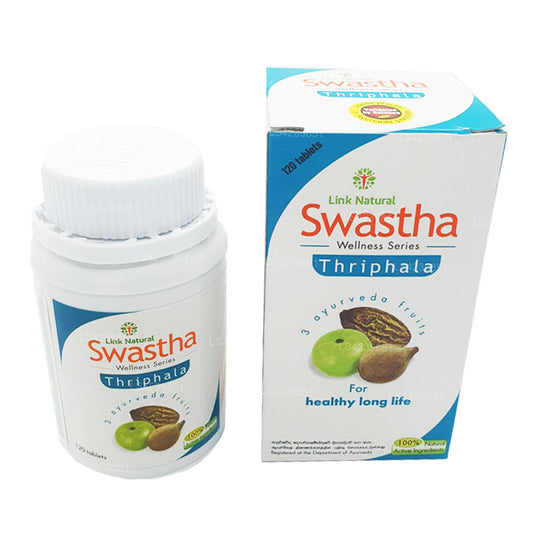
Link Swastha Thriphala (30 comprimidos)
Precio habitual A partir de $1.74 USDPrecio habitual$1.93 USDPrecio de oferta A partir de $1.74 USDOferta -
Hojas Deshidratadas Enteras de Guanábana Silvestre Lakpura® (Guanabana, Graviola, Guyabano)
Precio habitual A partir de $0.72 USDPrecio habitual$0.81 USDPrecio de oferta A partir de $0.72 USDOferta -
 Oferta
Aceite Setsuwa Pranajeeva
Precio habitual A partir de $3.85 USDPrecio habitual$4.28 USDPrecio de oferta A partir de $3.85 USDOferta