Trachyspermum roxburghianum


Trachyspermum roxburghianum (también conocido como Carum roxburghianum) es una planta con flores de la familia Apiaceae. Se cultiva ampliamente en el sur de Asia, el sudeste asiático e Indonesia. Sus frutos secos aromáticos, al igual que los de su pariente cercano el ajwain, se utilizan a menudo en la cocina bengalí, pero raramente se emplean en el resto de la India. Las hojas frescas se utilizan como hierba en Tailandia y se usa con fines medicinales en Myanmar y Sri Lanka.
Características
Los pequeños frutos secos, comúnmente denominados semillas, tienen una apariencia similar a las del ajwain, el apio y la alcaravea. Debido a su similitud tanto en apariencia como en sabor, a menudo se confunden o se sustituyen por semillas de apio.
Etimología
Conocida como radhuni en bengalí, a menudo se confunde con el apio y se conoce como apio silvestre en inglés. Se conoce como ajmod en hindi, ambos derivados del sánscrito ajamoda, del cual también se deriva el nombre para el ajwain. También se conoce como kant-balu en birmano y phak chi lom en tailandés, aunque este nombre también puede referirse a una variedad de apio. También es conocida en Sri Lanka.
Usos
Es una especia muy fuerte, con un olor característico similar al perejil y un sabor parecido al apio. Un par de pizcas pueden dominar fácilmente un curry. En la cocina bengalí, las semillas se usan enteras, friendo rápidamente en aceite muy caliente hasta que crepitan. Se usa comúnmente en el famoso plato bengalí "Shukto". A veces son parte de una mezcla local de panch phoron (cinco especias bengalíes) reemplazando a las semillas de mostaza negra; los otros ingredientes son semillas de comino, semillas de fenogreco, semillas de hinojo y semillas de nigella. En otros lugares, un uso común es en encurtidos o mezclas de especias. Se usa comúnmente como hierba para la diarrea, gastritis, pérdida de apetito, vómitos, distensión abdominal, dolor de estómago relacionado con la indigestión y también para enfermedades parasitarias.


-
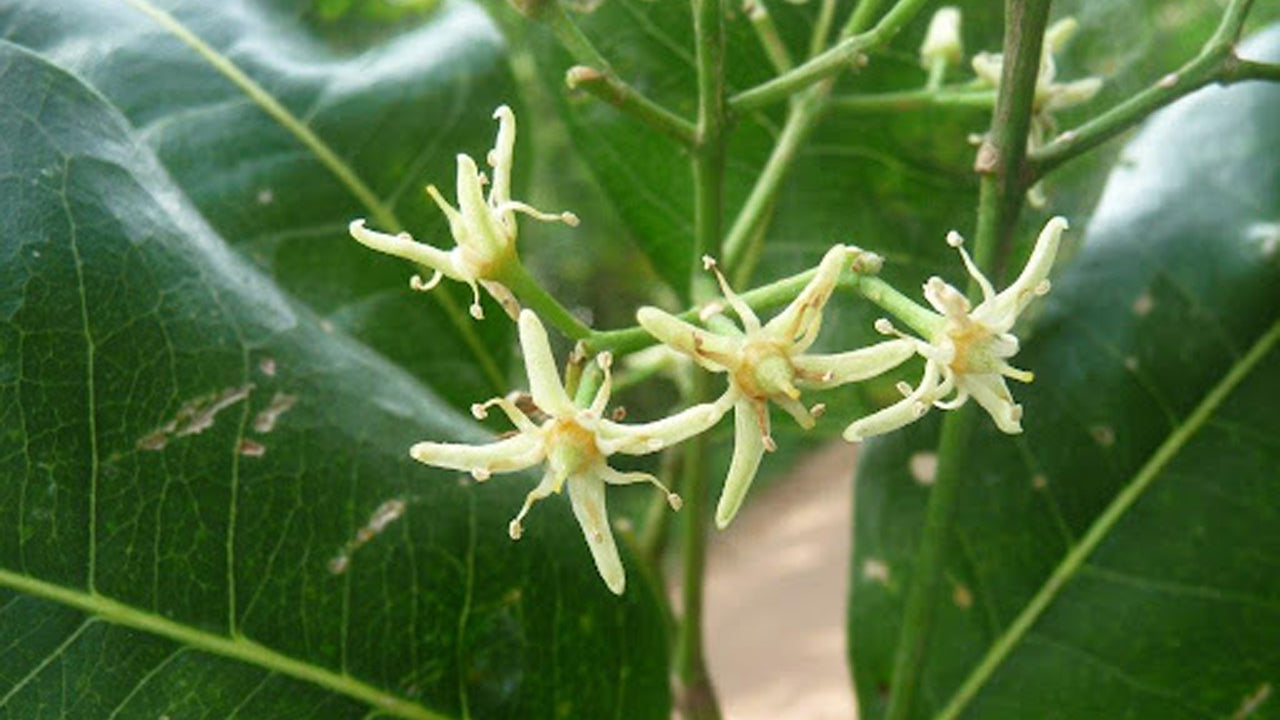
Claw-flowered laurel
Acronychia pedunculata -
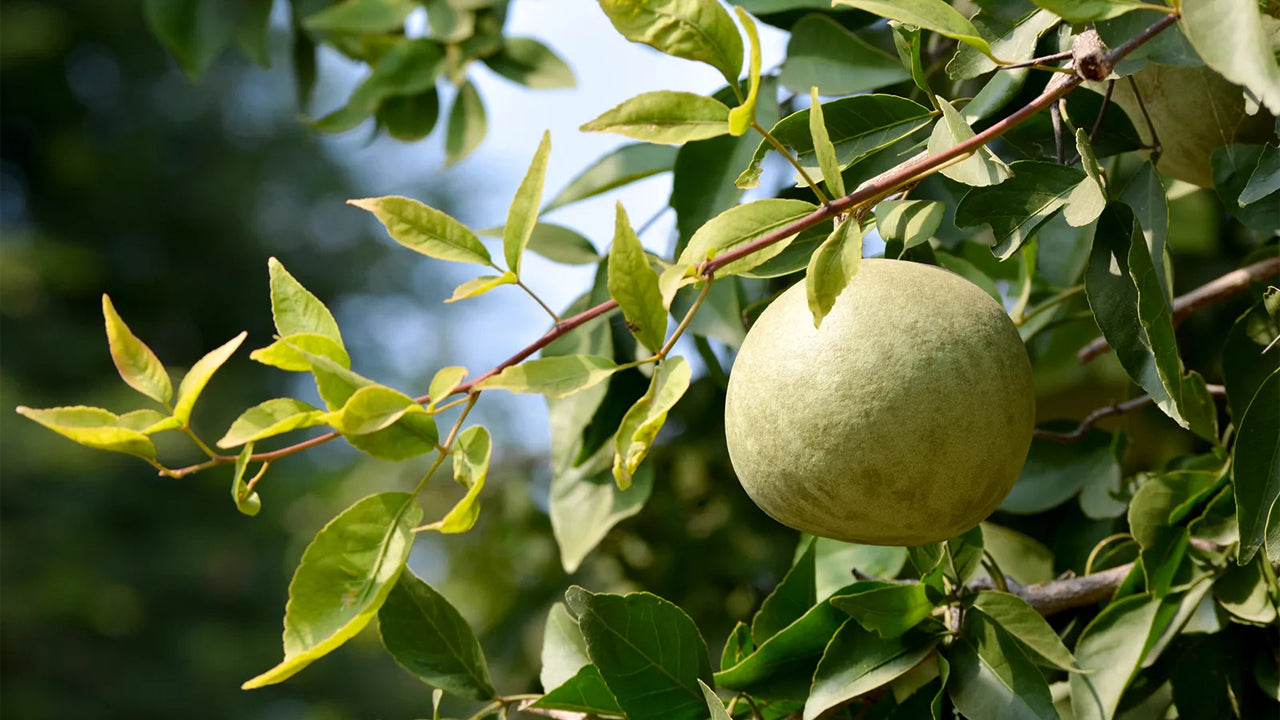
Bael
Aegle marmelos -
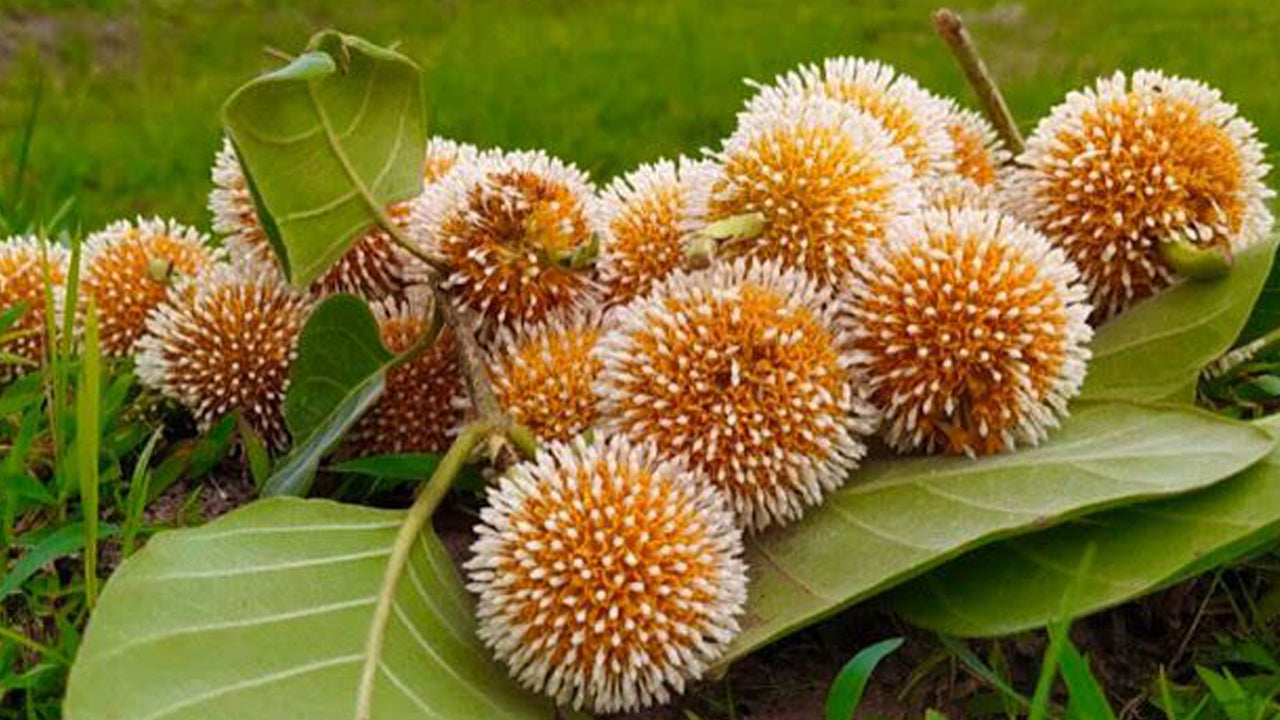
Leichhardt tree
Nauclea orientalis -
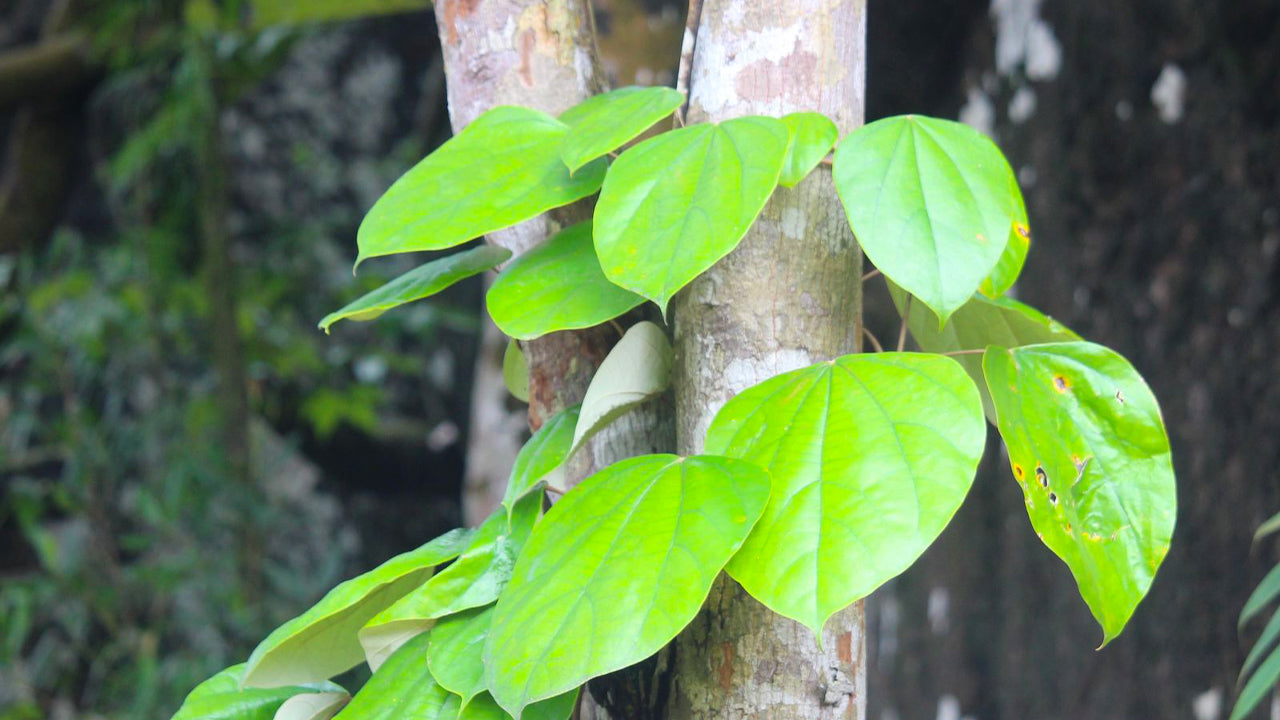
False Calumba
Coscinium fenestratum -

Malabar Gulbel
Tinospora malabarica -
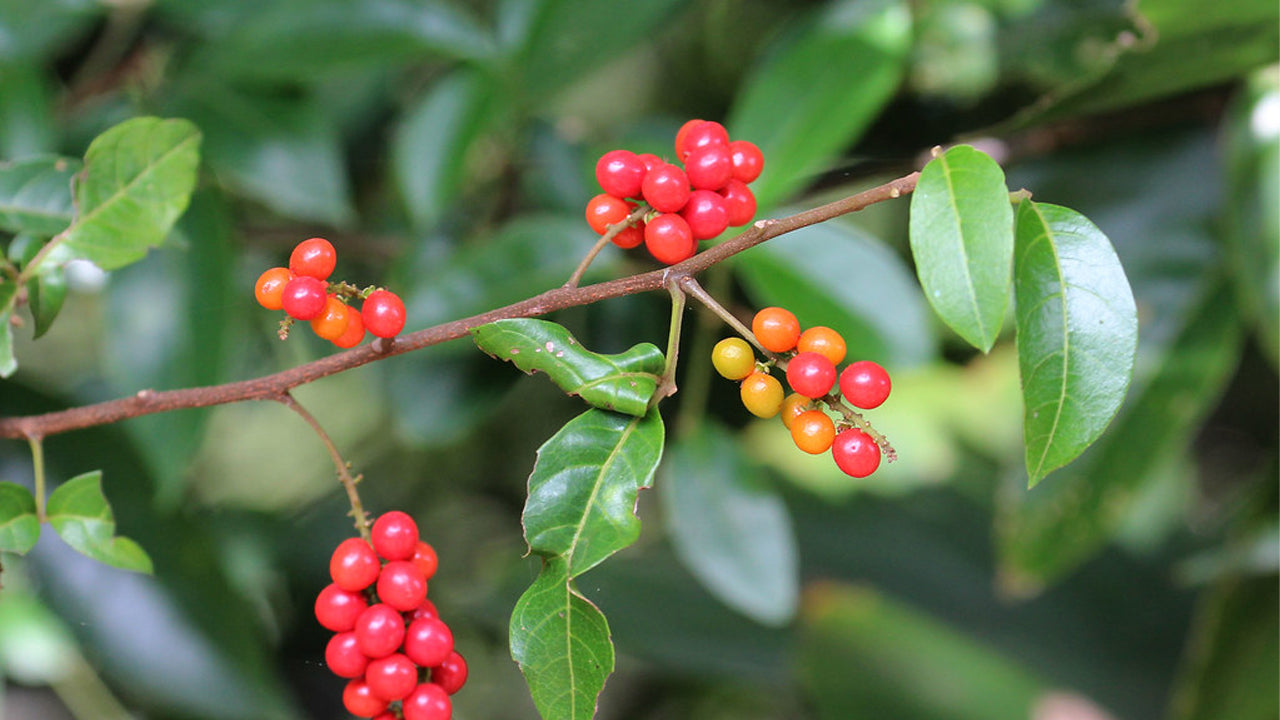
Titberry
Allophylus cobbe -
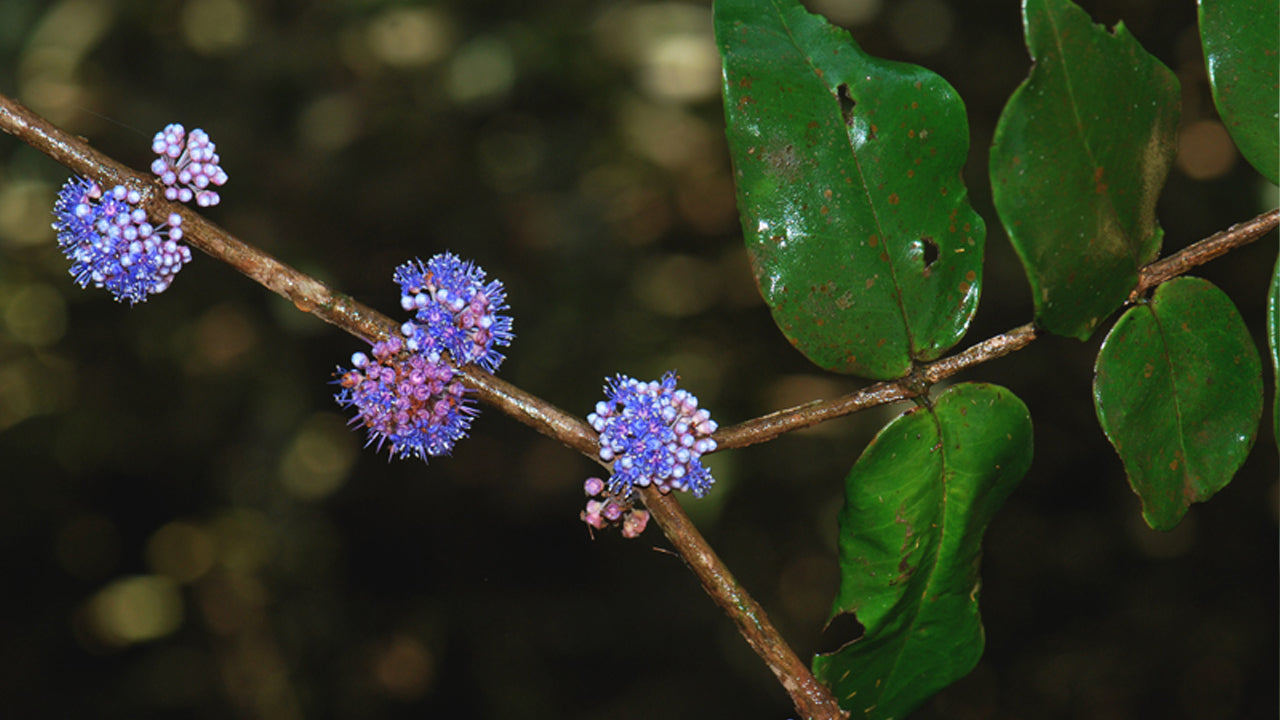
Ironwood Tree
Memecylon capitellatum -
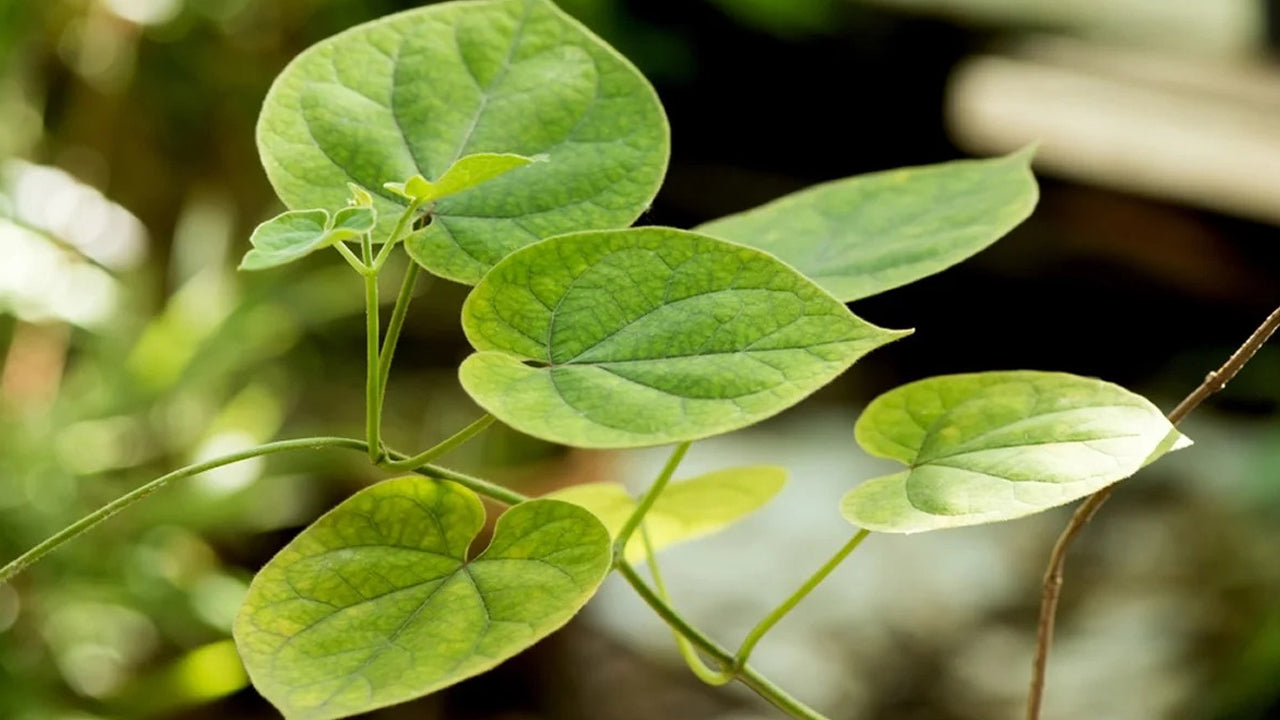
Velvet Leaf
Cissampelos pareira -
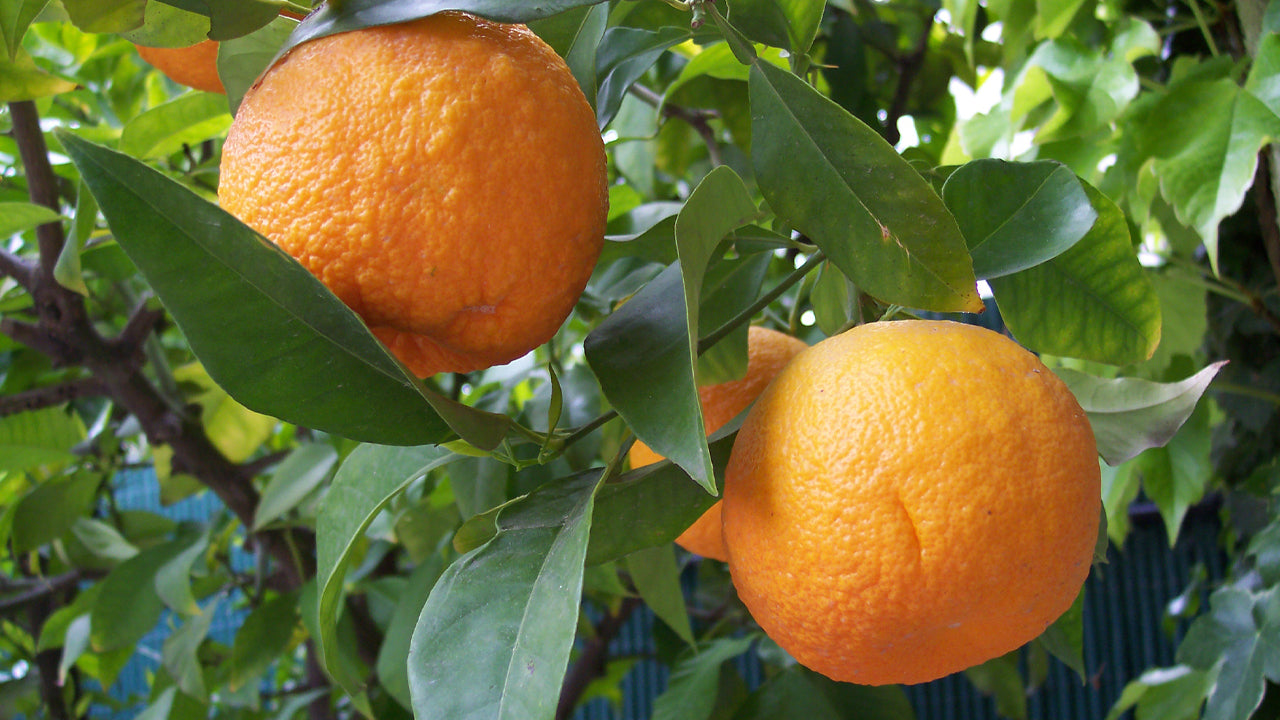
Bitter orange
Citrus aurantium -

Reinwardt's Tree Plant
Biophytun reinward -
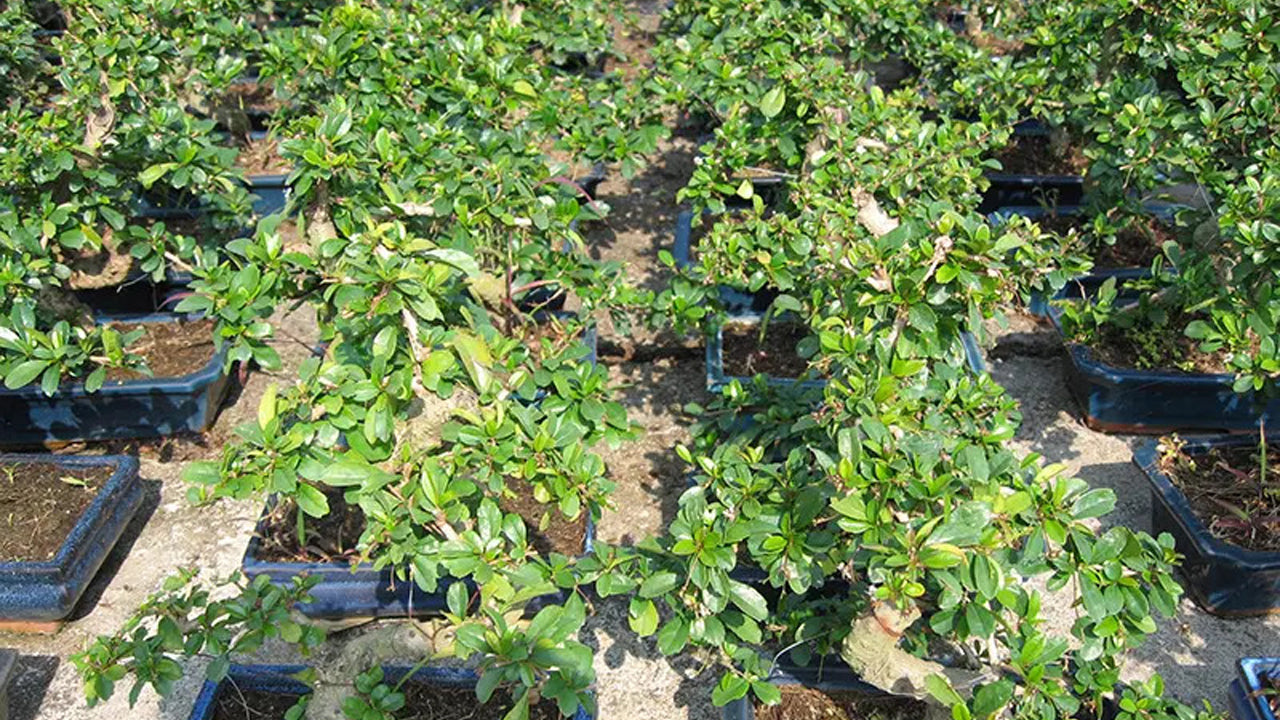
Fukien tea
Carmona microphylla -
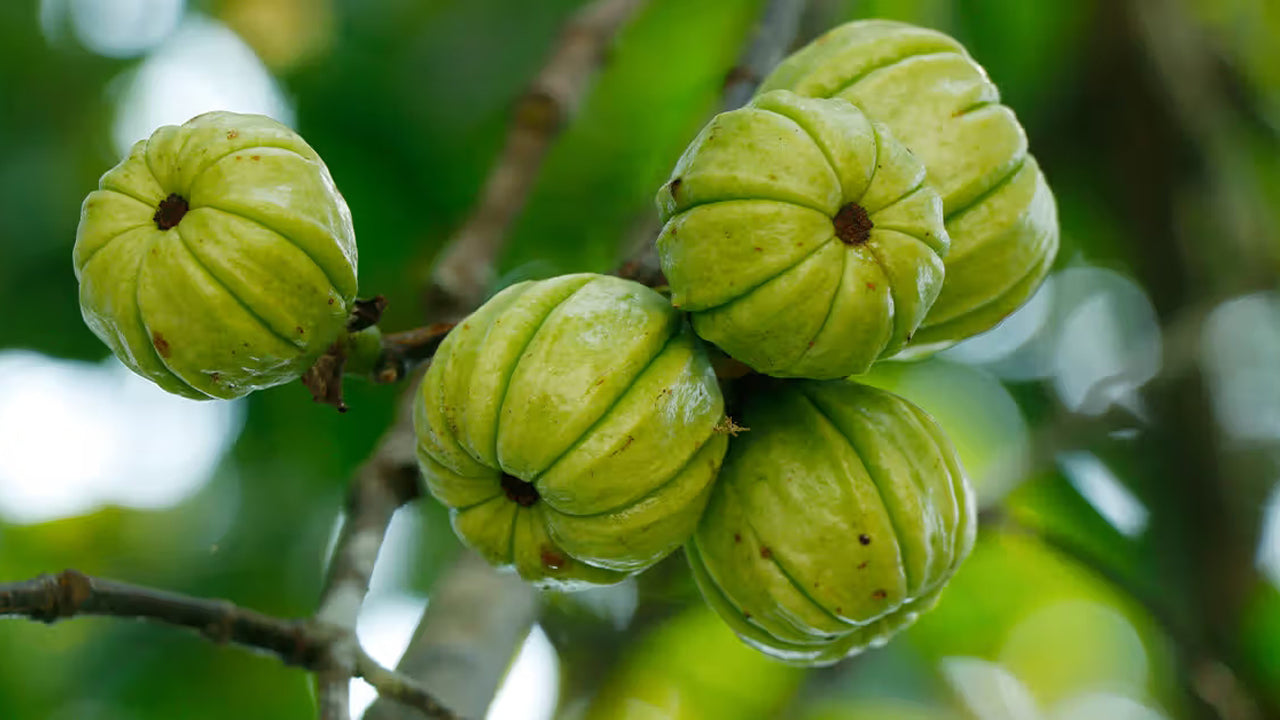
Malabar tamarind
Garcinia cambogia -
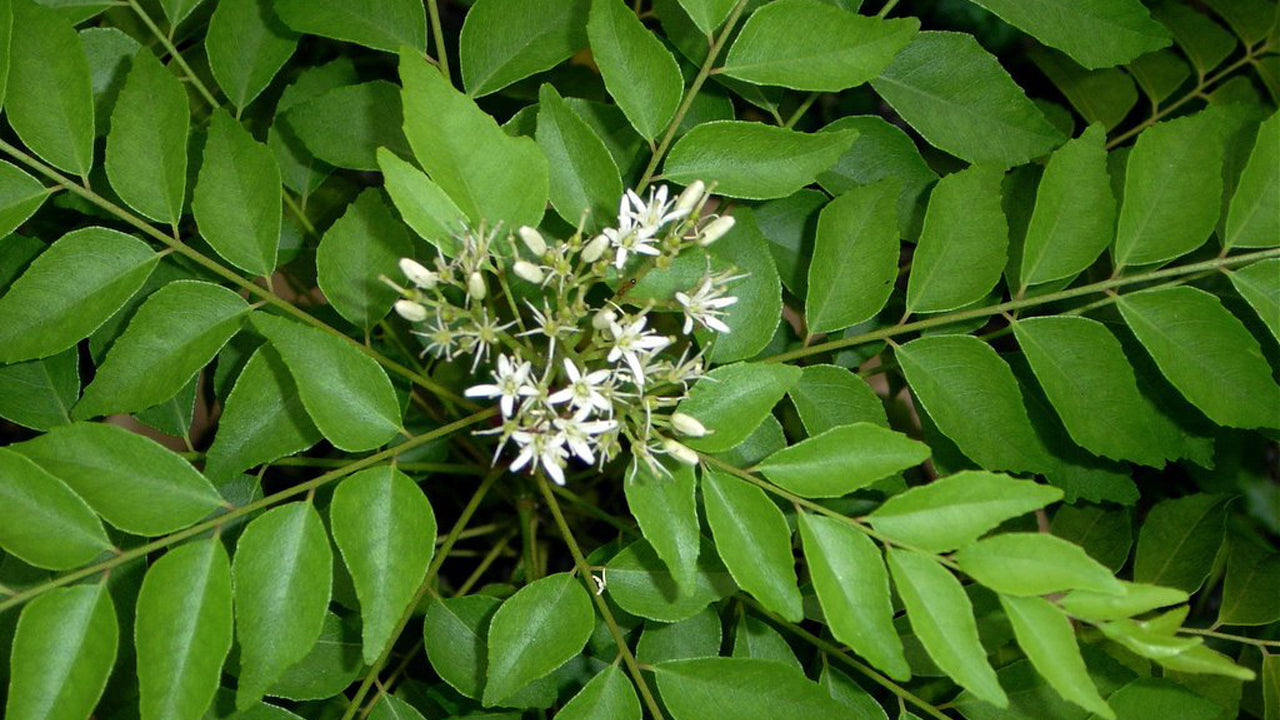
Curry leaf tree
Murraya koenigii -
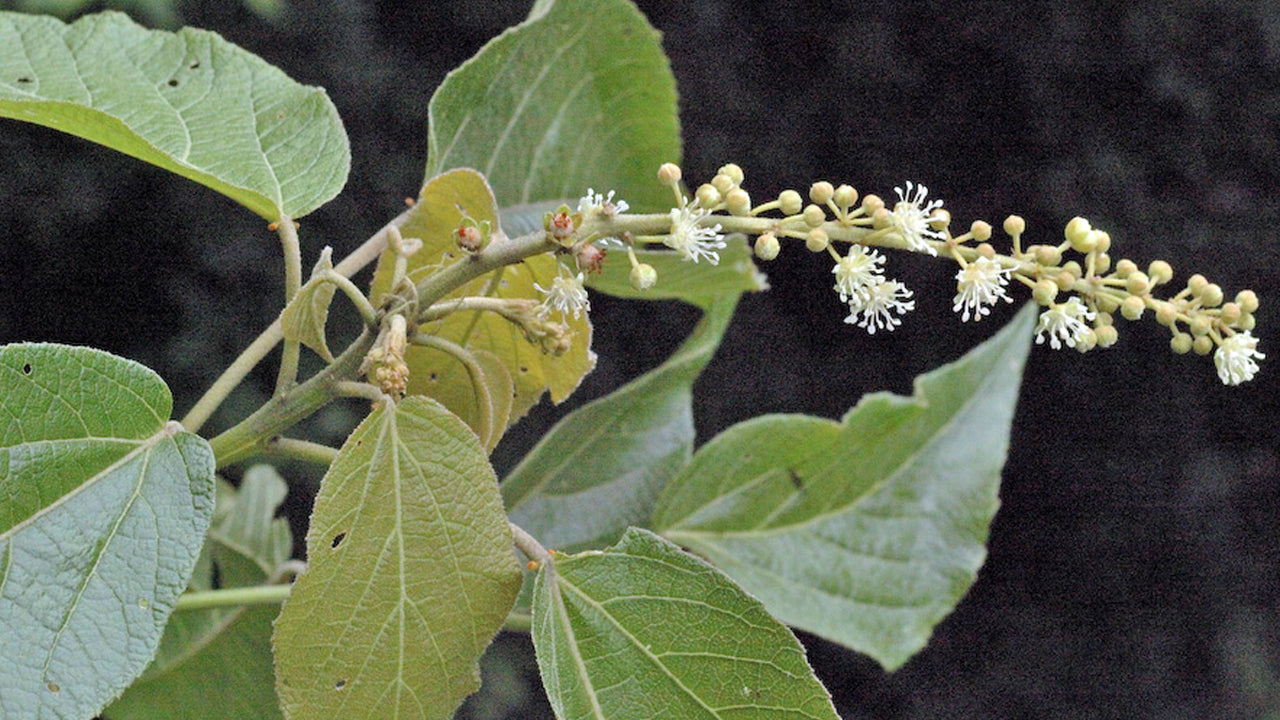
Kappetiya
Croton laccifer -
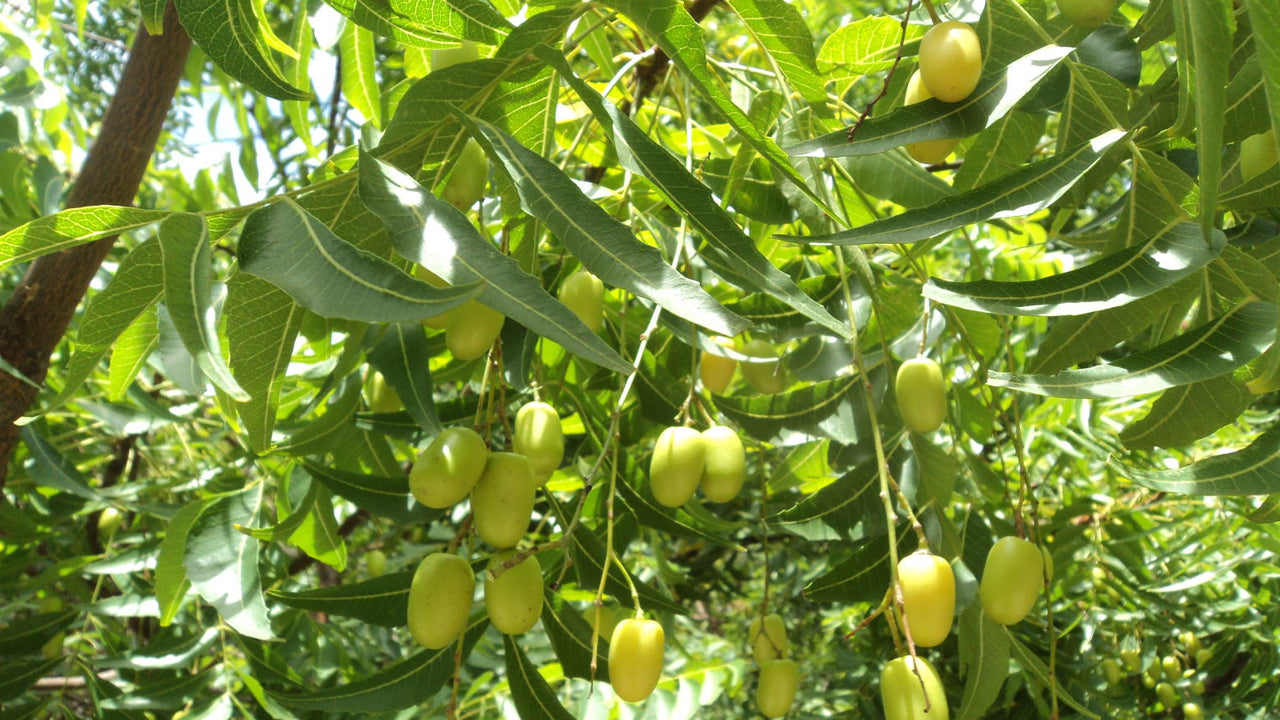
Indian lilac
Azadirachta indica -
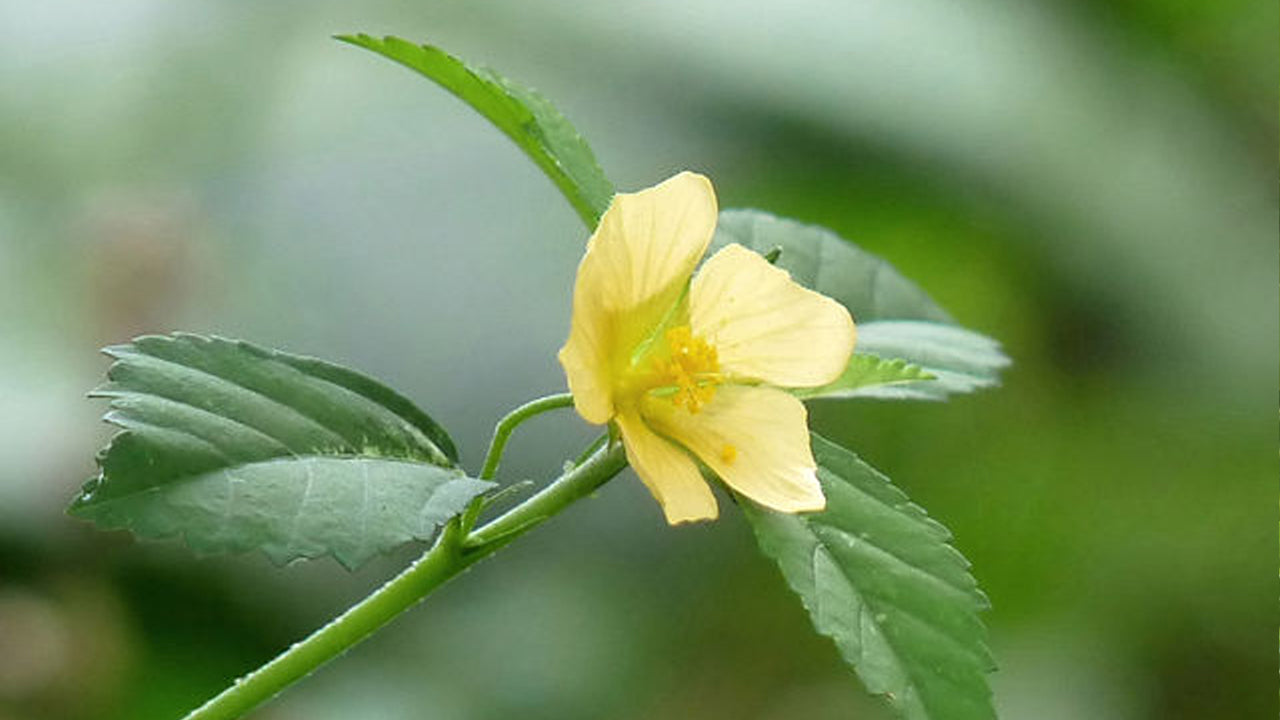
Spiny sida
Sida alba -
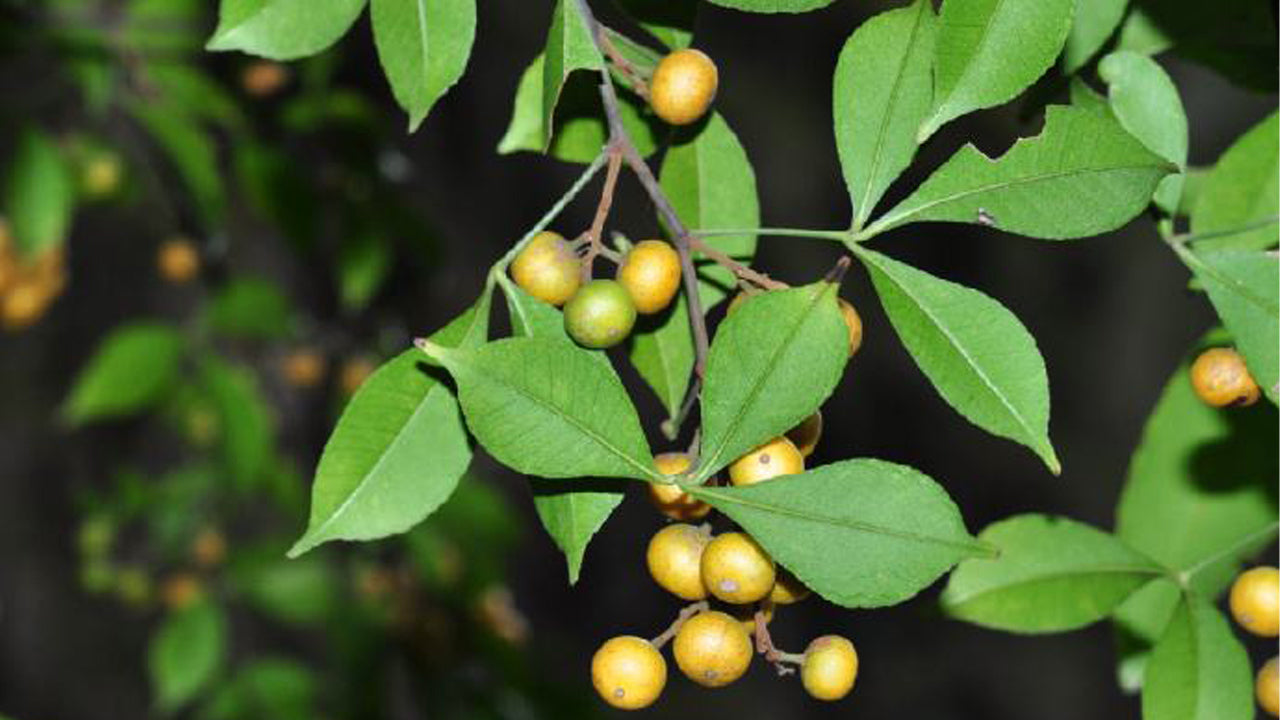
Orange climber
Toddlia asiatica -
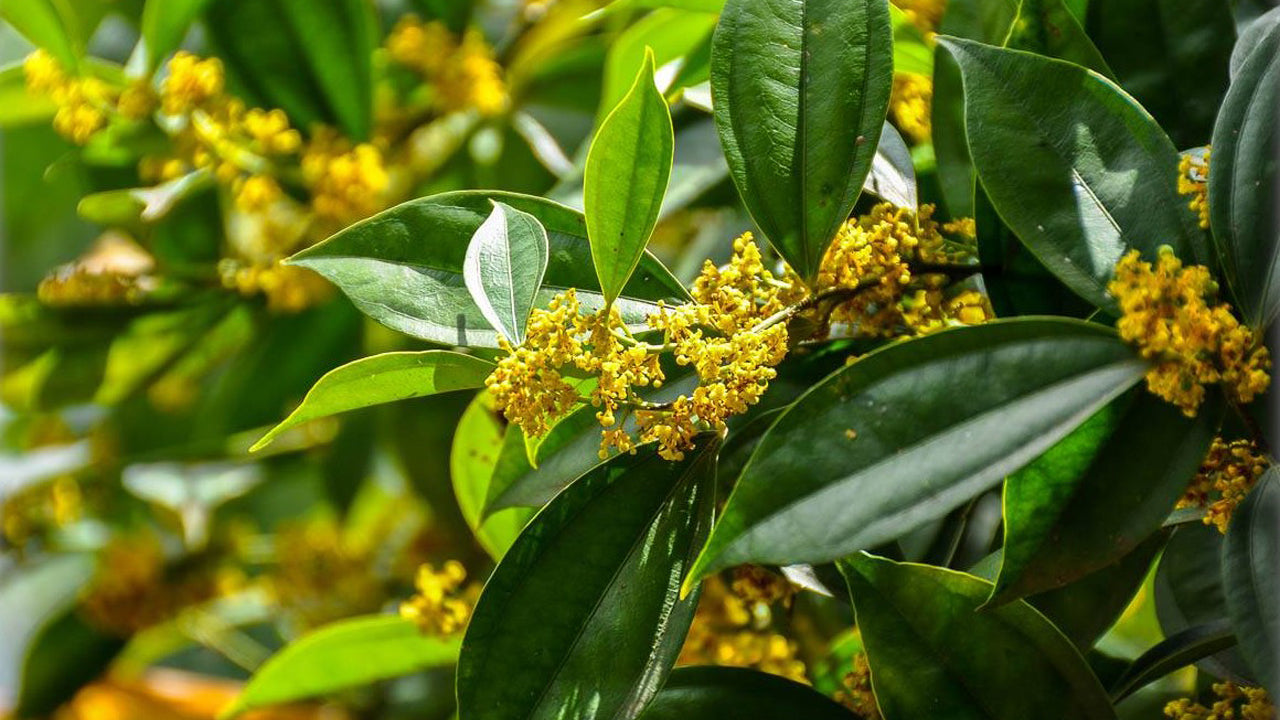
Ceylon cinnamon
Cinnamomum zeylanicum -
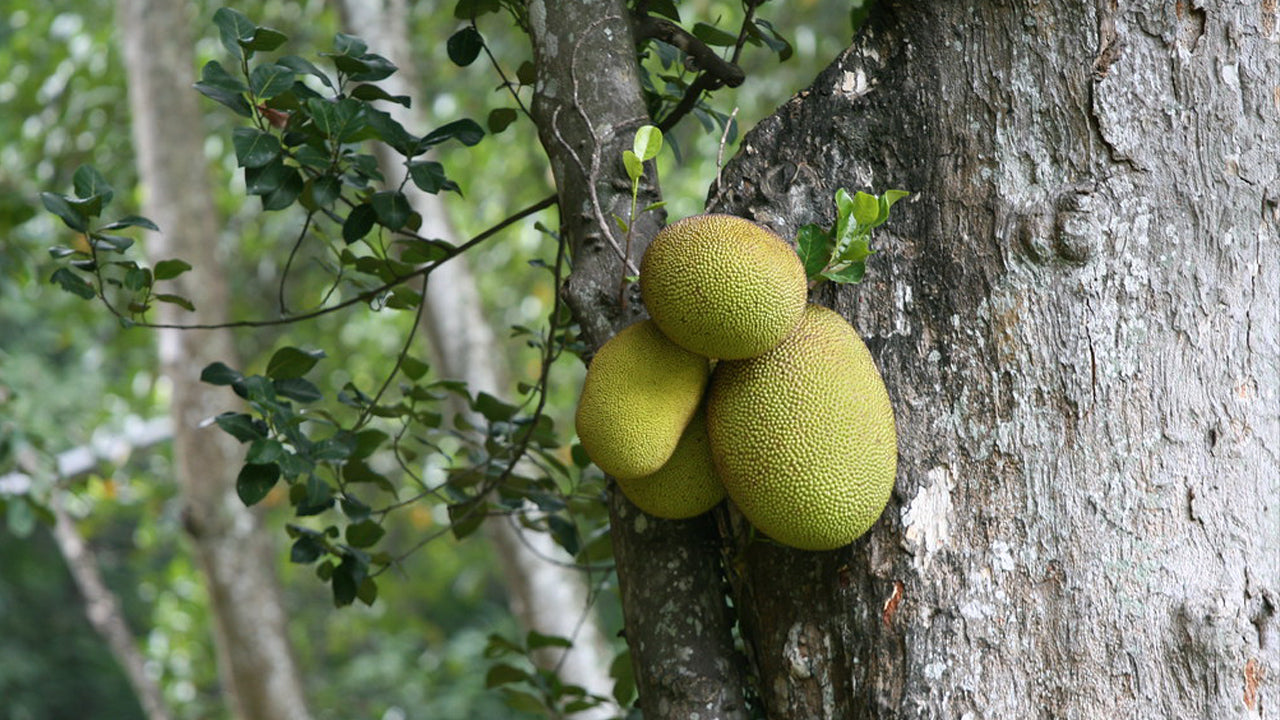
Jackfruit
Artocarpus heterophyllus -
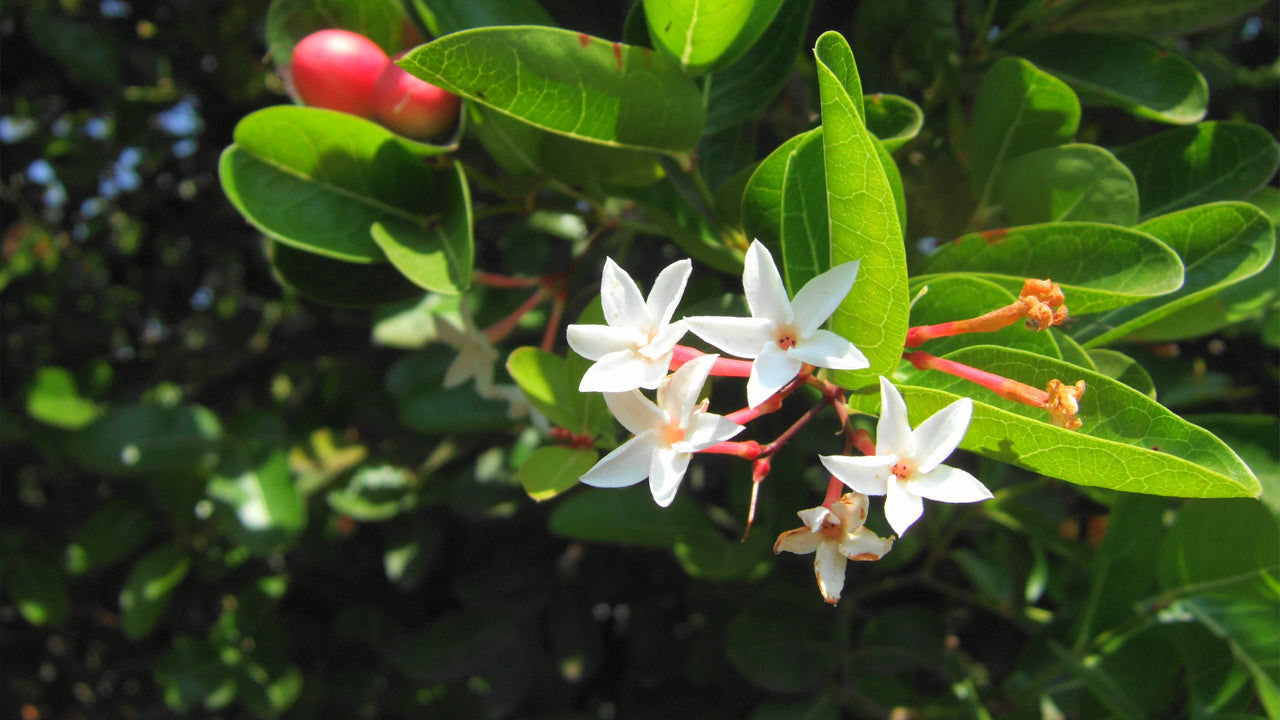
Karonda
Carissa carandas -
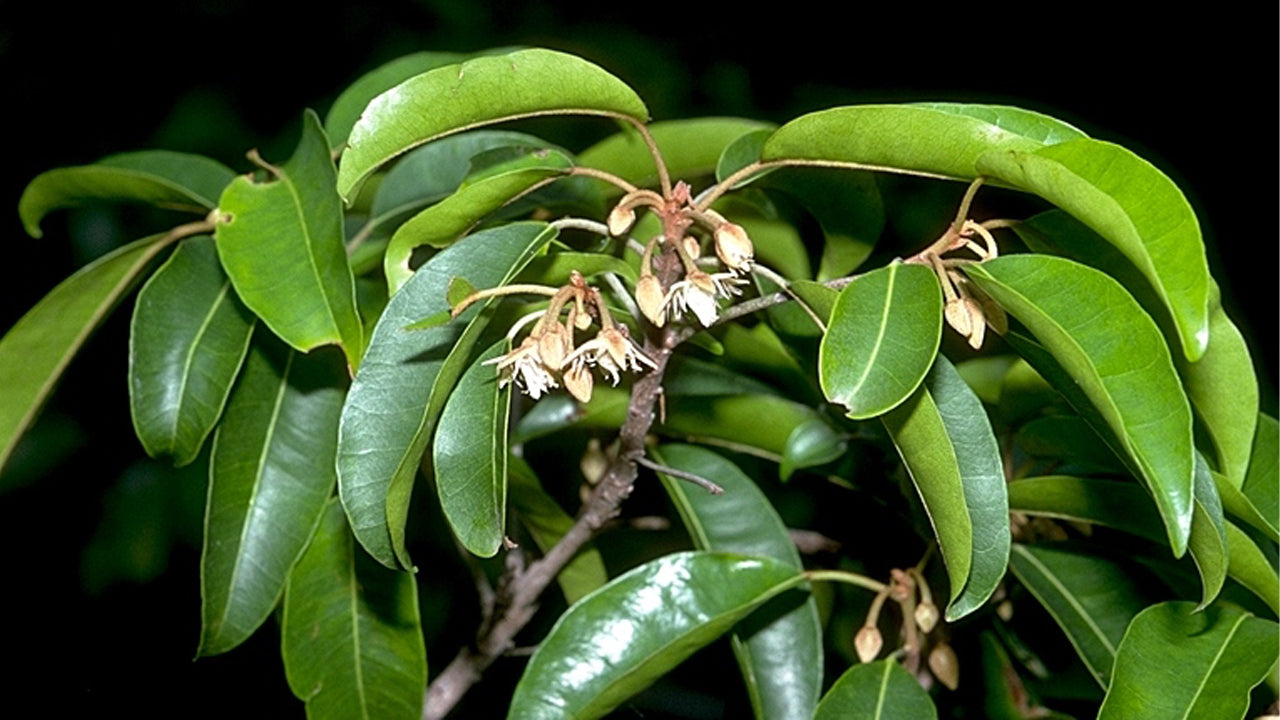
Spanish cherry
Mimusops elengi -
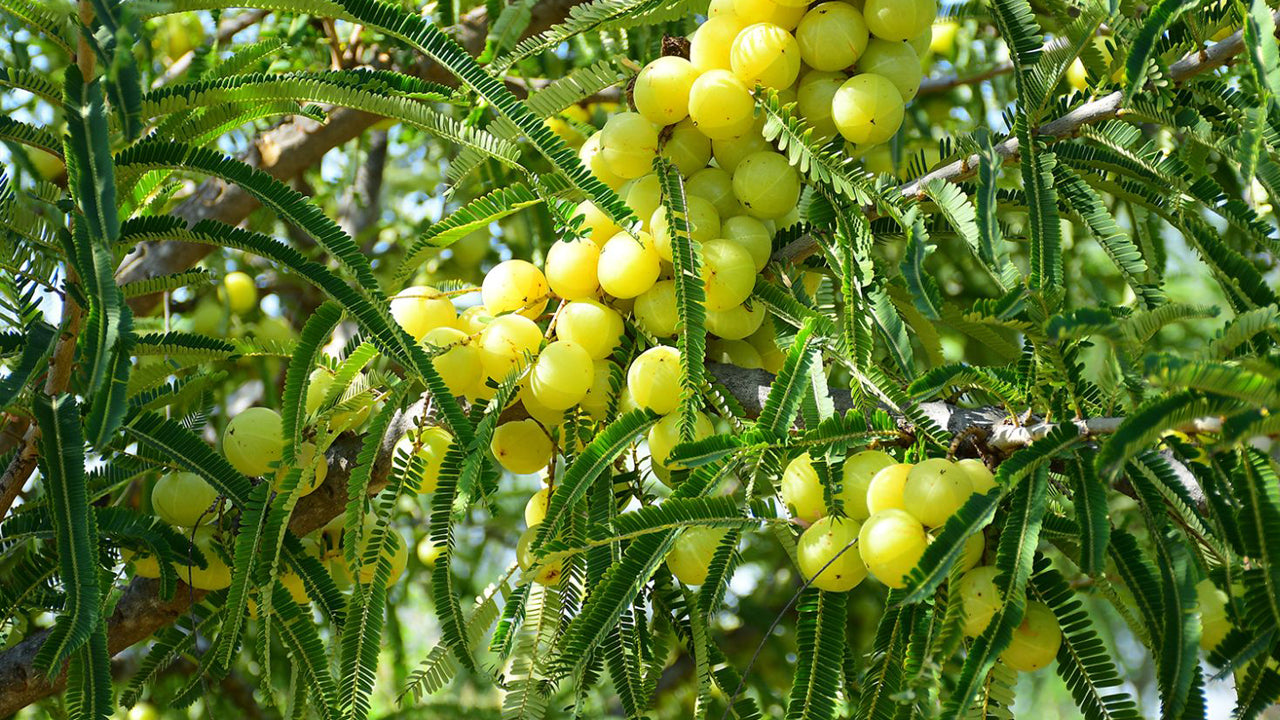
Indian gooseberry
Phyltanthus emblica -
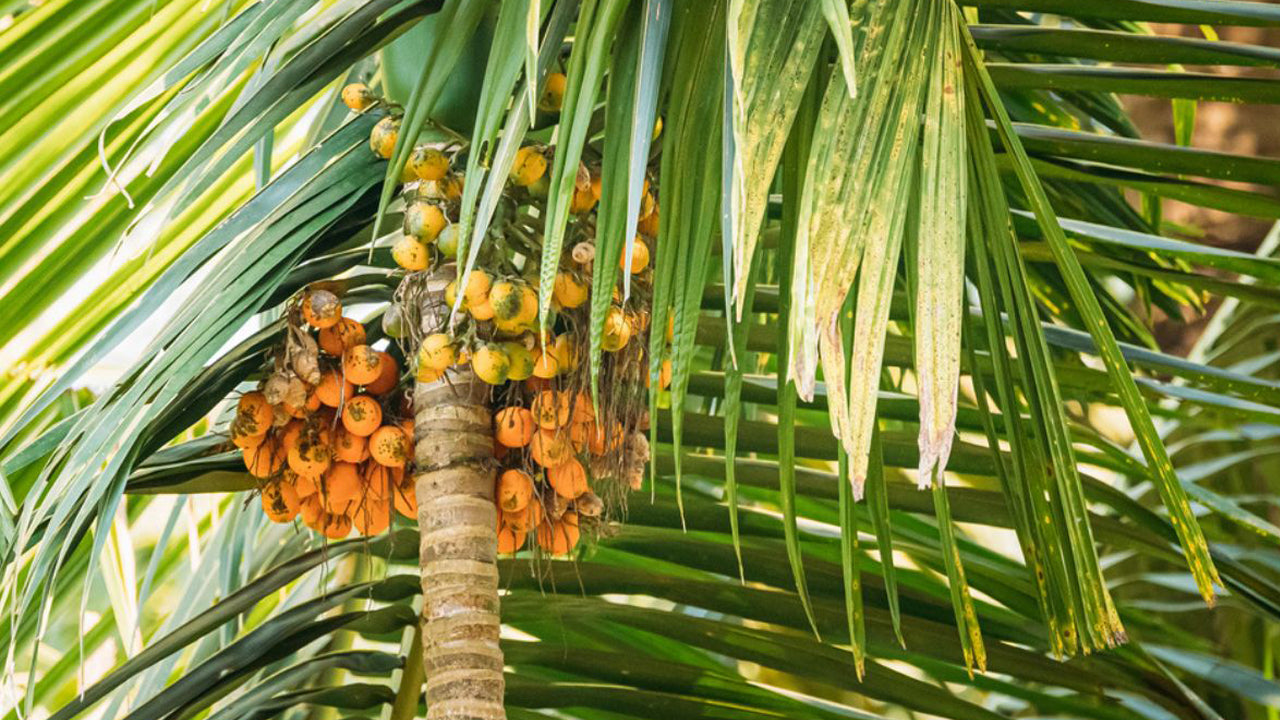
Betel palm
Areca catechu -
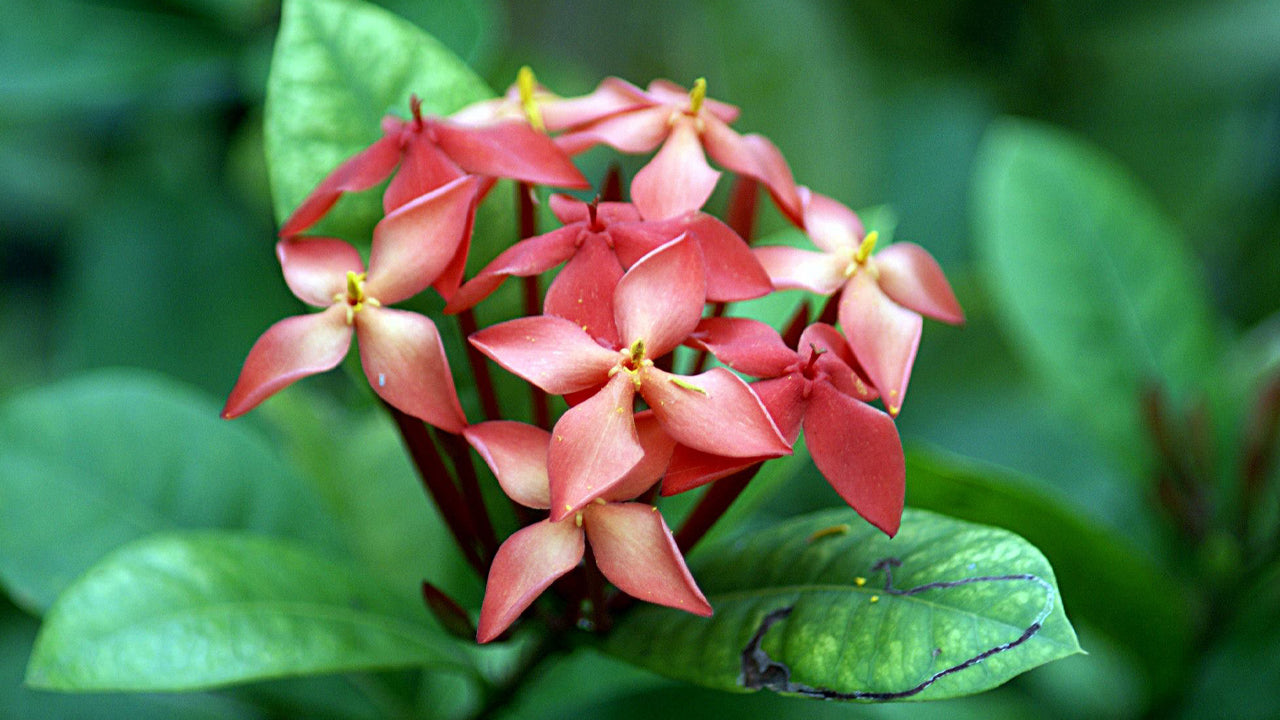
Jungle geranium
Ixora coccinea -
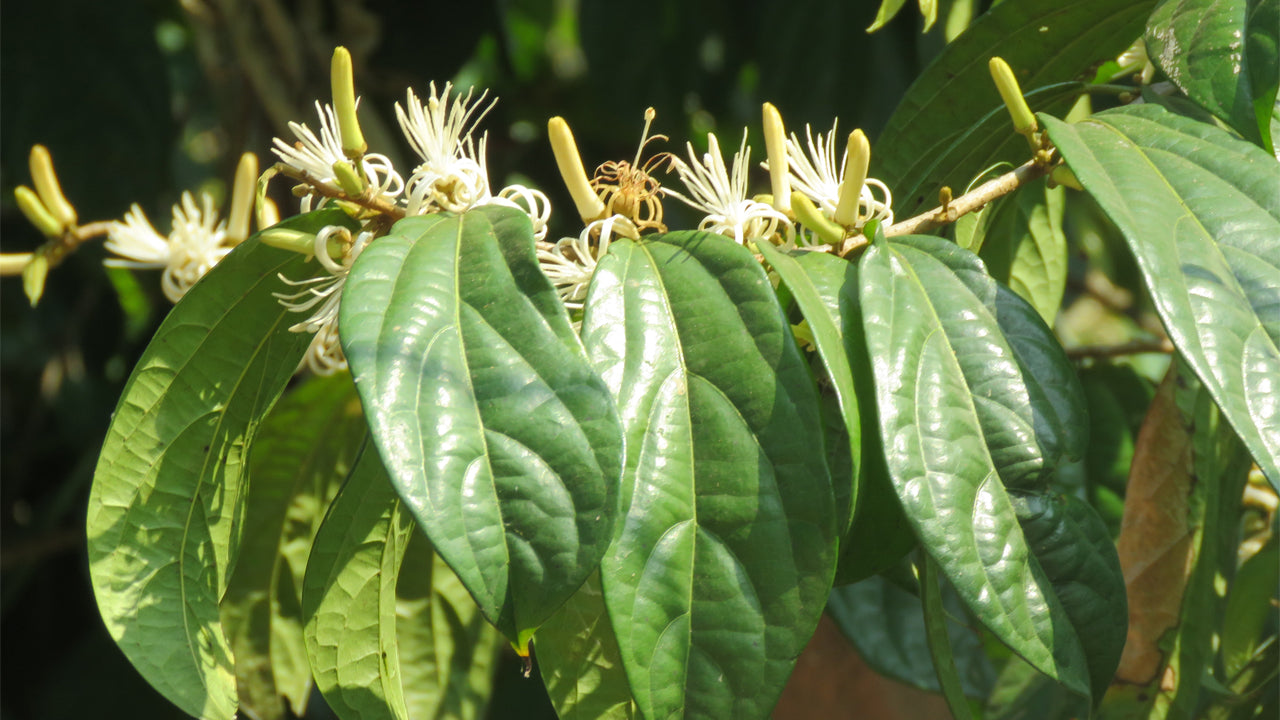
Sage-leaved alangium
Alangium salviifolium -
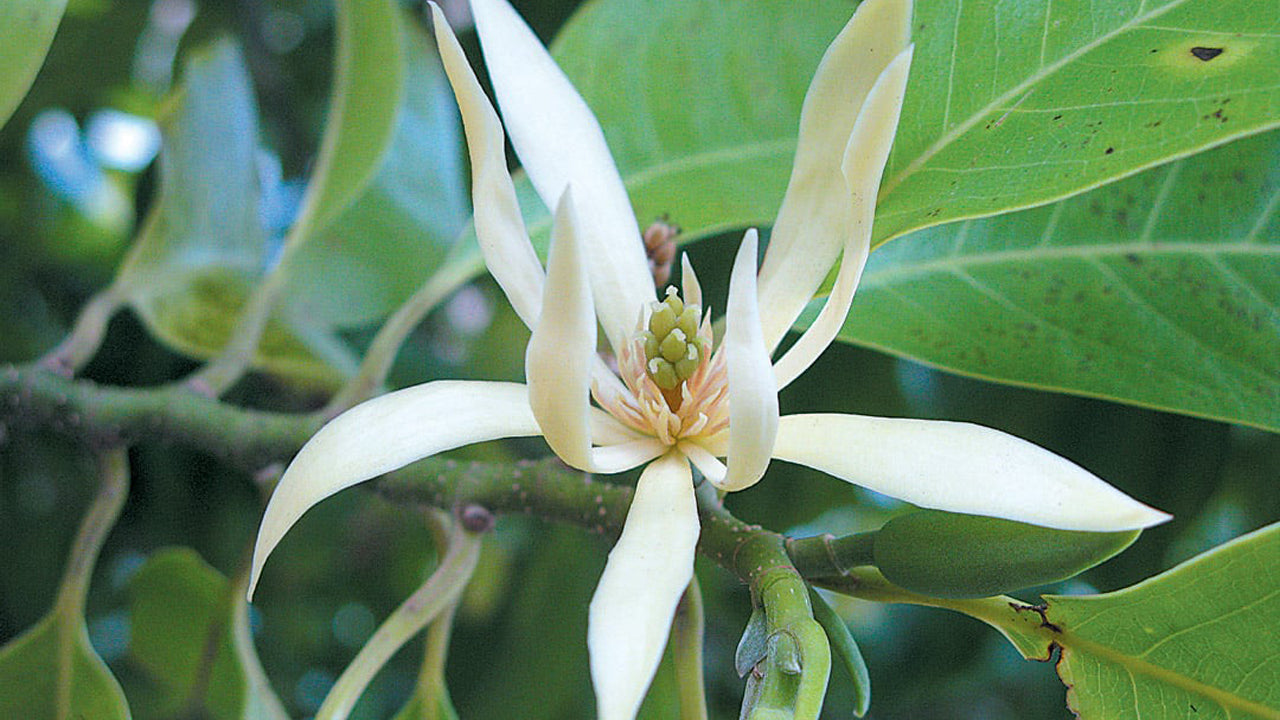
Champak
Michelia champaca -
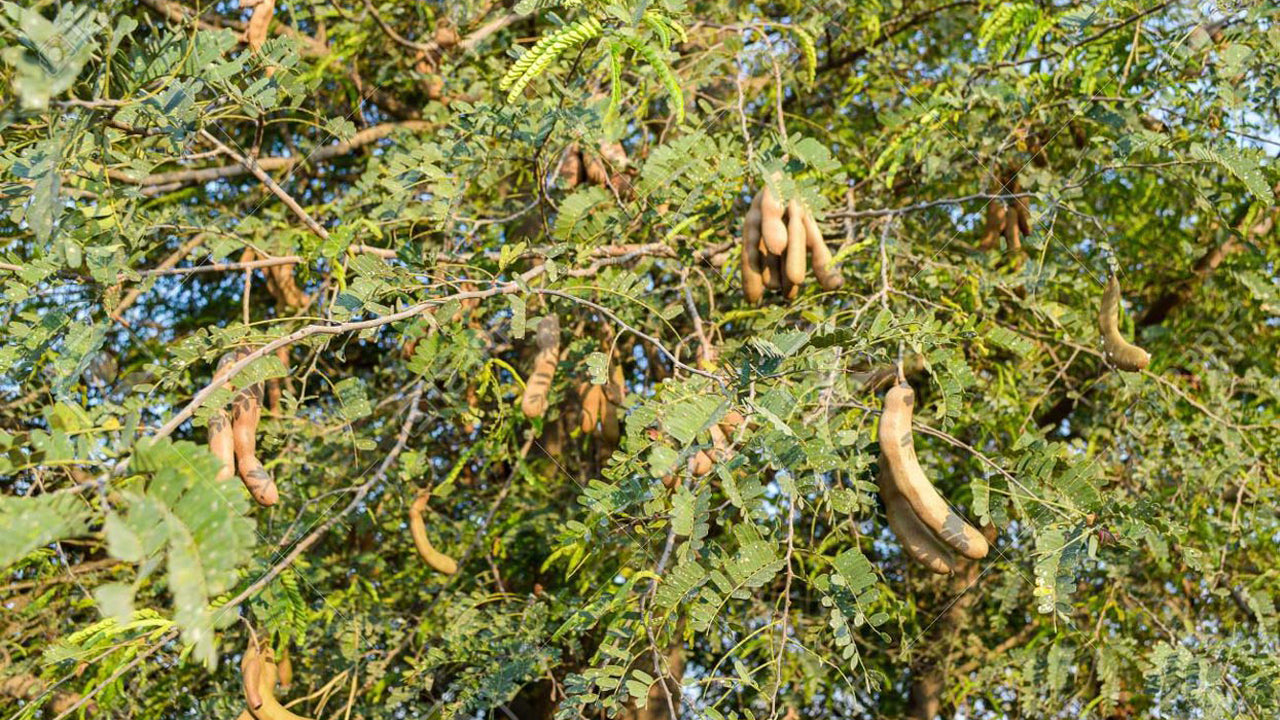
Tamarind
Tamarindus indica -
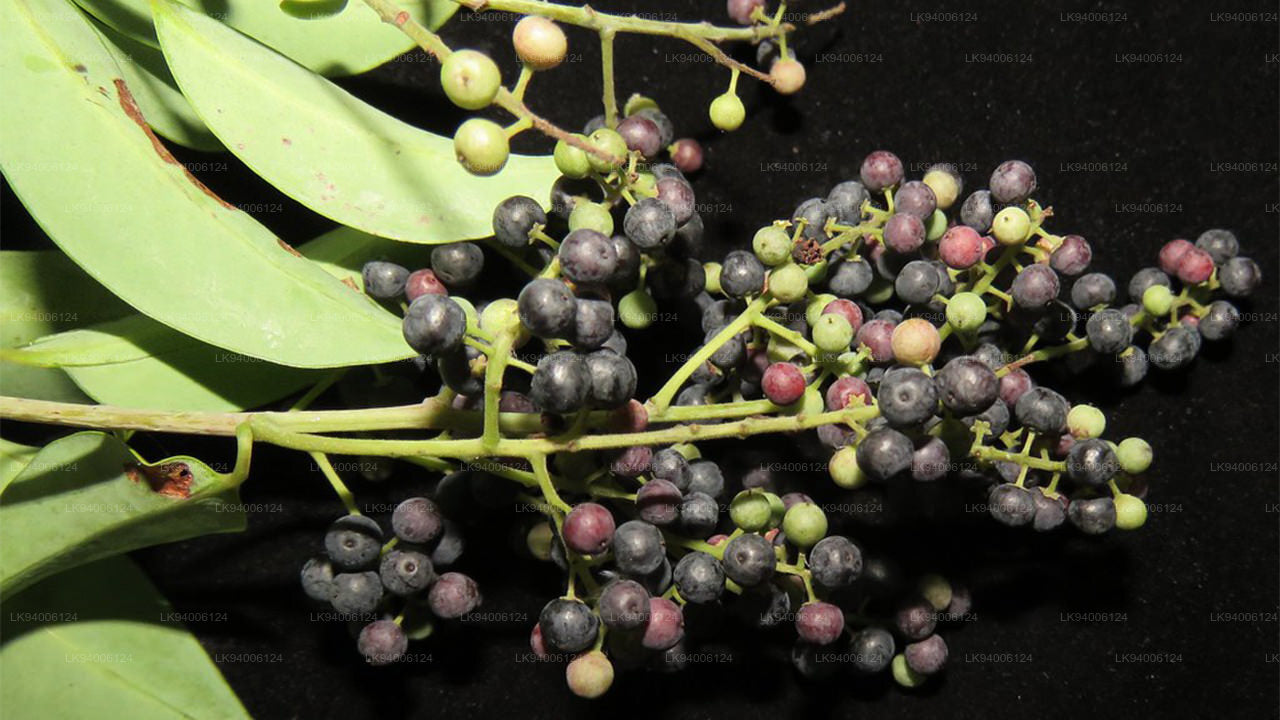
False Black Pepper
Embelia ribes -
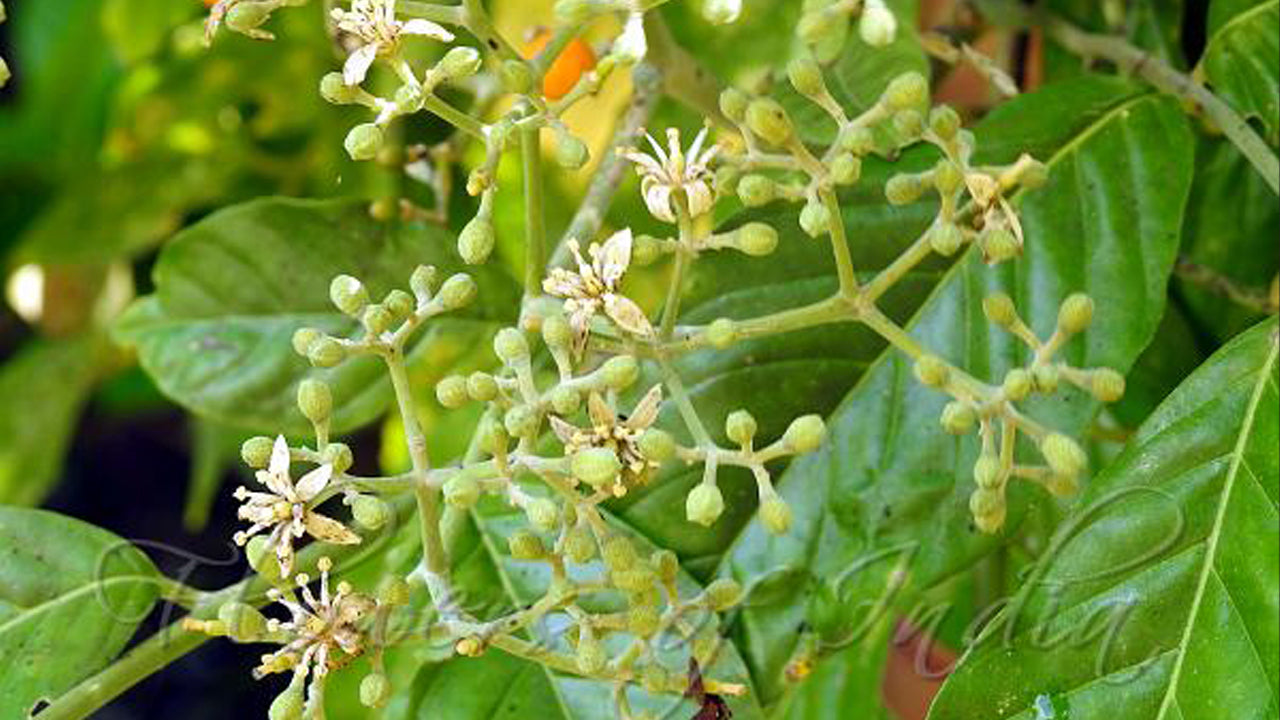
Limeberry
Micromelum ceylanicum -
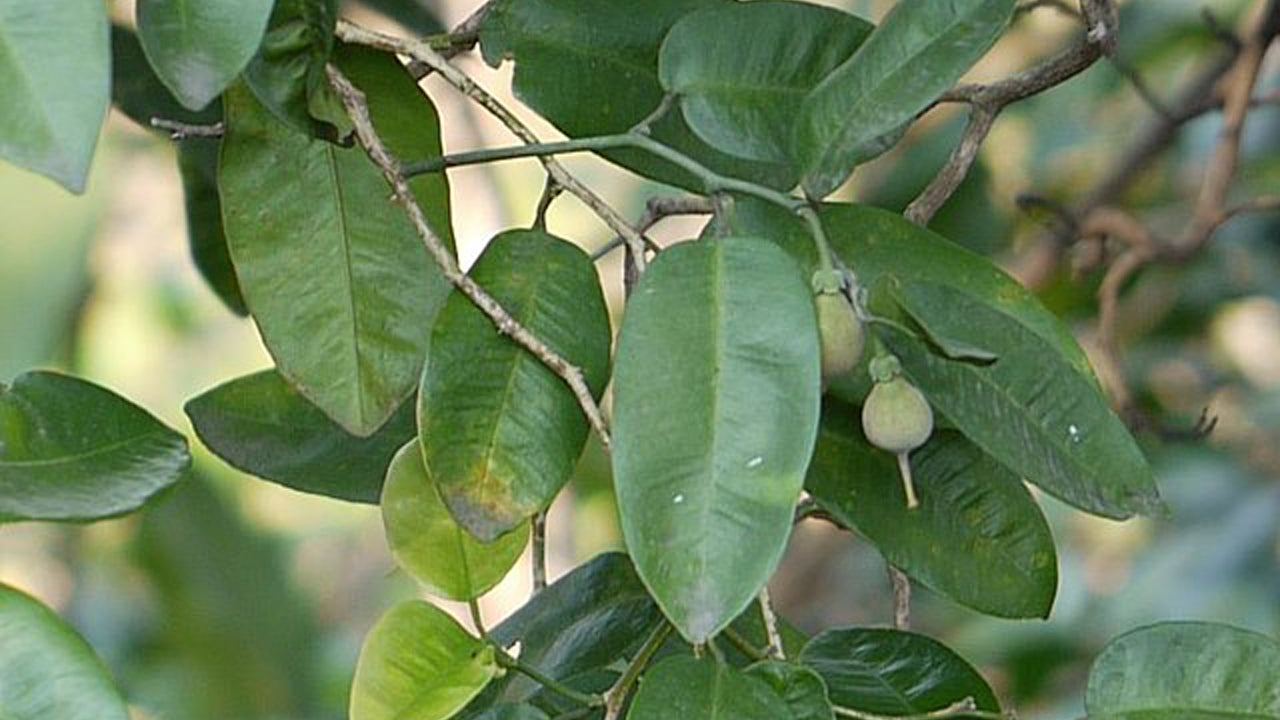
Climbing Atalantia
Paramignya monophylla





Ayurvedic and Herbal
-
Bálsamo de hierbas Siddhalepa Ayurveda
Precio habitual A partir de $0.48 USDPrecio habitual$0.54 USDPrecio de oferta A partir de $0.48 USDOferta -
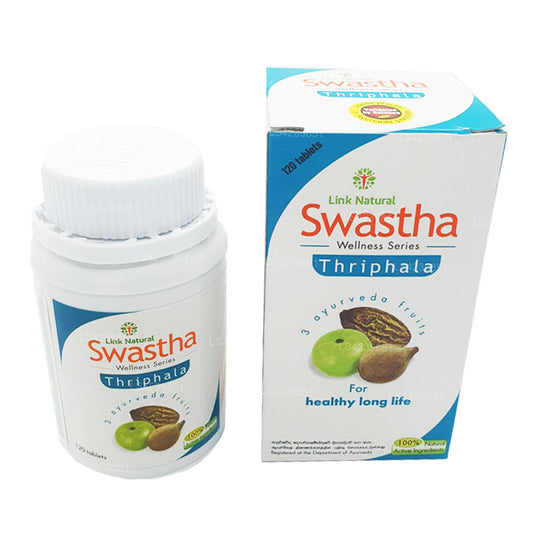
Link Swastha Thriphala (30 comprimidos)
Precio habitual A partir de $1.74 USDPrecio habitual$1.93 USDPrecio de oferta A partir de $1.74 USDOferta -
Hojas Deshidratadas Enteras de Guanábana Silvestre Lakpura® (Guanabana, Graviola, Guyabano)
Precio habitual A partir de $0.72 USDPrecio habitual$0.81 USDPrecio de oferta A partir de $0.72 USDOferta -
 Oferta
Aceite Setsuwa Pranajeeva
Precio habitual A partir de $3.85 USDPrecio habitual$4.28 USDPrecio de oferta A partir de $3.85 USDOferta