Nagadipa

Nagadipa Nagadipa Nagadipa

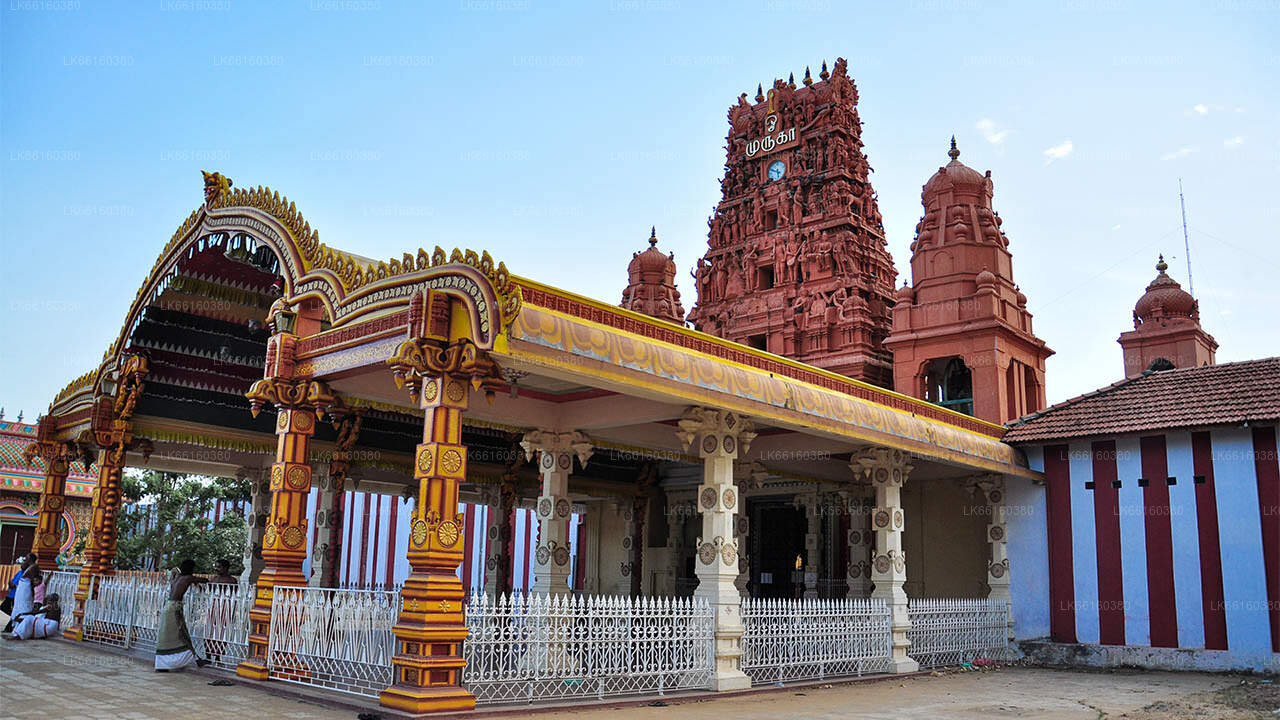
El templo Nagadeepa (Nainathivu) Purana Vihara está profundamente arraigado en la tradición y las leyendas budistas.

Raíces antiguas y leyendas

La historia del Nagadeepa Purana Vihara se remonta a tiempos antiguos, convirtiéndolo en uno de los más antiguos templos budistas de Sri Lanka. Según la leyenda, este sitio sagrado fue visitado por el propio Buda durante su tercera visita a la isla. Se dice que el eco de sus enseñanzas aún resuena a través del tiempo, dejando una huella simbólica como conexión con lo divino.

Un refugio tranquilo

Ubicado en medio de la serena presencia del Océano Índico, el Nagadeepa Purana Vihara ofrece un espacio de paz y contemplación. El sonido rítmico de las olas y el paisaje verde que rodea el templo crean una atmósfera ideal para la reflexión espiritual. Los visitantes encuentran aquí tranquilidad, lejos del bullicio de la vida moderna.

Armonía de creencias

Junto al Nagadeepa Purana Vihara se encuentra el Templo Nagapooshani Amman, un santuario hindú dedicado a la diosa Bhuvaneswari. Esta convivencia armoniosa de santuarios budistas e hindúes en la misma isla refleja la tolerancia religiosa y la diversidad cultural que caracterizan a Sri Lanka.

Destino de peregrinación

Devotos y peregrinos de todo el país emprenden un viaje espiritual hacia Nagadeepa, atraídos por el aura sagrada del templo. La anual procesión Nagadeepa Perahera, un gran desfile que recorre la isla, llena el ambiente de un espíritu festivo mientras los creyentes se reúnen para celebrar su fe.

Viaje a Nainativu

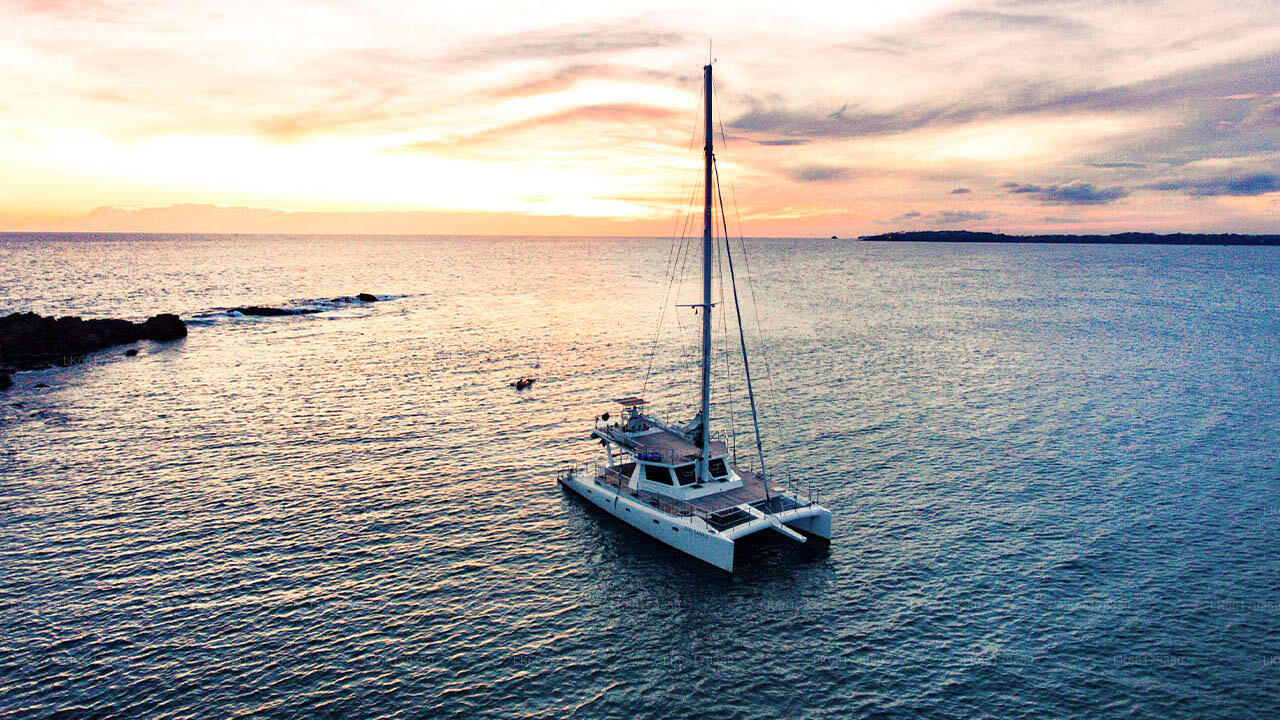
La peregrinación comienza con un viaje en barco desde Jaffna, que ofrece vistas panorámicas de la costa norte. Las aguas azules y los paisajes costeros crean un preludio perfecto para la experiencia espiritual que espera a los visitantes en esta isla sagrada. El viaje en sí se convierte en una parte integral de la experiencia, revelando la belleza cultural y natural de la región.

Nagadipa Nagadipa Nagadipa

About Jaffna District

Jaffna is the capital city of the Northern Province, Sri Lanka. 85% of the populations of the Jaffna and Kilinochchi districts are Hindus. The Hindus follow the Saivite tradition. The remainders are largely Roman Catholics or Protestants, some of whom are descendants of colonial settlers, known as Burghers. The Tamils are divided along caste lines, with the farmer-caste Vellalar forming the majority. Sea products, red onion, and tobacco are the main products in Jaffna.

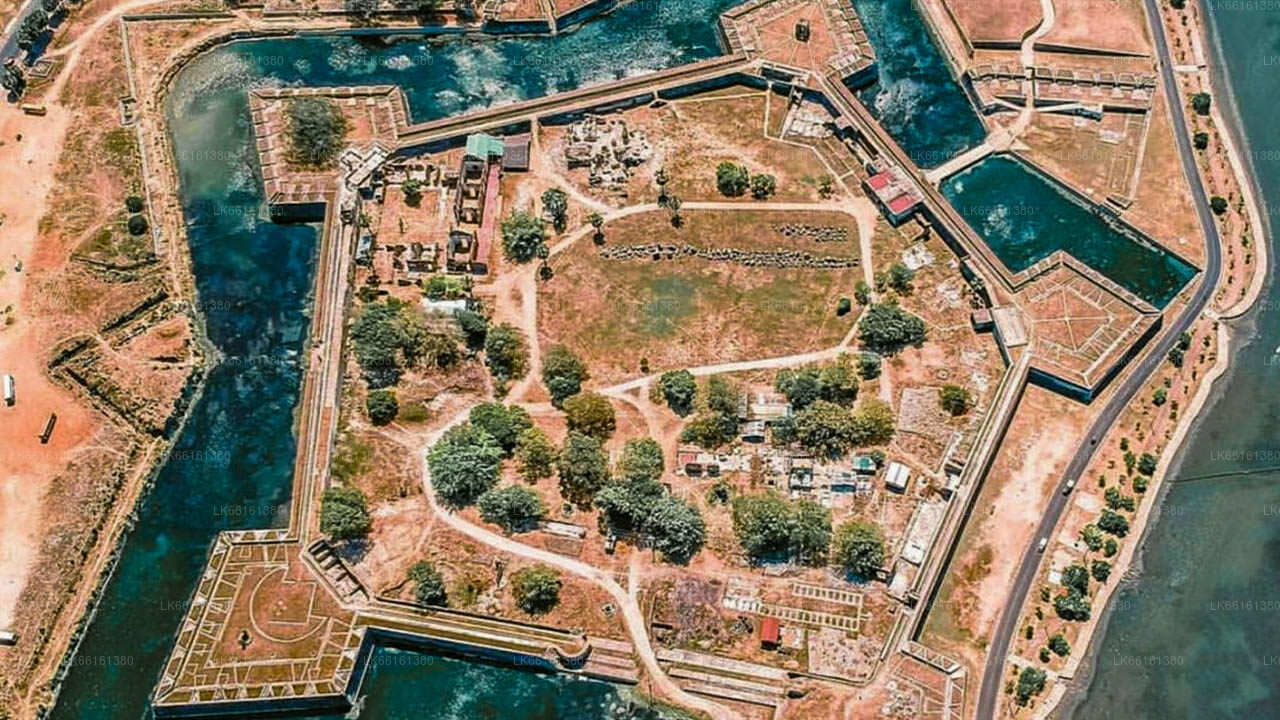
Jaffna is home to beautiful Hindu temples. An Old Dutch Fort still stands well preserved within which is an old Church. Another example of Dutch architecture is the King's House. No visit to Jaffna is complete without tasting the exquisite Jaffna mango, reputed for its sweetness. About 3 km away is the majestic Nallur Kandaswamy Temple, home to the largest religious festival in Jaffna. The Kayts Harbour is an ancient ship docking site in the Jaffna region.

About Northern Province

The Northern Province is one of the 9 provinces of Sri Lanka. The provinces have existed since the 19th century but they didn't have any legal status until 1987 when the 13th Amendment to the 1978 Constitution of Sri Lanka established provincial councils. Between 1988 and 2006 the province was temporarily merged with the Eastern Province to form the North-East Province. The capital of the province is Jaffna.

Northern Province is located in the north of Sri Lanka and is just 22 miles (35 km) from India. The province is surrounded by the Gulf of Mannar and Palk Bay to the west, Palk Strait to the north, the Bay of Bengal to the east and the Eastern, North Central and North Western provinces to the south.The province has a number of lagoons, the largest being Jaffna Lagoon, Nanthi Kadal, Chundikkulam Lagoon, Vadamarachchi Lagoon, Uppu Aru Lagoon, Kokkilai lagoon, Nai Aru Lagoon and Chalai Lagoon.Most of the islands around Sri Lanka are to be found to the west of the Northern Province. The largest islands are: Kayts, Neduntivu, Karaitivu, Pungudutivu and Mandativu.

The Northern Province's population was 1,311,776 in 2007. The majority of the populations are Sri Lankan Tamils, with a minority Sri Lankan Moor and Sinhalese population. Sri Lankan Tamil is the major language spoken in the province by the vast majority of the population. The other language spoken is Sinhala by 1 percent of the population. English is widely spoken and understood in the cities.