Lakpura
Lakpura®

Camping

Sri Lanka packs an extraordinary range of landscapes into a small island — cloud-draped highlands, ancient dry-zone forests, wildlife-rich national parks, and an unbroken coastline. That variety makes it one of Asia's most rewarding destinations for camping, whether you prefer a lightweight trekking tent on a mountain ridge or a well-appointed glamping setup in the bush. This guide covers the main camping zones, what to expect at each, and how to plan a responsible overnight stay.

What types of camping are available in Sri Lanka?

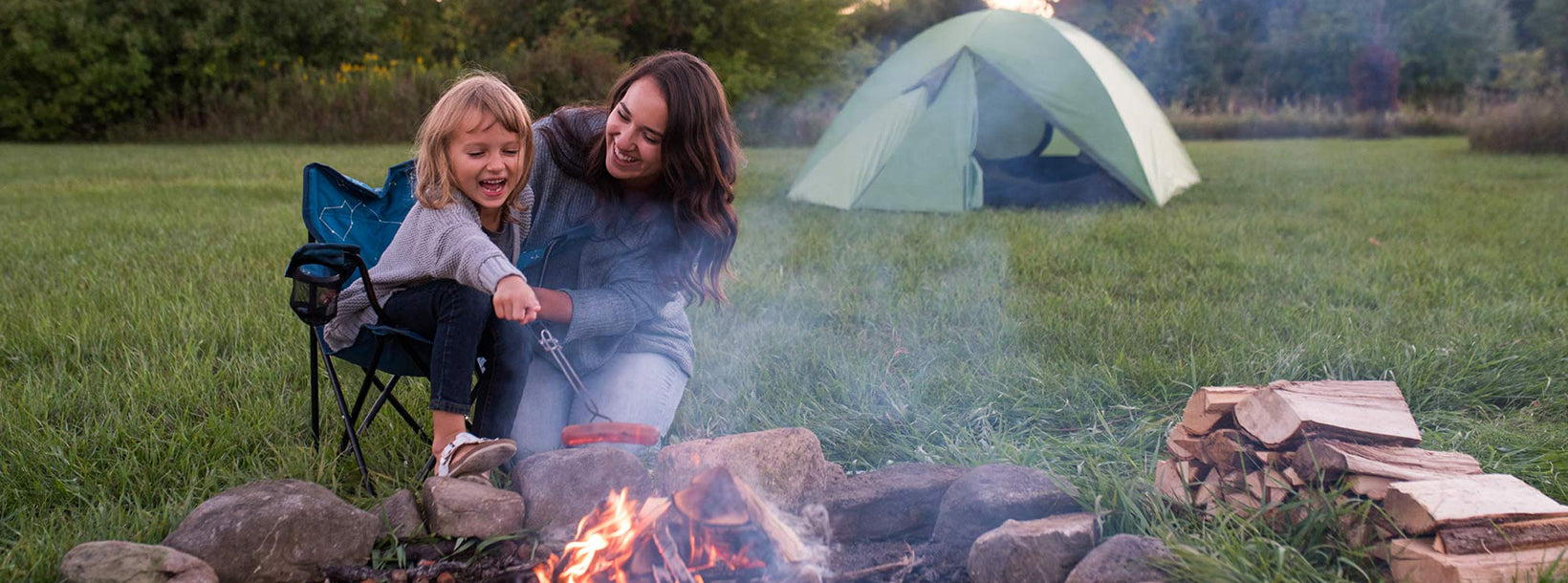
Sri Lanka offers several distinct camping styles, each suited to a different kind of traveller.

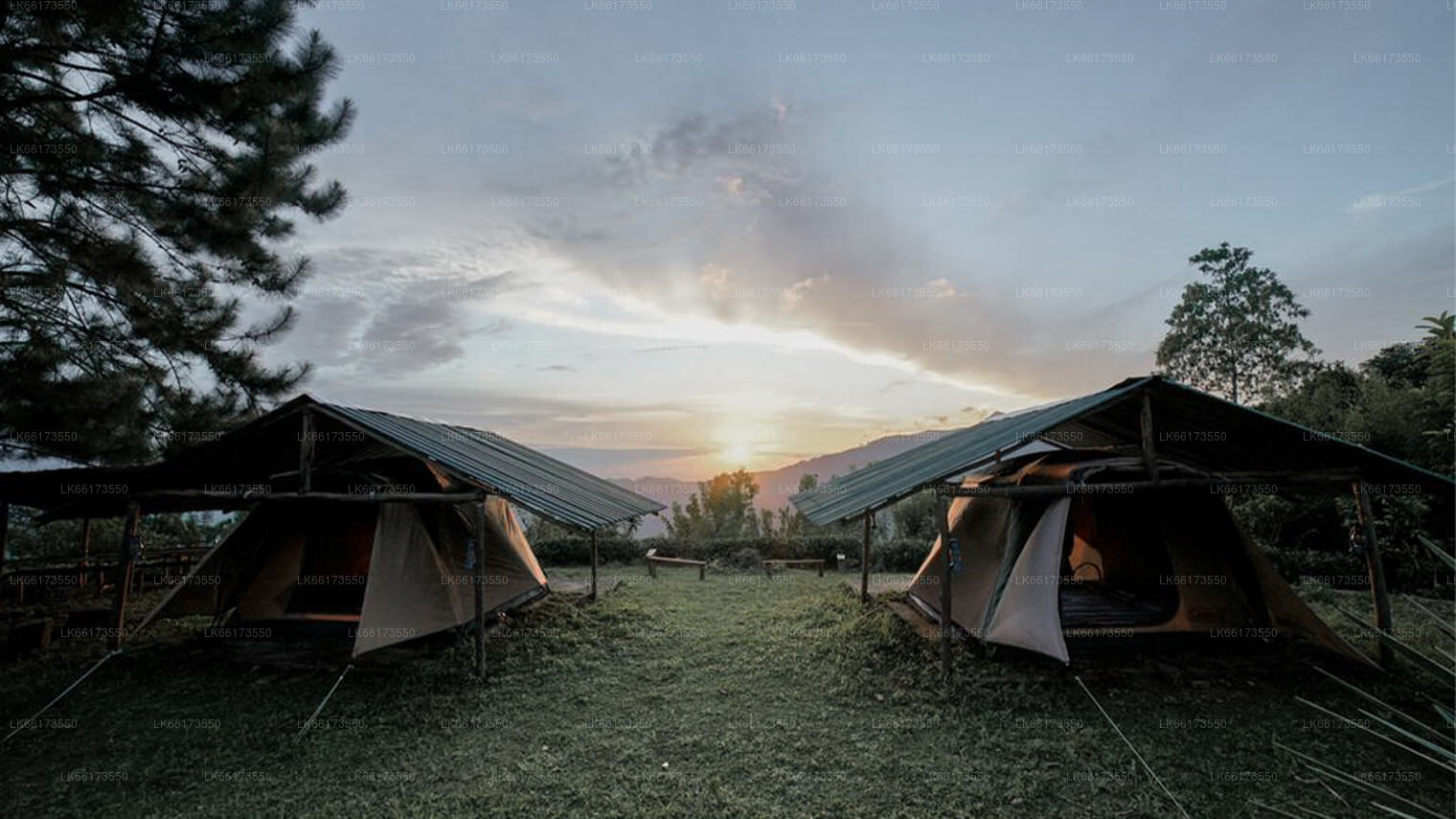
  • Safari camping — tented camps inside or on the buffer edge of national parks such as Yala, Wilpattu, Gal Oya, Kumana, and Wasgamuwa. Jeep safaris depart at dawn and dusk from the camp.
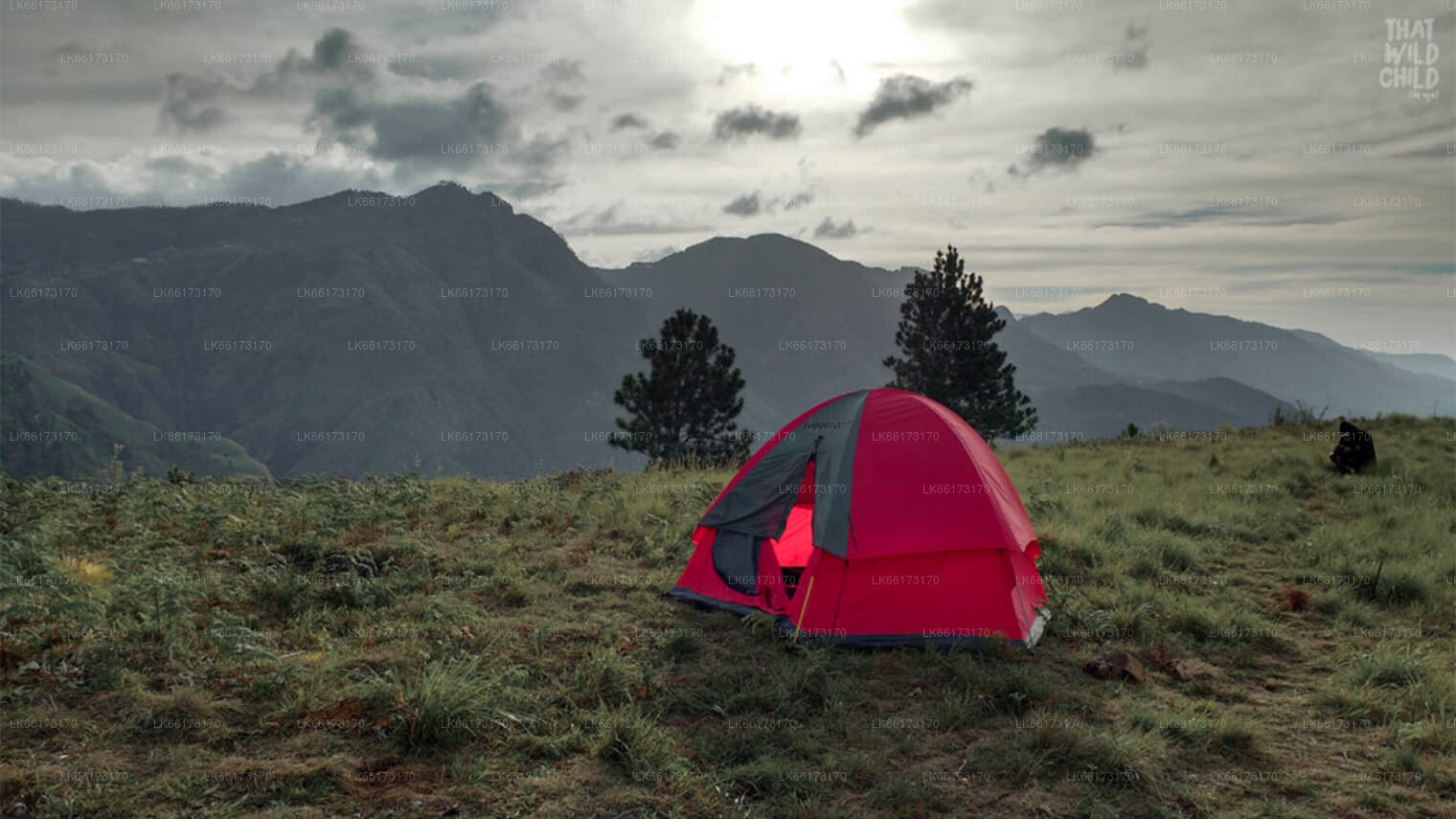
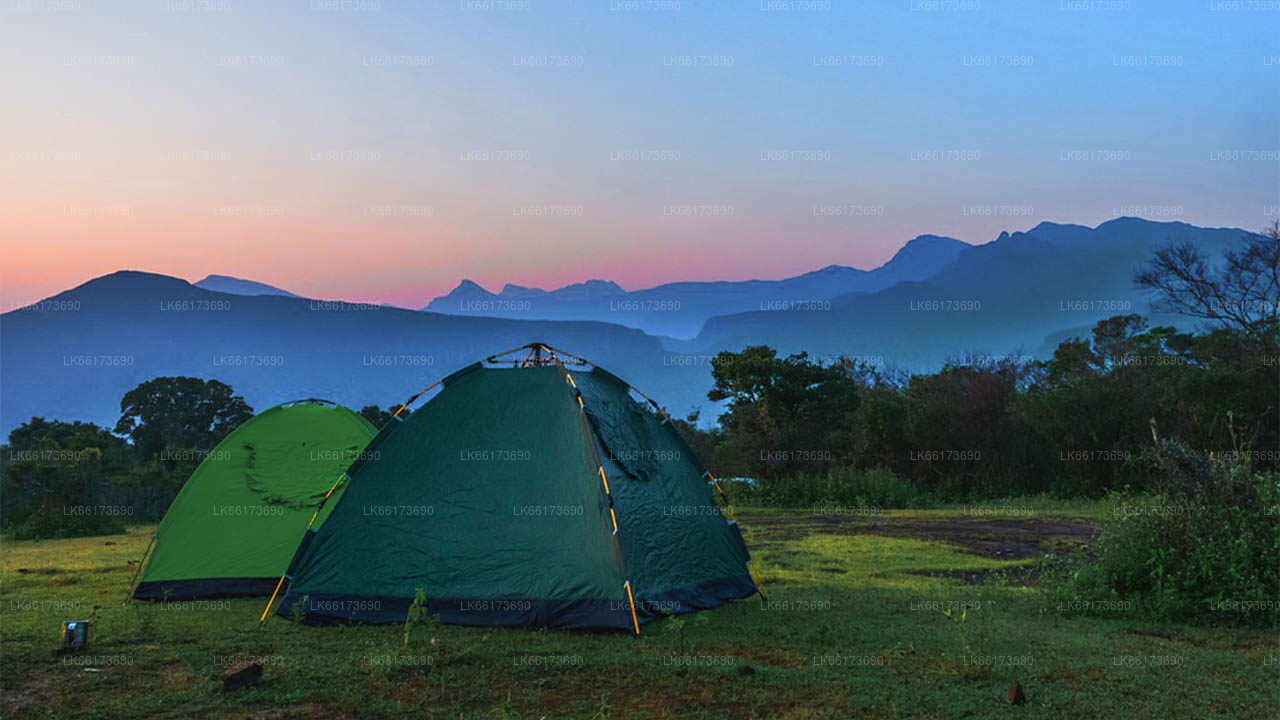
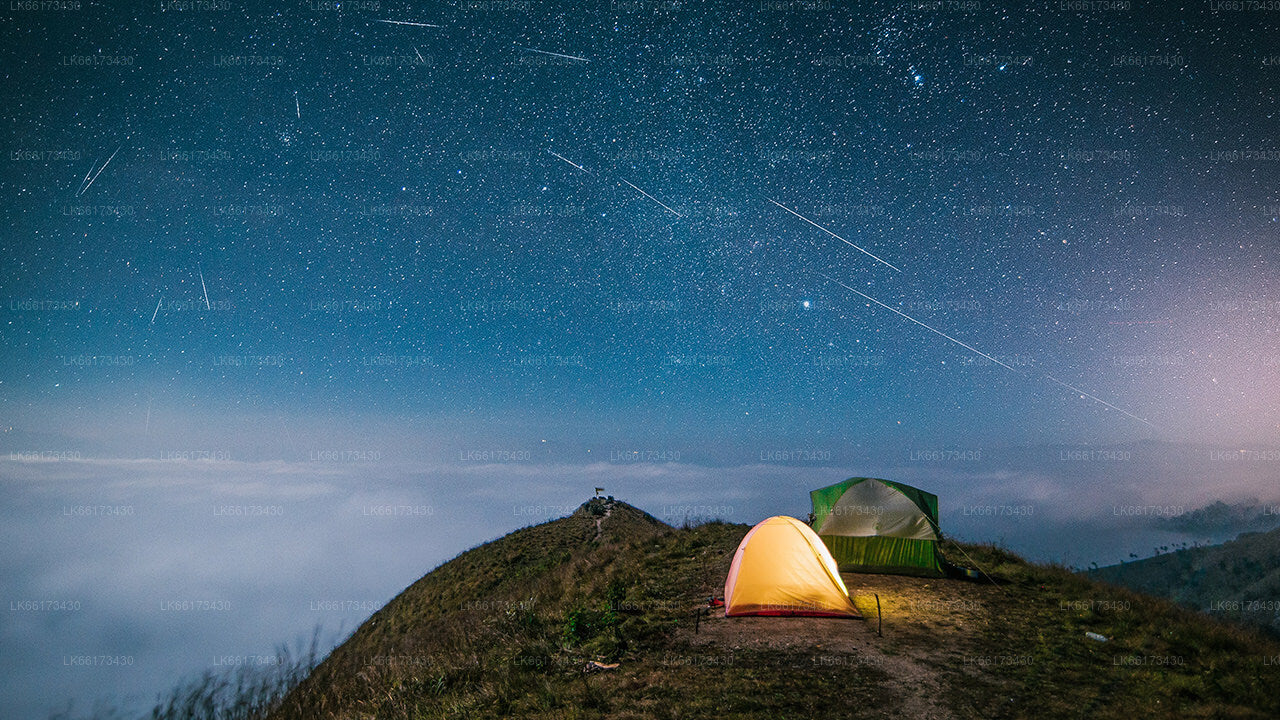
  • Highland trekking camps — overnight stays near Horton Plains National Park, the Knuckles Mountain Range, or the hills around Ramboda, combining walking trails with stargazing at altitude.
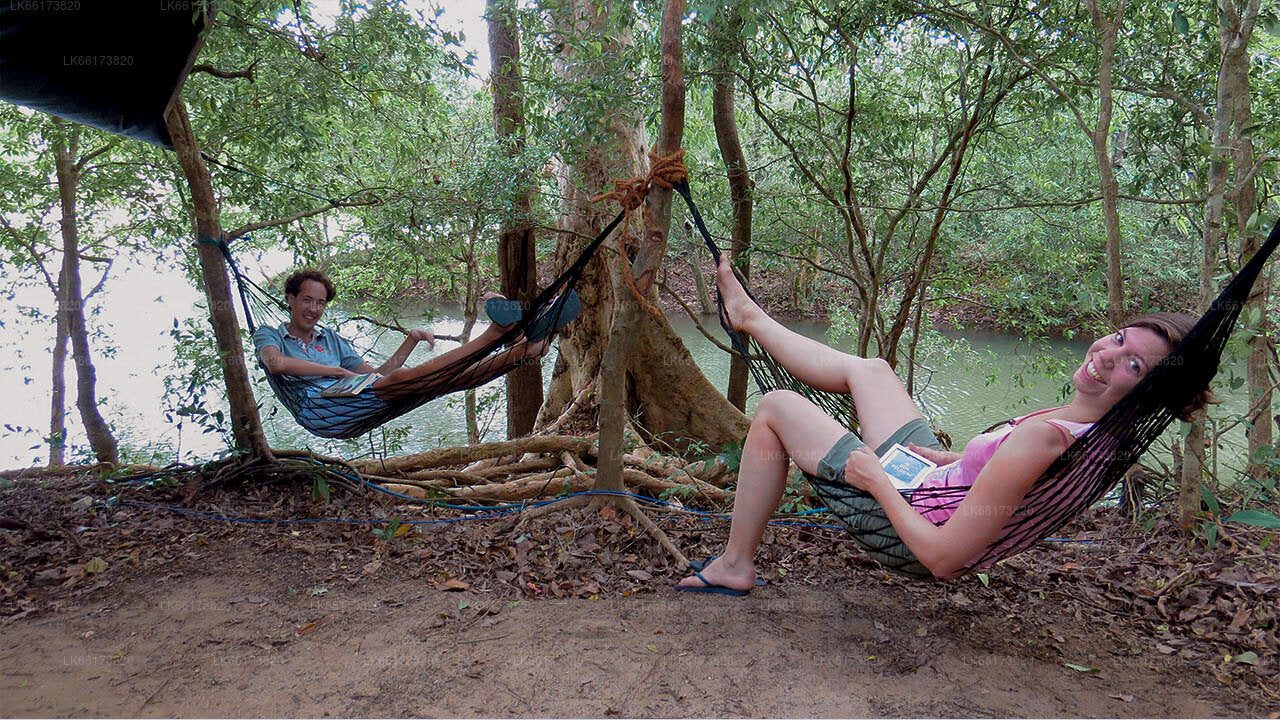
  • Rainforest camping — immersive stays close to reserves such as the Sinharaja Forest Reserve or the Makandawa rainforest, where birding and night walks are the main draws.
  • Riverside and lake camping — sites along rivers and tank lakes in the cultural zone, including the Athgira River near Udawalawe and the Gal Oya reservoir.
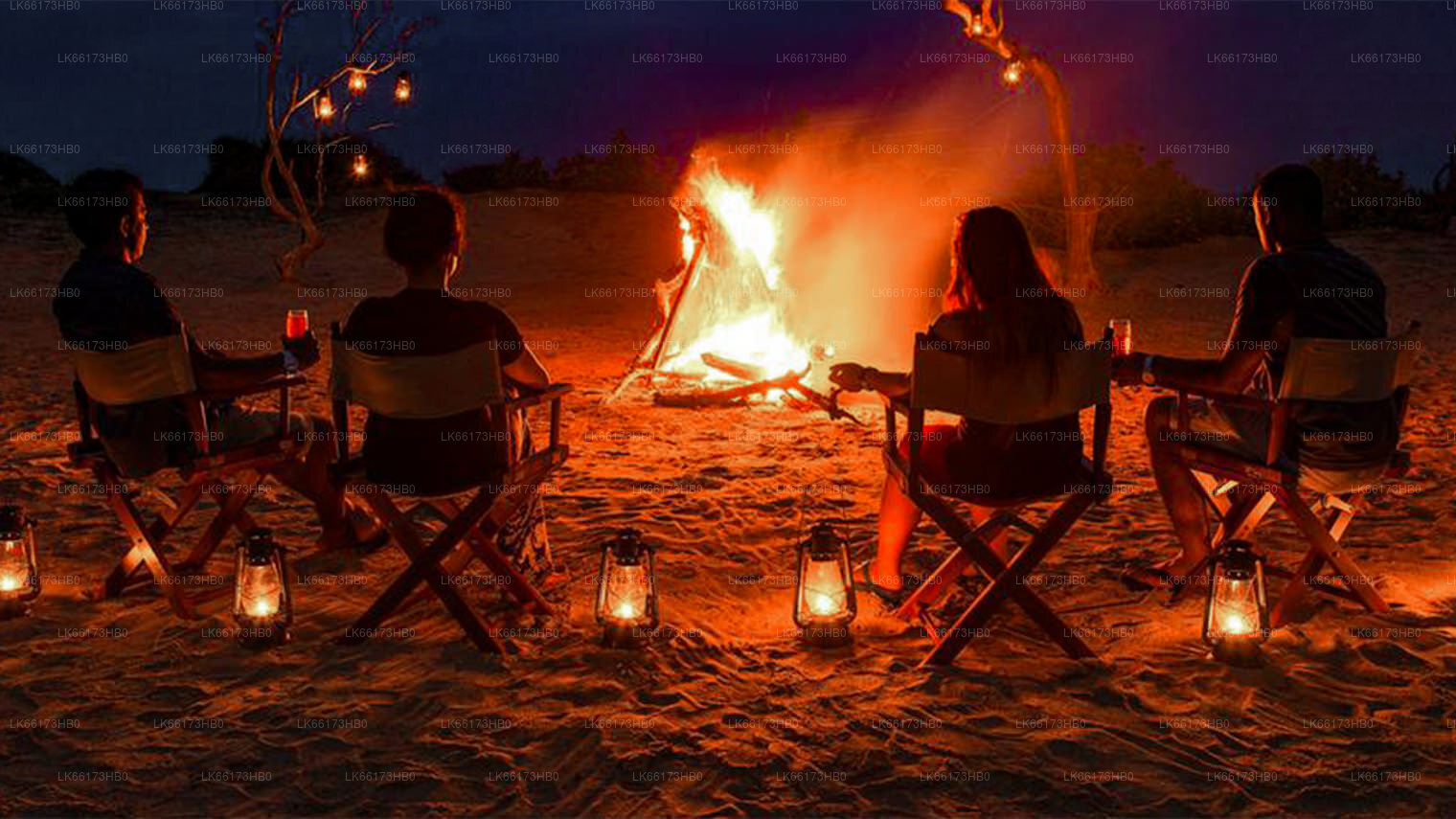
  • Beach camping — seasonal camps on the east coast near Panama, where a remote shoreline meets shallow lagoons and migrating birds.
  • Village-edge camping — small-group experiences near traditional communities such as Meemure in the Knuckles foothills, blending camping with local culture.

Where are the best places to camp in Sri Lanka?

Yala National Park

Sri Lanka's most visited wildlife park holds the world's highest density of leopards per square kilometre. Camping here means waking to the sounds of spotted deer, peacocks, and — if you are fortunate — a leopard moving through the scrub at first light. Established safari camping operators run fixed tented camps on the park's southern and eastern borders, providing meals, guiding, and vehicles.

Wilpattu National Park

Wilpattu's defining feature is its network of natural lakes called villus — shallow, circular water bodies surrounded by dense forest. Sloth bears, leopards, and large herds of elephants gather at these lakes. The park's relative remoteness means camping here feels genuinely off-the-beaten-path compared to Yala. Several quality tented safari camps operate on the park boundary.

Gal Oya National Park

Gal Oya surrounds Sri Lanka's largest irrigation reservoir, the Senanayake Samudra. The park is notable for its boat safaris, on which elephant herds swimming between islands are a regular sight. Camping near the reservoir combines excellent wildlife viewing with a quieter, less commercialised atmosphere. Facilities are more basic than at Yala, which is part of the appeal for self-sufficient campers.

Knuckles Mountain Range

The Knuckles Range — a UNESCO World Heritage-listed landscape — offers multi-day trekking routes through cloud forest, montane grassland, and traditional villages. Camping is permitted at designated sites along established trails. Nights here are cool even in the dry season, and the ridge views at dawn are among the finest in the hill country.

Horton Plains National Park

At roughly 2,100 metres above sea level, Horton Plains is Sri Lanka's highest national park. Camping arrangements near the park give access to early-morning walks before the day-tripper crowds arrive — important for seeing sambar deer, purple-faced langurs, and the endemic Horton Plains slender loris. Temperatures can drop sharply at night, so warm layers are essential.

Meemure Village

Meemure is one of Sri Lanka's most isolated villages, surrounded on three sides by the Knuckles Range. Camping here is a community-based experience: small groups stay in or alongside the village, walking nearby trails and learning about traditional farming and foraging practices. It suits travellers who want human connection alongside natural scenery.

Udawalawe and the Athgira River

The Udawalawe National Park area is best known for its elephants — herds of up to 50 animals are commonly seen in the open grasslands. Riverside camps along the Athgira River, which borders the park, offer a more relaxed base than the park's own buffer zones, with the option to combine safaris with gentle river walks and birding in the riparian forest.

When is the best time for camping in Sri Lanka?

Sri Lanka has two monsoon seasons that affect different parts of the island at different times, so there is almost always somewhere suitable for camping.

RegionBest months for campingNotes
Yala & the southJanuary – JulyPark is typically closed in September–October for the inter-monsoon
Wilpattu & the northwestFebruary – OctoberPeak dry season brings the best wildlife sightings
Knuckles & hill countryJanuary – April, July – SeptemberMist can occur year-round; waterproofs are always useful
Gal Oya & the eastMarch – OctoberBoat safaris are most reliable in the dry months
East coast beachesApril – SeptemberSeas are calm and the coast is accessible after the northeast monsoon

What should I pack for camping in Sri Lanka?

Most organised camps supply bedding, mosquito nets, and basic toiletries, but a few personal essentials make a significant difference to comfort and safety.

  • A quality insect repellent — DEET-based formulas are most effective in forested areas.
  • Lightweight, moisture-wicking clothing in neutral colours, plus one warm layer for highland camps.
  • Sturdy closed-toe shoes or lightweight hiking boots; sandals are impractical in the bush.
  • A head torch with spare batteries — camps are typically not lit after dark for wildlife reasons.
  • Reusable water bottle and a small purification kit if you plan independent trekking routes.
  • Sunscreen and a wide-brimmed hat — shade is limited in the dry-zone parks.
  • A basic first-aid kit including antihistamine cream and blister care.

How do I get to camping sites from Colombo?

Most of Sri Lanka's popular camping destinations lie between three and six hours from Colombo by road. Yala and Udawalawe are in the southeast; Wilpattu is around three hours north. Horton Plains requires climbing through the hill country to Nuwara Eliya and is typically around five to six hours. For highland and Knuckles treks, the town of Ella is a useful base. Lakpura arranges private transfers directly to all major camp locations, eliminating the difficulty of navigating remote tracks with luggage.

Are camping permits required in Sri Lanka's national parks?

Overnight stays within gazetted national park boundaries require permission from the Department of Wildlife Conservation and are typically arranged through licensed operators or the park offices. Camping on park buffer land or on private sites adjacent to the parks generally does not require a government permit, though the operator should be registered with the Sri Lanka Tourism Development Authority. Always check the current requirements when booking, as regulations are periodically updated.

What wildlife might I encounter while camping?

Sri Lanka's camping zones are ecologically rich. In the dry-zone parks, elephants, leopards, sloth bears, crocodiles, and numerous deer species are year-round residents. Birdlife is exceptional throughout the island — around 240 endemic and resident species, with raptors, bee-eaters, and hornbills particularly visible around campsites at dusk and dawn. In the highlands, endemic amphibians and birds not found anywhere else in the world are a draw for naturalists. Campers should always maintain a safe distance from wildlife, keep food secured, and follow their guide's instructions without exception.

Book this experience with Lakpura

Curated by our local team. Direct booking, instant confirmation.

Ask Lakpura® Agent