Barleria prionitis


Barleria prionitis or Porcupine Flower is a small tree native to Sri Lanka. Also native to India, and some South Asian countries. It is a important medicinal plant found in tropical woodland areas on road side ways, forest borders and in wild widely in dry zone in Sri Lanka. It is widely spread as an ornamental and weed, occurring in naturalised populations around the world. It used not only as an ornamental but also as a hedge and extensively as a component of folk medicines. As a weed it is regarded as problematic in many areas.
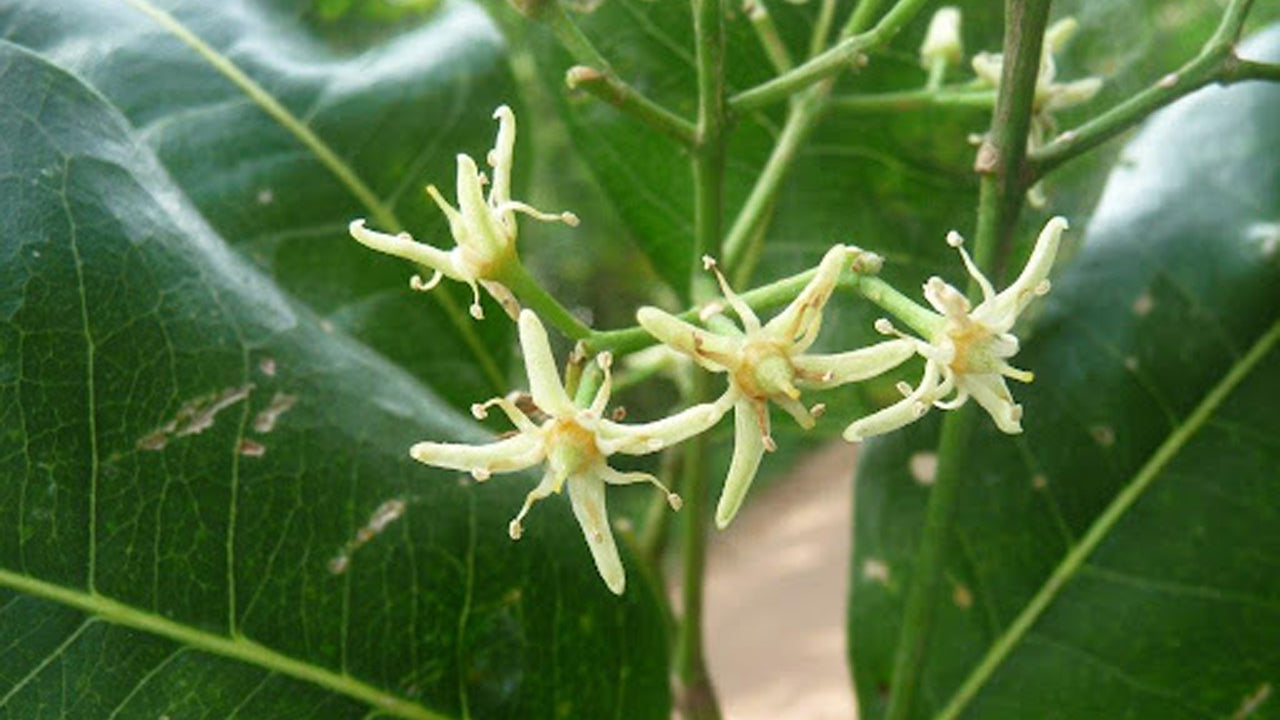
A much-branched shrub up to 1.8m tall, the lower leaf axils have spines 1–2 cm in length, one of the specific features of this Barleria.The stem and branches are terete, smooth, lenticellate and glabrous. The leaves are elliptic to ovate (4-10.5 × 1.8-5.5 cm) with both surfaces pubescent when young but becoming glabrescent soon. The large golden-yellow flowers are clustered in the axils of the upper leaves and/or on bracts. Apically spinose calyx lobes and a yellowish to orange corolla are used to distinguish this species from other Barleria. In Zhongguó/China, flowers appear October to December, while fruiting occurs from December to February, while in Pakistan there is all year flowering. The Australian flowering and fruiting times are trimodal, from March to June, August to October and December.
This is a species that is used to treat many ailments in Ayurveda medicine. The juice made from the leaves are given as a remedy for stomach disorders, urinary disorders and mixed with bee honey it is given to children with fever and catarrh. In India leaf juice is also applied to lacerated soles of feet during the rainy season. A paste made of the roots is applied over boils and glandular swellings.
The whole plant is made in to a paste and applied externally as an ointment for gout. It is said that the seed extract is said to increase sexual vigour. Leaves of this species are chewed and the sap swallowed to cure mouth ulcers. A paste made out of chopped leaves is applied to relieve pain during toothaches.
Barleria prionitis is part of the catalog of ayurvedic medicinal plants of Sri Lanka.


-
Claw-flowered laurel
Acronychia pedunculata -
Bael
Aegle marmelos -
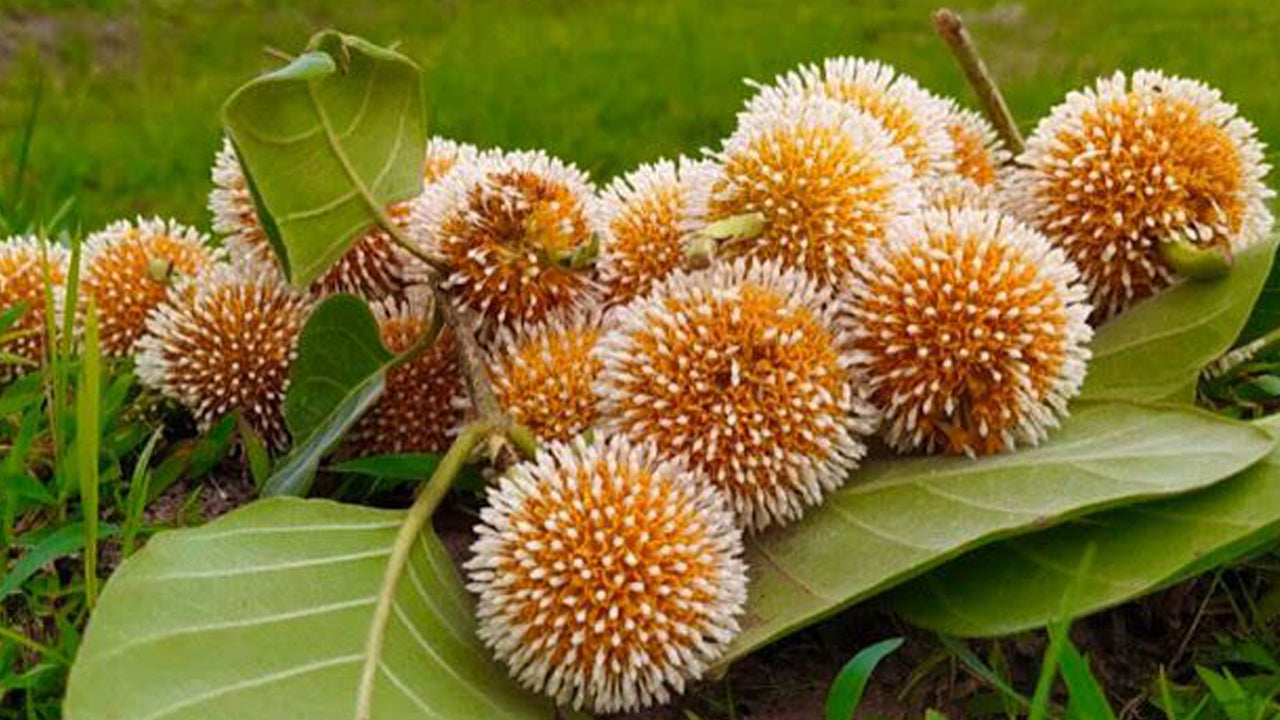
Leichhardt tree
Nauclea orientalis -
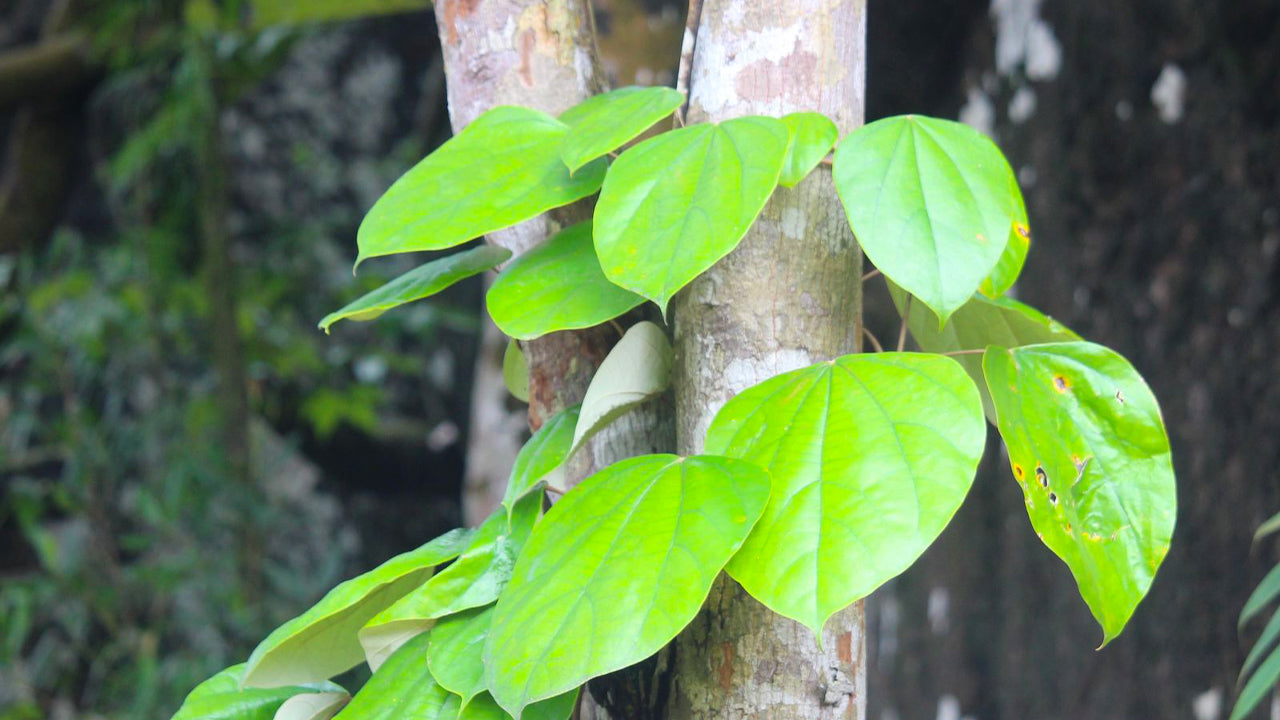
False Calumba
Coscinium fenestratum -

Malabar Gulbel
Tinospora malabarica -
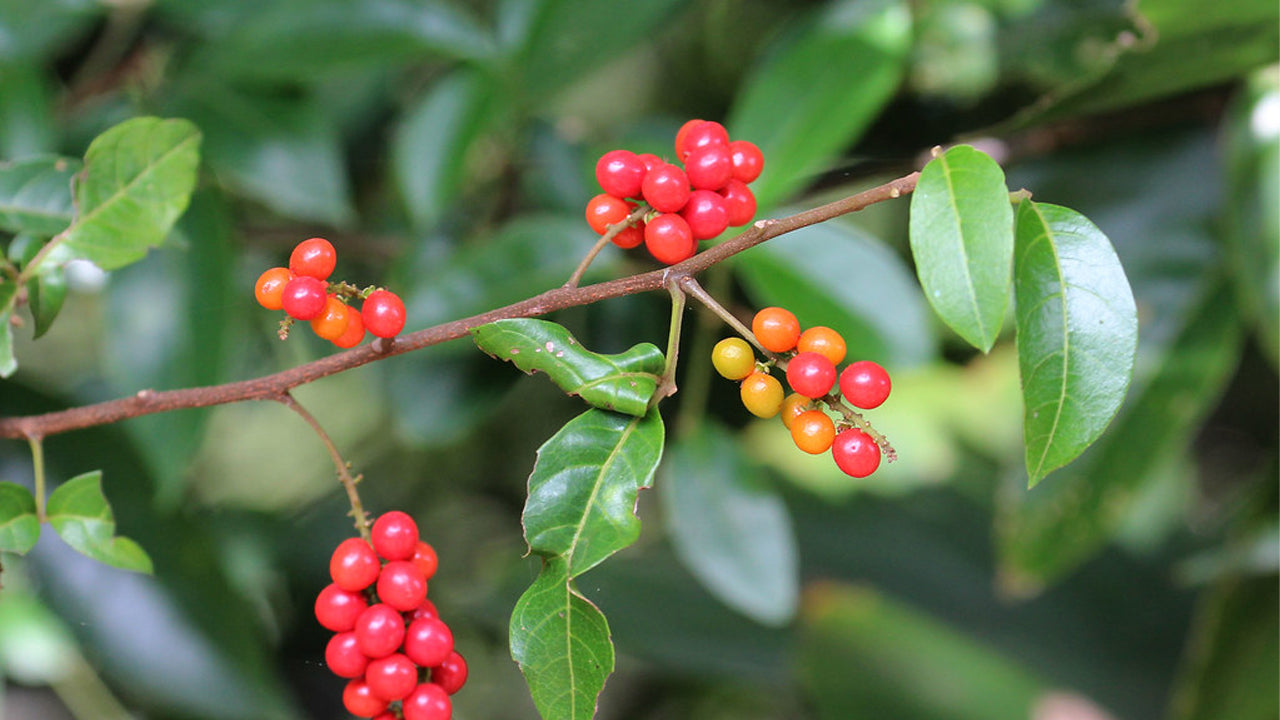
Titberry
Allophylus cobbe -
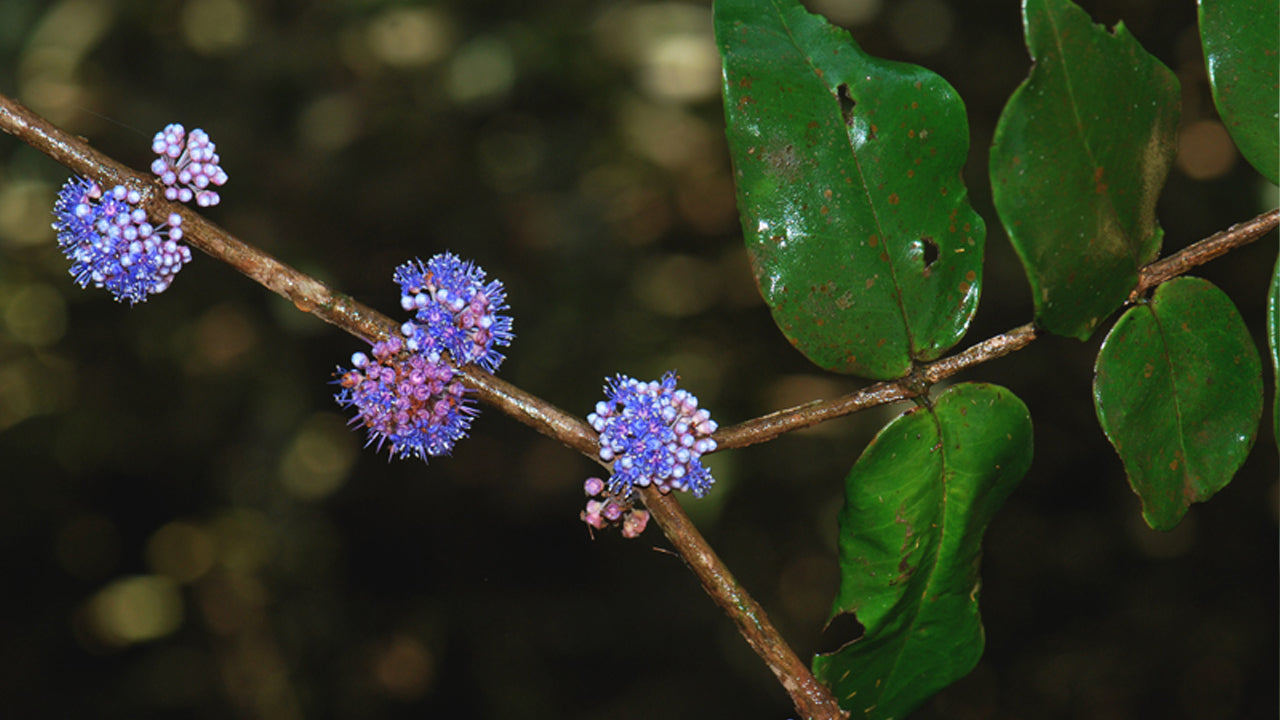
Ironwood Tree
Memecylon capitellatum -
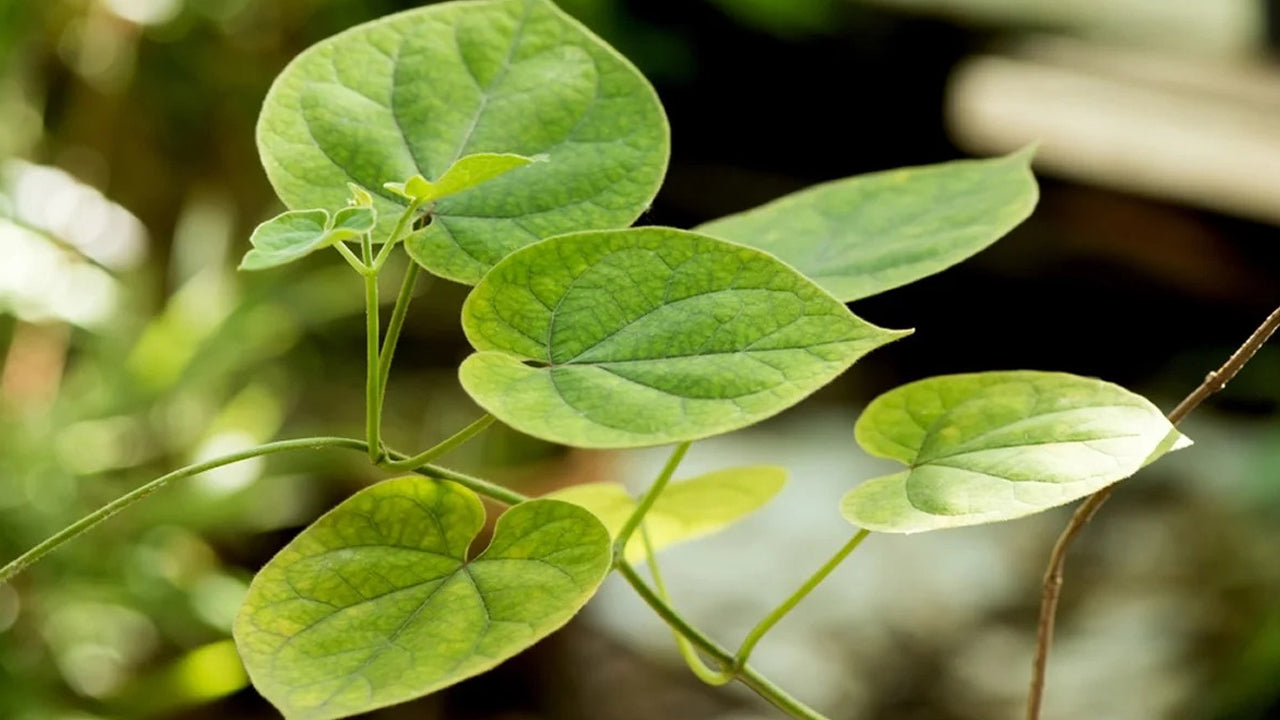
Velvet Leaf
Cissampelos pareira -
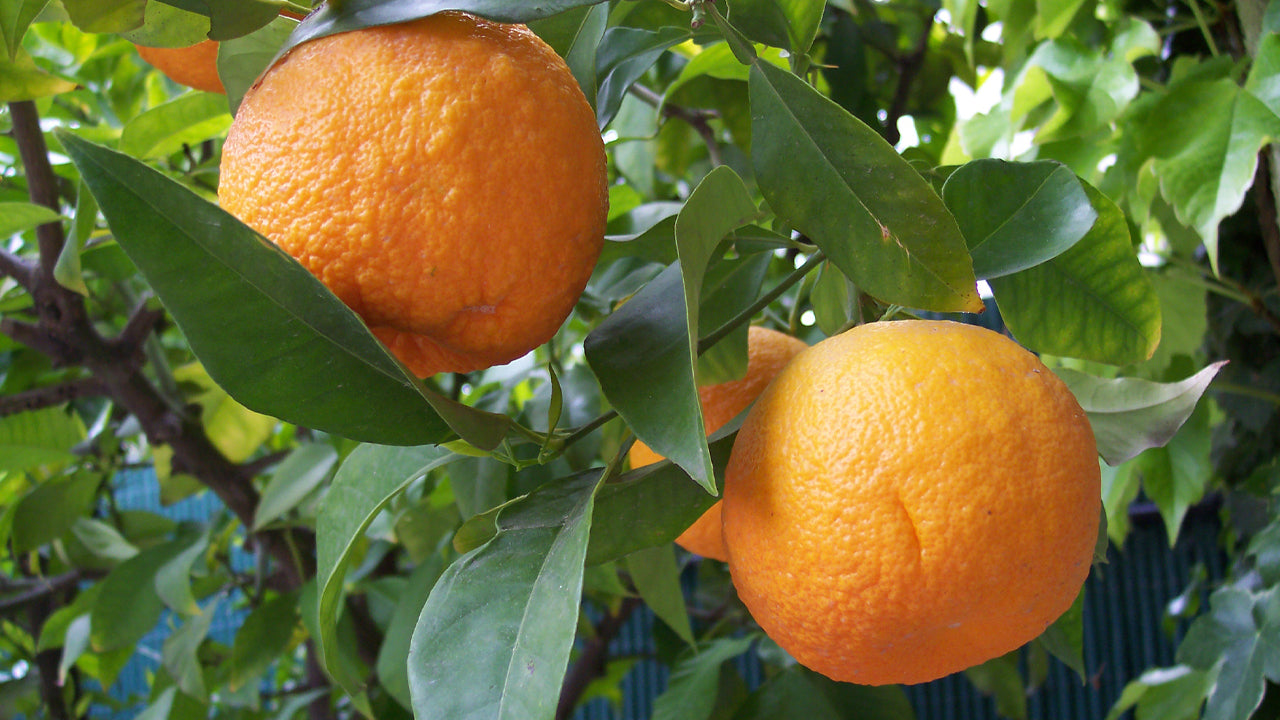
Bitter orange
Citrus aurantium -

Reinwardt's Tree Plant
Biophytun reinward -
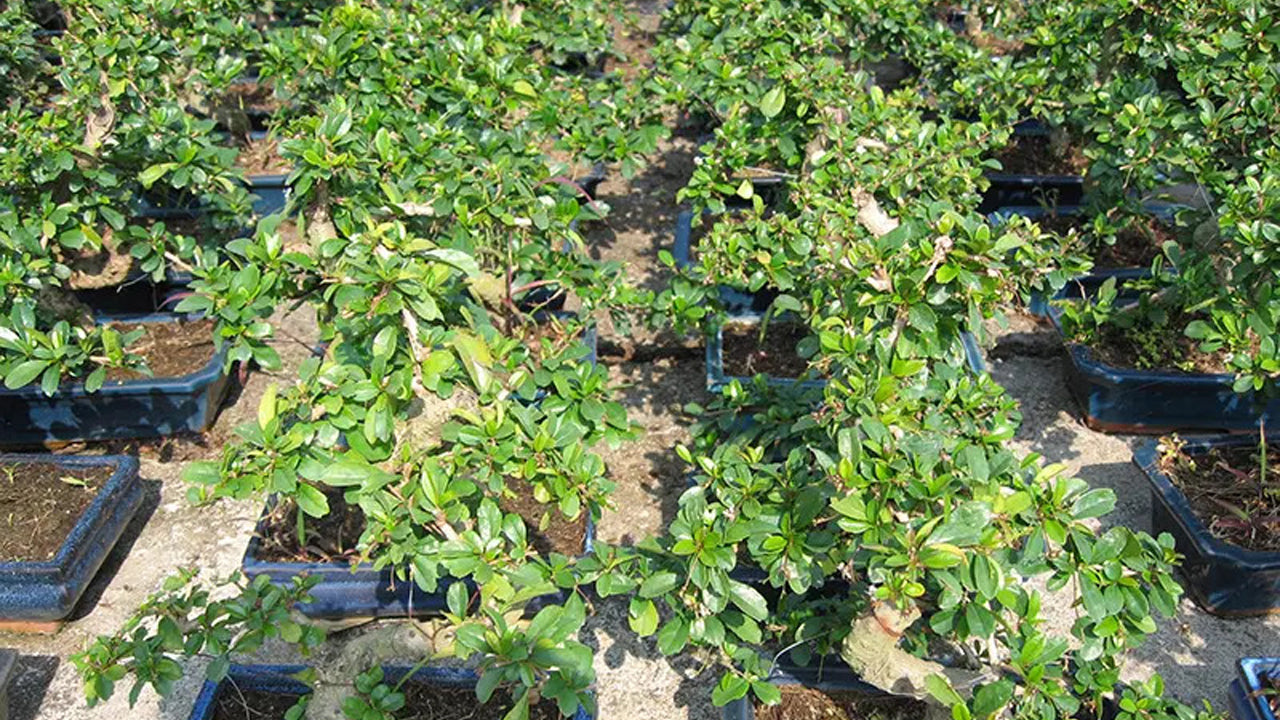
Fukien tea
Carmona microphylla -
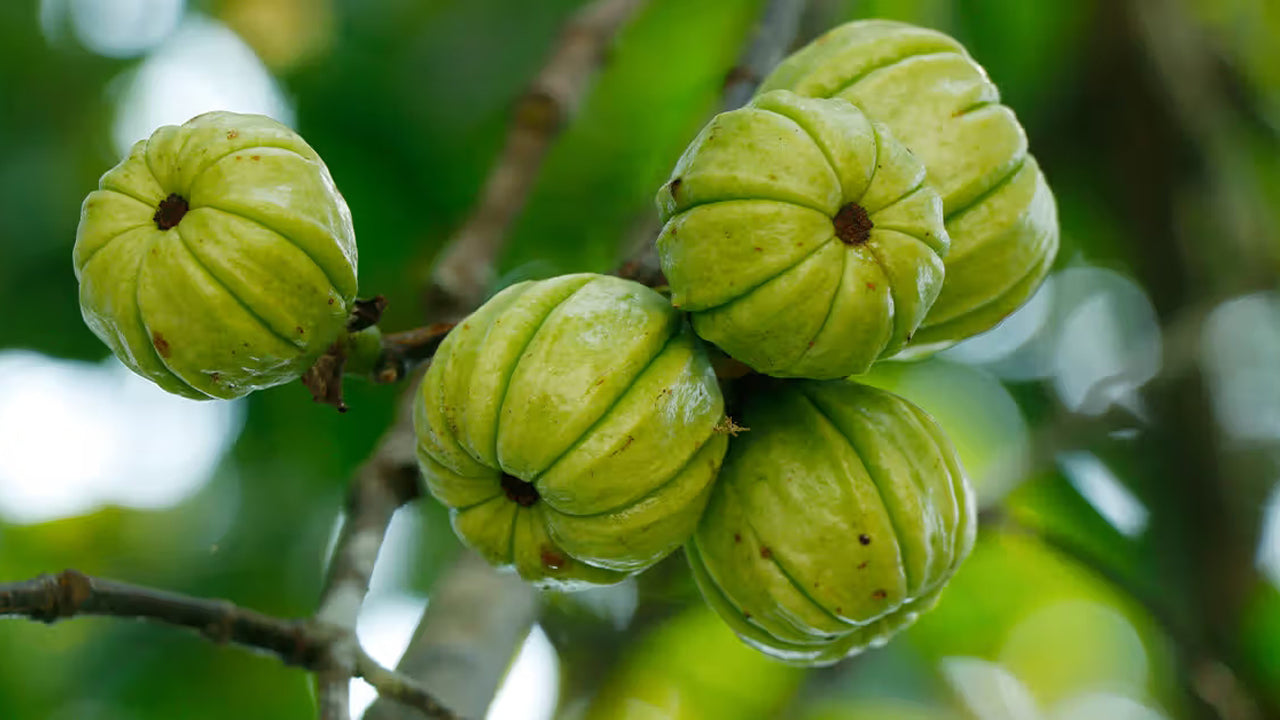
Malabar tamarind
Garcinia cambogia -
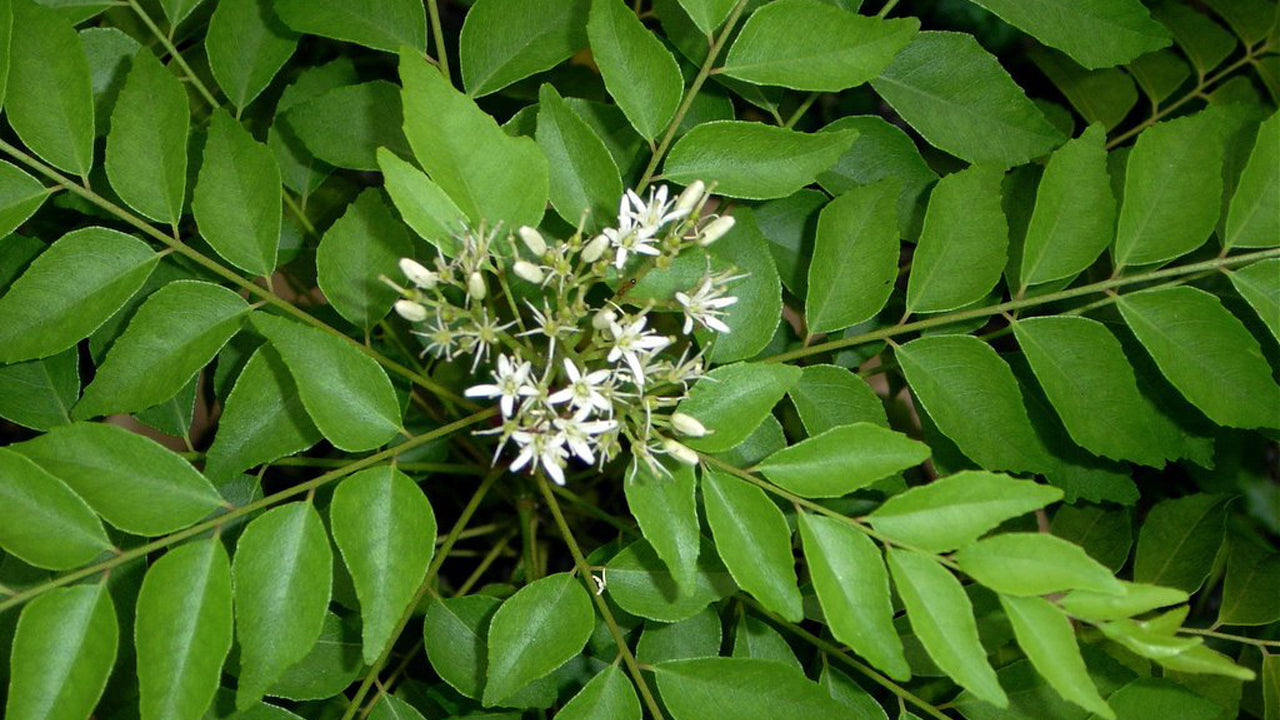
Curry leaf tree
Murraya koenigii -
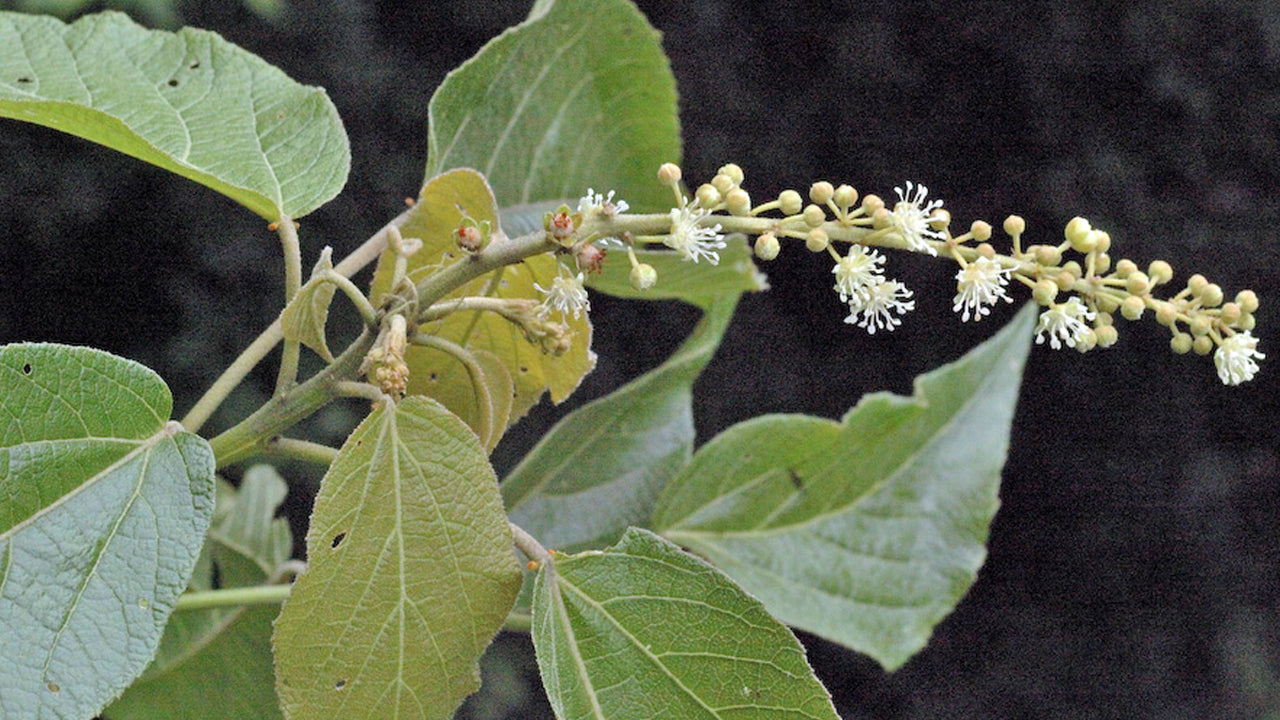
Kappetiya
Croton laccifer -
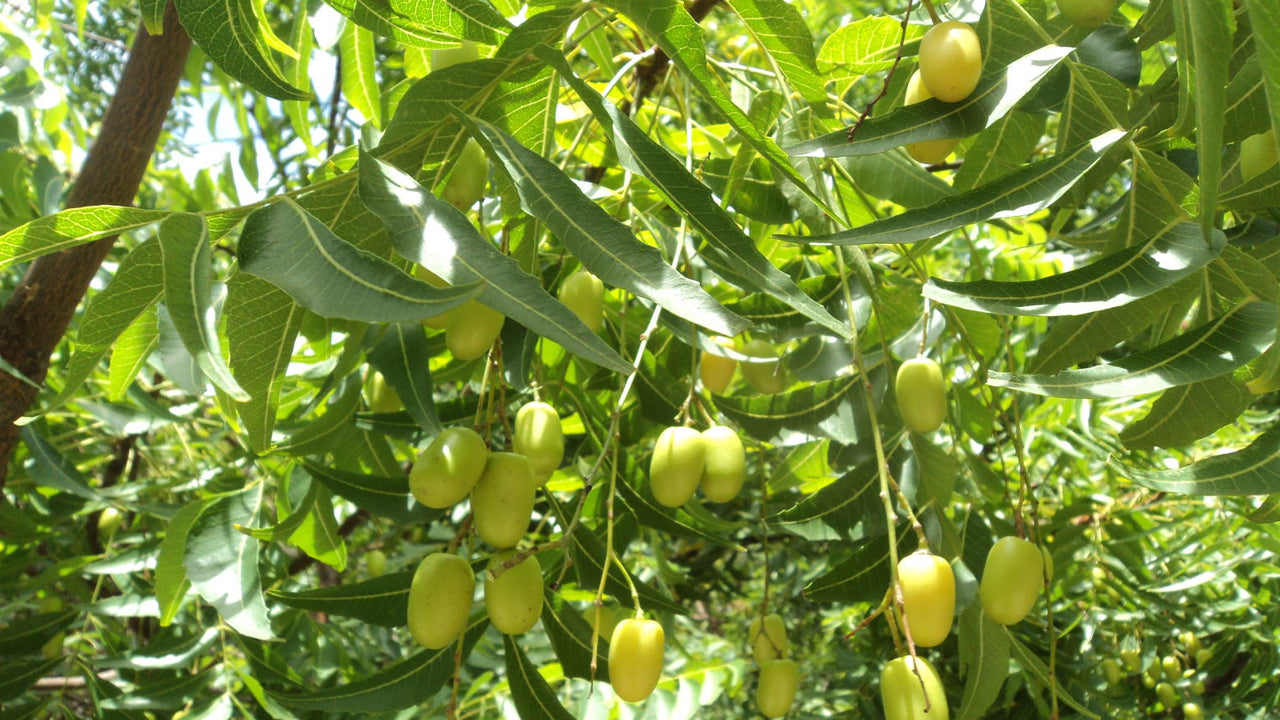
Indian lilac
Azadirachta indica -
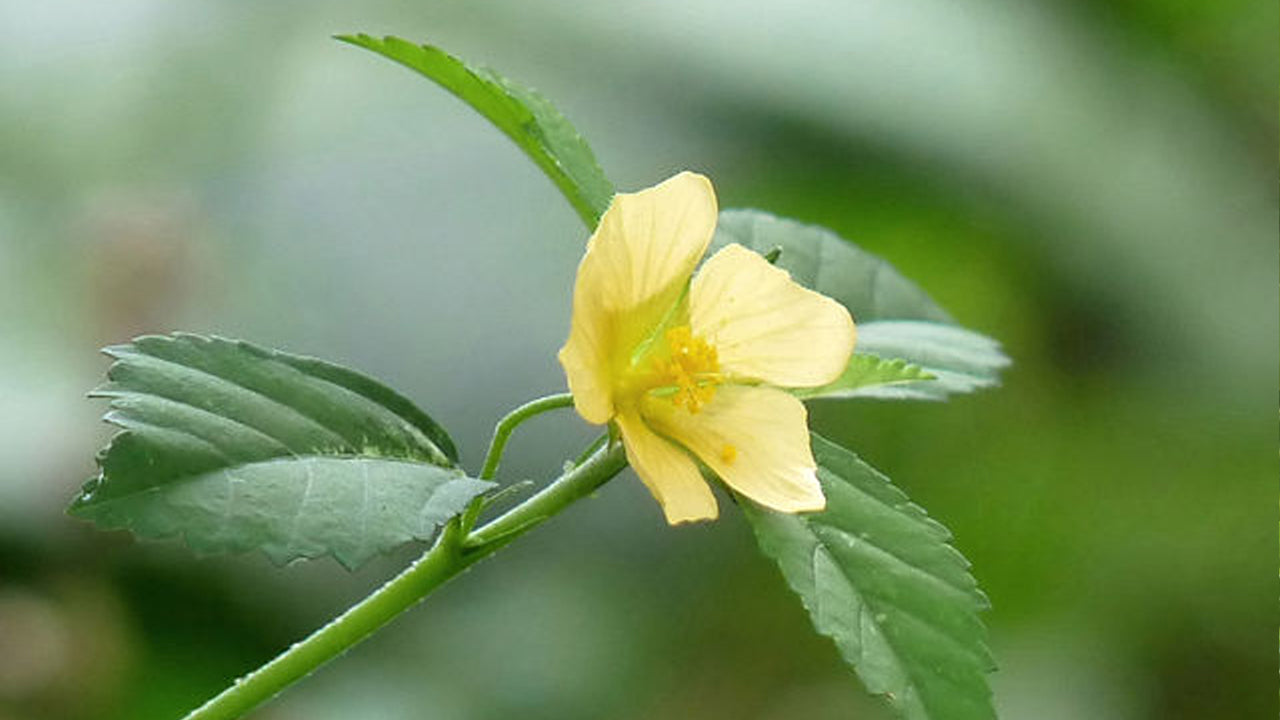
Spiny sida
Sida alba -
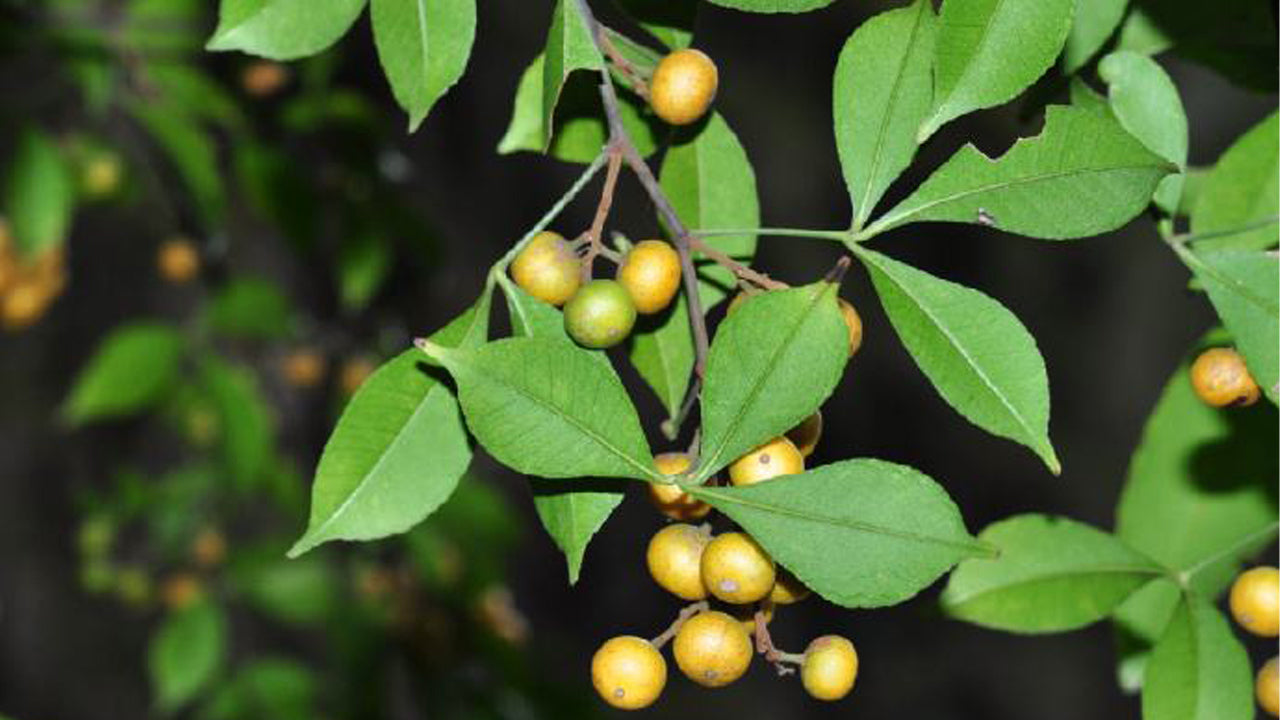
Orange climber
Toddlia asiatica -
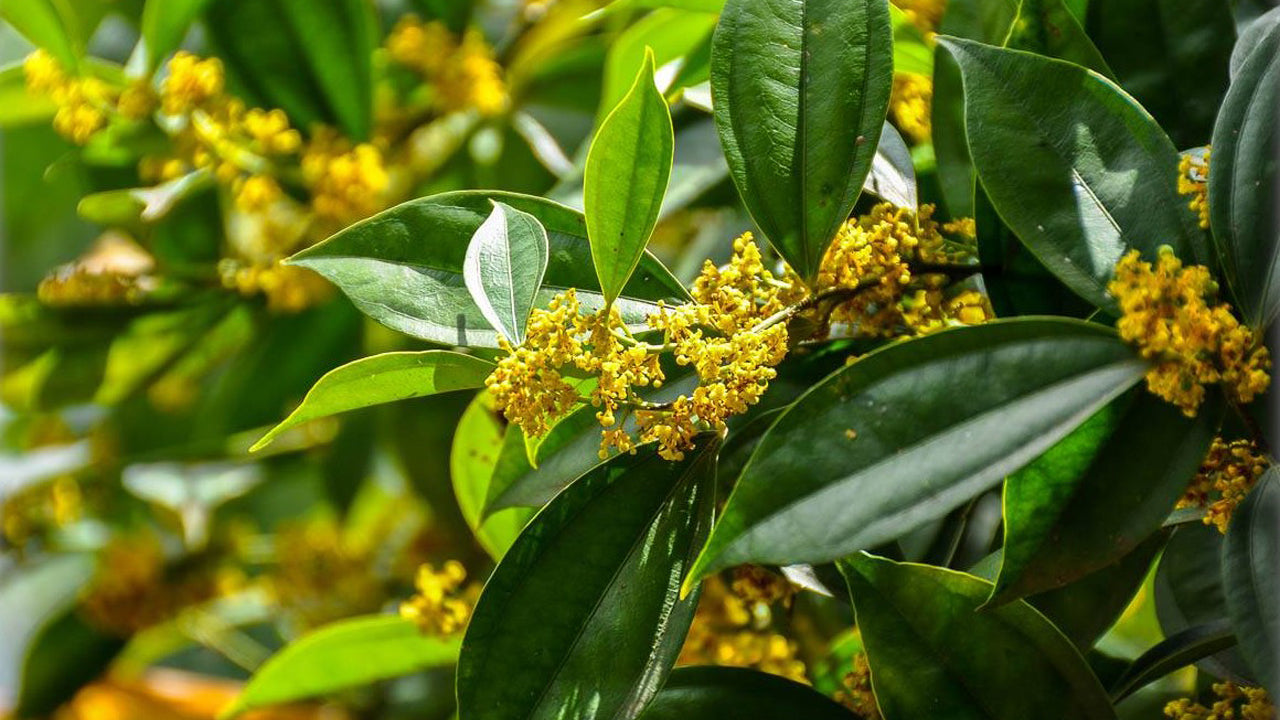
Ceylon cinnamon
Cinnamomum zeylanicum -
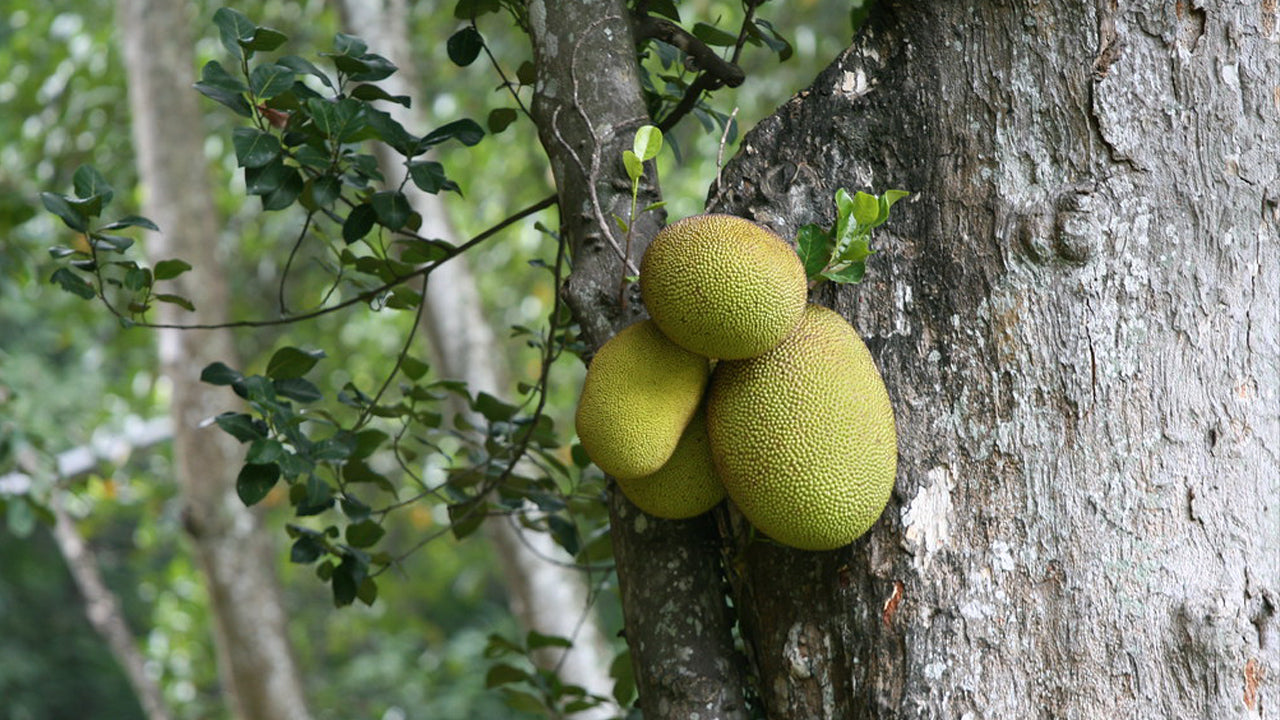
Jackfruit
Artocarpus heterophyllus -
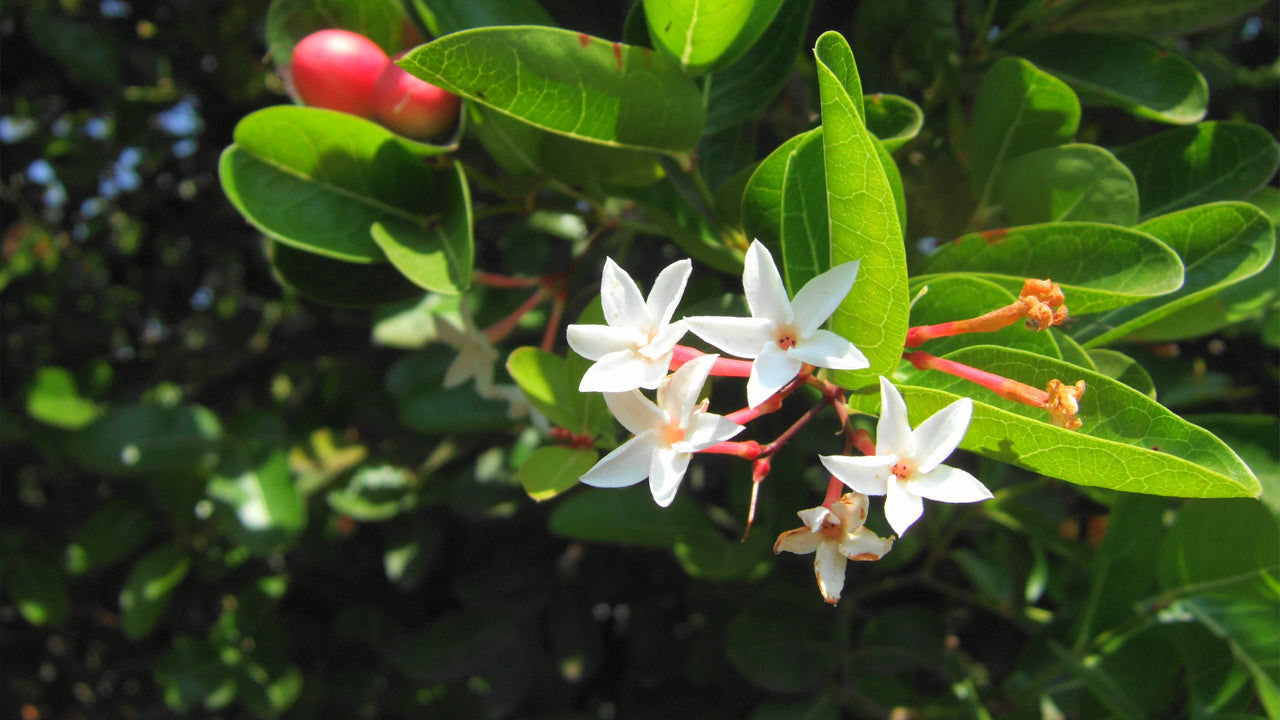
Karonda
Carissa carandas -
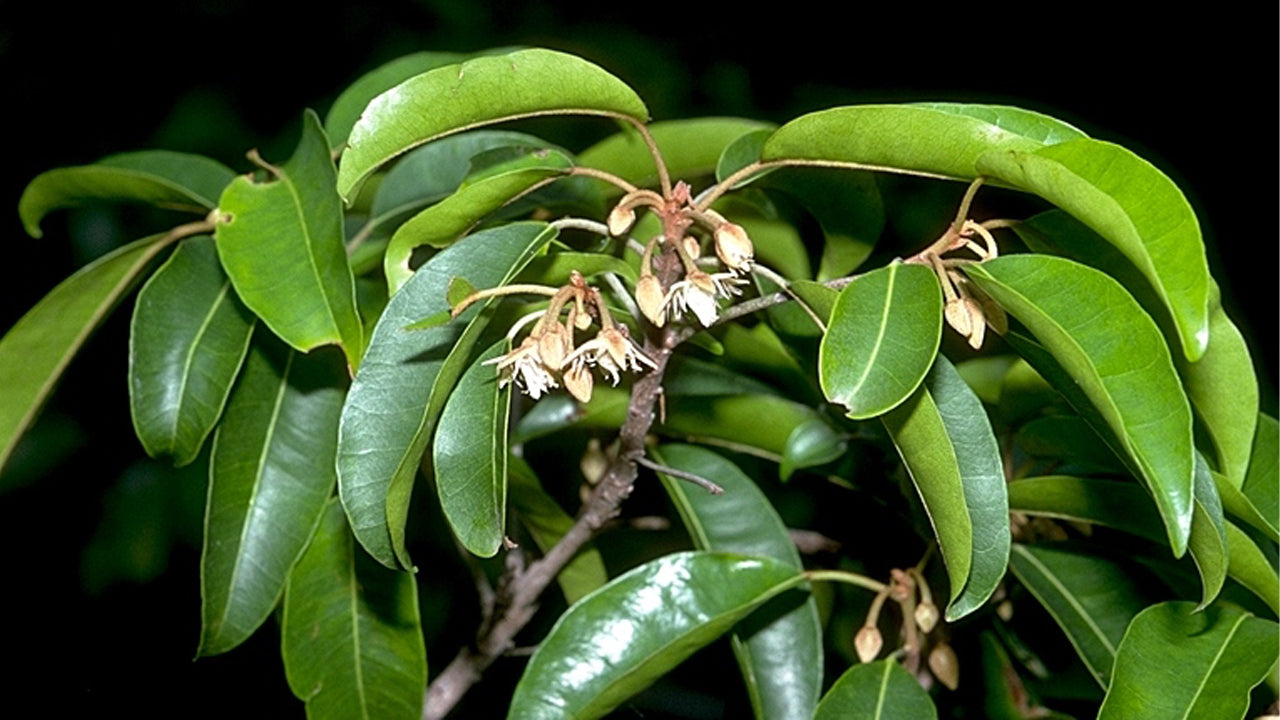
Spanish cherry
Mimusops elengi -
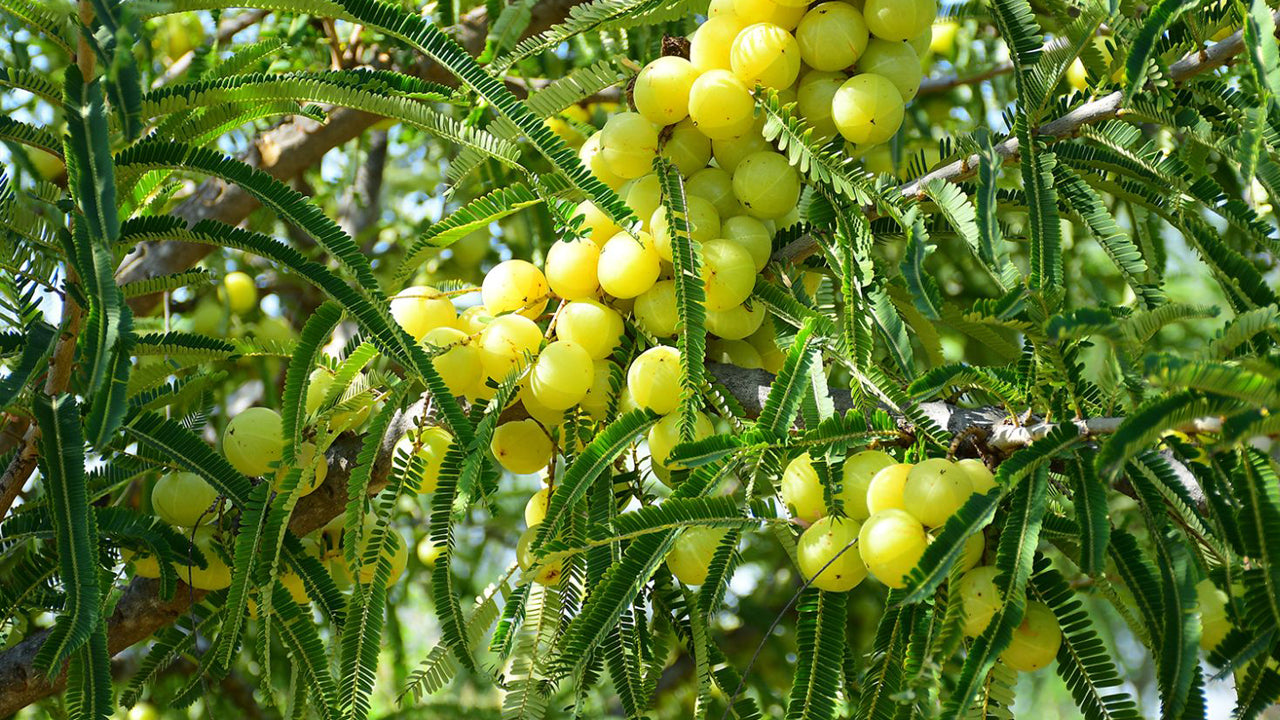
Indian gooseberry
Phyltanthus emblica -
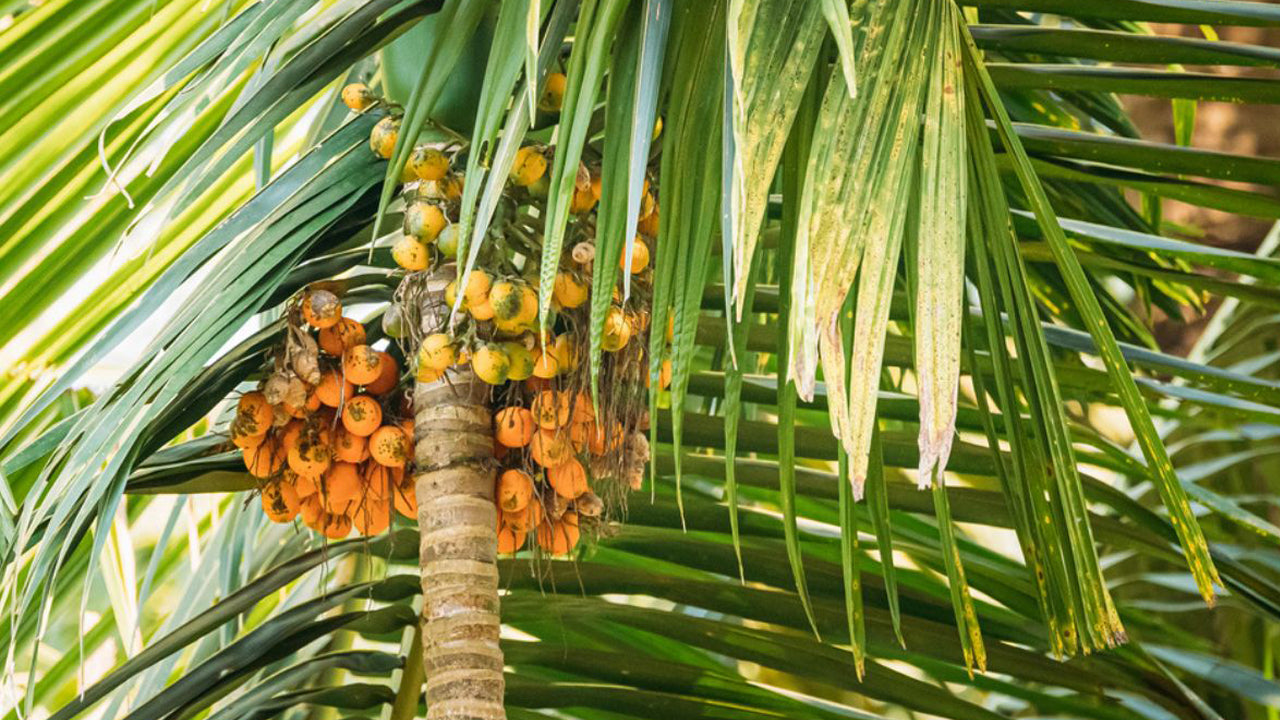
Betel palm
Areca catechu -
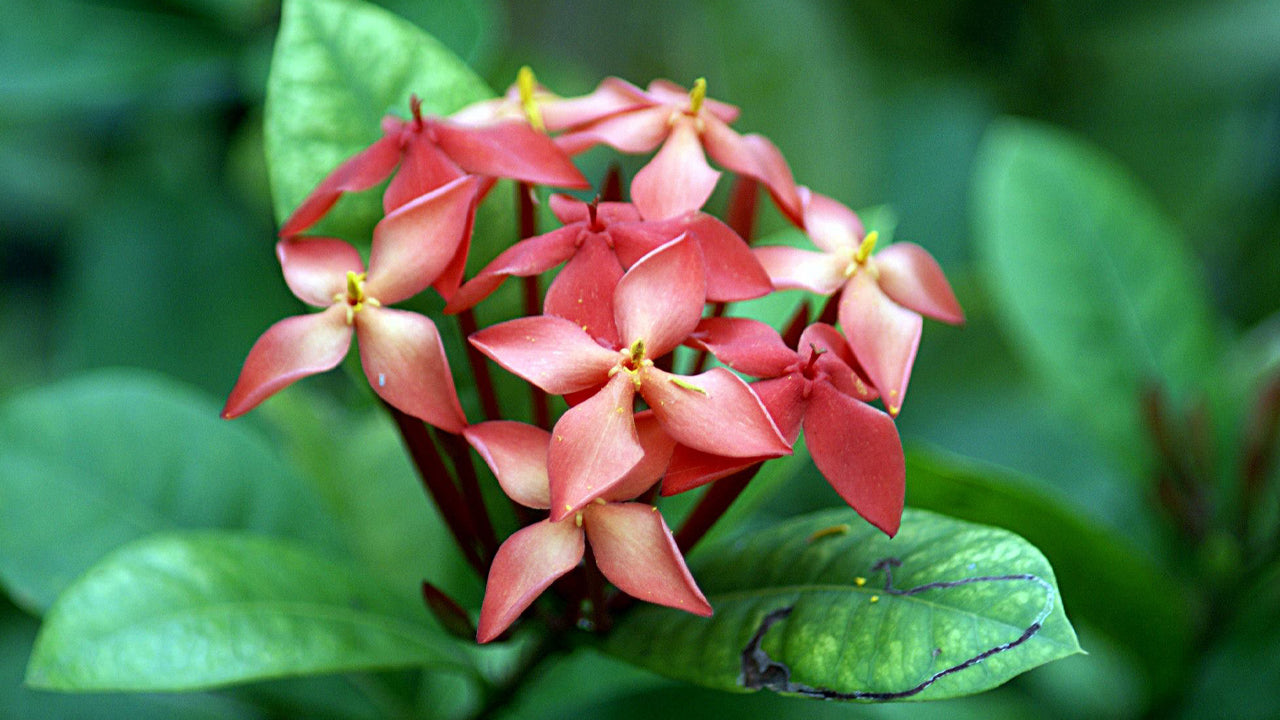
Jungle geranium
Ixora coccinea -
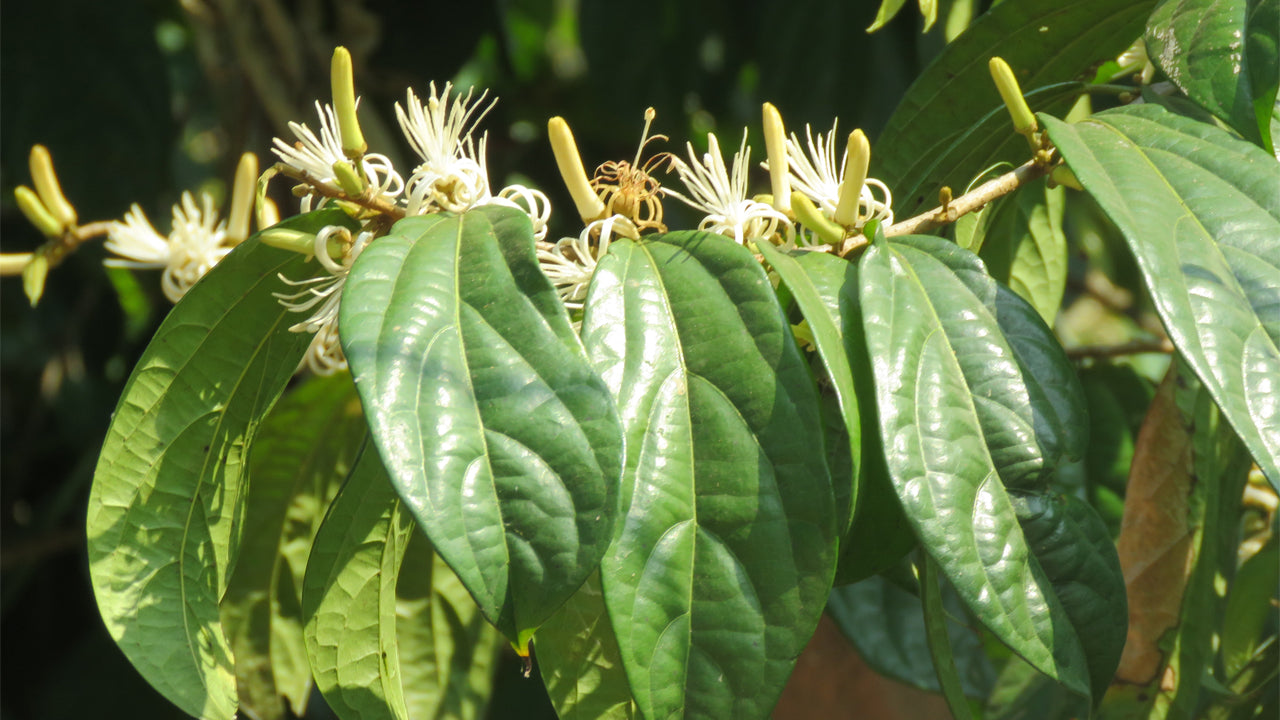
Sage-leaved alangium
Alangium salviifolium -
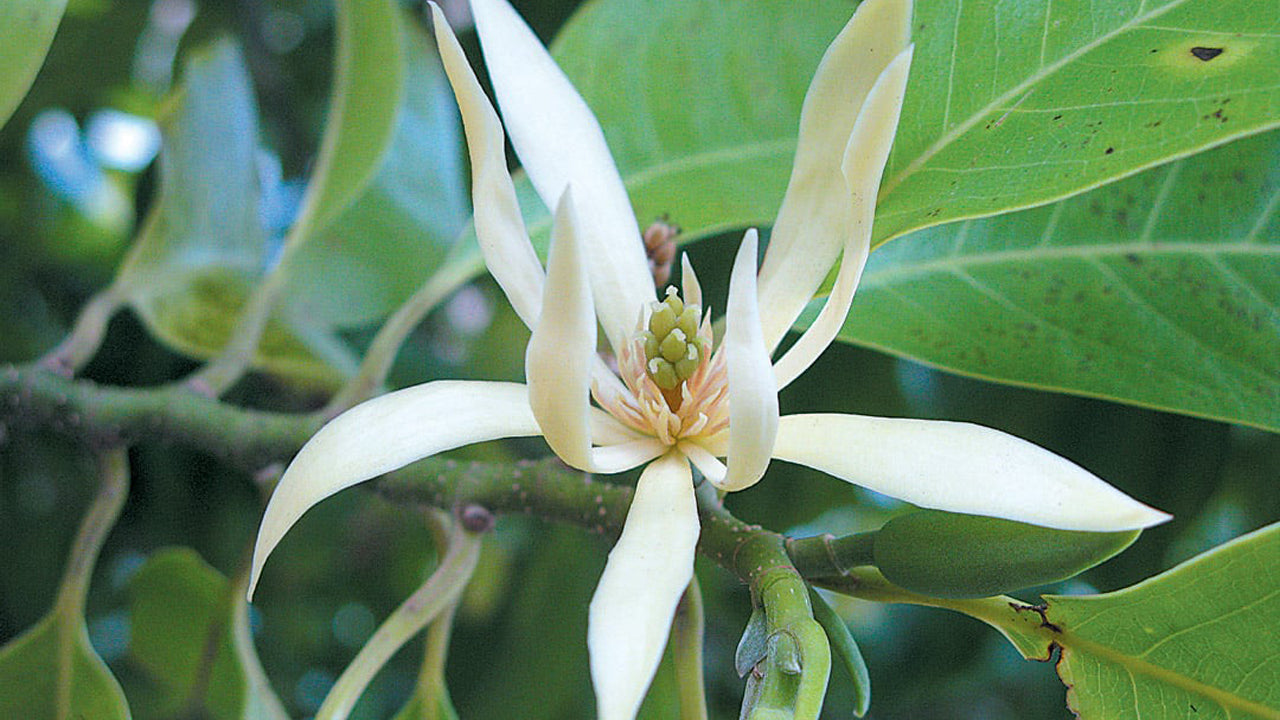
Champak
Michelia champaca -
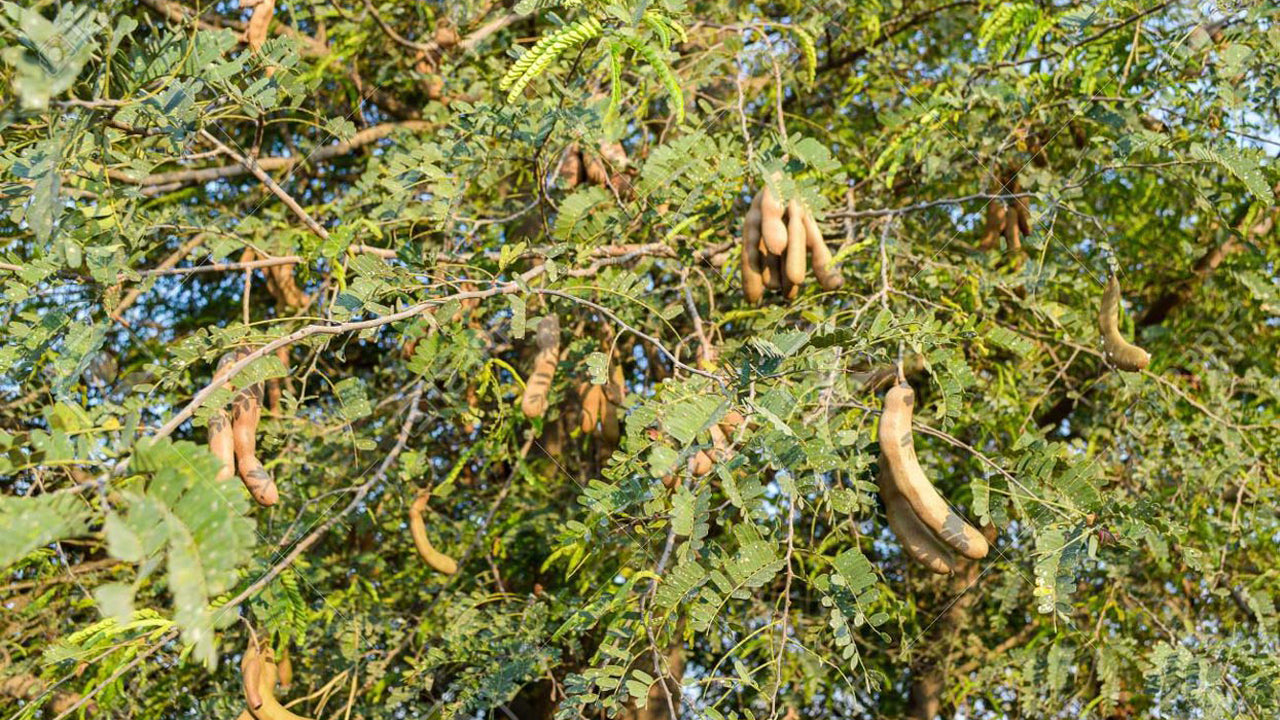
Tamarind
Tamarindus indica -
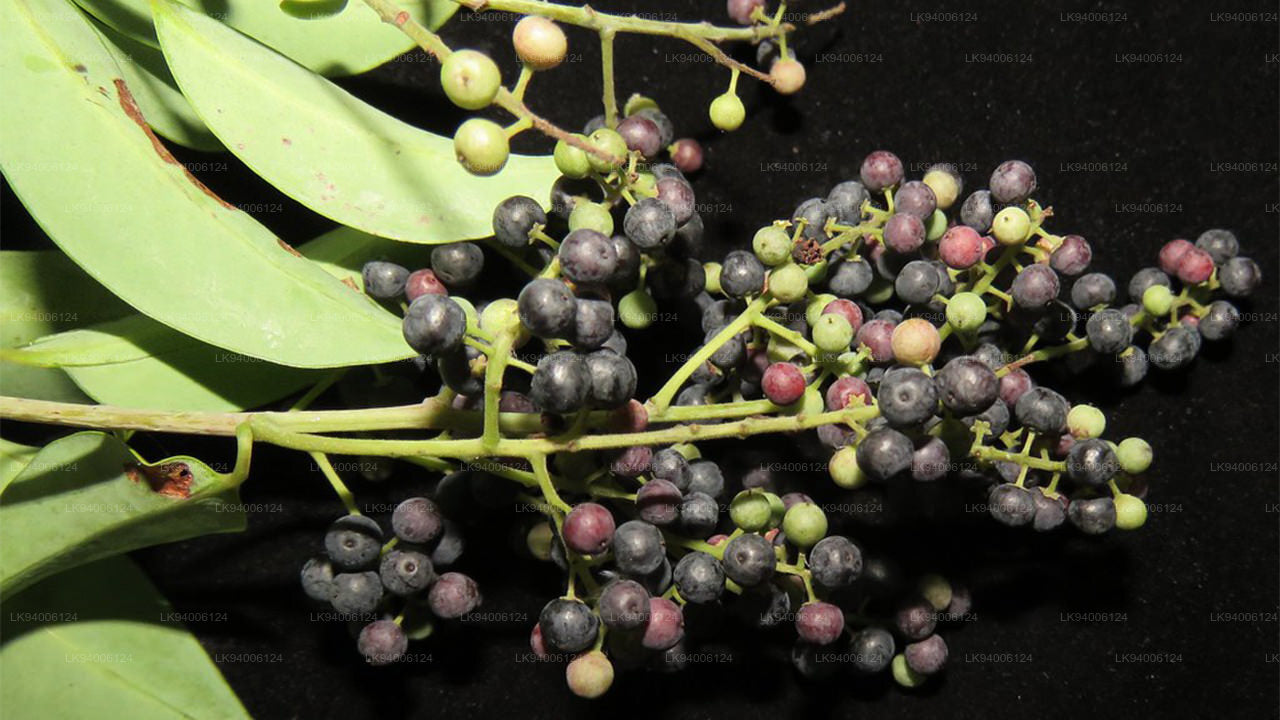
False Black Pepper
Embelia ribes -
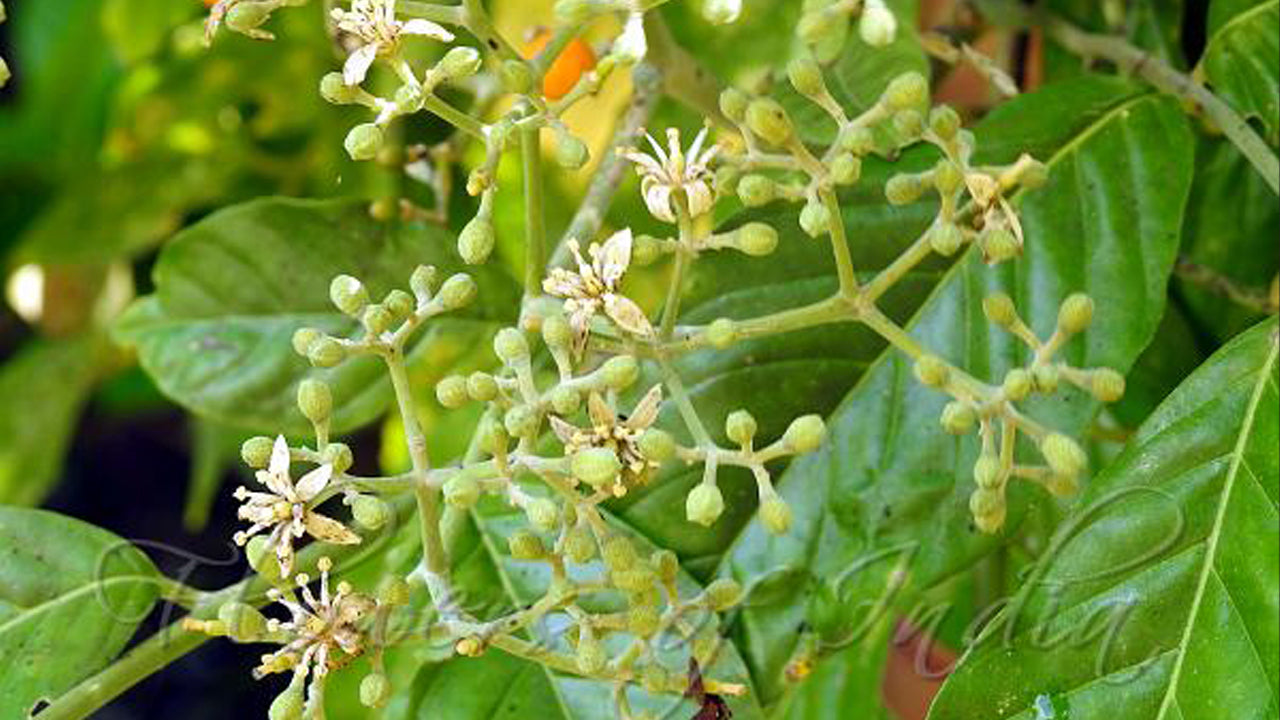
Limeberry
Micromelum ceylanicum -
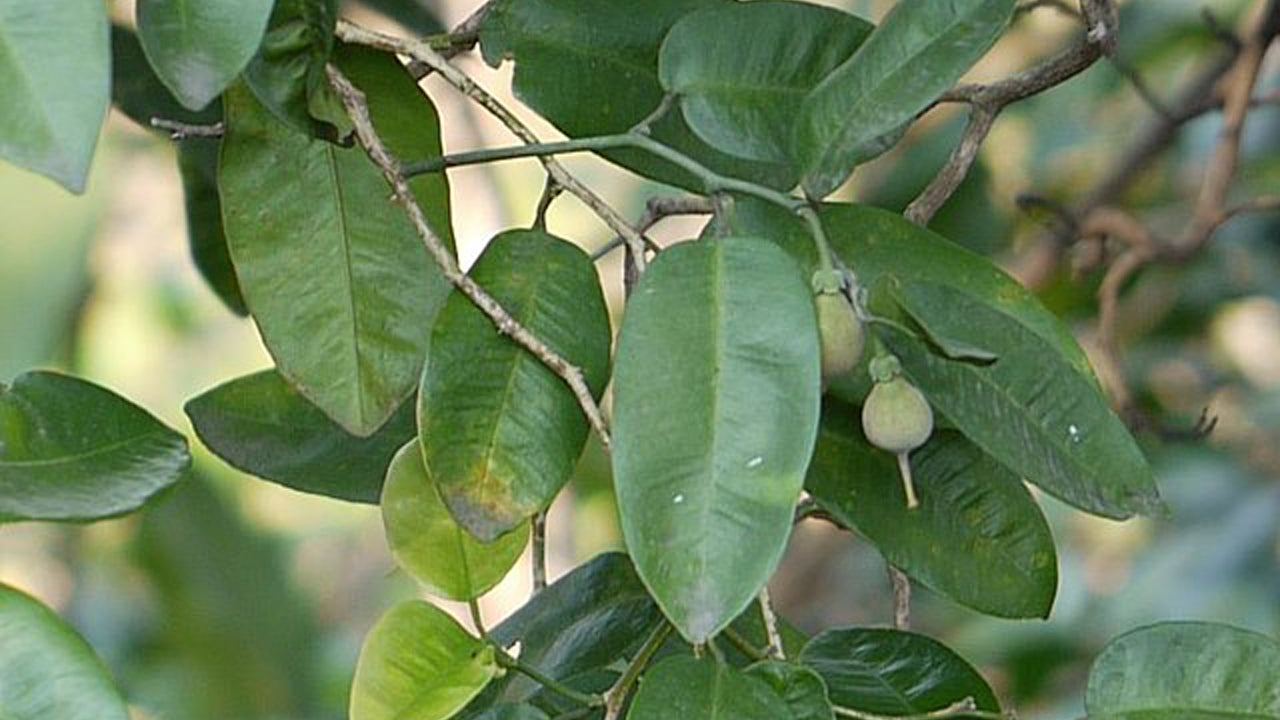
Climbing Atalantia
Paramignya monophylla




Ayurvedic and Herbal
-
Bálsamo de hierbas Siddhalepa Ayurveda
Precio habitual A partir de $0.48 USDPrecio habitual$0.54 USDPrecio de oferta A partir de $0.48 USDOferta -
Link Swastha Thriphala (30 comprimidos)
Precio habitual A partir de $1.74 USDPrecio habitual$1.93 USDPrecio de oferta A partir de $1.74 USDOferta -
Hojas Deshidratadas Enteras de Guanábana Silvestre Lakpura® (Guanabana, Graviola, Guyabano)
Precio habitual A partir de $0.72 USDPrecio habitual$0.81 USDPrecio de oferta A partir de $0.72 USDOferta -
 Oferta
Aceite Setsuwa Pranajeeva
Precio habitual A partir de $3.85 USDPrecio habitual$4.28 USDPrecio de oferta A partir de $3.85 USDOferta