Yatala Vehera
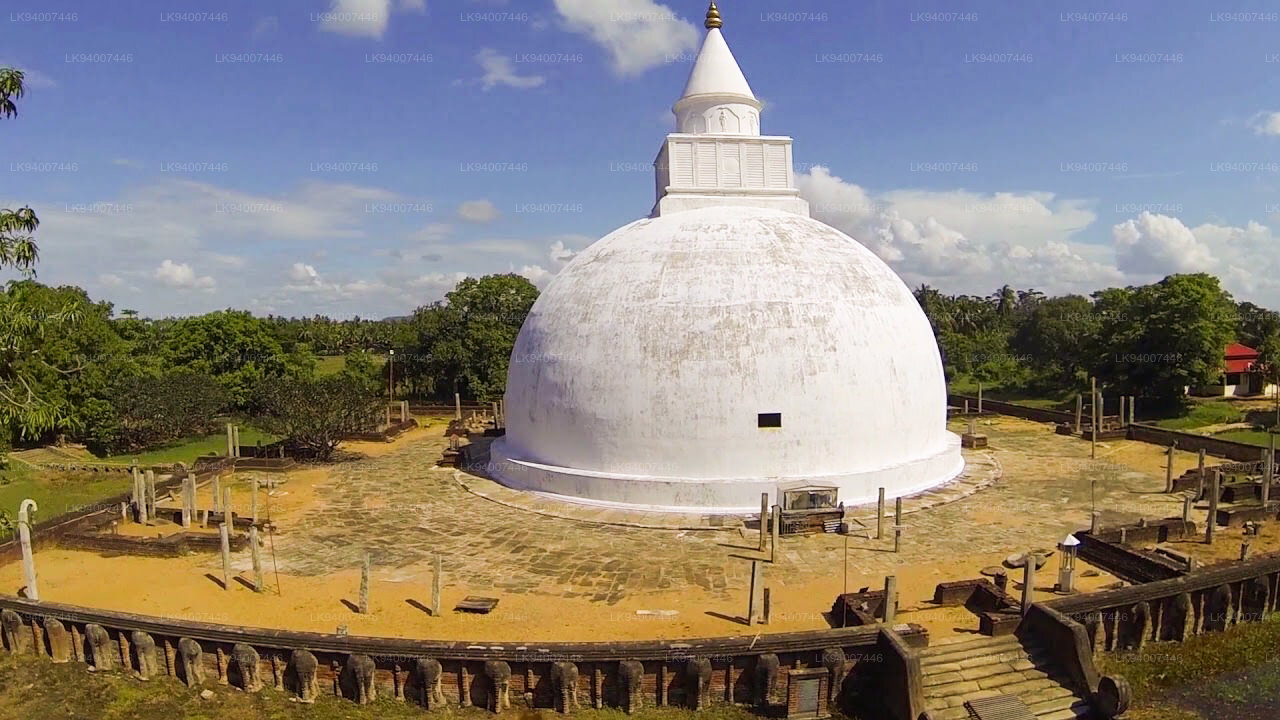
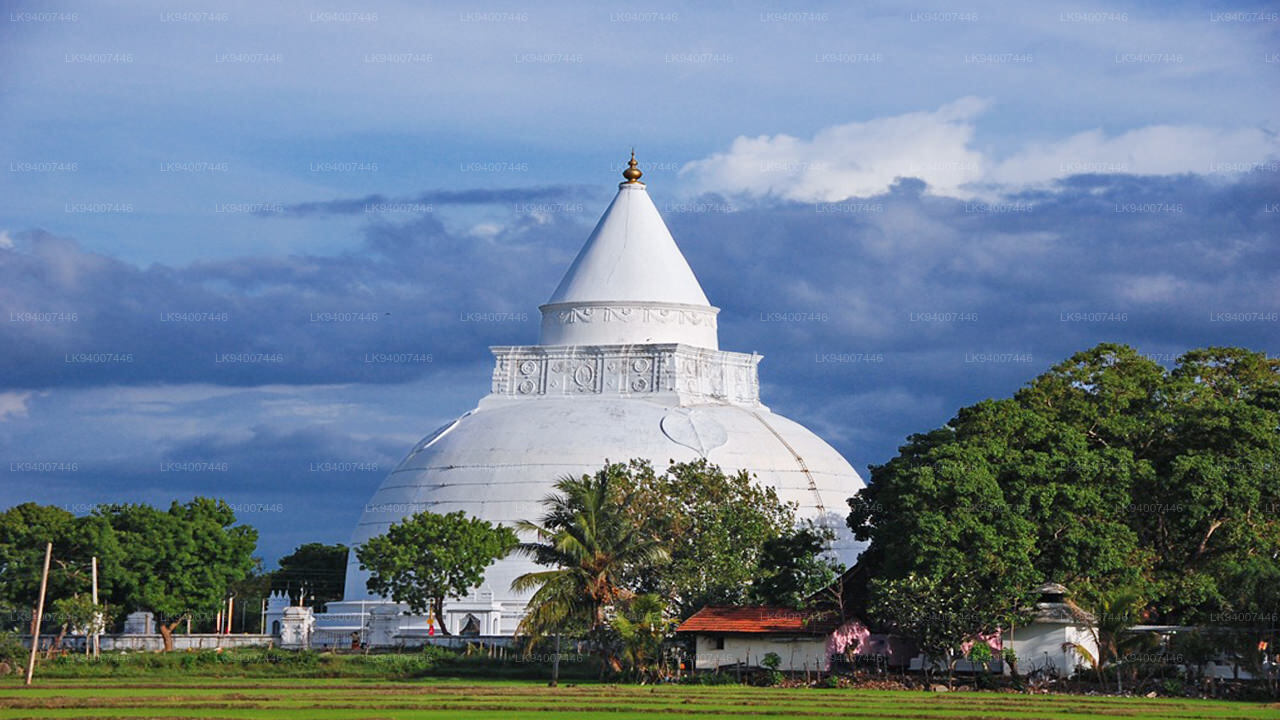
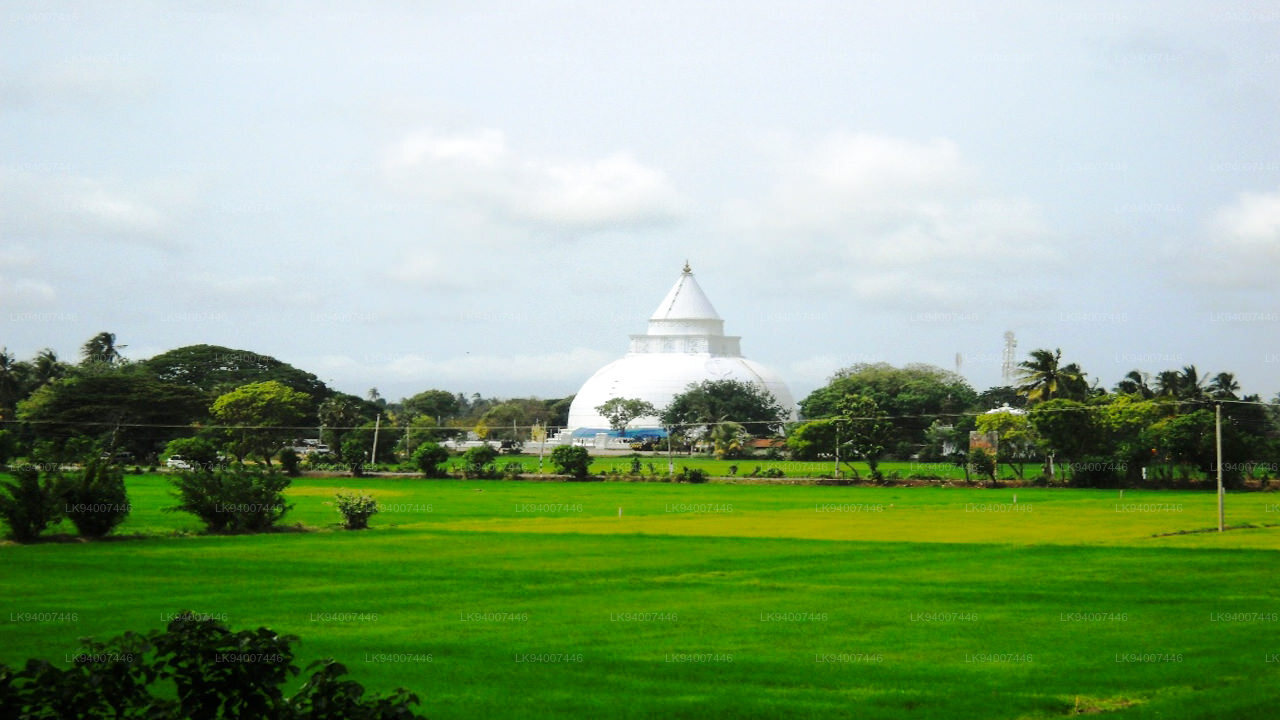
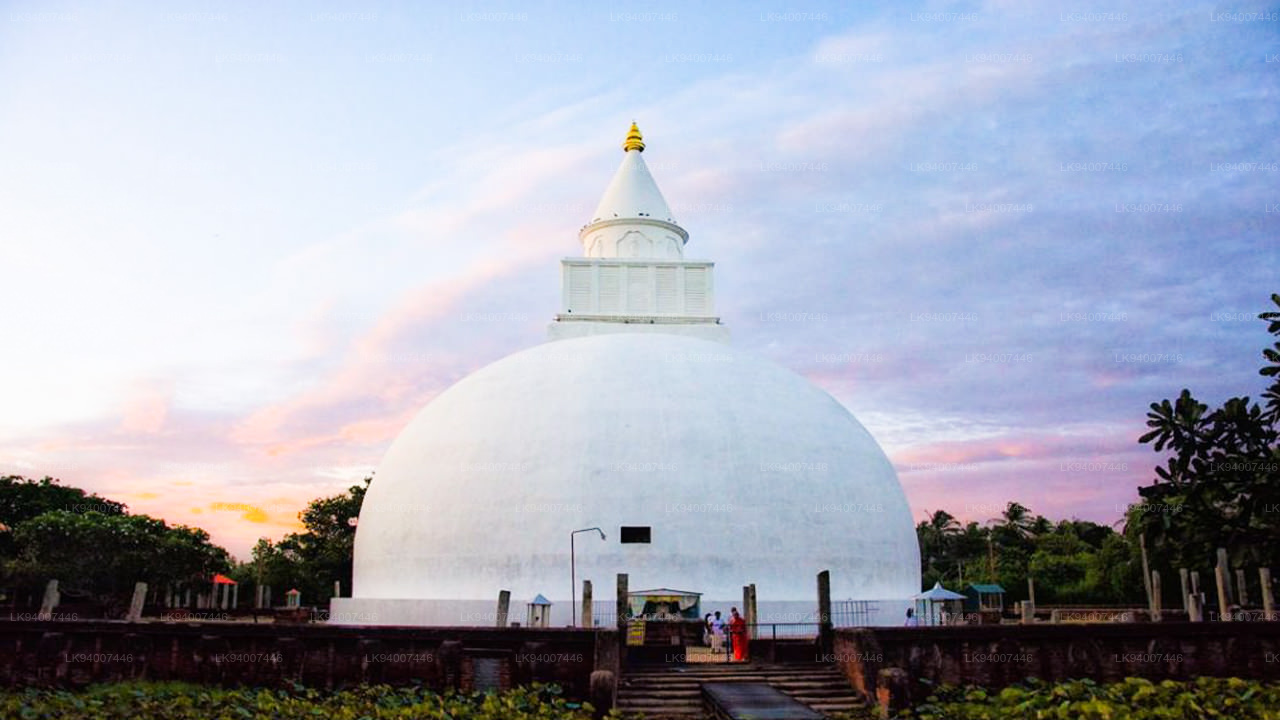
Yatala Vehera ist ein alter buddhistischer Stupa aus dem 3. Jahrhundert v. Chr. in Deberawewa - Thissamaharama im Distrikt Hambantota in Sri Lanka. Der Stupa ist auf einer Bühne aus großen flachen Granitsteinen errichtet und verfügt über eine umgebende Mauer aus geformten Elefantenköpfen, einen Wassergraben und einen großen Mondstein. Es wird angenommen, dass der Stupa vor 2300 Jahren vom regionalen König Yatala Thissa von Ruhuna zum Gedenken an seinen Geburtsort erbaut wurde. Einige glauben jedoch, dass der Stupa vom regionalen König Mahanaga, dem Vater von Yatala Thissa, anlässlich der Geburt seines Sohnes erbaut wurde.
In verschiedenen historischen Dokumenten und Chroniken wurde dieser Stupa auch als Mani Chethiya und Yattalaya bezeichnet. Es ist nicht bekannt, was in diesem Stupa aufbewahrt wurde, aber es wurde eine große Anzahl von Reliquienschatullen im Stupa entdeckt. Es wird angenommen, dass dieser Stupa Arhant Arittha Thero, dem ersten singhalesischen Arhant, vom regionalen König von Ruhuna geschenkt wurde. Es wird angenommen, dass dieser Stupa auch der erste Stupa war, der im Königreich Ruhuna gebaut wurde. Die Restaurierungsarbeiten an der Yatala Dagaba begannen im Jahr 1883 n. Chr. und es dauerte über ein Jahrhundert, bis die Restaurierung abgeschlossen war. Im renovierten Stupa wurde eine kleine Öffnung gelassen, um die verschiedenen Bauphasen beobachten zu können.
Es wird angenommen, dass Yatala Vehera im 3. Jahrhundert v. Chr. vom regionalen König Mahanaga auf dem Gelände erbaut wurde, auf dem seine Königin einen Sohn zur Welt brachte. Dieser Stupa wurde in verschiedenen historischen Dokumenten als Mani Chethiya und Yattalaya und in einigen an der Stätte gefundenen Inschriften als Dalada Dagoba identifiziert.