Padiyathalawa

Padiyathalawa Padiyathalawa Padiyathalawa

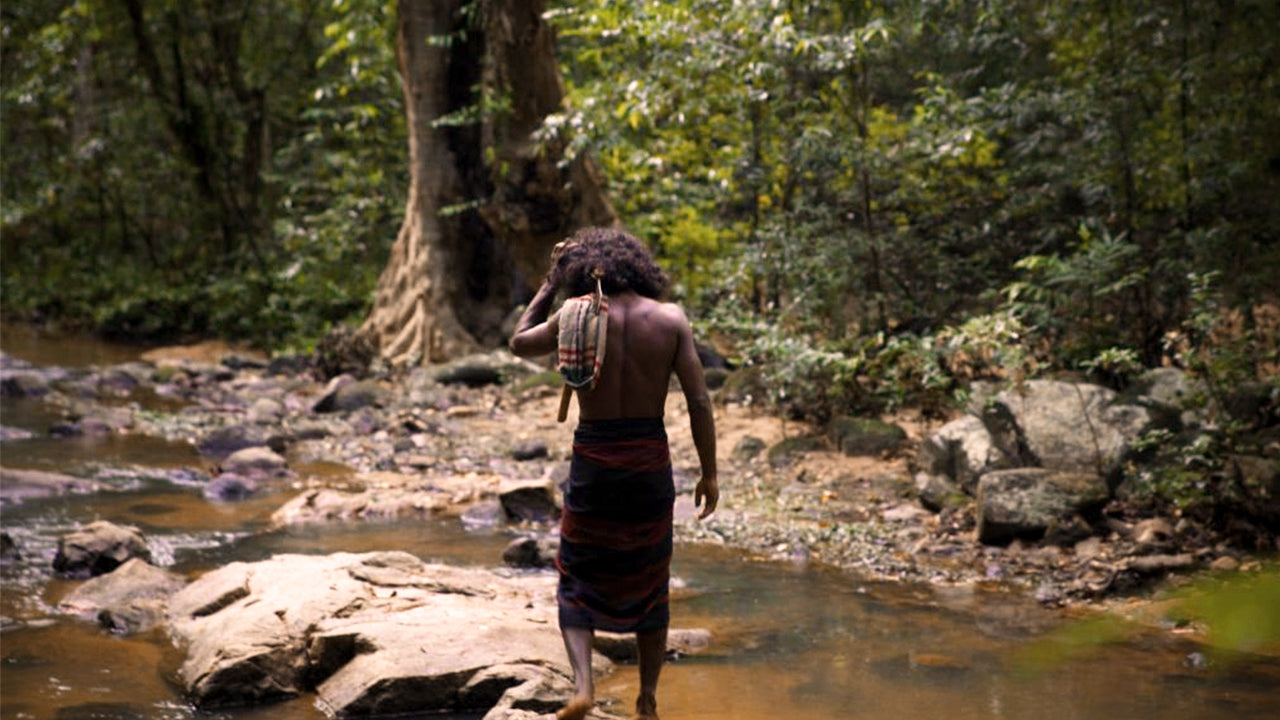
Padiyathalawa ist eine kleine Stadt im Distrikt Ampara in der Ostprovinz Sri Lankas . Sie liegt am Fuße des zentralen Hochlandes und bildet das Tor zwischen den östlichen Ebenen und dem inneren Hügelland. Die Stadt ist bekannt für ihre natürliche Schönheit, traditionelle Landwirtschaft und kulturelle Vielfalt.

Das Gebiet ist von Waldreservaten, heißen Quellen und fruchtbarem Ackerland umgeben. Padiyathalawa beherbergt die beliebten Wahawa-Thermalquellen und liegt in der Nähe des Maduru-Oya-Nationalparks , was es zu einem attraktiven Zwischenstopp für Naturliebhaber und Ökotouristen macht. In der Region werden Reisanbau, Chena-Landwirtschaft und Gewürzproduktion im kleinen Maßstab betrieben.

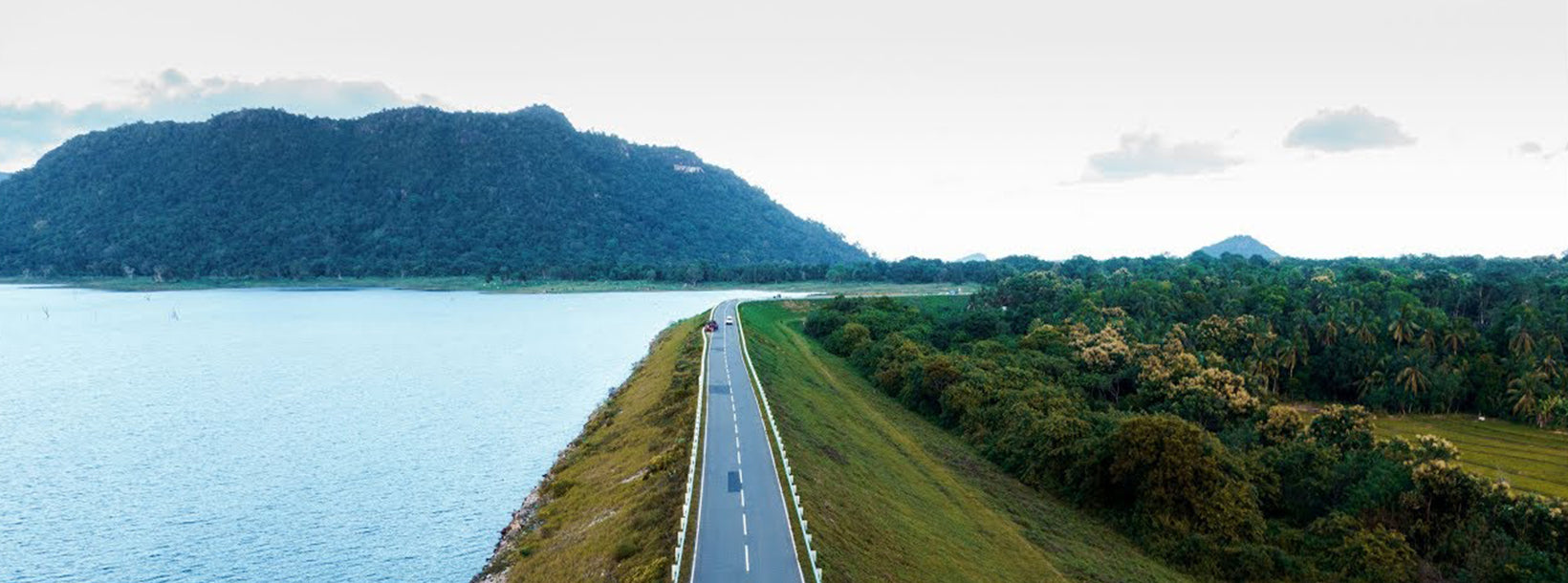
Besucher von Padiyathalawa können das ländliche Leben Sri Lankas kennenlernen, alte buddhistische Tempel erkunden und malerische Fahrten durch üppiges Grün genießen. Der ruhige Charme der Stadt und die Nähe zu Naturattraktionen machen sie ideal für Reisende, die abseits der ausgetretenen Pfade in der Ostprovinz unterwegs sind.

Padiyathalawa ist das ganze Jahr über erreichbar, das beste Wetter herrscht normalerweise von Mai bis September . Es liegt an der Straße Mahiyanganaya– Ampara und ist mit dem Bus oder Privatfahrzeug erreichbar. Es bietet einen ruhigen Rückzugsort in Sri Lankas weniger besuchte, aber lohnende Landschaften.

Padiyathalawa Padiyathalawa Padiyathalawa

About Ampara District

Ampara is belongs to the Eastern Province. of Sri Lanka It is a remote city on the East Coast of Sri Lanka, about 360 km from the capital city of Colombo.Ampara is the largest paddy harvesting province in the country, and has the Indian Ocean on the east coast of Sri Lanka as a fisheries resource. Most of the civilians are Sinhala, while Tamils and Moors also live in the coastal parts of the district.

About Eastern Province

The Eastern Province is one of the 9 provinces of Sri Lanka. The provinces have existed since the 19th century but they didn't have any legal status until 1987 when the 13th Amendment to the 1978 Constitution of Sri Lanka established provincial councils. Between 1988 and 2006 the province was temporarily merged with the Northern Provincee to form the North-East Province. The capital of the province is Trincomalee. The Eastern province's population was 1,460,939 in 2007. The province is the most diverse in Sri Lanka, both ethnically and religiously.

Eastern province has an area of 9,996 square kilometers (3,859.5 sq mi).The province is surrounded by the Northern Province to the north, the Bay of Bengal to the east, the Southern Province to the south, and the Uva, Central and North Central provinces to the west. The province's coast is dominated by lagoons, the largest being Batticaloa lagoon, Kokkilai lagoon, Upaar Lagoon and Ullackalie Lagoon.