Polonnaruwa-Stadt
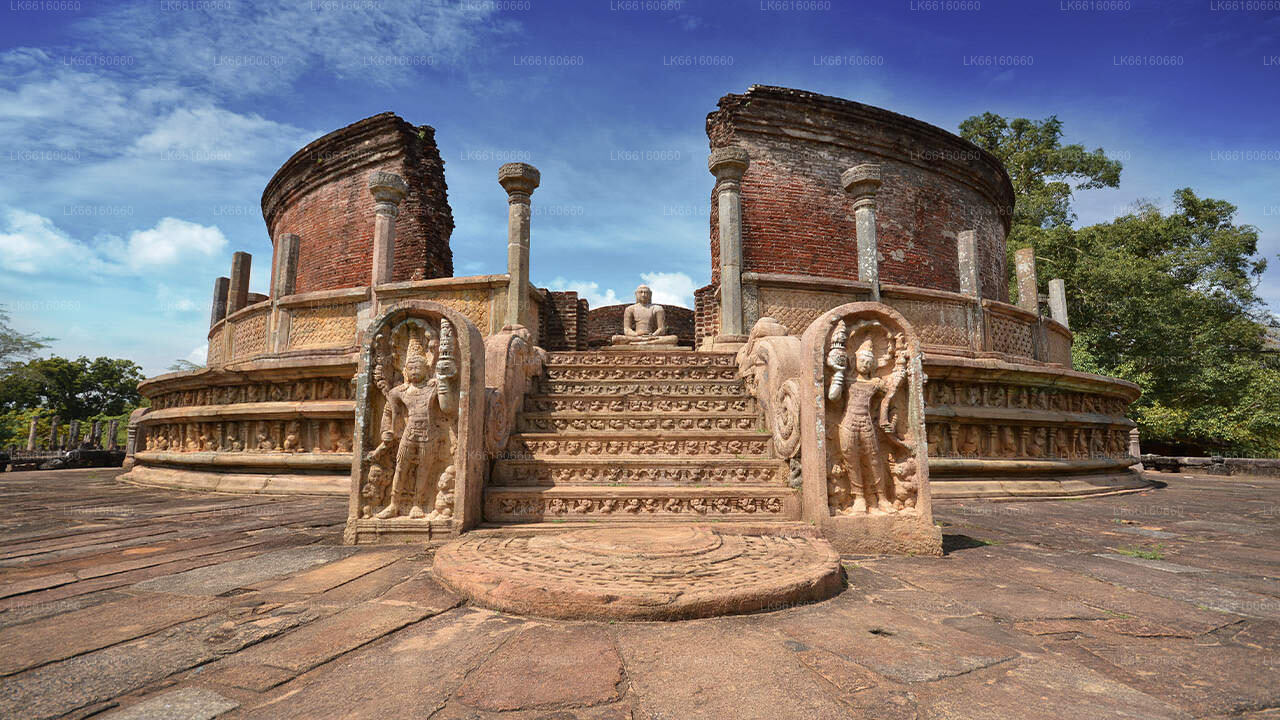
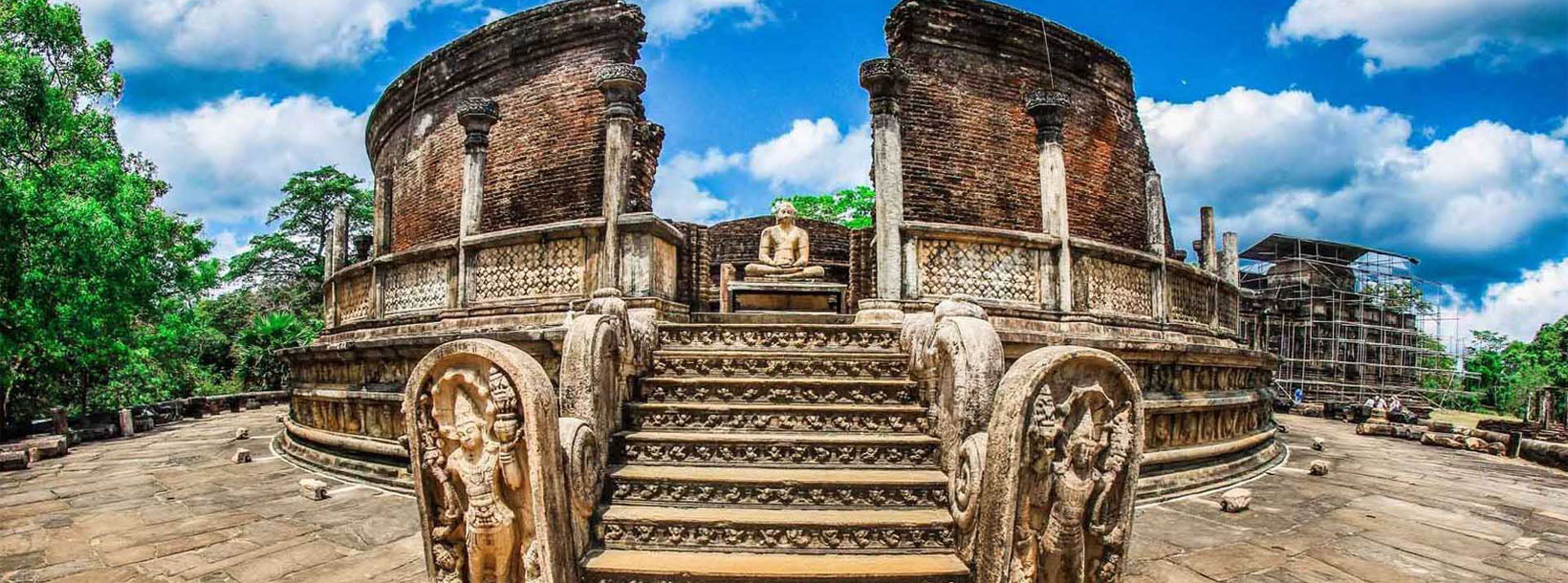
Polonnaruwa, ein UNESCO-Weltkulturerbe in Sri Lanka, war die mittelalterliche Hauptstadt des Landes (11.-13. Jahrhundert). Bekannt für seine gut erhaltenen Ruinen, darunter die ikonischen Gal-Vihara-Statuen, besticht die Stadt durch ihre beeindruckende Architektur, die die Erhabenheit der alten singhalesischen Zivilisation widerspiegelt.
Menik Vehera
Menik Vehera is an ancient Buddhist stupa located in the sacred city of Anuradhapura, Sri Lanka. Revered for its historical and religious significance, the stupa dates back to the 2nd century BCE and stands as a testament to the island’s rich Buddhist heritage. It was built by King Mahasena, a notable ruler of ancient Sri Lanka, and has since become an important pilgrimage site.
The stupa is constructed in the traditional design, with a large dome-shaped structure that houses relics of the Buddha. Surrounding the Menik Vehera are remnants of ancient monastic buildings, including meditation halls and living quarters, highlighting the monastic life that once thrived in the area. The stupa’s architecture reflects the Buddhist art and craftsmanship of the time.
Visitors to Menik Vehera can experience the tranquil and sacred atmosphere of the site, making it an ideal place for reflection and meditation. The stupa’s peaceful surroundings, combined with its cultural and historical significance, make it a must-visit destination for both pilgrims and tourists interested in Sri Lanka's ancient Buddhist history.
The best time to visit Menik Vehera is during the dry season, from December to April, when the weather is more favorable for outdoor exploration. Located near other significant archaeological sites in Anuradhapura, it is easily accessible and offers a deeper understanding of Sri Lanka's ancient religious and cultural heritage.
Über den Distrikt Polonnaruwa
Polonnaruwa ist die zweitgrößte Stadt in der nördlichen Zentralprovinz Sri Lankas. Die antike Stadt Polonnaruwa wurde von der UNESCO zum Weltkulturerbe erklärt. Polonnaruwa blickt auf eine lange Geschichte der Eroberung und des Kampfes zurück und bildet zu Recht das dritte Element des Kulturdreiecks. Etwa 140 km nordöstlich von Kandy gelegen, bietet Polonnaruwa Geschichts- und Kulturliebhabern unzählige Stunden voller Vergnügen, da es zahlreiche bedeutende Sehenswürdigkeiten gibt.
Much of the physical ruins standing today are credited to King Parakrama Bahu I who spent many royal resources on town planning, including parks, edifices, irrigation systems and so on. The period of his rule is considered a golden age where the kingdom thrived and prospered under a visionary ruler. The Parakrama Samudra is a mammoth tank and named after its patron. The popular kings Royal Palace, the Audience Hall encircled by beautifully carved stone elephants and the Bathing Pool reflect the superior engineering capabilities of the time.
Über die Nord-Zentralprovinz
Die Nordzentralprovinz ist die größte Provinz Sri Lankas und umfasst 16 % der Landesfläche. Sie besteht aus den beiden Distrikten Polonnaruwa und Anuradhapure. Anuradhapura ist mit 7.128 km² der größte Distrikt Sri Lankas.
Die Provinz Nord-Zentral bietet zahlreiche Möglichkeiten für Investoren, insbesondere in den Bereichen Landwirtschaft, Agrarindustrie und Viehzucht, neue Geschäftsfelder zu erschließen. Mehr als 65 % der Bevölkerung der Provinz sind von der Landwirtschaft und den Agrarindustrien abhängig. NCP wird auch „Wew Bendi Rajje“ genannt, da sich in der Provinz über 3.000 mittelgroße und große Tanks befinden. Sri Maha Bodiya, Ruwanweli Seya, Thuparama Dageba, Abayagiri Monastry, Polonnaruwa Rankot Wehera und Lankathilake sind besonders beliebt.