Jaffna City
Jaffna is the main city of Jaffna peninsula in the northernmost district of Sri Lanka. Comfortable intercity busses from Colombo take 10-12 hours to reach the city of Jaffna.
Jaffna-Markt
Der Jaffna Markt, im Herzen der nordischen Stadt Jaffna auf Sri Lanka gelegen, ist ein lebendiges und geschäftiges Zentrum, das das reiche kulturelle und kommerzielle Erbe der Region widerspiegelt. Der Markt ist bekannt für seine lebendige Atmosphäre und bietet eine Vielzahl von lokalen Produkten, von frischen Lebensmitteln und Meeresfrüchten bis hin zu Handwerkskunst und Textilien, was ihn zu einem Muss für Einheimische und Touristen macht.
Auf dem Jaffna Markt können Besucher die einzigartigen Aromen der nördlichen Provinz erleben, mit einer Vielzahl von frischen Früchten, Gemüse, Gewürzen und traditionellen srilankischen Snacks. Der Markt ist auch bekannt für seine lebhaften Stände, die lokale Handwerkskunst, Kleidung und Souvenirs verkaufen und einen Einblick in das Handwerk und die Traditionen der Jaffna Gemeinde bieten.
Während Sie durch den Markt schlendern, bieten die lebhaften Interaktionen zwischen Verkäufern und Kunden sowie eine Vielzahl von Sehenswürdigkeiten, Geräuschen und Gerüchen eine wirklich eintauchen erlebbare Erfahrung des Lebens auf Sri Lanka. Der Markt ist ein großartiger Ort, um mit der lokalen Kultur in Kontakt zu treten, mehr über traditionelle Speisen zu erfahren und einzigartige Souvenirs zu erwerben.
Die beste Zeit, den Jaffna Markt zu besuchen, ist früh am Morgen oder am späten Nachmittag, wenn der Markt am aktivsten ist. Der Markt ist vom Stadtzentrum aus leicht zu erreichen und bietet eine bedeutungsvolle Erfahrung für diejenigen, die die kulturelle Lebendigkeit und kulinarischen Traditionen im Norden von Sri Lanka erkunden möchten.
About Jaffna District
Jaffna is the capital city of the Northern Province, Sri Lanka. 85% of the populations of the Jaffna and Kilinochchi districts are Hindus. The Hindus follow the Saivite tradition. The remainders are largely Roman Catholics or Protestants, some of whom are descendants of colonial settlers, known as Burghers. The Tamils are divided along caste lines, with the farmer-caste Vellalar forming the majority. Sea products, red onion, and tobacco are the main products in Jaffna.
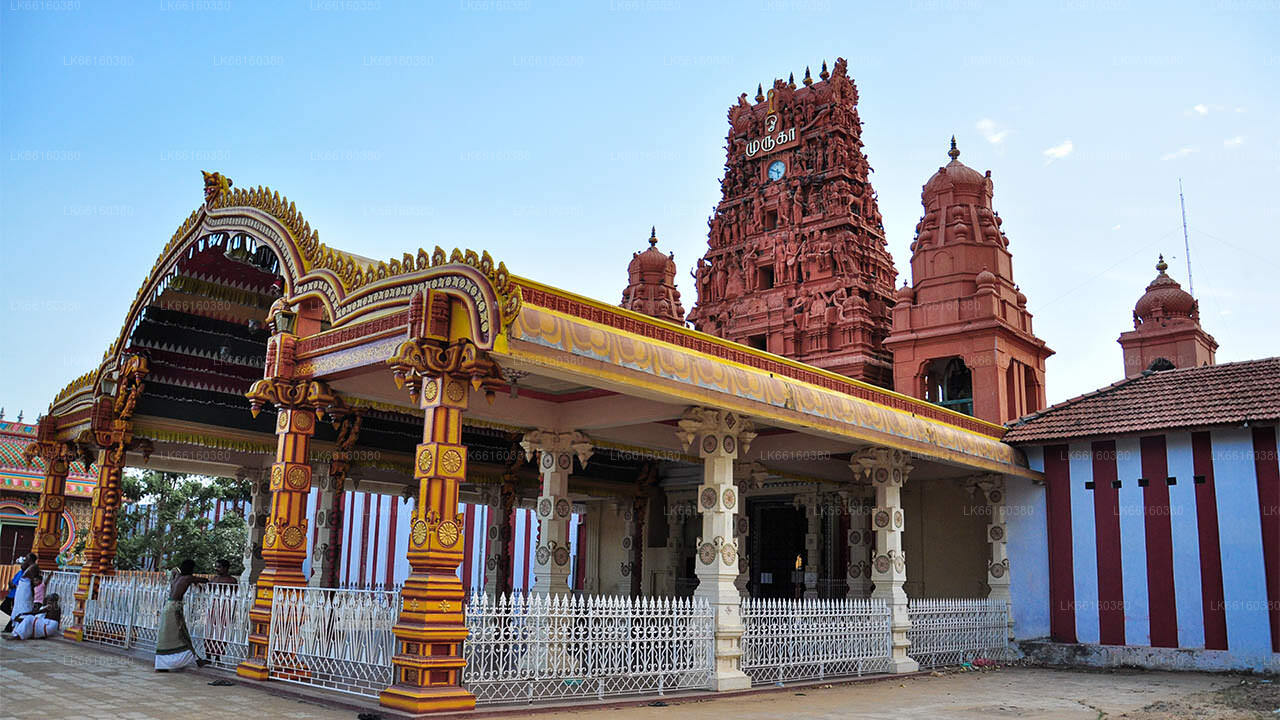
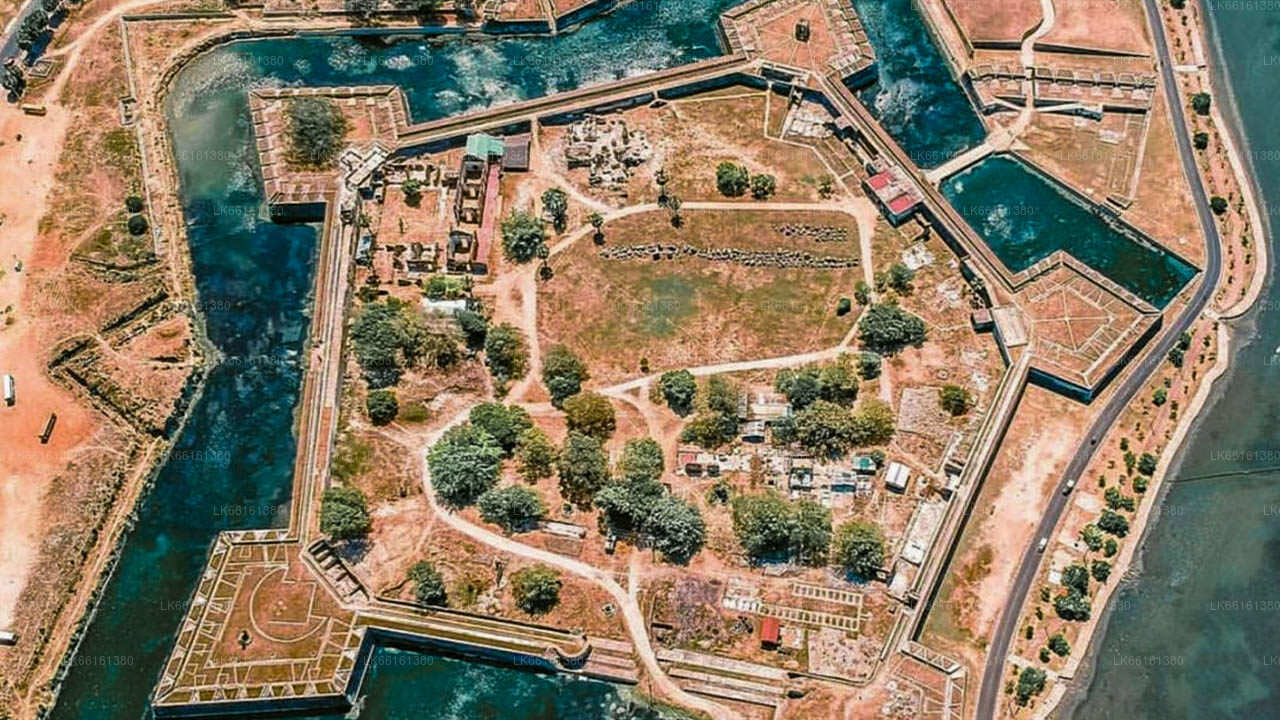
Jaffna is home to beautiful Hindu temples. An Old Dutch Fort still stands well preserved within which is an old Church. Another example of Dutch architecture is the King's House. No visit to Jaffna is complete without tasting the exquisite Jaffna mango, reputed for its sweetness. About 3 km away is the majestic Nallur Kandaswamy Temple, home to the largest religious festival in Jaffna. The Kayts Harbour is an ancient ship docking site in the Jaffna region.
About Northern Province
The Northern Province is one of the 9 provinces of Sri Lanka. The provinces have existed since the 19th century but they didn't have any legal status until 1987 when the 13th Amendment to the 1978 Constitution of Sri Lanka established provincial councils. Between 1988 and 2006 the province was temporarily merged with the Eastern Province to form the North-East Province. The capital of the province is Jaffna.
Northern Province is located in the north of Sri Lanka and is just 22 miles (35 km) from India. The province is surrounded by the Gulf of Mannar and Palk Bay to the west, Palk Strait to the north, the Bay of Bengal to the east and the Eastern, North Central and North Western provinces to the south.The province has a number of lagoons, the largest being Jaffna Lagoon, Nanthi Kadal, Chundikkulam Lagoon, Vadamarachchi Lagoon, Uppu Aru Lagoon, Kokkilai lagoon, Nai Aru Lagoon and Chalai Lagoon.Most of the islands around Sri Lanka are to be found to the west of the Northern Province. The largest islands are: Kayts, Neduntivu, Karaitivu, Pungudutivu and Mandativu.
The Northern Province's population was 1,311,776 in 2007. The majority of the populations are Sri Lankan Tamils, with a minority Sri Lankan Moor and Sinhalese population. Sri Lankan Tamil is the major language spoken in the province by the vast majority of the population. The other language spoken is Sinhala by 1 percent of the population. English is widely spoken and understood in the cities.