Buddhangala

Buddhangala Buddhangala Buddhangala

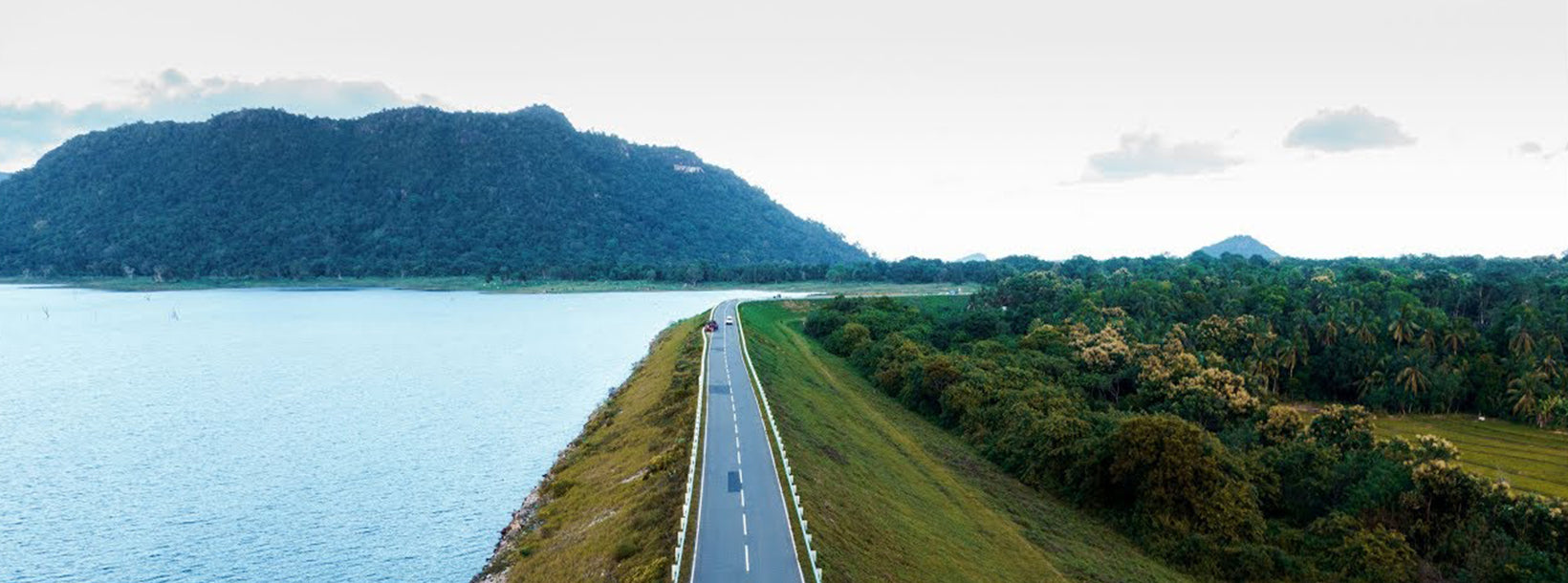
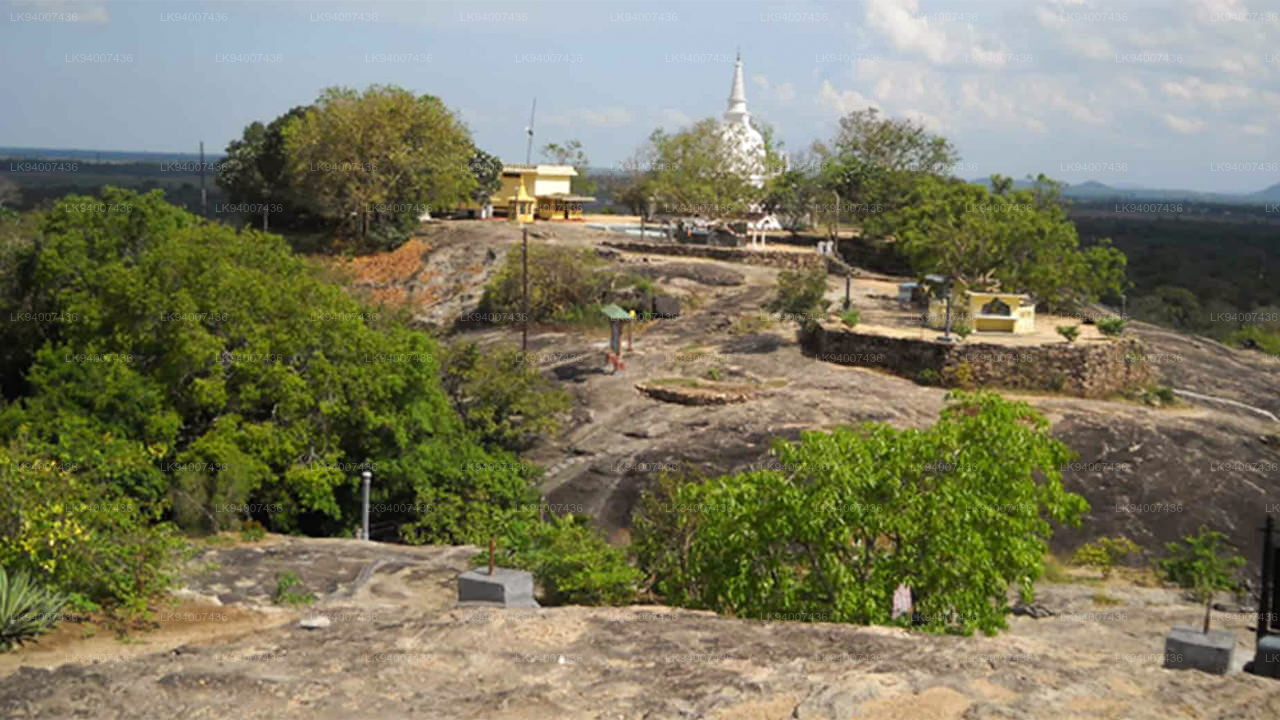
Buddhangala ist ein Name, der erst kürzlich aufgegeben wurde. Man geht davon aus, dass der Name Buddhangala geprägt wurde, weil der Felsen hier wie eine liegende Buddha-Statue aussieht. Er befindet sich in der Ampara-Division des Distrikts Digamadulla in der Ostprovinz Sri Lankas. Dieses Gebiet ist etwa 1280 Hektar groß und mehrere große Felstürme ragen gemeinsam hervor. Jeder dieser Felsbrocken ist durch steile Hänge getrennt und kann nur über separate Pfade bestiegen werden.

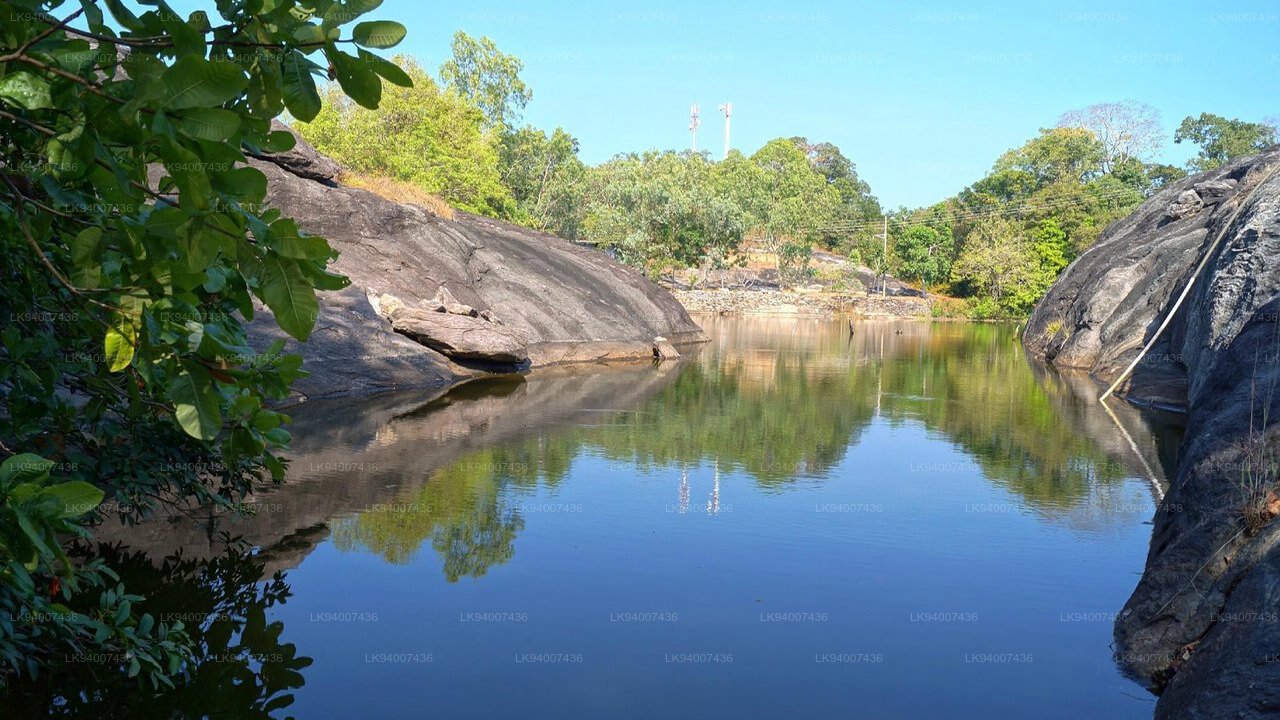
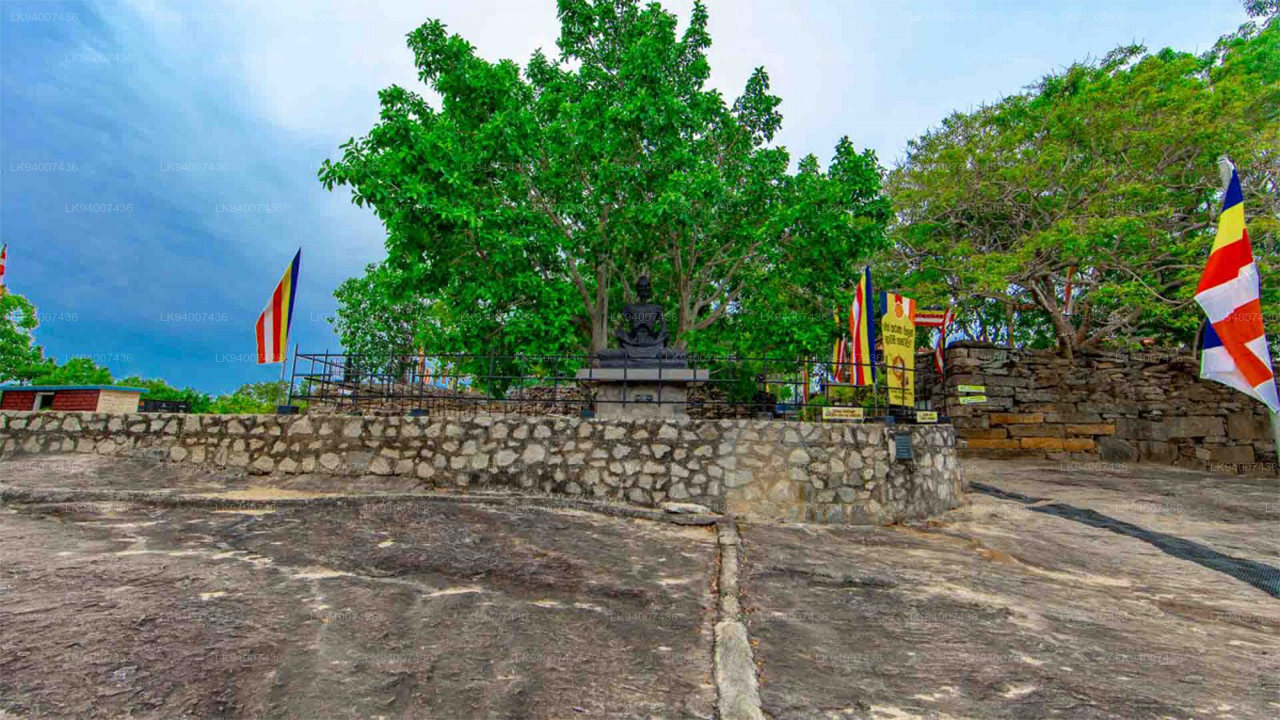
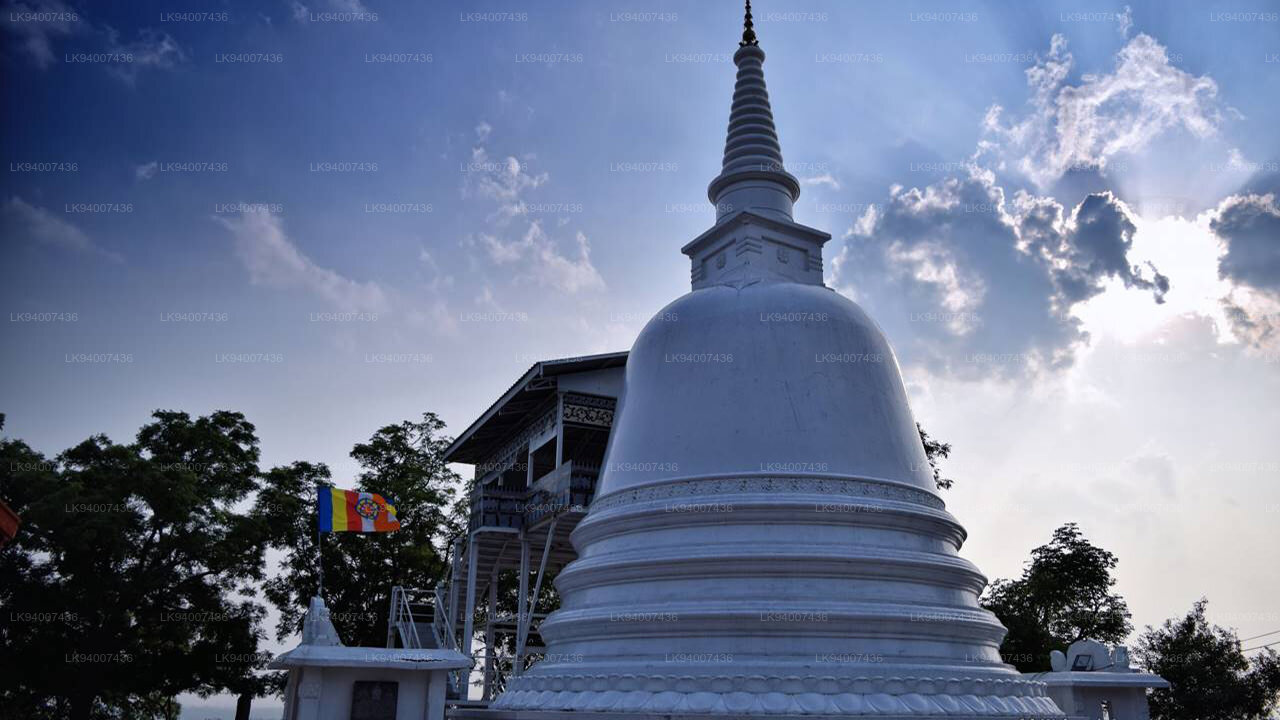
Das Kloster wurde in und um einen felsigen Berg herum erbaut, der mit Höhlen und Teichen übersät ist und heute Heimat und Spielplatz vieler wilder Tiere ist. Der Tempel, der sich heute an dieser Stelle befindet, wurde auf einem Berg errichtet, auf dem sich die fein gemeißelten Steinreste von fünf Gebäuden und einer Stupa-Ruine befinden, die noch ausgegraben werden muss.

Der ursprüngliche Name von Buddhangala ist nicht bekannt. Eine Vermutung geht darauf zurück, dass der Name von der Form der Felsformation abgeleitet ist, die an einen liegenden Buddha erinnert. Die Tamilen und Muslime, die heute das Land rund um die Einsiedelei bewohnen, nennen es „Buddhankalei“, und der heutige singhalesische Name Buddhangala könnte daher stammen.
Buddhangala Buddhangala Buddhangala

About Ampara District

Ampara is belongs to the Eastern Province. of Sri Lanka It is a remote city on the East Coast of Sri Lanka, about 360 km from the capital city of Colombo.Ampara is the largest paddy harvesting province in the country, and has the Indian Ocean on the east coast of Sri Lanka as a fisheries resource. Most of the civilians are Sinhala, while Tamils and Moors also live in the coastal parts of the district.

About Eastern Province

The Eastern Province is one of the 9 provinces of Sri Lanka. The provinces have existed since the 19th century but they didn't have any legal status until 1987 when the 13th Amendment to the 1978 Constitution of Sri Lanka established provincial councils. Between 1988 and 2006 the province was temporarily merged with the Northern Provincee to form the North-East Province. The capital of the province is Trincomalee. The Eastern province's population was 1,460,939 in 2007. The province is the most diverse in Sri Lanka, both ethnically and religiously.

Eastern province has an area of 9,996 square kilometers (3,859.5 sq mi).The province is surrounded by the Northern Province to the north, the Bay of Bengal to the east, the Southern Province to the south, and the Uva, Central and North Central provinces to the west. The province's coast is dominated by lagoons, the largest being Batticaloa lagoon, Kokkilai lagoon, Upaar Lagoon and Ullackalie Lagoon.