Barfuß-Galerie
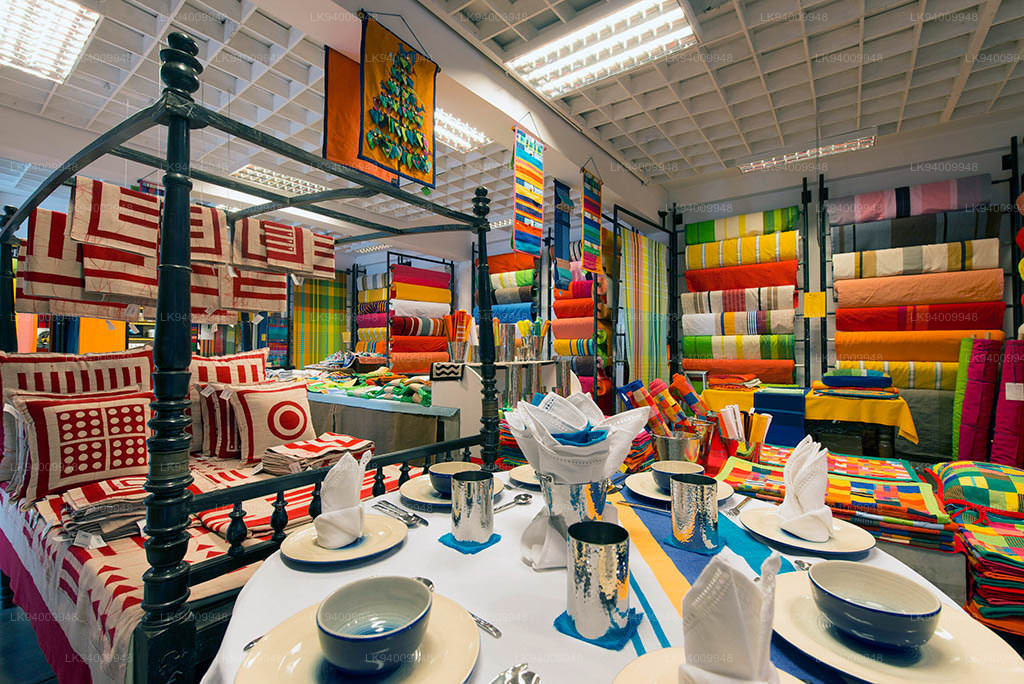
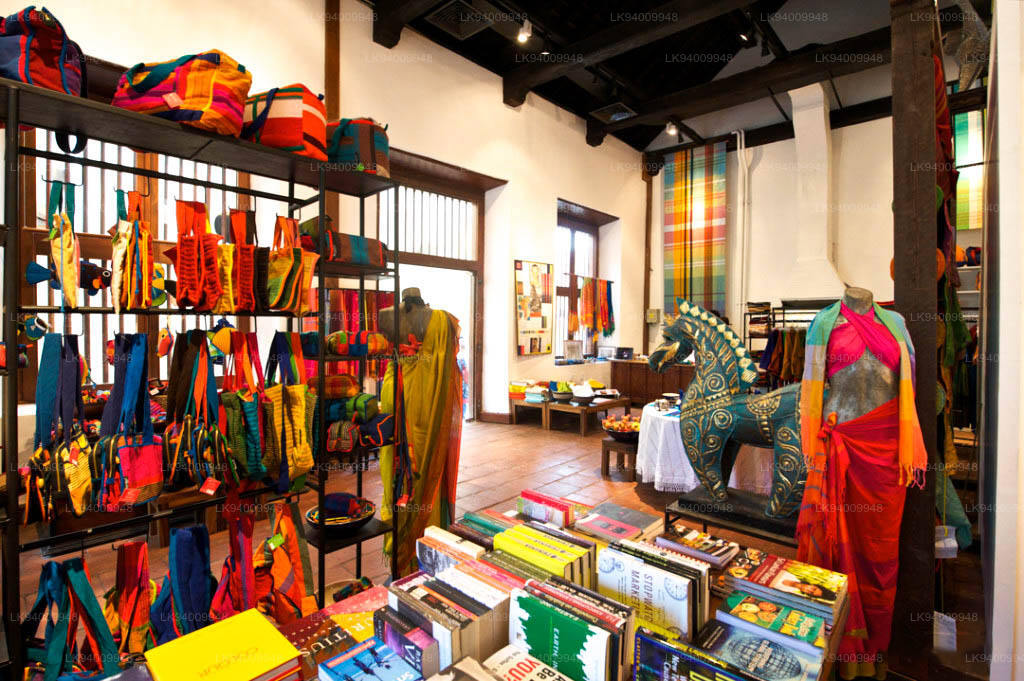
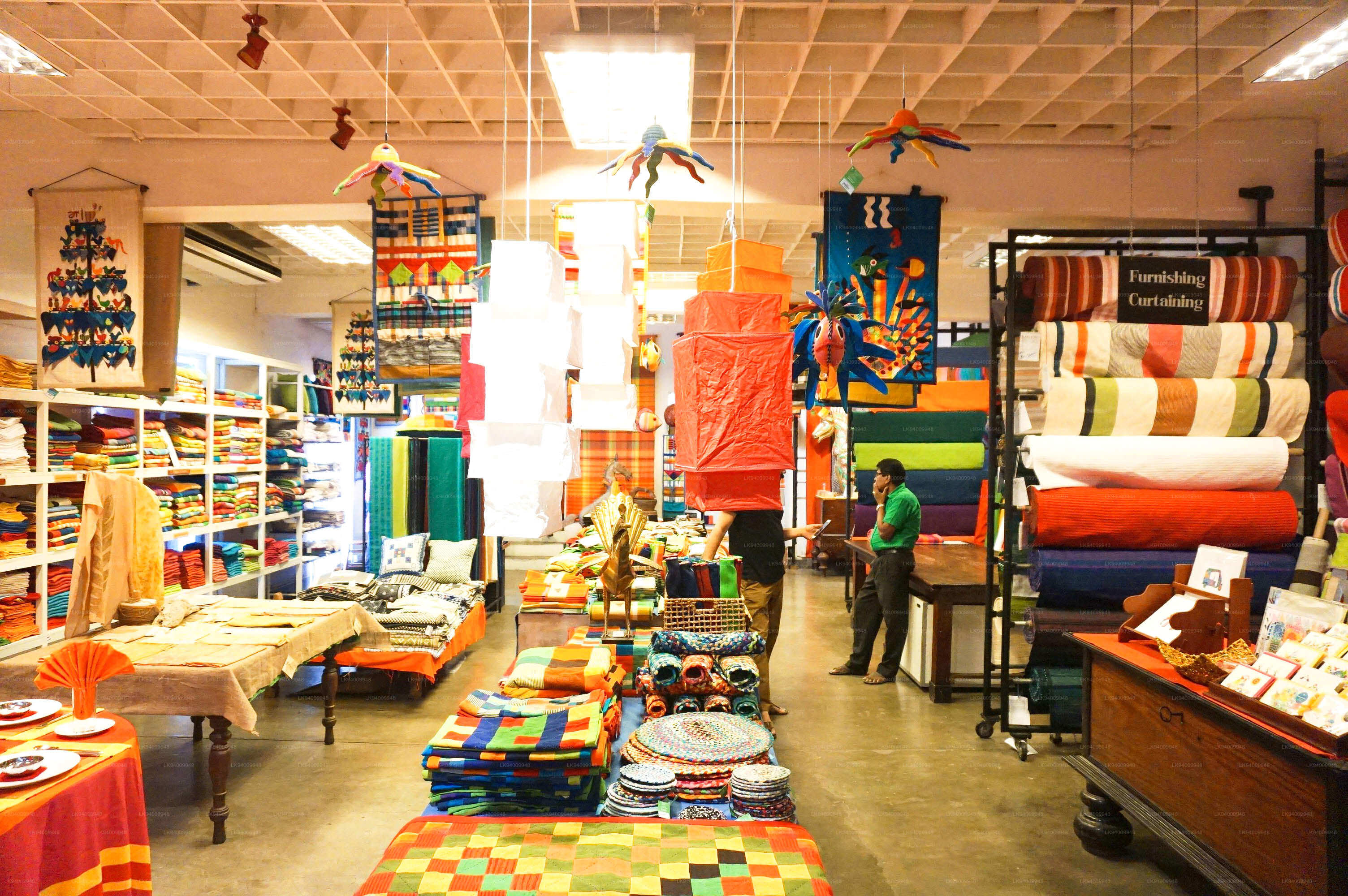
1967 eröffnete Barbara Sansoni, eine talentierte Künstlerin und Designerin aus Sri Lanka, die Colombo Gallery, um ihre Arbeiten auszustellen und lokale Talente zu fördern. Die Galerie befand sich in der Anderson Road in einem Gebäude, das von Ulrik Plesner, einem innovativen dänischen Architekten der Mitte des 20. Jahrhunderts, entworfen wurde. Sie bestand vier Jahre lang bis 1971. Danach wurde sie geschlossen, da Barbara sich dem Schreiben zuwandte und gleichzeitig das Ladengeschäft Barefoot leitete, in dem sie ihre farbenfrohen Handwebdesigns verkaufte.
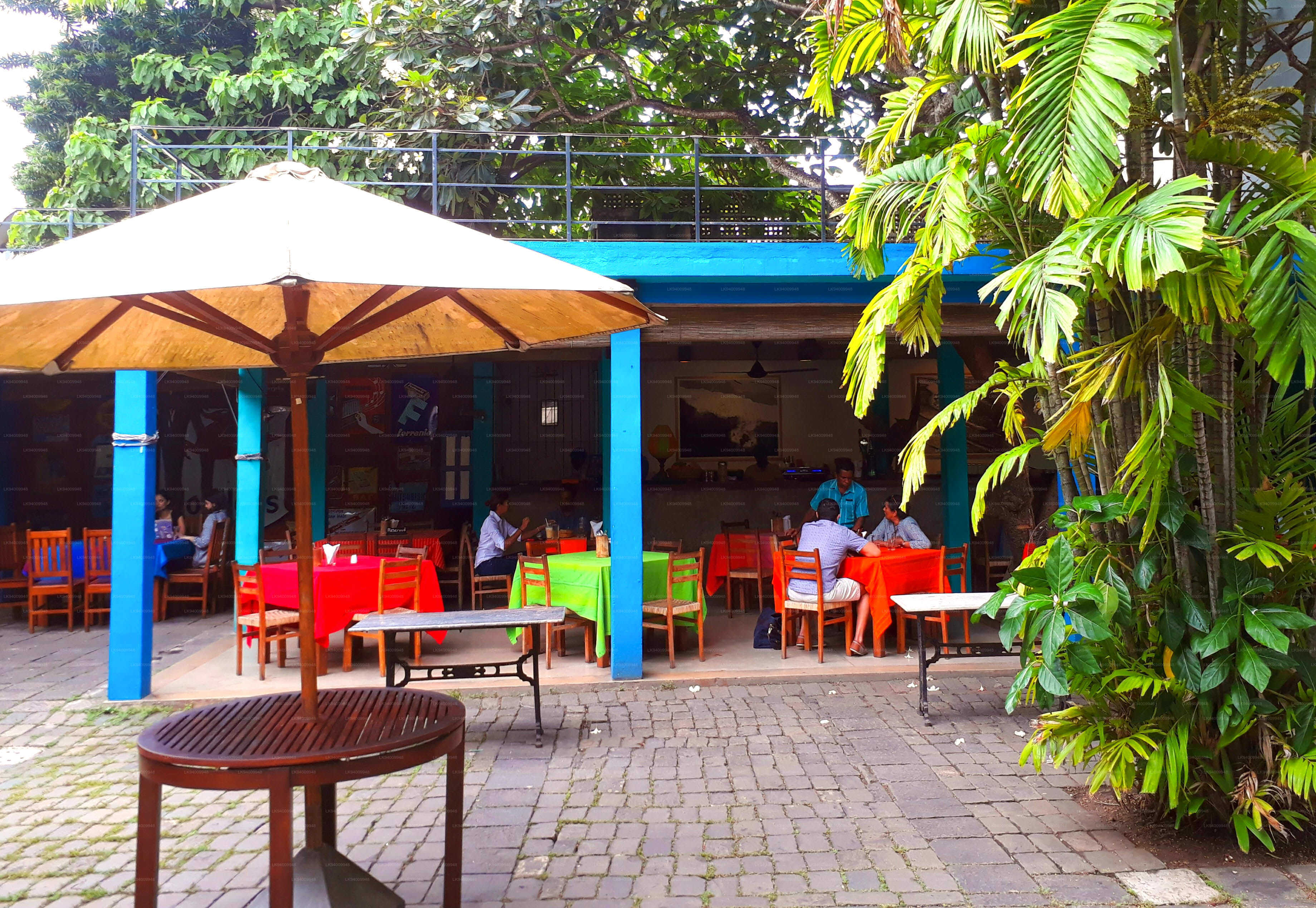
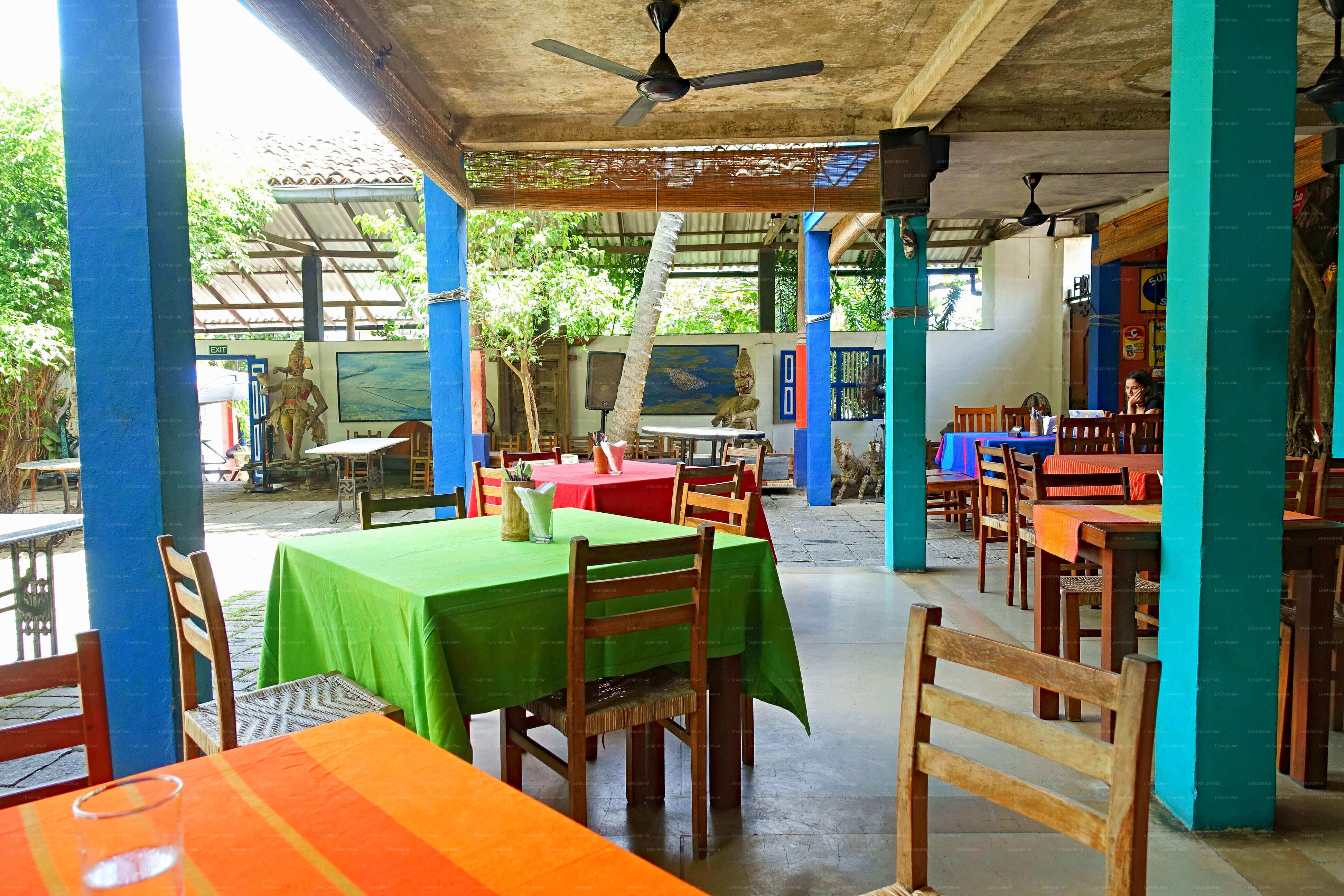
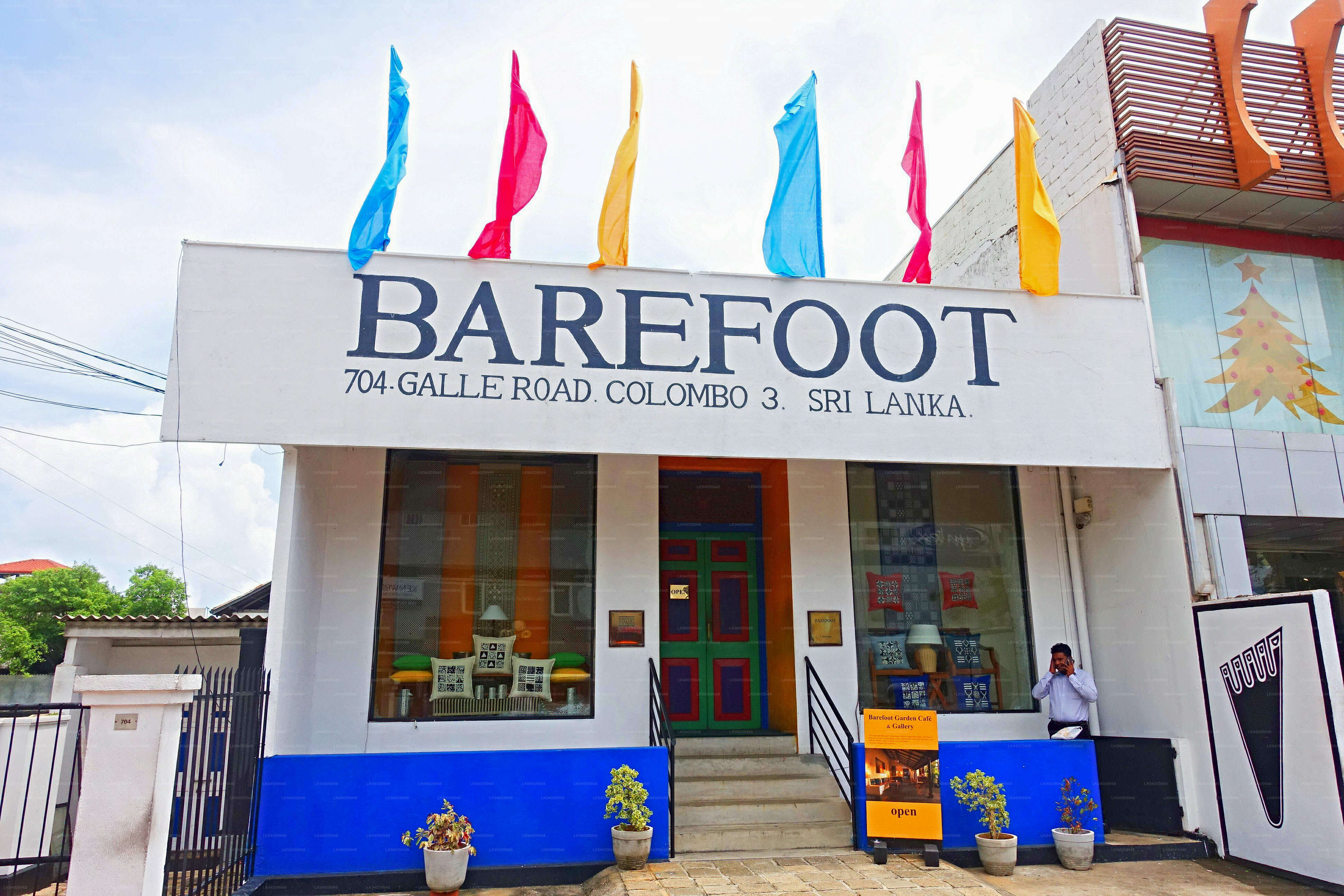
Im Jahr 1991, zwei Jahrzehnte später, wurde die Galerie von Barbara unter dem Namen Gallery 706′ Colombo wiedereröffnet. Sie zog auch an ihren neuen Standort in der Galle Road in ein altes Stadthaus aus den 1920er Jahren. Die Galerie war recht erfolgreich, insbesondere nachdem der Name 1999 in Anlehnung an Sansonis Barefoot Store in Barefoot Gallery geändert wurde. Sie entwickelte sich zu einem der gefragtesten Orte und beherbergte zahlreiche lokale und internationale Künstler, Musiker, Dichter und Filmemacher. Sie stellen ihre Talente auf vielfältige Weise zur Schau, darunter Ausstellungen von Künstlern und Fotografen (die World Press Photo Exhibition 2000–2003 fand hier statt), Konzerte, Dichterlesungen, Filmabende und Theaterstücke. Das Café auf dem Gelände serviert wunderbares Essen und veranstaltet abends private Abendessen und Partys. Barefoot ist eines der aufregendsten und innovativsten Wahrzeichen Sri Lankas, das zur Förderung von Kunst und anderen kreativen Talenten beiträgt.
Über Barbara Sansoni
Barbara wurde in Kandy geboren und in Sri Lanka und Indien ausgebildet. Sie zeigte schon früh Interesse an Kunst und entwickelte eine intensive Liebe zu Farben. Die leuchtenden Farben Südasiens inspirierten sie ihr Leben lang zu Malerei und Stoffdesign. Dies führte dazu, dass sie schon in früher Kindheit zeichnete und malte; obwohl sie sich zunächst nicht zum Weben als Ausdrucksmittel hingezogen fühlte. Anfang der 1960er Jahre begann sie jedoch auf Anregung einer Freundin der Familie, Mutter Good Counsel von den Schwestern des Ordens des Guten Hirten, mit dem Stoffdesign.
Nachdem Barbara die Grundlagen des Webens vollständig verstanden hatte, war sie von den kreativen Möglichkeiten begeistert. Inspiration für ihre Designs fand sie in den Farben des Lebens und der Natur um sie herum und stellte dar, was sie sah und fühlte, ohne die Hilfe repräsentativer Figuren. Barbara war besessen davon, immer interessantere Sehenswürdigkeiten zu finden, die sie als Inspiration für ihre Designs nutzen konnte. Sie bereiste die Insel, beobachtete, skizzierte und machte sich Notizen.
Sansonis kühne, farbenfrohe Handwebdesigns erregten bald Aufmerksamkeit, und der erste Verkauf ihrer handgewebten Stoffe erfolgte von ihrem Haus in Colombo aus. Ende der 1960er Jahre eröffnete Barbara ihr erstes Einzelhandelsgeschäft, HOUSE, im Fort-Viertel von Colombo sowie ein zweites Geschäft, BAREFOOT, in dem sie ihre erste Kleiderkollektion verkaufte, im Galle Face Court.
Während Barefoot unter ihrem Einfluss wuchs, setzte Barbara ihre kreative Arbeit als Künstlerin und später auch als Schriftstellerin fort. Sie hielt 1966 ihre erste Einzelausstellung in London ab und stellte danach regelmäßig in Sri Lanka und im Ausland aus. Nachdem sie in den frühen 1960er Jahren als Journalistin und Essayistin beim Ceylon Daily Mirror und der Times of Ceylon gearbeitet hatte, veröffentlichte Barbara die Bücher Vihares; Verandas (1978), Architecture of an Island (1998), Missy Fu and Tikkiri Banda (2002), Press with the Toes in the Grass (2004), A Passion for Faces (2014) und Missy Fu in Yala (2015). Sie ist weiterhin eine sehr starke Präsenz in der kreativen Welt sowohl in Sri Lanka als auch weltweit.