Saliyapura


Saliyapura er en lille, men betydningsfuld by beliggende i Nordcentralprovinsen i Sri Lanka, en region kendt for sine dybe historiske rødder, landbrugslandskaber samt kultur og arv. Byen ligger nær den gamle by Anuradhapura og fungerer som et bolig- og handelscenter for folk, der bor i de omkringliggende landsbyer. Dens placering i den tørre zone af Sri Lanka betyder, at området har et varmt klima det meste af året med sæsonbestemt regn, der understøtter traditionelt landbrug.
En af de mest bemærkelsesværdige egenskaber ved Saliyapura er dens tætte forbindelse til landbrug. Mange indbyggere er afhængige af landbrug som deres primære levevej og dyrker afgrøder som ris, grøntsager og andre produkter fra tørzonen. Kunstvandingssystemer, herunder reservoirer og kanaler med oprindelse i gamle hydrauliske ingeniørtraditioner, spiller en vigtig rolle i at opretholde landbrugsaktiviteter i regionen. Disse vandstyringssystemer afspejler den lange historie med avanceret kunstvanding i Sri Lanka, som i århundreder har støttet samfundene i Nordcentralprovinsen.
Saliyapura er også kendt for sin forbindelse til Sri Lankas militær, da området er hjemsted for en større lejr for Sri Lankas hær. Tilstedeværelsen af denne militære etablering har påvirket byens udvikling og bidraget til lokal handel, boliger og infrastruktur. Små butikker, spisesteder og servicevirksomheder betjener både lokale beboere samt militærpersonale og besøgende, der passerer gennem området.
Ud over sin praktiske betydning som bolig- og militærby nyder Saliyapura godt af sin nærhed til den historiske by Anuradhapura, et af de vigtigste kulturelle og religiøse centre i Sri Lanka. Beboere og besøgende kan let få adgang til hellige buddhistiske steder, gamle stupaer og arkæologiske vartegn, der tiltrækker pilgrimme og turister fra hele verden. Denne forbindelse placerer Saliyapura i et bredere kulturelt landskab, der afspejler Sri Lankas gamle civilisation.
På trods af sin relativt beskedne størrelse repræsenterer Saliyapura den daglige rytme i livet i Nordcentralprovinsen. Byen kombinerer traditionelle landlige leveveje med moderne tjenester og infrastruktur. Skoler, lokale markeder, templer og samfundsinstitutioner bidrager til områdets sociale struktur og gør det til et levende, men fredeligt sted for sine indbyggere. Efterhånden som udviklingen gradvist spreder sig i regionen, fortsætter Saliyapura med at vokse, samtidig med at den bevarer den kulturelle og landbrugsmæssige identitet, der kendetegner hjertet af Sri Lankas tørre zone.


-
 Sri Maha Bodhiya
Jaya Sri Maha Bodhi is a sacred bo tree in the Mahamewna Gardens, Anuradhapura, Sri Lanka. It is the southern branch from the historical Sri Maha Bodhi at Buddha Gaya in India under which Buddha attained Enlightenment. It was planted in 288 BC, and is the oldest living human-planted tree in the world with a known planting date.
-
 Ruwanweliseya
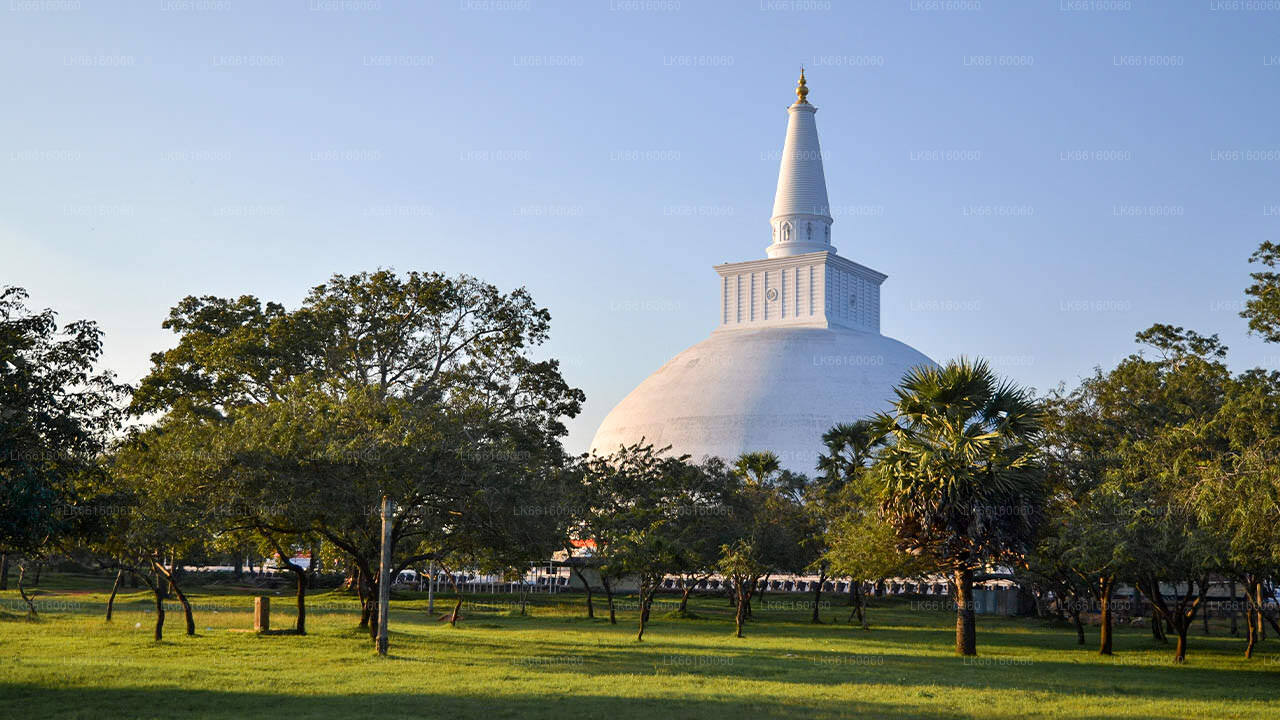
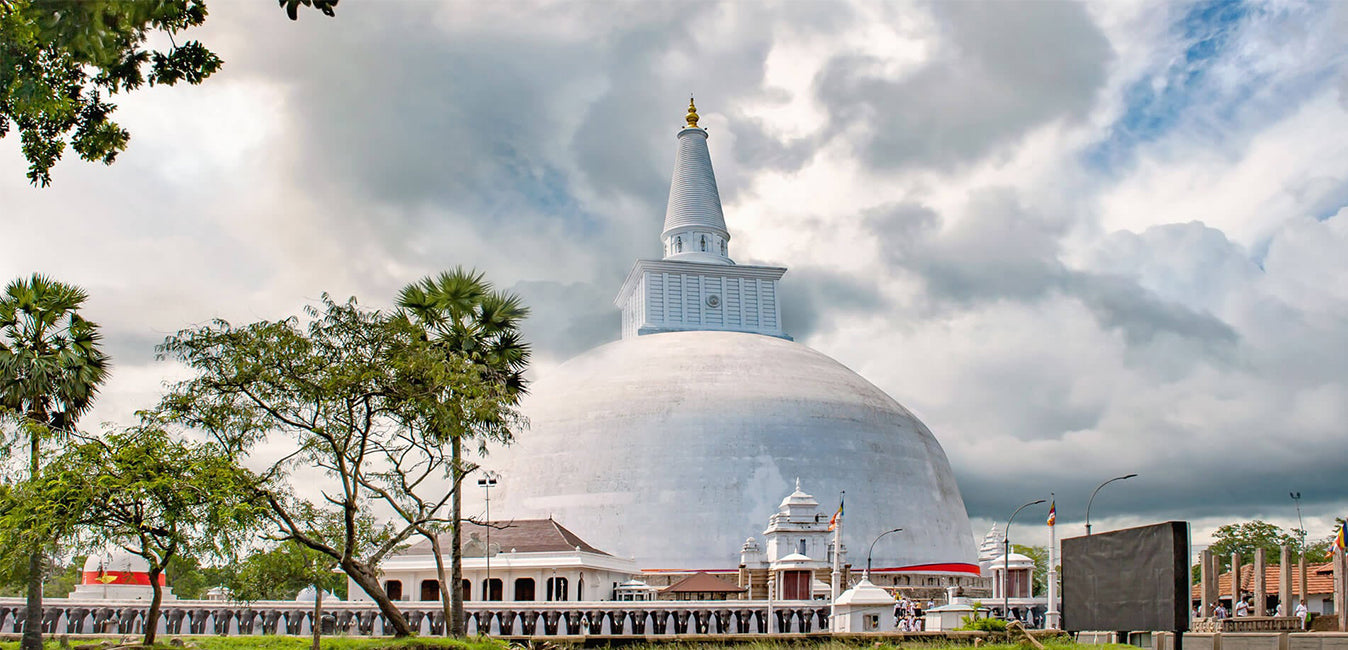
The Ruwanweli Maha Seya, also known as the Mahathupa (the Great Thupa) is a stupa (a hemispherical structure containing relics) in Anuradhapura, Sri Lanka. Two quarts or one Dona of the Buddha's relics are enshrined in the stupa, making it the largest collection of his relics anywhere. It was built by Sinhalese King Dutugemunu in c. 140 B.C., who became king of Sri Lanka after a war in which the Chola King Elāra (Ellalan) was defeated.
-
 Thuparamaya
Thuparamaya is the first Buddhist temple that was constructed, after the arrival of mahinda thero(mahindagamanaya) in Sri Lanka. Located in the sacred area of Mahamewna park, the Thuparamaya Stupa is the earliest Dagoba to be constructed in the island, dating back to the reign of King Devanampiya Tissa (247-207 BC). The temple has been formally recognised by the Government as an archaeological site in Sri Lanka.
-
 Lovamahapaya
Lovamahapaya is a building situated between Ruwanweliseya and Sri Mahabodiya in the ancient city of Anuradhapura, Sri Lanka. It is also known as the Brazen Palace or Lohaprasadaya because the roof was covered with bronze tiles. In ancient times, the building included the refectory and the uposathagara (Uposatha house).
-
 Abhayagiri Stupa
Abhayagiri Vihāra was a major monastery site of Mahayana, Theravada and Vajrayana Buddhism that was situated in Anuradhapura, Sri Lanka. It is one of the most extensive ruins in the world and one of the most sacred Buddhist pilgrimage cities in the nation.
-
 Jetavanaramaya
The Jetavanarama stupa or Jetavanaramaya is a stupa, or Buddhist reliquary monument, located in the ruins of Jetavana monastery in the UNESCO world heritage city of Anuradhapura, Sri Lanka. At 122 metres (400 ft), it was the world's tallest stupa, and the third tallest structure in the world when it was built by King Mahasena of Anuradhapura (273–301).
-
 Mirisawetiya Stupa
The Mirisaweti Stupa is a memorial building, a stupa, situated in the ancient city of Anuradhapura, Sri Lanka. King Dutugamunu (161 BC to 137 BC) built the Mirisaveti Stupa after defeating King Elara. After placing the Buddha relics in the sceptre, he had gone to Tissa Wewa for a bath leaving the sceptre.
-
 Lankarama
Lankarama is a stupa built by King Valagamba, in an ancient place at Galhebakada in the ancient kingdom of Anuradhapura, Sri Lanka. Nothing is known about the ancient form of the stupa, and later this was renovated. The ruins show that there are rows of stone pillars and it is no doubt that there has been a house built encircling the stupa (vatadage) to cover it.
-
 Isurumuniya
Isurumuniya is a Buddhist temple situated near to the Tissa Wewa (Tisa tank) in Anuradhapura, Sri Lanka. There are four carvings of special interest in this Vihara. They are the Isurumuniya Lovers, Elephant Pond and The Royal Family. The ancient Meghagiri Vihara or Meygiri Vihara is presently identified as the Isurumuni Vihara.