Rubia cordifolia, commonly known as Indian madder or common madder, is a perennial climbing vine with deep roots in Ayurvedic medicine. Native to tropical and subtropical Asia, it has been cultivated and used across Sri Lanka for centuries — both as a medicinal herb and, historically, as a natural dye. The plant appears in Sri Lanka's official catalog of Ayurvedic medicinal plants, reflecting its established role in traditional healing systems on the island.
What does Rubia cordifolia look like?
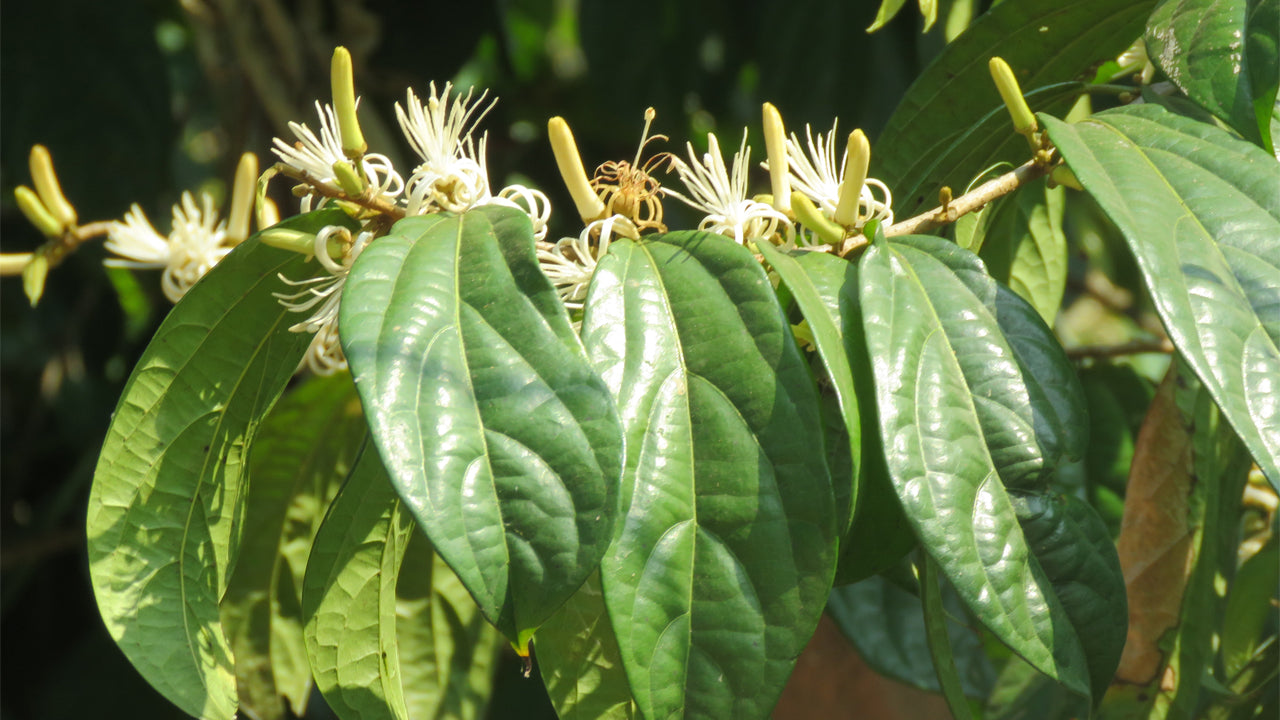
Rubia cordifolia is a slender, weak-stemmed vine that can reach around 6 metres in length. Its stem is quadrangular in cross-section — four-sided rather than round — and characteristically red at the centre, making it relatively easy to identify. The stem is fragile and breaks readily. Distinct nodes are visible at regular intervals along its length, and small spine-like projections cover the stem surface, which help the plant cling to surrounding vegetation.
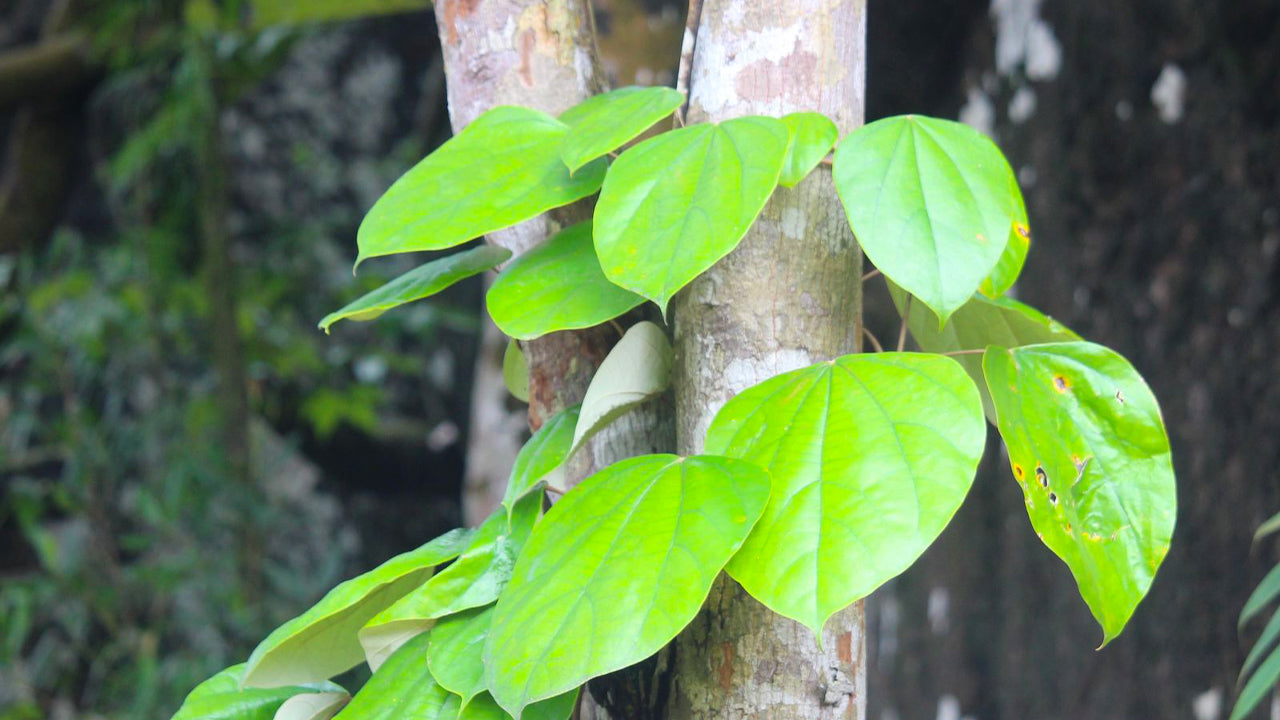
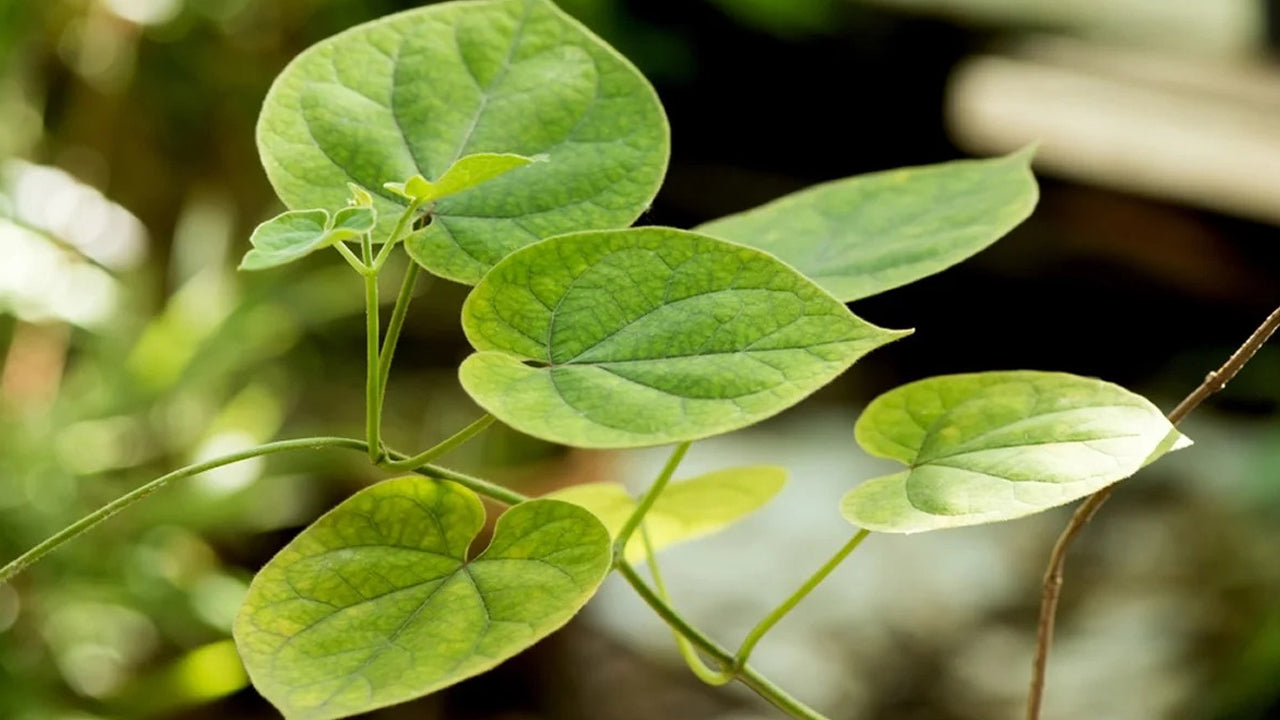
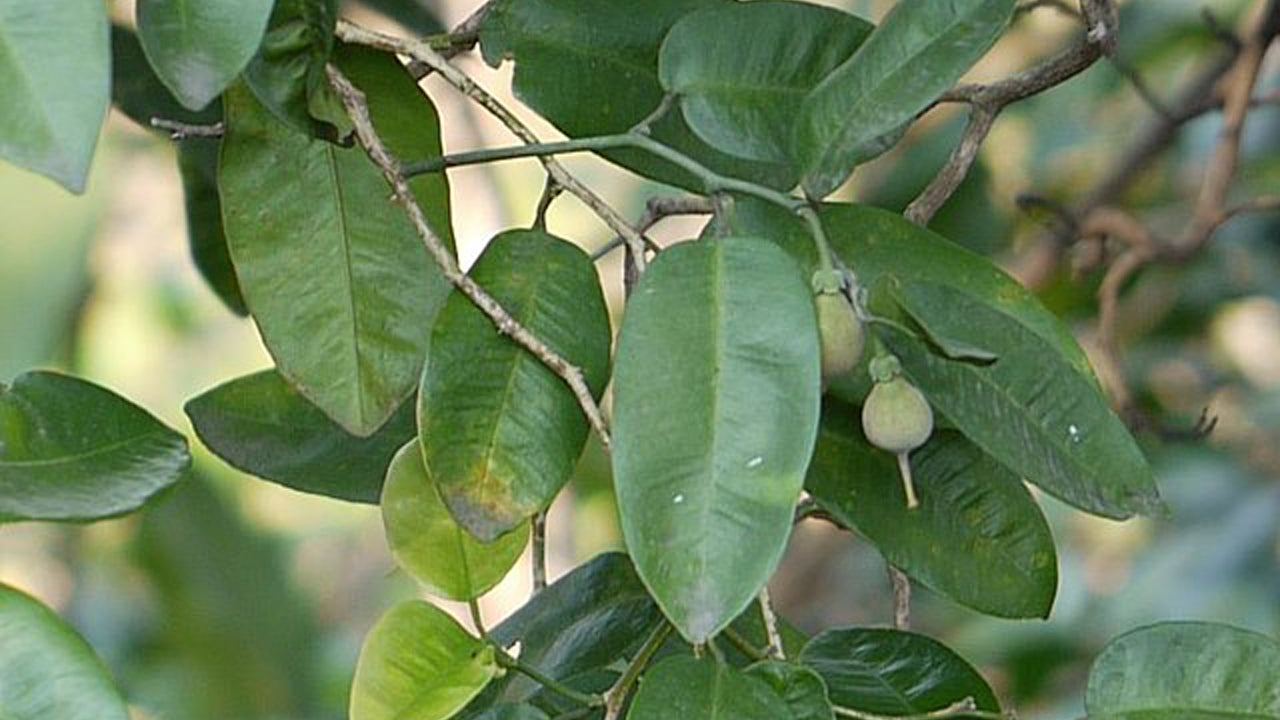
The leaves are simple and ovate to oblanceolate in shape, typically arranged in whorls of four at each node, though whorls of six or eight are also recorded. Each leaf is generally 2–5 cm wide and can occasionally reach up to 9 cm, with a smooth, firm upper surface. The leaf and stem arrangement near the nodes gives the plant a structured, almost geometric appearance along its length.
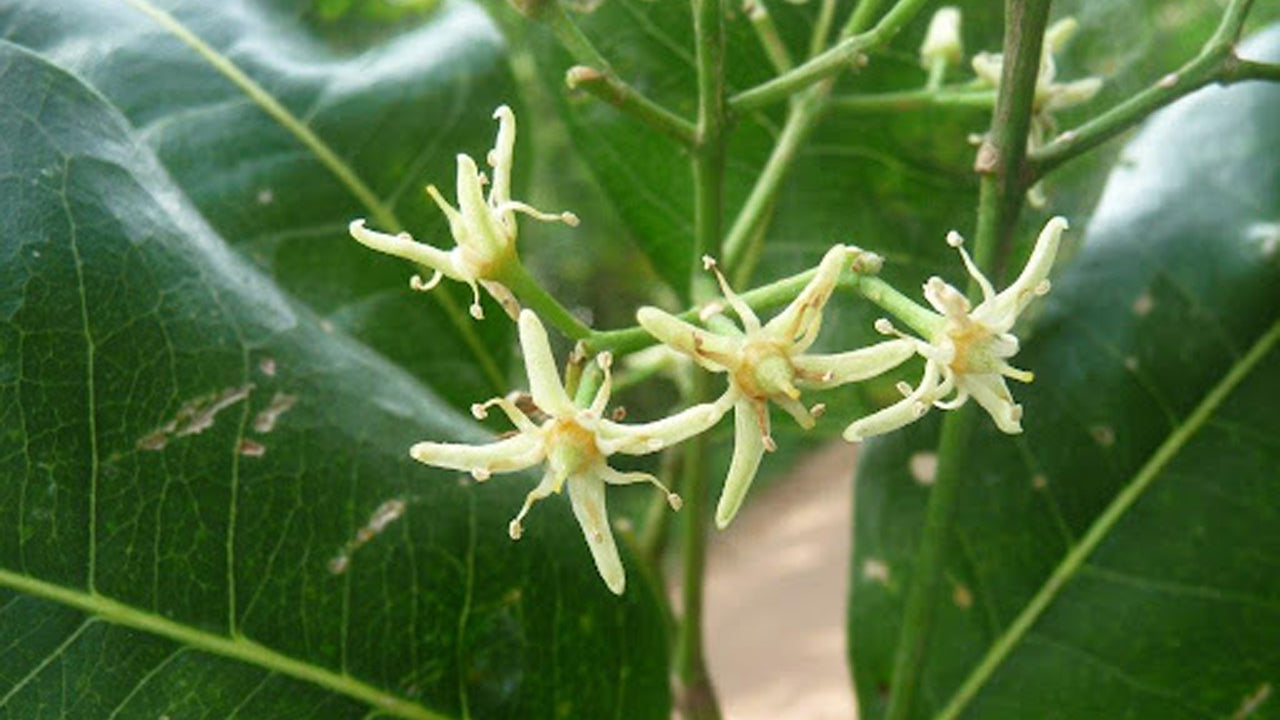
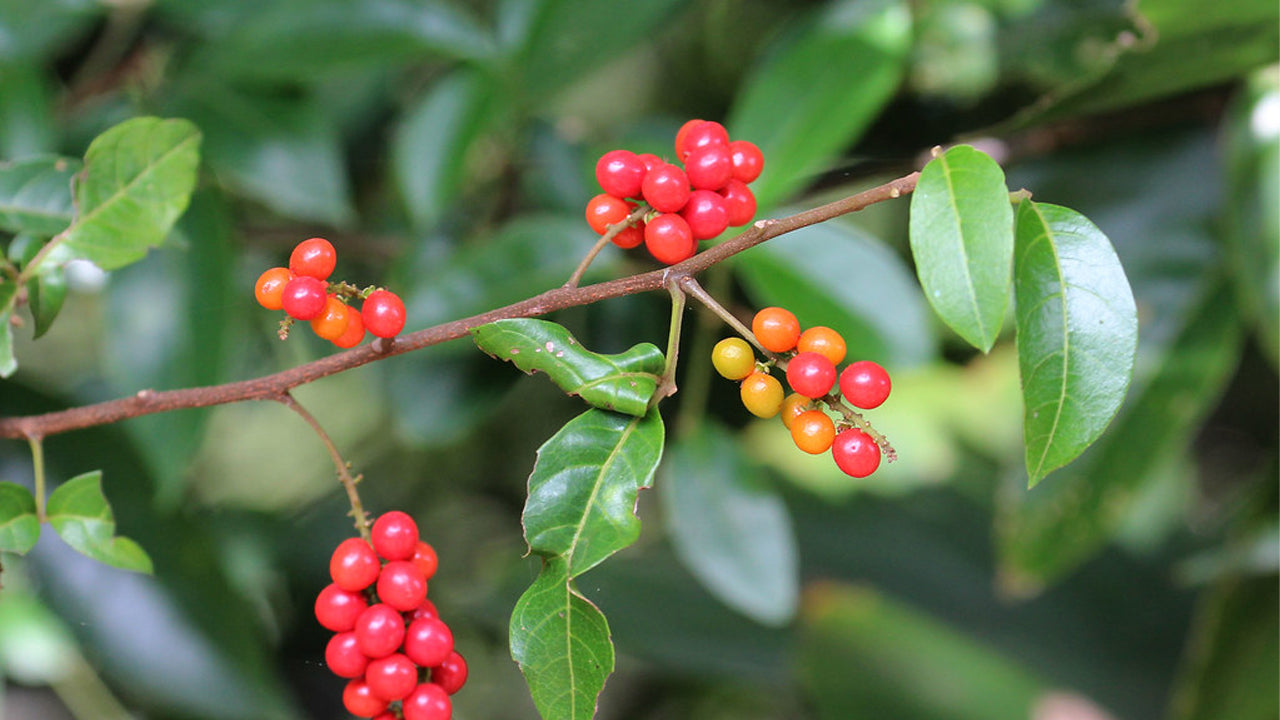
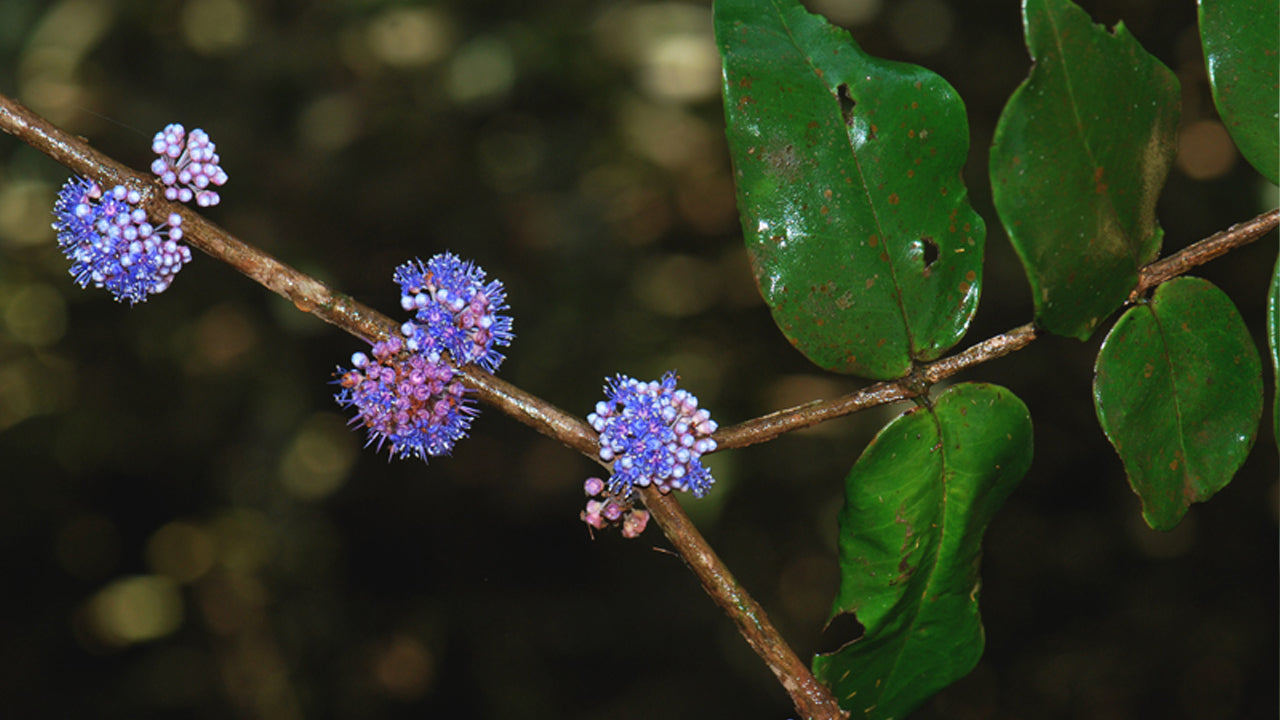
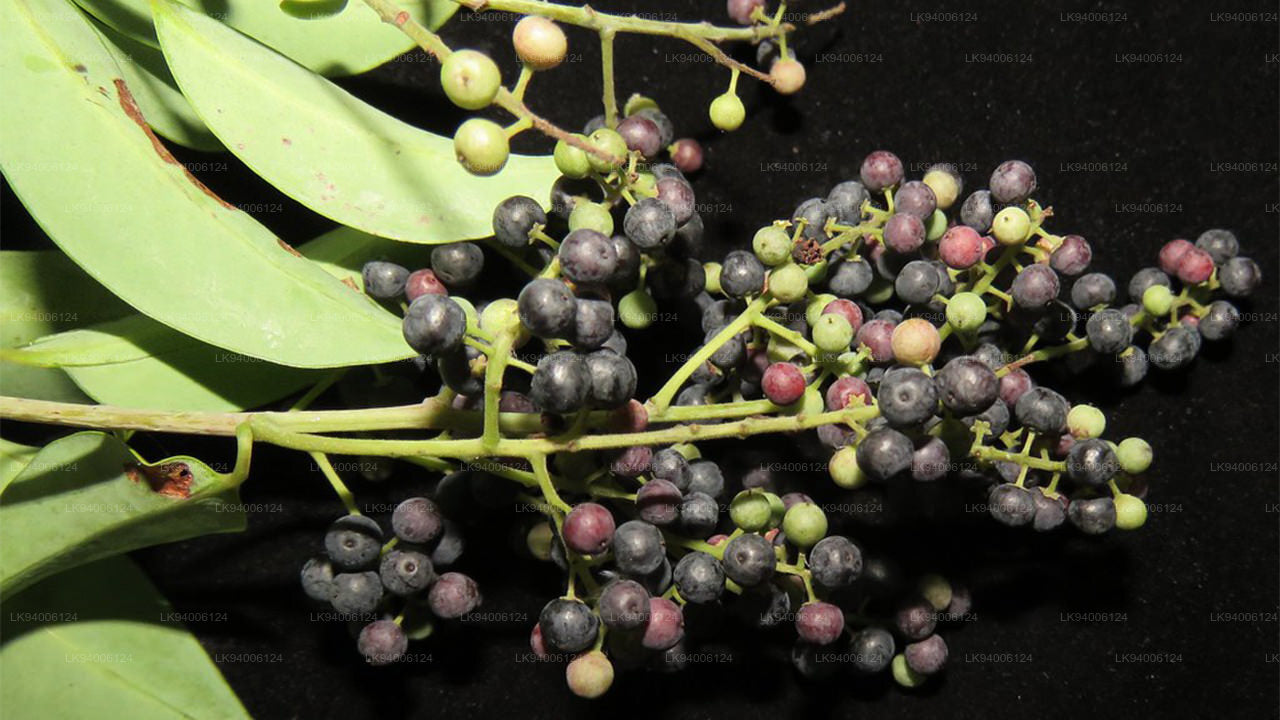
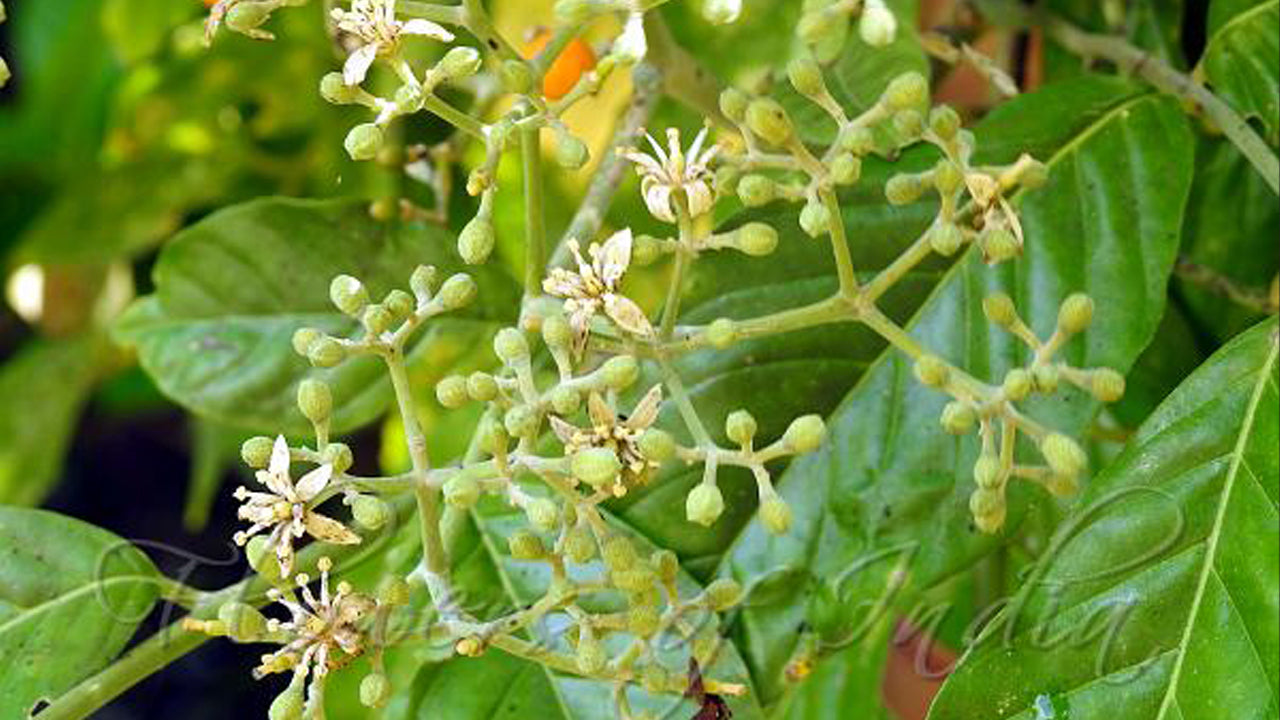
Flowers are small and five-petalled, with a greenish-yellow colouration. The fruit is a small, fleshy berry — green when immature, turning purple at ripeness, and deepening to a blackish-purple when fully ripe.
Where does Rubia cordifolia grow in Sri Lanka?
Rubia cordifolia grows naturally across a range of habitats in Sri Lanka, typically in forest margins, disturbed scrubland, and areas with moderate to high rainfall. It favours well-drained soils and tends to climb over surrounding shrubs and low tree canopies. The plant is distributed across both the wet and intermediate zones of the island, and is also cultivated in home gardens and Ayurvedic cultivation plots.
Sri Lanka's biodiversity-rich environments — including areas near the Sinharaja Forest Reserve — support numerous medicinal plants alongside Rubia cordifolia. Traditional cultivators often grow it alongside other Ayurvedic species such as Acacia chundra and Pongamia pinnata, which share similar ecological requirements.
What are the traditional medicinal uses of Rubia cordifolia?
In classical Ayurvedic texts, Rubia cordifolia — known in Sanskrit as Manjishtha — is considered one of the most important herbs for purifying the blood and supporting skin health. Ayurvedic practitioners traditionally use it to address a wide range of conditions, including skin disorders, digestive complaints, and inflammatory conditions.
Key traditional applications include:
- Skin diseases and inflammatory skin conditions
- Blood purification and disorders associated with impure blood (rakta dosha)
- Digestive issues including indigestion, dyspepsia, and dysentery
- Helminths (intestinal worms) and related conditions
- Wound healing, burns, and recovery from injury
- Supporting liver function and detoxification
- Conditions associated with rakta pitta (bleeding disorders)
- General tonic and immune-supporting use
The plant is also traditionally attributed with properties that support eye health, improve reproductive vitality, and act as an antipyretic (fever reducer). Formulations made from its root are among the most common, as the root contains the highest concentration of active constituents.
What are the key therapeutic properties of Rubia cordifolia?
Ayurvedic pharmacology describes Rubia cordifolia through a specific set of properties (gunas) that govern its actions in the body. These include:
- Astringent action: helps tone tissues and reduce excess secretions
- Antipyretic: traditionally used to reduce fever
- Anthelmintic: acts against intestinal parasites
- Blood purification: regarded as a primary rakta shodhana (blood-cleansing) herb
- Galactagogue: traditionally used to support breast milk quality
- Anti-inflammatory: applied internally and topically for inflammatory conditions
- Rasayana (rejuvenating): considered a tonic that improves overall constitution
Modern phytochemical research has identified a range of compounds in the plant — including anthraquinones such as alizarin and purpurin — that are being studied for their antioxidant, antimicrobial, and potential anticancer properties. This research remains ongoing, and findings should not be interpreted as clinical treatment recommendations.
How is Rubia cordifolia used in Ayurvedic preparations?
The root of Rubia cordifolia is the most medicinally valued part of the plant. It is used in a variety of classical Ayurvedic formulations, including decoctions (kashaya), powders (churna), medicated oils, and compound preparations. In Sri Lankan Ayurveda, it commonly appears as an ingredient in compound formulas rather than as a standalone treatment.
Practitioners may combine Rubia cordifolia with other herbs to address specific conditions — for instance, it is found in formulations designed to treat skin disorders, and as a supporting ingredient in preparations such as Kaishore Guggulu and Yogaraja Guggulu. Dosage and preparation method are typically determined by a qualified Ayurvedic physician based on individual constitution and the nature of the condition being treated.
Historically, the plant's roots also served as a natural red-orange dye, used in traditional textile production across South Asia. This use of the plant predates written records in the region and connects it to a broader cultural and craft heritage.
Is Rubia cordifolia safe to use?
Traditional Ayurvedic texts note that Rubia cordifolia is generally well tolerated when used under proper guidance, but like all medicinal herbs, it should not be self-prescribed or taken in excess. Some preparations are contraindicated during pregnancy. Because the plant contains biologically active compounds — including anthraquinone derivatives — prolonged or unmonitored use at high doses is not advisable without professional oversight.
Anyone interested in Ayurvedic treatments in Sri Lanka should consult a registered Ayurvedic physician. Sri Lanka's Department of Ayurveda, which maintains the official catalog of medicinal plants in which Rubia cordifolia is listed, provides regulatory oversight of Ayurvedic practice and products on the island.
What is the broader significance of Rubia cordifolia in Sri Lankan Ayurveda?
Sri Lanka has one of the oldest living Ayurvedic traditions in Asia, with a continuous history of plant-based medicine stretching back more than two thousand years. Rubia cordifolia is listed in the official pharmacopoeial catalog maintained by the Sri Lankan government, placing it among the botanicals formally recognised for medicinal use on the island. This recognition reflects both its long history of use and the ongoing interest in documenting and preserving traditional plant knowledge.
The island's biodiversity provides a uniquely rich environment for medicinal plants. Many herbs used in classical Ayurveda — including Rubia cordifolia — grow naturally alongside spice crops and forest species that have shaped Sri Lanka's agricultural and cultural identity for generations. Visitors interested in traditional medicine can explore these dimensions through dedicated Ayurvedic resort programs, spice garden tours, and cultural visits offered by local specialists.